
Dec . 03, 2025 20:26 Back to list
Comprehensive Guide to 1.5 hp Submersible Pumps: Specs, Uses & Trends
Understanding the 1.5 hp Submersible Pump: A Small Machine with Big Impact
When we talk about water pumps, the term 1.5 hp submersible pump might sound quite technical, but its influence spans far beyond mere specs. Globally, these quiet workhorses ensure water reaches farms, industries, and households, often under challenging circumstances. Whether in drought-stricken regions or booming industrial zones, the right submersible pump is a backbone for sustainable water management.
The Global Context: Why a 1.5 hp Submersible Pump Matters
The United Nations estimates that over 2 billion people live in countries experiencing high water stress (1), making efficient water solutions crucial. In this light, submersible pumps rated at 1.5 horsepower (hp) pack just enough power to move significant volumes of water without excessive energy consumption. For farmers in Asia, municipal water setups in Europe, or remote mining sites in Africa, these pumps offer a balanced choice for extracting and distributing water. Yet, challenges like power instability and environmental regulations keep pushing the demand for smarter, more reliable pumping solutions.
What Exactly Is a 1.5 hp Submersible Pump?
Simply put, a 1.5 hp submersible pump is an electric-powered device designed to be submerged in water and push fluids upward or alongside a pipeline. The "1.5 hp" refers to its motor power—enough to create substantial hydraulic pressure, roughly equivalent to 1,119 watts, yet compact enough for underground well applications. These pumps form an indispensable part of modern agriculture, municipal water supply, and even certain industrial processes that rely on deep well or borehole water access.
Key Factors Behind the 1.5 hp Submersible Pump’s Effectiveness
Durability
Designed to work underwater for extended periods, these pumps are often crafted from corrosion-resistant materials (like stainless steel or special polymers). This longevity matters because failure means costly downtime, especially in remote areas.
Energy Efficiency
At 1.5 hp, these pumps balance power and energy consumption—a sweet spot for users wanting to keep electricity bills reasonable without sacrificing output.
Scalability & Versatility
They’re sized just right to serve single-family wells or small commercial setups, with the possibility to integrate into larger systems if necessary.
Maintenance and Ease of Use
Many models now feature “plug and play” installation and modular components, simplifying service and reducing the need for high-skilled technicians.
Resistance to Clogging
Some pumps come with upgraded impeller designs or anti-clog features, which are crucial when handling water with suspended solids.
Specifications of a Typical 1.5 hp Submersible Pump
| Feature | Specification |
|---|---|
| Power | 1.5 hp (≈1,119 W) |
| Max Flow Rate | Up to 40 gallons per minute |
| Max Head (Lift Height) | Around 200 feet |
| Material | Stainless steel/High-grade polymer |
| Voltage | 110-220 V AC (single phase/three phase) |
| Protection | Thermal overload, waterproof seals |
Real-World Applications of 1.5 hp Submersible Pumps
- Agriculture: Irrigation setups in regions like India and Mexico depend on these pumps for reliable groundwater extraction, especially during dry seasons.
- Municipal Water Supply: Small towns in Europe use them as part of groundwater abstraction for water treatment systems.
- Industrial Use: Mining operations, particularly in Africa, utilize 1.5 hp submersible pumps for dewatering mines or supplying process water.
- Emergency Relief: NGOs deploying quick water solutions in disaster-hit zones often lean on these pumps for scalability and simplicity.
For instance, during recent floods in Southeast Asia, some agencies deployed these pumps to extract and redirect contaminated water, saving both lives and livelihoods.
Vendor Comparison for 1.5 hp Submersible Pumps
| Vendor | Warranty | Price Range (USD) | Special Features |
|---|---|---|---|
| AquaFlow Tech | 3 years | $280 - $320 | Anti-corrosive coating, low energy consumption |
| Prime Pumps | 2 years | $250 - $300 | Integrated thermal protection, modular parts |
| HydroLift Co. | 5 years | $310 - $360 | Smart sensor compatibility, reinforced shafts |
Advantages & Long-Term Value
Honestly, what draws most users to the 1.5 hp submersible pump is reliability combined with cost-effectiveness—the two don't often go hand in hand in technical equipment. Over years, these pumps can lower operational costs thanks to fewer breakdowns and optimized energy use. Beyond dollars, they contribute to public health, especially in rural settings, by ensuring a safer, more consistent water supply.
On a more human note, water access elevates dignity, empowers women and children by freeing them from long water-fetching treks, and supports local economies. The quiet hum of a dependable pump, marking the heart of a community’s water system, is oddly reassuring.
Emerging Trends & Innovations
The future of these pumps will undoubtedly involve greener standards. Manufacturers are exploring integration with solar power, making 1.5 hp submersible pumps viable even off-grid. Smart pumps with IoT sensors can now monitor performance remotely, preempting failures. Additionally, advances in materials science promise lighter, more corrosion-resistant designs that save energy and extend the pumps' active lifespan.
Common Challenges & Practical Solutions
Despite their many strengths, submersible pumps at this power rating face hurdles. Hard water can cause scaling, reducing efficiency and damaging parts. Also, sudden power cuts may harm the motor or cause drying, shortening lifespan. To counter these, users rely on regular maintenance schedules, installation of water softeners, and surge protectors. Some vendors offer customizable options such as automatic shutoff systems and easy-access seals to tackle these concerns.
FAQs: What People Ask About 1.5 hp Submersible Pumps
- Q: How deep can a 1.5 hp submersible pump work effectively?
A: Typically, these pumps can handle depths up to 200 feet, suitable for medium-depth wells in agricultural and municipal use. Exact performance depends on specific design and installation factors. - Q: Can I run this pump on solar power?
A: Yes, with the right solar panel setup and a compatible inverter, these pumps can operate off-grid. Some manufacturers now even produce solar-ready models tailored for remote areas. - Q: What maintenance should I expect?
A: Routine checks on seals, impellers, and electrical connections every six months are recommended. Cleaning sediment buildup and ensuring proper voltage supply improve longevity. - Q: Are these pumps suitable for pumping water with sand or debris?
A: Certain models have anti-clogging features and durable impellers designed to handle some solids. However, heavy sediments can reduce lifespan, so pre-filters are often advised.
Wrapping Up
The 1.5 hp submersible pumps aren’t just machines; they’re enablers of life’s essentials globally. Their balance of power, efficiency, and versatility continues to earn their place in myriad settings—from fields to factories and disaster zones alike. If you’re considering upgrading or deploying water pumping solutions, diving into these models is well worth your while.
Ready to explore more? Visit our site for detailed guides and trusted pump selections tailored to your needs.
Oddly enough, it’s often the simplest machines like the 1.5 hp submersible pump that quietly keep the wheels of progress turning. Whether you’re installing one, repairing, or just curious, understanding what they do is quite empowering.
Sources:
-
Understanding the Price Submersible Pump and Buyer Guide
NewsApr.16,2026
-
Factors Affecting the Price for Submersible Pump a Buyers Guide
NewsApr.09,2026
-
Choosing the Right Mini Submersible Fountain Pump for Optimal Water Feature Performance
NewsApr.07,2026
-
A Detailed Guide to Installing a Submersible Pump for Optimal Performance
NewsApr.04,2026
-
Comprehensive Guide on How to Test a Submersible Water Well Pump Effectively
NewsMar.31,2026
-
Learn How to Replace a Submersible Well Pump Safely and Effectively
NewsMar.28,2026
-
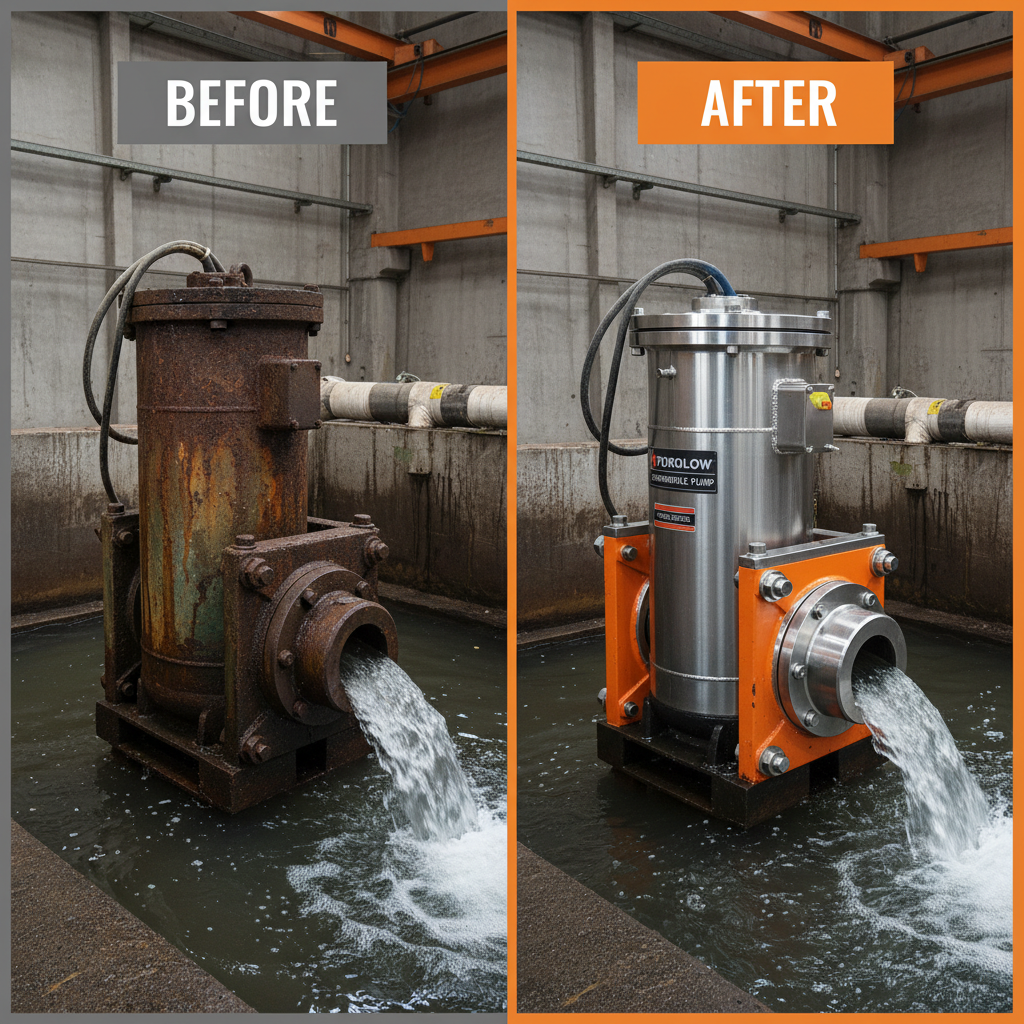 Understanding the Price Submersible Pump and Buyer GuideWhen searching for the ideal water management solution, understanding the price submersible pump options is crucial for balancing budget with performance. Whether you are dealing with a flooded basement, managing agricultural irrigation, or extracting water from a deep well, the cost of a submersible pump can vary significantly based on its build quality and capacity. Investing in a high-quality pump ensures long-term reliability and reduces the frequency of expensive replacements. In this guide, we will break down the factors that influence pricing and help you make an informed decision for your specific needs.Detail
 -
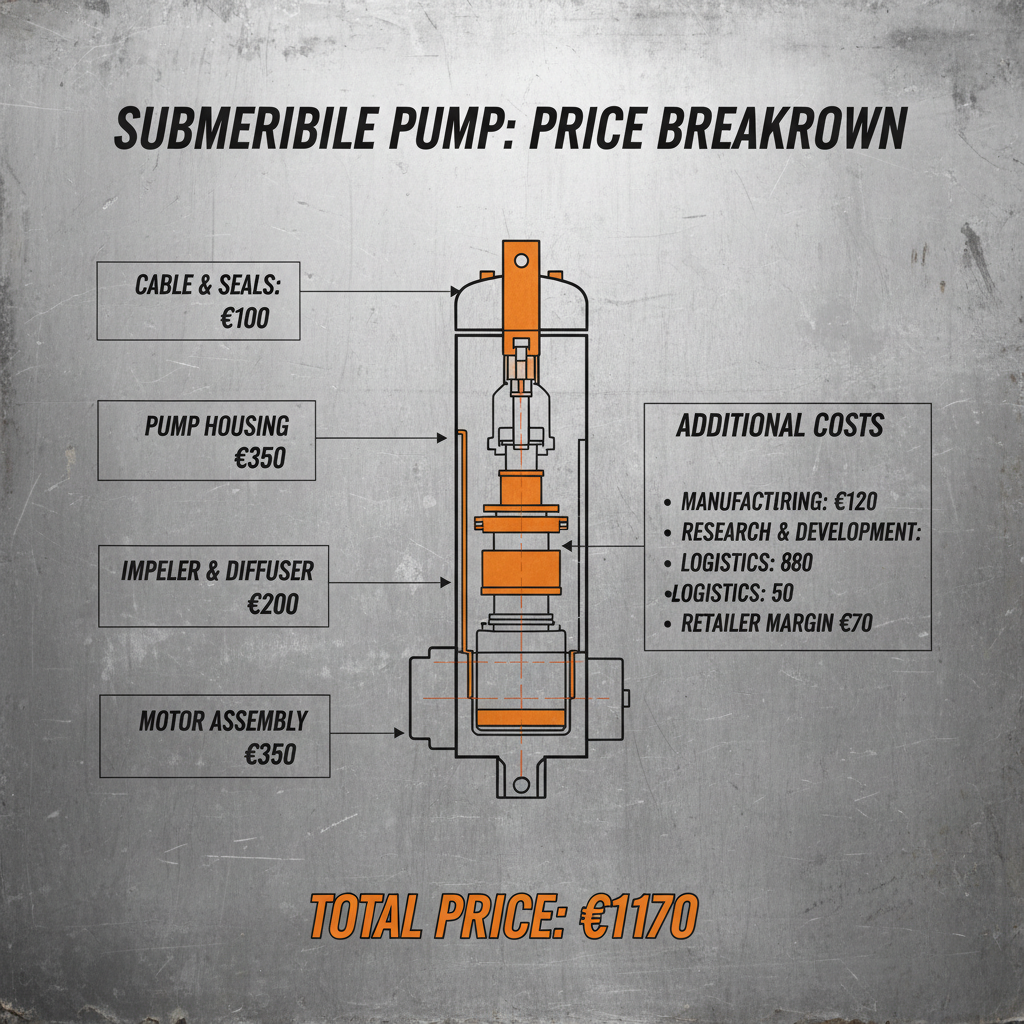 Factors Affecting the Price for Submersible Pump a Buyers GuideWhen investing in water management systems, understanding the price for submersible pump options is essential for balancing performance with budget. Whether you are managing a residential well, an industrial drainage project, or agricultural irrigation, the cost of a pump is rarely a flat fee; it is a reflection of the engineering, materials, and capacity required for your specific environment. In this guide, we will break down the factors that influence pricing and help you determine the best value for your investment to ensure long-term reliability and efficiency.Detail
 -
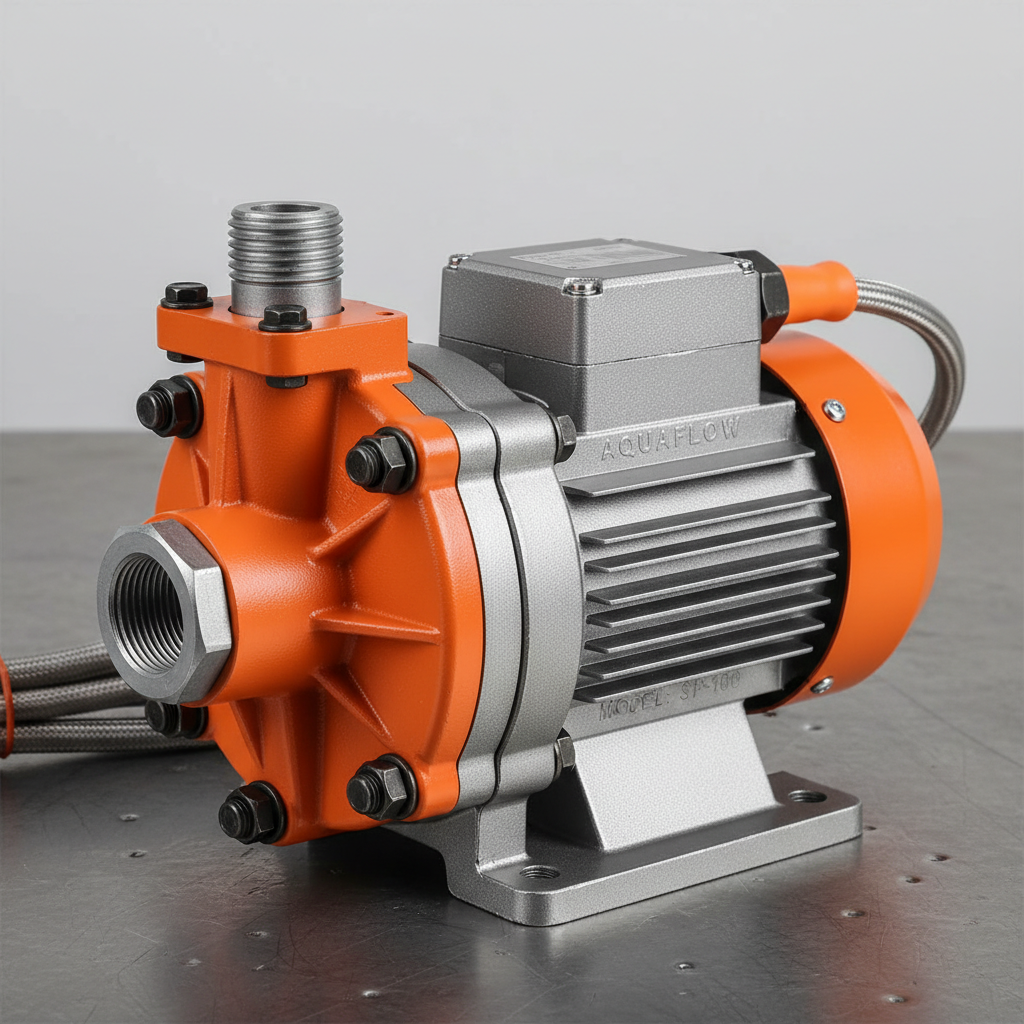 Choosing the Right Mini Submersible Fountain Pump for Optimal Water Feature PerformanceCreating a beautiful and relaxing water feature doesn't have to be complicated. A mini submersible fountain pump is the heart of any indoor or outdoor fountain, and selecting the right one is crucial for optimal performance and longevity. This article will guide you through the key considerations when choosing a mini submersible fountain pump, covering types, features, applications, and how to ensure you get the perfect pump for your project. We’ll also explore how Wellpumpact can provide you with the ideal solution.Detail
 Afrikaans
 Albanian
 Amharic
 Arabic
 Armenian
 Azerbaijani
 Basque
 Belarusian
 Bengali
 Bosnian
 Bulgarian
 Catalan
 Cebuano
 Corsican
 Croatian
 Czech
Czech
 Danish
 Dutch
Dutch
 Esperanto
 Estonian
 Finnish
 French
 Frisian
 Galician
 Georgian
 German
 Greek
Greek
 Gujarati
 Haitian Creole
 Hausa
Hausa
 Hawaiian
 Hebrew
 Hindi
Hindi
 Miao
Miao
 Hungarian
 Icelandic
 Igbo
Igbo
 Indonesian
 Irish
Irish
 Italian
 Japanese
 Javanese
 Kannada
 Kazakh
 Khmer
Khmer
 Rwandese
 Korean
 Kurdish
 Kyrgyz
 Lao
Lao
 Latin
Latin
 Latvian
 Lithuanian
 Luxembourgish
 Macedonian
 Malgashi
 Malay
Malay
 Malayalam
 Maltese
 Maori
Maori
 Marathi
 Mongolian
 Myanmar
 Nepali
 Norwegian
 Norwegian
 Occitan
 Pashto
 Persian
 Polish
 Portuguese
 Punjabi
 Romanian
 Russian
 Samoan
 Scottish Gaelic
 Serbian
 Sesotho
 Shona
Shona
 Sindhi
 Sinhala
 Slovak
 Slovenian
 Somali
 Spanish
 Sundanese
 Swahili
 Swedish
 Tagalog
 Tajik
Tajik
 Tamil
Tamil
 Tatar
Tatar
 Telugu
 Thai
Thai
 Turkish
 Turkmen
 Ukrainian
 Urdu
Urdu
 Uighur
 Uzbek
Uzbek
 Vietnamese
 Welsh
Welsh
 Bantu
Bantu
 Yiddish
 Yoruba
 Zulu
Zulu
 English