
Dec . 02, 2025 14:46 Back to list
What is a Submersible Turbine Pump? Definition, Benefits & Global Applications
Understanding the Submersible Turbine Pump: Vital for Global Infrastructure
Water is the cornerstone of civilization, powering industries, sustaining agriculture, and supporting millions of daily needs worldwide. At the heart of many large-scale water management efforts lies a device that’s often overlooked yet crucial: the submersible turbine pump. Understanding what it is and how it impacts global infrastructure can unfold immense benefits—not just for engineers, but for sustainability advocates and public planners alike.
Introduction: Why the Submersible Turbine Pump Matters Globally
According to the UN’s World Water Development Report, roughly 4 billion people face severe water scarcity at least one month a year. On top of that, industries from agriculture to manufacturing rely heavily on dependable water transfer solutions. The submersible turbine pump addresses many of these issues by delivering efficient, reliable pumping from wells, reservoirs, or deep sources without the footprint of surface equipment.
Globally, over 60% of municipal water systems incorporate these pumps, especially in areas where space, noise, or environmental protection restrict traditional pumping stations (ISO 9906 guides many hydraulic standards here). Yet, even with their wide usage, many challenges still exist — like energy consumption and maintenance in harsh conditions.
What Exactly Is a Submersible Turbine Pump?
Simply put, a submersible turbine pump is a multi-stage centrifugal pump designed to be submerged in the liquid it’s pumping. Unlike surface pumps, its entire motor and pump assembly sits underwater, pushing fluid vertically to the surface. This design minimizes cavitation, reduces noise, and often improves pumping efficiency—particularly when handling deep wells or high volumes.
In humanitarian contexts, these pumps are invaluable for providing clean water from underground sources in remote or disaster-affected locations. Industries also rely on them for irrigation, mining, and municipal water supply, making them a sort of unsung hero in modern infrastructure.
Key Factors Influencing Submersible Turbine Pump Performance
Durability
Since these pumps often operate submerged, materials must resist corrosion, erosion, and wear. Stainless steel and specialized alloys are common, while sealing technologies are critical to prevent water ingress into the motor housing.
Efficiency
Energy costs matter, especially in regions with limited electricity. Multi-stage designs and optimized impeller geometry maximize flow while limiting power usage.
Scalability
Submersible turbine pumps come in a wide range of sizes—from small units for private wells to massive industrial pumps in municipal systems. Plus, modular designs allow customization to match the site’s specific hydraulic needs.
Cost Efficiency
Installation costs tend to be lower than surface pumps because no large above-ground infrastructure is required. Long-term maintenance, however, can be costlier if access is difficult.
| Specification | Typical Range |
|---|---|
| Flow Rate | 100 to 10,000+ GPM |
| Head (Lift) | 50 to 1,200 feet |
| Motor Power | 5 to 1000+ HP |
| Material | Stainless Steel, Bronze, Alloy Steel |
| Operation Depth | Up to 1,200 feet submerged |
Mini takeaway: Durability, efficiency, and scalability remain at the core of submersible turbine pump design, balancing technical demands and practical challenges.
Global Applications: Real-World Use Cases of Submersible Turbine Pumps
From bustling megacities in Asia to vast farmlands in the Midwest US, these pumps are everywhere.
- Agriculture: Large irrigation farms in California and India rely on high-capacity versions to sustain crops despite droughts.
- Mining Industry: In Chile and Australia, pumps pull groundwater from deep mines to keep operations safe and dry.
- Municipal Water Supply: Cities like Johannesburg and São Paulo utilize these pumps to maintain continuous clean water delivery.
- Disaster Relief & Remote Areas: NGOs and governments use portable submersible turbine pumps post disasters like floods or earthquakes to restore access to underground water sources.
Mini takeaway: These pumps serve as a backbone for industries and communities worldwide, especially where water accessibility is crucial and challenging.
Advantages & Long-Term Value of Submersible Turbine Pumps
One thing’s clear: reliability is key. Users often praise their quiet operation and minimal maintenance when installed properly. Plus, they generally consume less energy per unit volume pumped compared to surface pumps of similar capacity. That adds up—especially in remote regions where electric power is costly or unstable.
There’s also a human element. Imagine a rural village gaining clean, consistent water after installation. The social impact is profound—improved health, economic opportunities, and dignity. So beyond numbers, it’s about trust and innovation fostering progress.
Looking Ahead: Trends & Innovations in Submersible Turbine Pumps
Technology is moving fast, oddly enough in a field once considered “mature.” We’re seeing:
- Smart Sensors & IoT: Real-time performance monitoring to preempt failures and optimize energy use.
- Advanced Materials: New composites resistant to aggressive chemicals help expand usage in wastewater and mining effluents.
- Green Energy Integration: Matching pumps with solar or wind power systems for sustainable off-grid solutions.
Vendor Comparison: A Quick Look at Leading Submersible Turbine Pump Suppliers
| Feature | PumpCo | FlowMasters | DeepLift |
|---|---|---|---|
| Max Flow Rate (GPM) | 8,500 | 10,000 | 9,200 |
| Motor Power (HP) | Up to 1,000 | 500 - 750 | Up to 1,200 |
| Customization Options | High | Medium | High |
| Warranty Period | 3 Years | 2 Years | 4 Years |
| IoT & Smart Monitoring | Available | Limited | Available |
Challenges & Expert Insights
It’s not all smooth sailing. Some common hurdles include:
- Maintenance Complexity: Submerged motors require careful sealing and monitoring to avoid failure.
- Energy Consumption: Particularly in high-head applications, power use can become substantial.
- Installation Logistics: Deep wells and remote locations add complexity.
Innovations like condition-based maintenance systems, variable frequency drives (VFDs), and advanced polymer coatings are stepping stones toward solutions that reduce downtime and extend pump life.
FAQ: Your Top Questions About Submersible Turbine Pumps
- How long does a typical submersible turbine pump last?
- With proper maintenance, these pumps can last 10-15 years, though harsh environments may shorten lifespan. Routine inspections and timely seal replacements help extend service life.
- Can submersible turbine pumps handle contaminated water?
- While designed primarily for clean water, specialized models with abrasion-resistant components can handle some contaminants, but performance and wear rates vary significantly.
- What is the energy efficiency of these pumps?
- Modern units operate between 70-85% efficiency, but efficiency depends on pump selection, operation point, and maintenance—optimizing these factors is key to saving energy.
- Are these pumps easy to install in remote areas?
- Installation requires planning and sometimes heavy equipment to lower the pump into deep wells. Portable versions exist but typically have lower capacity. Partnering with experienced vendors is essential.
Conclusion: Embracing the Power of Submersible Turbine Pumps
In real terms, the submersible turbine pump is more than just hardware—it’s a lifeline supporting communities, industries, and ecosystems. Its blend of efficiency, durability, and adaptability makes it an essential technology for managing the world's precious water resources.
To explore more about how these pumps can transform your projects or operations, visit us at https://www.wellpumpact.com and dive into a wealth of information, products, and expert advice.
On reflection, while the tech behind these pumps feels straightforward, their impact is profound—quietly moving millions of gallons to quench, fuel, and build the future.
-
Understanding the Price Submersible Pump and Buyer Guide
NewsApr.16,2026
-
Factors Affecting the Price for Submersible Pump a Buyers Guide
NewsApr.09,2026
-
Choosing the Right Mini Submersible Fountain Pump for Optimal Water Feature Performance
NewsApr.07,2026
-
A Detailed Guide to Installing a Submersible Pump for Optimal Performance
NewsApr.04,2026
-
Comprehensive Guide on How to Test a Submersible Water Well Pump Effectively
NewsMar.31,2026
-
Learn How to Replace a Submersible Well Pump Safely and Effectively
NewsMar.28,2026
-
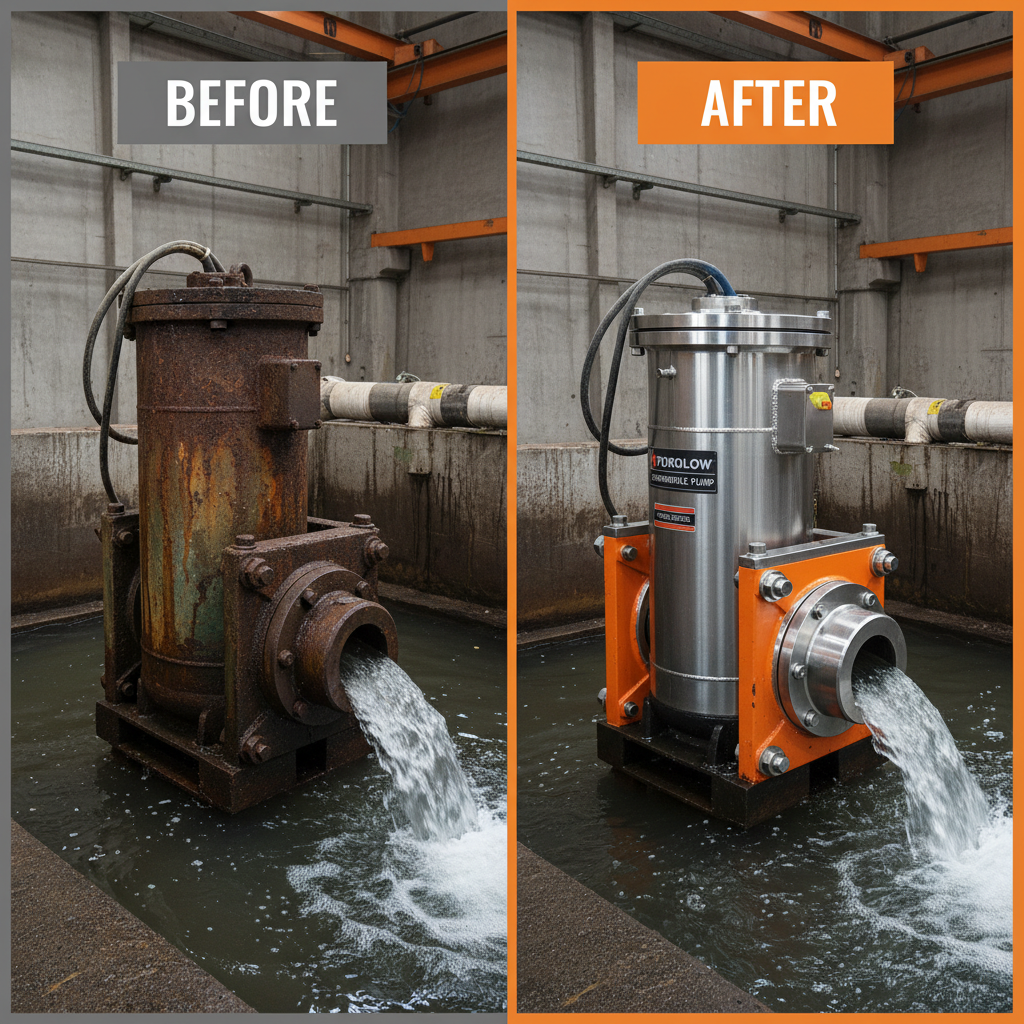 Understanding the Price Submersible Pump and Buyer GuideWhen searching for the ideal water management solution, understanding the price submersible pump options is crucial for balancing budget with performance. Whether you are dealing with a flooded basement, managing agricultural irrigation, or extracting water from a deep well, the cost of a submersible pump can vary significantly based on its build quality and capacity. Investing in a high-quality pump ensures long-term reliability and reduces the frequency of expensive replacements. In this guide, we will break down the factors that influence pricing and help you make an informed decision for your specific needs.Detail
 -
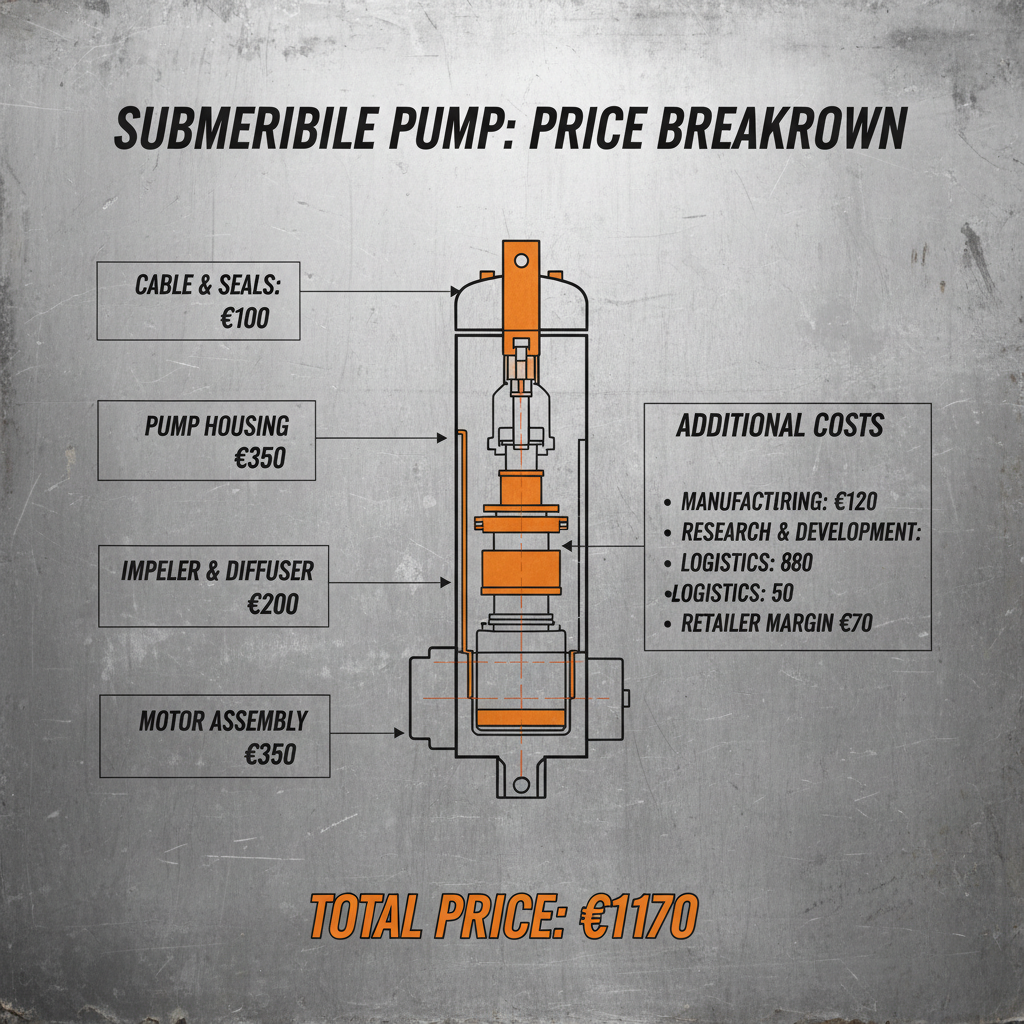 Factors Affecting the Price for Submersible Pump a Buyers GuideWhen investing in water management systems, understanding the price for submersible pump options is essential for balancing performance with budget. Whether you are managing a residential well, an industrial drainage project, or agricultural irrigation, the cost of a pump is rarely a flat fee; it is a reflection of the engineering, materials, and capacity required for your specific environment. In this guide, we will break down the factors that influence pricing and help you determine the best value for your investment to ensure long-term reliability and efficiency.Detail
 -
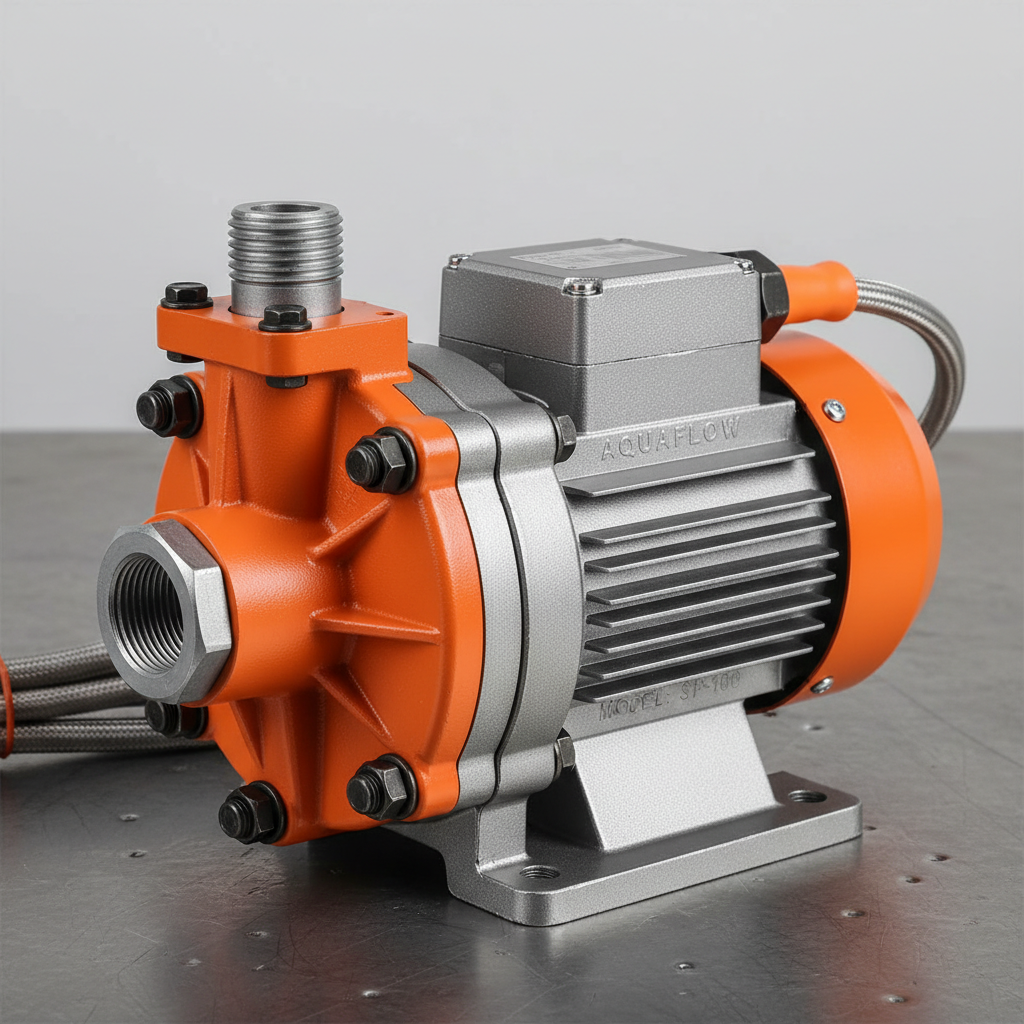 Choosing the Right Mini Submersible Fountain Pump for Optimal Water Feature PerformanceCreating a beautiful and relaxing water feature doesn't have to be complicated. A mini submersible fountain pump is the heart of any indoor or outdoor fountain, and selecting the right one is crucial for optimal performance and longevity. This article will guide you through the key considerations when choosing a mini submersible fountain pump, covering types, features, applications, and how to ensure you get the perfect pump for your project. We’ll also explore how Wellpumpact can provide you with the ideal solution.Detail
 Afrikaans
 Albanian
 Amharic
 Arabic
 Armenian
 Azerbaijani
 Basque
 Belarusian
 Bengali
 Bosnian
 Bulgarian
 Catalan
 Cebuano
 Corsican
 Croatian
 Czech
Czech
 Danish
 Dutch
Dutch
 Esperanto
 Estonian
 Finnish
 French
 Frisian
 Galician
 Georgian
 German
 Greek
Greek
 Gujarati
 Haitian Creole
 Hausa
Hausa
 Hawaiian
 Hebrew
 Hindi
Hindi
 Miao
Miao
 Hungarian
 Icelandic
 Igbo
Igbo
 Indonesian
 Irish
Irish
 Italian
 Japanese
 Javanese
 Kannada
 Kazakh
 Khmer
Khmer
 Rwandese
 Korean
 Kurdish
 Kyrgyz
 Lao
Lao
 Latin
Latin
 Latvian
 Lithuanian
 Luxembourgish
 Macedonian
 Malgashi
 Malay
Malay
 Malayalam
 Maltese
 Maori
Maori
 Marathi
 Mongolian
 Myanmar
 Nepali
 Norwegian
 Norwegian
 Occitan
 Pashto
 Persian
 Polish
 Portuguese
 Punjabi
 Romanian
 Russian
 Samoan
 Scottish Gaelic
 Serbian
 Sesotho
 Shona
Shona
 Sindhi
 Sinhala
 Slovak
 Slovenian
 Somali
 Spanish
 Sundanese
 Swahili
 Swedish
 Tagalog
 Tajik
Tajik
 Tamil
Tamil
 Tatar
Tatar
 Telugu
 Thai
Thai
 Turkish
 Turkmen
 Ukrainian
 Urdu
Urdu
 Uighur
 Uzbek
Uzbek
 Vietnamese
 Welsh
Welsh
 Bantu
Bantu
 Yiddish
 Yoruba
 Zulu
Zulu
 English