
Nov . 20, 2025 19:00 Back to list
Essential Guide to 12v Submersible Water Pumps – Applications & Innovations
What’s Behind the Buzz: Understanding the 12v Submersible Water Pump
If you’ve ever wrestled with water systems in a remote greenhouse, off-grid cabin, or emergency relief tent, you’ll know the relief when a compact, efficient water pump steps in. The 12v submersible water pump isn’t just another gadget — it’s an unsung workhorse with global relevance, quietly solving water access problems in tricky, power-limited places. As water scarcity, infrastructure gaps, and climate-driven disasters grow, knowing how these little pumps operate — and why they matter — opens doors to smarter water management worldwide.Global Context: Why This Pump Still Matters
Here’s a staggering stat from the United Nations: around 2.2 billion people worldwide lack safely managed drinking water at home. (UNICEF/WHO, 2023). Pumps powered by solar panels or vehicle batteries — often 12v systems — are a pivot for communities beyond reach of grids. 12v submersible water pumps uniquely address several bottlenecks: portability, low power needs, and adaptability. Think disaster zones, isolated farms, or off-grid scientific stations. The challenge is clear: how to move water reliably when electricity isn’t a given, power sources are volatile, or infrastructure is fragile.Defining the 12v Submersible Water Pump
So… what exactly is a 12v submersible water pump? At its core, it’s a pump powered by a low-voltage 12-volt DC source — usually a battery or solar power setup — designed to be submerged underwater. Unlike traditional surface pumps, it lives underwater in wells, ponds, or tanks, pushing water upwards through hose lines. The low-voltage design means you don’t rely on AC mains electricity. Nowadays, these pumps aren’t just tools for hobbyists; they’re lifelines in humanitarian aid, agriculture, and even automotive uses (think RV water systems). Their compact size and self-contained nature mean they survive in places where bigger, noisier pumps can’t.Key Factors That Make a 12v Submersible Water Pump Tick
Durability Underwater
These pumps face continuous exposure to water — sometimes murky, abrasive, or chemically complex. Manufacturers prioritize corrosion-resistant materials, often thermoplastics or stainless steel, to ensure longevity. Plus, waterproof seals keep the motor safe from short circuits.Portability & Power Efficiency
I often hear from field engineers: the charm of 12v pumps is mobility and energy thrift. Running on renewable 12v sources like solar-charged batteries means less dependence on fossil fuels or unreliable grids. Plus, their lightweight design makes relocating pumps for various applications a breeze.Flow Rate & Head Height
How much water can you move, and how high? Typical 12v submersible pumps deliver anything from 120 to 300 gallons per hour with maximum lift heights between 10 and 80 feet. These specs define if the pump suits shallow wells, irrigation, or water transfer.Noise & Vibration
In quiet zones—think remote wildlife research stations or community centers—noise is a real concern. These pumps tend to be quieter than traditional pumps, but quality does vary. I always recommend demoing models where silence matters.Cost-Effectiveness
Yeah, you get what you pay for, but surprisingly, many 12v options balance affordability and reliability. Generally, a pump offering decent flow and durability will cost around $50 to $150. That feels fair compared to bigger AC pump setups requiring infrastructure.Ease of Maintenance
Because these devices target remote or low-resource setups, simple maintenance matters. Few moving parts, straightforward impeller replacement, and easy cleaning make a big difference when specialized technicians aren’t nearby.Mini Takeaway:
The 12v submersible water pump is a blend of durability, energy thrift, and flexibility — making it perfect for challenging environments where water delivery is both essential and complicated. Explore 12v submersible water pump optionsGlobal Applications: Where & Who Benefits Most?
The use cases are surprisingly broad, touching humanitarian, agricultural, and industrial corners worldwide:- Disaster Relief & Emergency Water Supply: After floods or earthquakes, quickly deploying pumps that run on batteries or solar panels can mean the difference between water access and dehydration. NGOs prioritize 12v submersibles for their lightness and durability.
- Remote Agriculture & Irrigation: In drylands like Sub-Saharan Africa or parts of Australia, farmers use these pumps to draw water from boreholes or shallow wells. Their low power requirement meshes well with solar-powered irrigation kits, boosting yields sustainably.
- Off-grid Residential Systems: Cabins, tiny homes, and RV owners rely on 12v pumps for water supply, especially when mains electricity is absent or unreliable.
- Marine & Automotive Applications: Boat owners and campers use these pumps for freshwater supply or bilge pumping, leveraging their waterproof design.
Mini Takeaway:
From disaster zones to deserts, the 12v submersible pump quietly supports livelihoods in contexts where neither grid power nor heavy equipment can be assumed.Product Specification Table: Typical 12v Submersible Water Pump Features
| Specification | Value/Range |
|---|---|
| Voltage | 12 Volts DC |
| Power Consumption | 30–100 Watts |
| Max Flow Rate | 120–300 Gallons per Hour (GPH) |
| Max Lift Height | 10–80 Feet (3–25 meters) |
| Pump Body Material | Thermoplastic or Stainless Steel |
| Cable Length | 3–10 Feet (1–3 meters) |
| Weight | 2–5 lbs (0.9–2.3 kg) |
Comparing Leading 12v Submersible Water Pump Vendors
| Brand | Price Range (USD) | Average Flow Rate (GPH) | Build Quality | Warranty |
|---|---|---|---|---|
| AquaFlow | $60 – $120 | 250 | Excellent (Stainless Steel) | 2 years |
| HydroPump | $50 – $90 | 180 | Good (Thermoplastic) | 1 year |
| WellSpring | $80 – $140 | 300 | Very Good | 2 years |
| EcoWatts | $70 – $110 | 220 | Good | 18 months |
The Advantages and Long-Term Value of Going 12v
There’s an emotional and pragmatic angle here. On one hand: reducing dependence on unstable electric grids or noisy fuel-powered pumps helps communities gain dignity and autonomy. In real terms, it means safer water access, better hygiene, and improved crop yields. From an economic standpoint, 12v submersible water pumps lower energy bills and maintenance overheads. Their compatibility with renewables like solar panels makes a strong case for sustainable investment. The fact that many models operate quietly and can be moved easily also adds to user trust — no one wants a pump that breaks down mid-season or gives a headache with noise pollution. Over time, these choices build resilience against climate shocks: when mains fail, a battery-backed 12v pump ensures water still flows.Looking Ahead: Innovations on the Horizon
Manufacturers and researchers are brewing some pretty neat enhancements:- Smart Pump Controllers: Embedded sensors that monitor water levels, flow rates, and energy use — optimizing pump operation and warning users of faults before breakdown.
- Green Energy Integration: Hybrid solar-wind combos powering pumps with better battery storage tech.
- Advanced Materials: Composite polymers promising longer life in harsh water chemistry, plus lighter, easier-to-install designs.
- Modular and Scalable Units: Multi-pump systems that talk to each other for managing large agricultural setups.
Common Challenges…and How to Beat Them
A few realities to keep in mind: - Power Source Limitations: Batteries run out, solar depends on weather. For this, pairing pumps with hybrid power banks or smart energy management helps. - Clogging and Wear: Rough water or sediments might clog impellers. Regular cleaning and installing filters upfront usually do the trick. - Compatibility: Not every 12v submersible pumps fit all hose sizes or installation methods; check specs carefully before buying. - Quality Variability: Cheap pumps can fail early. Going with trusted vendors (see vendor table above) reduces headaches. In the long run, combining technical knowledge with smart deployment strategies makes all the difference.FAQ: Your 12v Submersible Water Pump Questions Answered
Q: Can I run a 12v submersible pump directly from a car battery?
A: Yes, these pumps are designed for 12v DC sources like car batteries. Just ensure the battery has sufficient capacity and consider voltage drops if you’re planning long hose runs.
Q: How deep can these pumps be submerged safely?
A: Most models specify max submersion depths—usually up to 10 feet (3 meters). Exceeding this risks damaging seals or overheating, so always check manufacturer guidelines.
Q: Are 12v submersible pumps suitable for saltwater?
A: Generally, no. Saltwater corrodes typical pump materials quickly. Specially designed marine-grade pumps exist for that purpose.
Q: How often should I maintain or clean the pump?
A: Depending on water quality, inspection every 3–6 months is wise. Remove debris, inspect seals, and run a performance check to avoid sudden failures.
Q: Is it easy to install these pumps myself?
A: Usually yes — basic tools and following manufacturer instructions suffice. Yet, in critical use cases, professional advice can help avoid issues.
Wrapping It Up: Why the 12v Submersible Water Pump Holds Its Ground
All in, these pumps offer a practical, affordable, and surprisingly robust solution to running water in places where electricity is scarce or unreliable. Their role isn’t flashy but profoundly essential: supporting life, farming, and recovery efforts worldwide. If you’re after a pump that fits snugly into an off-grid lifestyle or a humanitarian toolkit, learning about the 12v submersible water pump is really just step one. For a closer look at reliable models and tailored advice, visit https://www.wellpumpact.com – because good water flow shouldn’t be left to chance.References
- United Nations Water Supply and Sanitation Collaborative Council, “Drinking Water Statistics,” 2023. unwater.org
- ISO 9906: “Rotodynamic Pumps – Hydraulic Performance Acceptance Tests,” International Organization for Standardization, 2021.
- World Bank, “Renewable Energy in Rural Water Supply,” 2022. worldbank.org
-
Understanding the Price Submersible Pump and Buyer Guide
NewsApr.16,2026
-
Factors Affecting the Price for Submersible Pump a Buyers Guide
NewsApr.09,2026
-
Choosing the Right Mini Submersible Fountain Pump for Optimal Water Feature Performance
NewsApr.07,2026
-
A Detailed Guide to Installing a Submersible Pump for Optimal Performance
NewsApr.04,2026
-
Comprehensive Guide on How to Test a Submersible Water Well Pump Effectively
NewsMar.31,2026
-
Learn How to Replace a Submersible Well Pump Safely and Effectively
NewsMar.28,2026
-
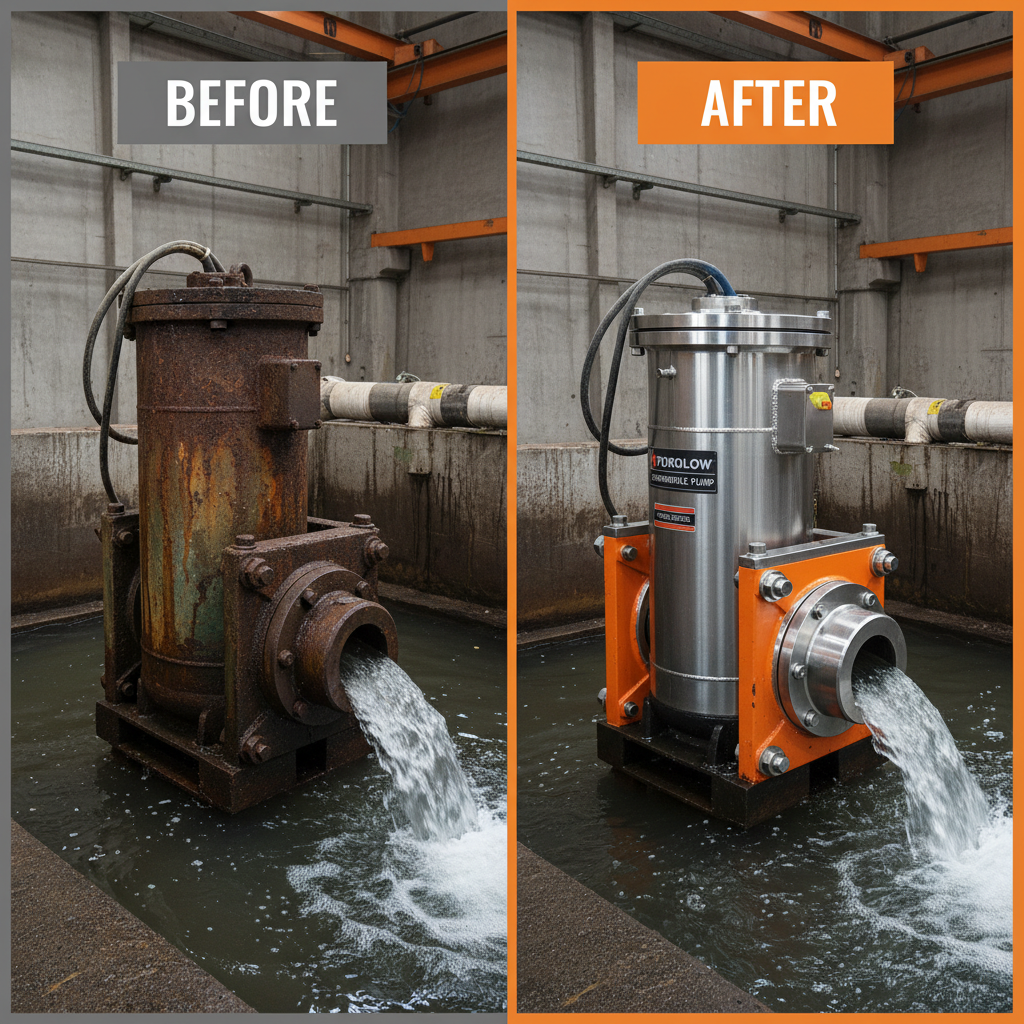 Understanding the Price Submersible Pump and Buyer GuideWhen searching for the ideal water management solution, understanding the price submersible pump options is crucial for balancing budget with performance. Whether you are dealing with a flooded basement, managing agricultural irrigation, or extracting water from a deep well, the cost of a submersible pump can vary significantly based on its build quality and capacity. Investing in a high-quality pump ensures long-term reliability and reduces the frequency of expensive replacements. In this guide, we will break down the factors that influence pricing and help you make an informed decision for your specific needs.Detail
 -
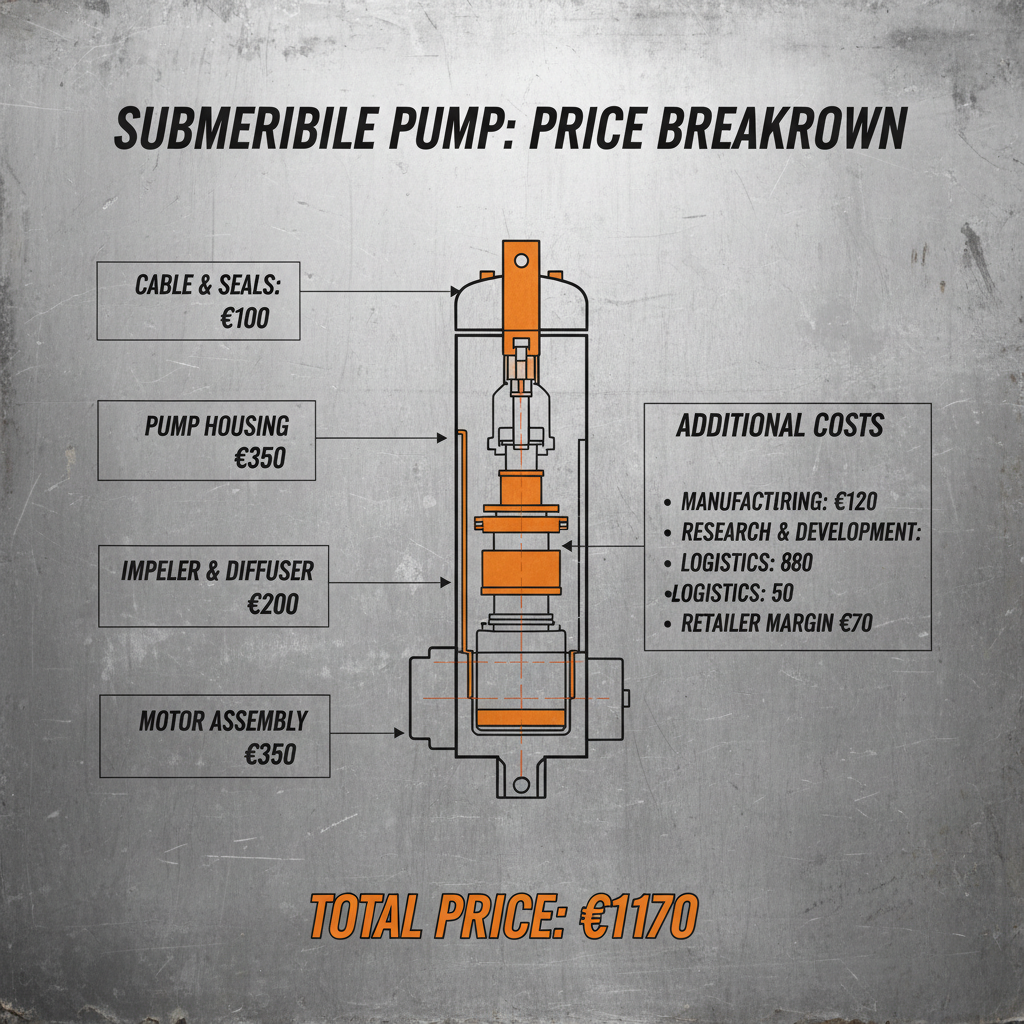 Factors Affecting the Price for Submersible Pump a Buyers GuideWhen investing in water management systems, understanding the price for submersible pump options is essential for balancing performance with budget. Whether you are managing a residential well, an industrial drainage project, or agricultural irrigation, the cost of a pump is rarely a flat fee; it is a reflection of the engineering, materials, and capacity required for your specific environment. In this guide, we will break down the factors that influence pricing and help you determine the best value for your investment to ensure long-term reliability and efficiency.Detail
 -
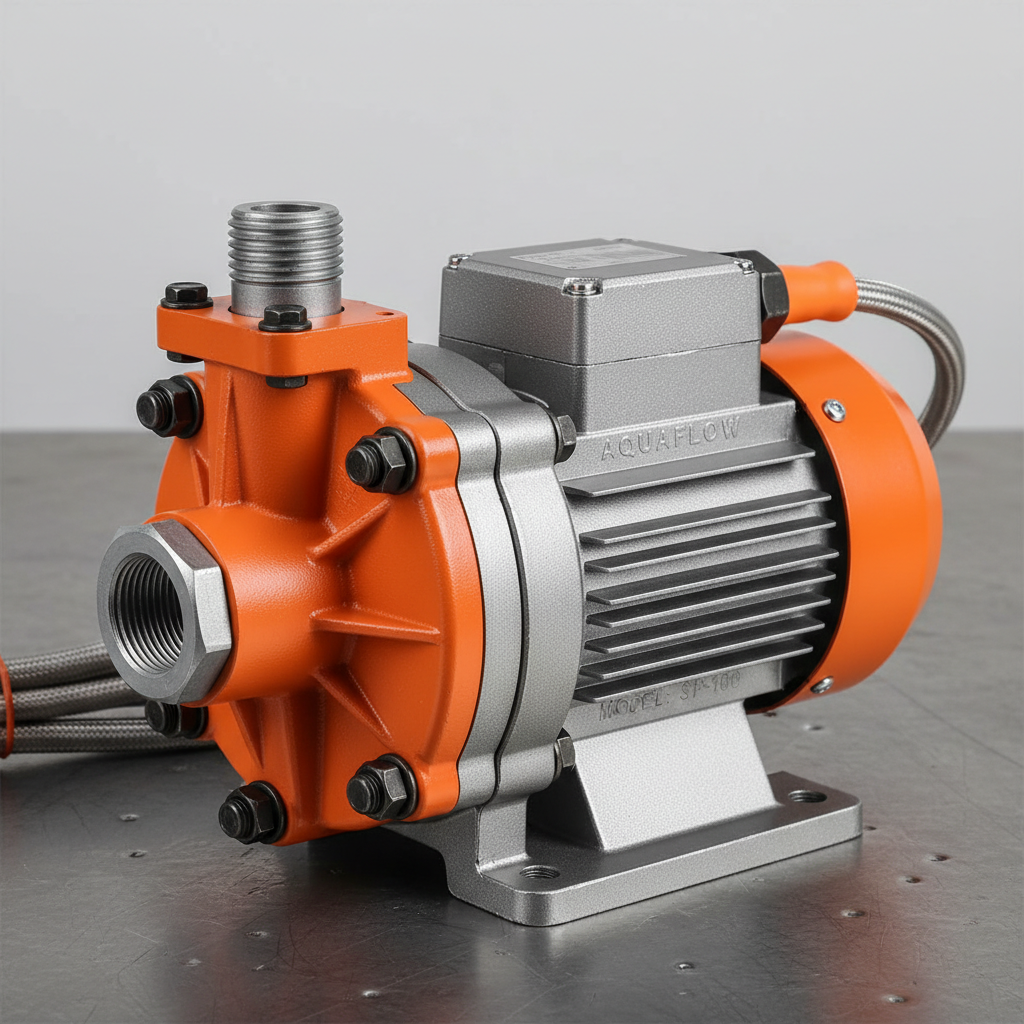 Choosing the Right Mini Submersible Fountain Pump for Optimal Water Feature PerformanceCreating a beautiful and relaxing water feature doesn't have to be complicated. A mini submersible fountain pump is the heart of any indoor or outdoor fountain, and selecting the right one is crucial for optimal performance and longevity. This article will guide you through the key considerations when choosing a mini submersible fountain pump, covering types, features, applications, and how to ensure you get the perfect pump for your project. We’ll also explore how Wellpumpact can provide you with the ideal solution.Detail
 Afrikaans
 Albanian
 Amharic
 Arabic
 Armenian
 Azerbaijani
 Basque
 Belarusian
 Bengali
 Bosnian
 Bulgarian
 Catalan
 Cebuano
 Corsican
 Croatian
 Czech
Czech
 Danish
 Dutch
Dutch
 Esperanto
 Estonian
 Finnish
 French
 Frisian
 Galician
 Georgian
 German
 Greek
Greek
 Gujarati
 Haitian Creole
 Hausa
Hausa
 Hawaiian
 Hebrew
 Hindi
Hindi
 Miao
Miao
 Hungarian
 Icelandic
 Igbo
Igbo
 Indonesian
 Irish
Irish
 Italian
 Japanese
 Javanese
 Kannada
 Kazakh
 Khmer
Khmer
 Rwandese
 Korean
 Kurdish
 Kyrgyz
 Lao
Lao
 Latin
Latin
 Latvian
 Lithuanian
 Luxembourgish
 Macedonian
 Malgashi
 Malay
Malay
 Malayalam
 Maltese
 Maori
Maori
 Marathi
 Mongolian
 Myanmar
 Nepali
 Norwegian
 Norwegian
 Occitan
 Pashto
 Persian
 Polish
 Portuguese
 Punjabi
 Romanian
 Russian
 Samoan
 Scottish Gaelic
 Serbian
 Sesotho
 Shona
Shona
 Sindhi
 Sinhala
 Slovak
 Slovenian
 Somali
 Spanish
 Sundanese
 Swahili
 Swedish
 Tagalog
 Tajik
Tajik
 Tamil
Tamil
 Tatar
Tatar
 Telugu
 Thai
Thai
 Turkish
 Turkmen
 Ukrainian
 Urdu
Urdu
 Uighur
 Uzbek
Uzbek
 Vietnamese
 Welsh
Welsh
 Bantu
Bantu
 Yiddish
 Yoruba
 Zulu
Zulu
 English