
Nov . 15, 2025 10:30 Back to list
Everything You Need to Know About Submersible Water Pumps | Efficient Water Solutions
The Submersible Water Pump: What It Is and Why It Matters
At first glance, a submersible water pump might sound like just another technical gadget buried in industrial jargon. But in truth, these devices quietly underpin some of the world’s most critical water management operations — from rural irrigation to emergency flood relief and even deep-sea research. Considering that water scarcity and sustainability are among the UN’s top global challenges today, understanding what a submersible water pump does, and why it dominates so many sectors, is invaluable for industries and communities alike.
In essence, these pumps allow us to move water efficiently from underground or submerged sources without relying on external priming. The simplicity belies their impact, dramatically improving access to clean water, supporting agriculture, and helping mitigate disaster risks. Plus, the engineering behind them has evolved so much in recent years that the benefits now stretch across environmental, economic, and social dimensions.
Mini takeaway: Submersible water pumps are quiet workhorses driving global water solutions, crucial for sustainability and emergency response.
Global Context: Water Challenges and the Role of Submersible Pumps
Did you know? According to the United Nations, over 2 billion people currently live in countries experiencing high water stress. Climate change, urbanization, and population growth have pushed water tables lower and made groundwater access more challenging — that’s where submersible water pumps come into play. Traditional pumps often fail because they require air or external setup to "prime" before pumping, making them less reliable underwater.
Submersible pumps are designed to operate fully immersed, eliminating risks like dry running and cavitation while offering greater energy efficiency. The World Bank estimates that modernizing irrigation systems using these pumps could raise agricultural productivity by up to 30% in water-scarce regions. In urban areas, they help drain flooded tunnels or buildings, essential for disaster preparedness.
Mini takeaway: Facing global water scarcity, submersible pumps are key tools in stabilizing water access and enhancing resilience worldwide.
What Exactly Is a Submersible Water Pump?
Put simply, a submersible water pump is a sealed motor and pumping unit that works underwater, pushing water from an underground source to the surface or desired outlet. Unlike conventional pumps, which sit above the water and pull it up (often inefficiently), submersibles work by pushing water, which generally offers better pressure and volume capabilities.
These pumps have become critical not just in industry but humanitarian work, where reliable water access can mean the difference between health and crisis in remote or disaster-hit locations. Their design reflects a mix of electrical engineering and fluid mechanics, balancing power, durability, and corrosion resistance for harsh environments.
Core Features That Define a Quality Submersible Pump
1. Durability and Corrosion Resistance
Underwater environments are harsh. Pumps must withstand constant contact with water — sometimes saline or chemically aggressive — plus sand, silt, and debris. Materials like stainless steel or thermoplastics are often used to prevent rust and prolong service life. Many engineers highlight that a durable pump reduces downtime and costly replacements.
2. Efficiency and Power
Energy efficiency is no joke here. Since these pumps often operate continuously or remotely, their design aims to maximize energy transfer from motor to water flow. Variable frequency drives (VFDs) increasingly appear as standard to adjust speed depending on demand, saving power and preventing wear.
3. Scalability and Capacity
Submersible pumps come in various sizes—from compact models suitable for household wells to large industrial units serving irrigation districts or municipal systems. This flexibility means they can adapt to many scales without sacrificing reliability.
4. Easy Maintenance and Installation
Though submerged, many pumps are designed to be modular for quicker servicing if needed, with features like quick disconnection couplings or remote monitoring to track performance.
5. Cost Efficiency Over Time
Initial investment can be significant, but most operators note a faster ROI when factoring in longevity, reduced energy use, and minimal labor for upkeep.
Mini takeaway: A great submersible pump balances toughness, efficiency, adaptability, and smart upkeep to fit practical, often challenging, applications.
Real-World Uses: Where Submersible Water Pumps Shine
- Agriculture: Irrigation projects in India and sub-Saharan Africa rely heavily on these pumps to unleash groundwater and maintain crop yields even during dry spells.
- Disaster Relief: In flood-prone Southeast Asia, rapid deployment pumps help drain flooded areas, evacuate water from subways, and protect infrastructure.
- Industrial Sites: Mining operations in Australia and Canada use submersible pumps for dewatering and slurry movements in harsh conditions.
- Urban Water Systems: Many cities use submerged pumps in water treatment plants and sewage systems, ensuring proper flow and sanitation.
- Remote and Off-Grid Communities: NGOs support installing solar-powered submersible pumps in parts of Africa, reducing dependency on diesel and improving public health.
Mini takeaway: From vast farms to disaster zones, submersible pumps form a backbone of global water infrastructure.
Looking Ahead: Innovations and Trends
The future of submersible water pumps is increasingly digital and green. IoT integration allows remote real-time monitoring, predictive maintenance, and automation — reducing failures and optimizing performance. Solar-powered pumps are gaining momentum, especially in places where electricity is scarce or unreliable, blending sustainability and resilience.
On the material front, research into new composites promises lighter yet tougher pump bodies that resist wear. There’s also talk among experts about integrating smart sensors inside pumps for water quality measurements alongside pumping functions — turning pumps into multifunctional field devices.
Challenges & Practical Solutions
No tech is perfect. Submersible pumps can face issues like overheating or clogging, especially in sediment-heavy environments. Installation costs and power supply demands can be barriers in poorer regions. However, many manufacturers now provide modular designs and prefab kits, tailor-made for quick setups by local teams. Also, solar and battery hybrid systems help overcome electricity shortages.
Regular training and capacity-building remain critical — after all, even the best pump will fail without proper care.
Product Specifications – A Typical Submersible Water Pump Model
| Specification | Detail |
|---|---|
| Power Rating | 1.5 kW (2 HP) |
| Flow Rate | 20 m³/hour |
| Maximum Head | 30 meters |
| Voltage | 220/380V - 3 Phase |
| Material | Stainless Steel (SS304) |
| Motor Protection Rating | IP68 (Waterproof) |
| Max Fluid Temperature | 40°C |
Vendor Comparison: Leading Submersible Water Pumps
| Feature | PumpCo | AquaFlow | HydroTech |
|---|---|---|---|
| Warranty | 3 Years | 5 Years | 2 Years |
| Energy Efficiency | IE3 Class | IE4 Class (Premium) | IE2 Class |
| Smart Monitoring | Optional | Standard | Not Available |
| Price Range | $$ | $$$ | $ |
| Application Focus | Agricultural & Industrial | High-tech & Smart Systems | Basic Rural/Local Use |
Frequently Asked Questions About Submersible Water Pumps
Q1: Can submersible water pumps run dry without damage?
Generally, no. Most submersible pumps require water around them to cool the motor. Running them dry can lead to overheating and eventual failure unless the pump features special dry-run protection. It’s always best to ensure proper water levels before operation.
Q2: How deep can a submersible pump be submerged?
Depth capability depends on the pump model. Many standard pumps can function down to 100 meters, but specialized industrial types operate even deeper. Always check manufacturer specs, particularly pressure ratings and cable lengths.
Q3: What maintenance is required for these pumps?
Routine inspections include checking for debris clogging the inlet, monitoring electrical connections, and ensuring the motor seals remain intact. Depending on usage, maintenance cycles might be annual or bi-annual. Remote monitoring now helps predict problems proactively.
Q4: Are submersible pumps energy-efficient?
Yes, especially newer models with IE3 or IE4 efficiency ratings and variable frequency drives, which adjust power consumption to demand, significantly reducing energy waste compared to older pumps.
Q5: Can submersible pumps be solar-powered?
Absolutely. Solar-powered submersible pumps are popular in remote areas and African farming communities, combining green energy with water access. Proper design is crucial to match power generation and pump demand.
Wrapping It Up: Why Submersible Water Pumps Deserve Our Attention
They might not grab headlines, but submersible water pumps are fascinating little heroes in the water tech world. Their ability to quietly and efficiently shuttle water from elusive sources sustains agriculture, aids disaster recovery, enables industry, and supports life itself. The future looks promising, too — with smarter, greener pumps soon turning water access into a truly sustainable resource.
Interested in exploring top submersible water pump solutions tailored to your needs? Visit us at https://www.wellpumpact.com and dive into a world of trusted innovation.
References
-
Understanding the Price Submersible Pump and Buyer Guide
NewsApr.16,2026
-
Factors Affecting the Price for Submersible Pump a Buyers Guide
NewsApr.09,2026
-
Choosing the Right Mini Submersible Fountain Pump for Optimal Water Feature Performance
NewsApr.07,2026
-
A Detailed Guide to Installing a Submersible Pump for Optimal Performance
NewsApr.04,2026
-
Comprehensive Guide on How to Test a Submersible Water Well Pump Effectively
NewsMar.31,2026
-
Learn How to Replace a Submersible Well Pump Safely and Effectively
NewsMar.28,2026
-
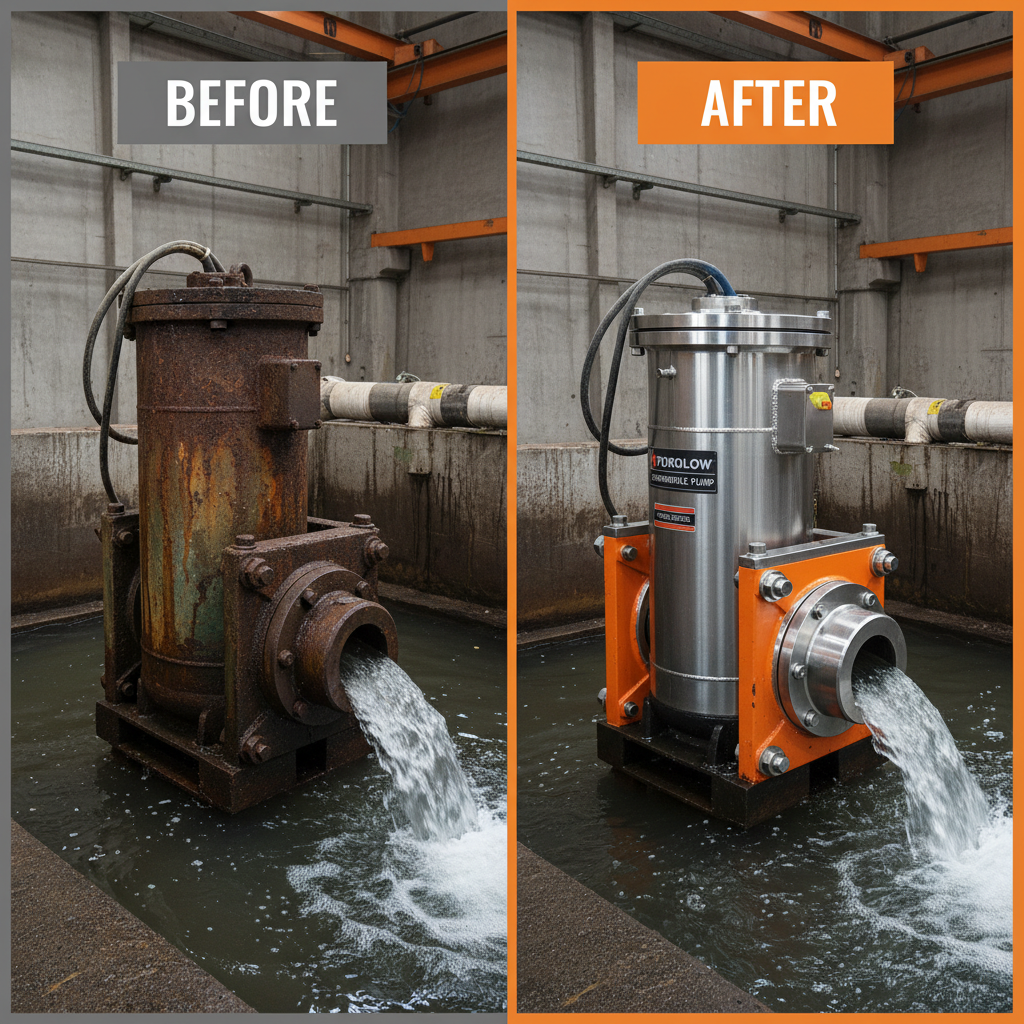 Understanding the Price Submersible Pump and Buyer GuideWhen searching for the ideal water management solution, understanding the price submersible pump options is crucial for balancing budget with performance. Whether you are dealing with a flooded basement, managing agricultural irrigation, or extracting water from a deep well, the cost of a submersible pump can vary significantly based on its build quality and capacity. Investing in a high-quality pump ensures long-term reliability and reduces the frequency of expensive replacements. In this guide, we will break down the factors that influence pricing and help you make an informed decision for your specific needs.Detail
 -
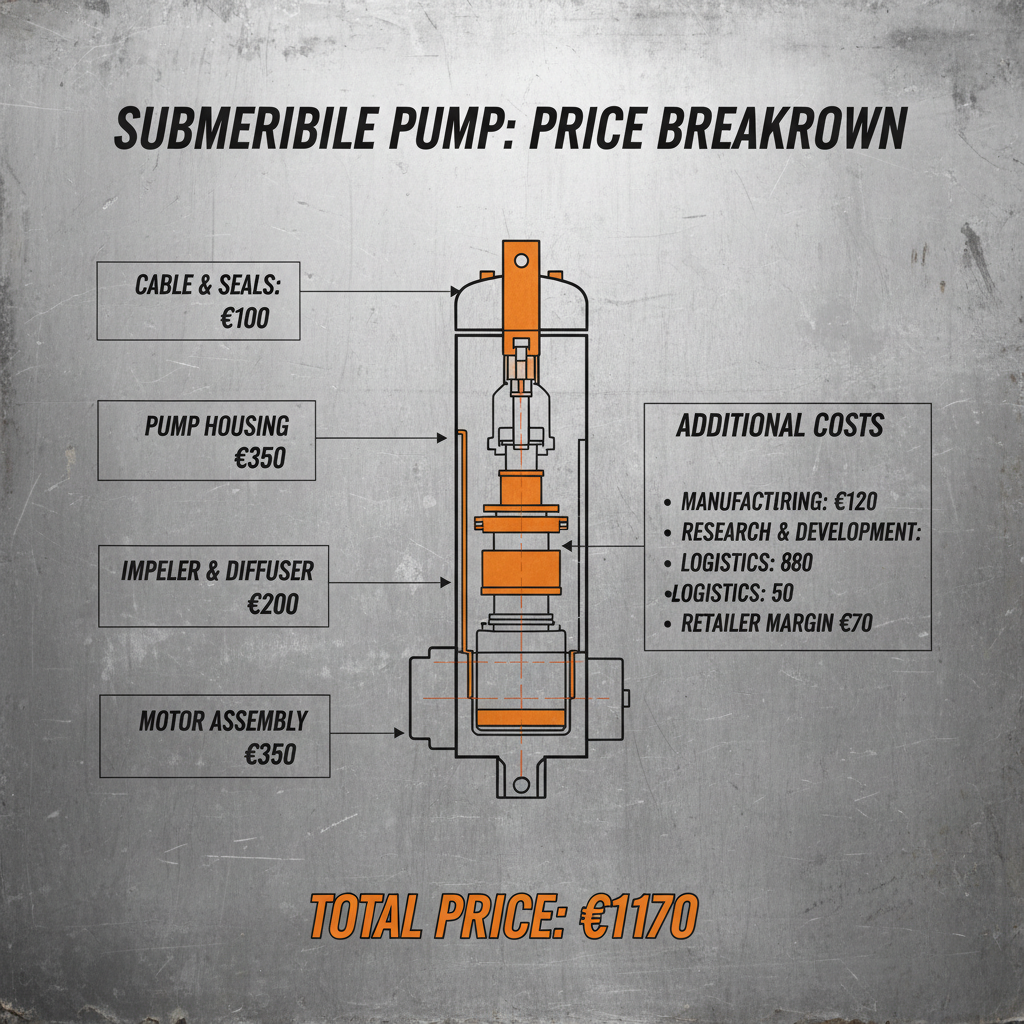 Factors Affecting the Price for Submersible Pump a Buyers GuideWhen investing in water management systems, understanding the price for submersible pump options is essential for balancing performance with budget. Whether you are managing a residential well, an industrial drainage project, or agricultural irrigation, the cost of a pump is rarely a flat fee; it is a reflection of the engineering, materials, and capacity required for your specific environment. In this guide, we will break down the factors that influence pricing and help you determine the best value for your investment to ensure long-term reliability and efficiency.Detail
 -
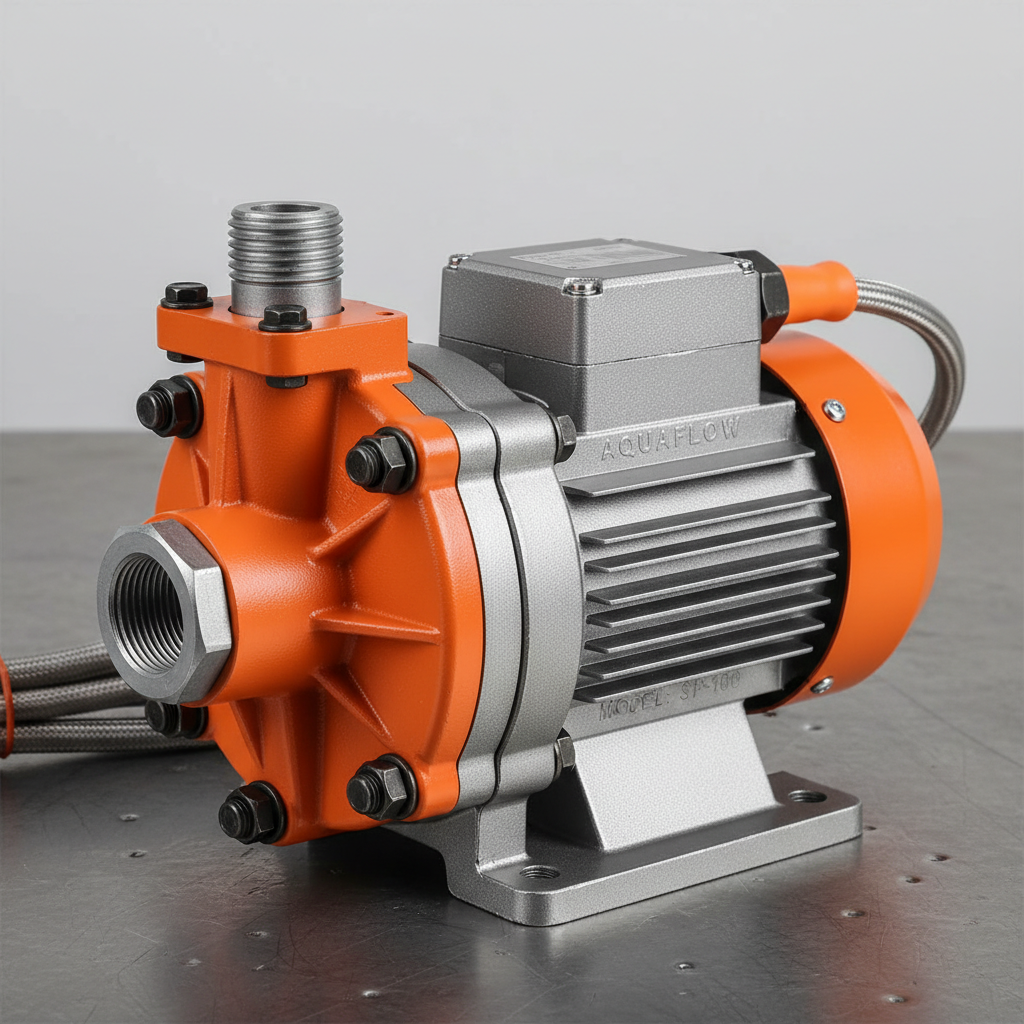 Choosing the Right Mini Submersible Fountain Pump for Optimal Water Feature PerformanceCreating a beautiful and relaxing water feature doesn't have to be complicated. A mini submersible fountain pump is the heart of any indoor or outdoor fountain, and selecting the right one is crucial for optimal performance and longevity. This article will guide you through the key considerations when choosing a mini submersible fountain pump, covering types, features, applications, and how to ensure you get the perfect pump for your project. We’ll also explore how Wellpumpact can provide you with the ideal solution.Detail
 Afrikaans
 Albanian
 Amharic
 Arabic
 Armenian
 Azerbaijani
 Basque
 Belarusian
 Bengali
 Bosnian
 Bulgarian
 Catalan
 Cebuano
 Corsican
 Croatian
 Czech
Czech
 Danish
 Dutch
Dutch
 Esperanto
 Estonian
 Finnish
 French
 Frisian
 Galician
 Georgian
 German
 Greek
Greek
 Gujarati
 Haitian Creole
 Hausa
Hausa
 Hawaiian
 Hebrew
 Hindi
Hindi
 Miao
Miao
 Hungarian
 Icelandic
 Igbo
Igbo
 Indonesian
 Irish
Irish
 Italian
 Japanese
 Javanese
 Kannada
 Kazakh
 Khmer
Khmer
 Rwandese
 Korean
 Kurdish
 Kyrgyz
 Lao
Lao
 Latin
Latin
 Latvian
 Lithuanian
 Luxembourgish
 Macedonian
 Malgashi
 Malay
Malay
 Malayalam
 Maltese
 Maori
Maori
 Marathi
 Mongolian
 Myanmar
 Nepali
 Norwegian
 Norwegian
 Occitan
 Pashto
 Persian
 Polish
 Portuguese
 Punjabi
 Romanian
 Russian
 Samoan
 Scottish Gaelic
 Serbian
 Sesotho
 Shona
Shona
 Sindhi
 Sinhala
 Slovak
 Slovenian
 Somali
 Spanish
 Sundanese
 Swahili
 Swedish
 Tagalog
 Tajik
Tajik
 Tamil
Tamil
 Tatar
Tatar
 Telugu
 Thai
Thai
 Turkish
 Turkmen
 Ukrainian
 Urdu
Urdu
 Uighur
 Uzbek
Uzbek
 Vietnamese
 Welsh
Welsh
 Bantu
Bantu
 Yiddish
 Yoruba
 Zulu
Zulu
 English