
Nov . 14, 2025 14:00 Back to list
Explore the Best Submersible Pump Catalogue for Industrial & Humanitarian Use
What Is a Submersible Pump Catalogue and Why Should You Care?
Submersible pumps are the quiet workhorses of water management, quietly sitting underneath the surface to move water efficiently, whether it's for irrigation, industrial use, or critical disaster relief. A submersible pump catalogue is more than just a list – it's a detailed guide showcasing a wide array of pump models, specs, and features designed to help engineers, procurement specialists, and NGOs find the right pump for their exact needs. Globally, as water becomes an increasingly precious resource, having access to a specialized submersible pump catalogue empowers stakeholders to make informed choices that save money, time, and sometimes even lives.
The Global Context: Why Submersible Pumps Matter
Water scarcity affects roughly 2.2 billion people worldwide, according to the UN. Meanwhile, industries and agriculture depend heavily on reliable water handling. Submersible pumps feature prominently in efforts to address this challenge—not only in developed regions but also in remote, underserved areas. The International Organization for Standardization (ISO) has recognized pumping systems as critical equipment for sustainable water management.1.
Yet one problem persists: finding the right pump for the right job amidst an overwhelming sea of options. Here’s where a curated submersible pump catalogue becomes a game changer. It cuts through confusion, highlights performance metrics, and points to innovations in efficiency and durability—exactly what industries crave in the 21st century.
What Is a Submersible Pump Catalogue?
Think of a submersible pump catalogue as the "menu" for water pumping needs underwater—except this menu is heavy on technical data, performance charts, and real-world use cases. It details the types of submersible pumps—from sewage pumps to deep well types—helps buyers compare power ratings, materials, and installation options, and usually explains which pumps suit which applications.
Modern industries and humanitarian efforts rely on these catalogues to make fast, smart decisions. Whether it’s rebuilding water access after a flood or scaling groundwater extraction sustainably, having a solid submersible pump catalogue ensures you’re equipped with pumps that’ll last, function efficiently, and handle the task at hand.
Key Features in a Submersible Pump Catalogue
1. Durability and Material Quality
Most pumps spend years submerged, often in harsh conditions. Materials like stainless steel or advanced composites resist corrosion, abrasion, and the wear-and-tear that’s the enemy of longevity. A good catalogue breaks down these materials and helps you understand which pumps can outlast others in saline or contaminated waters.
2. Power & Efficiency Ratings
Efficiency is everything. Some pumps are powerful but gulp energy; others balance just enough power to move water efficiently without exorbitant electricity costs. Catalogues typically include information on voltage, horsepower, and flow rates, helping engineers calculate operating costs.
3. Installation Versatility
From shallow wells to deep boreholes and even submerged sewage systems, the adaptability of a pump matters. A comprehensive catalogue will detail which models are fit for vertical drop installations, horizontal placement, or marginally submerged uses.
4. Scalability & Maintenance Needs
Modern water management often requires scalability — the ability to add pumps as demand grows. Plus, some pumps are easier to service or have modular parts. Proper catalogue guides include this info, making long-term planning easier.
5. Compliance and Standards
Pumps that meet ISO or local safety and performance standards tend to be more reliable, especially for institutional buyers or humanitarian agencies who must meet strict procurement requirements.
Product Specifications at a Glance
| Model | Power (HP) | Max Flow (L/min) | Max Head (m) | Material | Application |
|---|---|---|---|---|---|
| SP-2000 | 3 | 450 | 45 | Stainless Steel | Agriculture |
| DW-500 | 5 | 600 | 60 | Cast Iron | Deep Well |
| SW-100 | 1.5 | 320 | 30 | Plastic Composite | Sewage |
Mini takeaway: Knowing the features and technical specs in a submersible pump catalogue can relieve a lot of guesswork, reducing procurement errors and downtime.
How and Where Are These Pumps Used Globally?
Oddly enough, submersible pumps speak the language of many industries at once—from agriculture in sub-Saharan Africa to mining operations in Australia. Humanitarian groups rely on them in flood zones, pumping clean water into camps. Municipalities use them in sewage treatment plants worldwide. Even offshore oil rigs employ submersible pumps to handle briny water efficiently.
To ground this in reality, consider a recent application in the Philippines where a pumping unit from a trusted submersible pump catalogue helped in the aftermath of a typhoon — enabling fresh water supply restoration within days. Or a farming cooperative in India that scaled their irrigation effort significantly by choosing pumps best rated for energy efficiency and low maintenance, as detailed in their catalogue.
Vendor Comparison for Submersible Pumps
| Feature | PumpCo | HydroFlow | AquaTech |
|---|---|---|---|
| Product Range | Wide (50+ models) | Medium (30+ models) | Niche (15+ models) |
| Energy Efficiency | High | Medium | High |
| Durability | Excellent | Good | Excellent |
| Support & Warranty | 5 years | 3 years | 5 years |
Mini takeaway: Choosing the right vendor can make all the difference in long-term pump ownership. Look beyond specs to support and warranties.
Benefits of Using a Submersible Pump Catalogue
- Cost reduction: Helps avoid over-specification and unnecessary expenses.
- Sustainability: Promotes energy-efficient models, reducing carbon footprints.
- Reliability: Increases operational uptime by matching pumps to site conditions.
- Safety & Dignity: Ensures access to clean water, reducing health risks.
- Innovation: Highlights latest tech like variable frequency drives or smart monitoring.
Frankly, many engineers say having a well-curated pump catalogue isn’t just nice, it’s essential. Over time, the trust built around consistent use of reliable pumps boosts stakeholder confidence, especially in mission-critical industries.
Looking Ahead: Innovations Shaping Submersible Pumps
We’re entering an era where submersible pumps will be smarter, greener, and more adaptive. Advances in IoT sensors now allow real-time monitoring of pump health, preventing breakdowns.
Materials science innovations bring corrosion-resistant coatings that double expected lifetimes. Plus, solar-powered submersible pump options promise to revolutionize rural water access by cutting fuel dependency.
Policy trends also favor pumps that meet strict environmental and efficiency standards, nudging manufacturers to innovate faster. It’s an exciting—though challenging—time to be in the pumping business.
Common Challenges and Practical Solutions
Of course, there are hurdles. Pumps sometimes fail due to poor site assessment or lack of maintenance knowledge. Ordering from a generic supplier without a detailed submersible pump catalogue often leads to mismatches.
Solutions? Invest time in pump training, choose vendors who provide detailed catalogues, and lean into automation and diagnostics where possible. Remote monitoring can avoid costly downtime by alerting operators before issues escalate.
FAQ: Clearing Up Common Questions About Submersible Pump Catalogue
What types of pumps will I find in a typical submersible pump catalogue?
Most catalogues cover a range from sewage and wastewater pumps, to deep well and irrigation pumps, with varied power and material options to suit diverse applications.
How do I select the right pump based on pumping depth?
Check the pump’s maximum head rating in the catalogue. Pumps are rated by max vertical lift, so choosing one below your site’s depth plus friction losses ensures smooth operation.
Can a submersible pump catalogue help reduce maintenance costs?
Absolutely. Good catalogues highlight models with modular parts, corrosion-resistant materials, and maintenance-friendly designs, all helping reduce total cost of ownership.
Are there eco-friendly submersible pumps?
Yes. Many modern pumps use energy-efficient motors and are compatible with solar power. Catalogues usually tag such features prominently to support sustainable choices.
Where can I buy a reliable submersible pump catalogue?
Major manufacturers and specialized vendors offer catalogues online. For trusted selections, visit this submersible pump catalogue for comprehensive offerings and expert support.
Wrapping It Up: Why Your Next Step Should Be a Submersible Pump Catalogue
It might sound dry at first—spec sheets, flow curves, pump curves—but the reality is that a solid submersible pump catalogue shapes the backbone of efficient, reliable water handling across countless sectors worldwide.
Whether you’re upgrading infrastructure or responding to an emergency, it’s your roadmap to pumps that perform, endure, and support more sustainable water use. Visit https://www.wellpumpact.com to explore the latest in submersible pump technology and make your next project a success story.
Thanks for sticking around here—it really does matter which pump you choose, and why the right catalogue can make it so much easier.
References
-
Understanding the Price Submersible Pump and Buyer Guide
NewsApr.16,2026
-
Factors Affecting the Price for Submersible Pump a Buyers Guide
NewsApr.09,2026
-
Choosing the Right Mini Submersible Fountain Pump for Optimal Water Feature Performance
NewsApr.07,2026
-
A Detailed Guide to Installing a Submersible Pump for Optimal Performance
NewsApr.04,2026
-
Comprehensive Guide on How to Test a Submersible Water Well Pump Effectively
NewsMar.31,2026
-
Learn How to Replace a Submersible Well Pump Safely and Effectively
NewsMar.28,2026
-
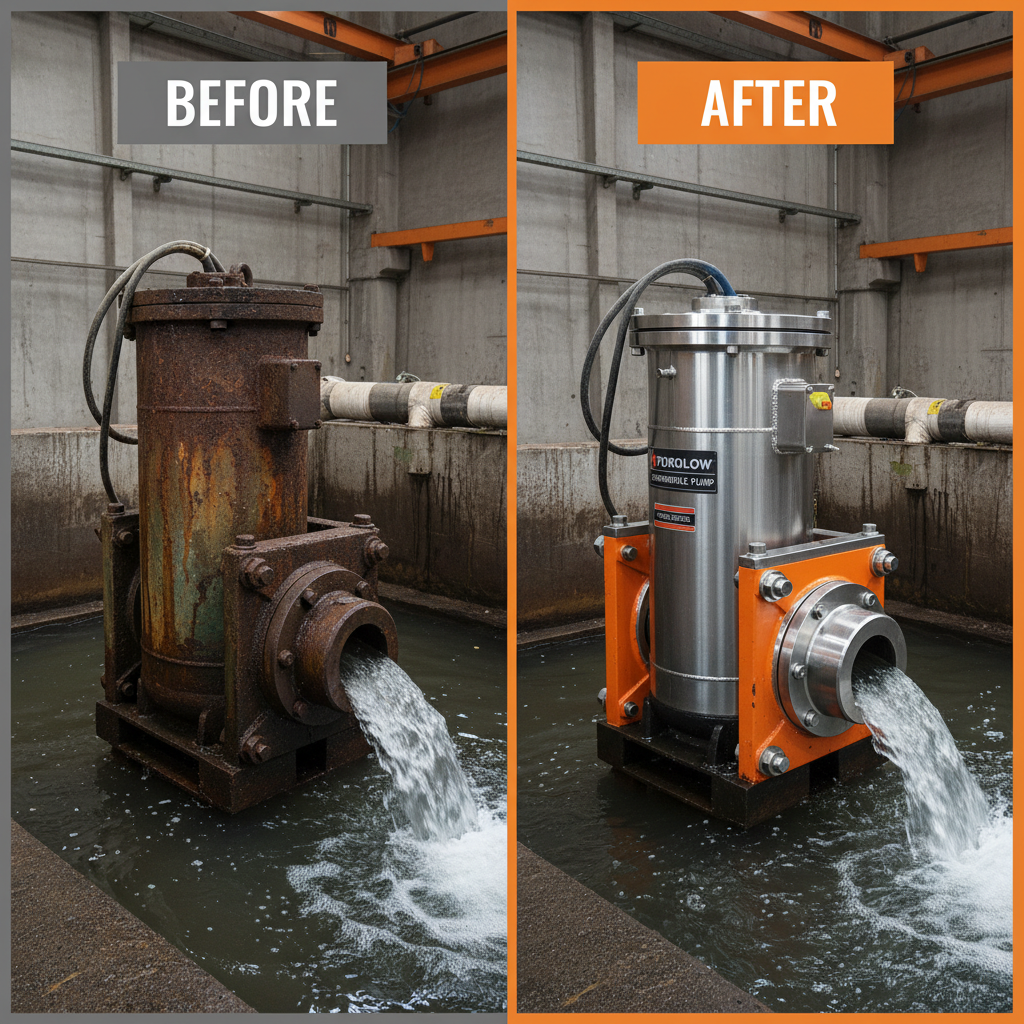 Understanding the Price Submersible Pump and Buyer GuideWhen searching for the ideal water management solution, understanding the price submersible pump options is crucial for balancing budget with performance. Whether you are dealing with a flooded basement, managing agricultural irrigation, or extracting water from a deep well, the cost of a submersible pump can vary significantly based on its build quality and capacity. Investing in a high-quality pump ensures long-term reliability and reduces the frequency of expensive replacements. In this guide, we will break down the factors that influence pricing and help you make an informed decision for your specific needs.Detail
 -
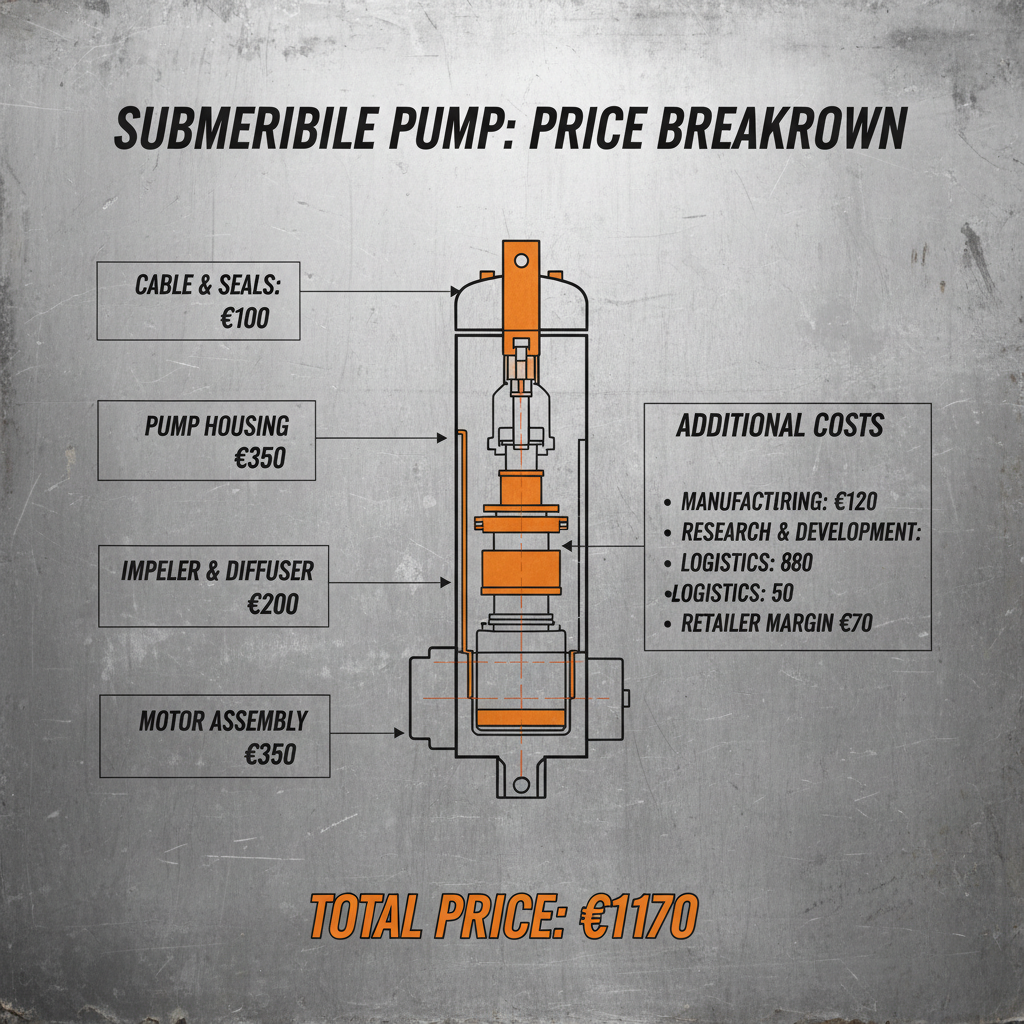 Factors Affecting the Price for Submersible Pump a Buyers GuideWhen investing in water management systems, understanding the price for submersible pump options is essential for balancing performance with budget. Whether you are managing a residential well, an industrial drainage project, or agricultural irrigation, the cost of a pump is rarely a flat fee; it is a reflection of the engineering, materials, and capacity required for your specific environment. In this guide, we will break down the factors that influence pricing and help you determine the best value for your investment to ensure long-term reliability and efficiency.Detail
 -
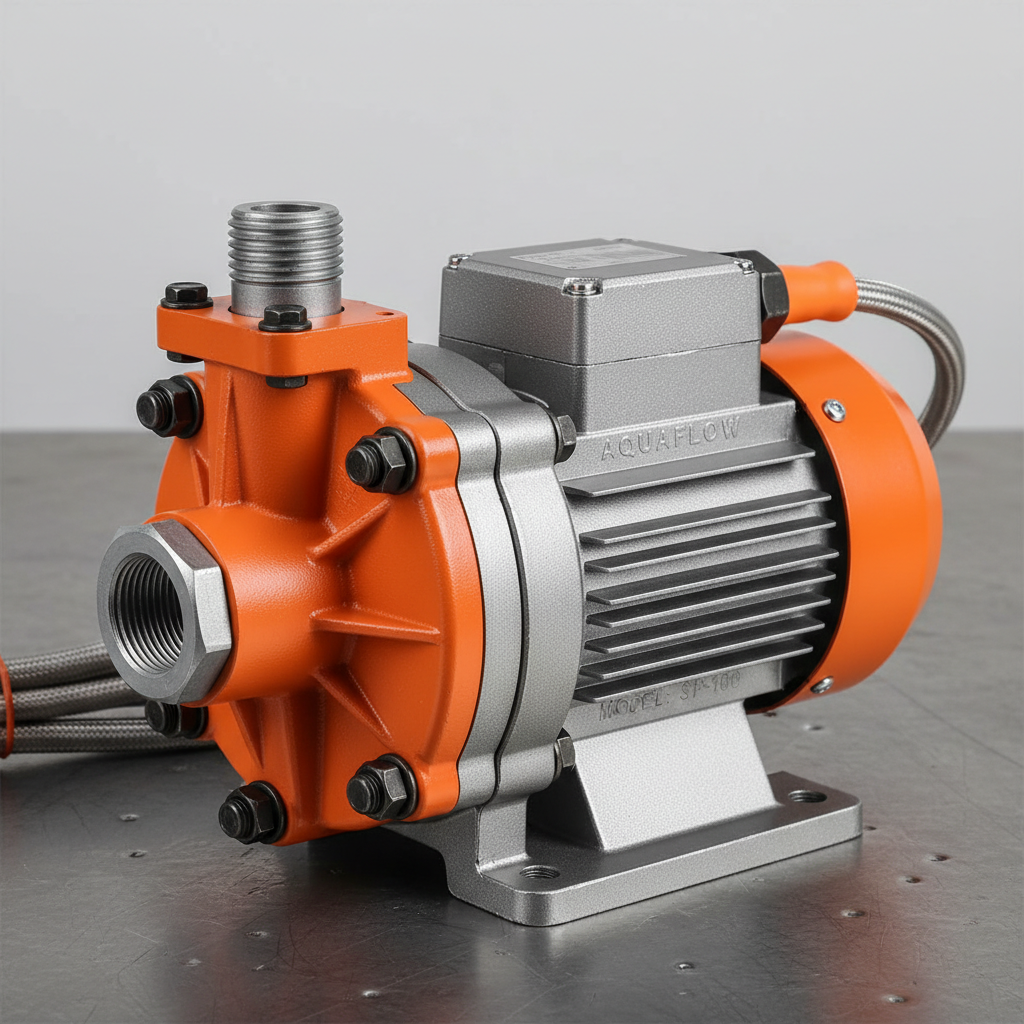 Choosing the Right Mini Submersible Fountain Pump for Optimal Water Feature PerformanceCreating a beautiful and relaxing water feature doesn't have to be complicated. A mini submersible fountain pump is the heart of any indoor or outdoor fountain, and selecting the right one is crucial for optimal performance and longevity. This article will guide you through the key considerations when choosing a mini submersible fountain pump, covering types, features, applications, and how to ensure you get the perfect pump for your project. We’ll also explore how Wellpumpact can provide you with the ideal solution.Detail
 Afrikaans
 Albanian
 Amharic
 Arabic
 Armenian
 Azerbaijani
 Basque
 Belarusian
 Bengali
 Bosnian
 Bulgarian
 Catalan
 Cebuano
 Corsican
 Croatian
 Czech
Czech
 Danish
 Dutch
Dutch
 Esperanto
 Estonian
 Finnish
 French
 Frisian
 Galician
 Georgian
 German
 Greek
Greek
 Gujarati
 Haitian Creole
 Hausa
Hausa
 Hawaiian
 Hebrew
 Hindi
Hindi
 Miao
Miao
 Hungarian
 Icelandic
 Igbo
Igbo
 Indonesian
 Irish
Irish
 Italian
 Japanese
 Javanese
 Kannada
 Kazakh
 Khmer
Khmer
 Rwandese
 Korean
 Kurdish
 Kyrgyz
 Lao
Lao
 Latin
Latin
 Latvian
 Lithuanian
 Luxembourgish
 Macedonian
 Malgashi
 Malay
Malay
 Malayalam
 Maltese
 Maori
Maori
 Marathi
 Mongolian
 Myanmar
 Nepali
 Norwegian
 Norwegian
 Occitan
 Pashto
 Persian
 Polish
 Portuguese
 Punjabi
 Romanian
 Russian
 Samoan
 Scottish Gaelic
 Serbian
 Sesotho
 Shona
Shona
 Sindhi
 Sinhala
 Slovak
 Slovenian
 Somali
 Spanish
 Sundanese
 Swahili
 Swedish
 Tagalog
 Tajik
Tajik
 Tamil
Tamil
 Tatar
Tatar
 Telugu
 Thai
Thai
 Turkish
 Turkmen
 Ukrainian
 Urdu
Urdu
 Uighur
 Uzbek
Uzbek
 Vietnamese
 Welsh
Welsh
 Bantu
Bantu
 Yiddish
 Yoruba
 Zulu
Zulu
 English