
Nov . 27, 2025 03:25 Back to list
Submersible Well Pump Replacement Cost: A Global Guide to Savings & Sustainability
Understanding Submersible Well Pump Replacement Cost: Why It Matters Globally
Submersible well pumps play a critical role in water supply worldwide, whether it’s providing clean drinking water in rural communities, supporting irrigation in agriculture, or maintaining industrial water systems. But like any mechanical system, these pumps don’t last forever. When it’s time to replace them, the submersible well pump replacement cost becomes a key consideration—not just for homeowners, but for governments, NGOs, and industries alike.
Why does this matter on a global scale? Well, access to reliable water supplies directly influences health, food security, and economic stability. Knowing and optimizing replacement costs can mean the difference between a quick repair that restores service and a lengthy outage that disrupts entire communities.
The Big Picture: Global Context of Replacement Costs
To frame this discussion, consider this: according to the United Nations Water Report, over two billion people face water scarcity at least one month per year. Many depend on deep well water accessed by submersible pumps, which unfortunately face wear and tear, corrosion, and technical failures in harsh conditions.
From a financial perspective, the World Bank estimates that water infrastructure repairs and replacements consume billions annually in both developed and developing nations. The decision to replace a submersible well pump isn’t always straightforward—there are hidden challenges such as equipment lifespan, depth of wells, energy efficiency, and labor costs that complicate the budget.
In real terms, it’s a balancing act: You want reliable, efficient water access that won’t break the bank. This is exactly where understanding submersible well pump replacement cost becomes indispensable.
Mini Takeaway:
The rising demand for clean water, combined with infrastructure aging globally, makes submersible pump replacement costs a pressing matter, affecting millions daily.
What Exactly Is Submersible Well Pump Replacement Cost?
At its core, “submersible well pump replacement cost” refers to the total expenses involved in removing an old or failed submersible pump from a water well and installing a new one. This encompasses the price of the pump itself, labor charges for removal and installation, testing, and sometimes the cost of ancillary repairs (like piping or electrical upgrades).
Since these pumps operate completely submerged inside deep water wells, the process isn’t as simple as changing a garden hose. Often, it’s about navigating tight spaces, potentially contaminated water, and electrical safety concerns—especially in remote or disaster-affected areas.
From humanitarian relief agencies drilling emergency wells to farmers upgrading irrigation systems, this cost metric becomes a benchmark for operational planning and budgeting. It’s less about a fixed number and more about a spectrum influenced by many factors.
Mini Takeaway:
The “replacement cost” is more than buying a pump — it’s a combination of equipment, labor, and unforeseen needs that vary significantly worldwide.
Core Factors Affecting Submersible Well Pump Replacement Cost
1. Pump Durability and Quality
Higher quality pumps made from corrosion-resistant materials tend to cost more upfront but reduce frequency of replacements. Many engineers say that investing in stainless steel or specially coated pumps pays off in long-term savings.
2. Depth and Diameter of the Well
Deeper wells require longer cables and sturdier pumps, which hike costs. Wells with smaller diameters may require specialized equipment during installation, affecting labor complexity and time.
3. Energy Efficiency and Power Requirements
Modern pumps with better energy efficiency may cost more initially but decrease operating expenses. In regions where electricity is expensive or unreliable, this factor heavily influences replacement decisions.
4. Labor and Accessibility
Remote sites, restricted access, or harsh terrain increase labor and transportation costs. Sometimes, local expertise and equipment availability also impact pricing.
5. Ancillary Repairs and Upgrades
Replacing a pump sometimes reveals underlying issues — worn-out pipes, outdated electrical wiring, or control systems might need upgrading. These hidden costs often surprise operators.
6. Vendor and Warranty Services
A reliable vendor providing good warranties or maintenance packages can offset costs, but their initial prices may be higher.
| Specification | Typical Range | Notes |
|---|---|---|
| Pump Price | $500 - $3,000 | Varies by horsepower and material |
| Labor & Installation | $300 - $1,200 | Depends on accessibility and region |
| Electrical Components | $100 - $600 | Wiring, control panels, starters |
| Ancillary Repairs | Varies | Piping, casing, or well seal repairs |
| Total Replacement Cost | $1,000 - $5,000+ | Highly variable by project |
Mini Takeaway:
The replacement cost is a sum of many moving parts — from the pump itself to site-specific labor and extra repairs. Knowing the variables helps anticipate budget needs.
Global Applications and Real-World Use Cases
From the Sahara’s remote wells to the deep agricultural wells of California’s Central Valley, submersible well pump replacement cost impacts a wide range of industries and regions. Here are a few scenarios:
- Post-disaster relief efforts: NGOs quickly replacing damaged pumping systems to restore drinking water in earthquake- or flood-hit areas.
- Agriculture in arid zones: Farmers upgrading pumps to improve irrigation efficiency and crop yield amid climate change challenges.
- Urban water supply maintenance: Municipal water departments budgeting replacements to avoid supply interruptions and meet growing demand.
- Mining and industrial operations: Ensuring robust water extraction or dewatering systems which rely on reliable pump deployment.
In truth, each context brings its own cost expectations and constraints — for example, a remote village in Kenya must consider shipping and labor differently than an industrial site in Texas.
Mini Takeaway:
The applications span humanitarian, commercial, and municipal sectors — illustrating why a one-size-fits-all cost estimate rarely exists.
Advantages and Long-Term Value of Planning for Replacement Costs
Beyond balancing your budget, understanding replacement costs delivers:
- Improved Sustainability: Investing in durable, energy-efficient pumps reduces environmental footprint and carbon emissions.
- Reliability and Safety: Predictable replacement schedules minimize water service disruptions and associated health risks.
- Economic Security: Avoiding surprise expenses helps governments and businesses allocate funds better, reducing financial stress.
- Social Impact: Continuous water access promotes dignity and quality of life, especially in marginalized or rural communities.
Emotions are hidden here too — think of the peace of mind knowing your water source won’t fail when the crops need watering or the hospital needs clean water.
Emerging Trends and What the Future Holds
Innovations are shaping the way we manage submersible pump replacement costs:
- Smart monitoring and IoT sensors: Real-time pump performance data allows predictive maintenance, reducing unexpected breakdowns and cost spikes.
- Green energy integration: Solar-powered submersible pumps cut electricity bills and expand usage in off-grid areas.
- Advanced materials: New composites and coatings promise greater pump longevity in corrosive waters.
- Digital procurement platforms: Streamlined ordering and warranty management to expedite replacements and control expenses.
Challenges and Practical Solutions
That said, some hurdles remain. Installation costs can skyrocket due to remote locations. Unpredictable well conditions sometimes cause equipment failure faster than expected. Limited skilled labor in certain regions lengthens downtime.
To counter these, some vendors offer bundled service contracts or mobile installation teams. International NGOs increasingly invest in local workforce training — it feels like a long-term win-win. Also, modular pumps that are easier to disassemble expedite repairs.
| Vendor | Pump Quality | Installation Services | Warranty | Price Range |
|---|---|---|---|---|
| AquaTech Pumps | High - Stainless Steel | Full-service mobile teams | 5 years standard | $$$ (Premium) |
| Global Water Solutions | Medium - Coated Steel | Remote support + training | 3 years | $$ (Moderate) |
| EcoPump Inc | Medium - Composite | Installation guidance only | 2 years | $ (Budget) |
FAQ: Answers to Common Questions On Submersible Well Pump Replacement Cost
Q: How often should a submersible well pump be replaced?
A: Typically, these pumps last 8-15 years, depending on water quality, usage, and maintenance. Regular inspection can extend life, but eventually, wear from motor winding damage or corrosion requires replacement to prevent failures.
Q: What is the average cost to replace a submersible well pump?
A: Replacement expenses generally range from $1,000 to $5,000 or more, depending on pump horsepower, well depth, location, and labor costs. Remote sites and complex installations push costs higher.
Q: Are energy-efficient pumps more expensive upfront?
A: Yes, energy-efficient models often cost more initially but reduce operating expenses over time, especially in areas with high electricity costs or unreliable power grids.
Q: Can I replace the pump myself to save on labor costs?
A: DIY replacement is possible for small, shallow wells if you have experience and proper equipment, but for most deep wells, professional installation is recommended for safety and system integrity.
Q: Does warranty coverage typically include labor for replacements?
A: Warranties usually cover parts but not labor. However, some vendors offer extended service plans that include installation, which can be cost-effective depending on your location.
Wrapping It Up: Why Knowing Replacement Costs Pays Off
Having a clear grasp of submersible well pump replacement cost can be a huge advantage — whether you’re managing a rural water project or overseeing municipal infrastructure. It’s not only about dollars and cents; it’s about anticipating challenges, investing in sustainability, and ensuring continuous, life-enhancing water access.
Curious to learn more or get a personalized estimate? Visit our website for expert tips and competitive quotes: wellpumpact.com
References
-
Understanding the Price Submersible Pump and Buyer Guide
NewsApr.16,2026
-
Factors Affecting the Price for Submersible Pump a Buyers Guide
NewsApr.09,2026
-
Choosing the Right Mini Submersible Fountain Pump for Optimal Water Feature Performance
NewsApr.07,2026
-
A Detailed Guide to Installing a Submersible Pump for Optimal Performance
NewsApr.04,2026
-
Comprehensive Guide on How to Test a Submersible Water Well Pump Effectively
NewsMar.31,2026
-
Learn How to Replace a Submersible Well Pump Safely and Effectively
NewsMar.28,2026
-
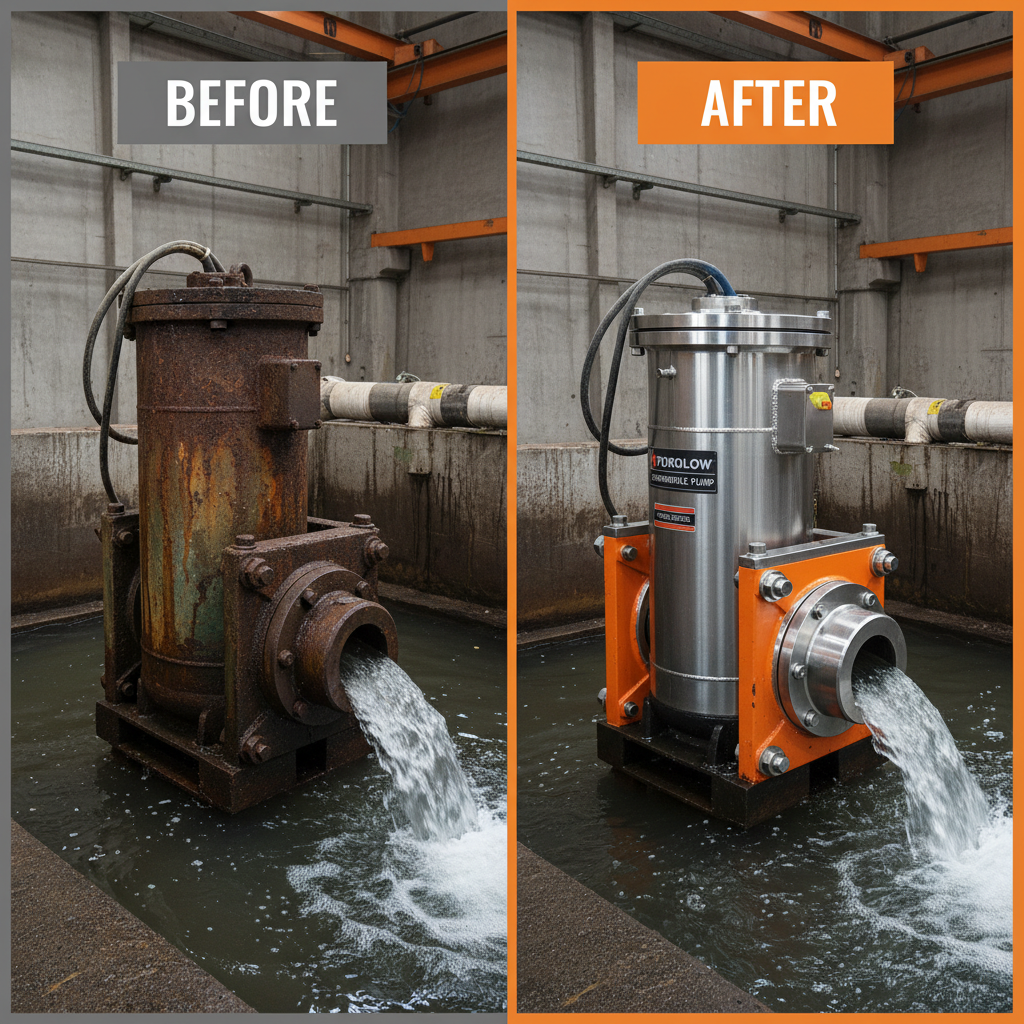 Understanding the Price Submersible Pump and Buyer GuideWhen searching for the ideal water management solution, understanding the price submersible pump options is crucial for balancing budget with performance. Whether you are dealing with a flooded basement, managing agricultural irrigation, or extracting water from a deep well, the cost of a submersible pump can vary significantly based on its build quality and capacity. Investing in a high-quality pump ensures long-term reliability and reduces the frequency of expensive replacements. In this guide, we will break down the factors that influence pricing and help you make an informed decision for your specific needs.Detail
 -
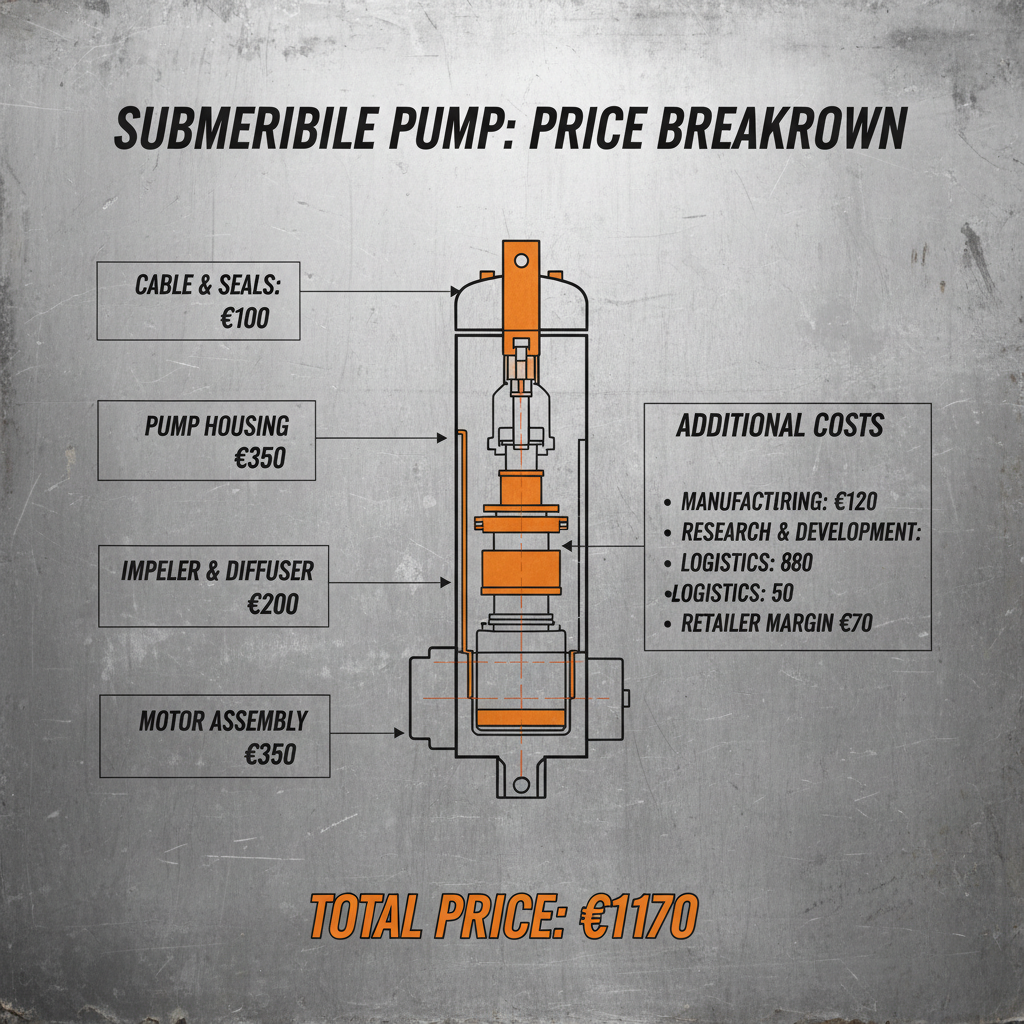 Factors Affecting the Price for Submersible Pump a Buyers GuideWhen investing in water management systems, understanding the price for submersible pump options is essential for balancing performance with budget. Whether you are managing a residential well, an industrial drainage project, or agricultural irrigation, the cost of a pump is rarely a flat fee; it is a reflection of the engineering, materials, and capacity required for your specific environment. In this guide, we will break down the factors that influence pricing and help you determine the best value for your investment to ensure long-term reliability and efficiency.Detail
 -
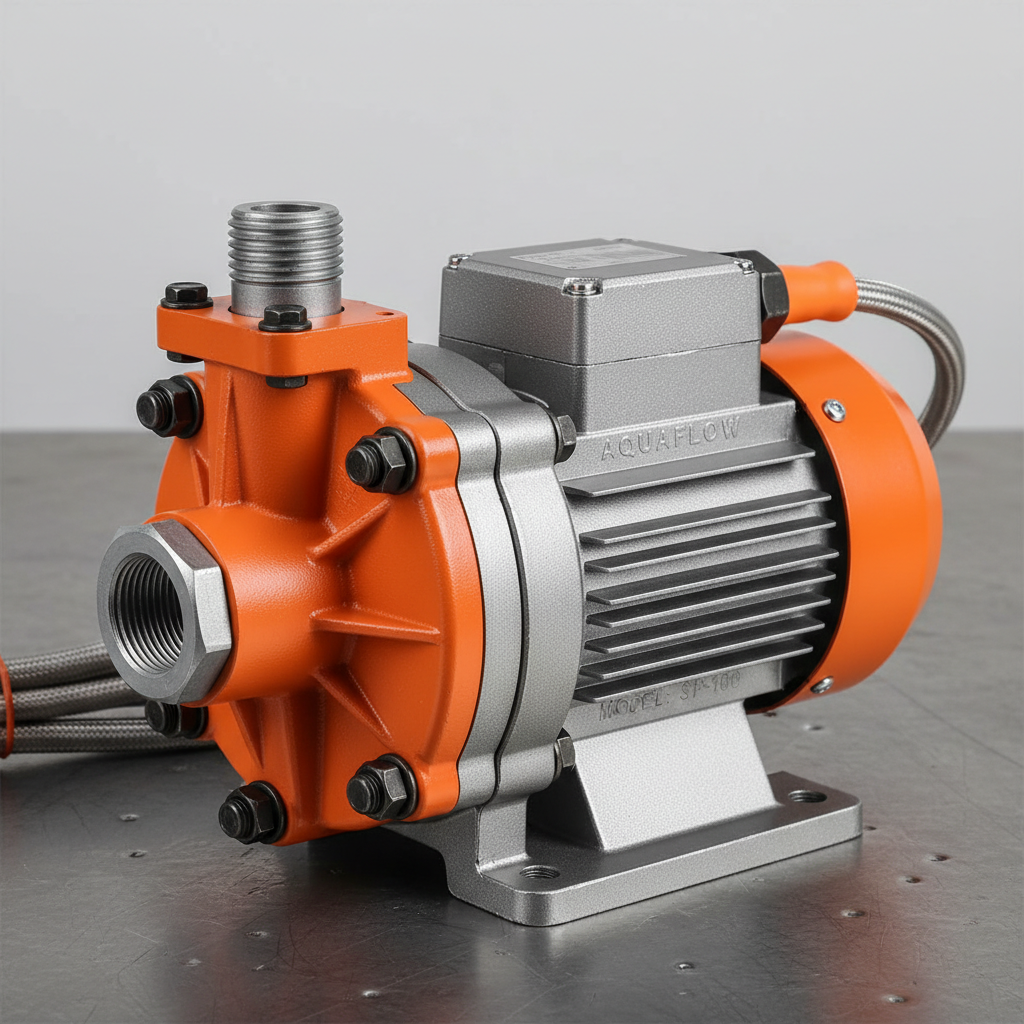 Choosing the Right Mini Submersible Fountain Pump for Optimal Water Feature PerformanceCreating a beautiful and relaxing water feature doesn't have to be complicated. A mini submersible fountain pump is the heart of any indoor or outdoor fountain, and selecting the right one is crucial for optimal performance and longevity. This article will guide you through the key considerations when choosing a mini submersible fountain pump, covering types, features, applications, and how to ensure you get the perfect pump for your project. We’ll also explore how Wellpumpact can provide you with the ideal solution.Detail
 Afrikaans
 Albanian
 Amharic
 Arabic
 Armenian
 Azerbaijani
 Basque
 Belarusian
 Bengali
 Bosnian
 Bulgarian
 Catalan
 Cebuano
 Corsican
 Croatian
 Czech
Czech
 Danish
 Dutch
Dutch
 Esperanto
 Estonian
 Finnish
 French
 Frisian
 Galician
 Georgian
 German
 Greek
Greek
 Gujarati
 Haitian Creole
 Hausa
Hausa
 Hawaiian
 Hebrew
 Hindi
Hindi
 Miao
Miao
 Hungarian
 Icelandic
 Igbo
Igbo
 Indonesian
 Irish
Irish
 Italian
 Japanese
 Javanese
 Kannada
 Kazakh
 Khmer
Khmer
 Rwandese
 Korean
 Kurdish
 Kyrgyz
 Lao
Lao
 Latin
Latin
 Latvian
 Lithuanian
 Luxembourgish
 Macedonian
 Malgashi
 Malay
Malay
 Malayalam
 Maltese
 Maori
Maori
 Marathi
 Mongolian
 Myanmar
 Nepali
 Norwegian
 Norwegian
 Occitan
 Pashto
 Persian
 Polish
 Portuguese
 Punjabi
 Romanian
 Russian
 Samoan
 Scottish Gaelic
 Serbian
 Sesotho
 Shona
Shona
 Sindhi
 Sinhala
 Slovak
 Slovenian
 Somali
 Spanish
 Sundanese
 Swahili
 Swedish
 Tagalog
 Tajik
Tajik
 Tamil
Tamil
 Tatar
Tatar
 Telugu
 Thai
Thai
 Turkish
 Turkmen
 Ukrainian
 Urdu
Urdu
 Uighur
 Uzbek
Uzbek
 Vietnamese
 Welsh
Welsh
 Bantu
Bantu
 Yiddish
 Yoruba
 Zulu
Zulu
 English