
Nov . 30, 2025 02:00 Back to list
Battery Operated Submersible Water Pump – Portable & Sustainable Water Solutions
Understanding Battery Operated Submersible Water Pumps: Quiet Revolution in Water Access
Water access remains one of the most pressing global challenges, especially in remote and disaster-prone areas. Among the many technologies addressing this, the battery operated submersible water pump stands out as a versatile, eco-friendly solution that’s quietly transforming how communities and industries alike draw water from below the surface. Why does this matter? Well, powering pumps without relying on grid electricity or fossil fuels means reaching places that otherwise remain parched, improving hygiene, agriculture, and overall quality of life. Plus, they pack the benefits of portability, reliability, and increasingly smart design.
The Big Picture: Why Battery Operated Pumps Are Gaining Global Ground
Globally, the water crisis affects about 2.2 billion people who lack safely managed drinking water services (United Nations, 2023). Add to that the fact that 40% of the world’s population experiences water scarcity at least one month per year, and the urgency becomes clear. Traditional water pumping methods—electric grid powered or diesel-driven—aren’t always practical or sustainable. In contrast, battery operated submersible water pumps offer a clean, mobile alternative, particularly for:
- Remote villages without reliable electricity
- Emergency relief operations following floods or droughts
- Small- to medium-scale irrigation in arid zones
In real terms, the ability to quickly deploy a solar-charged or battery-powered pump can make the difference between prolonged water scarcity and restored livelihoods. The International Organization for Standardization (ISO), through standards like ISO 9906 for pump performance, encourages precisely these technologies as part of sustainable development strategies.
What Exactly Is a Battery Operated Submersible Water Pump?
At its core, this pump is a water-lifting device designed to operate entirely submerged, powered by a rechargeable battery instead of direct electricity or fuel. The "submersible" part means that the motor and impeller sit underwater — pushing water up rather than pulling — which makes the device more efficient and less prone to cavitation. The battery power source replaces the conventional electric grid or fuel engines, allowing untethered, clean operation.
Industrially, these pumps cater to sectors like agriculture, mining, and construction. Humanitarian-wise, they're a staple in disaster relief kits or rural health projects, where water needs to be both accessible and safe.
Key Features That Make These Pumps Tick
1. Durability
Since these pumps often operate in harsh, submerged environments, manufacturers build them to withstand corrosion, sand, and debris. Materials like stainless steel and high-impact plastics are common. Many engineers say the longevity directly impacts maintenance costs and operational uptime.
2. Portability & Scalability
You can’t just plug these into an outlet, so portability is essential. Compact design, ergonomic handles, and lightweight batteries let operators carry and deploy them swiftly. Scalability also matters — some units serve single households, others can irrigate larger fields by connecting in series or parallel.
3. Cost Efficiency
Initial prices might seem steep, but when you factor in fuel savings, fewer mechanical failures, and no grid dependency, the total cost of ownership lowers significantly over time. It’s a balance between upfront investment and long-term practical returns.
4. Energy Management
Battery technology has evolved rapidly, embracing lithium-ion and even lead-carbon configurations to offer longer run-times and faster recharge cycles. Solar recharging is increasingly paired with batteries, adding an eco-friendly, autonomous charge source.
5. User-Friendly Operation
Few pumps require heavy technical know-how. Many models feature simple on/off switches, LED indicators for battery life, and splash-proof designs — making them accessible even in rugged conditions.
How Are Battery Operated Submersible Water Pumps Used Around the World?
From South Asia’s irrigated rice paddies to Africa’s remote villages and South America’s mining sites, these pumps are bridging water gaps. For example:
- Agricultural irrigation: In parts of Kenya and India, farmers use these pumps to water crops during dry spells, avoiding costly diesel for generators.
- Disaster relief: Organizations like the Red Cross deploy these pumps en masse after floods to drain waterlogged homes or provide clean drinking water.
- Industrial needs: Remote mining camps use battery powered pumps to manage groundwater without expensive grid connections.
One case I found fascinating was a community in Nepal, where solar-charged battery pumps replaced traditional hand pumps. They increased water access speed fourfold and improved hygiene by enabling water treatment onsite.
Battery Operated Submersible Pump: Specification Table
| Feature | Typical Range/Spec | Remarks |
|---|---|---|
| Power Source | Lithium-ion Battery (12-48V) | Rechargeable, solar-compatible |
| Max Flow Rate | Up to 10,000 liters/hour | Varies by pump size |
| Max Depth | Up to 50 meters | Depends on motor power |
| Pump Material | Stainless Steel & ABS Plastic | Corrosion & abrasion resistant |
| Weight | 5 - 15 kg | Includes battery pack |
Comparing Leading Battery Operated Submersible Water Pump Vendors
| Feature | AquaPower Co. | HydroFlow Solutions | GreenPump Inc. |
|---|---|---|---|
| Battery Type | Lithium-ion | Lead-acid | Lithium-ion + Solar Hybrid |
| Max Flow (L/hr) | 8,500 | 9,000 | 10,000 |
| Water Depth Capability | 40 m | 50 m | 45 m |
| Price Range | $$$ | $$ | $$$$ |
| Warranty | 2 years | 1 year | 3 years |
Why Should You Consider Battery Operated Submersible Pumps?
Tangible benefits of these pumps go beyond just water. For starters, using battery power drastically reduces carbon footprints compared to diesel alternatives. That’s a win for sustainability, especially in communities battling climate change consequences. Economically, while the upfront investment might make some pause, the low running cost (no fuel, minimal maintenance) smooths budgets out. Socially, quicker water access means better health outcomes—less time fetching water, more time schooling, farming, or just living.
There’s also an emotional element here: these pumps empower users to reclaim dignity and safety. Instead of hauling water over dangerous terrain, or waiting on unreliable fuel supplies, the battery powered submersible pump brings ease and trust. It's innovation meeting essential human need.
Looking Ahead: Innovations on the Horizon
Frankly, battery operated submersible water pumps are evolving fast. The integration of IoT sensors for real-time monitoring, remote diagnostics, and predictive maintenance is no longer just a concept; it's happening. Imagine operators getting battery status alerts via smartphone or automatically adjusting pump speed based on water demand — convenience meets tech.
Eco-conscious materials are also being trialed — biodegradable polymers and corrosion-resistant alloys. On the power side, ultra-fast charging lithium batteries and supercapacitors promise longer runtime and shorter downtime. Solar tech improvements also tie in perfectly, creating nearly autonomous pump systems that could run continuously on sunlight alone.
Challenges and How Experts Are Tackling Them
No tech is perfect. Battery operated submersible pumps often contend with limited battery life under heavy use, vulnerability to battery degradation in extreme climates, and higher initial costs. Sometimes, the water pumped contains solids or chemicals that prematurely damage the pump dead-ends.
Experts suggest multiple solutions:
- Using modular battery packs allowing quick swaps
- Incorporating filtration screens to prolong pump life
- Relying on hybrid power sources (solar + battery) for consistent uptime
- Designing for easy repairability and access to replacement parts globally
Those are practical, down-to-earth fixes that feel like they’ll stick. After all, sustainable tech also means user-friendly tech.
FAQs About Battery Operated Submersible Water Pumps
Q: How long does a typical battery last on these pumps?
A: Run times vary depending on battery capacity and pump size but typically range from 4 to 12 hours on a full charge. Newer lithium-ion batteries combined with solar recharging can extend this further.
Q: Can these pumps handle water with sand or debris?
A: Many models include built-in filters or sand guards, but heavy debris can shorten their lifespan. For demanding environments, choosing pumps with abrasion-resistant materials or external filtration is advisable.
Q: Are battery operated submersible pumps suitable for large-scale irrigation?
A: They’re best suited for small to medium plots due to power limits. For larger farms, multiple units or higher-capacity models connected together may be needed, but diesel or grid power alternatives remain common there.
Q: How do I recharge the pump battery in remote areas?
A: Solar panels are increasingly common as reliable recharge options. Additionally, portable generators or swapping batteries can keep the pump operational when sunlight isn’t available.
Q: What maintenance is required?
A: Regular cleaning of the pump and filters, battery health checks, and occasional lubrication typically suffice. Designing pumps with minimal maintenance needs is key for field use.
Wrapping It Up – Why Battery Operated Submersible Water Pumps Are a Game-Changer
So, here’s the takeaway: battery operated submersible water pumps marry technical innovation with practical necessity. As global water demands surge and sustainability takes center stage, portable, energy-efficient pumps make a tangible difference. Whether for rural families, emergency responders, or forward-thinking farmers, these pumps deliver water access with dignity, reliability, and less environmental impact.
If you want to explore the latest models and vetted suppliers, check out battery operated submersible water pump offers and reviews. Sometimes what seems like a small piece of gear turns out to be the quiet hero behind big progress. I find that pretty inspiring.
References
-
Understanding the Price Submersible Pump and Buyer Guide
NewsApr.16,2026
-
Factors Affecting the Price for Submersible Pump a Buyers Guide
NewsApr.09,2026
-
Choosing the Right Mini Submersible Fountain Pump for Optimal Water Feature Performance
NewsApr.07,2026
-
A Detailed Guide to Installing a Submersible Pump for Optimal Performance
NewsApr.04,2026
-
Comprehensive Guide on How to Test a Submersible Water Well Pump Effectively
NewsMar.31,2026
-
Learn How to Replace a Submersible Well Pump Safely and Effectively
NewsMar.28,2026
-
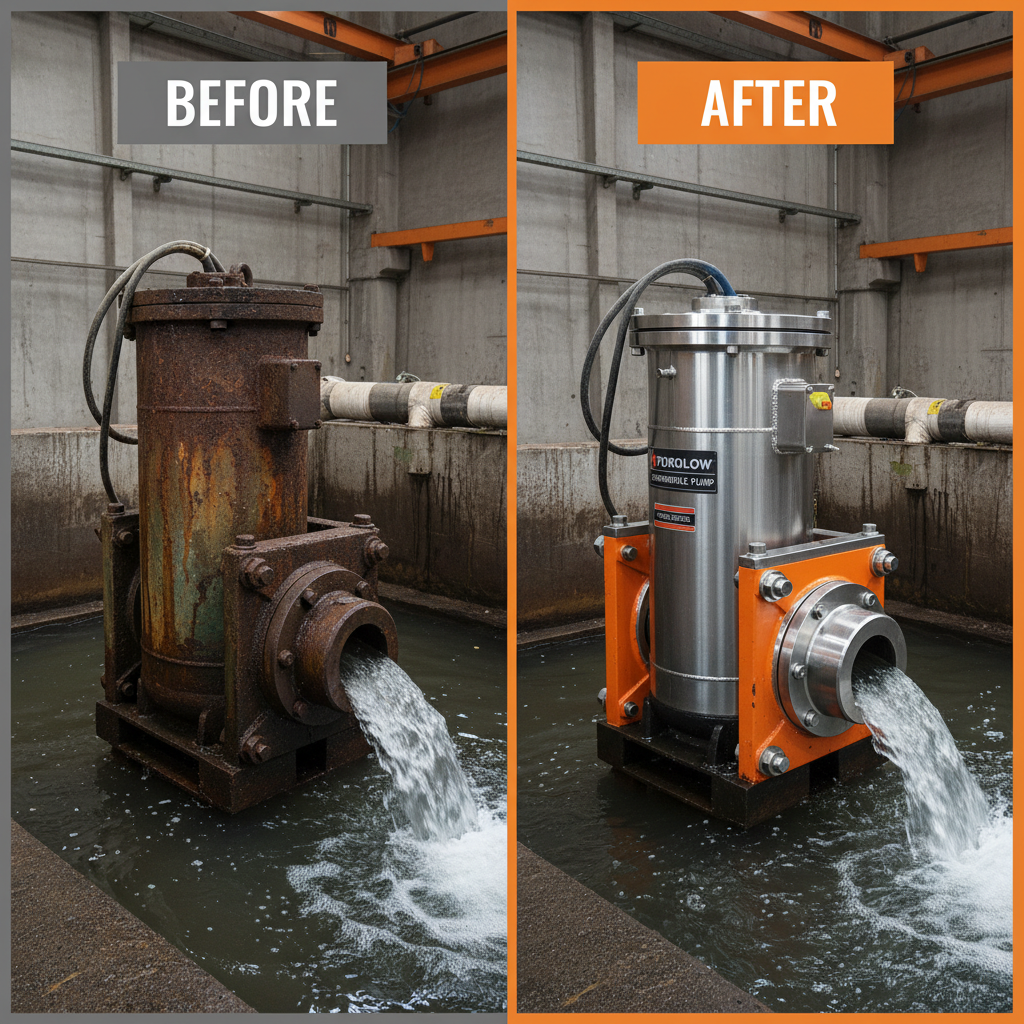 Understanding the Price Submersible Pump and Buyer GuideWhen searching for the ideal water management solution, understanding the price submersible pump options is crucial for balancing budget with performance. Whether you are dealing with a flooded basement, managing agricultural irrigation, or extracting water from a deep well, the cost of a submersible pump can vary significantly based on its build quality and capacity. Investing in a high-quality pump ensures long-term reliability and reduces the frequency of expensive replacements. In this guide, we will break down the factors that influence pricing and help you make an informed decision for your specific needs.Detail
 -
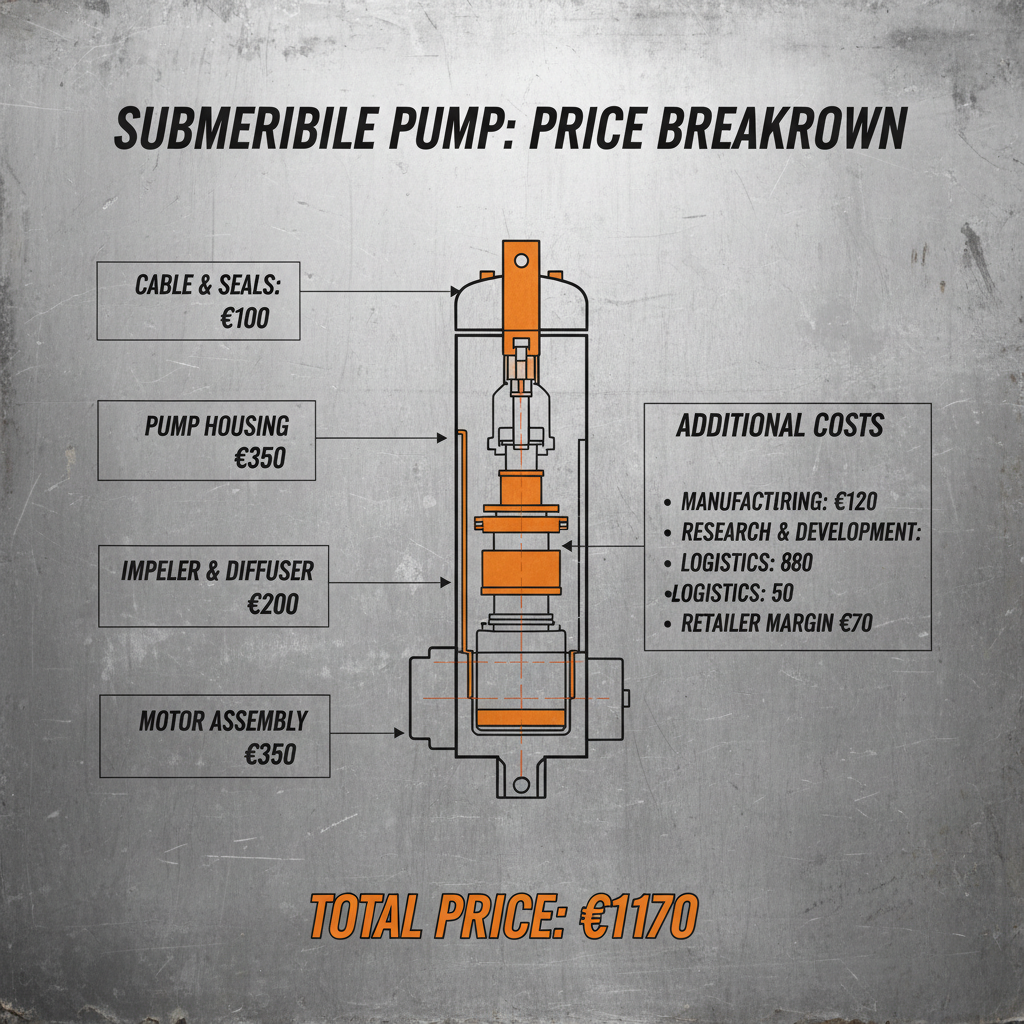 Factors Affecting the Price for Submersible Pump a Buyers GuideWhen investing in water management systems, understanding the price for submersible pump options is essential for balancing performance with budget. Whether you are managing a residential well, an industrial drainage project, or agricultural irrigation, the cost of a pump is rarely a flat fee; it is a reflection of the engineering, materials, and capacity required for your specific environment. In this guide, we will break down the factors that influence pricing and help you determine the best value for your investment to ensure long-term reliability and efficiency.Detail
 -
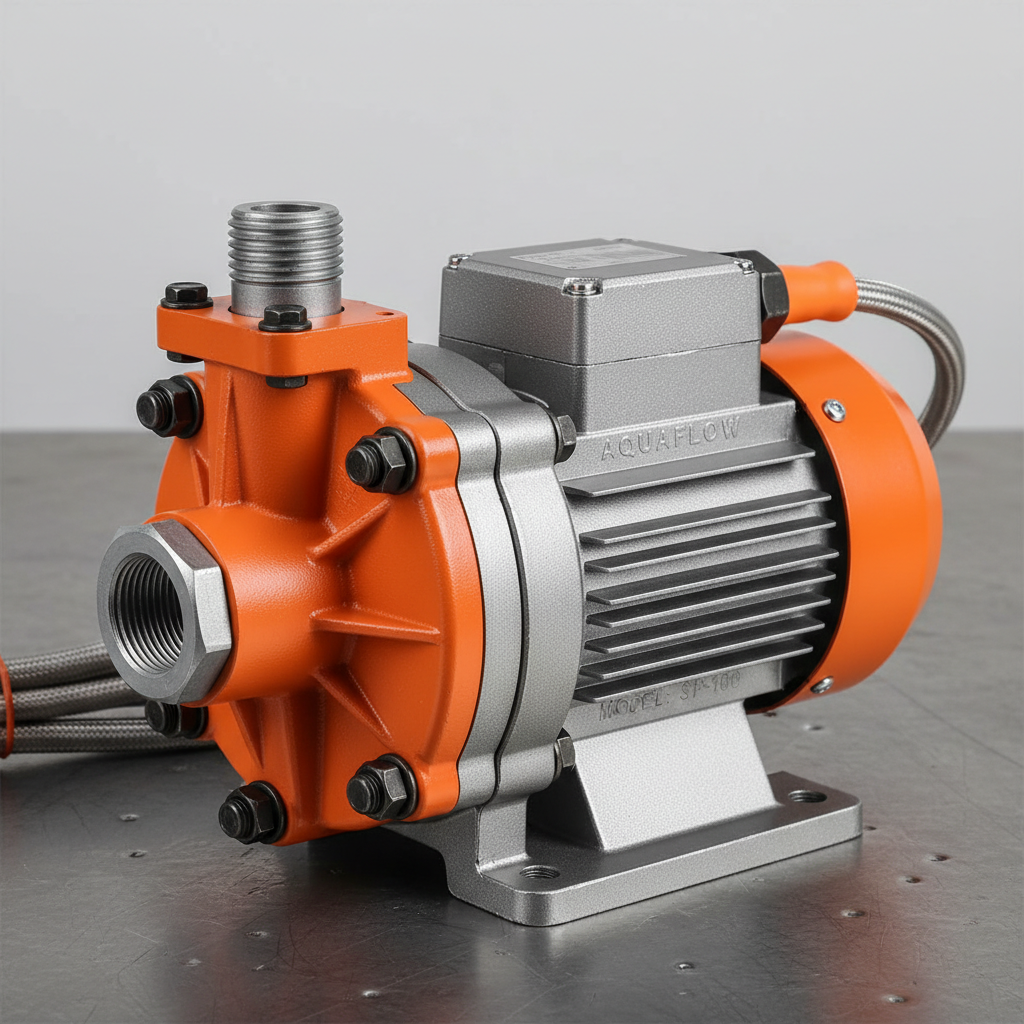 Choosing the Right Mini Submersible Fountain Pump for Optimal Water Feature PerformanceCreating a beautiful and relaxing water feature doesn't have to be complicated. A mini submersible fountain pump is the heart of any indoor or outdoor fountain, and selecting the right one is crucial for optimal performance and longevity. This article will guide you through the key considerations when choosing a mini submersible fountain pump, covering types, features, applications, and how to ensure you get the perfect pump for your project. We’ll also explore how Wellpumpact can provide you with the ideal solution.Detail
 Afrikaans
 Albanian
 Amharic
 Arabic
 Armenian
 Azerbaijani
 Basque
 Belarusian
 Bengali
 Bosnian
 Bulgarian
 Catalan
 Cebuano
 Corsican
 Croatian
 Czech
Czech
 Danish
 Dutch
Dutch
 Esperanto
 Estonian
 Finnish
 French
 Frisian
 Galician
 Georgian
 German
 Greek
Greek
 Gujarati
 Haitian Creole
 Hausa
Hausa
 Hawaiian
 Hebrew
 Hindi
Hindi
 Miao
Miao
 Hungarian
 Icelandic
 Igbo
Igbo
 Indonesian
 Irish
Irish
 Italian
 Japanese
 Javanese
 Kannada
 Kazakh
 Khmer
Khmer
 Rwandese
 Korean
 Kurdish
 Kyrgyz
 Lao
Lao
 Latin
Latin
 Latvian
 Lithuanian
 Luxembourgish
 Macedonian
 Malgashi
 Malay
Malay
 Malayalam
 Maltese
 Maori
Maori
 Marathi
 Mongolian
 Myanmar
 Nepali
 Norwegian
 Norwegian
 Occitan
 Pashto
 Persian
 Polish
 Portuguese
 Punjabi
 Romanian
 Russian
 Samoan
 Scottish Gaelic
 Serbian
 Sesotho
 Shona
Shona
 Sindhi
 Sinhala
 Slovak
 Slovenian
 Somali
 Spanish
 Sundanese
 Swahili
 Swedish
 Tagalog
 Tajik
Tajik
 Tamil
Tamil
 Tatar
Tatar
 Telugu
 Thai
Thai
 Turkish
 Turkmen
 Ukrainian
 Urdu
Urdu
 Uighur
 Uzbek
Uzbek
 Vietnamese
 Welsh
Welsh
 Bantu
Bantu
 Yiddish
 Yoruba
 Zulu
Zulu
 English