
Nov . 29, 2025 13:05 Back to list
Essential Guide to Non Submersible Sump Pumps: Features, Uses & Future Trends
Understanding the Non Submersible Sump Pump: Why It Matters Worldwide
When we talk about managing water around homes, factories, or even disaster zones, pumps play an unsung yet crucial role. Among these, non submersible sump pumps stand out for their unique design and applications. They help remove unwanted water—whether it’s from heavy rains, groundwater seepage, or flooding. Globally, as urban development grows and climate change intensifies rainfall patterns, managing water efficiently is more critical than ever.
Grasping what a non submersible sump pump does can mean the difference between flooded basements and safe, dry spaces. It also connects to bigger themes: infrastructure resilience, environmental protection, and cost-effective solutions for communities everywhere.
The Global Context: Why Non Submersible Sump Pumps Are Gaining Attention
Across continents, flooding impacts millions of people yearly. According to the UN Water reports, urban flooding is rising due to increased impervious surfaces and extreme weather events. Non submersible sump pumps, designed to sit outside the water source, provide a reliable way to manage excess water without the maintenance issues that submerged pumps might experience.
Interestingly, in industrial sectors stretching from Southeast Asia’s manufacturing hubs to North America’s growing urban centers, these pumps address persistent drainage challenges. They're a humble but vital piece of the puzzle in tough infrastructure challenges where access, cost, and durability matter.
What Exactly Is a Non Submersible Sump Pump?
Simply put, a non submersible sump pump is a water pump designed to draw water from a sump pit or drainage area but remains physically above the water level — never submerged. Unlike submersible pumps, which sit underwater, these pumps rely on suction or vacuum principles to pull water upward.
This characteristic affects everything: their maintenance is generally easier, they avoid electrical risks associated with water contact, and they can be placed in hard-to-reach or shallow pits. They meet demands in residential, commercial, and even humanitarian fields—where you need reliable, simple, and durable water removal.
Core Features of Non Submersible Sump Pumps
1. Durability and Material Choices
Many units feature rust-resistant metals or thermoplastics, balancing weight and hardness. Durability isn’t just about weather resistance; it’s about enduring grit and debris often found in sump pits.
2. Energy Efficiency
Since these pumps typically run continuously during heavy water intrusion events, power consumption is a key design concern. Advances focus on motors with variable speed controls to optimize energy use.
3. Ease of Maintenance
This is a big one. Because non submersible sump pumps aren’t underwater, accessing the pump for repairs or cleaning is much smoother—critical in large facilities or emergency contexts.
4. Noise Levels
Placed outside of water, these pumps can be noisier if not insulated well. Manufacturers often use sound-dampening casings, minimizing disruption especially in residential or office areas.
5. Installation Flexibility
They are often simpler to install without sinking into pits. Adaptable mounting options mean they can fit a variety of sump basin shapes and sizes.
Mini takeaway: Above-water placement saves hassle and costs but necessitates design smartness around noise and performance.
How Non Submersible Sump Pumps Work Around the Globe
Let’s talk about use cases, because this pumps’ (no pun intended) real value shines in diverse settings.
- Industrial Zones: In mining operations from South Africa to Australia, removing groundwater efficiently is mission-critical. Non submersible pumps reduce downtime without needing full immersion.
- Disaster Relief: NGOs use compact versions in flood-prone areas of Bangladesh and Central America—places where simple, robust tech saves lives.
- Residential Buildings: In US and European basements, preventing mold and structural damage is often handled with these pumps, connected to sump pits.
- Remote Facilities: Off-grid or digital infrastructure zones use them because they cope well with variable power—and when storms hit, you want something that just works.
It’s odd how such a "low-tech" device has found so many critical roles globally, right? But that’s engineering for you—elegant in simplicity.
Advantages and Long-Term Value of Using Non Submersible Sump Pumps
From a financial standpoint, non submersible sump pumps often come with lower upfront costs than their submersible cousins. Combined with easier maintenance, this lowers lifetime expenses. Environmentally, their low energy requirements and sometimes simpler materials can mean smaller carbon footprints.
There’s also a social dimension here—imagine a family in a flood-prone area safely relying on a pump, giving peace of mind and protecting assets. Safety is more than avoiding water; it’s preserving dignity and stability.
Product Specification Table
| Specification | Typical Range/Example | Notes |
|---|---|---|
| Power Source | 110-240V AC, or 12-24V DC for remote models | Versatile for household or industrial use |
| Pump Type | Centrifugal, self-priming | Optimal for non-submerged suction |
| Max Flow Rate | ~3000 GPH (gallons per hour) | Varies by motor size and pump design |
| Maximum Lift Height | Up to 15 feet | Determines suction effectiveness |
| Material | Thermoplastic, stainless steel casing | Corrosion resistant |
| Noise Level | 50-70 dB | Depends on sound dampening |
Vendor Comparison Table: Popular Non Submersible Sump Pumps
| Brand | Power Options | Key Feature | Ideal Use | Approx. Price |
|---|---|---|---|---|
| AquaSafe Pro | 110V AC | Ultra-quiet motor | Residential basements | $150 |
| FlowMax 2000 | 24V DC | Solar compatible | Remote field sites | $320 |
| DrainMate XL | 110-240V AC | Heavy duty, rust-proof | Industrial drainage | $450 |
| RapidLift Compact | 110V AC | Lightweight, portable | Emergency flood control | $235 |
Looking Ahead: Trends Shaping the Future of Non Submersible Sump Pumps
There’s a clear push toward smarter pumps with IoT connectivity. Imagine monitoring water levels and pump performance remotely via an app; many engineers see this becoming standard quicker than we might expect.
Materials are evolving too. Bio-based plastics and corrosion-resistant alloys aim to make pumps greener and longer-lasting. Plus, solar-powered and battery backup systems become increasingly important for off-grid or emergency applications.
The intersection with automation gives rise to predictive maintenance—pumps that “tell” operators in advance when they're due for cleaning or replacement.
Challenges in Current Usage and How the Industry Is Solving Them
Non submersible sump pumps sometimes struggle with priming failures and air locks. This is a tricky bit of fluid dynamics—sucking water overhead, without being underwater, is inherently less efficient. Manufacturers improve this by enhancing self-priming design and encouraging periodic manual checks.
Occasionally, noise and vibration annoy users. Attempts to mitigate this include better motor mounts and composite materials absorbing sound.
FAQ: Your Questions on Non Submersible Sump Pumps Answered
- Q1: Can I use a non submersible sump pump for a deep sump pit?
- A1: Generally, these pumps perform best with sump pits less than 15 feet deep, due to suction limits. For deeper pits, submersible pumps or booster systems might be more suitable.
- Q2: How do I maintain a non submersible sump pump?
- A2: Maintenance usually involves cleaning the inlet screen, checking seals, and ensuring the motor ventilation stays clear. Because it’s above water, you can access it easily, which helps longevity.
- Q3: Are non submersible sump pumps energy efficient?
- A3: Many modern models come with energy-saving motors and variable speed options to minimize power use, especially important when pumps run frequently during storms.
- Q4: Can these pumps handle debris or sediment?
- A4: While designed to handle small particulates, heavy debris can clog pumps. It's best to place screens or filters and perform routine cleaning to prevent damage.
Wrapping It Up: Why Choose a Non Submersible Sump Pump?
In a nutshell, non submersible sump pumps offer reliability, ease of maintenance, and flexibility – factors that count a lot when you really need to keep spaces dry. From homeowners to relief workers, the choice to use them reflects a balance of cost, efficiency, and practicality.
Interested in exploring pumps that fit your needs? Visit our website: non submersible sump pump for detailed info and expert advice.
Something I’ve learned from chatting with installers and engineers: sometimes choosing a pump is as much about knowing the quirks of your site as it is understanding the specs.
References
-
Understanding the Price Submersible Pump and Buyer Guide
NewsApr.16,2026
-
Factors Affecting the Price for Submersible Pump a Buyers Guide
NewsApr.09,2026
-
Choosing the Right Mini Submersible Fountain Pump for Optimal Water Feature Performance
NewsApr.07,2026
-
A Detailed Guide to Installing a Submersible Pump for Optimal Performance
NewsApr.04,2026
-
Comprehensive Guide on How to Test a Submersible Water Well Pump Effectively
NewsMar.31,2026
-
Learn How to Replace a Submersible Well Pump Safely and Effectively
NewsMar.28,2026
-
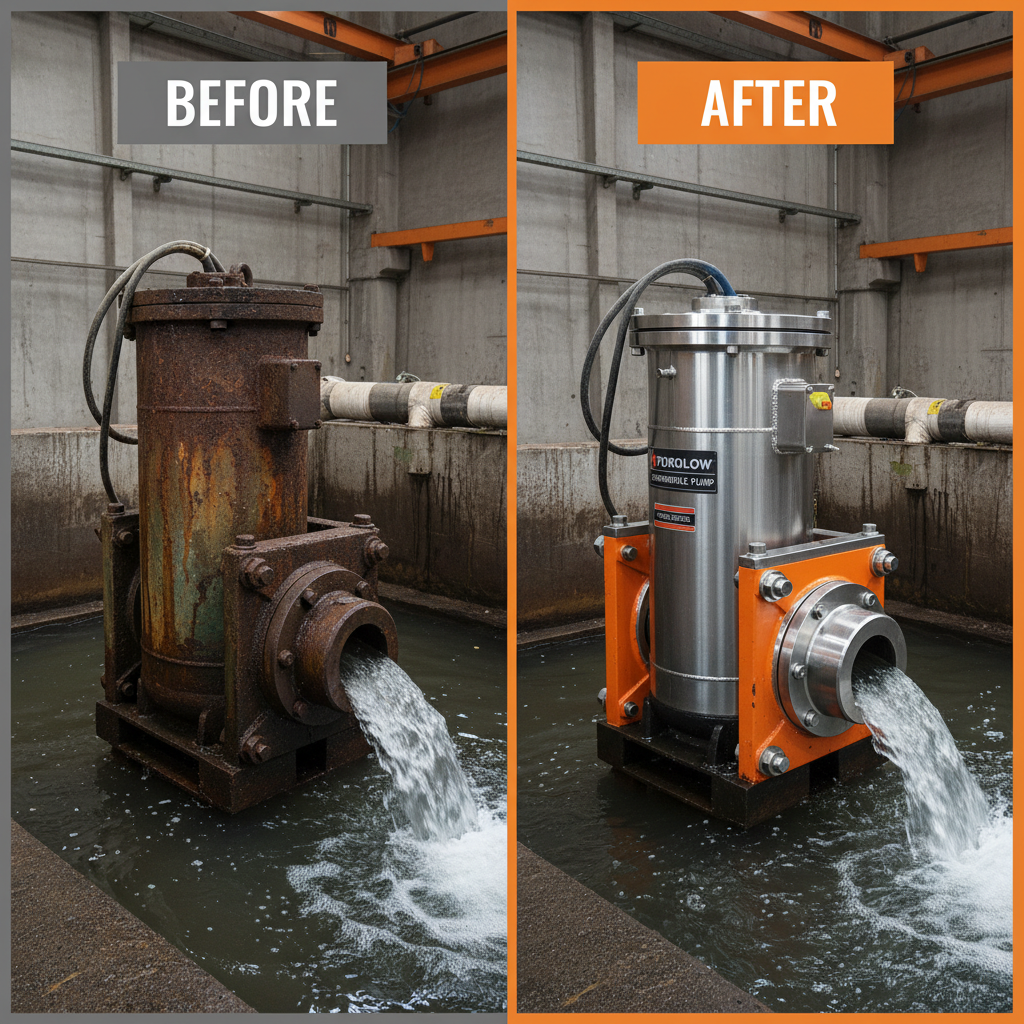 Understanding the Price Submersible Pump and Buyer GuideWhen searching for the ideal water management solution, understanding the price submersible pump options is crucial for balancing budget with performance. Whether you are dealing with a flooded basement, managing agricultural irrigation, or extracting water from a deep well, the cost of a submersible pump can vary significantly based on its build quality and capacity. Investing in a high-quality pump ensures long-term reliability and reduces the frequency of expensive replacements. In this guide, we will break down the factors that influence pricing and help you make an informed decision for your specific needs.Detail
 -
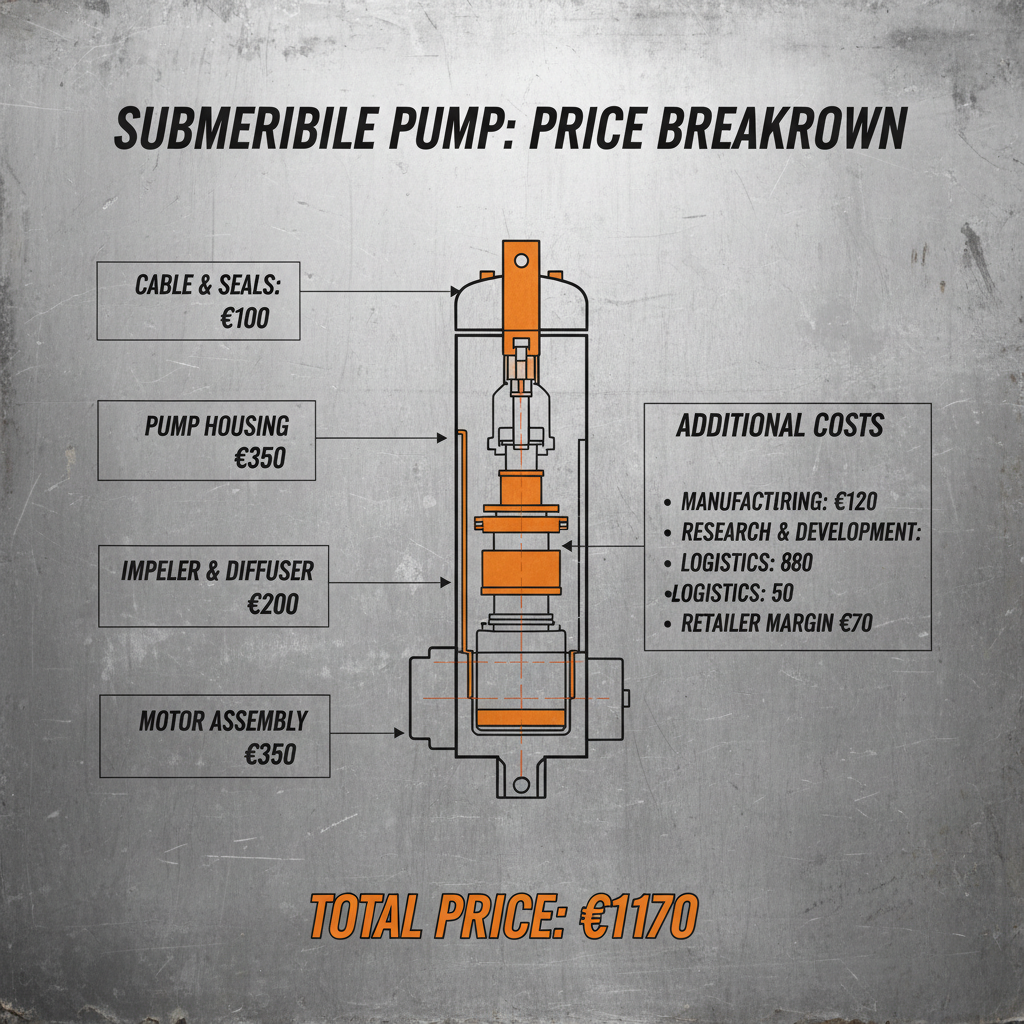 Factors Affecting the Price for Submersible Pump a Buyers GuideWhen investing in water management systems, understanding the price for submersible pump options is essential for balancing performance with budget. Whether you are managing a residential well, an industrial drainage project, or agricultural irrigation, the cost of a pump is rarely a flat fee; it is a reflection of the engineering, materials, and capacity required for your specific environment. In this guide, we will break down the factors that influence pricing and help you determine the best value for your investment to ensure long-term reliability and efficiency.Detail
 -
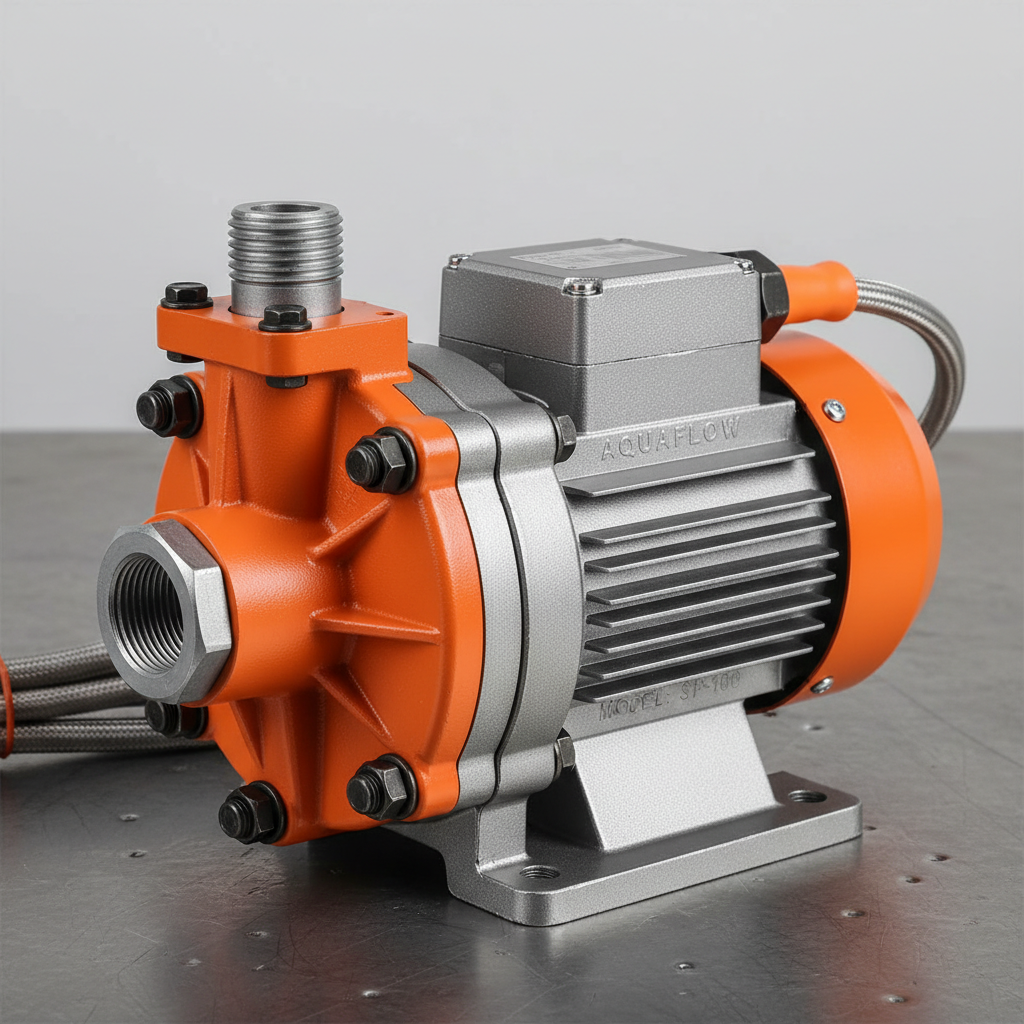 Choosing the Right Mini Submersible Fountain Pump for Optimal Water Feature PerformanceCreating a beautiful and relaxing water feature doesn't have to be complicated. A mini submersible fountain pump is the heart of any indoor or outdoor fountain, and selecting the right one is crucial for optimal performance and longevity. This article will guide you through the key considerations when choosing a mini submersible fountain pump, covering types, features, applications, and how to ensure you get the perfect pump for your project. We’ll also explore how Wellpumpact can provide you with the ideal solution.Detail
 Afrikaans
 Albanian
 Amharic
 Arabic
 Armenian
 Azerbaijani
 Basque
 Belarusian
 Bengali
 Bosnian
 Bulgarian
 Catalan
 Cebuano
 Corsican
 Croatian
 Czech
Czech
 Danish
 Dutch
Dutch
 Esperanto
 Estonian
 Finnish
 French
 Frisian
 Galician
 Georgian
 German
 Greek
Greek
 Gujarati
 Haitian Creole
 Hausa
Hausa
 Hawaiian
 Hebrew
 Hindi
Hindi
 Miao
Miao
 Hungarian
 Icelandic
 Igbo
Igbo
 Indonesian
 Irish
Irish
 Italian
 Japanese
 Javanese
 Kannada
 Kazakh
 Khmer
Khmer
 Rwandese
 Korean
 Kurdish
 Kyrgyz
 Lao
Lao
 Latin
Latin
 Latvian
 Lithuanian
 Luxembourgish
 Macedonian
 Malgashi
 Malay
Malay
 Malayalam
 Maltese
 Maori
Maori
 Marathi
 Mongolian
 Myanmar
 Nepali
 Norwegian
 Norwegian
 Occitan
 Pashto
 Persian
 Polish
 Portuguese
 Punjabi
 Romanian
 Russian
 Samoan
 Scottish Gaelic
 Serbian
 Sesotho
 Shona
Shona
 Sindhi
 Sinhala
 Slovak
 Slovenian
 Somali
 Spanish
 Sundanese
 Swahili
 Swedish
 Tagalog
 Tajik
Tajik
 Tamil
Tamil
 Tatar
Tatar
 Telugu
 Thai
Thai
 Turkish
 Turkmen
 Ukrainian
 Urdu
Urdu
 Uighur
 Uzbek
Uzbek
 Vietnamese
 Welsh
Welsh
 Bantu
Bantu
 Yiddish
 Yoruba
 Zulu
Zulu
 English