
Dec . 31, 2025 06:45 Back to list
Reliable 1 HP Water Submersible Pump – Power Meets Efficiency
Understanding the 1 HP Water Submersible Pump: A Practical Overview
Having spent years working hands-on in industrial equipment, I can tell you there’s something oddly satisfying about a 1 HP water submersible pump. It’s one of those dependable workhorses—compact but capable—that show up in everything from small well setups to irrigation systems. Frankly, if you’re on the hunt for a balance between power, efficiency, and reliability, this pump size makes a lot of sense.
Oddly enough, many people underestimate these pumps because “1 horsepower” sounds modest. But in real terms, that’s enough grunt to move a decent volume of water from depths that smaller units just can’t handle. For fields, farms, or even a home water system, it often covers the need without hogging energy or space.
The design typically features a hermetically sealed motor submerged right in the fluid. This setup not only helps cool the motor continuously but also reduces noise dramatically—one of the subtle perks if you’re tired of loud equipment on site. Materials usually include corrosion-resistant stainless steel or thermoplastic impellers, which I’ve noticed hold up better than cheaper alternatives.
Before these pumps hit the market, most reliable vendors run them through rigorous testing cycles: performance under varying flow rates, endurance against dry running times, and pressure resilience tests. I remember once being involved in a QA bench test that pushed a 1 HP model past its rated capacity just to make sure it wouldn’t fail in unexpected situations—an experience that really solidified my respect for robust engineering.
When it comes to usage, customization tends to be more about fitting the pump to specific system requirements—different nozzle sizes, cable lengths, or starter packages. I’ve worked with engineers who swear by adding smart sensors to monitor temperature and flow, sending real-time data remotely. Adds a layer of confidence, especially if you’re managing multiple sites.
And of course, not every 1 hp water submersible pump is created equal. From my perspective, reputable vendors focus on warranty coverage and prompt technical support. You want to avoid the “it worked great for a month, then…” kind of story—you know the ones.
| Feature | Specification |
|---|---|
| Motor Power | 1 Horsepower (HP) |
| Voltage | 110-220 VAC (Single Phase) |
| Max Flow Rate | 30-50 GPM (Gallons per minute) |
| Max Head | 100-150 feet |
| Material | Stainless steel, thermoplastic impeller |
| Cable Length | Typically 50-100 feet |
| Warranty | 1 to 3 years |
Now, on to the vendors. Having tested pumps from multiple suppliers, I’d say each brings something slightly different to the table, whether it’s pricing, service, or build quality. Here’s a quick comparison I’ve pulled together based on recent industry feedback and my own experience:
| Vendor | Build Quality | Price Range | Customer Support | Warranty |
|---|---|---|---|---|
| AquaTech Pumps | High – stainless steel parts | $$$ (Premium) | 24/7 phone and chat | 3 years |
| WellFlow Systems | Moderate – mix of metals & plastics | $$ (Mid-range) | Business hours support | 2 years |
| HydraPump Co. | Basic – mostly thermoplastics | $ (Budget) | Email only, slow response | 1 year |
Just last season, I worked with a local farmer who swapped out an older, clunky submersible pump for a newer 1 HP model from WellFlow Systems. The difference was “night and day” according to him: quieter running, better flow, and noticeably less energy consumption. Those anecdotes, while anecdotal, echo larger trends we’re seeing industry-wide about smaller, efficient pumps gaining traction.
If you decide to invest in a 1 hp water submersible pump, my advice is to look beyond horsepower alone—inspect quality, vendor support, and maybe even consider any tech add-ons for system monitoring. These little things end up making a big difference over time.
In summary, the 1 HP water submersible pump is not just a “small unit” but a smart balance of power and practicality in the industrial and agricultural arena. It’s one of those tools that quietly keeps things flowing, literally and figuratively.
References:
1. Industry Pump Testing Procedures, Industrial Equipment Journal, 2023.
2. Material Durability Report, Hydraulic Pump Suppliers Association, 2022.
3. Customer Case Study, WellFlow Systems Field Report, 2024.
-
Understanding the Price Submersible Pump and Buyer Guide
NewsApr.16,2026
-
Factors Affecting the Price for Submersible Pump a Buyers Guide
NewsApr.09,2026
-
Choosing the Right Mini Submersible Fountain Pump for Optimal Water Feature Performance
NewsApr.07,2026
-
A Detailed Guide to Installing a Submersible Pump for Optimal Performance
NewsApr.04,2026
-
Comprehensive Guide on How to Test a Submersible Water Well Pump Effectively
NewsMar.31,2026
-
Learn How to Replace a Submersible Well Pump Safely and Effectively
NewsMar.28,2026
-
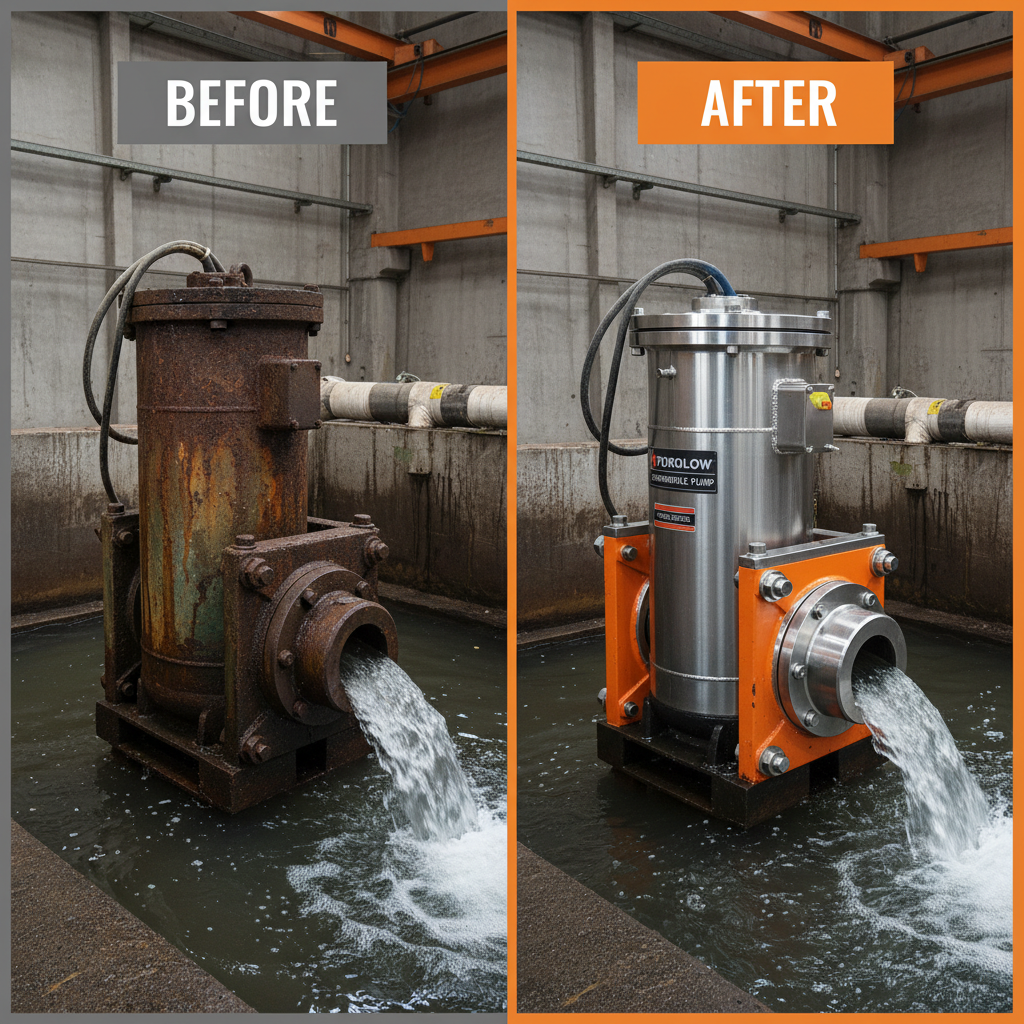 Understanding the Price Submersible Pump and Buyer GuideWhen searching for the ideal water management solution, understanding the price submersible pump options is crucial for balancing budget with performance. Whether you are dealing with a flooded basement, managing agricultural irrigation, or extracting water from a deep well, the cost of a submersible pump can vary significantly based on its build quality and capacity. Investing in a high-quality pump ensures long-term reliability and reduces the frequency of expensive replacements. In this guide, we will break down the factors that influence pricing and help you make an informed decision for your specific needs.Detail
 -
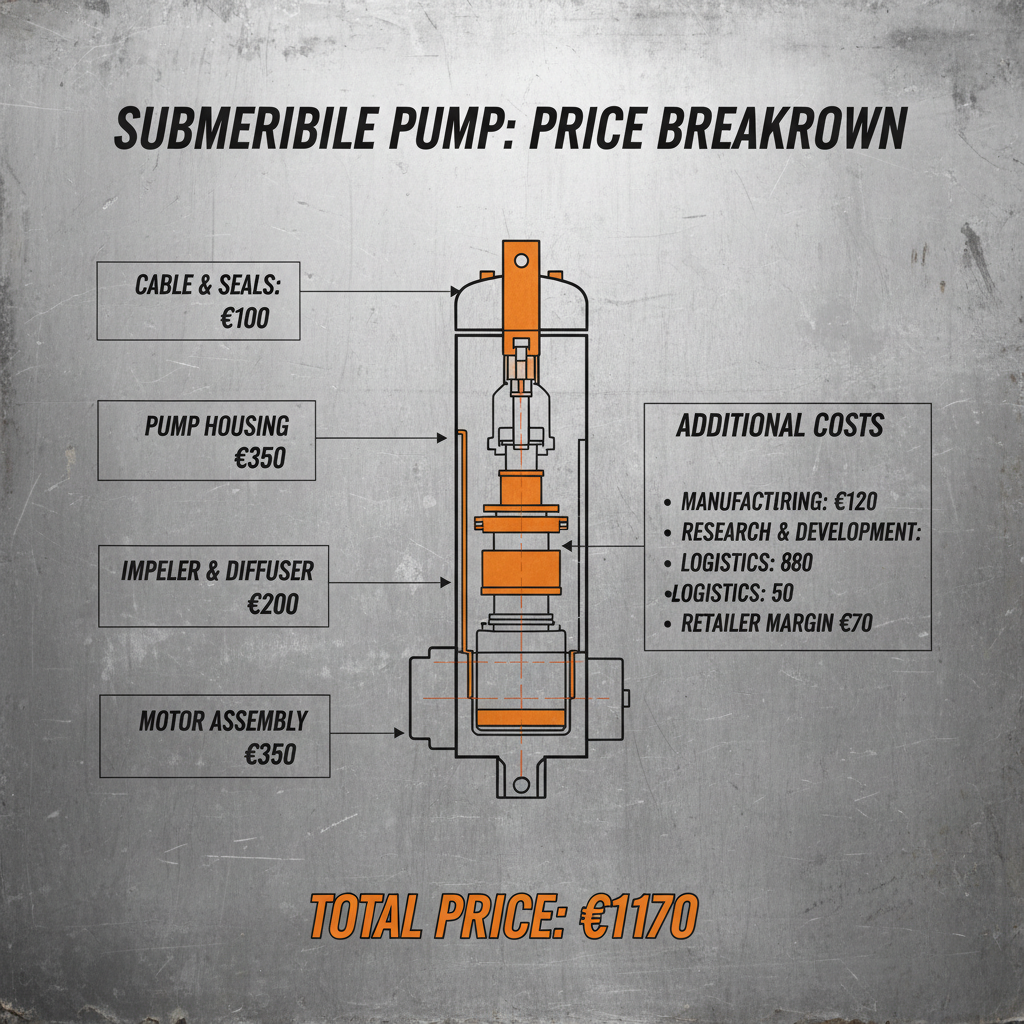 Factors Affecting the Price for Submersible Pump a Buyers GuideWhen investing in water management systems, understanding the price for submersible pump options is essential for balancing performance with budget. Whether you are managing a residential well, an industrial drainage project, or agricultural irrigation, the cost of a pump is rarely a flat fee; it is a reflection of the engineering, materials, and capacity required for your specific environment. In this guide, we will break down the factors that influence pricing and help you determine the best value for your investment to ensure long-term reliability and efficiency.Detail
 -
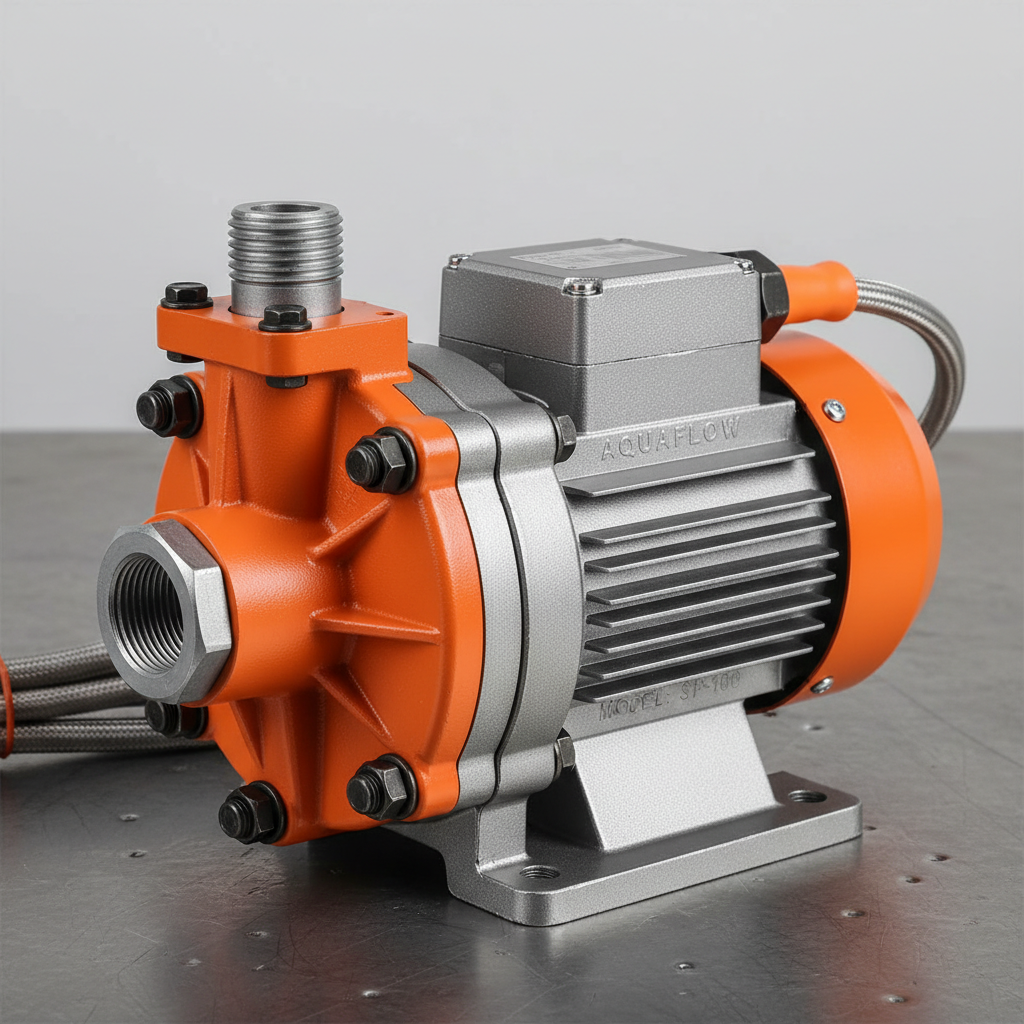 Choosing the Right Mini Submersible Fountain Pump for Optimal Water Feature PerformanceCreating a beautiful and relaxing water feature doesn't have to be complicated. A mini submersible fountain pump is the heart of any indoor or outdoor fountain, and selecting the right one is crucial for optimal performance and longevity. This article will guide you through the key considerations when choosing a mini submersible fountain pump, covering types, features, applications, and how to ensure you get the perfect pump for your project. We’ll also explore how Wellpumpact can provide you with the ideal solution.Detail
 Afrikaans
 Albanian
 Amharic
 Arabic
 Armenian
 Azerbaijani
 Basque
 Belarusian
 Bengali
 Bosnian
 Bulgarian
 Catalan
 Cebuano
 Corsican
 Croatian
 Czech
Czech
 Danish
 Dutch
Dutch
 Esperanto
 Estonian
 Finnish
 French
 Frisian
 Galician
 Georgian
 German
 Greek
Greek
 Gujarati
 Haitian Creole
 Hausa
Hausa
 Hawaiian
 Hebrew
 Hindi
Hindi
 Miao
Miao
 Hungarian
 Icelandic
 Igbo
Igbo
 Indonesian
 Irish
Irish
 Italian
 Japanese
 Javanese
 Kannada
 Kazakh
 Khmer
Khmer
 Rwandese
 Korean
 Kurdish
 Kyrgyz
 Lao
Lao
 Latin
Latin
 Latvian
 Lithuanian
 Luxembourgish
 Macedonian
 Malgashi
 Malay
Malay
 Malayalam
 Maltese
 Maori
Maori
 Marathi
 Mongolian
 Myanmar
 Nepali
 Norwegian
 Norwegian
 Occitan
 Pashto
 Persian
 Polish
 Portuguese
 Punjabi
 Romanian
 Russian
 Samoan
 Scottish Gaelic
 Serbian
 Sesotho
 Shona
Shona
 Sindhi
 Sinhala
 Slovak
 Slovenian
 Somali
 Spanish
 Sundanese
 Swahili
 Swedish
 Tagalog
 Tajik
Tajik
 Tamil
Tamil
 Tatar
Tatar
 Telugu
 Thai
Thai
 Turkish
 Turkmen
 Ukrainian
 Urdu
Urdu
 Uighur
 Uzbek
Uzbek
 Vietnamese
 Welsh
Welsh
 Bantu
Bantu
 Yiddish
 Yoruba
 Zulu
Zulu
 English