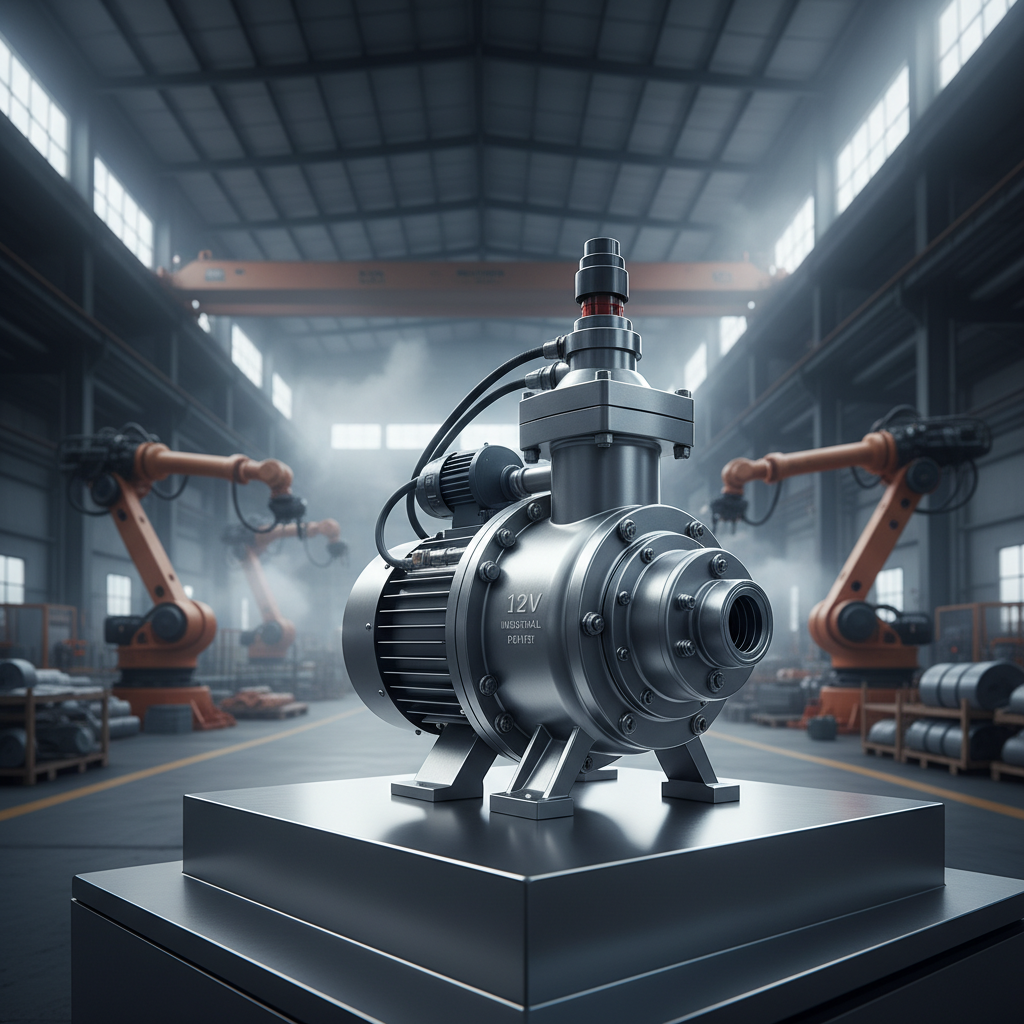
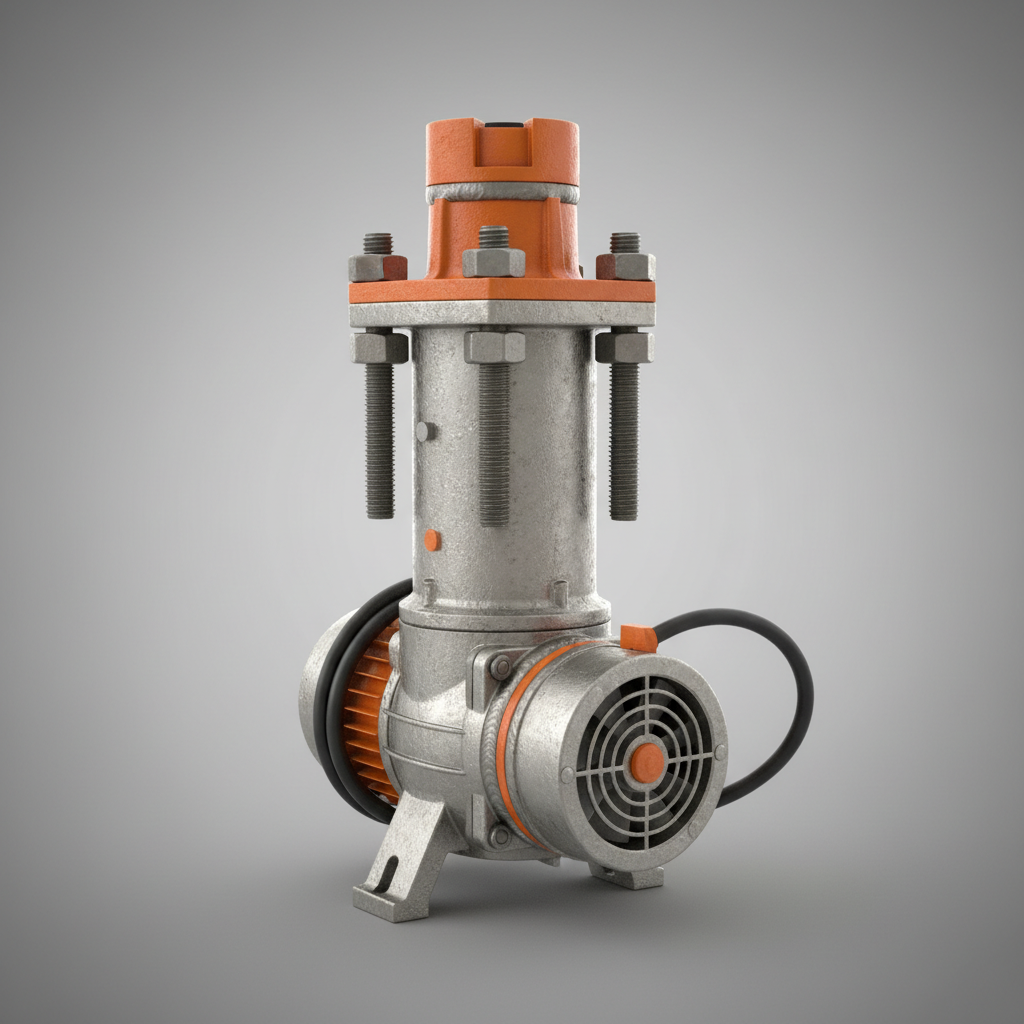
The reliable supply of water is fundamental to life, agriculture, and industry, and in many regions, accessing groundwater requires powerful and efficient pumping systems. Among these, the deep well jet pump 1.5 hp stands out as a critical component for households and businesses relying on wells drilled to significant depths. This pump type provides a cost-effective and robust solution for lifting water from these challenging sources, making it indispensable in rural communities and various industrial applications.
Understanding the functionality and capabilities of a deep well jet pump 1.5 hp is crucial for anyone involved in water resource management or those dependent on well water. The 1.5 hp rating represents a sweet spot, balancing pumping capacity with energy efficiency and affordability, making it a popular choice for a wide range of residential and light commercial uses. Its widespread adoption demonstrates its proven track record in providing a consistent water supply.
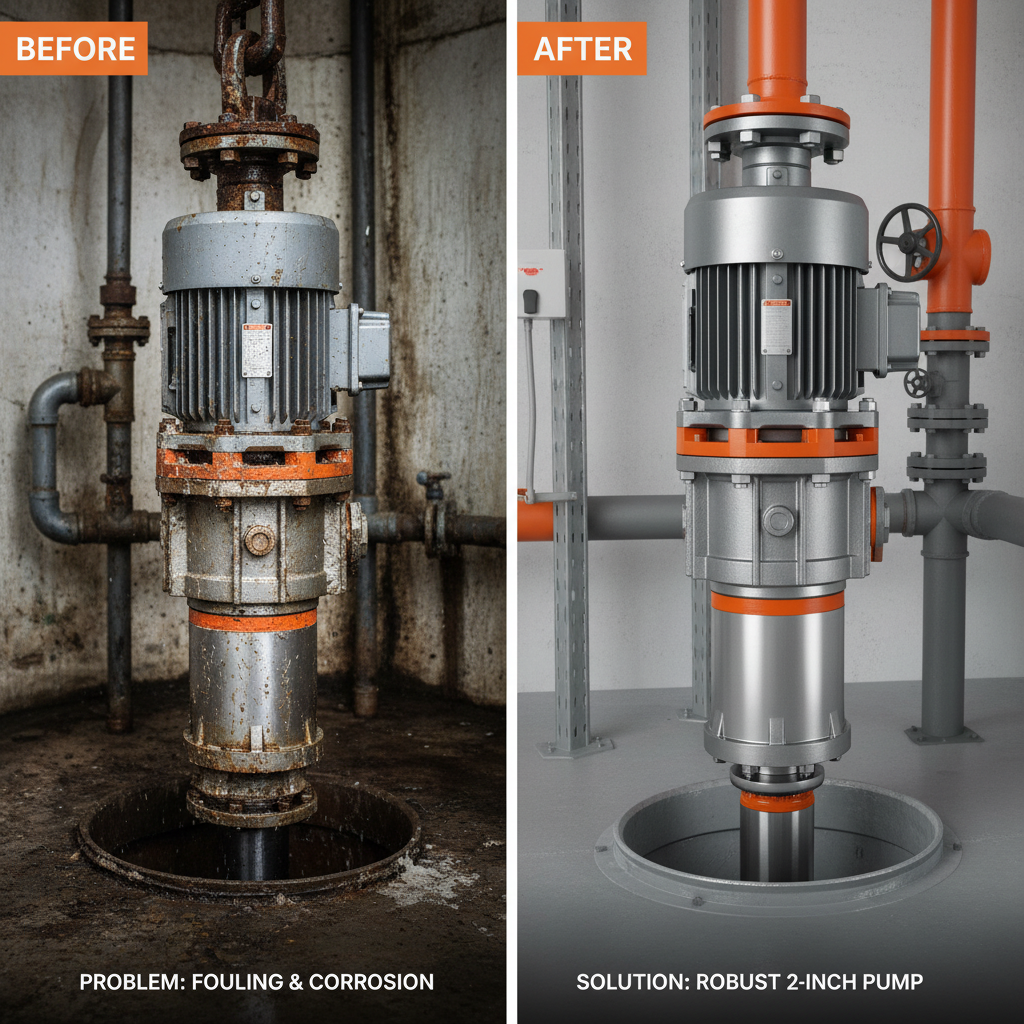
Choosing the correct pump, ensuring proper installation, and performing regular maintenance are all key to maximizing the lifespan and efficiency of a deep well jet pump 1.5 hp. Failure to do so can lead to costly repairs, interrupted water access, and ultimately, a compromised water supply. Therefore, a solid grasp of these pumps is not merely a technical matter, but one with significant practical and economic implications.
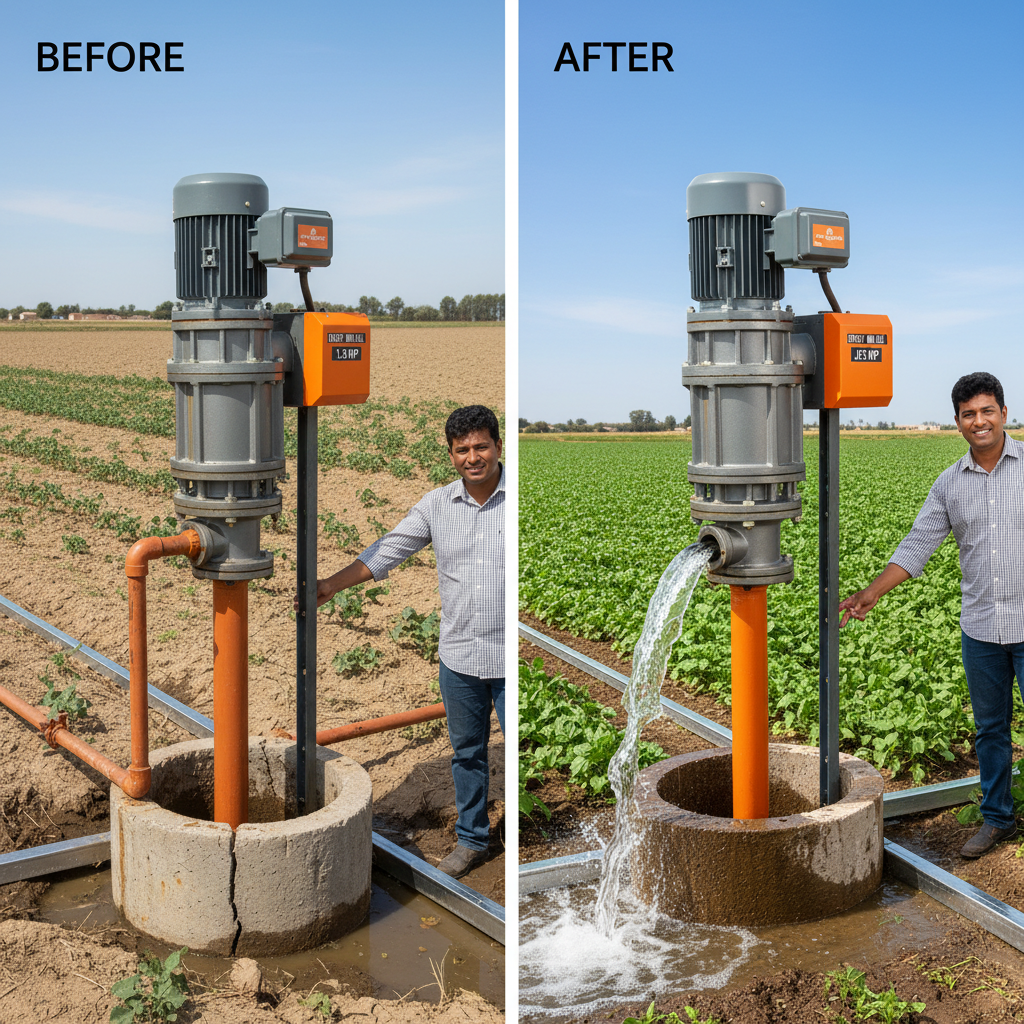
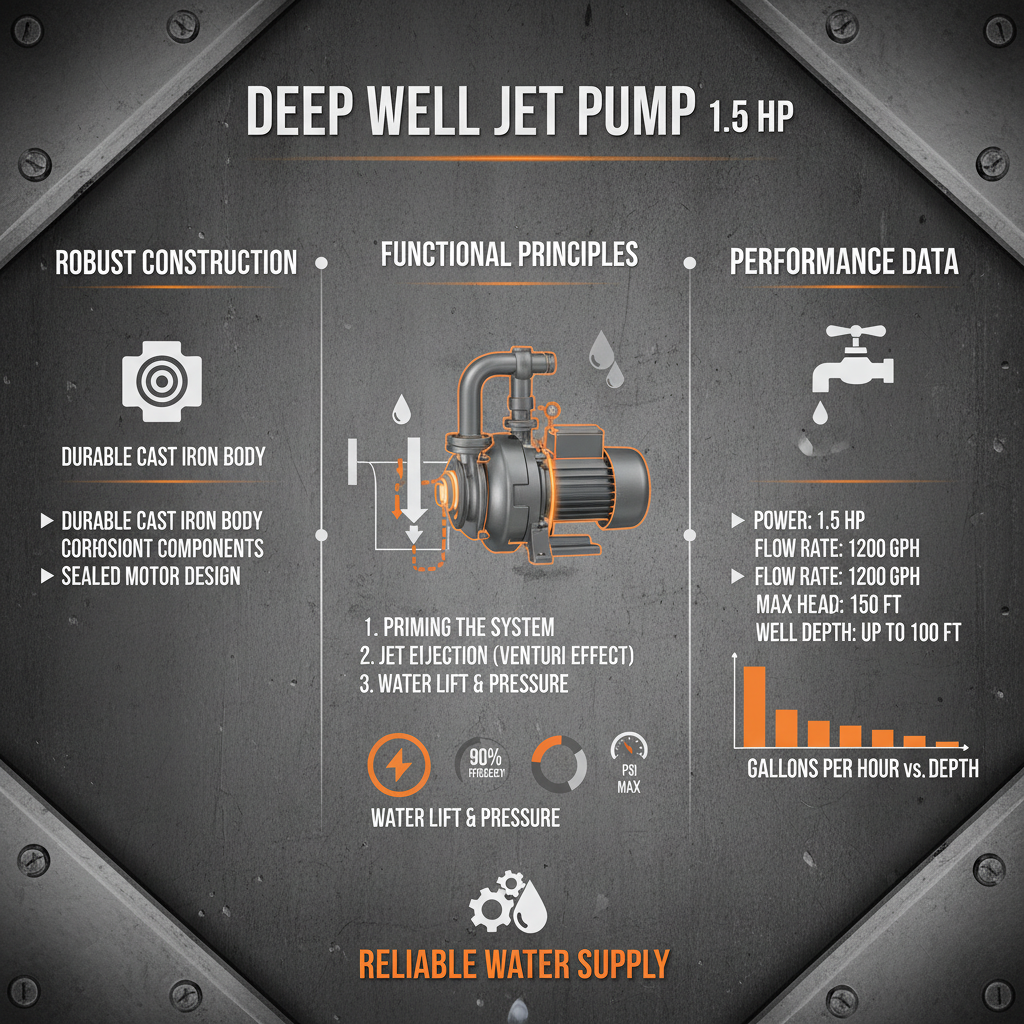
Access to potable water is a fundamental human right, and in many parts of the world, deep wells represent the most viable source. The deep well jet pump 1.5 hp plays a critical role in enabling access to this resource, powering irrigation for agriculture, providing water for livestock, and supplying households with clean drinking water. Its importance is amplified in areas lacking centralized water infrastructure.
Globally, approximately 2 billion people rely on groundwater resources. The ability to efficiently and reliably extract this water is paramount. A 1.5 hp jet pump offers an excellent balance between power, cost, and ease of maintenance, making it a practical solution for communities and individuals facing water scarcity challenges. Its prevalence speaks to its widespread acceptance and effectiveness in diverse settings.
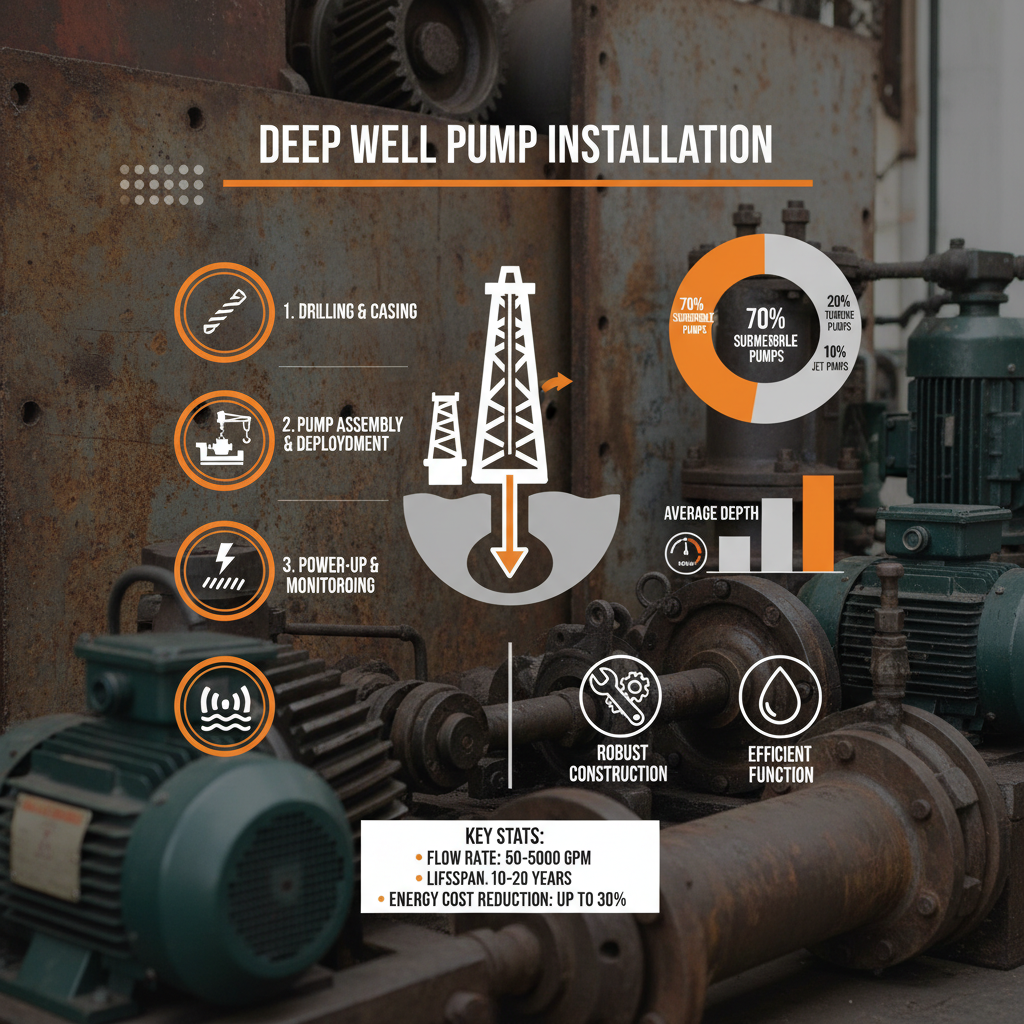
A well-maintained deep well jet pump 1.5 hp can typically last between 10 and 15 years. However, factors such as water quality, usage frequency, and adherence to a regular maintenance schedule significantly influence its lifespan. Regular inspection and prompt repair of any issues are key to maximizing longevity. Neglecting maintenance can lead to premature failure and costly replacements.
A 1.5 hp deep well jet pump can generally draw water from depths of up to 200 feet, although this can vary depending on the specific pump model, piping configuration, and water table conditions. The pump's ability to effectively lift water decreases with increased depth due to friction losses within the piping. Proper pump sizing is essential to ensure it can meet the specific requirements of your well.
Regular maintenance includes inspecting and cleaning the jet assembly, checking for leaks in the pipes and fittings, ensuring proper priming, and monitoring the pressure switch. It’s also important to inspect the motor for signs of wear and tear and lubricate the bearings as needed. Annual professional inspections are recommended to identify and address potential issues before they escalate.
Common signs of pump failure include reduced water pressure, intermittent operation, unusual noises (such as grinding or squealing), and the pump repeatedly cycling on and off. If you notice any of these symptoms, it's crucial to have the pump inspected by a qualified technician to diagnose the problem and prevent further damage.
Yes, a 1.5 hp deep well jet pump can be used for irrigation, especially for small to medium-sized gardens or agricultural plots. However, it's essential to ensure the pump's flow rate and pressure are sufficient to meet the irrigation needs of your plants. Consider the type of irrigation system (e.g., sprinklers, drip irrigation) and the overall water demand when making your decision.
The main difference is the pump’s location. A deep well jet pump has its motor above ground, while a submersible pump is placed directly inside the well. Submersible pumps are generally more efficient but are harder to access for maintenance. Jet pumps are easier to maintain but slightly less efficient. The choice depends on your specific needs and priorities.
The deep well jet pump 1.5 hp remains a vital technology for providing access to groundwater in countless applications worldwide. Its affordability, relatively simple maintenance, and reliable performance make it an invaluable tool for homes, farms, and communities facing water scarcity. Understanding its operation, limitations, and proper maintenance practices is essential for maximizing its lifespan and ensuring a consistent water supply.
As technology continues to evolve, we can anticipate even more efficient and sustainable deep well jet pump solutions. Integrating smart technology, utilizing renewable energy sources, and developing corrosion-resistant materials will further enhance the long-term value and environmental impact of these essential devices. For reliable solutions and expert advice, visit our website: www.wellpumpact.com.

 Afrikaans
 Albanian
 Amharic
 Arabic
 Armenian
 Azerbaijani
 Basque
 Belarusian
 Bengali
 Bosnian
 Bulgarian
 Catalan
 Cebuano
 Corsican
 Croatian
 Czech
Czech
 Danish
 Dutch
Dutch
 Esperanto
 Estonian
 Finnish
 French
 Frisian
 Galician
 Georgian
 German
 Greek
Greek
 Gujarati
 Haitian Creole
 Hausa
Hausa
 Hawaiian
 Hebrew
 Hindi
Hindi
 Miao
Miao
 Hungarian
 Icelandic
 Igbo
Igbo
 Indonesian
 Irish
Irish
 Italian
 Japanese
 Javanese
 Kannada
 Kazakh
 Khmer
Khmer
 Rwandese
 Korean
 Kurdish
 Kyrgyz
 Lao
Lao
 Latin
Latin
 Latvian
 Lithuanian
 Luxembourgish
 Macedonian
 Malgashi
 Malay
Malay
 Malayalam
 Maltese
 Maori
Maori
 Marathi
 Mongolian
 Myanmar
 Nepali
 Norwegian
 Norwegian
 Occitan
 Pashto
 Persian
 Polish
 Portuguese
 Punjabi
 Romanian
 Russian
 Samoan
 Scottish Gaelic
 Serbian
 Sesotho
 Shona
Shona
 Sindhi
 Sinhala
 Slovak
 Slovenian
 Somali
 Spanish
 Sundanese
 Swahili
 Swedish
 Tagalog
 Tajik
Tajik
 Tamil
Tamil
 Tatar
Tatar
 Telugu
 Thai
Thai
 Turkish
 Turkmen
 Ukrainian
 Urdu
Urdu
 Uighur
 Uzbek
Uzbek
 Vietnamese
 Welsh
Welsh
 Bantu
Bantu
 Yiddish
 Yoruba
 Zulu
Zulu
 English