
Dec . 02, 2025 05:25 Back to list
What Is a Submersible Water Transfer Pump? Global Uses, Benefits & Trends
Understanding the Submersible Water Transfer Pump: A Global Essential
Water is life, as they say—and moving it efficiently matters more than ever. The submersible water transfer pump is one of those unassuming champions helping industries, communities, and humanitarian efforts worldwide keep water flowing where it’s needed most. But why? Frankly, with growing water demands, climate unpredictability, and infrastructure challenges, these pumps solve key global problems—from irrigation to disaster relief.
Why does it matter? Well, billions rely on reliable water transfer for agriculture, drinking supplies, or industrial processes. Understanding how these pumps work—and their practical benefits—helps engineers, policymakers, and aid workers make smarter choices. Plus, knowing the options means better investments and, ultimately, more sustainable water management.
Global Context: The Rising Thirst & The Challenge Of Moving Water
According to the United Nations, around 2.3 billion people lack access to safely managed drinking water services worldwide. In real terms, ensuring water availability is a top priority not only for public health but also for economic growth and environmental sustainability. Transporting water efficiently—especially across difficult terrain or during emergencies—is a huge logistical hurdle.
The submersible water transfer pump addresses these hurdles directly. It’s widely used in agriculture in parts of Asia and Africa, supports mining operations in South America, and is often deployed in post-disaster scenarios from the Caribbean to Southeast Asia.
What Is A Submersible Water Transfer Pump?
Simply put, it’s a pump designed to operate fully submerged in water—think of it as a device that pushes or pulls water through pipes while staying underwater itself. This design helps prevent issues like cavitation or air locking that happen with surface pumps. Often, these pumps are electric or diesel-powered and built ruggedly to handle pollutants or debris in water.
Their connection to modern industry is strong: they make irrigation practical in remote farms, help remove floodwater quickly, or supply clean water to areas without piped infrastructure.
Key Features That Define These Pumps
- Durability: Waterproof motors and corrosion-resistant materials handle harsh environments.
- Scalability: Available in sizes from small portable units to high-capacity industrial models.
- Energy Efficiency: Modern pumps minimize power use—important for remote or off-grid sites.
- Ease of Deployment: Portable, quick to set up, often with plug-and-play features.
- Maintenance Friendliness: Designed for minimal downtime, with accessible parts.
Each factor is a practical nod to the challenges users face, ensuring these pumps deliver steady performance—from controlled environments to unpredictable field conditions.
Typical Specs For A Reliable Submersible Water Transfer Pump
| Specification | Description |
|---|---|
| Power Source | Electric (220V/380V), Diesel, Solar |
| Flow Rate | Up to 1000 cubic meters per hour |
| Max Head (Lift Height) | Up to 60 meters |
| Material | Stainless steel or cast iron for corrosion resistance |
| Impeller Type | Vortex, semi-open or closed |
Real-World Applications Around The Globe
It’s fascinating how versatile these pumps really are. In sub-Saharan Africa, they power irrigation systems vital for subsistence farming, boosting food security. In Australia and Canada, industries facing water scarcity rely on them for transferring recycled water safely. When floods hit Southeast Asia, relief groups use submersible pumps to quickly remove water, restoring access to homes and hospitals.
Even NGOs supporting refugee camps in the Middle East employ these pumps to guarantee safe water delivery under challenging conditions. Oddly enough, their ruggedness and adaptability make them top choices where infrastructure is lacking or damaged.
Advantages & Long-Term Value
Cost-effectiveness is a big draw—low energy consumption, fewer mechanical failures, and easy installation save money over the long haul. But it’s not just about dollars.
Safety and dignity rank high too. Reliable pumps reduce water-borne disease risks and free people from the burden of hauling water manually. There’s a trust factor here: communities know these pumps perform under pressure, literally and figuratively.
From a sustainability lens, many models now incorporate energy-saving technologies or compatibility with solar power, aligning with global green initiatives. For industries, reducing downtime means consistent productivity and compliance with environmental standards.
Comparing Top Vendors Of Submersible Water Transfer Pumps
| Vendor | Key Strength | Applications | Price Range ($ USD) |
|---|---|---|---|
| AquaFlow | Energy-efficient motors | Agriculture, mining | 1,500–5,000 |
| HydroTech | Robust, corrosion-resistant design | Disaster relief, municipal | 2,000–7,000 |
| PurePump | Solar-powered models | Remote areas, eco-friendly projects | 2,500–6,500 |
Emerging Trends & Innovations
Looking forward, the future of submersible water transfer pumps is wrapped up in tech and sustainability. Digital sensors and IoT integrations enable remote performance monitoring—allowing technicians to detect failures before they happen. Solar hybrid systems are gaining traction, providing energy independence in off-grid locations.
Materials science also plays a part: new composite coatings resist biofouling and erosion better than before. Plus, policies encouraging water-efficient technologies worldwide mean manufacturers are innovating faster to stay competitive.
Challenges & Expert Solutions
Of course, not all is perfect. Pump clogging by debris, limited power access in remote zones, and high initial costs can deter users. However, experts recommend pre-filtration systems to reduce blockages, solar/diesel hybrid setups to overcome energy gaps, and modular borrowing/leasing schemes to ease upfront expense.
Training local users on maintenance is another underrated solution — empowering communities cuts downtime and repair costs significantly.
Frequently Asked Questions
- What makes a submersible water transfer pump different from a surface pump?
- Submersible pumps operate underwater and avoid problems like air locking, making them ideal for flooded or underground water sources. Surface pumps stay above water and may require priming.
- How long can these pumps last in harsh environments?
- With proper maintenance, high-quality models typically last 5-10 years. Material choice and application conditions influence longevity significantly.
- Are solar-powered submersible pumps practical?
- Absolutely. Solar models help remote or off-grid sites maintain reliable water flow without recurring electricity costs, improving sustainability.
- Can these pumps handle dirty or muddy water?
- Many pumps have impeller designs suited for solids up to a certain size. For heavy debris, pre-filters or dredging pumps work better.
- How quickly can these pumps be deployed in emergencies?
- Most portable versions can be installed and operational within hours, which is critical for flood relief or disaster response.
Wrapping Up: Why The Submersible Water Transfer Pump Matters
In the grand scheme, the submersible water transfer pump is more than just equipment. It’s a key player enabling water access, food security, disaster response, and industrial continuity. The combination of reliability, innovation, and adaptability makes it indispensable across continents and contexts.
So, if you’re involved in water management or planning infrastructure projects, I’d encourage you to explore these pumps further. They might just be the solution you didn’t know you needed.
Discover more and compare options today at https://www.wellpumpact.com.
Mini Takeaways
- The submersible water transfer pump is vital for global water movement challenges, from agriculture to disaster relief.
- Durability, scalability, and energy efficiency are core components defining pump quality and suitability.
- Emerging tech like IoT controls and solar power integrations will shape future water transfer solutions.
- Understanding common challenges and solutions boosts successful pump deployment and longevity.
References
-
Understanding the Price Submersible Pump and Buyer Guide
NewsApr.16,2026
-
Factors Affecting the Price for Submersible Pump a Buyers Guide
NewsApr.09,2026
-
Choosing the Right Mini Submersible Fountain Pump for Optimal Water Feature Performance
NewsApr.07,2026
-
A Detailed Guide to Installing a Submersible Pump for Optimal Performance
NewsApr.04,2026
-
Comprehensive Guide on How to Test a Submersible Water Well Pump Effectively
NewsMar.31,2026
-
Learn How to Replace a Submersible Well Pump Safely and Effectively
NewsMar.28,2026
-
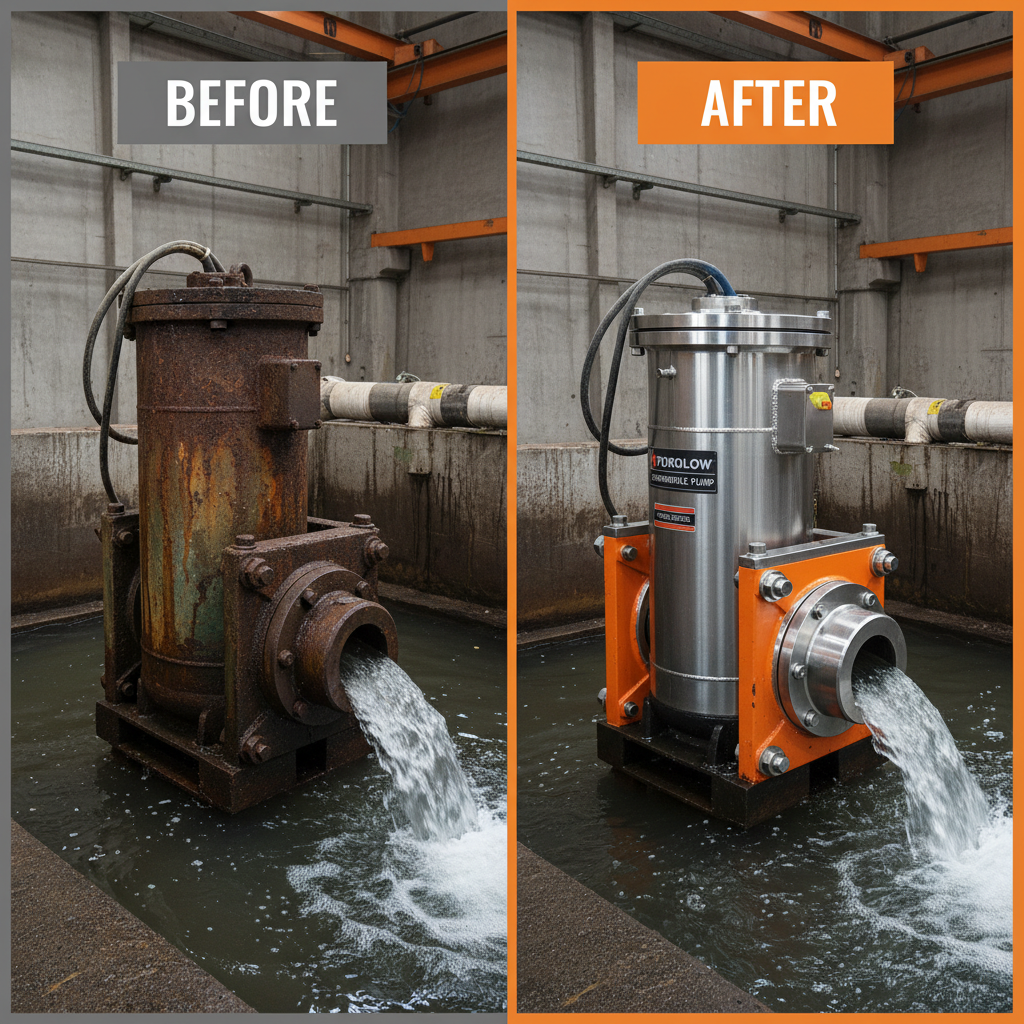 Understanding the Price Submersible Pump and Buyer GuideWhen searching for the ideal water management solution, understanding the price submersible pump options is crucial for balancing budget with performance. Whether you are dealing with a flooded basement, managing agricultural irrigation, or extracting water from a deep well, the cost of a submersible pump can vary significantly based on its build quality and capacity. Investing in a high-quality pump ensures long-term reliability and reduces the frequency of expensive replacements. In this guide, we will break down the factors that influence pricing and help you make an informed decision for your specific needs.Detail
 -
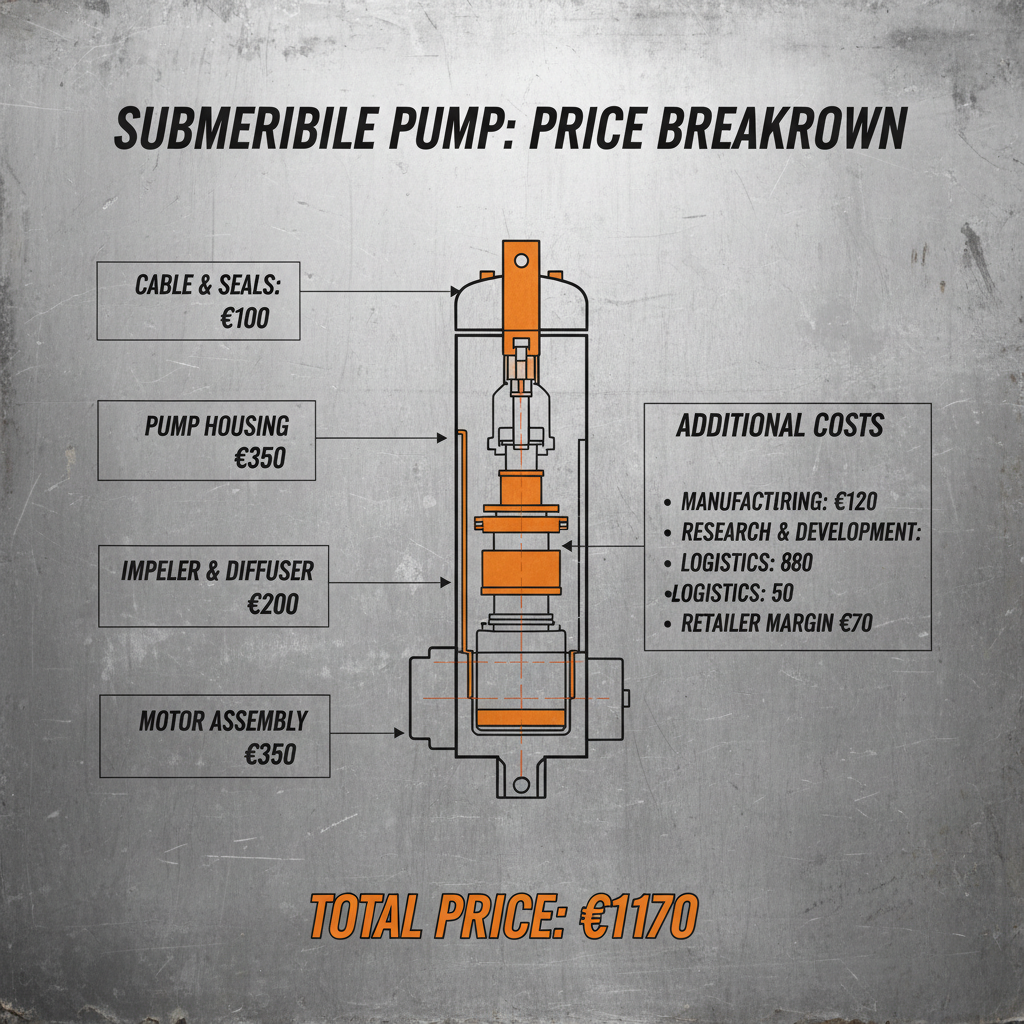 Factors Affecting the Price for Submersible Pump a Buyers GuideWhen investing in water management systems, understanding the price for submersible pump options is essential for balancing performance with budget. Whether you are managing a residential well, an industrial drainage project, or agricultural irrigation, the cost of a pump is rarely a flat fee; it is a reflection of the engineering, materials, and capacity required for your specific environment. In this guide, we will break down the factors that influence pricing and help you determine the best value for your investment to ensure long-term reliability and efficiency.Detail
 -
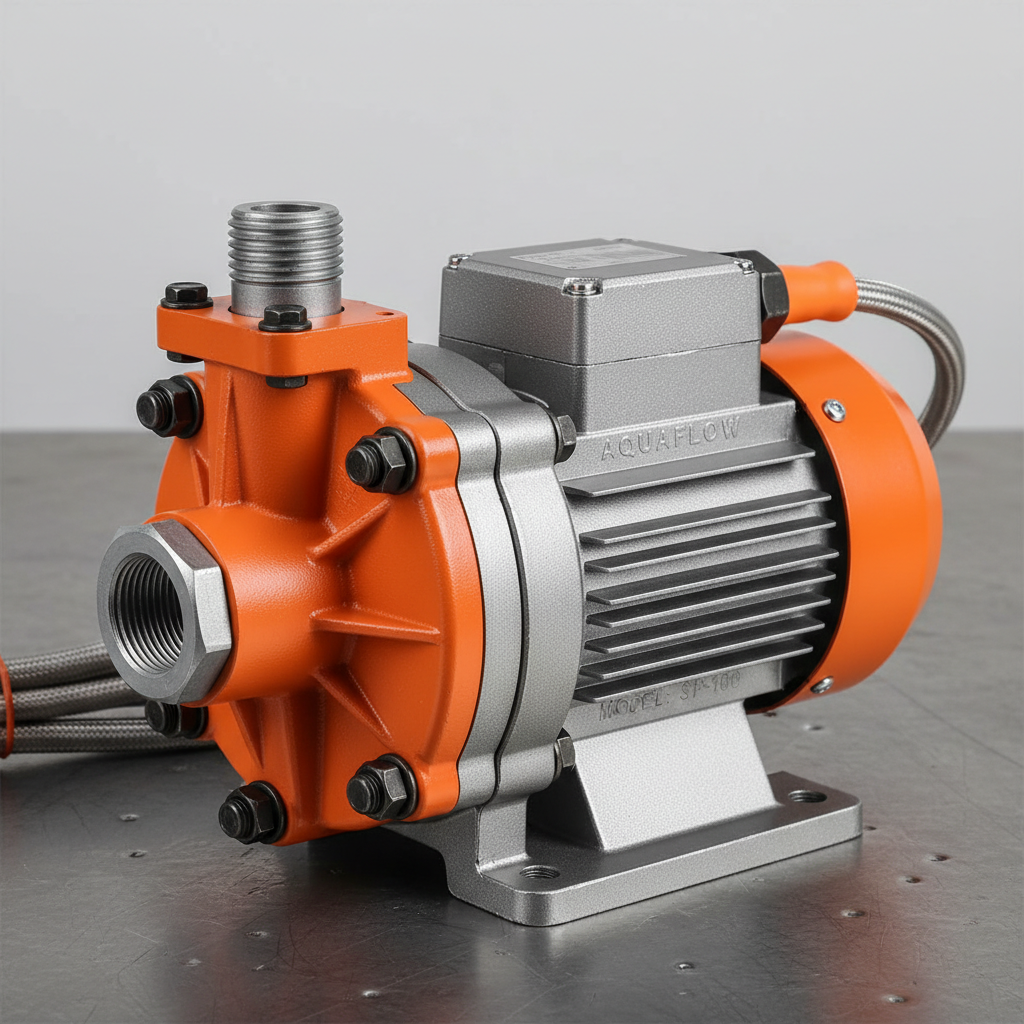 Choosing the Right Mini Submersible Fountain Pump for Optimal Water Feature PerformanceCreating a beautiful and relaxing water feature doesn't have to be complicated. A mini submersible fountain pump is the heart of any indoor or outdoor fountain, and selecting the right one is crucial for optimal performance and longevity. This article will guide you through the key considerations when choosing a mini submersible fountain pump, covering types, features, applications, and how to ensure you get the perfect pump for your project. We’ll also explore how Wellpumpact can provide you with the ideal solution.Detail
 Afrikaans
 Albanian
 Amharic
 Arabic
 Armenian
 Azerbaijani
 Basque
 Belarusian
 Bengali
 Bosnian
 Bulgarian
 Catalan
 Cebuano
 Corsican
 Croatian
 Czech
Czech
 Danish
 Dutch
Dutch
 Esperanto
 Estonian
 Finnish
 French
 Frisian
 Galician
 Georgian
 German
 Greek
Greek
 Gujarati
 Haitian Creole
 Hausa
Hausa
 Hawaiian
 Hebrew
 Hindi
Hindi
 Miao
Miao
 Hungarian
 Icelandic
 Igbo
Igbo
 Indonesian
 Irish
Irish
 Italian
 Japanese
 Javanese
 Kannada
 Kazakh
 Khmer
Khmer
 Rwandese
 Korean
 Kurdish
 Kyrgyz
 Lao
Lao
 Latin
Latin
 Latvian
 Lithuanian
 Luxembourgish
 Macedonian
 Malgashi
 Malay
Malay
 Malayalam
 Maltese
 Maori
Maori
 Marathi
 Mongolian
 Myanmar
 Nepali
 Norwegian
 Norwegian
 Occitan
 Pashto
 Persian
 Polish
 Portuguese
 Punjabi
 Romanian
 Russian
 Samoan
 Scottish Gaelic
 Serbian
 Sesotho
 Shona
Shona
 Sindhi
 Sinhala
 Slovak
 Slovenian
 Somali
 Spanish
 Sundanese
 Swahili
 Swedish
 Tagalog
 Tajik
Tajik
 Tamil
Tamil
 Tatar
Tatar
 Telugu
 Thai
Thai
 Turkish
 Turkmen
 Ukrainian
 Urdu
Urdu
 Uighur
 Uzbek
Uzbek
 Vietnamese
 Welsh
Welsh
 Bantu
Bantu
 Yiddish
 Yoruba
 Zulu
Zulu
 English