
Dec . 03, 2025 10:42 Back to list
DC Submersible Pump: Global Uses, Benefits & Innovations Explained
Understanding DC Submersible Pumps: Why They Matter Globally
In today’s fast-paced world, access to water — be it for agriculture, industry, or basic human needs — is increasingly critical. DC submersible pumps have quietly become essential technology, powering many water systems in off-grid, remote, and disaster-stricken areas. Their role is more urgent than ever, especially as climate change strains water supplies worldwide.
Why focus on these pumps? Because they offer energy-efficient, reliable water access without the infrastructure headaches of traditional AC-powered models. Grasping their technology and applications opens pathways to sustainable development, humanitarian aid, and resilient supply chains.
Global Context: Water Challenges and the Rise of DC Submersible Pumps
According to the United Nations, over 2 billion people lack access to safely managed drinking water (UN-Water, 2023). The World Bank reports increasing reliance on renewable energy solutions in developing regions. That’s where dc submersible pumps — powered directly by batteries or solar panels — step in.
Unlike conventional pumps tethered to grid electricity, these devices thrive in areas with unstable or no electric infrastructure, helping reduce dependency on fossil fuels and boosting sustainability. The challenges of irrigation in sub-Saharan Africa, remote mining in South America, and disaster relief scenarios worldwide reflect why these pumps matter.
What Is a DC Submersible Pump?
Simply put, a DC submersible pump is an electric pump powered by direct current (DC) energy, designed to operate fully submerged in liquids, mainly water. Unlike surface pumps, it sits underwater — usually deep inside wells, boreholes, or reservoirs — moving water up through pipes.
The key difference? DC versions run on avenues like battery banks or photovoltaic solar systems, rather than alternating current (AC) from standard electrical grids. This makes them ideal for remote or off-grid applications where power availability is unreliable, intermittent, or too costly.
Core Components and Key Factors
1. Durability and Materials
DC submersible pumps are often crafted with stainless steel or corrosion-resistant alloys to withstand harsh water conditions — from high salinity to sediment-laden environments. Their waterproof seals and robust construction ensure longevity, which is critical when maintenance access is limited.
2. Energy Efficiency
By using DC motors matched with solar or battery sources, they reduce energy loss and improve system efficiency. This directly translates into longer operational hours and lower total cost of ownership.
3. Scalability and Versatility
These pumps come in various sizes, flow capacities (from a few hundred liters per hour to thousands), and pressure ranges — making them versatile for small farms, residential use, or industrial settings.
4. Cost-Effectiveness
While initial costs might seem higher compared to basic manual pumps, reduced running expenses, minimal maintenance, and sustainable energy use create real financial benefits over time.
5. Ease of Installation
Lightweight and compact designs allow relatively simple installation, even by non-specialists. This is a boon in remote areas where expert technicians are scarce.
| Specification | Typical Range | Notes |
|---|---|---|
| Power Source | 12V – 48V DC (Battery or Solar) | Flexible for off-grid use |
| Flow Rate | 200 - 5000 L/hr | Model-dependent |
| Max Head (lifting height) | 30 – 150 meters | Important for deep wells |
| Material | Stainless Steel/Composite | Corrosion-resistant |
| Operating Temp | 0 - 40 °C | Typical for fresh water |
Global Applications & Real-World Use Cases
- Rural Agriculture: Smallholder farmers in Africa and Asia often combine dc submersible pumps with solar panels for irrigation — extending growing seasons and improving yields.
- Remote Mining Operations: In Latin America, mining sites use these pumps to manage water levels where grid power is unavailable or unreliable.
- Disaster Relief & Humanitarian Aid: NGOs deploy portable DC pumps to quickly restore water access in flood-affected or drought-hit zones.
- Residential Water Supply: Off-grid homes in Australia and the southwestern U.S. rely on solar-powered submersible pumps for drinking and sanitation water.
Mini takeaway: The adaptability of DC submersible pumps to divergent environments is striking — from emergency relief to precision farming.
Advantages & Long-Term Value
These pumps offer more than just mechanical benefits. They embody environmental sustainability — they harness clean energy, reduce carbon footprints, and promote water security.
From a social perspective, they help preserve dignity and health by ensuring safe water access without the laborious burden of manual pumping. Economically, their low maintenance and energy efficiency yield impressive cost savings over years of service.
And there’s a psychological comfort, too: knowing your pump will work day or night, rain or shine, without surprise outages.
Emerging Trends and Innovations
Emerging technologies are ushering in smart dc submersible pumps with IoT sensors that monitor flow rates, detect faults, and optimize energy use in real-time. Advances in durable composite materials and brushless DC motors also lengthen lifespan and reduce weight.
Integration with green microgrids and hybrid energy systems hints that soon these pumps will become nodes in intelligent water management networks — totally aligned with UN Sustainable Development Goals (SDG 6).
Common Challenges & Practical Solutions
- Challenge: Battery life limitations can cap continuous pump use.
Solution: Employing high-capacity lithium batteries or direct solar input with real-time energy management. - Challenge: Corrosion and wear in harsh water environments shorten pump lifespan.
Solution: Use advanced coatings and stainless alloys tailored to specific water chemistries. - Challenge: Initial cost deters adoption in low-income areas.
Solution: Micro-financing and community ownership programs help spread costs and training.
Comparing Top DC Submersible Pump Vendors
| Vendor | Power Range (V) | Max Flow (L/hr) | Warranty | Price Range ($) |
|---|---|---|---|---|
| AquaSun Pumps | 12 - 48 | 3000 | 2 Years | $350 - $800 |
| H2O PowerTech | 24 - 48 | 5000 | 3 Years | $600 - $1200 |
| EcoPump Solutions | 12 - 36 | 2000 | 1 Year | $280 - $600 |
Frequently Asked Questions About DC Submersible Pumps
- Q1: Can dc submersible pumps run directly on solar panels without batteries?
- Yes, many models support direct solar power, which helps reduce costs and maintenance. However, output depends heavily on sunlight availability, so integrating batteries can ensure consistent operation during cloudy periods or at night.
- Q2: What kind of maintenance do dc submersible pumps require?
- Generally, they need periodic cleaning to remove sediments, checking seals for leaks, and ensuring electrical connections are sound. Unlike surface pumps, underwater components are sealed, reducing routine mechanical wear.
- Q3: Are these pumps safe for drinking water sources?
- Most dc submersible pumps use food-grade materials in contact with water, but always verify certifications for potable water use, especially if the water will be consumed without further treatment.
- Q4: How deep can a dc submersible pump be installed?
- Installation depths vary by design; some pumps can operate reliably at depths up to 150 meters, which makes them suitable for most wells or boreholes.
- Q5: Are dc submersible pumps cost-effective compared to traditional AC models?
- While initial costs may be higher due to their specialized design and power source, DC pumps save money long-term by reducing electricity bills and maintenance costs — especially in off-grid scenarios.
Conclusion
To sum up, dc submersible pumps are more than just water movers; they represent a vital link in sustainable water management worldwide. Their energy efficiency, adaptability, and ease of deployment make them indispensable in tackling some of the toughest water challenges on the planet.
If you want to dive deeper into how these pumps can transform your water solutions, I encourage you to visit our website: WellPumpAct.com.
Sometimes, the simplest technology — like a well-designed submersible pump — quietly changes millions of lives.
Final takeaway: Investing in dc submersible pumps isn’t just smart engineering. It’s smart humanity.
References
-
Understanding the Price Submersible Pump and Buyer Guide
NewsApr.16,2026
-
Factors Affecting the Price for Submersible Pump a Buyers Guide
NewsApr.09,2026
-
Choosing the Right Mini Submersible Fountain Pump for Optimal Water Feature Performance
NewsApr.07,2026
-
A Detailed Guide to Installing a Submersible Pump for Optimal Performance
NewsApr.04,2026
-
Comprehensive Guide on How to Test a Submersible Water Well Pump Effectively
NewsMar.31,2026
-
Learn How to Replace a Submersible Well Pump Safely and Effectively
NewsMar.28,2026
-
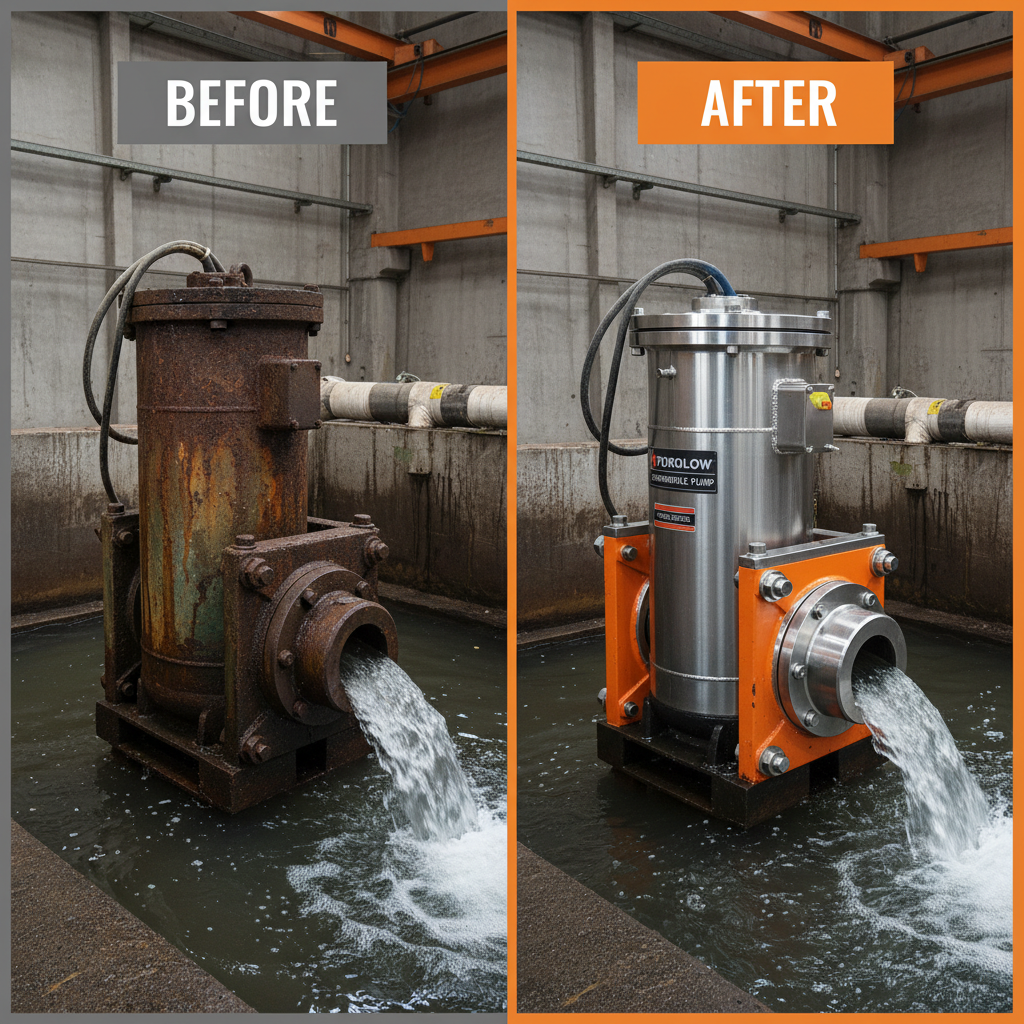 Understanding the Price Submersible Pump and Buyer GuideWhen searching for the ideal water management solution, understanding the price submersible pump options is crucial for balancing budget with performance. Whether you are dealing with a flooded basement, managing agricultural irrigation, or extracting water from a deep well, the cost of a submersible pump can vary significantly based on its build quality and capacity. Investing in a high-quality pump ensures long-term reliability and reduces the frequency of expensive replacements. In this guide, we will break down the factors that influence pricing and help you make an informed decision for your specific needs.Detail
 -
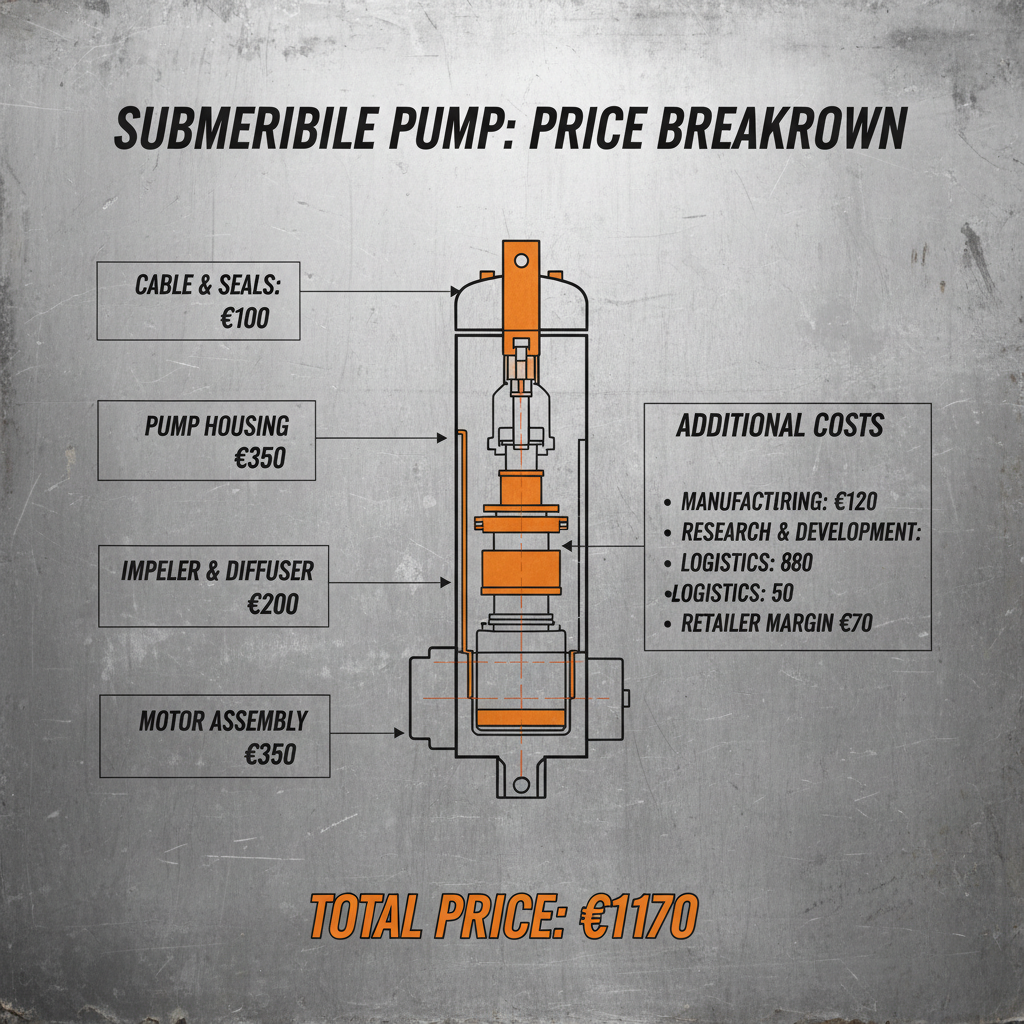 Factors Affecting the Price for Submersible Pump a Buyers GuideWhen investing in water management systems, understanding the price for submersible pump options is essential for balancing performance with budget. Whether you are managing a residential well, an industrial drainage project, or agricultural irrigation, the cost of a pump is rarely a flat fee; it is a reflection of the engineering, materials, and capacity required for your specific environment. In this guide, we will break down the factors that influence pricing and help you determine the best value for your investment to ensure long-term reliability and efficiency.Detail
 -
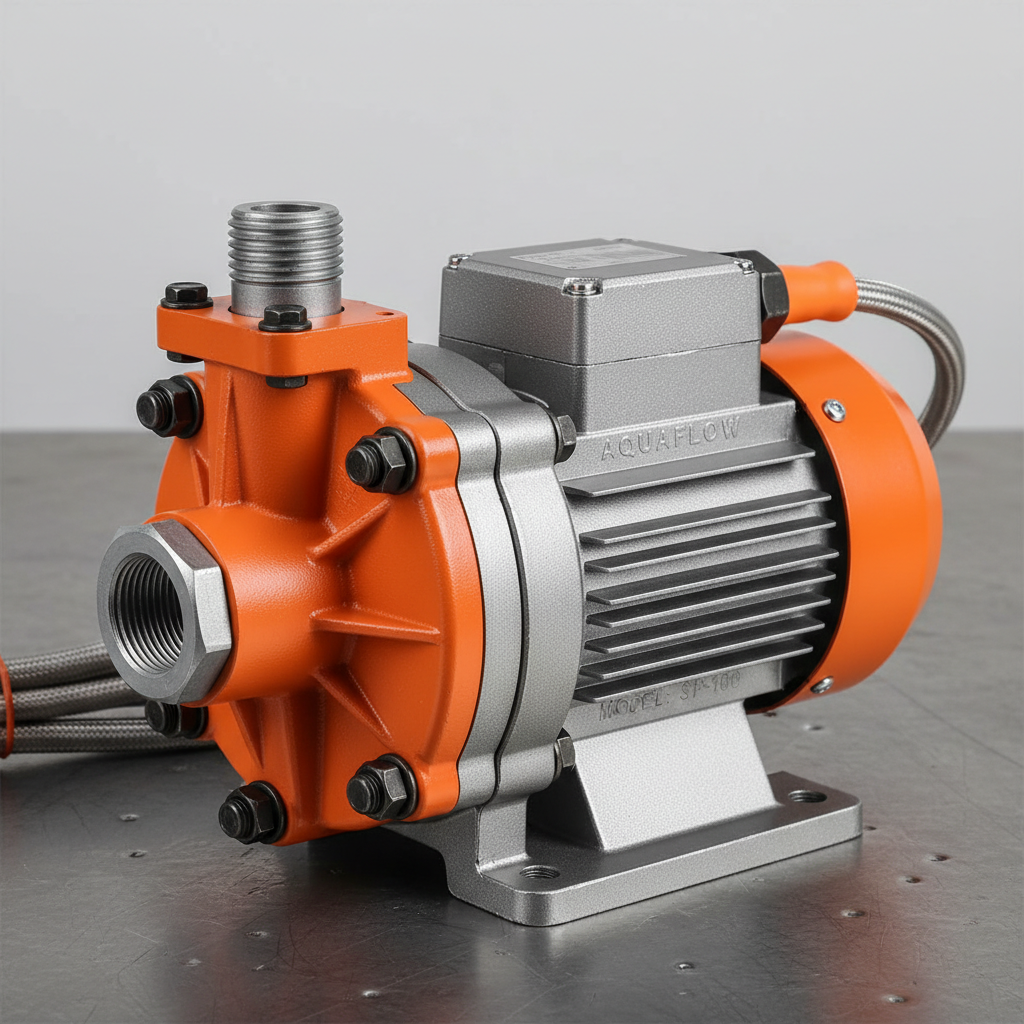 Choosing the Right Mini Submersible Fountain Pump for Optimal Water Feature PerformanceCreating a beautiful and relaxing water feature doesn't have to be complicated. A mini submersible fountain pump is the heart of any indoor or outdoor fountain, and selecting the right one is crucial for optimal performance and longevity. This article will guide you through the key considerations when choosing a mini submersible fountain pump, covering types, features, applications, and how to ensure you get the perfect pump for your project. We’ll also explore how Wellpumpact can provide you with the ideal solution.Detail
 Afrikaans
 Albanian
 Amharic
 Arabic
 Armenian
 Azerbaijani
 Basque
 Belarusian
 Bengali
 Bosnian
 Bulgarian
 Catalan
 Cebuano
 Corsican
 Croatian
 Czech
Czech
 Danish
 Dutch
Dutch
 Esperanto
 Estonian
 Finnish
 French
 Frisian
 Galician
 Georgian
 German
 Greek
Greek
 Gujarati
 Haitian Creole
 Hausa
Hausa
 Hawaiian
 Hebrew
 Hindi
Hindi
 Miao
Miao
 Hungarian
 Icelandic
 Igbo
Igbo
 Indonesian
 Irish
Irish
 Italian
 Japanese
 Javanese
 Kannada
 Kazakh
 Khmer
Khmer
 Rwandese
 Korean
 Kurdish
 Kyrgyz
 Lao
Lao
 Latin
Latin
 Latvian
 Lithuanian
 Luxembourgish
 Macedonian
 Malgashi
 Malay
Malay
 Malayalam
 Maltese
 Maori
Maori
 Marathi
 Mongolian
 Myanmar
 Nepali
 Norwegian
 Norwegian
 Occitan
 Pashto
 Persian
 Polish
 Portuguese
 Punjabi
 Romanian
 Russian
 Samoan
 Scottish Gaelic
 Serbian
 Sesotho
 Shona
Shona
 Sindhi
 Sinhala
 Slovak
 Slovenian
 Somali
 Spanish
 Sundanese
 Swahili
 Swedish
 Tagalog
 Tajik
Tajik
 Tamil
Tamil
 Tatar
Tatar
 Telugu
 Thai
Thai
 Turkish
 Turkmen
 Ukrainian
 Urdu
Urdu
 Uighur
 Uzbek
Uzbek
 Vietnamese
 Welsh
Welsh
 Bantu
Bantu
 Yiddish
 Yoruba
 Zulu
Zulu
 English