
Nov . 30, 2025 08:20 Back to list
Reliable 3 Inch Well Pump Solutions for Sustainable Water Access
Understanding the 3 Inch Well Pump: Why It Matters More Than You Think
If you’ve ever thought about the complex dance of delivering water to communities, farms, or industrial sites, you’ve probably touched on the importance of pumps—in particular, a 3 inch well pump. While the term might sound technical or niche, these pumps underpin water access for millions worldwide. Whether it’s irrigating fields, supplying remote villages, or supporting industrial water needs, having a reliable 3 inch well pump often means the difference between scarcity and sustainability.
Globally, water access remains a pressing challenge. According to the United Nations, nearly 2.2 billion people lack safely managed drinking water services. Pumps like the 3 inch well pump are crucial tools in infrastructure projects, humanitarian efforts, and green agriculture — making their design and deployment topics worth understanding deeply.
The Global Significance of the 3 Inch Well Pump
Just to put it bluntly: water isn’t evenly accessible, and pumping technologies like the 3 inch well pump attempt to level that playing field. The World Bank estimates that irrigation accounts for about 70% of global freshwater withdrawals, so efficient water pumping solutions are a backbone of food security. Industries from agriculture to manufacturing rely on moderate-sized well pumps that can be installed in wells approximately 3 inches in diameter — a fairly common borehole size that balances efficiency with practical deployment.
Oddly enough, many developing regions depend not on giant pumps, but rather these smaller, easier-to-maintain 3 inch well pumps to bring water up from depths of several hundred feet. Yet challenges remain, including pump durability, fluctuating energy sources, and maintenance access.
What Exactly Is a 3 Inch Well Pump?
At its simplest, a 3 inch well pump is a submersible or jet pump designed to fit into wells with a 3 inch inside diameter casing. Think of it as a compact, robust water lifter engineered for moderate flow rates and modest depths. These aren’t the giant pumps powering entire cities but rather the workhorse units often found in rural wells, isolated farms, or small-scale industrial setups.
Modern variations are often electric, some solar-compatible, delivering anywhere from a few gallons per minute (GPM) up to, say, 25 GPM depending on model and depth. They’re connected intimately to water access strategies globally — for instance, NGOs using them in drought-prone areas, or farmers relying on them to irrigate small crop plots efficiently.
Key Attributes that Define Their Use:
- Size compatibility: Designed specifically for 3-inch boreholes, which balance ease of drilling and yield.
- Energy efficiency: Many use updated motor designs to reduce power consumption.
- Durability: Materials and seals geared for submersion and varying water chemistries.
Core Components and Essential Features of 3 Inch Well Pumps
1. Durability and Materials
Most pumps in this category are crafted from stainless steel or reinforced composites, geared to resist corrosion, sand abrasion, and continuous operation. Given the often harsh water qualities they tackle, durability isn’t just a feature—it’s a necessity.
2. Scalability and Flow Rate
These pumps typically handle flow rates between 5 to 25 GPM, suitable for small farms or remote systems. Scalability matters when the water demand grows or when systems link together—some pumps allow modular series or parallel setups.
3. Power and Energy Sources
Electric motors power most 3 inch well pumps. Increasingly, solar-powered versions appear, especially in regions where grid access is unreliable. This trend mirrors global pushes toward sustainable, off-grid water solutions.
4. Installation and Maintenance
Smaller physical size makes installation less complex and more cost-effective than larger pumps. However, ease of maintenance remains a hurdle in remote zones, often demanding user-friendly design or remote diagnostics.
5. Cost Efficiency
Balancing initial investment, operating costs, and longevity is crucial. Many users value low upfront cost combined with reliable performance to minimize total cost of ownership.
3 Inch Well Pumps: Real-World Applications Around the Globe
Throughout sub-Saharan Africa and parts of South Asia, 3 inch well pumps provide essential lifelines for rural communities. NGOs such as WaterAid often select these pumps for clean water projects, fitting because many water table depths align well with these pumps’ performance.
In industrial pockets—think mining operations or oil fields in remote parts of Canada or Australia—these pumps handle both water extraction and sometimes even chemical transfer with proper material permutations. The agriculture sector relies on them heavily in precision irrigation efforts for row crops like vegetables and fruit orchards.
Disaster relief operations also make use of portable 3 inch well pumps. After floods or earthquakes disrupt centralized water systems, deploying these pumps quickly to restore access often means the difference between disease risks and healthier outcomes.
| Specification | Typical Range / Detail |
|---|---|
| Well Diameter Compatibility | 3 inches (standard casing size) |
| Flow Rate | 5–25 GPM (gallons per minute) |
| Motor Type | Electric (AC or DC), Solar-compatible options |
| Max Vertical Lift | Up to 500 feet |
| Material Composition | Stainless steel, engineered polymers |
| Power Consumption | Varies from 0.5 kW to 2.5 kW |
Choosing Your 3 Inch Well Pump: How Vendors Compare
Picking the right 3 inch well pump often boils down to slight but important differences: warranty, service availability, and technical support—things that matter when your daily water supply depends on this pump. Here’s a simplified comparison between leading vendors known in the industry or specialty supply chains:
| Vendor | Warranty | Service Network | Price Range | Unique Feature |
|---|---|---|---|---|
| AquaFlow Pumps | 2 years | Global | $$$ | Solar-ready motor kits |
| WellMaster Tech | 3 years | North America, Africa | $$ | Remote diagnostics with mobile app |
| EcoPump Solutions | 1 year | Asia, Latin America | $ | High corrosion resistance coatings |
Advantages and the Long-Term Value of 3 Inch Well Pumps
Aside from the obvious utility of bringing water up from underground, these pumps bring cost efficiency: smaller wells cost less to drill, and smaller pumps consume less energy, helping sustainability portfolios. Socially, the pumps help communities gain autonomy over water, fostering dignity and safety—important factors that go beyond dollars and cents.
Technological advances also mean fewer breakdowns, less downtime, and thus better trust in infrastructure. For farmers, this often translates to steady crop yields regardless of irregular rainfall. For households, it can mean consistent drinking water, which is… well, priceless.
Looking Ahead: Future Trends in 3 Inch Well Pumps
Innovation is always bubbling: expect more solar integration, smarter IoT-enabled pumps with sensors for water quality and usage tracking, and durable materials that extend lifespans even under tough conditions. Some manufacturers experiment with biodegradable or recyclable components to shrink environmental footprints.
Policies worldwide increasingly push for sustainable water use, which means pumps equipped with usage controls to prevent over-pumping will likely gain popularity. Automation could even allow real-time adjustments based on aquifer health — now that’s a future worth waiting for.
Challenges and Solutions in Real-World Deployments
Typical issues include mechanical wear from sand-laden water, power source variability, and complicated maintenance in remote sites. Many engineers I’ve talked to suggest modular designs to ease repairs, while others promote education programs for local technicians — because no matter how good a pump is, it needs hands-on care.
Power supply instability calls for battery backups or hybrid solar-electrical systems. Meanwhile, specialized coatings and better filtration upstream help protect vital pump parts from premature failure.
FAQ: Your 3 Inch Well Pump Questions Answered
- What is the typical lifespan of a 3 inch well pump?
- With proper maintenance, these pumps can last between 8 to 12 years. The actual lifespan depends on water quality, usage intensity, and periodic servicing. Stainless steel models typically last longer due to corrosion resistance.
- Can a 3 inch well pump work with solar power?
- Absolutely. Many models are designed or adaptable for solar-driven motors, especially useful in areas without reliable grid power. These kits often include batteries to ensure consistent operation during cloudy periods.
- How deep can a 3 inch well pump effectively lift water?
- Most 3 inch well pumps handle vertical lifts up to 500 feet, though efficiency decreases with depth. It’s important to match the pump to your well’s depth and ensure it doesn’t exceed performance limits.
- Are these pumps easy to maintain in rural locations?
- They’re simpler to install and maintain compared to larger pumps, but challenges remain if spare parts or expertise is scarce. Vendors offering remote diagnostics or training locals can help bridge this gap.
- What factors impact the cost of a 3 inch well pump?
- Material quality, motor type, brand reputation, and additional features like solar compatibility all affect price. Installation and long-term energy costs are also crucial to budget in.
Wrapping It Up: The Last Word on 3 Inch Well Pumps
The humble 3 inch well pump quietly powers a huge slice of global water access, quietly underpinning food security, public health, and industry. When looking at water solutions, the blend of practicality, sustainability, and technology embodied in these pumps is pretty impressive. For anyone passionate about reliable water delivery or sustainable development, understanding and choosing the right 3 inch well pump is a solid first step.
Ready to explore your options? Visit our website for detailed models, expert tips, and support at wellpumpact.com.
1. United Nations – Water Access Statistics, un.org
2. World Bank – Irrigation and Water Use, worldbank.org
3. International Organization for Standardization (ISO) Water Technologies, iso.org
-
Understanding the Price Submersible Pump and Buyer Guide
NewsApr.16,2026
-
Factors Affecting the Price for Submersible Pump a Buyers Guide
NewsApr.09,2026
-
Choosing the Right Mini Submersible Fountain Pump for Optimal Water Feature Performance
NewsApr.07,2026
-
A Detailed Guide to Installing a Submersible Pump for Optimal Performance
NewsApr.04,2026
-
Comprehensive Guide on How to Test a Submersible Water Well Pump Effectively
NewsMar.31,2026
-
Learn How to Replace a Submersible Well Pump Safely and Effectively
NewsMar.28,2026
-
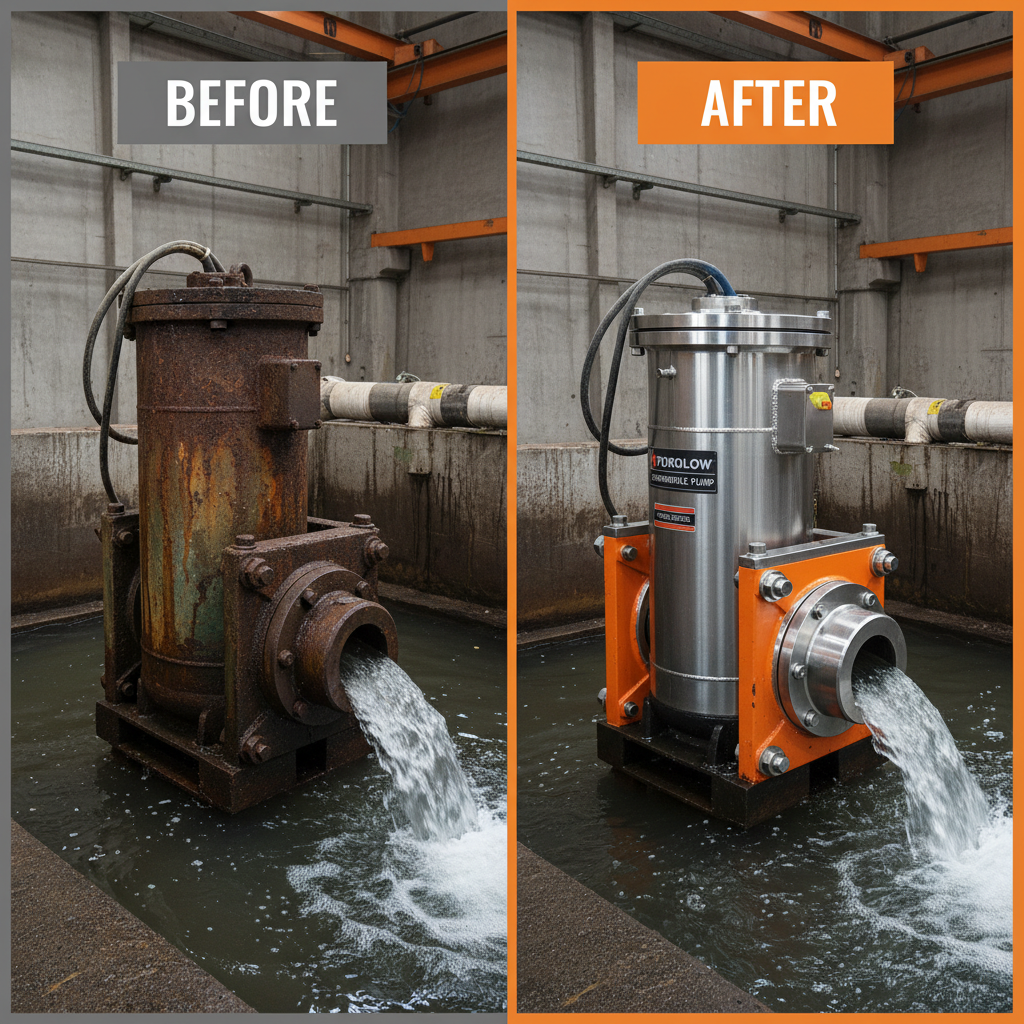 Understanding the Price Submersible Pump and Buyer GuideWhen searching for the ideal water management solution, understanding the price submersible pump options is crucial for balancing budget with performance. Whether you are dealing with a flooded basement, managing agricultural irrigation, or extracting water from a deep well, the cost of a submersible pump can vary significantly based on its build quality and capacity. Investing in a high-quality pump ensures long-term reliability and reduces the frequency of expensive replacements. In this guide, we will break down the factors that influence pricing and help you make an informed decision for your specific needs.Detail
 -
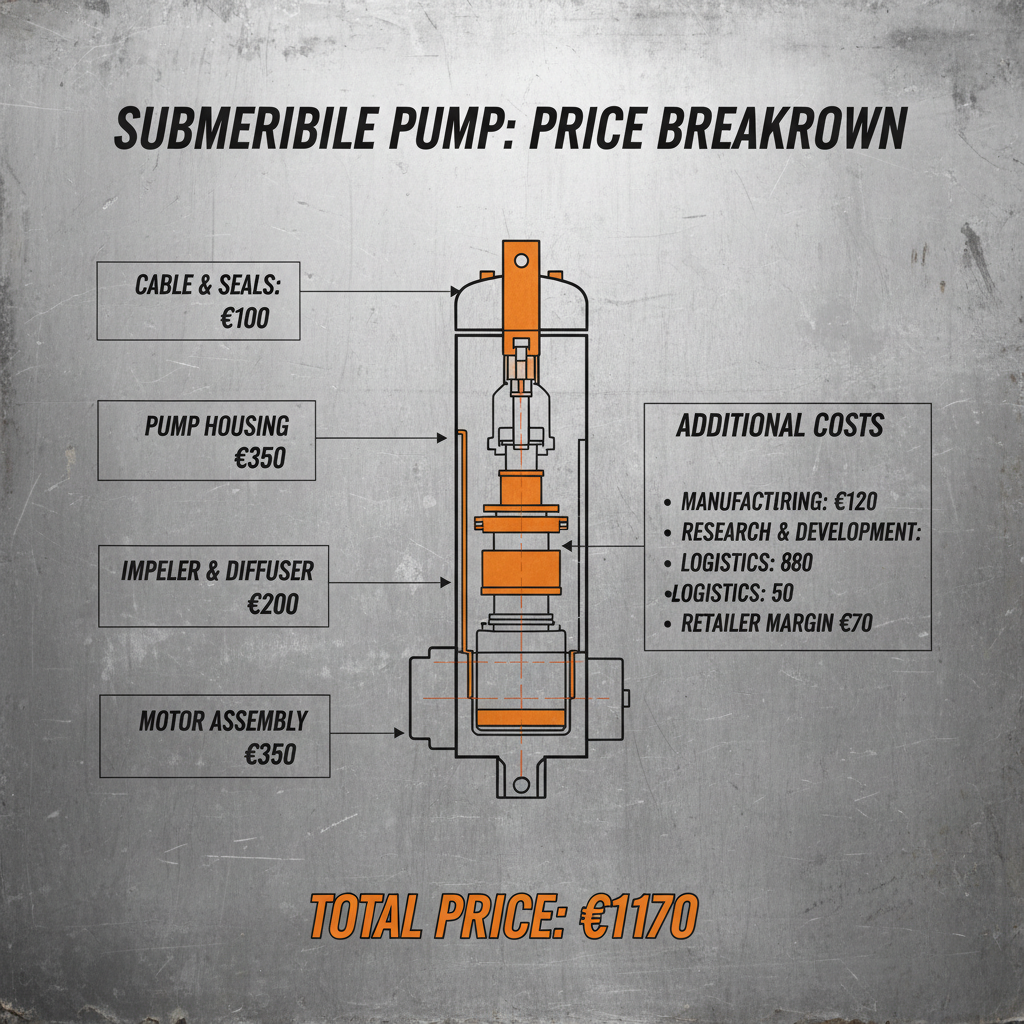 Factors Affecting the Price for Submersible Pump a Buyers GuideWhen investing in water management systems, understanding the price for submersible pump options is essential for balancing performance with budget. Whether you are managing a residential well, an industrial drainage project, or agricultural irrigation, the cost of a pump is rarely a flat fee; it is a reflection of the engineering, materials, and capacity required for your specific environment. In this guide, we will break down the factors that influence pricing and help you determine the best value for your investment to ensure long-term reliability and efficiency.Detail
 -
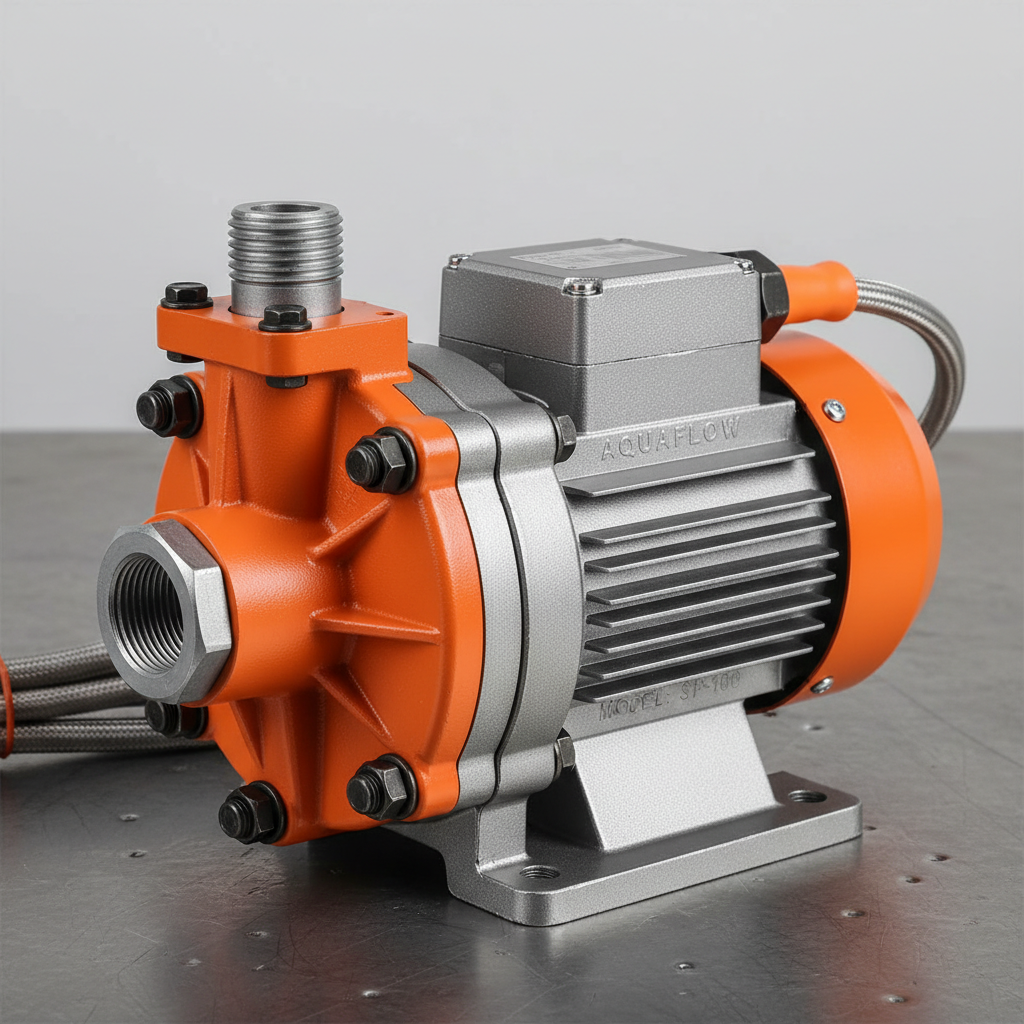 Choosing the Right Mini Submersible Fountain Pump for Optimal Water Feature PerformanceCreating a beautiful and relaxing water feature doesn't have to be complicated. A mini submersible fountain pump is the heart of any indoor or outdoor fountain, and selecting the right one is crucial for optimal performance and longevity. This article will guide you through the key considerations when choosing a mini submersible fountain pump, covering types, features, applications, and how to ensure you get the perfect pump for your project. We’ll also explore how Wellpumpact can provide you with the ideal solution.Detail
 Afrikaans
 Albanian
 Amharic
 Arabic
 Armenian
 Azerbaijani
 Basque
 Belarusian
 Bengali
 Bosnian
 Bulgarian
 Catalan
 Cebuano
 Corsican
 Croatian
 Czech
Czech
 Danish
 Dutch
Dutch
 Esperanto
 Estonian
 Finnish
 French
 Frisian
 Galician
 Georgian
 German
 Greek
Greek
 Gujarati
 Haitian Creole
 Hausa
Hausa
 Hawaiian
 Hebrew
 Hindi
Hindi
 Miao
Miao
 Hungarian
 Icelandic
 Igbo
Igbo
 Indonesian
 Irish
Irish
 Italian
 Japanese
 Javanese
 Kannada
 Kazakh
 Khmer
Khmer
 Rwandese
 Korean
 Kurdish
 Kyrgyz
 Lao
Lao
 Latin
Latin
 Latvian
 Lithuanian
 Luxembourgish
 Macedonian
 Malgashi
 Malay
Malay
 Malayalam
 Maltese
 Maori
Maori
 Marathi
 Mongolian
 Myanmar
 Nepali
 Norwegian
 Norwegian
 Occitan
 Pashto
 Persian
 Polish
 Portuguese
 Punjabi
 Romanian
 Russian
 Samoan
 Scottish Gaelic
 Serbian
 Sesotho
 Shona
Shona
 Sindhi
 Sinhala
 Slovak
 Slovenian
 Somali
 Spanish
 Sundanese
 Swahili
 Swedish
 Tagalog
 Tajik
Tajik
 Tamil
Tamil
 Tatar
Tatar
 Telugu
 Thai
Thai
 Turkish
 Turkmen
 Ukrainian
 Urdu
Urdu
 Uighur
 Uzbek
Uzbek
 Vietnamese
 Welsh
Welsh
 Bantu
Bantu
 Yiddish
 Yoruba
 Zulu
Zulu
 English