
Nov . 29, 2025 05:00 Back to list
Comprehensive Guide to 2 Inch Well Pumps – Benefits, Trends & Solutions
Understanding the 2 Inch Well Pump: Why It Matters Globally
If you’ve ever looked into water extraction or irrigation systems, the term 2 inch well pump might have popped up and maybe even left you scratching your head. Why does a simple measure matter so much? Well, these pumps aren’t just plumbing parts – they’re key to providing clean water in countless remote areas. Globally, access to safe water remains one of humanity's biggest challenges. The World Health Organization estimates that about 2 billion people lack safely managed drinking water services. Enter the humble 2 inch well pump, which, because of its size and flexibility, becomes a vital element in wells, boreholes, and small irrigation setups.
From farming communities in sub-Saharan Africa to disaster relief sites in Southeast Asia, understanding the capabilities and applications of a 2 inch well pump can unlock sustainable water solutions. This article breaks down what these pumps are, why they are so critical, and how innovation is shaping their future.
Global Context: Tackling Water Access with Efficient Solutions
Looking at the bigger picture, water scarcity is a growing problem exacerbated by climate change, population growth, and urbanization. According to the United Nations, roughly 4 billion people experience severe water scarcity at least one month a year. Many international development organizations focus on drilling smaller boreholes fitted with 2 inch pumps because they provide a cost-effective and scalable solution.
However, many challenges remain: selecting the right pump for depth, groundwater level, and water demand isn’t straightforward. That's where the 2 inch well pump shines — engineering firms and NGOs prefer these because of their balance between efficiency and affordability. Without them, many communities would still rely on unsafe water sources.
What Exactly Is a 2 Inch Well Pump?
Simply put, a 2 inch well pump is a submersible or jet pump designed to fit wells with a two-inch diameter casing or borehole. Its size refers to the diameter of the pump body that fits inside the well. These pumps extract groundwater by creating suction or pushing water upwards, suitable for domestic, agricultural, and industrial uses.
While “2 inch” might seem like a quirky technical detail, it dictates compatibility, flow rate, and operating depth. Modern water systems and humanitarian water supply projects rely heavily on these pumps because of their adaptability to varying borehole diameters and depths.
Core Components of a 2 Inch Well Pump
1. Durability
These pumps operate submerged for long periods — often in harsh environments. Materials like stainless steel and reinforced plastics are common to resist corrosion and abrasion. With durability, you minimize maintenance visits, which in remote areas might be days of travel away.
2. Efficiency
Efficiency here relates to power consumption versus output volume. Many 2 inch pumps use energy-saving motors or are compatible with solar power, essential in off-grid locations. Low power draws reduce operating costs, which farmers and communities appreciate, frankly.
3. Scalability
A 2 inch pump can often be installed in modular systems, adaptable for increasing water demands. Agriculture, for example, may start small and expand over seasons.
4. Cost Efficiency
Compared to larger pumps, their price-to-performance ratio is often very favorable. This means NGOs or small enterprises can deploy multiple units rather than one big, vulnerable system.
5. Ease of Installation & Maintenance
Compact form factors mean faster setup and less specialized equipment. This is a major advantage in emergency deployments or difficult-to-reach areas.
Mini Takeaway:
In essence, the two-inch well pump’s unassuming size hides a sophisticated balance of robustness, efficiency, and flexibility tailored for diverse water supply challenges worldwide.
Global Applications and Use Cases
When you start to look at real-world use, this pump’s versatility stands out. For instance:
- African rural communities use small diameter wells fitted with these pumps to irrigate crops and supply clean water to households.
- Disaster relief efforts lean on quick-install 2 inch pumps to restore safe water access after floods or earthquakes.
- Industrial remote sites depend on these compact pumps for cooling systems or dust control without the luxury of large infrastructure.
- Environmental monitoring stations deploy them for groundwater sampling.
One NGO I followed recently used these pumps in Bangladesh to replace hand-dug wells, enabling year-round water access and reducing waterborne illnesses — a small tech shift with a massive impact.
Advantages and Long-Term Value of 2 Inch Well Pumps
Here’s a mix of why these pumps endure as favorites:
- Cost-effective: affordability in purchasing and maintenance means even small-scale users benefit.
- Sustainable: many models work with solar power, reducing fossil fuel dependence.
- Reliable: fewer moving parts and sturdy build ensure long service life.
- Social impact: access to clean water means improved health, education, and dignity.
Plus, installing these pumps often fosters local skills development — rather than waiting on outsiders, communities learn to maintain and repair systems themselves, which somehow feels like real empowerment.
Future Trends & Innovations in 2 Inch Well Pumps
The future’s looking upbeat, honestly. Researchers are now integrating smart tech into pumps — IoT-enabled sensors report real-time water levels, motor performance, and potential failures, optimizing upkeep and saving costly downtime. Materials science is producing composites that make pumps lighter yet tougher.
The green push means solar-powered pump sets will grow, combining water access with renewable energy goals. Some companies are exploring biodegradable parts or recycled materials to reduce environmental footprint.
Right now, automation and remote management empower operators to monitor dozens of pumps across vast landscapes from their smartphones. It feels a bit like water access is catching up with the digital age.
Challenges & Clever Solutions
Of course, no tech is perfect. Depth limitations restrict some 2 inch pumps to shallower wells, leaving deeper aquifers unreachable without bigger models. Water quality can cause wear if mineral content is high or particulates enter the system, leading to clogs.
Luckily, innovation keeps pace: filtration pre-systems to extend pump life, easy-replacement parts, and improved impeller designs address these issues. One trending fix is modular pump assemblies that you can repair onsite with minimal expertise.
Plus, proper well construction and regular water testing remain essential — even the best pump doesn’t thrive if the source is unstable or contaminated.
FAQ: 2 Inch Well Pump
Q1: What depth range can a 2 inch well pump handle effectively?
Generally, 2 inch well pumps are best suited for wells up to about 150 feet deep. Beyond that, efficiency drops, and larger diameter pumps may be required. However, some specialized models push this further with stronger motors.
Q2: Can I power a 2 inch well pump with solar panels?
Yes, many 2 inch pumps are compatible with solar setups, especially DC submersible models. This is ideal in off-grid locations, as solar significantly lowers ongoing energy costs while ensuring dependable water access.
Q3: How often does maintenance need to be performed on these pumps?
Routine maintenance every 6-12 months is typical, focusing on cleaning filters, checking seals, and monitoring motor condition. In dusty or harsh water environments, more frequent inspections might be necessary.
Q4: What is the typical flow rate I can expect?
Flow rates vary by model and depth but generally range from 5 to 15 gallons per minute. This is enough for household use, small farm irrigation, or emergency water distribution.
Q5: Are 2 inch well pumps easy to install without professional help?
Many models are designed for DIY installation, especially in standard boreholes, but some mechanical knowledge is helpful. Installation simplicity varies with pump type (jet vs submersible) and well conditions.
Product Specification Table: Typical 2 Inch Well Pump Model
| Specification | Details |
|---|---|
| Pump Diameter | 2 inches (50 mm) |
| Flow Rate | 5-15 gallons per minute (GPM) |
| Maximum Depth | Up to 150 feet (46 meters) |
| Power Source | Electric (AC/DC), Solar compatible |
| Materials | Stainless steel, reinforced plastic |
| Installation | Submersible or jet pump options |
Vendor Comparison: Leading 2 Inch Well Pump Manufacturers
| Vendor | Price Range | Warranty | Solar Compatibility | Ideal Use Case |
|---|---|---|---|---|
| PumpCo Solutions | $150 - $250 | 2 Years | Yes | Small farms, rural homes |
| AquaTech Devices | $220 - $350 | 3 Years | Limited Models | Industrial, commercial |
| GreenWell Pumps | $180 - $300 | 2 Years | Yes, specialized kits | Off-grid, solar projects |
Wrapping It Up
The 2 inch well pump might sound like just one of countless water pump options, but its role in global water management is anything but small. It’s practical, affordable, and easy to deploy across varied settings, making it a quiet backbone in the quest for universal water access.
Whether you're a farmer looking to boost irrigation or an NGO tackling water scarcity, these pumps offer reliable, scalable solutions that mix innovation with dependability.
Curious to explore further? Visit our website for detailed guides, product options, and consultation services. Because when it comes to water, the little things often make the biggest difference.
References and Notes
-
Understanding the Price Submersible Pump and Buyer Guide
NewsApr.16,2026
-
Factors Affecting the Price for Submersible Pump a Buyers Guide
NewsApr.09,2026
-
Choosing the Right Mini Submersible Fountain Pump for Optimal Water Feature Performance
NewsApr.07,2026
-
A Detailed Guide to Installing a Submersible Pump for Optimal Performance
NewsApr.04,2026
-
Comprehensive Guide on How to Test a Submersible Water Well Pump Effectively
NewsMar.31,2026
-
Learn How to Replace a Submersible Well Pump Safely and Effectively
NewsMar.28,2026
-
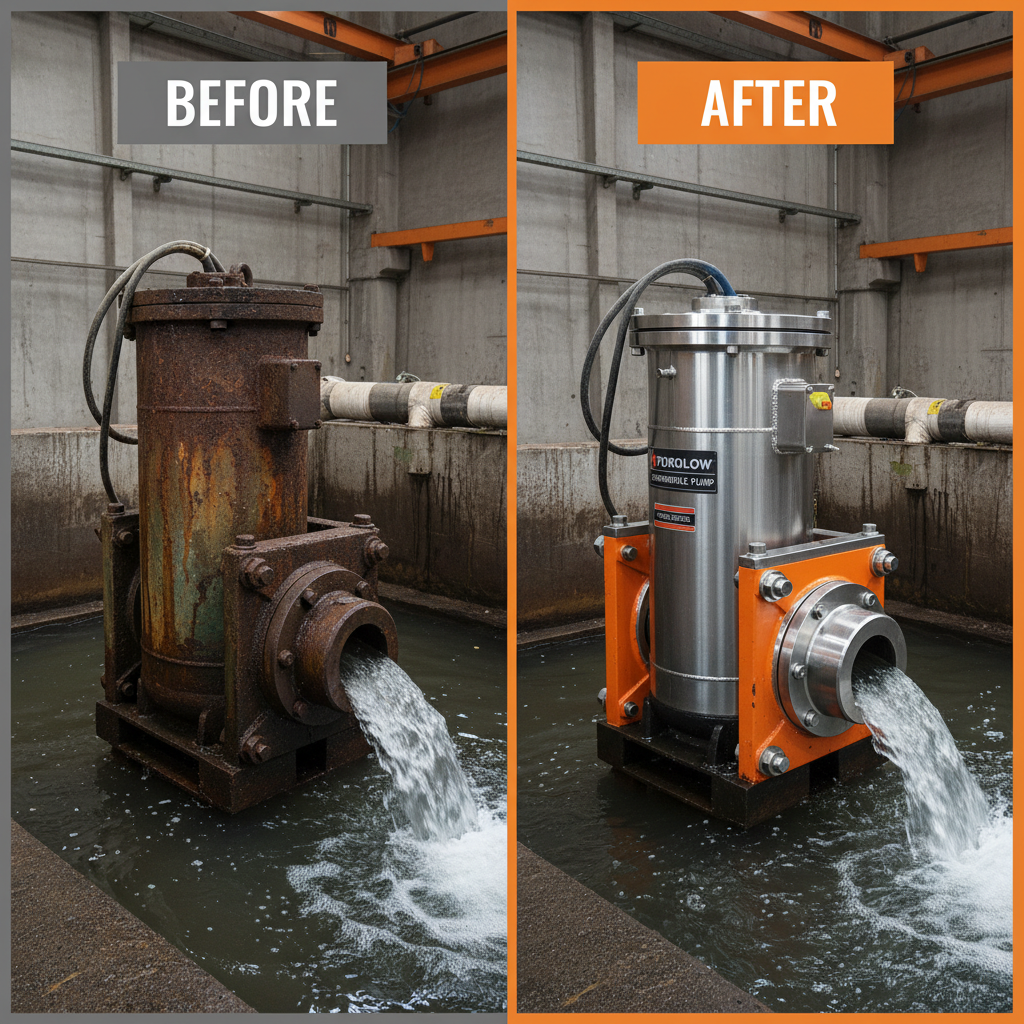 Understanding the Price Submersible Pump and Buyer GuideWhen searching for the ideal water management solution, understanding the price submersible pump options is crucial for balancing budget with performance. Whether you are dealing with a flooded basement, managing agricultural irrigation, or extracting water from a deep well, the cost of a submersible pump can vary significantly based on its build quality and capacity. Investing in a high-quality pump ensures long-term reliability and reduces the frequency of expensive replacements. In this guide, we will break down the factors that influence pricing and help you make an informed decision for your specific needs.Detail
 -
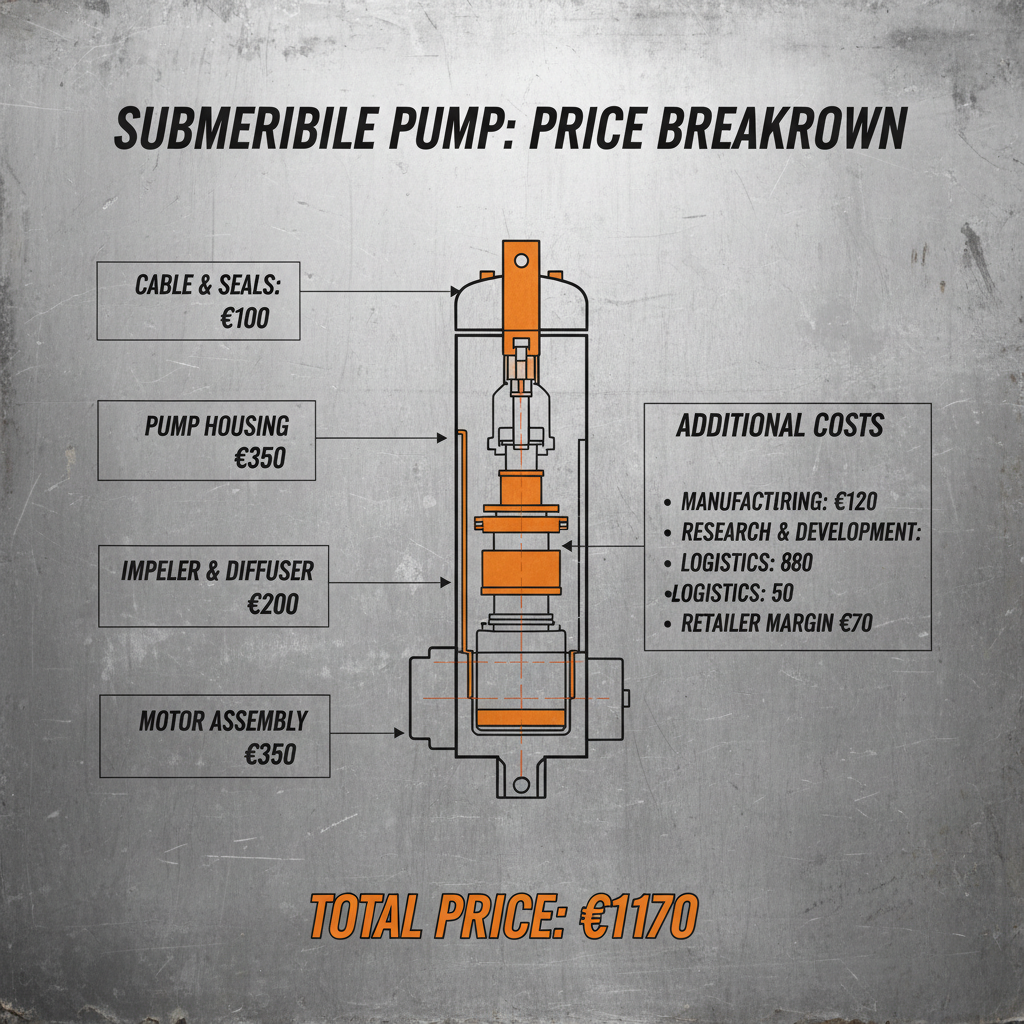 Factors Affecting the Price for Submersible Pump a Buyers GuideWhen investing in water management systems, understanding the price for submersible pump options is essential for balancing performance with budget. Whether you are managing a residential well, an industrial drainage project, or agricultural irrigation, the cost of a pump is rarely a flat fee; it is a reflection of the engineering, materials, and capacity required for your specific environment. In this guide, we will break down the factors that influence pricing and help you determine the best value for your investment to ensure long-term reliability and efficiency.Detail
 -
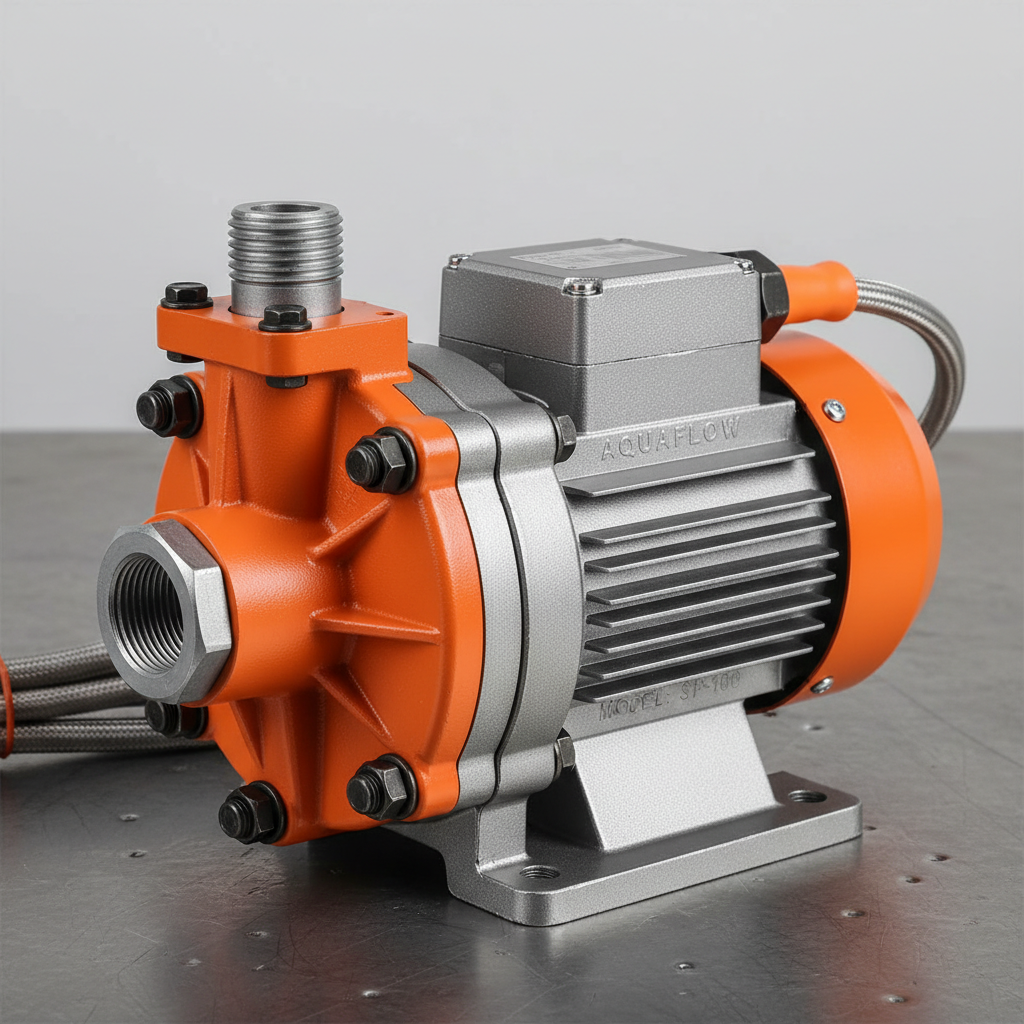 Choosing the Right Mini Submersible Fountain Pump for Optimal Water Feature PerformanceCreating a beautiful and relaxing water feature doesn't have to be complicated. A mini submersible fountain pump is the heart of any indoor or outdoor fountain, and selecting the right one is crucial for optimal performance and longevity. This article will guide you through the key considerations when choosing a mini submersible fountain pump, covering types, features, applications, and how to ensure you get the perfect pump for your project. We’ll also explore how Wellpumpact can provide you with the ideal solution.Detail
 Afrikaans
 Albanian
 Amharic
 Arabic
 Armenian
 Azerbaijani
 Basque
 Belarusian
 Bengali
 Bosnian
 Bulgarian
 Catalan
 Cebuano
 Corsican
 Croatian
 Czech
Czech
 Danish
 Dutch
Dutch
 Esperanto
 Estonian
 Finnish
 French
 Frisian
 Galician
 Georgian
 German
 Greek
Greek
 Gujarati
 Haitian Creole
 Hausa
Hausa
 Hawaiian
 Hebrew
 Hindi
Hindi
 Miao
Miao
 Hungarian
 Icelandic
 Igbo
Igbo
 Indonesian
 Irish
Irish
 Italian
 Japanese
 Javanese
 Kannada
 Kazakh
 Khmer
Khmer
 Rwandese
 Korean
 Kurdish
 Kyrgyz
 Lao
Lao
 Latin
Latin
 Latvian
 Lithuanian
 Luxembourgish
 Macedonian
 Malgashi
 Malay
Malay
 Malayalam
 Maltese
 Maori
Maori
 Marathi
 Mongolian
 Myanmar
 Nepali
 Norwegian
 Norwegian
 Occitan
 Pashto
 Persian
 Polish
 Portuguese
 Punjabi
 Romanian
 Russian
 Samoan
 Scottish Gaelic
 Serbian
 Sesotho
 Shona
Shona
 Sindhi
 Sinhala
 Slovak
 Slovenian
 Somali
 Spanish
 Sundanese
 Swahili
 Swedish
 Tagalog
 Tajik
Tajik
 Tamil
Tamil
 Tatar
Tatar
 Telugu
 Thai
Thai
 Turkish
 Turkmen
 Ukrainian
 Urdu
Urdu
 Uighur
 Uzbek
Uzbek
 Vietnamese
 Welsh
Welsh
 Bantu
Bantu
 Yiddish
 Yoruba
 Zulu
Zulu
 English