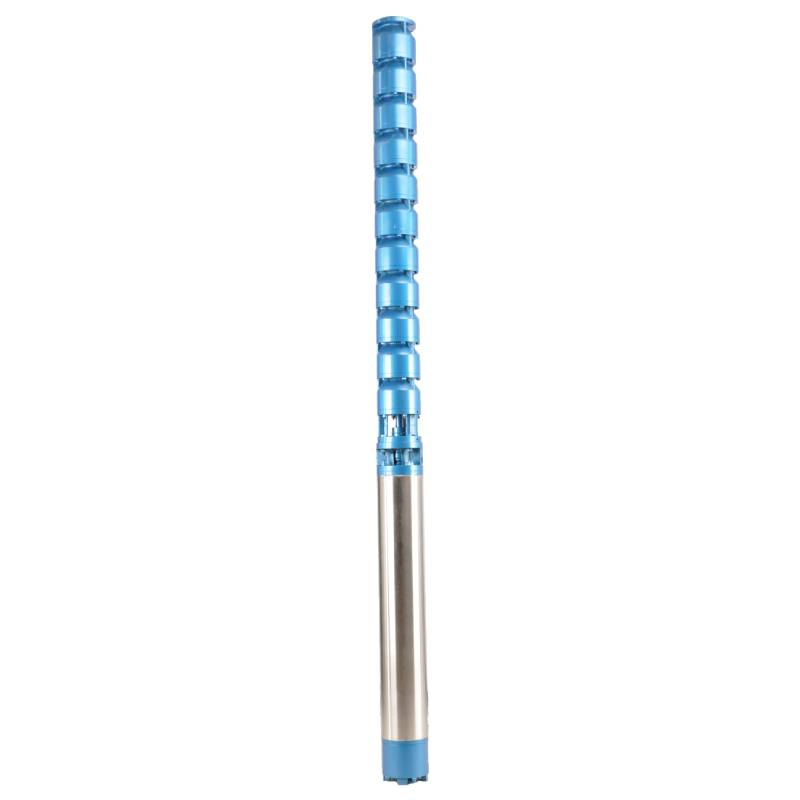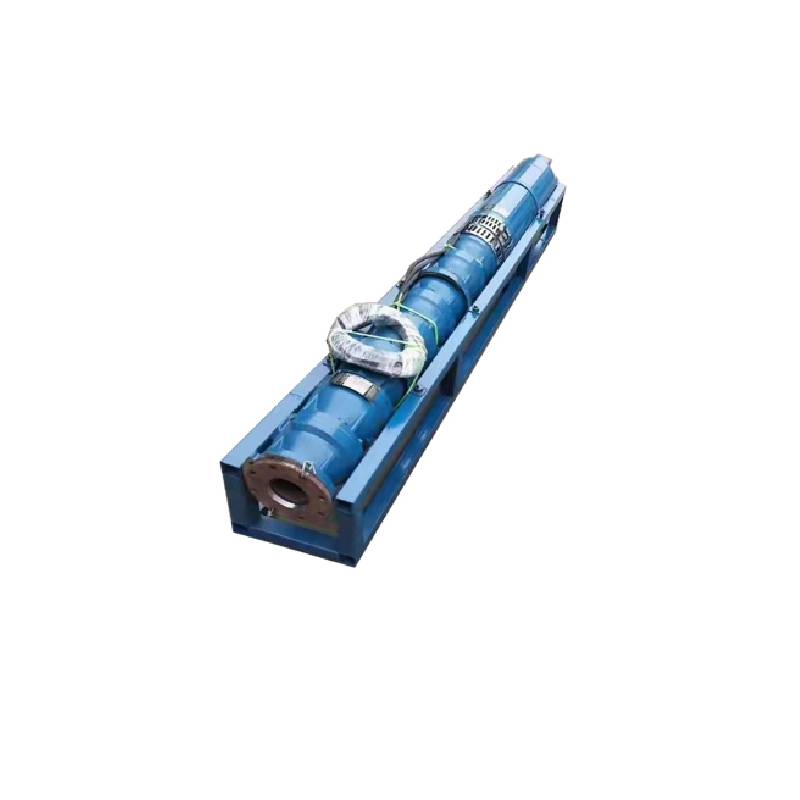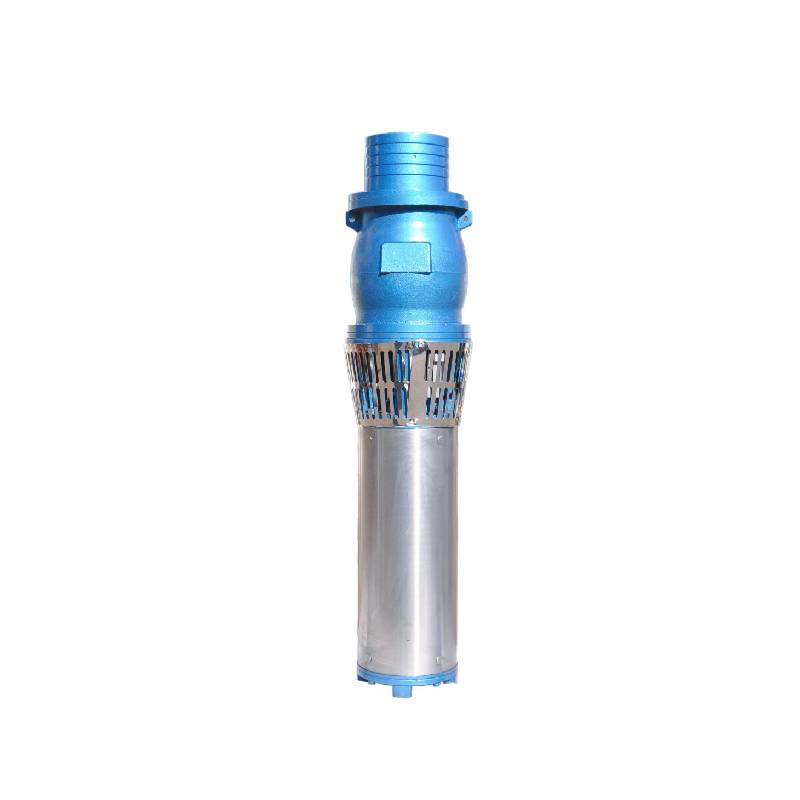
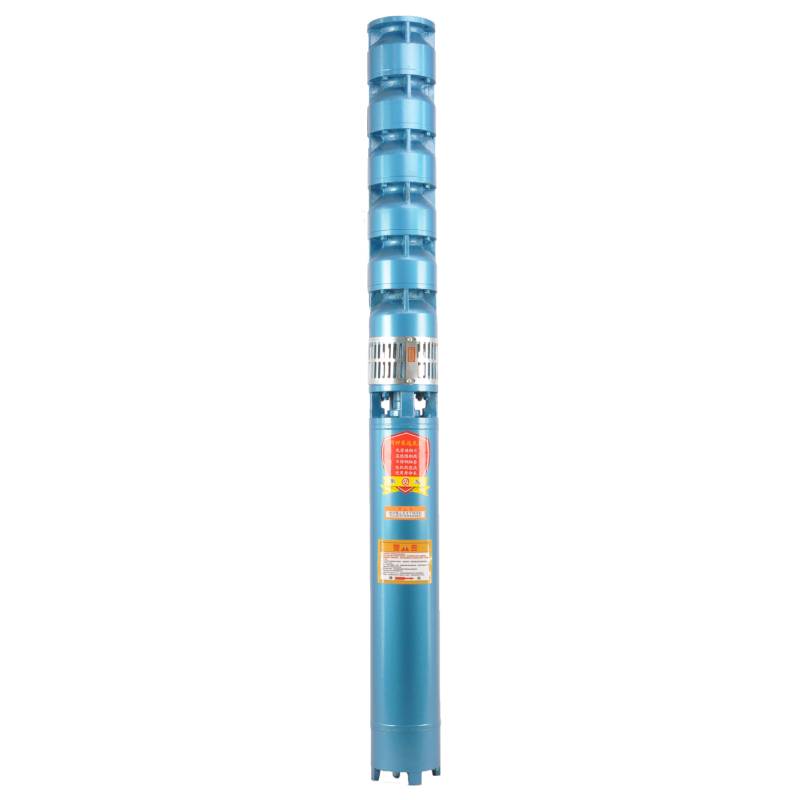
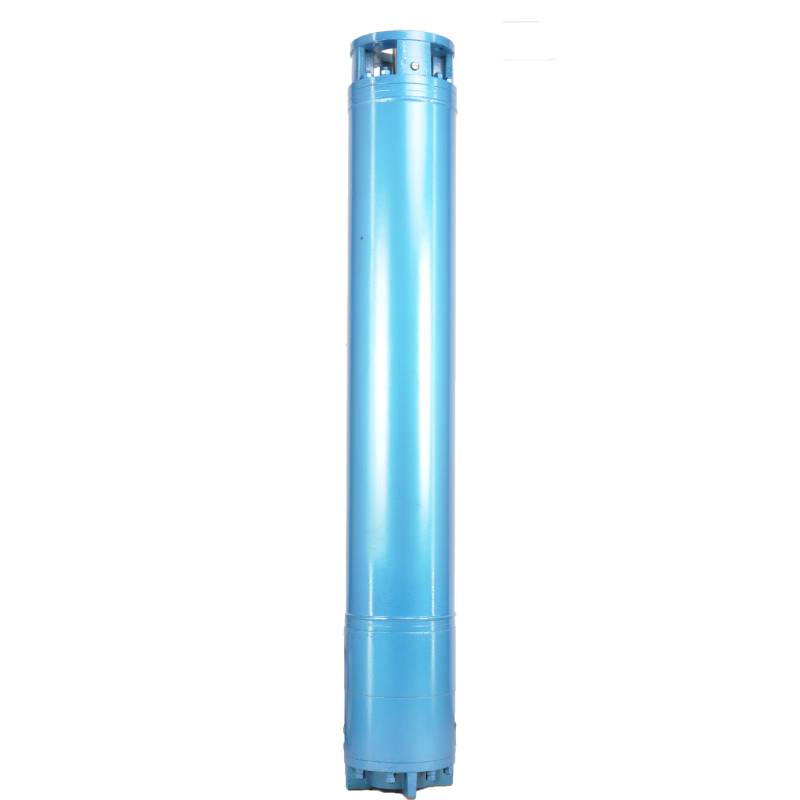
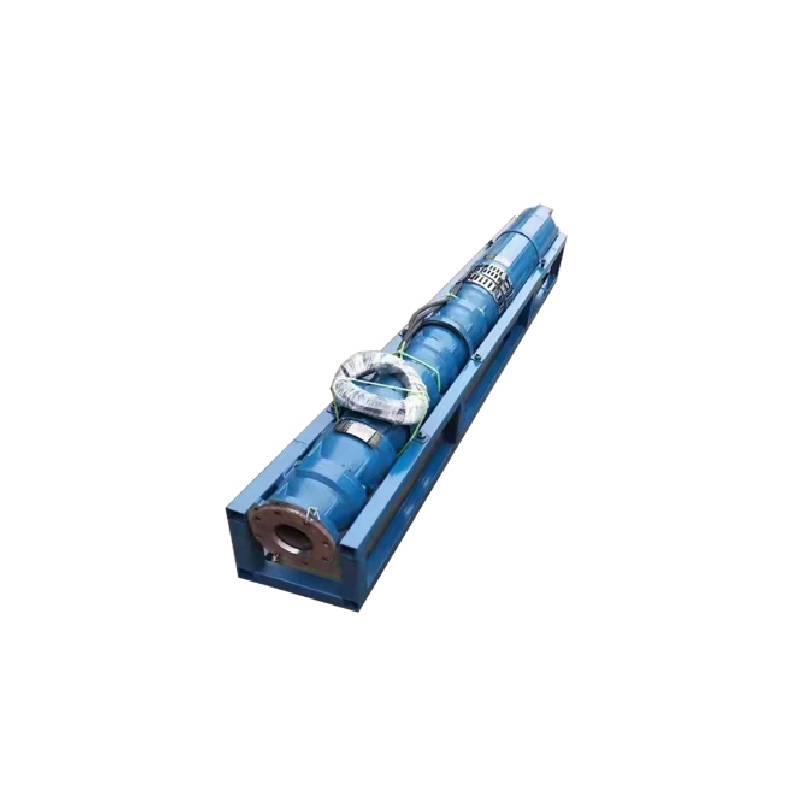
Advanced high flow submersible pump Solutions for Bolivia

Optimizing water extraction across the Altiplano and Lowlands with industrial-grade submersible technology engineered for Bolivian geological diversity.

Advanced high flow submersible pump Solutions for Bolivia

Providing high-efficiency water lifting systems specifically designed to handle the varying water tables and mineral compositions found in South American terrains.

Water Extraction Landscape in Bolivia

Analyzing the challenges of groundwater management in the heart of South America.

Bolivia's geography presents a unique challenge for water extraction, ranging from the high-altitude Altiplano to the humid Amazonian lowlands. In these regions, the reliance on a robust deep well pump is critical for sustainable agriculture and urban water supply, where water tables can fluctuate drastically between seasons.

The local industry currently struggles with equipment corrosion due to high mineral content in groundwater. This has led to an increasing demand for ss submersible pump models, as stainless steel components are essential to prevent premature failure in the chemically aggressive aquifers of the Potosí and Oruro regions.

Furthermore, the expansion of large-scale agribusiness in Santa Cruz requires massive volumes of water, shifting the market preference toward submersible well pumps that can operate continuously under high-head conditions while maintaining energy efficiency to reduce operational costs.
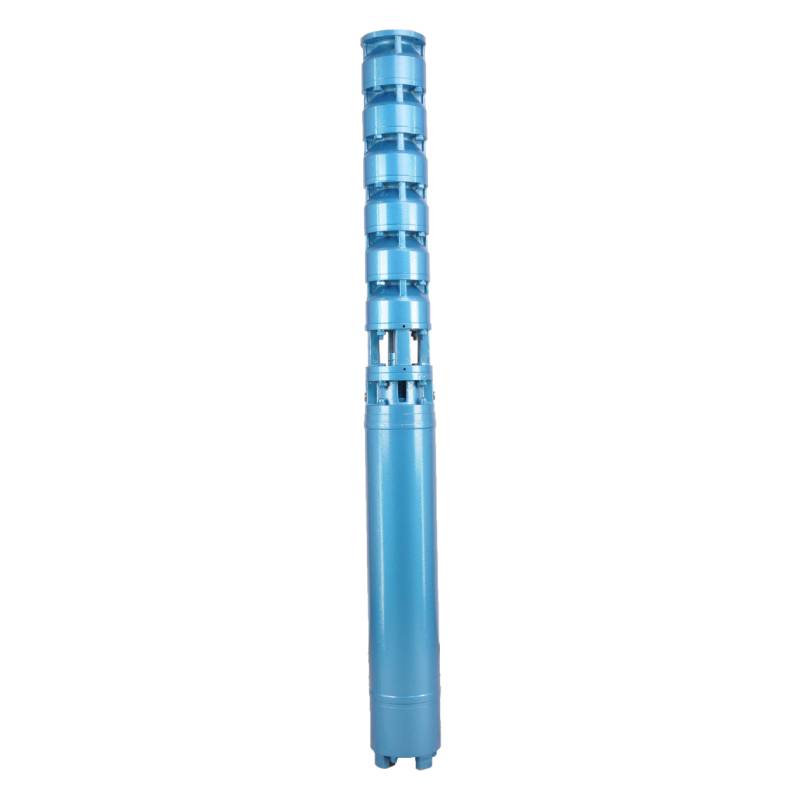
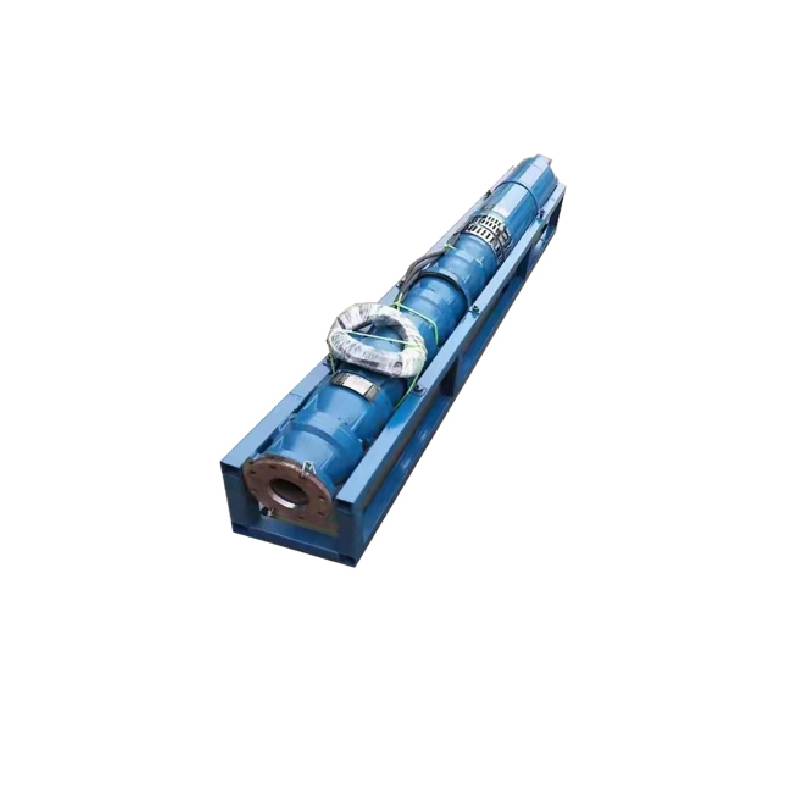
Evolution of Pumping Technology in Bolivia

From traditional centrifugal systems to intelligent deep-well extraction.

Market Development History

In the early 2000s, Bolivian water extraction relied heavily on surface-mounted centrifugal pumps, which suffered from cavitation and limited suction depths, making them inefficient for the deepening aquifers of the region.

Between 2010 and 2018, the transition to the deep well submersible water pump became the industry standard. This shift allowed for deeper penetration into the water table, significantly improving water security for remote Andean communities.

From 2019 to the present, the focus has shifted toward material science and flow optimization. The integration of VFD (Variable Frequency Drives) with high-performance pumps has allowed for precise control over flow rates, matching the specific needs of Bolivian industrial mining and agriculture.

Future Development Trends

Solar-Integrated Pumping

Given Bolivia's high solar irradiance, the integration of photovoltaic systems with submersible pumps is expected to dominate the rural market to eliminate dependency on unstable power grids.

Smart Monitoring Systems

IoT-enabled sensors will soon allow operators to monitor pump health and water levels in real-time, reducing downtime for critical infrastructure in the Altiplano.

Advanced Alloy Engineering

The move toward hybrid alloys will further enhance the lifespan of pumps operating in saline or acidic groundwater, surpassing standard stainless steel options.

Industry Trends and Future Outlook

Strategic directions for water infrastructure in South America.

Energy Efficiency Optimization
Implementing high-efficiency motors to reduce the energy footprint of large-scale water extraction projects.
Corrosion Resistance
Adopting advanced SS316 and Duplex steel to combat the mineral-rich waters of the Bolivian highlands.
Automated Flow Control
Integration of smart valves and pressure sensors to maintain constant flow regardless of water table depth.
Sustainable Aquifer Management
Developing pumping strategies that prevent over-extraction and ensure long-term water viability in Bolivia.

Industry Outlook

The future of the pumping industry in Bolivia is intrinsically linked to the country's agricultural modernization. As farmers move toward high-yield crops, the demand for reliable water delivery systems will grow exponentially, driving the adoption of more sophisticated submersible well pumps.

Google search trends indicate a rising interest in "energy-efficient irrigation" and "solar water pumps" within the South American region. We anticipate a shift toward decentralized water systems that combine high-head capacity with renewable energy sources over the next five years.

Localized Application Scenarios in Bolivia

Tailored water solutions for the diverse needs of the Bolivian landscape.

1. Santa Cruz Agricultural Irrigation

Utilizing high-capacity pumps to provide consistent irrigation for soy and sunflower plantations, ensuring crop stability during the dry season.

2. Altiplano Community Water Supply

Deploying deep-well systems to reach ancient aquifers in high-altitude regions, providing clean drinking water to remote indigenous communities.

3. Potosí Mining Dewatering

Implementing heavy-duty, corrosion-resistant pumps to manage groundwater levels in mining pits, ensuring operational safety and efficiency.

4. La Paz Urban Water Expansion

Installing high-pressure submersible systems to support the growing urban sprawl and residential water needs in the valley topography.

5. Beni Livestock Hydration

Strategic placement of well pumps to ensure a year-round water supply for cattle ranching in the flood-prone lowland plains.

Brand Story

Global Development History of Hebei Aochite Water Supply and Drainage Equipment Co., Ltd.

Foundational Engineering

Started with a mission to solve the most basic water lifting challenges through precision engineering and durable material selection.

Technological Breakthroughs

Developed proprietary impeller designs that significantly increased flow rates while reducing energy consumption by 15%.

Global Expansion

Entered the South American market, adapting our products to withstand the extreme altitudes and mineral compositions of Bolivia.

Quality Certification

Achieved international ISO and CE standards, ensuring every pump delivered meets the highest global reliability benchmarks.

Future Vision

Committed to pioneering the "Green Pumping" revolution, integrating AI and renewable energy into every water solution.

Comprehensive Water Extraction Portfolio for Bolivia

A full range of industrial pumps designed for Bolivian geological conditions.

Common Questions about Pumping in Bolivia

Expert answers to technical challenges in the region.

Which deep well submersible water pump is best for high-altitude regions like the Altiplano?

For high-altitude areas, we recommend pumps with reinforced motor cooling systems and higher-stage impellers to handle the specific pressure differentials found in the Bolivian highlands.

How does an ss submersible pump benefit mining operations in Potosí?

Stainless steel construction prevents the rapid corrosion caused by heavy metals and acidic groundwater common in mining sites, extending the pump's operational life by up to 300%.

What flow rate should I choose for a high flow submersible pump in Santa Cruz agriculture?

Depending on the crop type, we typically recommend flow rates between 50m³/h and 200m³/h, coupled with VFDs to adjust for seasonal irrigation demands.

Can these submersible well pumps be powered by solar energy?

Yes, our pumps are fully compatible with solar inverters and PV arrays, making them ideal for remote Bolivian farms without access to the national grid.

How deep can a standard deep well pump operate in Bolivian aquifers?

Our industrial series can operate at depths exceeding 500 meters, providing reliable water access even in the deepest geological formations of the Andes.

What is the maintenance cycle for industrial pumps in Bolivia?

We recommend a comprehensive check every 12 months, specifically inspecting the seals and cable insulation, given the varying soil chemistry in the region.

Ready to Optimize Your Water Supply?

Get professional consultation for the most durable pumping systems engineered for Bolivia.

Contact Us Now

If you are interested in our products, you can choose to leave your information here, and we will be in touch with you shortly.