
Nov . 26, 2025 13:40 Back to list
Automatic Submersible Pump – Efficient Water Solutions for Every Need
The Automatic Submersible Pump: Why It Matters More Than Ever
Picture a world where access to water isn’t something we take for granted. The automatic submersible pump quietly powers countless systems from the wells of rural villages to sprawling industrial zones. It’s a real workhorse—and its significance is growing amidst global water challenges. These pumps save time, reduce manual labor, and offer reliable flow, turning on and off as needed without human intervention. In short, understanding these pumps isn’t just for engineers; it’s a global necessity in water management, sustainable agriculture, and emergency relief.
Water scarcity impacts over 2 billion people worldwide, according to the UN (source: UN Water Scarcity), making efficient water extraction and distribution technology more critical every day. Automatic submersible pumps help meet this challenge by delivering water from deep underground or flooded areas seamlessly—and with minimal energy waste.
What Exactly Is an Automatic Submersible Pump?
So, what does this technical-sounding term actually mean? At its core, an automatic submersible pump is a water pump designed to operate underwater, commonly installed in wells, boreholes, or tanks. What sets it apart: it switches itself on or off based on water levels or pressure, eliminating the need for manual operation. This “automation” makes a huge difference in reliability and efficiency.
These pumps are integral in agriculture irrigation, municipal water supply, and disaster response operations—anywhere water needs to be moved effectively without constant human oversight. The technology is a brilliant fusion of mechanical design and sensor-based electronic control, reflecting modern industrial progress applied to often remote or resource-strapped communities.
Core Components and Design Considerations
1. Durability to Withstand Harsh Environments
Many of these pumps operate submerged in water contaminated with sand, sediment, or chemicals, or in flood-prone zones—so materials like stainless steel or high-grade polymers resist corrosion and wear. A pump that breaks down constantly isn’t helping anyone.
2. Scalability and Power Options
From small village wells to large-scale industrial installations, automatic submersible pumps come in various sizes and power ratings. Some run on traditional electricity; others are solar-powered—a trend that makes them greener and often more available in off-grid locations.
3. Cost Efficiency Over Time
While up-front costs might be higher than manual pumps, their minimal maintenance and energy-efficient motors mean they save money long-term. Experts say you gain peace of mind knowing that pumps can self-regulate without needing daily checks.
4. Smart Automation and Sensors
Advanced versions include built-in pressure or water-level sensors. These controls automatically start the pump when water is available and stop it when levels get too low, protecting against damage and overuse.
5. Ease of Installation and Maintenance
Modular designs make installation smoother, and replaceable parts reduce downtime. That’s crucial in areas where qualified technicians are scarce. I remember talking to an engineer in East Africa who emphasized these points—because “if we can’t fix it fast, communities lose water.”
Mini takeaway: Automatic submersible pumps combine sturdy materials with smart controls, balancing ruggedness with intelligence for durable, efficient water delivery.
Global Applications: Where Do These Pumps Play a Role?
- Agriculture: In arid countries like India or parts of the Middle East, automatic submersible pumps irrigate crops without constant farmer intervention.
- Municipal Water Supply: Cities worldwide rely on these pumps in their underground water systems to ensure steady availability.
- Industrial Use: Mining and manufacturing sites use these pumps for dewatering, process water, or wastewater treatment.
- Disaster Relief: During floods or droughts, NGOs deploy portable, automatic submersible pumps for immediate access to potable water.
- Remote Locations: In off-grid communities, solar-powered versions provide vital water services without requiring a constant power source.
Oddly enough, one of the most inspiring use cases is in post-disaster zones. After a major flood, relief workers can quickly install these pumps to restore water access, which frankly is a literal lifesaver.
Basic Product Specification Table
| Parameter | Typical Range | Notes |
|---|---|---|
| Power Supply | 220V AC / 12-48V DC (solar) | Solar-powered variants common in remote areas |
| Flow Rate | 500 - 10,000 L/hr | Depends on motor size and pump diameter |
| Submersion Depth | Up to 200 meters | Limited by cable length and motor power |
| Material | Stainless Steel / Polycarbonate | For corrosion resistance and durability |
| Automation Features | Water-level sensors, pressure switches | Prevents dry run damage, optimizes operation |
Comparing Top Vendors: Features & Benefits at a Glance
| Vendor | Power Range | Automation Level | Price Range (USD) | Notable Features |
|---|---|---|---|---|
| HydroFlow Inc. | 500W - 2kW | Standard (On/off sensors) | $400 - $1200 | Robust corrosion resistance |
| EcoPump Solutions | 100W - 1.5kW (solar) | Advanced (IoT compatible) | $500 - $1500 | Remote monitoring via app |
| AquaTech Pumps | 750W - 3kW | Basic automation | $300 - $1100 | Simple installation kits |
Long-Term Advantages of Using Automatic Submersible Pumps
The benefits go beyond just pumping water—it’s about reliability, safety, and sustainability. Cost savings accumulate because water is used more efficiently, and pumps avoid dry running that causes breakdowns. Communities gain dignity through steady and safe water access, especially women and children traditionally tasked with manual water hauling.
Businesses and municipalities reduce labor costs while enhancing system control. Frankly, there’s an emotional comfort in knowing your water supply doesn’t suddenly fail—these pumps build trust by quietly working day in, day out.
Emerging Trends: What’s Next for Automatic Submersible Pumps?
Automation is only getting smarter. Imagine pumps with AI diagnostics announcing faults before breakdowns, or solar-powered units that track weather patterns to optimize energy use. Sustainability is a front-row issue—manufacturers are exploring biodegradable lubricants, recycled materials, and ultra-efficient motors compliant with new ISO energy standards.
Plus, the integration of remote monitoring is a game-changer. Operators can now check pump status from smartphones, schedule maintenance, or adjust parameters—without stepping outside an office. The future feels bright and full of potential.
Challenges and How the Industry is Tackling Them
Not everything is rosy, though. Challenges like cable damage, scaling buildup, or sensor failure still hamper optimal performance. In extreme environments, basic electronics sometimes struggle, making repairs tough.
The good news? Emerging coatings defend against scaling, and modular electronics make sensor replacement faster. Plus, many vendors now incorporate training programs and remote support to help users troubleshoot quickly.
Frequently Asked Questions About Automatic Submersible Pumps
Q1: How do automatic submersible pumps protect themselves from running dry?
A1: These pumps often feature water-level or pressure sensors that detect when the water drops below a safe point. The sensors automatically turn the pump off, preventing damage caused by dry running and overheating, which can otherwise shorten the pump’s lifespan.
Q2: Can I use solar energy to power an automatic submersible pump?
A2: Absolutely! Many modern pumps are designed to run on DC power compatible with solar panels. Solar-powered automatic submersible pumps are ideal for remote or off-grid locations, reducing reliance on conventional electricity and lowering operational costs.
Q3: What maintenance does an automatic submersible pump typically require?
A3: Routine checks include inspecting the power cable, cleaning the pump’s intake strainer, and ensuring sensor functionality. While these pumps are designed for durability, periodic maintenance can extend service life and improve reliability.
Q4: Are automatic submersible pumps suitable for pumping dirty or sediment-laden water?
A4: Many are built to handle mildly dirty water with small sediments, thanks to their robust construction and filtration features. However, heavy solids or abrasive particles will require specialized models or additional filtration to avoid damage.
Q5: How quickly can these pumps be installed in emergency scenarios?
A5: Installation time varies but automatic submersible pumps are often designed for rapid deployment, especially portable models used in relief efforts. Typically, skilled teams can set them up within hours, delivering immediate water access when it matters most.
Wrapping It Up: Why Automatic Submersible Pumps Still Make a Splash
Ultimately, investing in an automatic submersible pump means investing in sustainable, reliable water delivery. They’re quiet heroes in countless farms, towns, and crisis zones. Whether it’s cutting operational costs or improving water access to underserved people, these pumps deliver on promises. So if you’re considering your next water system upgrade or planning relief efforts, they should be top of mind.
For more info, product options, and technical guidance, check out our website: https://www.wellpumpact.com. It might just be the start of smarter, more resilient water management for your project.
References:
1. United Nations Water Scarcity – https://www.un.org/waterforlifedecade/scarcity.shtml
2. ISO Energy Efficiency standards for pumps – https://www.iso.org/standard/63768.html
3. Wikipedia: Submersible Pump – https://en.wikipedia.org/wiki/Submersible_pump
-
Understanding the Price Submersible Pump and Buyer Guide
NewsApr.16,2026
-
Factors Affecting the Price for Submersible Pump a Buyers Guide
NewsApr.09,2026
-
Choosing the Right Mini Submersible Fountain Pump for Optimal Water Feature Performance
NewsApr.07,2026
-
A Detailed Guide to Installing a Submersible Pump for Optimal Performance
NewsApr.04,2026
-
Comprehensive Guide on How to Test a Submersible Water Well Pump Effectively
NewsMar.31,2026
-
Learn How to Replace a Submersible Well Pump Safely and Effectively
NewsMar.28,2026
-
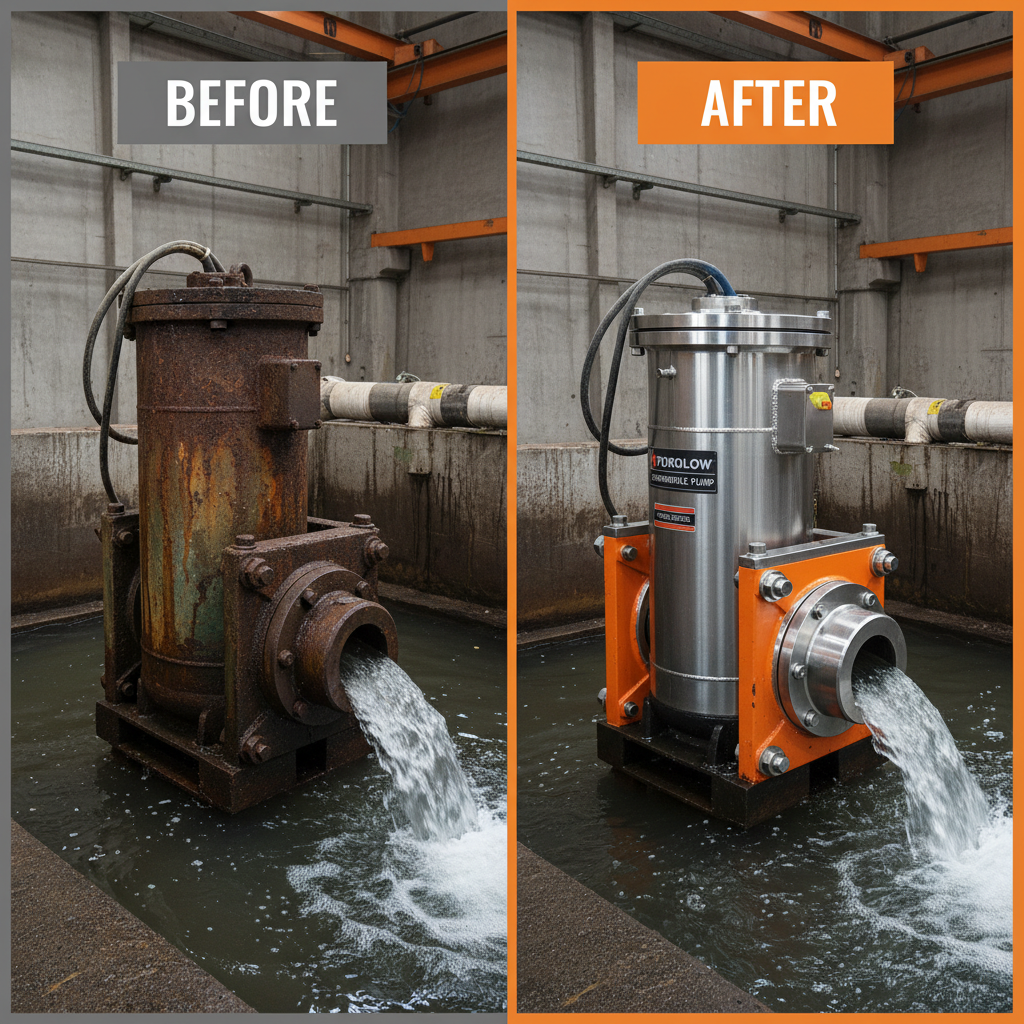 Understanding the Price Submersible Pump and Buyer GuideWhen searching for the ideal water management solution, understanding the price submersible pump options is crucial for balancing budget with performance. Whether you are dealing with a flooded basement, managing agricultural irrigation, or extracting water from a deep well, the cost of a submersible pump can vary significantly based on its build quality and capacity. Investing in a high-quality pump ensures long-term reliability and reduces the frequency of expensive replacements. In this guide, we will break down the factors that influence pricing and help you make an informed decision for your specific needs.Detail
 -
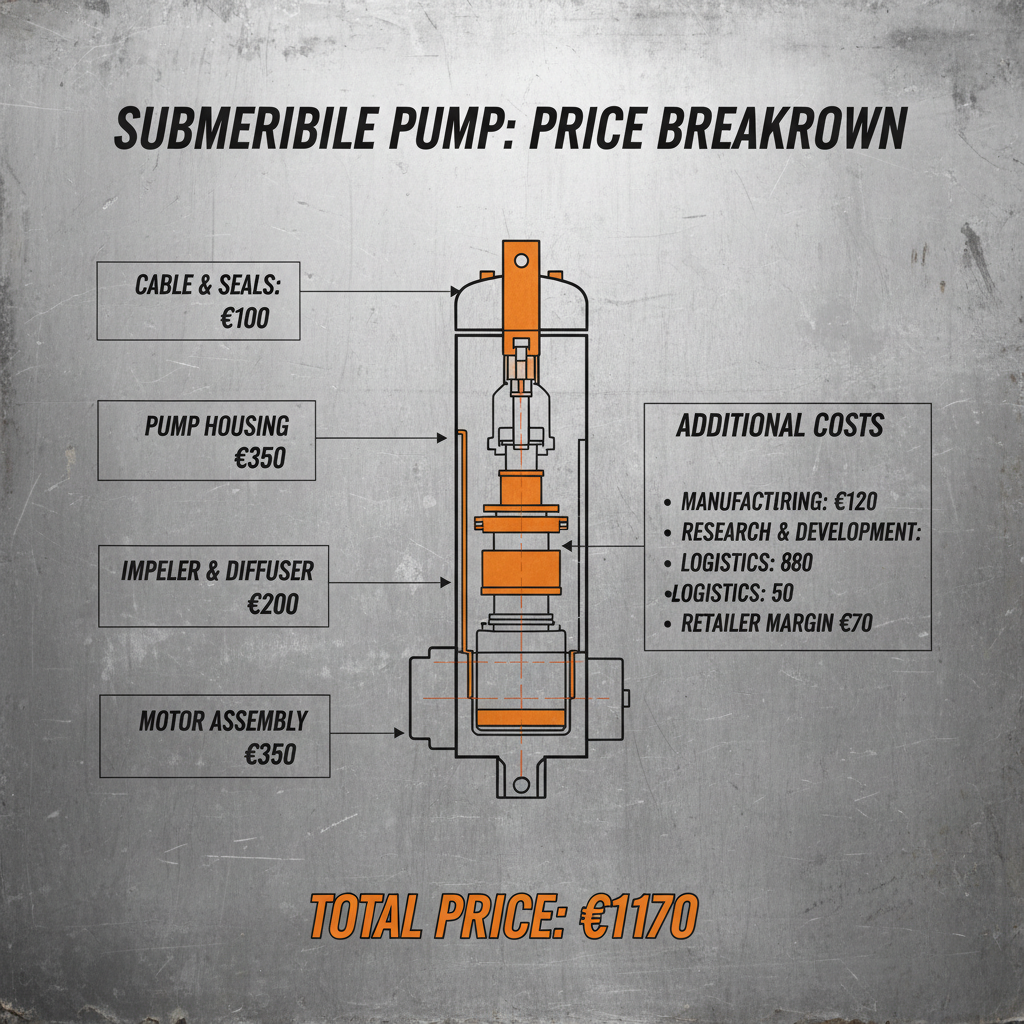 Factors Affecting the Price for Submersible Pump a Buyers GuideWhen investing in water management systems, understanding the price for submersible pump options is essential for balancing performance with budget. Whether you are managing a residential well, an industrial drainage project, or agricultural irrigation, the cost of a pump is rarely a flat fee; it is a reflection of the engineering, materials, and capacity required for your specific environment. In this guide, we will break down the factors that influence pricing and help you determine the best value for your investment to ensure long-term reliability and efficiency.Detail
 -
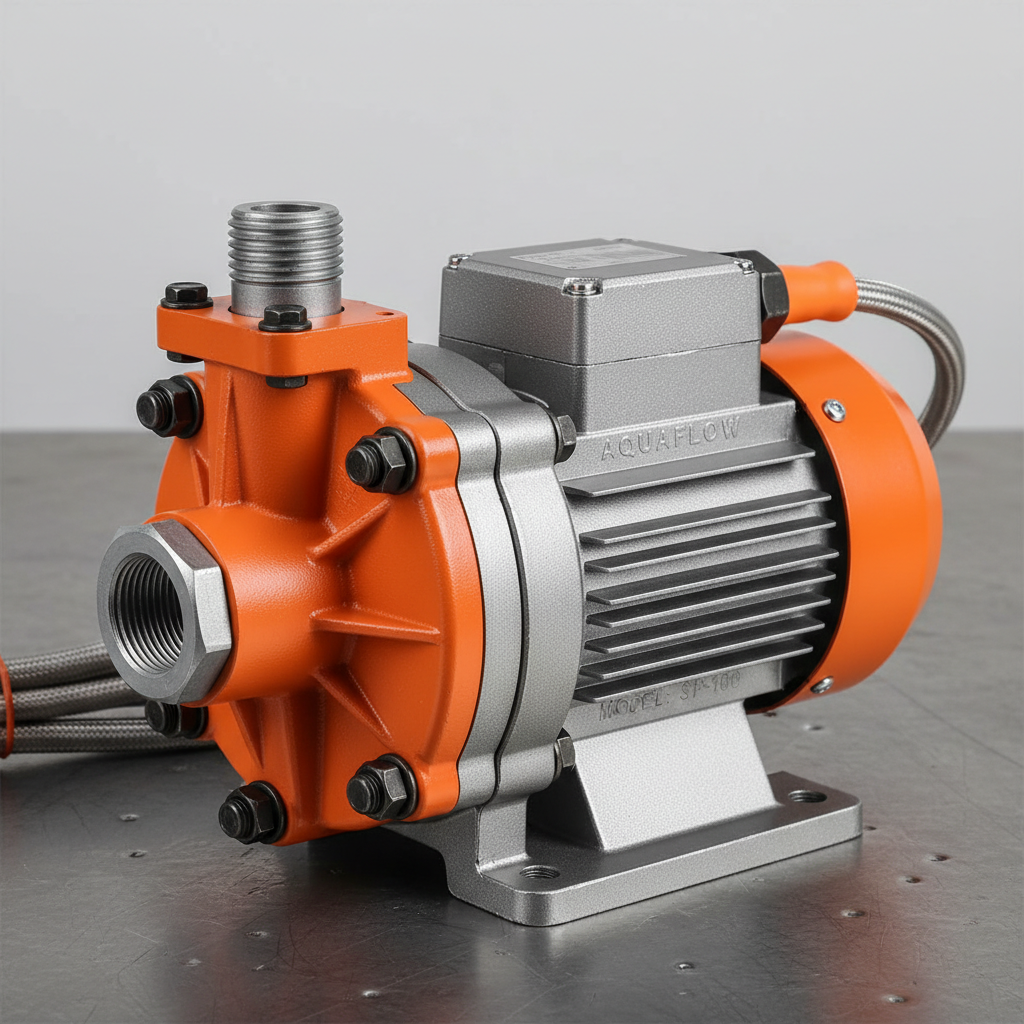 Choosing the Right Mini Submersible Fountain Pump for Optimal Water Feature PerformanceCreating a beautiful and relaxing water feature doesn't have to be complicated. A mini submersible fountain pump is the heart of any indoor or outdoor fountain, and selecting the right one is crucial for optimal performance and longevity. This article will guide you through the key considerations when choosing a mini submersible fountain pump, covering types, features, applications, and how to ensure you get the perfect pump for your project. We’ll also explore how Wellpumpact can provide you with the ideal solution.Detail
 Afrikaans
 Albanian
 Amharic
 Arabic
 Armenian
 Azerbaijani
 Basque
 Belarusian
 Bengali
 Bosnian
 Bulgarian
 Catalan
 Cebuano
 Corsican
 Croatian
 Czech
Czech
 Danish
 Dutch
Dutch
 Esperanto
 Estonian
 Finnish
 French
 Frisian
 Galician
 Georgian
 German
 Greek
Greek
 Gujarati
 Haitian Creole
 Hausa
Hausa
 Hawaiian
 Hebrew
 Hindi
Hindi
 Miao
Miao
 Hungarian
 Icelandic
 Igbo
Igbo
 Indonesian
 Irish
Irish
 Italian
 Japanese
 Javanese
 Kannada
 Kazakh
 Khmer
Khmer
 Rwandese
 Korean
 Kurdish
 Kyrgyz
 Lao
Lao
 Latin
Latin
 Latvian
 Lithuanian
 Luxembourgish
 Macedonian
 Malgashi
 Malay
Malay
 Malayalam
 Maltese
 Maori
Maori
 Marathi
 Mongolian
 Myanmar
 Nepali
 Norwegian
 Norwegian
 Occitan
 Pashto
 Persian
 Polish
 Portuguese
 Punjabi
 Romanian
 Russian
 Samoan
 Scottish Gaelic
 Serbian
 Sesotho
 Shona
Shona
 Sindhi
 Sinhala
 Slovak
 Slovenian
 Somali
 Spanish
 Sundanese
 Swahili
 Swedish
 Tagalog
 Tajik
Tajik
 Tamil
Tamil
 Tatar
Tatar
 Telugu
 Thai
Thai
 Turkish
 Turkmen
 Ukrainian
 Urdu
Urdu
 Uighur
 Uzbek
Uzbek
 Vietnamese
 Welsh
Welsh
 Bantu
Bantu
 Yiddish
 Yoruba
 Zulu
Zulu
 English