
Dec . 04, 2025 12:40 Back to list
Comprehensive Guide to 2 Horsepower Submersible Well Pumps: Features, Benefits & Global Use
Understanding the 2 Horsepower Submersible Well Pump: What It Means for Industry and Communities
When we talk about a 2 horsepower submersible well pump, we’re really discussing a cornerstone of modern water management. These pumps, compact yet powerful, quietly deliver life-changing water supplies from deep below the surface up to homes, farms, and industries around the globe. If you’ve ever wondered how remote communities get reliable water or how industries maintain steady fluid systems, this piece is for you.
Why does it matter? Globally, access to clean water is a challenge—over 2 billion people face water scarcity, according to the UN. Pumps like the 2 HP submersible models are central to bridging that gap. Not only do they tackle physical constraints of water delivery, but their design and efficiency speak volumes about sustainable engineering. By understanding these pumps, we glimpse solutions that cater to humanitarian needs, agriculture, and industrial stability alike.
Setting the Global Context: Why the 2 Horsepower Submersible Well Pump Matters Now More Than Ever
Water demand worldwide is projected to increase by nearly 20% over the next two decades (World Bank, 2021). This hike challenges agricultural productivity, public health, and industrial output. Traditionally, many rural and industrial sites struggled with bulky, inefficient pumping systems or reliance on unreliable surface water. Enter the 2 horsepower submersible well pump—a device engineered to be energy efficient, durable, and adaptable.
Oddly enough, these pumps address a very fundamental problem: pulling water up where there’s no infrastructure or power grid. They’re quiet, less prone to surface contamination, and can run submerged without losing prime—traits that are perfect for rural electrification or industrial fluid transport. In humanitarian crises, for example, where wells must be rapidly deployed post-disaster, such pumps become immediate lifelines.
What Exactly Is a 2 Horsepower Submersible Well Pump?
Put simply, it’s a pump designed to be placed inside a well or borehole that delivers water to the surface. The "2 horsepower" refers to the motor power — enough to move several gallons per minute depending on the depth and pipe size. Because it’s submersed underwater, the motor and impeller are sealed and built to resist moisture challenging electrical parts.
These pumps form a vital link between modern hydraulic engineering and real-world water needs. Without them, accessing groundwater, which constitutes over 30% of the world's fresh water, would be far trickier and less efficient. Apart from domestic supply, they're widely used in irrigation, mining, and even municipal water services.
Core Components and Key Factors That Define a Good 2 HP Submersible Well Pump
- Durability: Components often include stainless steel shafts and corrosion-resistant impellers because the submerged environment is harsh. Longevity often means less downtime and fewer costs.
- Energy Efficiency: These pumps generally use efficient motors designed to work with typical 220V or 380V power supplies, minimizing energy consumption while maximizing flow rate and pressure.
- Flow and Head Capacity: The horsepower relates to the volume (gallons per minute) and head (vertical distance) the pump can manage. Typically, a 2 HP pump can handle up to 100 feet head efficiently.
- Size and Compatibility: Most 2 HP pumps fit standard well casings ranging 4 to 6 inches in diameter, making installation and replacement comparatively straightforward.
- Cost Efficiency: While upfront costs might be moderate, the long-term savings in maintenance and electricity make these pumps a wise investment.
- Sealing and Waterproofing: Ensuring the motor housing remains water-tight protects against failures — a critical quality factor.
Mini takeaway: When selecting a 2 horsepower submersible well pump, material quality, energy consumption, and matching pump specs to your needs are key to guaranteed success.
Product Specifications: Typical 2 Horsepower Submersible Well Pump
| Specification | Details |
|---|---|
| Motor Power | 2 Horsepower (1.49 kW) |
| Max Head | Up to 100 feet (30 meters) |
| Flow Rate | 15–25 gallons per minute (57–95 l/min) |
| Diameter | 4 to 6 inches (100–150 mm) |
| Material | Stainless steel shaft, Noryl/polymer impeller |
| Voltage | 220V–240V single phase or 380V three phase |
Global Applications and Use Cases: Who Benefits Most?
From arid farmlands in Sub-Saharan Africa to bustling industrial zones in Southeast Asia, the 2 horsepower submersible well pump is everywhere — sort of like the unsung hero of water systems.
- Agricultural irrigation: Farmers rely on these pumps to irrigate small and medium-sized plots, especially where grid power is limited.
- Rural households: Many communities still fetch water manually. Installing these pumps means better health outcomes and saved labor for women and children.
- Industrial fluid management: Factories and mines use them to move water and process liquids efficiently, avoiding costly downtime.
- Disaster relief: NGOs deploy portable 2 HP pumps to restore water supplies rapidly after floods or earthquakes — ensuring sanitation and safety.
Mini takeaway: Their widespread use proves the versatility of these pumps and their strategic role in global water security.
Advantages and Long-Term Value: More Than Just Pumping Water
The benefits of using a 2 horsepower submersible well pump go beyond simply moving water. Cost-wise, energy savings from efficient motors and minimal maintenance often pay back the investment in just a few years. There's also an emotional dimension — having dependable water means health, dignity, and peace of mind for households.
It’s kind of like investing in trust; you’re less worried about pump failures or contamination. Environmentally, many of these pumps are compatible with solar power setups, providing renewable energy solutions that reduce carbon footprints. Plus, their quiet operation means less noise pollution — important for community spaces.
Future Trends & Innovations in Submersible Well Pump Technology
The technology isn’t standing still. Manufacturers are innovating with smart pump controls, IoT monitoring, and materials like reinforced composites that improve lifespan and reduce weight. Green energy integration, especially pairing with solar panels, is gaining momentum to serve off-grid locations effectively.
Expect to see digital interfaces that allow remote troubleshooting or predictive maintenance — a big leap forward for industries where downtime means tens of thousands lost. Policy-wise, international water management guidelines encourage sustainable pumping solutions to conserve groundwater and energy, aligning innovation with environmental responsibility (ISO 24510:2019).
Challenges & Practical Solutions
No system is perfect. Issues like clogging from sediment or electrical motor failures still plague operators. To tackle these, designs now incorporate multi-stage filtration and water-resistant motor coatings. Some engineers recommend regular proactive maintenance schedules, while others explore modular pump assemblies that simplify repairs onsite.
Also, installation in deeper or mineral-heavy wells requires customized pump curves and materials—underscoring the need for proper site assessment. Generally, working with reputable vendors is vital to avoid low-quality copies that fail early.
Vendor Comparison: Top 3 2 Horsepower Submersible Well Pumps
| Brand | Material Quality | Energy Efficiency | Warranty | Approx. Price |
|---|---|---|---|---|
| PumpMaster Pro | Stainless steel & Noryl | High (IE3 Certified) | 3 years | $450 - $600 |
| AquaFlow XD | Composite & stainless steel | Moderate | 2 years | $350 - $500 |
| HydroMax 2HP | High-grade steel alloy | Very High (IE4 Certified) | 5 years | $600 - $750 |
Frequently Asked Questions About 2 Horsepower Submersible Well Pumps
- Q: What is the typical lifespan of a 2 HP submersible well pump?
- A: Generally, with good maintenance and proper installation, these pumps last between 7 to 12 years. Life depends on water quality, pump design, and usage intensity.
- Q: Can these pumps be powered by solar energy?
- A: Absolutely. Many models integrate well with solar inverters and DC motors designed for green energy use — perfect for off-grid areas.
- Q: How do I know if a 2 horsepower pump suits my well depth?
- A: Matching pump curve data to your well’s static water level and flow requirements is key. Consult manufacturer specs or professionals to avoid over- or under-sizing.
- Q: What maintenance is required for these pumps?
- A: Routine checks include inspecting the electrical system, cleaning filters, and monitoring water flow. Timely repairs prevent costly breakdowns.
- Q: Are these pumps safe to use with potable water?
- A: Yes, provided the materials used are certified for drinking water safety (FDA or NSF standards), which most reputable suppliers ensure.
Conclusion & Next Steps
In real terms, the 2 horsepower submersible well pump is much more than a piece of equipment — it’s a vital enabler of water access, sustainability, and industrial productivity worldwide. By investing in durable, efficient pumps and staying abreast of innovations, businesses and communities can safeguard their water future.
If you’re interested in learning more or sourcing reliable pumps, feel free to visit our website to explore options, get expert advice, or browse the latest models.
Thanks for taking the time to dive into this essential water technology with me. I suppose water is simple, but the systems behind it — well, they’re pretty remarkable.
Key takeaway: Reliable water supply starts with smart pump choices — the 2 HP submersible well pump fits that bill perfectly.
References:
1. United Nations Water Scarcity Facts — unwater.org
2. World Bank - Water Resources Data, 2021 — worldbank.org
3. ISO 24510:2019 Water quality standards — iso.org
-
Understanding the Price Submersible Pump and Buyer Guide
NewsApr.16,2026
-
Factors Affecting the Price for Submersible Pump a Buyers Guide
NewsApr.09,2026
-
Choosing the Right Mini Submersible Fountain Pump for Optimal Water Feature Performance
NewsApr.07,2026
-
A Detailed Guide to Installing a Submersible Pump for Optimal Performance
NewsApr.04,2026
-
Comprehensive Guide on How to Test a Submersible Water Well Pump Effectively
NewsMar.31,2026
-
Learn How to Replace a Submersible Well Pump Safely and Effectively
NewsMar.28,2026
-
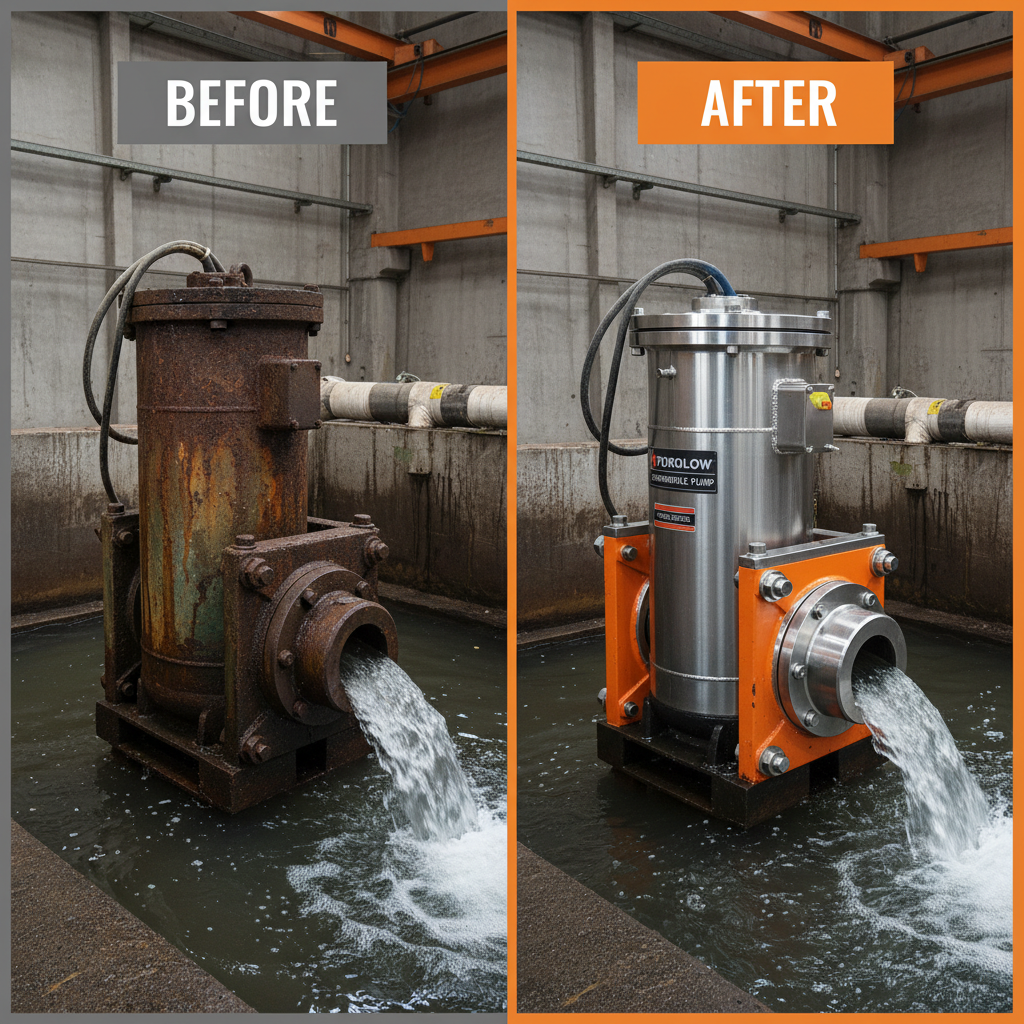 Understanding the Price Submersible Pump and Buyer GuideWhen searching for the ideal water management solution, understanding the price submersible pump options is crucial for balancing budget with performance. Whether you are dealing with a flooded basement, managing agricultural irrigation, or extracting water from a deep well, the cost of a submersible pump can vary significantly based on its build quality and capacity. Investing in a high-quality pump ensures long-term reliability and reduces the frequency of expensive replacements. In this guide, we will break down the factors that influence pricing and help you make an informed decision for your specific needs.Detail
 -
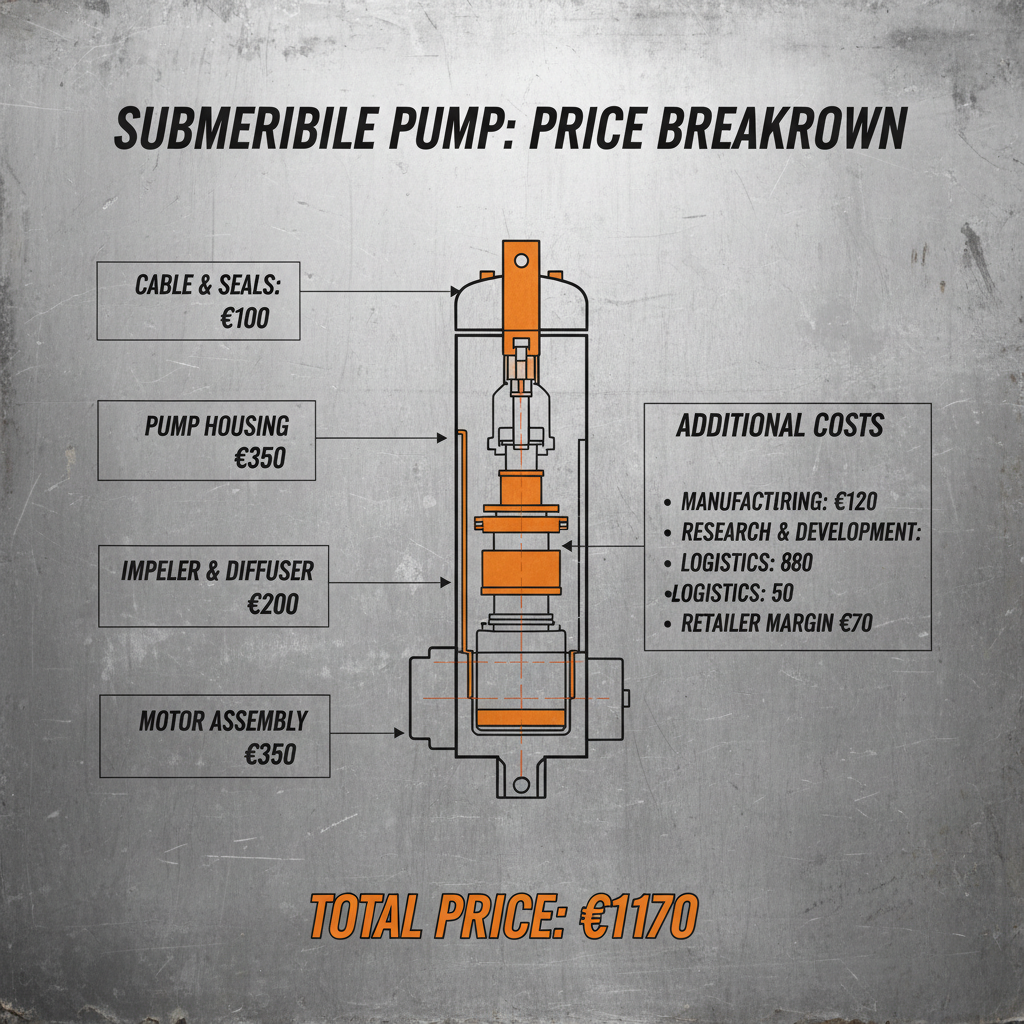 Factors Affecting the Price for Submersible Pump a Buyers GuideWhen investing in water management systems, understanding the price for submersible pump options is essential for balancing performance with budget. Whether you are managing a residential well, an industrial drainage project, or agricultural irrigation, the cost of a pump is rarely a flat fee; it is a reflection of the engineering, materials, and capacity required for your specific environment. In this guide, we will break down the factors that influence pricing and help you determine the best value for your investment to ensure long-term reliability and efficiency.Detail
 -
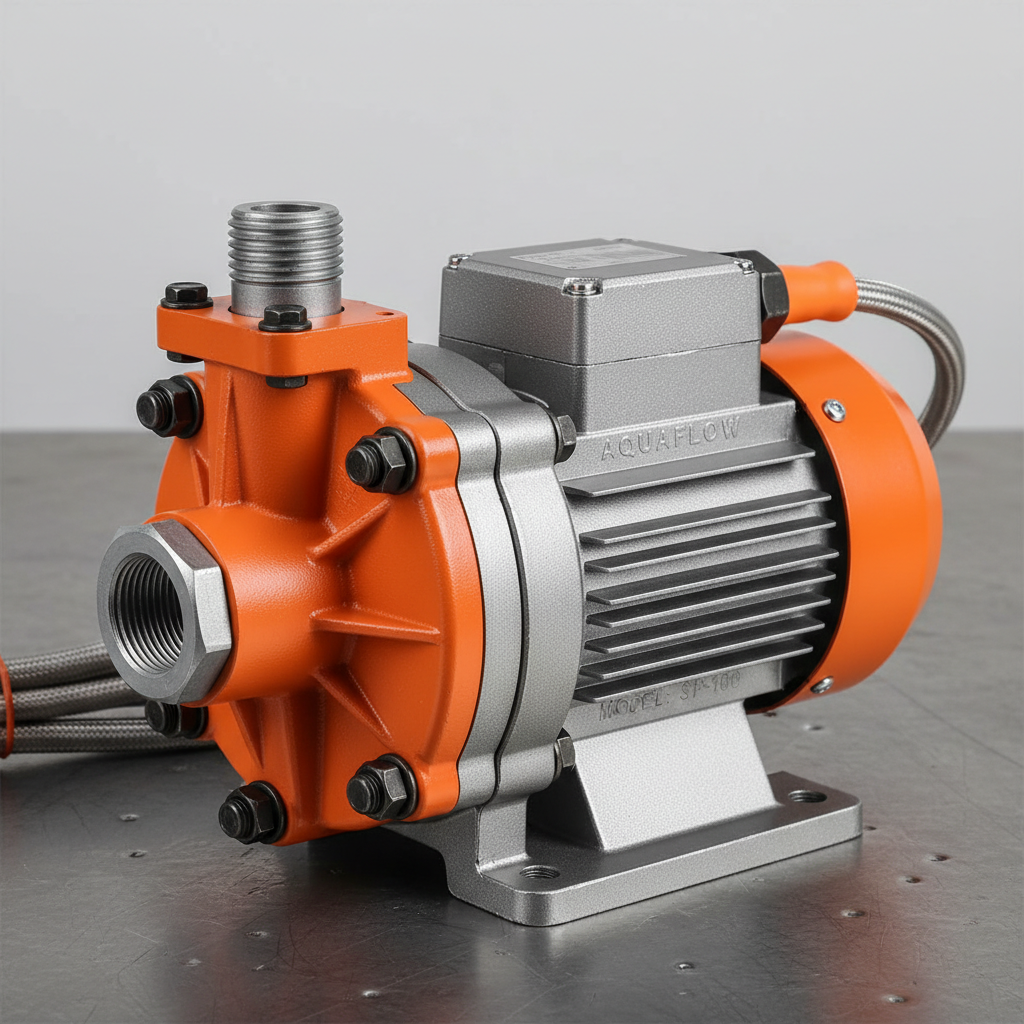 Choosing the Right Mini Submersible Fountain Pump for Optimal Water Feature PerformanceCreating a beautiful and relaxing water feature doesn't have to be complicated. A mini submersible fountain pump is the heart of any indoor or outdoor fountain, and selecting the right one is crucial for optimal performance and longevity. This article will guide you through the key considerations when choosing a mini submersible fountain pump, covering types, features, applications, and how to ensure you get the perfect pump for your project. We’ll also explore how Wellpumpact can provide you with the ideal solution.Detail
 Afrikaans
 Albanian
 Amharic
 Arabic
 Armenian
 Azerbaijani
 Basque
 Belarusian
 Bengali
 Bosnian
 Bulgarian
 Catalan
 Cebuano
 Corsican
 Croatian
 Czech
Czech
 Danish
 Dutch
Dutch
 Esperanto
 Estonian
 Finnish
 French
 Frisian
 Galician
 Georgian
 German
 Greek
Greek
 Gujarati
 Haitian Creole
 Hausa
Hausa
 Hawaiian
 Hebrew
 Hindi
Hindi
 Miao
Miao
 Hungarian
 Icelandic
 Igbo
Igbo
 Indonesian
 Irish
Irish
 Italian
 Japanese
 Javanese
 Kannada
 Kazakh
 Khmer
Khmer
 Rwandese
 Korean
 Kurdish
 Kyrgyz
 Lao
Lao
 Latin
Latin
 Latvian
 Lithuanian
 Luxembourgish
 Macedonian
 Malgashi
 Malay
Malay
 Malayalam
 Maltese
 Maori
Maori
 Marathi
 Mongolian
 Myanmar
 Nepali
 Norwegian
 Norwegian
 Occitan
 Pashto
 Persian
 Polish
 Portuguese
 Punjabi
 Romanian
 Russian
 Samoan
 Scottish Gaelic
 Serbian
 Sesotho
 Shona
Shona
 Sindhi
 Sinhala
 Slovak
 Slovenian
 Somali
 Spanish
 Sundanese
 Swahili
 Swedish
 Tagalog
 Tajik
Tajik
 Tamil
Tamil
 Tatar
Tatar
 Telugu
 Thai
Thai
 Turkish
 Turkmen
 Ukrainian
 Urdu
Urdu
 Uighur
 Uzbek
Uzbek
 Vietnamese
 Welsh
Welsh
 Bantu
Bantu
 Yiddish
 Yoruba
 Zulu
Zulu
 English