
Dec . 07, 2025 19:31 Back to list
Comprehensive Guide to Auto Submersible Pump for Industrial Applications | WellPumpAct
Auto Submersible Pump is a key solution in the industry, specifically within sectors needing reliable, efficient fluid movement in challenging environments. This article explores how WellPumpAct supports professionals with durable, high-performance products, and explains why this product is an ideal choice for businesses in these sectors.
Table of Contents
- Auto Submersible Pump Overview
- Benefits & Use Cases of Auto Submersible Pump
- Cost, Maintenance & User Experience
- Sustainability & Market Trends
Auto Submersible Pump Overview
At its core, the Auto Submersible Pump is a self-regulating pump submerged directly in the fluid it’s meant to move. This design is pretty clever because it eliminates the priming problems often seen with surface pumps and improves efficiency by being close to the source. Frankly, it feels like the natural evolution for industries where water or other liquids need to be managed constantly, often under demanding conditions.
Technically, you'll find these pumps designed for depths ranging from a few meters up to dozens of meters—depending on the model—and they often feature corrosion-resistant materials like stainless steel or engineered composites. Many come with intelligent auto-start and stop functions, responding dynamically to water levels or system requirements.
| Specification | Details |
|---|---|
| Maximum Depth | Up to 50 meters |
| Flow Rate | 10 to 120 m³/h |
| Power Source | Electric motor, 3-phase 380V |
| Material | Stainless steel 304/316, reinforced composites |
| Control Features | Auto-level sensor, overload protection |
Benefits & Use Cases of Auto Submersible Pump
The industries that lean on these pumps are wide ranging—agriculture, mining, municipal water treatment, and even construction. What really sets the Auto Submersible Pump apart, in my experience chatting with plant managers and engineers, is how it blends robust design with smart automation. These pumps can run unattended for weeks, which is a huge plus when labor and downtime matter.
Take irrigation: these pumps automatically adjust based on water demand, which saves energy and water. Oddly enough, mining operations benefit tremendously from their ability to handle slurry and sediment, reducing wear and tear. The design often includes a vortex impeller which handles solids with less clogging.
Vendor Comparison Table
| Feature | WellPumpAct | Competitor A | Competitor B |
|---|---|---|---|
| Material Quality | Stainless steel 316 | Stainless steel 304 | Cast iron |
| Auto Control | Yes, with level sensors | Manual On/Off | Limited features |
| Warranty | 3 years | 2 years | 1 year |
| Energy Efficiency | High (IE3 motor) | Medium | Low |
Cost, Maintenance & User Experience
In real terms, the initial investment for an auto submersible pump might be a notch higher than traditional pumps—especially when you factor in the automation and premium materials. But from the total cost of ownership standpoint, many businesses notice a strong ROI thanks to reduced downtime, lower energy bills, and fewer maintenance headaches.
Customers from municipal water departments often mention how the pump’s sealed design and non-corrosive materials keep maintenance intervals long. One agriculture client recently told me their operational costs dropped by nearly 15%. I suppose this reflects well on the design’s durability and the vendor’s after-sales support.
Sustainability & Market Trends
The market for Auto Submersible Pumps is evolving alongside broader trends in sustainability and technology. Regulations on water efficiency, energy use, and material recycling mean manufacturers are urged to develop greener products with longer life cycles. WellPumpAct, for example, uses recyclable materials and energy-efficient motors that meet IE3 standards — you know, the higher efficiency class that’s becoming a norm internationally.
On the growth front, demand is expected to rise especially in emerging economies where infrastructure development is booming, but also in mature markets seeking system modernization. All in all, the pumps are becoming smarter, greener, and better tailored to the automated factory floor or smart city.
Frequently Asked Questions about Auto Submersible Pump
- What is Auto Submersible Pump and how does it work?
- In simple terms, it’s a pump placed under the liquid it moves — usually water or other fluids — and it automatically adjusts operation based on water levels or system commands. This keeps it running efficiently without manual intervention.
- What are the main benefits of using Auto Submersible Pump in industrial applications?
- Key advantages include long service life due to corrosion-resistant materials, reduced energy consumption thanks to smart motors and controls, and lower maintenance efforts, making it cost-effective in the long run.
- How does Auto Submersible Pump compare to traditional alternatives?
- Compared to surface or manually controlled pumps, the auto submersible design reduces priming problems, increases operational safety, and offers automated control which can respond in real-time to changing conditions — boosting reliability and ease of use.
- What industries can benefit most from Auto Submersible Pump implementation?
- Industries like agriculture (for irrigation), mining (for slurry and dewatering), municipal water treatment, and construction (site drainage) find these pumps invaluable. Success stories often highlight operational cost savings and fewer interruptions.
Conclusion on Auto Submersible Pump from china
To sum up, the Auto Submersible Pump stands out as a robust, smart choice for businesses seeking reliable fluid management solutions. Its advanced automation, durability, and energy efficiency bring tangible benefits across sectors. For B2B decision makers eyeing operational efficiency and long-term savings, this pump merits serious consideration.
- Recap the value of Auto Submersible Pump.
- Visit our website: https://www.wellpumpact.com
It’s one of those investments that does tend to pay off quietly — you notice it less because it just keeps working.
References:
1. Industry reports on pumping solutions 2023
2. User feedback from water municipalities and agriculture producers
3. International Energy Efficiency Standards (IE3)
-
Understanding the Price Submersible Pump and Buyer Guide
NewsApr.16,2026
-
Factors Affecting the Price for Submersible Pump a Buyers Guide
NewsApr.09,2026
-
Choosing the Right Mini Submersible Fountain Pump for Optimal Water Feature Performance
NewsApr.07,2026
-
A Detailed Guide to Installing a Submersible Pump for Optimal Performance
NewsApr.04,2026
-
Comprehensive Guide on How to Test a Submersible Water Well Pump Effectively
NewsMar.31,2026
-
Learn How to Replace a Submersible Well Pump Safely and Effectively
NewsMar.28,2026
-
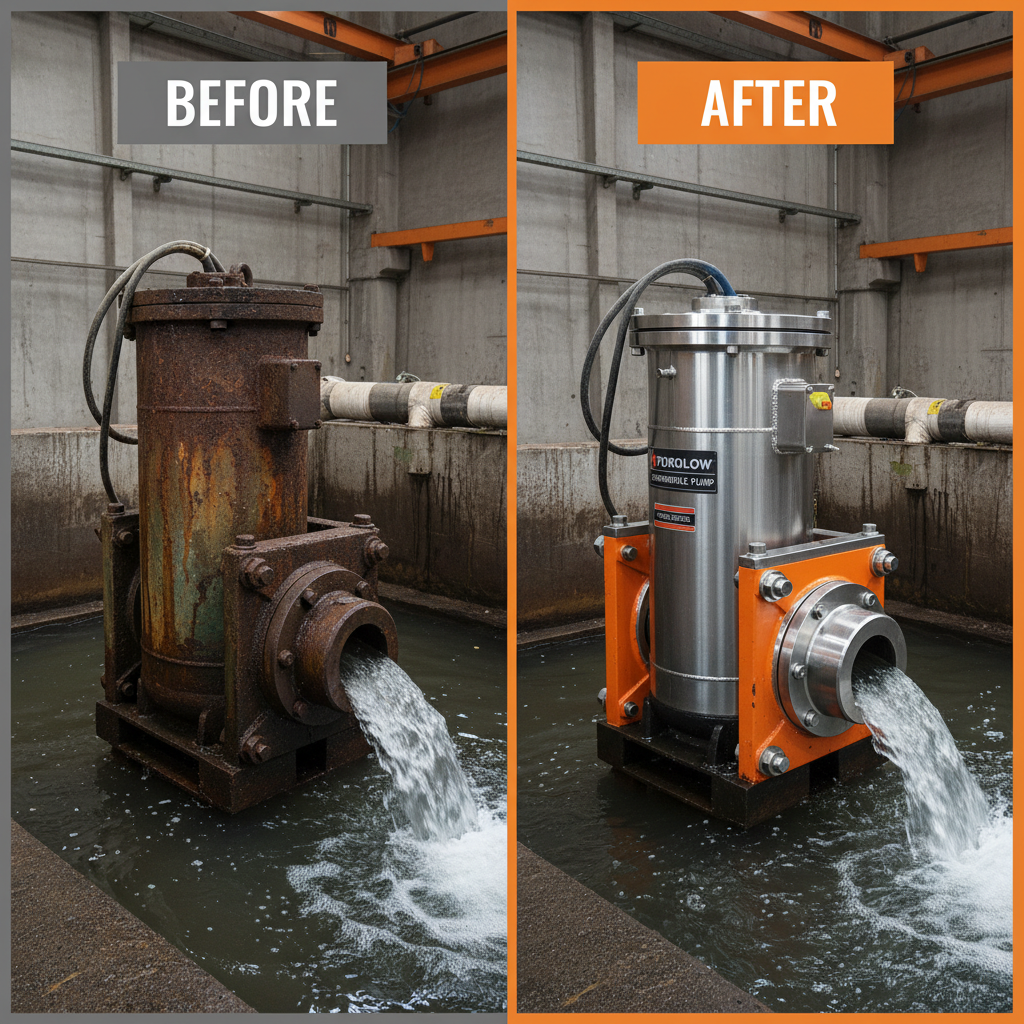 Understanding the Price Submersible Pump and Buyer GuideWhen searching for the ideal water management solution, understanding the price submersible pump options is crucial for balancing budget with performance. Whether you are dealing with a flooded basement, managing agricultural irrigation, or extracting water from a deep well, the cost of a submersible pump can vary significantly based on its build quality and capacity. Investing in a high-quality pump ensures long-term reliability and reduces the frequency of expensive replacements. In this guide, we will break down the factors that influence pricing and help you make an informed decision for your specific needs.Detail
 -
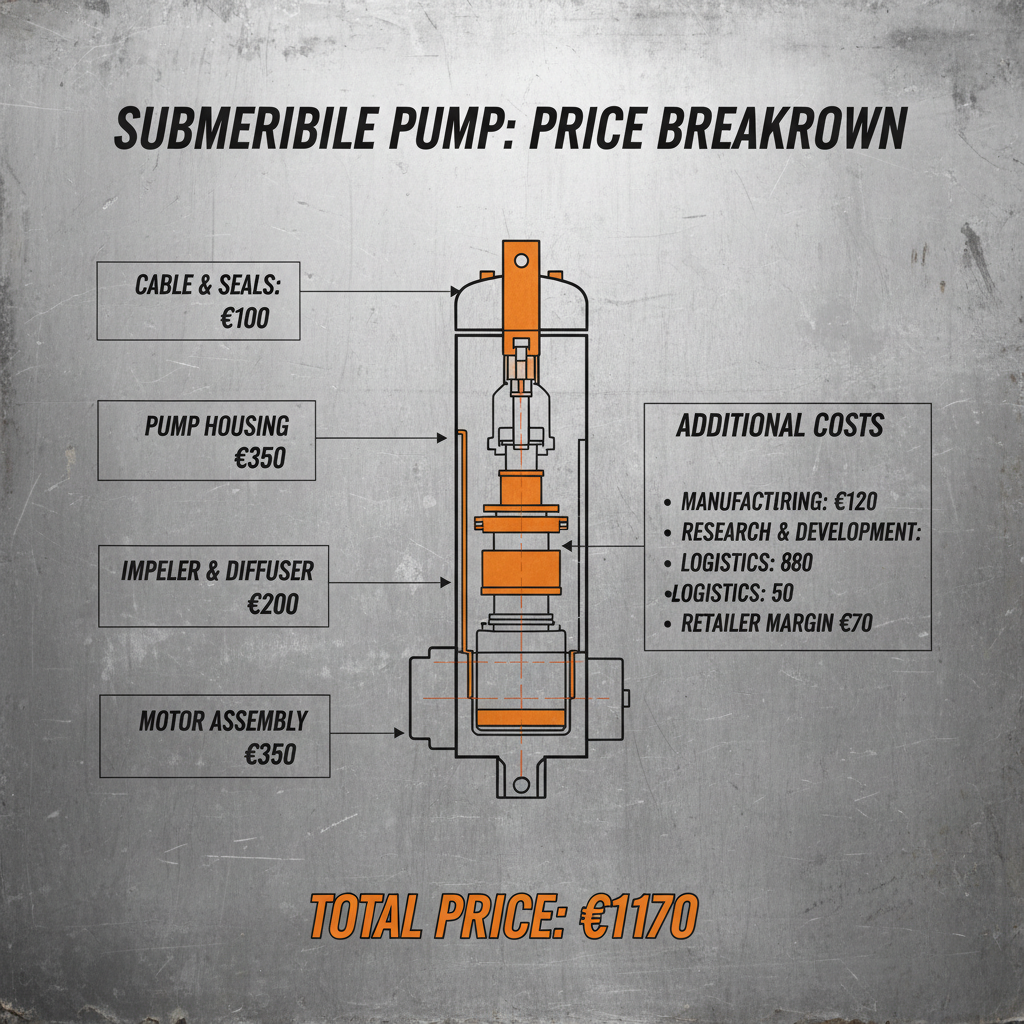 Factors Affecting the Price for Submersible Pump a Buyers GuideWhen investing in water management systems, understanding the price for submersible pump options is essential for balancing performance with budget. Whether you are managing a residential well, an industrial drainage project, or agricultural irrigation, the cost of a pump is rarely a flat fee; it is a reflection of the engineering, materials, and capacity required for your specific environment. In this guide, we will break down the factors that influence pricing and help you determine the best value for your investment to ensure long-term reliability and efficiency.Detail
 -
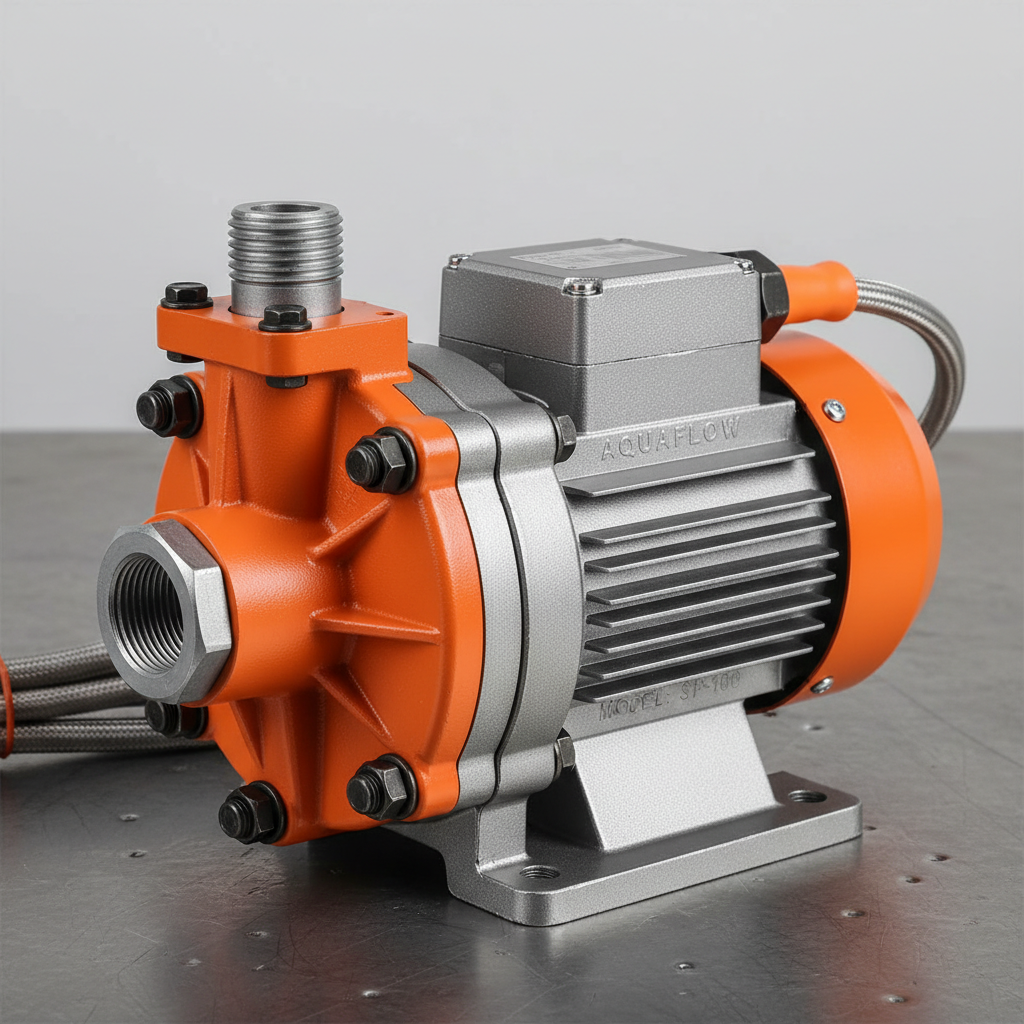 Choosing the Right Mini Submersible Fountain Pump for Optimal Water Feature PerformanceCreating a beautiful and relaxing water feature doesn't have to be complicated. A mini submersible fountain pump is the heart of any indoor or outdoor fountain, and selecting the right one is crucial for optimal performance and longevity. This article will guide you through the key considerations when choosing a mini submersible fountain pump, covering types, features, applications, and how to ensure you get the perfect pump for your project. We’ll also explore how Wellpumpact can provide you with the ideal solution.Detail
 Afrikaans
 Albanian
 Amharic
 Arabic
 Armenian
 Azerbaijani
 Basque
 Belarusian
 Bengali
 Bosnian
 Bulgarian
 Catalan
 Cebuano
 Corsican
 Croatian
 Czech
Czech
 Danish
 Dutch
Dutch
 Esperanto
 Estonian
 Finnish
 French
 Frisian
 Galician
 Georgian
 German
 Greek
Greek
 Gujarati
 Haitian Creole
 Hausa
Hausa
 Hawaiian
 Hebrew
 Hindi
Hindi
 Miao
Miao
 Hungarian
 Icelandic
 Igbo
Igbo
 Indonesian
 Irish
Irish
 Italian
 Japanese
 Javanese
 Kannada
 Kazakh
 Khmer
Khmer
 Rwandese
 Korean
 Kurdish
 Kyrgyz
 Lao
Lao
 Latin
Latin
 Latvian
 Lithuanian
 Luxembourgish
 Macedonian
 Malgashi
 Malay
Malay
 Malayalam
 Maltese
 Maori
Maori
 Marathi
 Mongolian
 Myanmar
 Nepali
 Norwegian
 Norwegian
 Occitan
 Pashto
 Persian
 Polish
 Portuguese
 Punjabi
 Romanian
 Russian
 Samoan
 Scottish Gaelic
 Serbian
 Sesotho
 Shona
Shona
 Sindhi
 Sinhala
 Slovak
 Slovenian
 Somali
 Spanish
 Sundanese
 Swahili
 Swedish
 Tagalog
 Tajik
Tajik
 Tamil
Tamil
 Tatar
Tatar
 Telugu
 Thai
Thai
 Turkish
 Turkmen
 Ukrainian
 Urdu
Urdu
 Uighur
 Uzbek
Uzbek
 Vietnamese
 Welsh
Welsh
 Bantu
Bantu
 Yiddish
 Yoruba
 Zulu
Zulu
 English