
Dec . 01, 2025 11:55 Back to list
Efficient and Durable 12 Volt Inline Water Pumps for Off-Grid Water Solutions
Discovering the Impact of 12 Volt Inline Water Pumps Globally
Water pumps might seem like everyday tools, quietly sending water from point A to B, but when you zoom out they become fundamental to many vital operations worldwide. Among these, the 12 volt inline water pump plays an increasingly important role—powerful yet compact, efficient yet flexible. In a world that struggles with resource access, climate challenges, and urgent infrastructure needs, understanding these pumps goes far beyond plumbing. They underpin solutions in humanitarian efforts, industry, and emerging green technologies.
Why does this matter? Because water is life, and the ability to move it reliably and simply from wells, tanks, or treatment units can determine the success of projects ranging from rural electrification to emergency disaster relief, to small business irrigation systems. Grasping the nuances of the 12 volt inline water pump isn’t just a technical matter—it’s about unlocking potential in fragile environments globally.
The Global Context: Why 12 Volt Inline Water Pumps Are Gaining Traction
Think about this: the World Bank estimates that around 2.2 billion people lack access to safely managed drinking water services. This challenge becomes even more acute in areas where grid power is unreliable or nonexistent. Enter the 12 volt inline water pump — a device that runs on low voltage DC supply, typically from batteries or solar panels, eliminating costly AC setups.
Whether for remote villages in Sub-Saharan Africa, floating fish farms in Southeast Asia, or disaster zones after hurricanes, these pumps solve a crucial problem: water transport without heavy infrastructure. With rising investments in renewable off-grid power, these pumps offer a sweet spot between energy efficiency and ease of deployment.
Oddly enough, their global relevance also intersects with industrial sectors—remote mining operations, agricultural irrigation, and small-scale manufacturing facilities often use these pumps due to portability and durability. The ongoing push for sustainability and decentralized water distribution is fueling demand worldwide.
What Exactly Is a 12 Volt Inline Water Pump?
Simply put, a 12 volt inline water pump is a compact, electrically driven pump designed to move liquids along a pipeline or hose, powered by a 12-volt DC source. “Inline” means the pump is installed directly in the flow path, creating minimal disruption and conserving space—ideal for tight setups.
From a practical perspective, these pumps usually feature a brush or brushless motor, sealed housings to prevent leaks, and self-priming capabilities. Because they run on 12 volts, they integrate easily with batteries, solar panels, marine systems, and even vehicle power outlets.
They bridge modern technology with emerging market needs; humanitarian agencies can rapidly deploy them for water supply in refugee camps, while farmers use them for drip irrigation using solar off-grid systems. It’s this blend of simplicity and adaptability that makes them valuable in today’s complex water management landscape.
Key Factors That Make 12 Volt Inline Water Pumps Tick
1. Durability
The environments these pumps operate in are rarely ideal—dust, heat, moisture, and rough handling are common. Manufacturers now emphasize rugged housing materials like ABS plastic or stainless steel to resist corrosion and wear.
2. Energy Efficiency
Running pumps from 12-volt power sources demands efficient motor designs to stretch battery life or maximize solar input. Brushless DC motors are favored for lower energy consumption and longer operational hours.
3. Flow Rate & Pressure
Depending on the task, different models offer flow rates from just a few liters per minute to over 30 L/min and pressures up to 50 PSI. Matching the right specs to use-case scenarios prevents overspending and system failures.
4. Scalability & Compatibility
Many pumps feature modular designs allowing easy integration with existing pipelines, reservoirs, or solar energy systems. Universal connectors and adapters broaden practical deployment.
5. Portability
Because field operations might require moving pumps frequently, lightweight designs under 2 kg with simple mounting solutions are valued.
Mini takeaway: The ideal 12 volt inline water pump balances durability, efficiency, and flexibility — delivering reliable service without fuss.
Worldwide Applications of 12 Volt Inline Water Pumps
These pumps show up surprisingly everywhere—from the backwoods of Latin America to bustling Asian fisheries.
- Disaster Relief: After floods or earthquakes, clean water is essential. Portable 12V pumps quickly restore water flow from storage tanks or rivers.
- Agriculture: Solar-powered drip irrigation systems in arid regions often rely on these pumps to conserve water and improve crop yields.
- Marine & RVs: Freshwater supply onboard boats or recreational vehicles depends on compact 12 volt pumps for showers, sinks, and toilets.
- Remote Industry: Mining sites or small manufacturing operations use them when grid power is unstable or absent.
- Solar Water Projects: NGOs working to bring sustainable water access integrate 12 volt pumps with photovoltaic panels for off-grid communities.
One example: in Nepal, remote villagers traditionally hauled water uphill—painful and slow. NGOs introduced solar-pump systems with inline 12V pumps, dramatically reducing daily labor and improving sanitation.
Advantages and Long-Term Value
Why commit to this technology? The benefits stack up nicely:
- Cost-Effective: Lower upfront costs and minimal power requirements compared to large AC pumps.
- Environmentally Friendly: Integration with solar means zero emissions during operation.
- Reliability: Low maintenance and simple swapping of components reduce downtime.
- Social Impact: Enhances community health by ensuring dependable water supply, giving people dignity and security.
Frankly, knowing a family can drink clean water because a tiny pump quietly hums powered by sunlight—it feels like a small miracle of engineering meeting real human needs.
Specifications: Typical 12 Volt Inline Water Pump Models
| Feature | Model A | Model B | Model C |
|---|---|---|---|
| Voltage | 12V DC | 12V DC | 12V DC |
| Flow Rate | 8 L/min | 15 L/min | 30 L/min |
| Max Pressure | 35 PSI | 40 PSI | 50 PSI |
| Weight | 850 g | 1.2 kg | 1.8 kg |
| Material | ABS Plastic | Stainless Steel | Stainless Steel |
How Leading Vendors Stack Up
| Vendor | Product Range | Customer Support | Price Range | Sustainability Initiatives |
|---|---|---|---|---|
| PumpTech Solutions | Wide (5-30 L/min) | 24/7 hotline & onsite | $$$ | Eco-friendly materials |
| AquaFlow Co. | Mid-range (10-20 L/min) | Email & FAQ | $$ | Solar integration focus |
| EcoPump Ltd. | Niche (5-15 L/min) | Dedicated reps | $ | Recycled components |
Looking Ahead: Innovations Shaping the Future of 12 Volt Inline Water Pumps
It’s interesting to watch how the industry is evolving. Integration with IoT sensors for real-time monitoring is becoming more mainstream, allowing operators to check flow rates, pressure, and energy use remotely—especially useful in disaster zones.
Material science advances also promise longer-lasting pumps that are lighter yet tougher. Some new designs incorporate biodegradable plastics or fully recyclable materials, tackling waste concerns linked to widespread deployment.
Plus, I keep hearing about smart solar-powered water systems with automated control valves, pushing these pumps into fully autonomous roles in irrigation and water delivery.
Facing Challenges Head-On
No tech is perfect, of course. For 12 volt inline water pumps, common issues include overheating in continuous use, limited pressure for large installations, and vulnerability to dry running without sensors.
But clever solutions —like built-in thermal cutoffs, improved internal seals, and integration of low-cost electronics—help mitigate these drawbacks. Also, user education on proper setup remains vital; some failures stem from poor installation rather than product flaws.
FAQ: Your Practical Questions About 12 Volt Inline Water Pumps
Q1: Can a 12 volt inline water pump run continuously without damage?
A: Most pumps handle intermittent use best. Continuous running may cause overheating unless the pump is specifically designed with thermal protection. Always check manufacturer guidelines for maximum duty cycles.
Q2: How do I know which flow rate to choose?
A: Estimate your water volume needs per minute based on application—irrigation, household, or industrial—and select a pump with a slightly higher capacity to avoid overload. Don’t forget to factor pipe length and elevation changes.
Q3: Are 12 volt inline pumps compatible with solar power systems?
A: Yes, these pumps are ideal for solar setups thanks to their low voltage requirements. Pair with a suitable solar panel and battery storage to create an efficient off-grid pumping system.
Q4: What maintenance does a 12 volt inline water pump require?
A: Regular checks for leaks, cleaning filters, and avoiding dry run can prolong life. Occasionally inspect electrical connections and clean impellers if accessible.
Q5: Can these pumps handle dirty or saline water?
A: Most standard inline pumps are designed for clean water. For dirty or saline applications, specialized corrosion-resistant or abrasion-resistant models are necessary to prevent damage.
Wrapping It Up: The Long-Term Promise of 12 Volt Inline Water Pumps
In the grand scheme, a small device like a 12 volt inline water pump is quietly revolutionizing how water gets around the globe—cutting costs, enabling green energy solutions, and bringing dignity to those who need water most. As the technology advances and adoption widens, I’d say they’re worth keeping a close eye on.
If you want to explore pumps that deliver reliability and sustainability with every drop, visiting our page on the 12 volt inline water pump is a great place to start.
References:
-
Understanding the Price Submersible Pump and Buyer Guide
NewsApr.16,2026
-
Factors Affecting the Price for Submersible Pump a Buyers Guide
NewsApr.09,2026
-
Choosing the Right Mini Submersible Fountain Pump for Optimal Water Feature Performance
NewsApr.07,2026
-
A Detailed Guide to Installing a Submersible Pump for Optimal Performance
NewsApr.04,2026
-
Comprehensive Guide on How to Test a Submersible Water Well Pump Effectively
NewsMar.31,2026
-
Learn How to Replace a Submersible Well Pump Safely and Effectively
NewsMar.28,2026
-
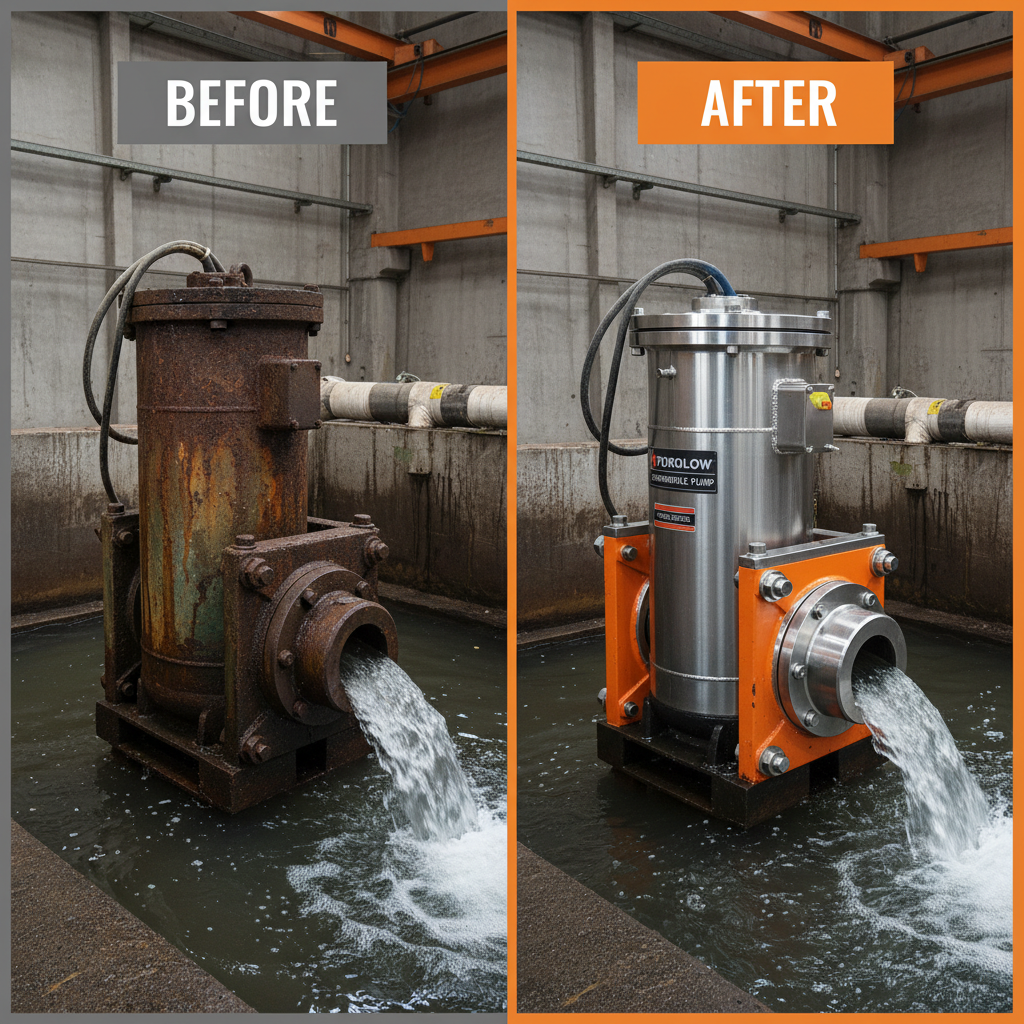 Understanding the Price Submersible Pump and Buyer GuideWhen searching for the ideal water management solution, understanding the price submersible pump options is crucial for balancing budget with performance. Whether you are dealing with a flooded basement, managing agricultural irrigation, or extracting water from a deep well, the cost of a submersible pump can vary significantly based on its build quality and capacity. Investing in a high-quality pump ensures long-term reliability and reduces the frequency of expensive replacements. In this guide, we will break down the factors that influence pricing and help you make an informed decision for your specific needs.Detail
 -
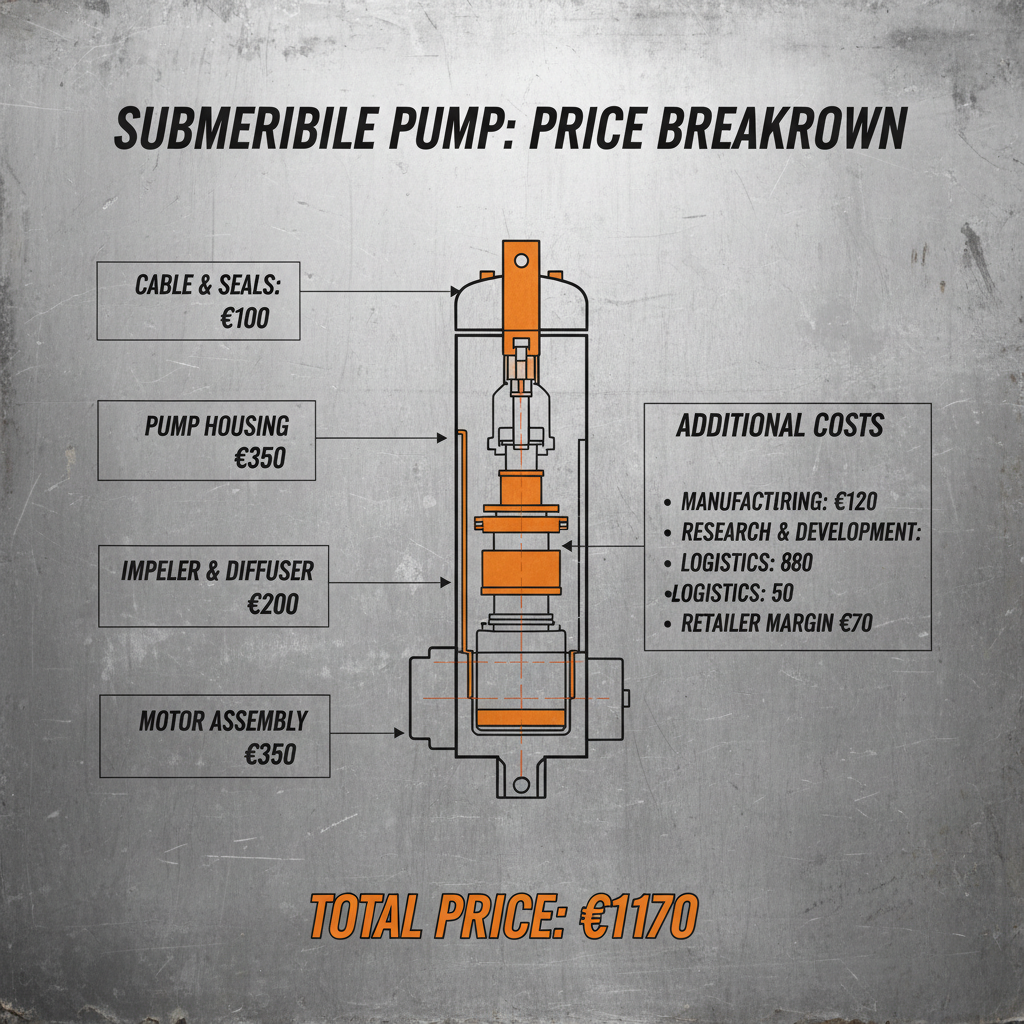 Factors Affecting the Price for Submersible Pump a Buyers GuideWhen investing in water management systems, understanding the price for submersible pump options is essential for balancing performance with budget. Whether you are managing a residential well, an industrial drainage project, or agricultural irrigation, the cost of a pump is rarely a flat fee; it is a reflection of the engineering, materials, and capacity required for your specific environment. In this guide, we will break down the factors that influence pricing and help you determine the best value for your investment to ensure long-term reliability and efficiency.Detail
 -
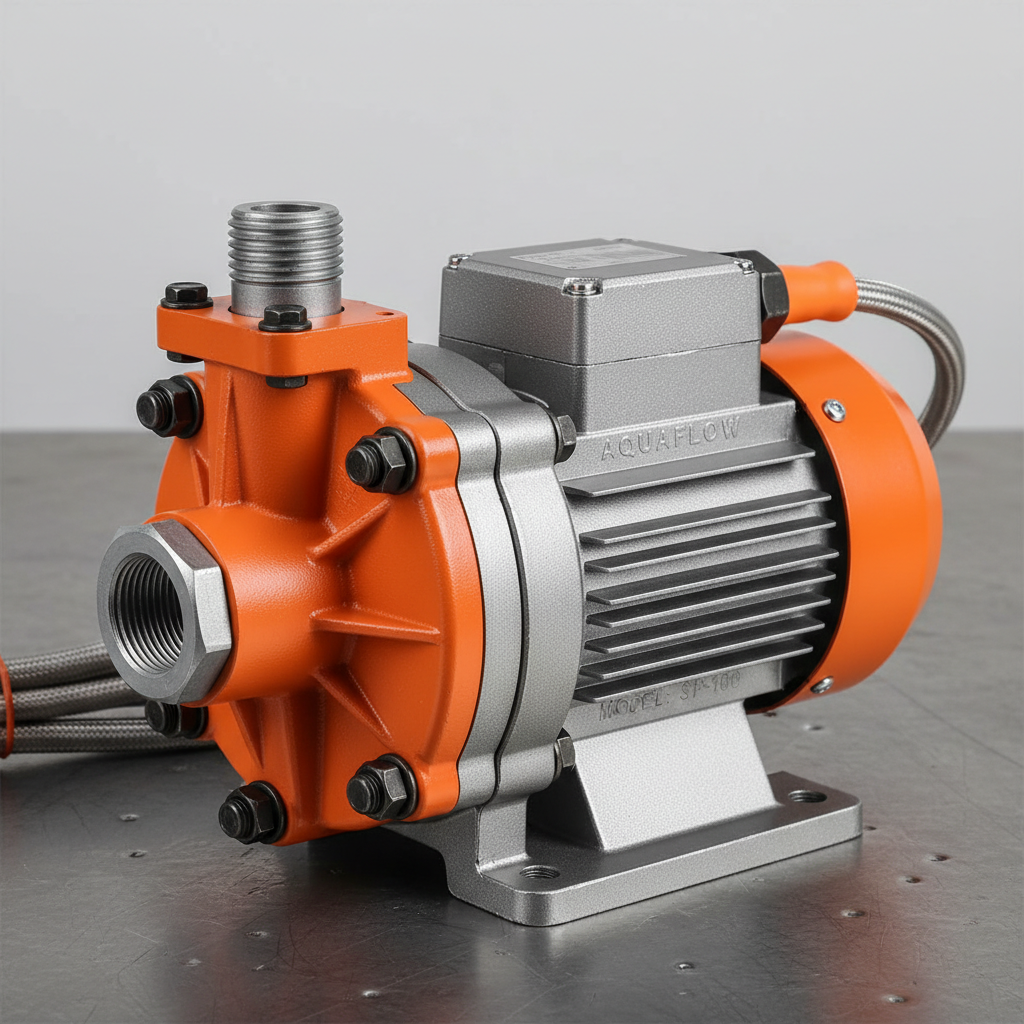 Choosing the Right Mini Submersible Fountain Pump for Optimal Water Feature PerformanceCreating a beautiful and relaxing water feature doesn't have to be complicated. A mini submersible fountain pump is the heart of any indoor or outdoor fountain, and selecting the right one is crucial for optimal performance and longevity. This article will guide you through the key considerations when choosing a mini submersible fountain pump, covering types, features, applications, and how to ensure you get the perfect pump for your project. We’ll also explore how Wellpumpact can provide you with the ideal solution.Detail
 Afrikaans
 Albanian
 Amharic
 Arabic
 Armenian
 Azerbaijani
 Basque
 Belarusian
 Bengali
 Bosnian
 Bulgarian
 Catalan
 Cebuano
 Corsican
 Croatian
 Czech
Czech
 Danish
 Dutch
Dutch
 Esperanto
 Estonian
 Finnish
 French
 Frisian
 Galician
 Georgian
 German
 Greek
Greek
 Gujarati
 Haitian Creole
 Hausa
Hausa
 Hawaiian
 Hebrew
 Hindi
Hindi
 Miao
Miao
 Hungarian
 Icelandic
 Igbo
Igbo
 Indonesian
 Irish
Irish
 Italian
 Japanese
 Javanese
 Kannada
 Kazakh
 Khmer
Khmer
 Rwandese
 Korean
 Kurdish
 Kyrgyz
 Lao
Lao
 Latin
Latin
 Latvian
 Lithuanian
 Luxembourgish
 Macedonian
 Malgashi
 Malay
Malay
 Malayalam
 Maltese
 Maori
Maori
 Marathi
 Mongolian
 Myanmar
 Nepali
 Norwegian
 Norwegian
 Occitan
 Pashto
 Persian
 Polish
 Portuguese
 Punjabi
 Romanian
 Russian
 Samoan
 Scottish Gaelic
 Serbian
 Sesotho
 Shona
Shona
 Sindhi
 Sinhala
 Slovak
 Slovenian
 Somali
 Spanish
 Sundanese
 Swahili
 Swedish
 Tagalog
 Tajik
Tajik
 Tamil
Tamil
 Tatar
Tatar
 Telugu
 Thai
Thai
 Turkish
 Turkmen
 Ukrainian
 Urdu
Urdu
 Uighur
 Uzbek
Uzbek
 Vietnamese
 Welsh
Welsh
 Bantu
Bantu
 Yiddish
 Yoruba
 Zulu
Zulu
 English