
Dec . 13, 2025 06:45 Back to list
Essential Guide to Reliable Submersible Pump Installation
Expert Tips on Submersible Pump Installation: What I’ve Learned Over the Years
Having spent over a decade in the industrial equipment sector, specifically with a focus on water management systems, I’ve handled my fair share of submersible pump installations. Honestly, these jobs are a bit of an art and a science combined. A submersible pump installation can really make or break a system’s reliability if it’s off by even a smidge.
You might assume—it’s just lowering a pump into a well or sump and plugging it in, right? I’ve been there myself. But after years of beating out design kinks and troubleshooting on-site, I realized there’s a lot more beneath the surface. From material choices to precise placement, installation can directly affect efficiency, motor longevity, and even energy consumption.
Key Considerations When Installing a Submersible Pump
One thing I often remind the newer engineers on my team is how critical it is to understand the pump’s specifications before you begin. For instance, pay close attention to the maximum depth rating and head capacity—the number of feet the pump can lift water vertically. Installing it deeper than recommended can cause overheating or cavitation, which leads to premature failure...
Material compatibility matters too. Most modern submersible pumps use stainless steel shafts and high-grade thermoplastics to withstand the corrosive environment under water. Oddly enough, some cheaper pumps still slip through with cast iron parts that rust faster than you’d imagine, especially in briny or sandy water. That’s a quick recipe for downtime and repair calls.
| Specification | Details |
|---|---|
| Motor Power | 1 to 10 HP |
| Max Depth | Up to 300 feet |
| Material | Stainless steel shaft, thermoplastic housing |
| Flow Rate | Up to 500 GPM (gallons per minute) |
| Voltage | 230V or 460V (3-phase) |
I recall one project where we installed a three-phase submersible pump for a municipal water well. The client wanted a pump with a higher flow rate than typical, and initially, we went with a cheaper model to keep costs down. Fast forward six months, and the pump started showing signs of motor wear due to vibration issues, which frankly could’ve been avoided by carefully matching the pump specs to the system’s unique hydraulic conditions.
Comparing Popular Submersible Pump Vendors
When it comes to vendors, your choice often hinges on the balance between cost, quality, and support. Here’s a quick look at three vendors I’ve frequently worked with:
| Vendor | Price Range | Build Quality | Warranty | Customer Service |
|---|---|---|---|---|
| AquaFlow | $$$ | High (stainless & reinforced plastics) | 5 years | Responsive & knowledgeable |
| PumpRight | $$ | Moderate (some steel components) | 3 years | Good, but slower response |
| WellPumpAct | $$$ | Very high (marine-grade materials) | 7 years | Excellent, on-site support options |
I suppose it’s fair to say that investing a little more up front generally saves headaches down the line. Frankly, I noticed that pumps from WellPumpAct hold up better under harsh conditions—especially in applications with heavy sediment or mineral content. If reliability counts, that’s a big advantage.
Another tip worth sharing: always test the pump installation thoroughly with dry runs and under load before calling the job done. Double-check the electrical connections and cable lubrication to prevent issues you won’t notice until months later. It feels a bit like babysitting the pump until you’re confident it’s comfortable underwater.
For those new to the topic, here’s a simple reality: submersible pumps, when installed properly, are marvelous workhorses. They quietly do their job submerged for years, but a sloppy install can cut that service life drastically. It’s sort of a “measure twice, install once” industry mantra.
And if you want to learn more about the specifics or consider quality options, check out WellPumpAct —they’ve become a go-to source in my experience for reliable pumps and thoughtful support.
All in all, good design, quality materials, and careful installation are your best friends. Treat your submersible pump right, and it’ll return the favor for years to come.
- Industry standards for submersible pump materials – API & ISO references
- Case studies on pump failures due to improper installation – technical journal, 2019
- User reviews from major industrial suppliers and manufacturers
-
Understanding the Price Submersible Pump and Buyer Guide
NewsApr.16,2026
-
Factors Affecting the Price for Submersible Pump a Buyers Guide
NewsApr.09,2026
-
Choosing the Right Mini Submersible Fountain Pump for Optimal Water Feature Performance
NewsApr.07,2026
-
A Detailed Guide to Installing a Submersible Pump for Optimal Performance
NewsApr.04,2026
-
Comprehensive Guide on How to Test a Submersible Water Well Pump Effectively
NewsMar.31,2026
-
Learn How to Replace a Submersible Well Pump Safely and Effectively
NewsMar.28,2026
-
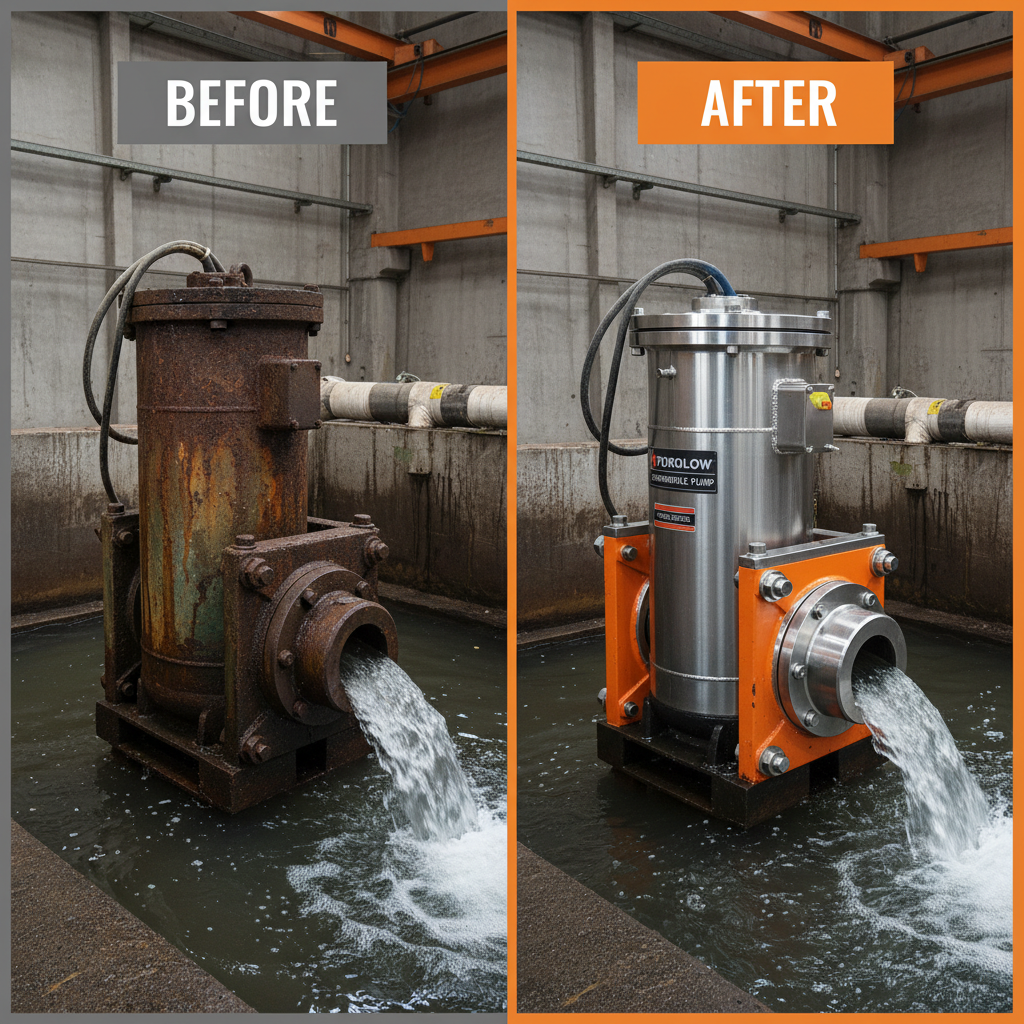 Understanding the Price Submersible Pump and Buyer GuideWhen searching for the ideal water management solution, understanding the price submersible pump options is crucial for balancing budget with performance. Whether you are dealing with a flooded basement, managing agricultural irrigation, or extracting water from a deep well, the cost of a submersible pump can vary significantly based on its build quality and capacity. Investing in a high-quality pump ensures long-term reliability and reduces the frequency of expensive replacements. In this guide, we will break down the factors that influence pricing and help you make an informed decision for your specific needs.Detail
 -
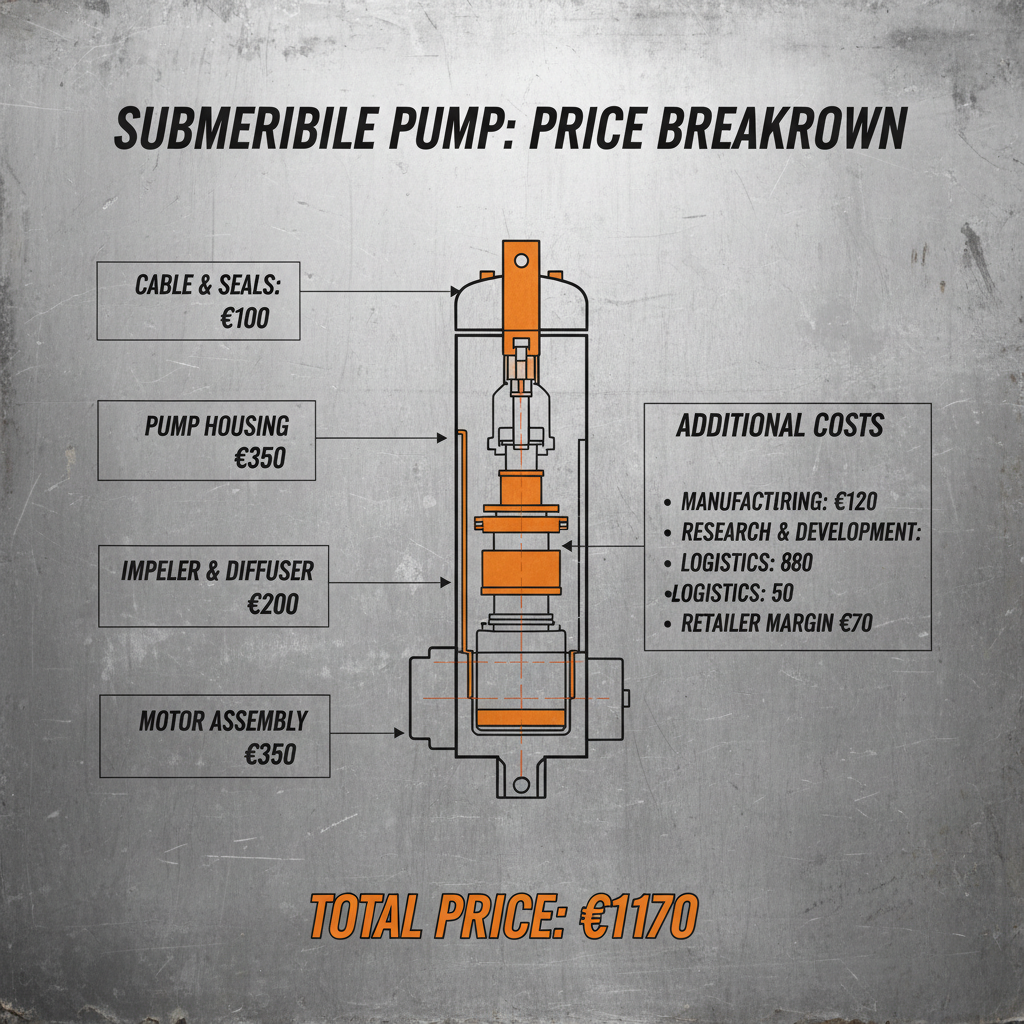 Factors Affecting the Price for Submersible Pump a Buyers GuideWhen investing in water management systems, understanding the price for submersible pump options is essential for balancing performance with budget. Whether you are managing a residential well, an industrial drainage project, or agricultural irrigation, the cost of a pump is rarely a flat fee; it is a reflection of the engineering, materials, and capacity required for your specific environment. In this guide, we will break down the factors that influence pricing and help you determine the best value for your investment to ensure long-term reliability and efficiency.Detail
 -
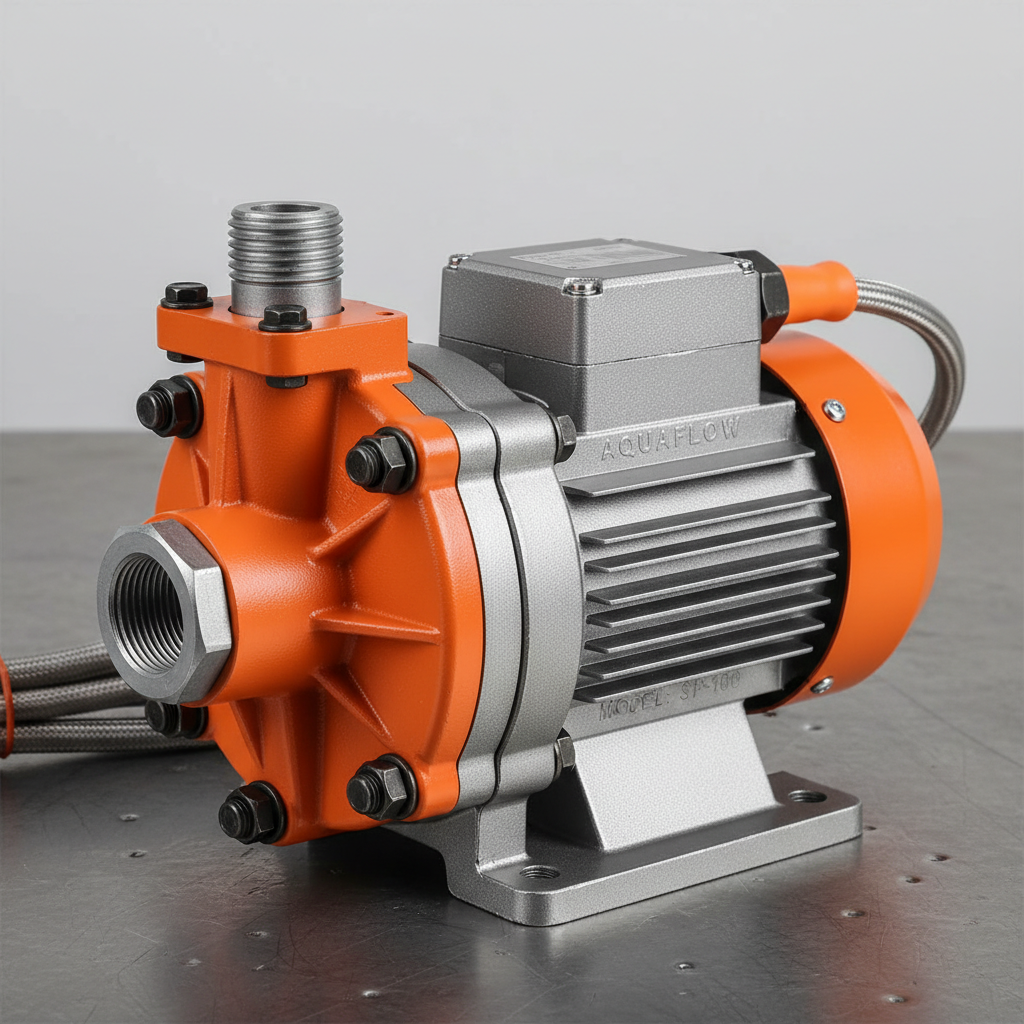 Choosing the Right Mini Submersible Fountain Pump for Optimal Water Feature PerformanceCreating a beautiful and relaxing water feature doesn't have to be complicated. A mini submersible fountain pump is the heart of any indoor or outdoor fountain, and selecting the right one is crucial for optimal performance and longevity. This article will guide you through the key considerations when choosing a mini submersible fountain pump, covering types, features, applications, and how to ensure you get the perfect pump for your project. We’ll also explore how Wellpumpact can provide you with the ideal solution.Detail
 Afrikaans
 Albanian
 Amharic
 Arabic
 Armenian
 Azerbaijani
 Basque
 Belarusian
 Bengali
 Bosnian
 Bulgarian
 Catalan
 Cebuano
 Corsican
 Croatian
 Czech
Czech
 Danish
 Dutch
Dutch
 Esperanto
 Estonian
 Finnish
 French
 Frisian
 Galician
 Georgian
 German
 Greek
Greek
 Gujarati
 Haitian Creole
 Hausa
Hausa
 Hawaiian
 Hebrew
 Hindi
Hindi
 Miao
Miao
 Hungarian
 Icelandic
 Igbo
Igbo
 Indonesian
 Irish
Irish
 Italian
 Japanese
 Javanese
 Kannada
 Kazakh
 Khmer
Khmer
 Rwandese
 Korean
 Kurdish
 Kyrgyz
 Lao
Lao
 Latin
Latin
 Latvian
 Lithuanian
 Luxembourgish
 Macedonian
 Malgashi
 Malay
Malay
 Malayalam
 Maltese
 Maori
Maori
 Marathi
 Mongolian
 Myanmar
 Nepali
 Norwegian
 Norwegian
 Occitan
 Pashto
 Persian
 Polish
 Portuguese
 Punjabi
 Romanian
 Russian
 Samoan
 Scottish Gaelic
 Serbian
 Sesotho
 Shona
Shona
 Sindhi
 Sinhala
 Slovak
 Slovenian
 Somali
 Spanish
 Sundanese
 Swahili
 Swedish
 Tagalog
 Tajik
Tajik
 Tamil
Tamil
 Tatar
Tatar
 Telugu
 Thai
Thai
 Turkish
 Turkmen
 Ukrainian
 Urdu
Urdu
 Uighur
 Uzbek
Uzbek
 Vietnamese
 Welsh
Welsh
 Bantu
Bantu
 Yiddish
 Yoruba
 Zulu
Zulu
 English