
Dec . 13, 2025 00:40 Back to list
Reliable Submersible Pump Float Choices for Industrial Use
Understanding the submersible pump float: What you need to know
Having worked in industrial equipment for quite a while now, I’ve come to appreciate the small but mighty components that keep operations running smoothly. One such piece is the submersible pump float. It’s unassuming but indispensable for controlling pump operation – ensuring your system won’t run dry or flood unexpectedly.
Think of the float switch as the sensor that keeps an eye on your liquid level. When the water (or other fluid) rises or falls to set points, the float triggers the pump on or off. Simple idea, but executing it right takes solid design and quality materials. I suppose in the field, the reliability of these floats is what really matters most — they can’t fail when you most need them.
By the way, you’ll often find these floats in well pumps, sewage systems, and other industrial liquid transfer setups. You could say they’re the unsung heroes behind the scenes.
Design, materials, and the tests that count
From my experience, the best submersible pump floats are crafted with durable materials like polypropylene or stainless steel. Polypropylene feels like the industry favorite because it’s resistant to corrosion, lightweight, and handles a wide range of temperatures. Stainless steel floats add extra robustness but might be overkill for some setups.
Oddly enough, the quality control often involves submersion and cycling tests that simulate years of operation within days. I remember visiting a production line where they ran 10,000 on/off cycles in a matter of hours — all to make sure the float switch won’t stick or fail prematurely.
In real terms, this kind of testing translates to less downtime and fewer unexpected maintenance calls at the plant.
Why choose a submersible pump float?
Aside from reliability, ease of installation and maintenance are huge pluses. The floats usually come pre-wired with long cables, enabling customization of activation points. I once helped a client who needed a very specific cut-off point for a tricky tank configuration — the supplier adjusted the cable length without fuss, which was a lifesaver.
Plus, many engineers I know value floats that are explosion-proof or sealed against harsh chemicals, depending on the industrial environment. Not every float switch makes the cut — so it's wise to choose a model suited specifically to your application.
| Specification | Details |
|---|---|
| Operating Voltage | 110-240 V AC / 12-48 V DC |
| Max Current | 10 A |
| Cable Length | 3 m (customizable) |
| Material | Polypropylene or Stainless Steel |
| Operating Temperature | -15°C to 80°C |
| Protection Rating | IP68 (Waterproof) |
Quick vendor comparison
| Vendor | Material Options | Custom Cable Length | Explosion Proof | Price Range |
|---|---|---|---|---|
| WellPumpAct | Polypropylene, Stainless Steel | Yes | No | $$ |
| AquaFloat Co. | Polypropylene | Limited | Yes | $$$ |
| IndustrialFloats Ltd. | Stainless Steel | Yes | Yes | $$$$ |
In closing, the choice of a submersible pump float really boils down to matching performance with your environment and budget. I’ve found that investing a bit more upfront—especially for proven durability and solid customer support—spares you headaches later.
One final point: always ensure proper testing and routine checks once your float switch is installed. Even the best can wear out, so a preventative mindset saves costly downtime in the long run.
That’s my two cents, learned the hard way after more than a decade in the game.
References:
1. Manufacturer datasheets and user guides from WellPumpAct
2. Industry publication: Fluid Control Journal, Vol. 18, 2023
3. Personal site visits and product evaluations, 2015–2023
-
Understanding the Price Submersible Pump and Buyer Guide
NewsApr.16,2026
-
Factors Affecting the Price for Submersible Pump a Buyers Guide
NewsApr.09,2026
-
Choosing the Right Mini Submersible Fountain Pump for Optimal Water Feature Performance
NewsApr.07,2026
-
A Detailed Guide to Installing a Submersible Pump for Optimal Performance
NewsApr.04,2026
-
Comprehensive Guide on How to Test a Submersible Water Well Pump Effectively
NewsMar.31,2026
-
Learn How to Replace a Submersible Well Pump Safely and Effectively
NewsMar.28,2026
-
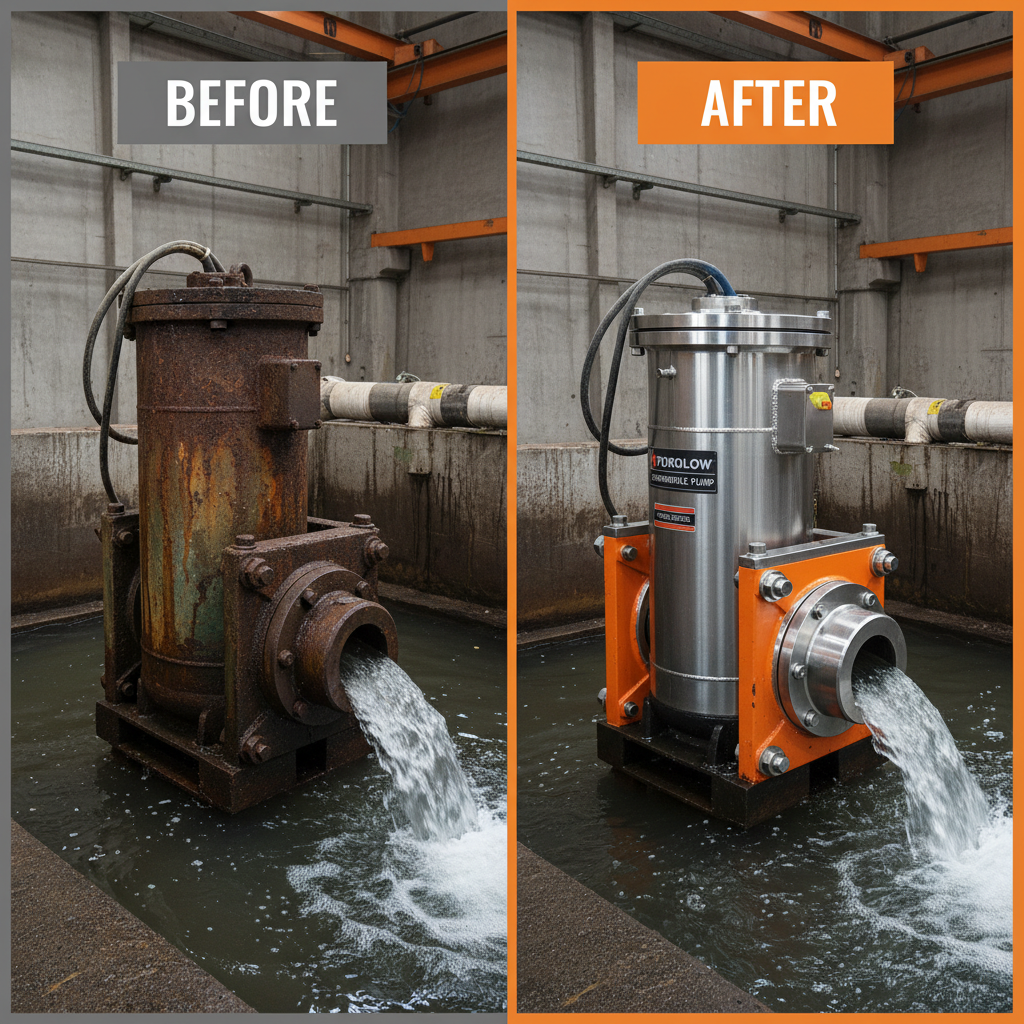 Understanding the Price Submersible Pump and Buyer GuideWhen searching for the ideal water management solution, understanding the price submersible pump options is crucial for balancing budget with performance. Whether you are dealing with a flooded basement, managing agricultural irrigation, or extracting water from a deep well, the cost of a submersible pump can vary significantly based on its build quality and capacity. Investing in a high-quality pump ensures long-term reliability and reduces the frequency of expensive replacements. In this guide, we will break down the factors that influence pricing and help you make an informed decision for your specific needs.Detail
 -
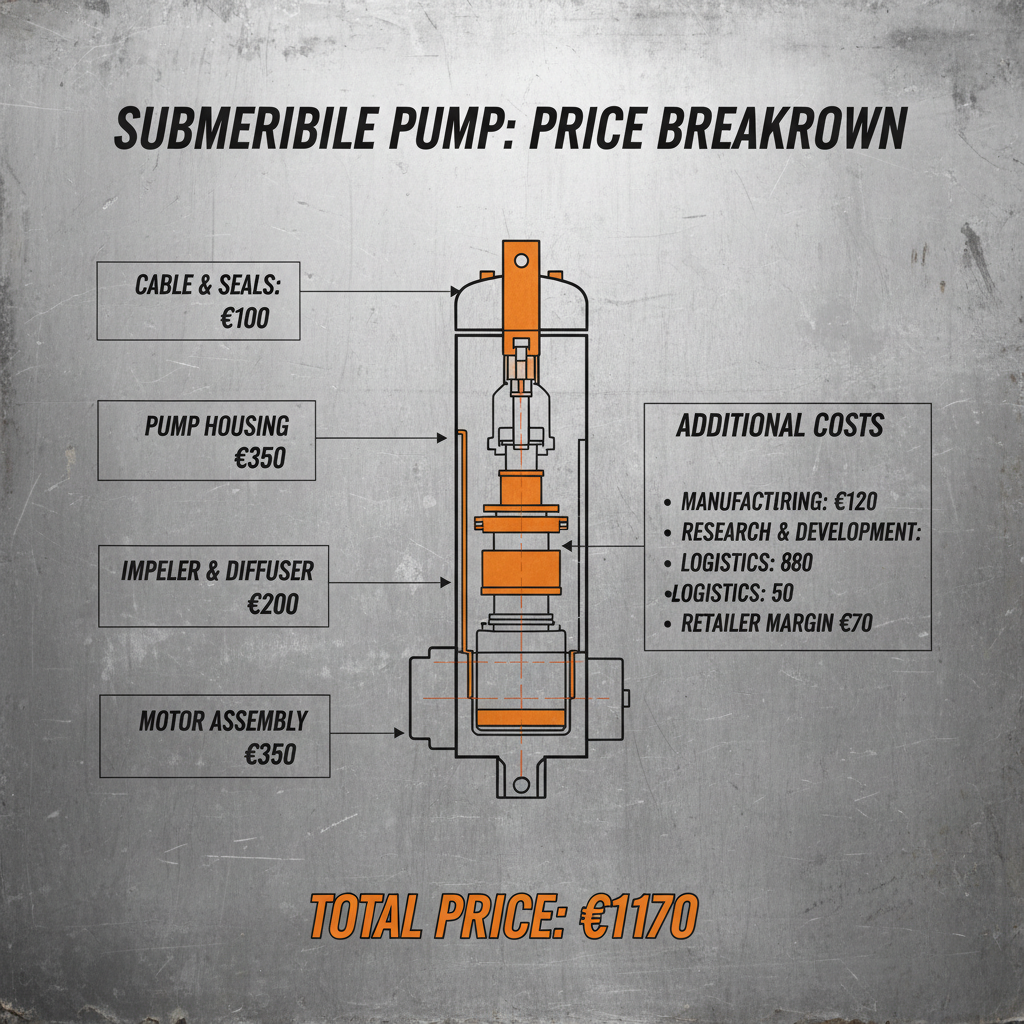 Factors Affecting the Price for Submersible Pump a Buyers GuideWhen investing in water management systems, understanding the price for submersible pump options is essential for balancing performance with budget. Whether you are managing a residential well, an industrial drainage project, or agricultural irrigation, the cost of a pump is rarely a flat fee; it is a reflection of the engineering, materials, and capacity required for your specific environment. In this guide, we will break down the factors that influence pricing and help you determine the best value for your investment to ensure long-term reliability and efficiency.Detail
 -
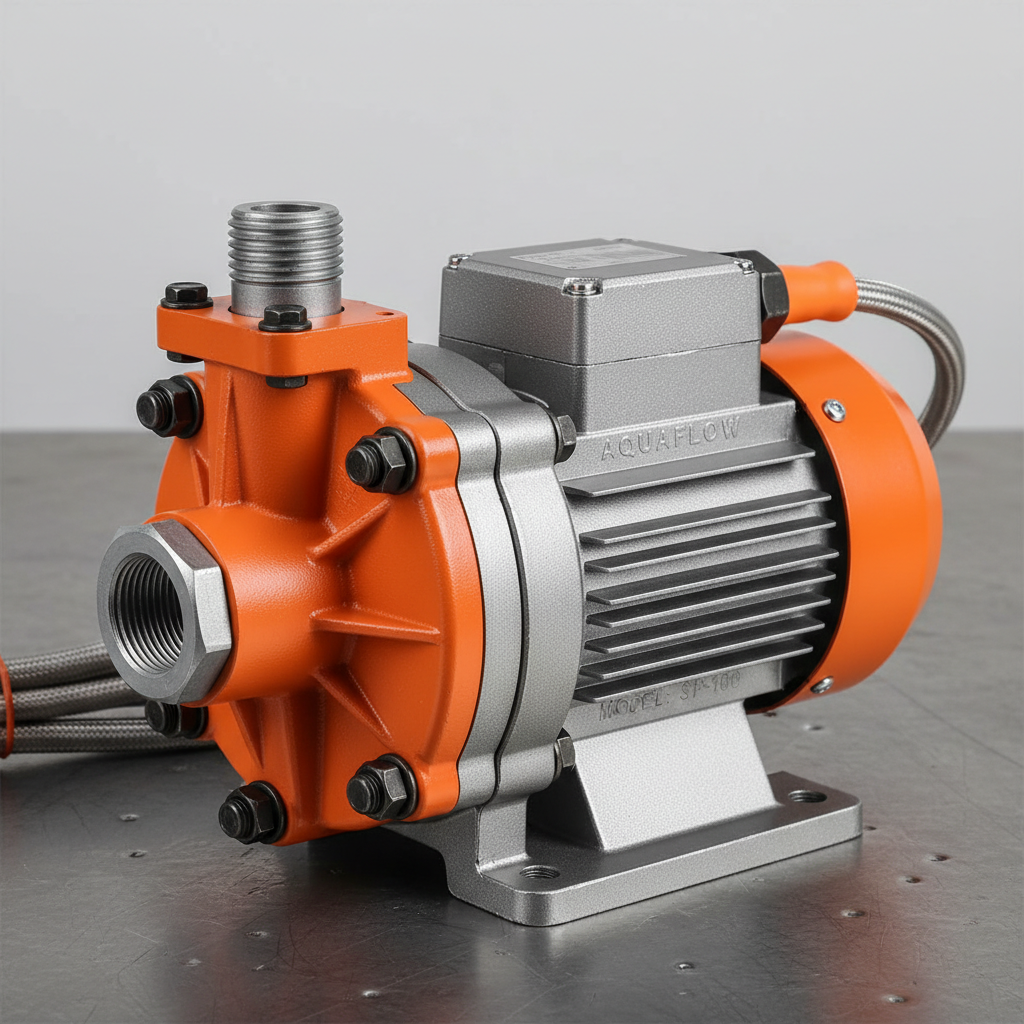 Choosing the Right Mini Submersible Fountain Pump for Optimal Water Feature PerformanceCreating a beautiful and relaxing water feature doesn't have to be complicated. A mini submersible fountain pump is the heart of any indoor or outdoor fountain, and selecting the right one is crucial for optimal performance and longevity. This article will guide you through the key considerations when choosing a mini submersible fountain pump, covering types, features, applications, and how to ensure you get the perfect pump for your project. We’ll also explore how Wellpumpact can provide you with the ideal solution.Detail
 Afrikaans
 Albanian
 Amharic
 Arabic
 Armenian
 Azerbaijani
 Basque
 Belarusian
 Bengali
 Bosnian
 Bulgarian
 Catalan
 Cebuano
 Corsican
 Croatian
 Czech
Czech
 Danish
 Dutch
Dutch
 Esperanto
 Estonian
 Finnish
 French
 Frisian
 Galician
 Georgian
 German
 Greek
Greek
 Gujarati
 Haitian Creole
 Hausa
Hausa
 Hawaiian
 Hebrew
 Hindi
Hindi
 Miao
Miao
 Hungarian
 Icelandic
 Igbo
Igbo
 Indonesian
 Irish
Irish
 Italian
 Japanese
 Javanese
 Kannada
 Kazakh
 Khmer
Khmer
 Rwandese
 Korean
 Kurdish
 Kyrgyz
 Lao
Lao
 Latin
Latin
 Latvian
 Lithuanian
 Luxembourgish
 Macedonian
 Malgashi
 Malay
Malay
 Malayalam
 Maltese
 Maori
Maori
 Marathi
 Mongolian
 Myanmar
 Nepali
 Norwegian
 Norwegian
 Occitan
 Pashto
 Persian
 Polish
 Portuguese
 Punjabi
 Romanian
 Russian
 Samoan
 Scottish Gaelic
 Serbian
 Sesotho
 Shona
Shona
 Sindhi
 Sinhala
 Slovak
 Slovenian
 Somali
 Spanish
 Sundanese
 Swahili
 Swedish
 Tagalog
 Tajik
Tajik
 Tamil
Tamil
 Tatar
Tatar
 Telugu
 Thai
Thai
 Turkish
 Turkmen
 Ukrainian
 Urdu
Urdu
 Uighur
 Uzbek
Uzbek
 Vietnamese
 Welsh
Welsh
 Bantu
Bantu
 Yiddish
 Yoruba
 Zulu
Zulu
 English