
Dec . 13, 2025 03:45 Back to list
Reliable Submersible Pump Float Switch: Key Specs & Vendor Insights
Understanding the Submersible Pump Float Switch: A Vital Component
Having spent a good chunk of my career knee-deep in the industrial equipment sector, I've come to appreciate the sometimes overlooked but absolutely essential role of the submersible pump float switch. Oddly enough, these little devices quietly keep everything running smoothly underground or underwater, controlling when pumps kick on and off without much fuss.
You might wonder, why is a float switch so crucial? Well, think of it as a watchful guardian of your pump—monitoring liquid levels and ensuring the pump doesn’t dry run or overflow areas unnecessarily. In real terms, skipping a reliable float switch can lead to hefty equipment damage or operational downtime, which frankly no industrial manager wants on their hands.
What Makes a Good Submersible Pump Float Switch?
One of the key aspects I've noticed while working on various sites across different industries is how variable the design and materials of float switches can be. Many engineers swear by heavy-duty polypropylene or stainless steel floats due to their corrosion resistance—especially when pumps handle aggressive or dirty fluids. Naturally, the durability of these components matters. You don’t want a float switch cracking or getting stuck because it "couldn’t keep up."
Another critical feature is the type of switching mechanism within. Reed switches sealed in glass tubes often surface in the more affordable models, offering decent reliability. Magnetic sensors and micro-switches are also common in higher-end units, favored for their precision and lifespan. Installation flexibility matters too—some float switches excel in vertical setups, others in tethered or guided configurations.
If you’ve ever dealt with custom pump control panels, you know how important compatibility and customization options are. Luckily, many manufacturers offer switches with adjustable cable lengths or different activation angles, which can be a lifesaver depending on your site’s geometry.
| Specification | Typical Values |
|---|---|
| Float Material | Polypropylene or Stainless Steel |
| Switch Type | Reed or micro-switch with magnetic sensor |
| Cable Length | 5 – 15 meters (customizable) |
| Operating Temperature | -10°C to 80°C (varies by model) |
| Electrical Rating | Up to 250 VAC, 10 Amps |
| Installation Style | Vertical or tethered (guided) |
Comparing Popular Vendors of Float Switches
Choosing a reliable vendor for your float switches is more than just spotting the lowest price. From my experience, service quality, delivery speed, and even the availability of technical support make a huge difference. Here's a quick look at three market leaders I've encountered frequently:
| Vendor | Product Range | Customization | Customer Support | Lead Time |
|---|---|---|---|---|
| AquaFloat Solutions | Extensive (Poly, SS, various switches) | High (Length & angle adjustable) | 24/7 Technical Hotline | 2-4 weeks |
| PumpTech Components | Medium (Standard models) | Limited customization | Email support only | 1-3 weeks |
| Submersa Float Controls | Niche (Stainless steel focus) | Moderate | Phone & chat support | 3-5 weeks |
Just last year, I was on site with a client who faced recurring float switch failures due to abrasive fluids. Switching to a stainless steel float from a vendor known for robust materials transformed their setup for the better – no more surprise downtime or frantic repairs. It’s that kind of practical outcome that makes these components worth a second look.
In many ways, the submersible pump float switch reminds me of the unsung heroes on the industrial floor—quiet, dependable, and crucial when you least expect them. If you’re sourcing pumps or components, investing in quality float switches and the right vendor could pay off bigger than you imagine.
At the end of the day, a well-chosen float switch feels like an insurer of uptime—the last thing anyone wants is for water to do damage because a switch failed.
References:
1. Industrial Fluid Dynamics Journal, 2023
2. Manufacturer datasheets of common submersible float switches
3. Personal field notes, years 2015-2023
-
Understanding the Price Submersible Pump and Buyer Guide
NewsApr.16,2026
-
Factors Affecting the Price for Submersible Pump a Buyers Guide
NewsApr.09,2026
-
Choosing the Right Mini Submersible Fountain Pump for Optimal Water Feature Performance
NewsApr.07,2026
-
A Detailed Guide to Installing a Submersible Pump for Optimal Performance
NewsApr.04,2026
-
Comprehensive Guide on How to Test a Submersible Water Well Pump Effectively
NewsMar.31,2026
-
Learn How to Replace a Submersible Well Pump Safely and Effectively
NewsMar.28,2026
-
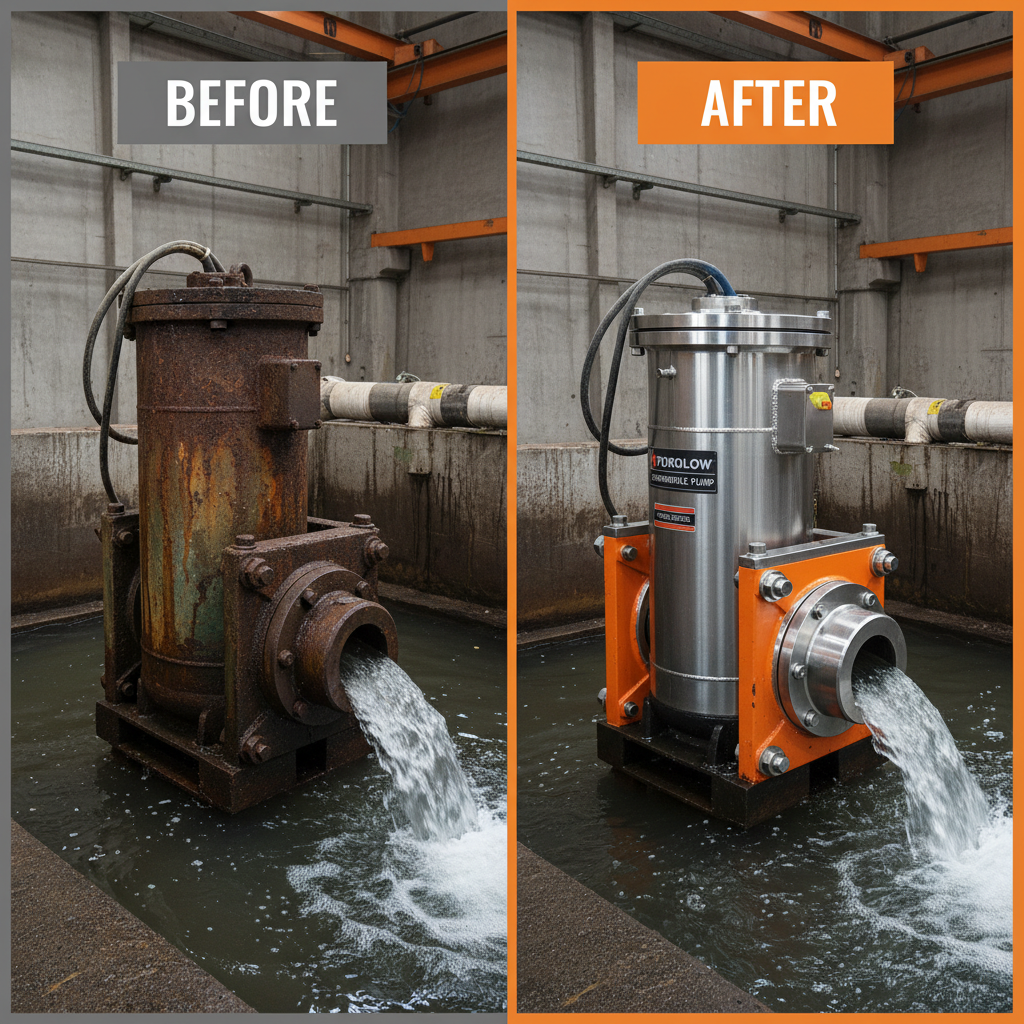 Understanding the Price Submersible Pump and Buyer GuideWhen searching for the ideal water management solution, understanding the price submersible pump options is crucial for balancing budget with performance. Whether you are dealing with a flooded basement, managing agricultural irrigation, or extracting water from a deep well, the cost of a submersible pump can vary significantly based on its build quality and capacity. Investing in a high-quality pump ensures long-term reliability and reduces the frequency of expensive replacements. In this guide, we will break down the factors that influence pricing and help you make an informed decision for your specific needs.Detail
 -
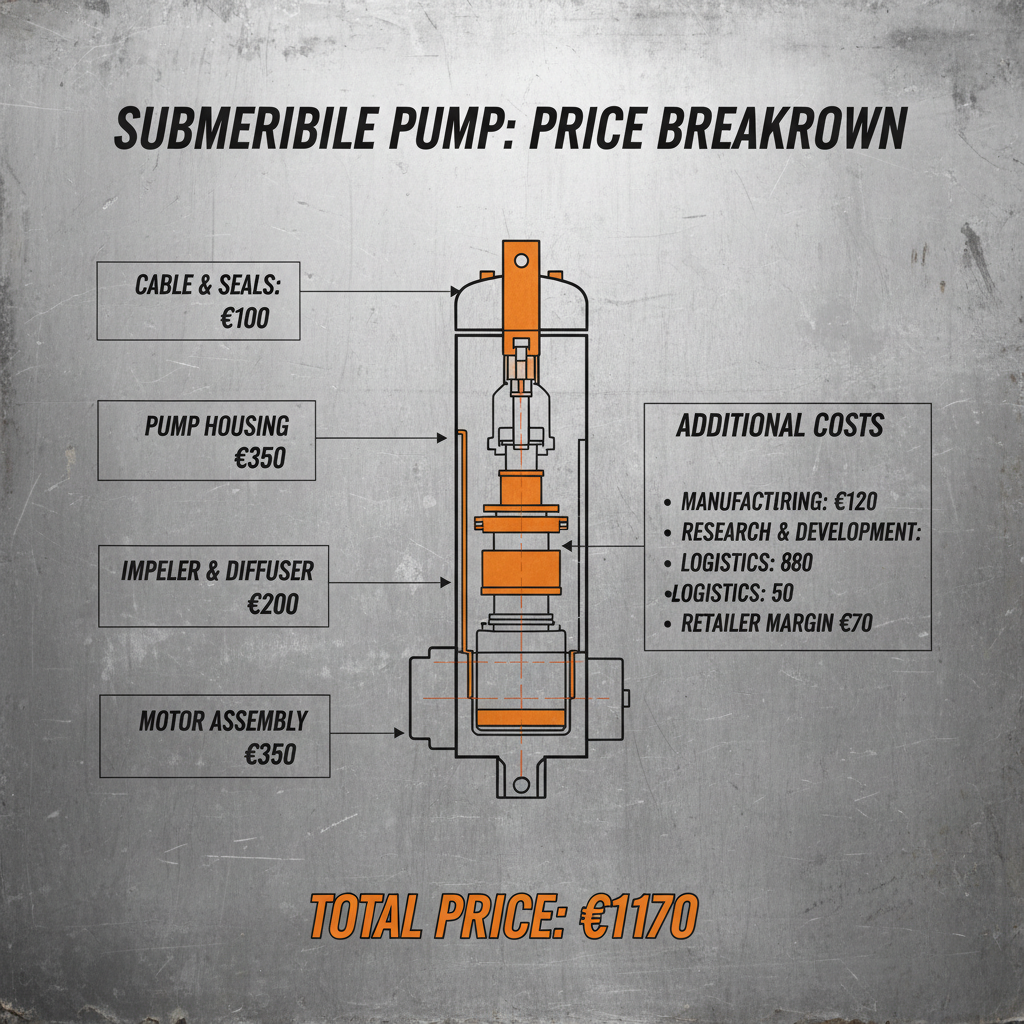 Factors Affecting the Price for Submersible Pump a Buyers GuideWhen investing in water management systems, understanding the price for submersible pump options is essential for balancing performance with budget. Whether you are managing a residential well, an industrial drainage project, or agricultural irrigation, the cost of a pump is rarely a flat fee; it is a reflection of the engineering, materials, and capacity required for your specific environment. In this guide, we will break down the factors that influence pricing and help you determine the best value for your investment to ensure long-term reliability and efficiency.Detail
 -
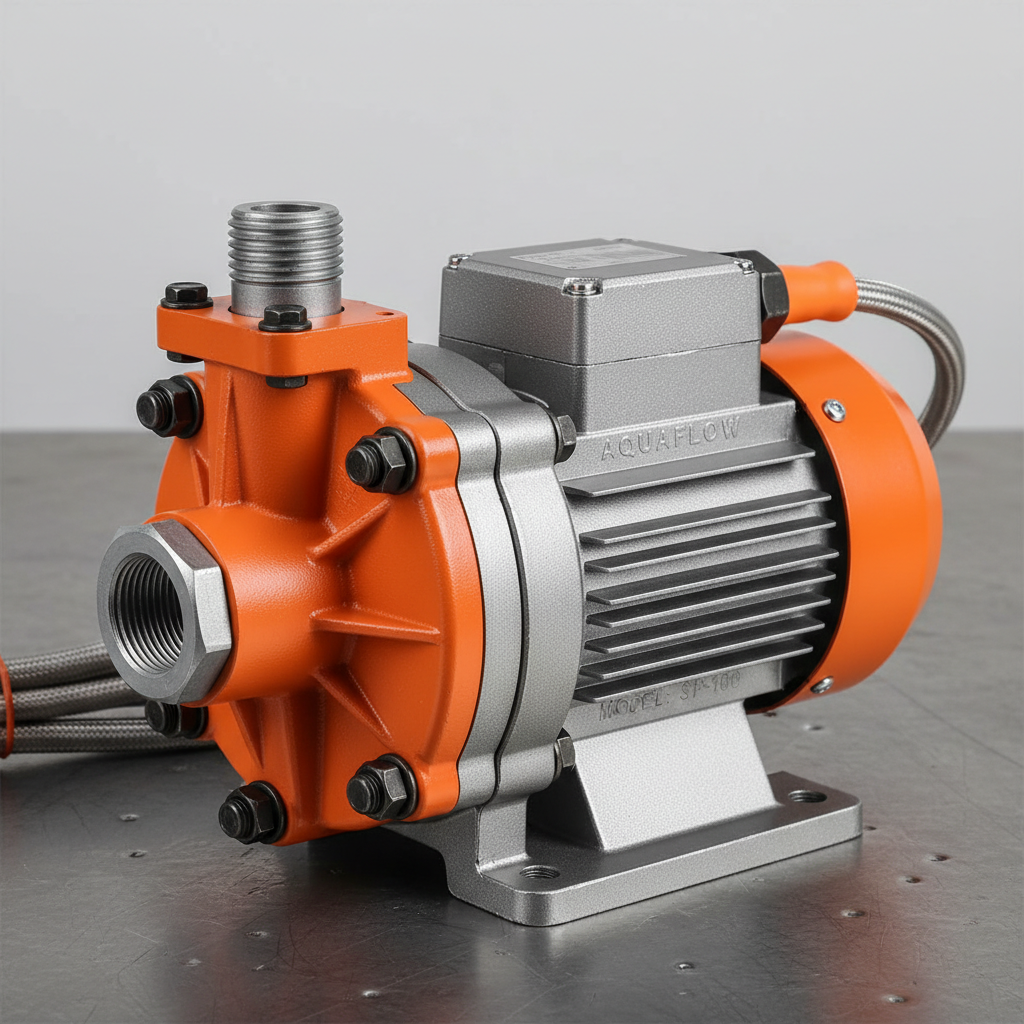 Choosing the Right Mini Submersible Fountain Pump for Optimal Water Feature PerformanceCreating a beautiful and relaxing water feature doesn't have to be complicated. A mini submersible fountain pump is the heart of any indoor or outdoor fountain, and selecting the right one is crucial for optimal performance and longevity. This article will guide you through the key considerations when choosing a mini submersible fountain pump, covering types, features, applications, and how to ensure you get the perfect pump for your project. We’ll also explore how Wellpumpact can provide you with the ideal solution.Detail
 Afrikaans
 Albanian
 Amharic
 Arabic
 Armenian
 Azerbaijani
 Basque
 Belarusian
 Bengali
 Bosnian
 Bulgarian
 Catalan
 Cebuano
 Corsican
 Croatian
 Czech
Czech
 Danish
 Dutch
Dutch
 Esperanto
 Estonian
 Finnish
 French
 Frisian
 Galician
 Georgian
 German
 Greek
Greek
 Gujarati
 Haitian Creole
 Hausa
Hausa
 Hawaiian
 Hebrew
 Hindi
Hindi
 Miao
Miao
 Hungarian
 Icelandic
 Igbo
Igbo
 Indonesian
 Irish
Irish
 Italian
 Japanese
 Javanese
 Kannada
 Kazakh
 Khmer
Khmer
 Rwandese
 Korean
 Kurdish
 Kyrgyz
 Lao
Lao
 Latin
Latin
 Latvian
 Lithuanian
 Luxembourgish
 Macedonian
 Malgashi
 Malay
Malay
 Malayalam
 Maltese
 Maori
Maori
 Marathi
 Mongolian
 Myanmar
 Nepali
 Norwegian
 Norwegian
 Occitan
 Pashto
 Persian
 Polish
 Portuguese
 Punjabi
 Romanian
 Russian
 Samoan
 Scottish Gaelic
 Serbian
 Sesotho
 Shona
Shona
 Sindhi
 Sinhala
 Slovak
 Slovenian
 Somali
 Spanish
 Sundanese
 Swahili
 Swedish
 Tagalog
 Tajik
Tajik
 Tamil
Tamil
 Tatar
Tatar
 Telugu
 Thai
Thai
 Turkish
 Turkmen
 Ukrainian
 Urdu
Urdu
 Uighur
 Uzbek
Uzbek
 Vietnamese
 Welsh
Welsh
 Bantu
Bantu
 Yiddish
 Yoruba
 Zulu
Zulu
 English