
Nov . 27, 2025 12:05 Back to list
Understanding 3 Inch Submersible Well Pumps: Key Benefits & Applications
What’s the Big Deal About a 3 Inch Submersible Well Pump?
At first glance, a 3 inch submersible well pump might seem like just another mechanical device buried deep underground. But don’t be fooled. This handy little pump is a linchpin for clean water access around the world, quietly powering everything from rural households to industrial sites. With growing water scarcity and the push for sustainable development, understanding these pumps matters more than ever. They’re the unsung heroes of water wells, moving groundwater efficiently and reliably — often in unforgiving environments.
Introduction: Why 3 Inch Submersible Well Pumps Matter Globally
According to the United Nations, over two billion people still lack safely managed drinking water services worldwide (UN-Water, 2023). Rural communities and developing regions often rely on deep wells—and the pumps that make those wells usable. Here’s where the 3 inch submersible well pump shows its significance: compact, powerful, and efficient, it’s designed for small diameter wells typically between 4 to 6 inches. This size makes them ideal for remote locations where drilling larger wells isn’t feasible or affordable.
From agricultural irrigation in arid zones to municipal water supply in developing countries, these pumps tackle the challenge of moving water from deep underground sources to where it’s needed most. The problem? Pumps that don’t fit well or can’t withstand harsh conditions often leave communities vulnerable during droughts or disasters.
Defining the 3 Inch Submersible Well Pump
So what exactly is a 3 inch submersible well pump? Simply put, it’s a pump small enough to fit down a 3-inch diameter well casing, fully submerged underwater, that pushes water vertically to the surface with an electric motor sealed inside its housing.
Unlike traditional pumps that sit above ground sucking water up, submersible pumps dive right in, which lends better efficiency and reduces issues like cavitation. They’re a favorite in industries requiring dependable water supply but limited by drilling budgets or well size constraints.
Core Components and Key Factors That Define Performance
1. Durability and Materials
These pumps need rugged corrosion-resistant materials — stainless steel, high-grade polymers — because underground water can be harsh and gritty. Many engineers swear by motors with thermal overload protection to prevent burnout in difficult conditions.
2. Size and Compatibility
As the name hints, the 3 inch diameter is a sweet spot: narrow enough for small boreholes, yet capable of decent flow rates. Matching the pump size to the well diameter prevents damage and inefficiencies.
3. Power and Efficiency
These pumps usually run on electric motors ranging from ½ to 2 horsepower, often designed for 240V single-phase or three-phase power, depending on the setup. The idea: optimize power consumption without compromising flow.
4. Depth and Flow Capacity
The pump must support an expected pumping depth—sometimes 200 meters or more—and deliver adequate gallons per minute (GPM) for the application. Engineers balance this with motor power and impeller design — sometimes opting for multi-stage impellers.
5. Ease of Installation and Maintenance
Since these pumps are submerged, reliability is paramount. Many designs prioritize quick installation, with features like factory-sealed motors, and compatibility with standard depth cables for simple retrieval during servicing.
Mini Takeaway:
The 3 inch submersible well pump is a marriage of compact design, smart materials, and reliable power that fits niche yet critical needs where water is precious—small wells, tough conditions, and long-term use.
Product Specification Table
| Specification | Typical Range / Details |
|---|---|
| Pump Diameter | 3 inches (76 mm) |
| Motor Power | 0.5 - 2 HP (370 - 1500 W) |
| Flow Rate | 5 - 15 GPM (19 – 57 L/min) |
| Max Pumping Depth | Up to 600 ft (180 m) |
| Power Supply | Single/Three Phase, 110V-480V |
| Material | Stainless Steel, Noryl, Rubber seals |
Global Applications & Real-World Use Cases
The 3 inch submersible well pump spans a surprising number of use cases. In parts of sub-Saharan Africa, where boreholes often measure 3 to 4 inches wide, these pumps provide communities with daily access to potable water. NGOs and governments generally prefer these models — partly for ease of installation and the reduced cost compared to larger pumps.
In the U.S., they’re common on farms where irrigation channels are narrow and precise water delivery matters. Industrial remote sites in mining and oil sectors favor these pumps for their ability to fit in tight well casings and still deliver sustainable flow.
Post-disaster zones benefit too — imagine rapid deployment of water wells after flooding, where access and transport constraints limit bigger equipment. The small footprint means faster mobilization.
Vendor Comparison Table
| Brand | Price Range (USD) | Warranty | Material Quality | Available Models |
|---|---|---|---|---|
| AquaFlow Pumps | $350 - $700 | 3 years | High grade stainless steel | 5 models |
| WellTech Solutions | $290 - $600 | 2 years | Stainless steel & polymer composites | 7 models |
| EcoPump Corp. | $400 - $750 | 5 years | Marine grade stainless steel | 4 models |
Advantages & Long-Term Value
- Cost Efficiency: Small diameter wells mean cheaper drilling and piping, which reduces upfront infrastructure costs.
- Energy Savings: Submersible design reduces losses seen in suction pumps, lowering electricity bills long-term.
- Reliable Water Supply: Built to operate continuously with minimal maintenance, they bring safety and dignity through dependable access.
- Space & Portability: Their compact form factor allows installation in confined spaces — a logistics bonus in remote areas.
- Sustainability Potential: Pairing with solar-powered inverters is increasingly common, aligning with green energy goals.
Future Trends & What to Watch For
The water pump industry isn’t standing still. Manufacturers are rapidly integrating smarter materials like composite polymers that resist corrosion better, trimmed weight, and new motor technologies boosted by digital controls. Imagine pumps connected via IoT sensors, delivering real-time flow and fault data to operators—potentially avoiding breakdowns that cripple water supply.
Additionally, a strong push towards renewable power integration — solar and wind — means the 3 inch submersible well pump will become even more sustainable and practical for off-grid irrigation and community water projects.
Challenges & How They’re Being Addressed
Of course, no product is perfect. A common headache is sediment and debris that can clog or wear down pumps quickly, especially in water sources with high turbidity. Engineers counter this with better filtration before the pump and self-cleaning impeller designs.
Another issue is electrical failures due to water intrusion over time, but things like improved sealing technology and vacuum-testing motors before shipment are becoming industry standards.
FAQ: Common Questions About 3 inch Submersible Well Pumps
Q1: How deep can a 3 inch submersible well pump typically operate?
A: Most models handle depths up to 600 feet (around 180 meters), but exact specs vary. This makes them suitable for most small to medium boreholes worldwide.
Q2: Can these pumps run on solar power?
A: Absolutely. Many communities use 3 inch submersible pumps with solar inverters, reducing dependency on unreliable or costly grid power.
Q3: What maintenance is needed to keep the pump running smoothly?
Generally, regular checks on the power cable, cleaning of intake screens, and monitoring flow rates for anomalies are enough. Motors are sealed and don’t usually need much servicing.
Q4: Are these pumps energy efficient compared to surface pumps?
Yes, submersible pumps minimize energy loss because they push water instead of pull, providing more consistent flow with less power.
Q5: How does well diameter affect pump selection?
You need the pump to comfortably fit inside the well casing. Using a 3 inch pump means the well bore has to be larger, typically 4 inches or more, to allow clearance and proper operation.
Conclusion
The humble 3 inch submersible well pump might fly under the radar, but its impact is huge. By ensuring small-diameter wells can produce reliable, efficient water flow, it’s a key tool in tackling global water access challenges, supporting industries, and powering rural communities. As innovations roll in—smarter materials, green energy compatibility, and digital monitoring—these pumps will remain frontline players in sustainable water management.
Want to learn more or explore models that fit your needs? Browse options and expert advice on https://www.wellpumpact.com — your next water solution is just a click away.
References
-
Understanding the Price Submersible Pump and Buyer Guide
NewsApr.16,2026
-
Factors Affecting the Price for Submersible Pump a Buyers Guide
NewsApr.09,2026
-
Choosing the Right Mini Submersible Fountain Pump for Optimal Water Feature Performance
NewsApr.07,2026
-
A Detailed Guide to Installing a Submersible Pump for Optimal Performance
NewsApr.04,2026
-
Comprehensive Guide on How to Test a Submersible Water Well Pump Effectively
NewsMar.31,2026
-
Learn How to Replace a Submersible Well Pump Safely and Effectively
NewsMar.28,2026
-
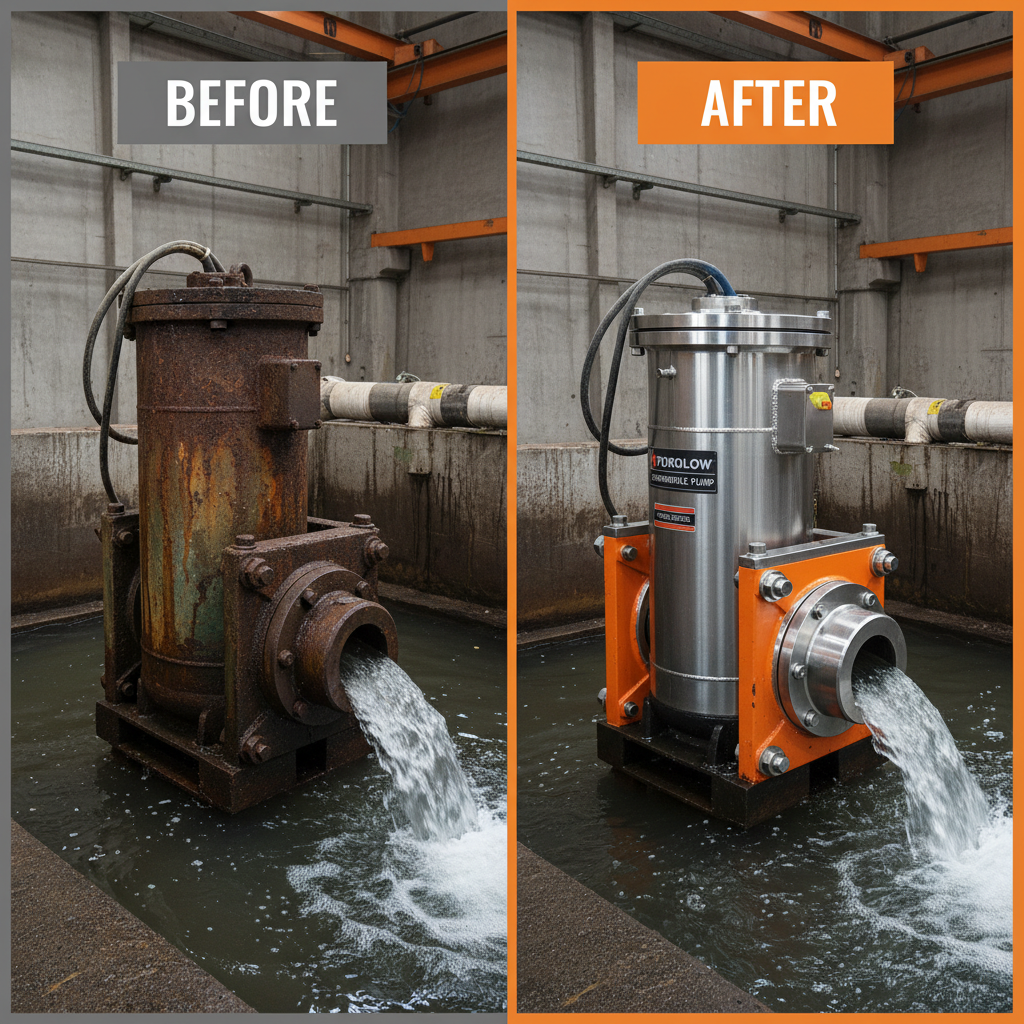 Understanding the Price Submersible Pump and Buyer GuideWhen searching for the ideal water management solution, understanding the price submersible pump options is crucial for balancing budget with performance. Whether you are dealing with a flooded basement, managing agricultural irrigation, or extracting water from a deep well, the cost of a submersible pump can vary significantly based on its build quality and capacity. Investing in a high-quality pump ensures long-term reliability and reduces the frequency of expensive replacements. In this guide, we will break down the factors that influence pricing and help you make an informed decision for your specific needs.Detail
 -
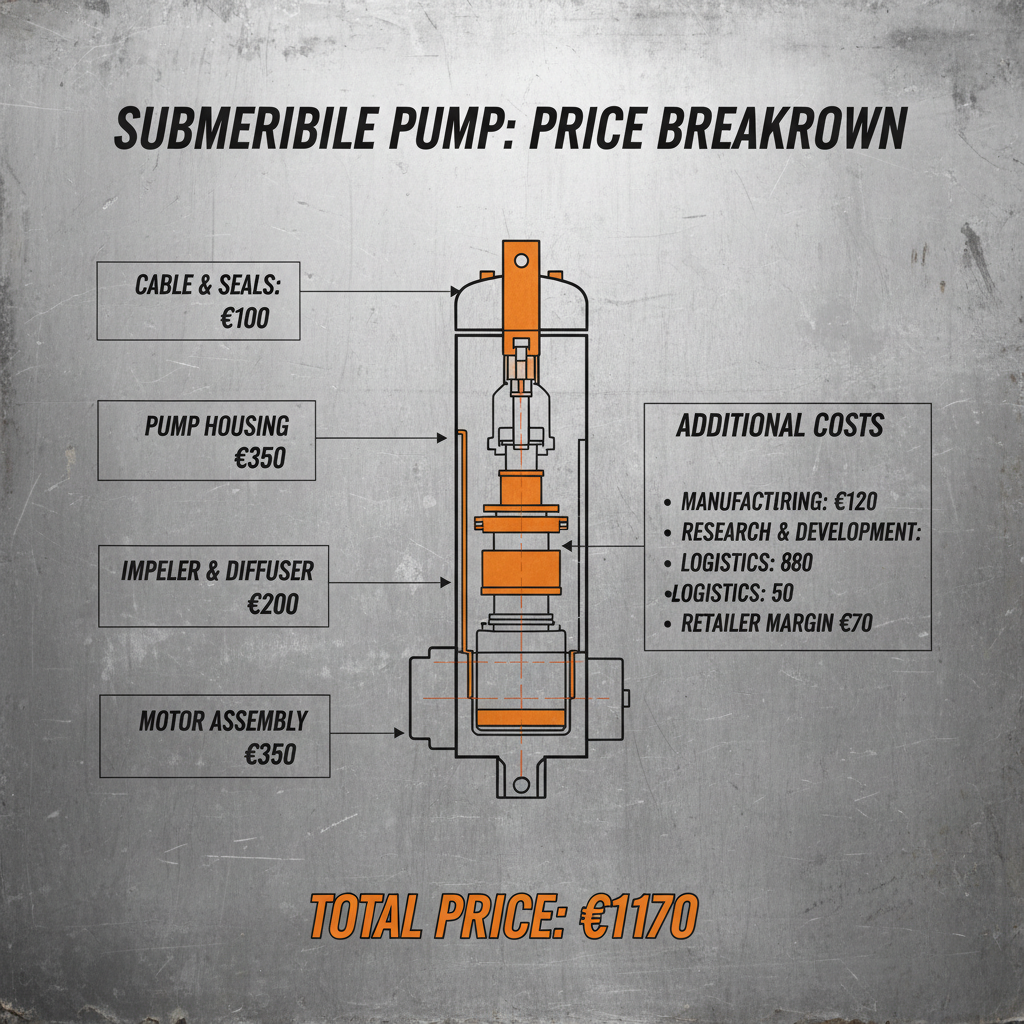 Factors Affecting the Price for Submersible Pump a Buyers GuideWhen investing in water management systems, understanding the price for submersible pump options is essential for balancing performance with budget. Whether you are managing a residential well, an industrial drainage project, or agricultural irrigation, the cost of a pump is rarely a flat fee; it is a reflection of the engineering, materials, and capacity required for your specific environment. In this guide, we will break down the factors that influence pricing and help you determine the best value for your investment to ensure long-term reliability and efficiency.Detail
 -
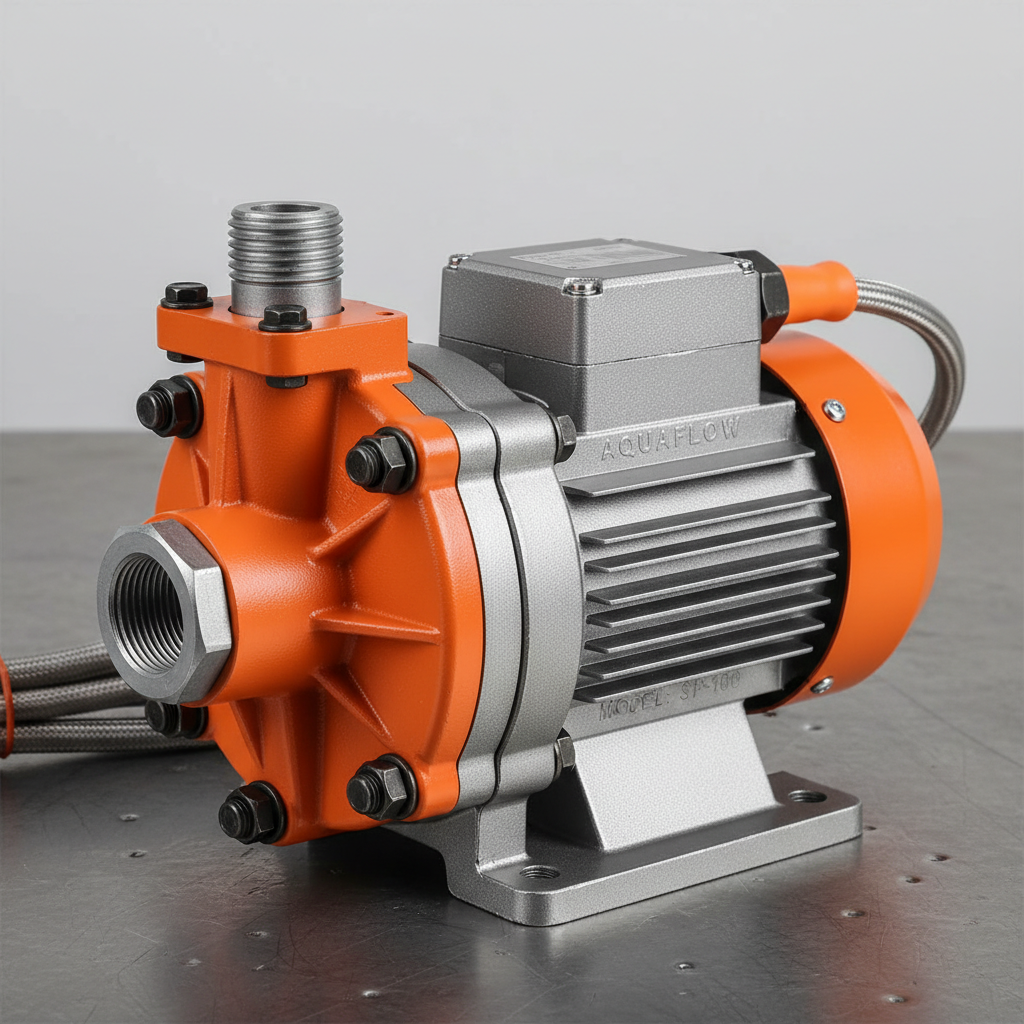 Choosing the Right Mini Submersible Fountain Pump for Optimal Water Feature PerformanceCreating a beautiful and relaxing water feature doesn't have to be complicated. A mini submersible fountain pump is the heart of any indoor or outdoor fountain, and selecting the right one is crucial for optimal performance and longevity. This article will guide you through the key considerations when choosing a mini submersible fountain pump, covering types, features, applications, and how to ensure you get the perfect pump for your project. We’ll also explore how Wellpumpact can provide you with the ideal solution.Detail
 Afrikaans
 Albanian
 Amharic
 Arabic
 Armenian
 Azerbaijani
 Basque
 Belarusian
 Bengali
 Bosnian
 Bulgarian
 Catalan
 Cebuano
 Corsican
 Croatian
 Czech
Czech
 Danish
 Dutch
Dutch
 Esperanto
 Estonian
 Finnish
 French
 Frisian
 Galician
 Georgian
 German
 Greek
Greek
 Gujarati
 Haitian Creole
 Hausa
Hausa
 Hawaiian
 Hebrew
 Hindi
Hindi
 Miao
Miao
 Hungarian
 Icelandic
 Igbo
Igbo
 Indonesian
 Irish
Irish
 Italian
 Japanese
 Javanese
 Kannada
 Kazakh
 Khmer
Khmer
 Rwandese
 Korean
 Kurdish
 Kyrgyz
 Lao
Lao
 Latin
Latin
 Latvian
 Lithuanian
 Luxembourgish
 Macedonian
 Malgashi
 Malay
Malay
 Malayalam
 Maltese
 Maori
Maori
 Marathi
 Mongolian
 Myanmar
 Nepali
 Norwegian
 Norwegian
 Occitan
 Pashto
 Persian
 Polish
 Portuguese
 Punjabi
 Romanian
 Russian
 Samoan
 Scottish Gaelic
 Serbian
 Sesotho
 Shona
Shona
 Sindhi
 Sinhala
 Slovak
 Slovenian
 Somali
 Spanish
 Sundanese
 Swahili
 Swedish
 Tagalog
 Tajik
Tajik
 Tamil
Tamil
 Tatar
Tatar
 Telugu
 Thai
Thai
 Turkish
 Turkmen
 Ukrainian
 Urdu
Urdu
 Uighur
 Uzbek
Uzbek
 Vietnamese
 Welsh
Welsh
 Bantu
Bantu
 Yiddish
 Yoruba
 Zulu
Zulu
 English