
Dec . 01, 2025 18:05 Back to list
Comprehensive Guide to Single Phase Submersible Pumps for Global Water Solutions
Understanding the Single Phase Submersible Pump: Why It Matters Globally
At first glance, a single phase submersible pump might seem like just another industrial gadget. But, oddly enough, this humble device quietly plays a huge role across the globe—from providing clean water in remote villages to powering irrigation systems in arid farmlands. The reason it matters is simple: reliable water pumping is essential for health, agriculture, and industry, especially where three-phase power infrastructure doesn't exist. Getting to know these pumps can help engineers, humanitarian agencies, and businesses optimize water management and reduce operational costs substantially.
Mini takeaway: Single phase submersible pumps may be small players, but they have a big global impact, enabling sustainable water access in areas often overlooked.
The Global Importance of Single Phase Submersible Pumps
Water usage worldwide is facing growing stress. The UN estimates that by 2025, nearly half the global population will experience water scarcity. In these conditions, dependable water pumping solutions become mission-critical. Single phase submersible pumps fill a niche: they operate on standard residential or rural electric supplies—usually 110 or 220 volts—making them perfect for off-grid or decentralized settings where three-phase power isn’t feasible.
In emerging markets, where electrification is still uneven, these pumps are lifelines to agriculture, drinking water, and sanitation. The World Bank correlates improved water infrastructure with poverty reduction, something facilitated indirectly by technologies like these pumps. However, challenges such as energy efficiency, maintenance, and scalability persist — especially as water demands increase with climate change and population growth.
Mini takeaway: Single phase submersible pumps tackle energy and access problems by leveraging simpler power setups, making them globally relevant in both urban fringes and rural outposts.
Defining the Single Phase Submersible Pump
Simply put, a single phase submersible pump is an electric pump designed to be submerged entirely in water to push water upward through pipes. Unlike their three-phase cousins, these pumps run on a single phase of alternating current — typically the standard household power supply — which makes them accessible for many users who don’t have three-phase electricity at their disposal.
In technical terms, these pumps include components like a hermetically sealed motor, impellers, and a pump housing designed to operate underwater. Their key function is to move groundwater, drainage water, or sometimes even industrial liquids, all while being submerged. This design reduces noise, prevents cavitation (a big problem in surface pumps), and often extends equipment life.
From a humanitarian standpoint, single phase submersible pumps have been deployed to provide clean water after natural disasters or in refugee camps where infrastructure is barely there.
single phase submersible pump technology, therefore, isn’t just a mechanical marvel; it’s a bridge between resources and the people who need them.
Key Factors that Define Single Phase Submersible Pumps
1. Durability and Waterproofing
Since these pumps operate completely underwater, they come with tight hermetic sealing and corrosion-resistant materials (usually stainless steel or treated cast iron). This keeps dirt, silt, and even corrosive elements at bay.
2. Energy Efficiency
Energy consumption is a big deal, especially where power supply is limited or costly. Single phase motors are generally less efficient than three-phase ones but are improving steadily. Advances in motor design, like capacitor-run or permanent split capacitor (PSC) motors, help reduce energy waste.
3. Scalability and Power Ratings
Single phase submersible pumps tend to cover lower horsepower ranges (from roughly 0.25 HP up to 3 HP). This limits their use in heavy industrial settings but perfectly suits residential, small-commercial, and agricultural irrigation applications.
4. Cost and Maintenance
One strong advantage is affordability — single phase pumps come with a lower upfront cost and are easier to maintain because of their simpler electrical configurations. Spare parts and repairs are also typically more accessible.
5. Installation & Portability
Being relatively compact and lightweight compared to their three-phase counterparts, these pumps are easier to install, relocate, or remove—important if your well depth or water access point changes.
| Specification | Typical Range | Notes |
|---|---|---|
| Motor Power | 0.25 HP – 3 HP | Suits residential & small farms |
| Voltage | 110V, 220V (single phase AC) | Standard household/current rural supply |
| Max Depth | Up to 100 meters | Varies by model and design |
| Flow Rate | 10 – 50 m³/hr | Depends on pump diameter and motor |
| Material | Stainless steel / Cast iron | Corrosion and abrasion resistant |
Mini takeaway: The blend of durability, energy consumption, size, and simplicity gives single phase submersible pumps a unique edge in certain water pumping scenarios.
Where Are These Pumps Actually Used?
The list covers a lot of ground:
- Agriculture: Irrigating small farms, particularly in developing regions where electricity is limited.
- Rural domestic water supply: Providing clean drinking water to homes without grid access.
- Disaster relief and humanitarian aid: Quick deployment in flood or drought zones where infrastructure is damaged.
- Industrial sites: Small-scale mining or remote construction projects.
Take a look at places like India’s rural heartlands or parts of Sub-Saharan Africa—organizations installing wells and pumps here often choose single phase submersible pumps for their reliability and easy power compatibility.
Even in more developed countries, these pumps find a home in outlying farms or cabins where running three-phase power is impractical or too costly.
Advantages & Long-Term Value of Single Phase Submersible Pumps
Frankly, the practical benefits are compelling:
- Cost Savings: Lower cost upfront and easier maintenance translates into budget-friendly water solutions.
- Energy Efficiency Gains: While not as efficient as three-phase pumps, ongoing motor improvements help lower electricity bills.
- Social Impact: They empower communities with reliable access to clean water—boosting health, education, and local economies.
- Reliability: Designs that focus on corrosion resistance and hermetic sealing mean fewer breakdowns in remote locations.
Many engineers say these pumps literally enhance quality of life by ensuring water flows consistently, which supports safe living conditions and dignity. And for industries, dependable pumps mean less downtime, better production schedules, and long-term trust in equipment.
Future Trends: What’s Next for Single Phase Submersible Pumps?
Technological advancements are quietly shaping their future:
- Green Energy Integration: Solar-powered single phase submersible pumps are on the rise, enabling water pumping completely off-grid.
- Smart Monitoring: IoT sensors allowing remote diagnostics and predictive maintenance improve uptime and reduce costs.
- Material Innovations: Lighter, more corrosion-resistant composites could replace metals, extending life spans and reducing weight.
- Energy Efficiency: New motor designs with inverter drives can optimize power usage dynamically.
It's an exciting time, because increasingly, sustainable and smart tech isn’t just for big industry—it’s trickling down to these everyday workhorse pumps.
Challenges & How Experts Are Tackling Them
Of course, there are still hurdles:
- Energy Limitations: Single phase motors can struggle with starting torque and heavy loads, requiring careful specification.
- Maintenance in Remote Areas: Not all users have access to skilled technicians or replacement parts.
- Power Supply Fluctuations: Voltage drops can reduce pump efficiency and cause failures.
Solutions include motor upgrades with built-in capacitors, training local technicians, and designing pumps with voltage stabilizers. Plus, modular designs help swap parts quickly without specialized tools.
| Vendor | Power Range (HP) | Material | Notable Features | Approx. Price (USD) |
|---|---|---|---|---|
| PumpCo Ltd. | 0.5 to 2 | Stainless Steel | IP68 sealing, PSC motor | $400 - $850 |
| AquaFlow Tech | 0.25 to 3 | Cast Iron + Composite | Energy efficient, built-in overload protection | $350 - $900 |
| WellPump Innovations | 0.75 to 2.5 | Stainless Steel | Solar-ready, IoT enabled | $600 - $1,200 |
FAQs About Single Phase Submersible Pumps
- Q: Can a single phase submersible pump work on solar power?
- A: Absolutely, many models are designed or adapted to run on DC or AC power via solar inverters. Solar-powered single phase submersible pumps are especially popular where electricity is unreliable or unavailable.
- Q: How deep can these pumps operate effectively?
- Typically, single phase submersible pumps can be safely submerged to depths of up to 100 meters, though exact limits depend on the model and power specifications.
- Q: Are these pumps suitable for salt water or brackish water?
- Most single phase submersible pumps are designed for freshwater; however, pumps with stainless steel and special seals can handle brackish or mildly saline water. Saltwater applications require corrosion-resistant materials and careful maintenance.
- Q: What kind of maintenance do these pumps require?
- Routine inspections include checking motor windings, seals, and power supply. Regular cleaning to prevent sediment buildup is also recommended. Because these pumps are underwater, any repair typically requires removing the pump.
Conclusion: Why the Single Phase Submersible Pump Deserves Your Attention
In real terms, this seemingly niche pump is a workhorse behind the scenes of so many water projects worldwide. Its accessibility, cost-effectiveness, and adaptability make it a practical choice in places where three-phase power isn’t an option—yet the need for reliable water delivery simply cannot wait. As technologies evolve toward greener, smarter systems, the humble single phase submersible pump is also stepping up, offering new features and efficiencies.
If you’re managing water resources, running a remote site, or working with NGOs, exploring the options within single phase submersible pump solutions could be exactly the pragmatic boost your project needs. Because at the end of the day, every drop counts.
Thanks for reading – stay curious about the tech that keeps our world flowing!
References:
-
Understanding the Price Submersible Pump and Buyer Guide
NewsApr.16,2026
-
Factors Affecting the Price for Submersible Pump a Buyers Guide
NewsApr.09,2026
-
Choosing the Right Mini Submersible Fountain Pump for Optimal Water Feature Performance
NewsApr.07,2026
-
A Detailed Guide to Installing a Submersible Pump for Optimal Performance
NewsApr.04,2026
-
Comprehensive Guide on How to Test a Submersible Water Well Pump Effectively
NewsMar.31,2026
-
Learn How to Replace a Submersible Well Pump Safely and Effectively
NewsMar.28,2026
-
 Understanding the Price Submersible Pump and Buyer GuideWhen searching for the ideal water management solution, understanding the price submersible pump options is crucial for balancing budget with performance. Whether you are dealing with a flooded basement, managing agricultural irrigation, or extracting water from a deep well, the cost of a submersible pump can vary significantly based on its build quality and capacity. Investing in a high-quality pump ensures long-term reliability and reduces the frequency of expensive replacements. In this guide, we will break down the factors that influence pricing and help you make an informed decision for your specific needs.Detail
 -
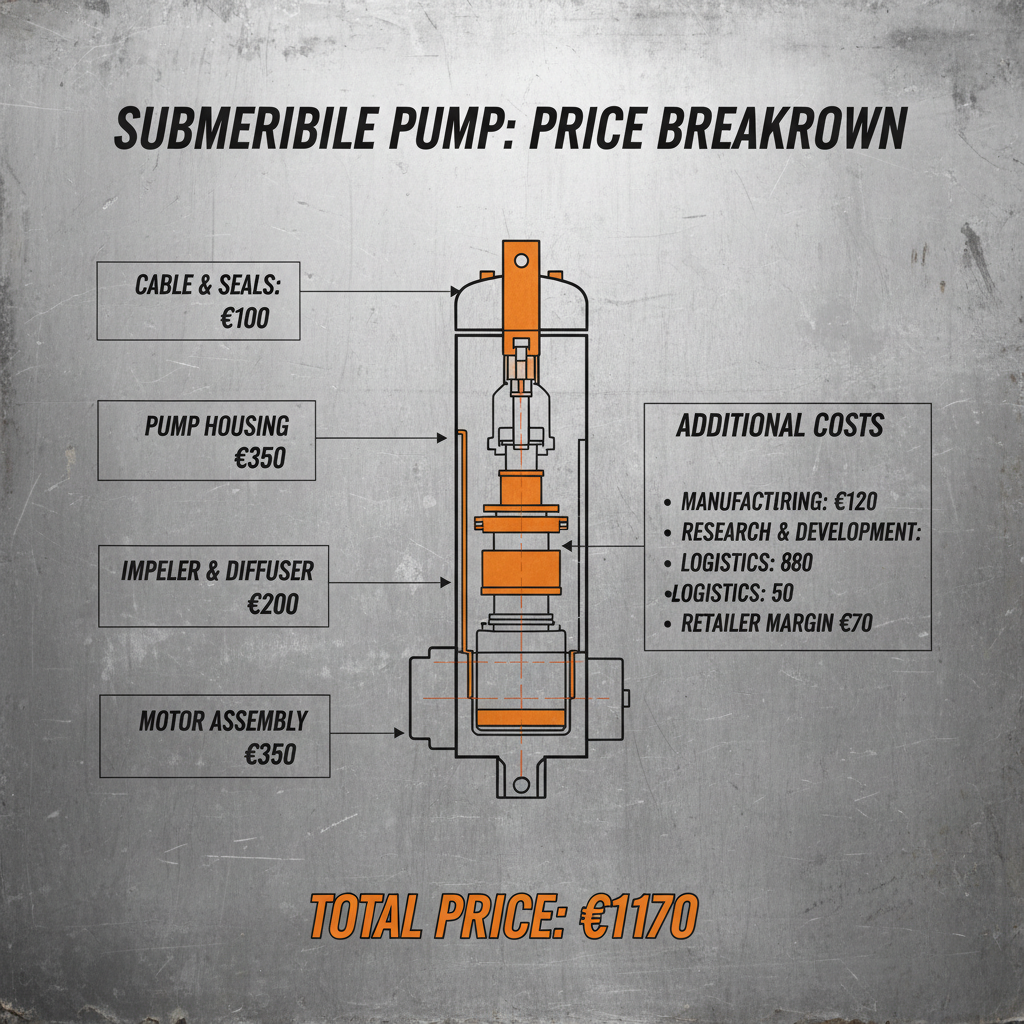 Factors Affecting the Price for Submersible Pump a Buyers GuideWhen investing in water management systems, understanding the price for submersible pump options is essential for balancing performance with budget. Whether you are managing a residential well, an industrial drainage project, or agricultural irrigation, the cost of a pump is rarely a flat fee; it is a reflection of the engineering, materials, and capacity required for your specific environment. In this guide, we will break down the factors that influence pricing and help you determine the best value for your investment to ensure long-term reliability and efficiency.Detail
 -
 Choosing the Right Mini Submersible Fountain Pump for Optimal Water Feature PerformanceCreating a beautiful and relaxing water feature doesn't have to be complicated. A mini submersible fountain pump is the heart of any indoor or outdoor fountain, and selecting the right one is crucial for optimal performance and longevity. This article will guide you through the key considerations when choosing a mini submersible fountain pump, covering types, features, applications, and how to ensure you get the perfect pump for your project. We’ll also explore how Wellpumpact can provide you with the ideal solution.Detail
 Afrikaans
 Albanian
 Amharic
 Arabic
 Armenian
 Azerbaijani
 Basque
 Belarusian
 Bengali
 Bosnian
 Bulgarian
 Catalan
 Cebuano
 Corsican
 Croatian
 Czech
Czech
 Danish
 Dutch
Dutch
 Esperanto
 Estonian
 Finnish
 French
 Frisian
 Galician
 Georgian
 German
 Greek
Greek
 Gujarati
 Haitian Creole
 Hausa
Hausa
 Hawaiian
 Hebrew
 Hindi
Hindi
 Miao
Miao
 Hungarian
 Icelandic
 Igbo
Igbo
 Indonesian
 Irish
Irish
 Italian
 Japanese
 Javanese
 Kannada
 Kazakh
 Khmer
Khmer
 Rwandese
 Korean
 Kurdish
 Kyrgyz
 Lao
Lao
 Latin
Latin
 Latvian
 Lithuanian
 Luxembourgish
 Macedonian
 Malgashi
 Malay
Malay
 Malayalam
 Maltese
 Maori
Maori
 Marathi
 Mongolian
 Myanmar
 Nepali
 Norwegian
 Norwegian
 Occitan
 Pashto
 Persian
 Polish
 Portuguese
 Punjabi
 Romanian
 Russian
 Samoan
 Scottish Gaelic
 Serbian
 Sesotho
 Shona
Shona
 Sindhi
 Sinhala
 Slovak
 Slovenian
 Somali
 Spanish
 Sundanese
 Swahili
 Swedish
 Tagalog
 Tajik
Tajik
 Tamil
Tamil
 Tatar
Tatar
 Telugu
 Thai
Thai
 Turkish
 Turkmen
 Ukrainian
 Urdu
Urdu
 Uighur
 Uzbek
Uzbek
 Vietnamese
 Welsh
Welsh
 Bantu
Bantu
 Yiddish
 Yoruba
 Zulu
Zulu
 English