
Dec . 01, 2025 19:55 Back to list
Comprehensive Guide to Submersible Pump Installation Cost: Global Insights & Practical Advice
Understanding Submersible Pump Installation Cost: Why It Matters Globally
Submersible pumps lie quietly beneath the surface—quite literally—pumping water, oil, and other fluids across the globe every day. Their installation cost, a factor many overlook in favor of upfront purchase price, plays a huge role in the overall success of water management, agriculture, industrial processes, and humanitarian efforts worldwide.
Why care about submersible pump installation cost? Because beyond the obvious financial outlay, it impacts reliability, sustainability, and accessibility to life-essential fluids. Whether you’re in a drought-hit region, managing an oil rig, or restoring water after a flood, understanding these costs helps optimize decisions and budgets with lasting effect.
Global Context: The Rising Importance of Installation Costs
On a global scale, the World Bank estimates that water-related infrastructure investments will top $114 billion annually by 2030. Submersible pumps are integral to much of that infrastructure, particularly in rural and developing areas where water access defines community health and economic opportunity.
However, installation costs frequently balloon unexpectedly due to factors like site conditions, equipment compatibility, or regulatory compliance. According to an ISO report on water management systems, unforeseen installation and maintenance expenses represent up to 30% of lifecycle pump costs — a significant blind spot for planners. So yes, the cost doesn’t end when you buy the pump.
It’s a problem when budgets fail to account for installation scopes, risking project delays, improper setups, or premature failures.
What Exactly Is Submersible Pump Installation Cost?
Simply put, submersible pump installation cost covers all expenditures tied to placing a pump below the fluid surface and getting it fully operational. It includes rigging, electrical wiring, labor, safety equipment, mechanical fittings, specialty tools, and sometimes permits or testing.
Nowadays, the definition expands beyond mere dollars: it’s tied to how quickly and safely the pump can be deployed, how it interfaces with existing infrastructure, and the longevity expected from the installation work.
This matter isn’t just “industry talk.” Think of drought-stricken farms in Africa or post-disaster water relief in Southeast Asia — well-installed pumps can mean the difference between failure and flourishing.
Core Components Influencing Submersible Pump Installation Cost
1. Site Accessibility and Conditions
Cost varies wildly depending on how accessible the well, borehole, or water source is. Remote or difficult terrain ramps up labor time and the need for specialized equipment.
2. Pump Size and Specifications
Obviously, bigger and more complex pumps mean heftier installation costs — not just with lifting apparatus but with electrical controls and cabling.
3. Electrical and Control Systems
Installation costs reflect how advanced the control setups are — simple on/off switches differ hugely from automated sensor networks or variable frequency drives, which add upfront but pay off long-term.
4. Labor and Expertise
Local skilled labor availability changes pricing dramatically. Some locations require flown-in specialists or longer training periods, both adding costs.
5. Regulatory and Environmental Compliance
Environmental permits, safety checks, and adherence to ISO or local standards all add layers of cost but ensure sustainability and legal operation.
6. Maintenance Provisions
Installation quality often includes the setup of access points or safety features for future maintenance—investments that slightly increase cost but reduce total cost of ownership.
Mini takeaway: You quite literally pay for what you get — and planning these key factors upfront saves headaches (and dollars) later on.
Global Applications: Where Submersible Pump Installation Cost Truly Counts
Submersible pumps pop up everywhere: agricultural lands in India that rely on irrigation, oil and gas extraction wells in the North Sea, flood control in New Orleans, or even mining operations in Chile’s Atacama Desert.
In humanitarian contexts, organizations like UNICEF and the Red Cross heavily depend on submersible pumping systems in post-disaster zones to quickly restore clean water supply. Interestingly, budgets for installation cost play a pivotal role in emergency preparedness plans – a critical factor when time can’t be wasted.
Many developing countries are adopting solar-powered submersible systems, where installation costs might be front-loaded higher but provide energy independence and long-term savings.
Quick Product Specification Table for Typical Submersible Pumps
| Specification | Value |
|---|---|
| Motor Power | 5–15 kW |
| Flow Rate | 40–120 m³/h |
| Max Depth | 150 meters |
| Material | Stainless Steel / Cast Iron |
| Control Options | Manual / Automated (VFD) |
| Typical Installation Time | 1–3 days |
How Vendors Compare: Installation Cost Perspectives
| Vendor | Average Installation Cost (USD) | Lead Time | Warranty |
|---|---|---|---|
| AquaPump Co. | $3,200 – $4,500 | 2 weeks | 24 months |
| HydroFlow Ltd. | $2,800 – $4,000 | 1.5 weeks | 18 months |
| GeoPump Inc. | $3,500 – $5,000 | 3 weeks | 36 months |
Advantages and Long-Term Value of Investing Wisely in Installation
Cost isn’t just something to minimize. A carefully planned installation can bring huge gains—lower energy use, longer pump life, safety for operators, and smoother regulatory compliance. Many engineers point out that recouping installation investment through energy efficiency and reduced downtime can save thousands over just a few years.
For communities, there’s an emotional side too—reliable access means dignity, health, and empowerment. Innovative projects linking installation with solar power also provide ripple effects in sustainability, reducing fossil fuel reliance for water access.
The Future of Submersible Pump Installation Costs
Emerging trends show shifts towards digital monitoring and automation that, while initially increasing installation complexity and price, ultimately reduce lifecycle costs. Integration with IoT devices means operators can detect problems early, possibly reducing emergency call-outs.
Green energy-powered submersible pumps combined with modular, quick-install designs may cut costs in remote regions. Plus, new corrosion-resistant materials promise far less maintenance over decades.
Proactive policies supporting infrastructure investment in developing countries — backed by the UN and global finance institutions — are making well-planned installation costs less of a barrier and more of an opportunity.
Challenges and Workarounds in Installation Cost Management
The biggest hurdles? Unforeseen site conditions, fluctuating labor costs, and limited local expertise. I noticed many projects tend to underestimate complexity, leading to “scope creep” and ballooned budgets. One answer is comprehensive site surveys and modular installation training for local staff.
Innovative vendors also offer “installation kits” with clear instructions and pre-tested components to reduce errors and delays — things that might help you right now.
Plus, engaging stakeholders early means regulatory or environmental concerns don’t spring surprises mid-project.
FAQs About Submersible Pump Installation Cost
Q1: What factors most increase the installation cost of submersible pumps?
A1: Key influencers include challenging terrain/accessibility, pump size, the complexity of electrical controls, and compliance with local regulations. Unexpected site conditions can add significant labor and equipment expenses.
Q2: How does installation cost compare to overall pump lifecycle expenses?
A2: Installation can represent 20-30% of total lifecycle costs. However, quality installation can lower maintenance and energy usage, resulting in better long-term savings.
Q3: Are there regional differences in installation costs?
A3: Absolutely. Labor rates, material transport costs, and local expertise vary widely. For instance, remote sites or politically unstable regions can see installation costs increase substantially.
Q4: Can solar-powered submersible pumps change the installation cost paradigm?
A4: Yes, while initial installation costs may be higher due to solar panels and controllers, these setups reduce ongoing power expenses and pave the way to more sustainable and independent water access.
Q5: How can I estimate submersible pump installation cost for my project?
A5: Start with understanding site conditions, pump specifications, and local labor rates. Consulting vendors or using detailed online calculators tailored to your region is a smart approach.
In Closing: Why Smart Investment in Installation Pays Off
At the end of the day, it’s easy to focus on the purchase price of equipment. But for anyone serious about reliable fluid management, submersible pump installation cost is a vital piece of the puzzle—one that shapes sustainability, performance, and safety.
Whether you’re managing a farm, an oil field, or a disaster recovery mission, thinking through installation costs means fewer surprises, better results, and ultimately, a greater return on investment.
Ready to dive deeper? Visit our website for expert guides and detailed pricing models: submersible pump installation cost.
References:
1. World Bank – Water Infrastructure Overview
2. ISO 14001 – Environmental management systems
3. Wikipedia – Submersible Pump
-
Understanding the Price Submersible Pump and Buyer Guide
NewsApr.16,2026
-
Factors Affecting the Price for Submersible Pump a Buyers Guide
NewsApr.09,2026
-
Choosing the Right Mini Submersible Fountain Pump for Optimal Water Feature Performance
NewsApr.07,2026
-
A Detailed Guide to Installing a Submersible Pump for Optimal Performance
NewsApr.04,2026
-
Comprehensive Guide on How to Test a Submersible Water Well Pump Effectively
NewsMar.31,2026
-
Learn How to Replace a Submersible Well Pump Safely and Effectively
NewsMar.28,2026
-
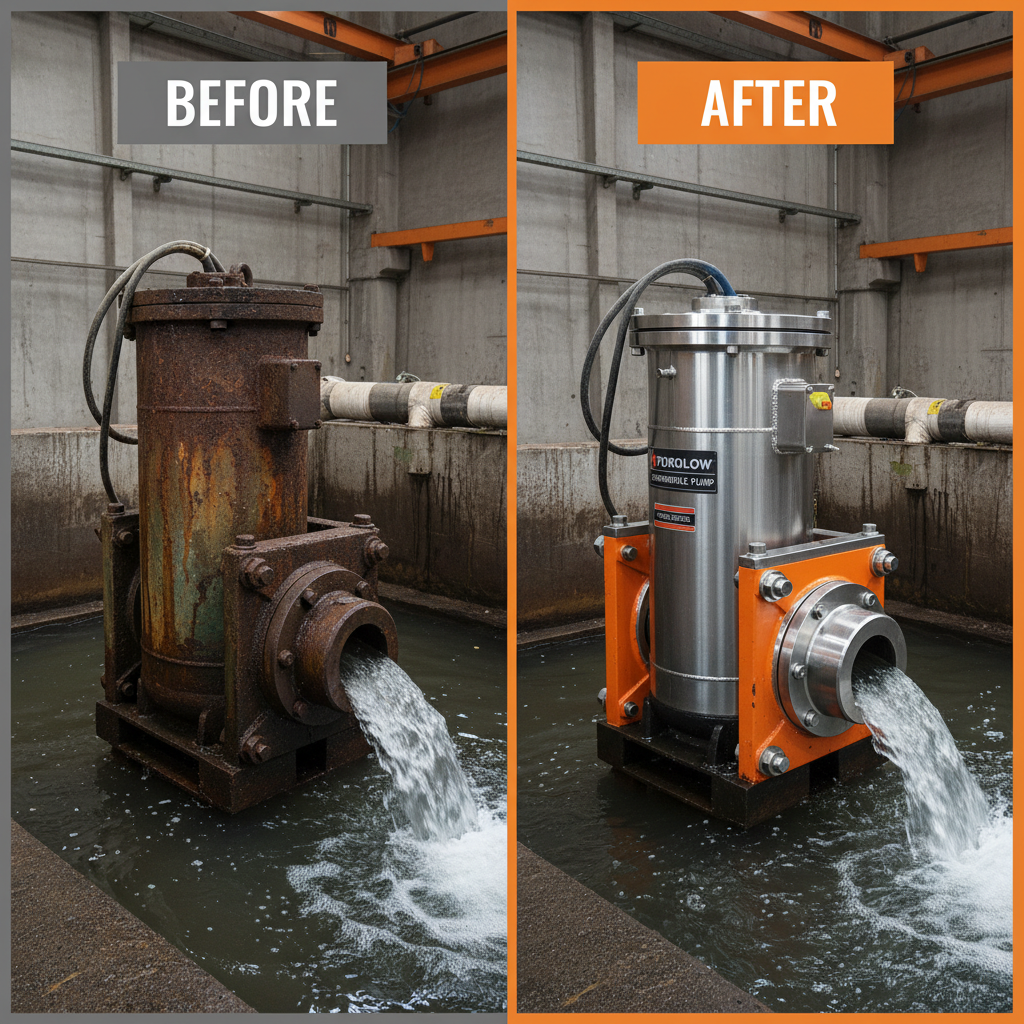 Understanding the Price Submersible Pump and Buyer GuideWhen searching for the ideal water management solution, understanding the price submersible pump options is crucial for balancing budget with performance. Whether you are dealing with a flooded basement, managing agricultural irrigation, or extracting water from a deep well, the cost of a submersible pump can vary significantly based on its build quality and capacity. Investing in a high-quality pump ensures long-term reliability and reduces the frequency of expensive replacements. In this guide, we will break down the factors that influence pricing and help you make an informed decision for your specific needs.Detail
 -
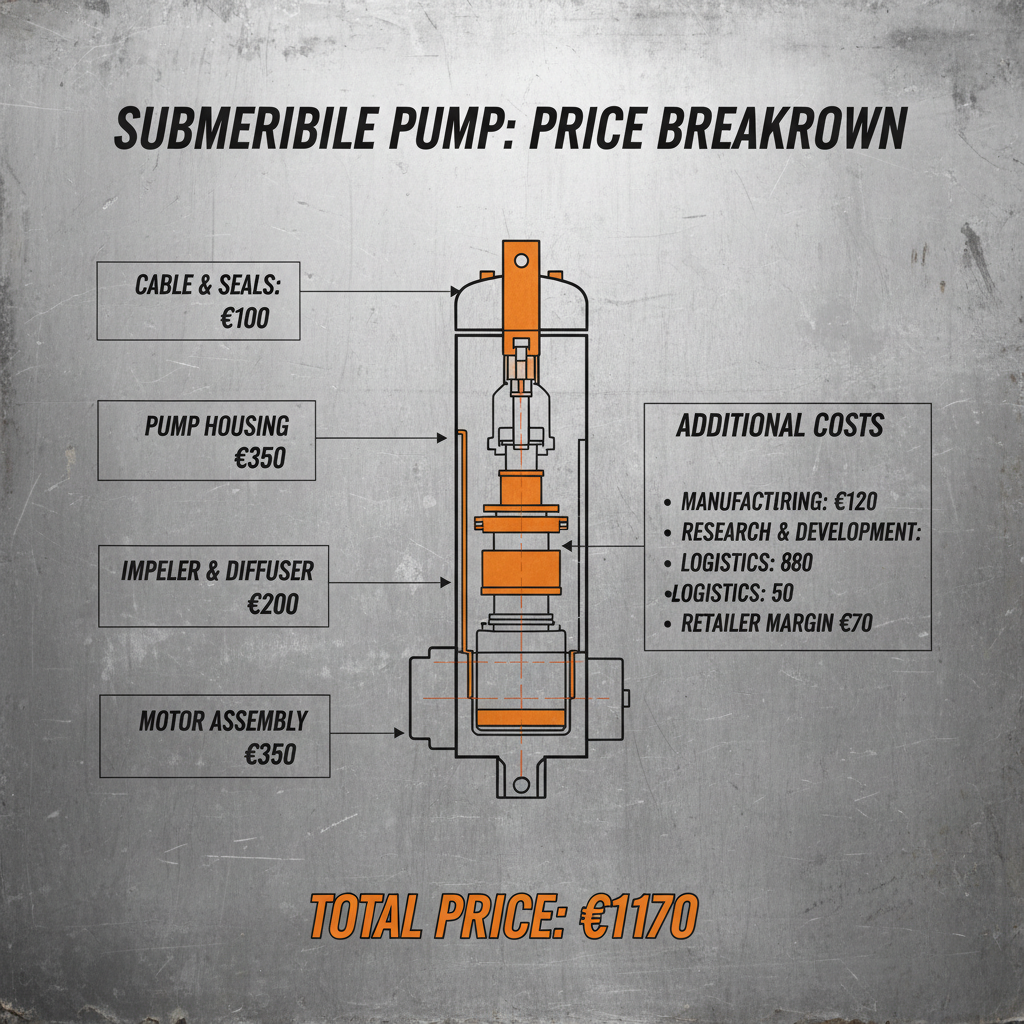 Factors Affecting the Price for Submersible Pump a Buyers GuideWhen investing in water management systems, understanding the price for submersible pump options is essential for balancing performance with budget. Whether you are managing a residential well, an industrial drainage project, or agricultural irrigation, the cost of a pump is rarely a flat fee; it is a reflection of the engineering, materials, and capacity required for your specific environment. In this guide, we will break down the factors that influence pricing and help you determine the best value for your investment to ensure long-term reliability and efficiency.Detail
 -
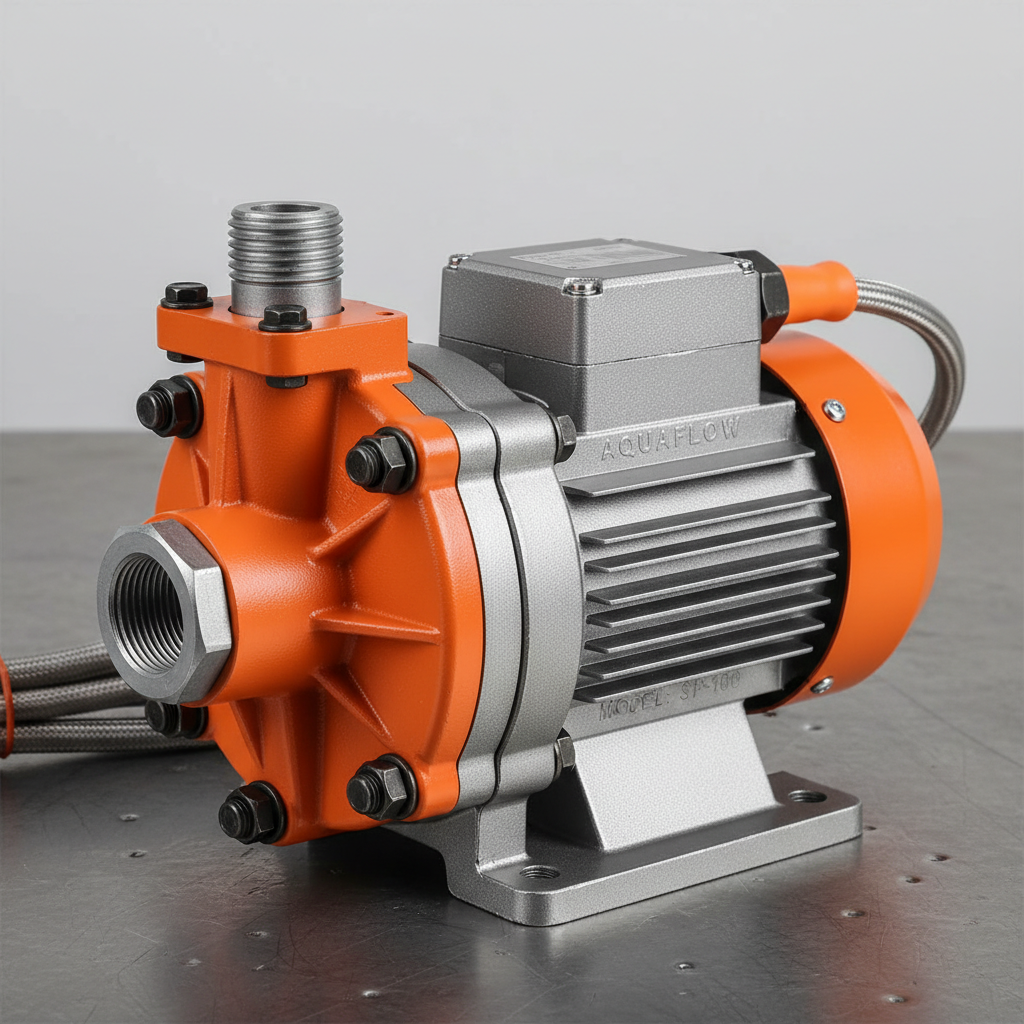 Choosing the Right Mini Submersible Fountain Pump for Optimal Water Feature PerformanceCreating a beautiful and relaxing water feature doesn't have to be complicated. A mini submersible fountain pump is the heart of any indoor or outdoor fountain, and selecting the right one is crucial for optimal performance and longevity. This article will guide you through the key considerations when choosing a mini submersible fountain pump, covering types, features, applications, and how to ensure you get the perfect pump for your project. We’ll also explore how Wellpumpact can provide you with the ideal solution.Detail
 Afrikaans
 Albanian
 Amharic
 Arabic
 Armenian
 Azerbaijani
 Basque
 Belarusian
 Bengali
 Bosnian
 Bulgarian
 Catalan
 Cebuano
 Corsican
 Croatian
 Czech
Czech
 Danish
 Dutch
Dutch
 Esperanto
 Estonian
 Finnish
 French
 Frisian
 Galician
 Georgian
 German
 Greek
Greek
 Gujarati
 Haitian Creole
 Hausa
Hausa
 Hawaiian
 Hebrew
 Hindi
Hindi
 Miao
Miao
 Hungarian
 Icelandic
 Igbo
Igbo
 Indonesian
 Irish
Irish
 Italian
 Japanese
 Javanese
 Kannada
 Kazakh
 Khmer
Khmer
 Rwandese
 Korean
 Kurdish
 Kyrgyz
 Lao
Lao
 Latin
Latin
 Latvian
 Lithuanian
 Luxembourgish
 Macedonian
 Malgashi
 Malay
Malay
 Malayalam
 Maltese
 Maori
Maori
 Marathi
 Mongolian
 Myanmar
 Nepali
 Norwegian
 Norwegian
 Occitan
 Pashto
 Persian
 Polish
 Portuguese
 Punjabi
 Romanian
 Russian
 Samoan
 Scottish Gaelic
 Serbian
 Sesotho
 Shona
Shona
 Sindhi
 Sinhala
 Slovak
 Slovenian
 Somali
 Spanish
 Sundanese
 Swahili
 Swedish
 Tagalog
 Tajik
Tajik
 Tamil
Tamil
 Tatar
Tatar
 Telugu
 Thai
Thai
 Turkish
 Turkmen
 Ukrainian
 Urdu
Urdu
 Uighur
 Uzbek
Uzbek
 Vietnamese
 Welsh
Welsh
 Bantu
Bantu
 Yiddish
 Yoruba
 Zulu
Zulu
 English