
Nov . 29, 2025 09:50 Back to list
Mini Submersible Pump - Compact Solutions for Reliable Water Access
What’s All the Fuss About Mini Submersible Pumps?
Mini submersible pumps might not make headlines like electric cars or AI, but these small, often unassuming workhorses play a surprisingly large role in global water management, environmental projects, and even humanitarian aid. Why? Because water isn’t just water; it’s life, sanitation, agriculture, and industry. Understanding the ins and outs of these nifty little pumps isn’t just technical nitpicking — it’s about appreciating a quiet solution addressing some of today’s most pressing challenges.
From remote villages needing clean water to post-disaster relief sites, mini submersible pump technology offers reliable, cost-effective means to move water where it counts. As we’ll see, their small size belies a big impact.
Global Context: Why Mini Submersible Pumps Matter More Than You Think
Worldwide, over 2 billion people lack access to safely managed drinking water (UNICEF & WHO, 2023). The mini submersible pump addresses this gap elegantly — especially in off-grid or difficult terrain areas where traditional infrastructure struggles.
Industry data from ISO and the World Bank suggest that mini-sized, energy-efficient pumps are growing in demand, largely for:
- Rural water supply schemes
- Small-scale irrigation systems
- Urban drainage and flood mitigation in vulnerable cities
- Emergency water provision during crises
Yet, problems like energy access, pump durability, and maintenance remain barriers — which is why the ongoing innovation in this sector really deserves close attention.
Mini takeaway: These pumps turn small-scale water problems into manageable solutions worldwide, proving that sometimes smaller really is better.
What Exactly Is a Mini Submersible Pump?
In plain language, a mini submersible pump is a compact motor-driven device designed to be fully submerged in water or other fluids to push or lift it. Unlike larger pumps fixed to the surface, these are installed underwater — ideal for wells, boreholes, or drainage systems.
Think of it as a hands-off water mover built for precision and convenience, which explains why industries and NGOs alike rely on them when space, power, and portability are constraints.
Oddly enough, they’re not just gadgets but a lifeline, especially for villages without electricity grids or for engineers managing remote sites.
Core Components that Make Mini Submersible Pumps Tick
1. Durability and Corrosion Resistance
Since they spend their lives underwater (often in tough conditions!), manufacturers use stainless steel, brass, or thermoplastics to fight corrosion. This ensures longevity, preventing leaks or breakdowns that could be disastrous in remote settings.
2. Power Efficiency
Most mini submersible pumps run on low voltage DC or AC motors optimized for minimal energy use. For example, those paired with solar panels are commonplace in off-grid areas — a sort of green synergy that just makes sense.
3. Compact Size & Portability
“Mini” means these pumps often weigh under 15 kg and can fit into wells as small as 3 inches in diameter. This slim profile means easy transport and quick installation, key when time and accessibility are tight.
4. Flow Rate and Head
The heart of any pump’s job – how much water it can move and how high. Mini submersible pumps typically deliver flows from a few hundred liters per hour up to about 5,000 LPH, with heads up to 30 meters. You pick a model based on your exact needs.
5. Sealing & Electrical Safety
Given the submerged environment and electric motors, robust sealing (often double mechanical seals) and insulation protect against short circuits and water ingress — critical for user safety and pump survival.
Mini takeaway: The magic lies in the engineering balance between rugged reliability and energy-smart, size-savvy design.
Where the Rubber Meets the Water: Real-World Applications
Mini submersible pumps find their niche in many corners:
- Rural Communities: Providing dependable water from shallow wells in parts of Africa, South Asia, and Latin America.
- Environmental Monitoring: Used by researchers to extract groundwater samples without disturbing the site.
- Disaster Relief: After floods or earthquakes, portable pumps rapidly clear water from basements or help restore sanitation.
- Industrial Sites: Managing cooling water recirculation or draining confined spaces on oil rigs or remote mines.
It’s fascinating how a tool so small becomes essential in such diverse contexts.
Advantages & Long-Term Value of Mini Submersible Pumps
- Cost-Effectiveness: Affordable manufacturing combined with low maintenance budgets means savings that really add up over time.
- Environmental Impact: Many models support solar power, minimizing carbon footprints — crucial for climate-conscious projects.
- Social Impact: Clean water access improves health, education, and economic opportunities.
- Reliability: Tested designs often run smoothly for years, sometimes decades.
Emotionally, there’s also a strong feeling of dignity and hope when communities gain control over a basic necessity.
Looking Ahead: What’s Next for Mini Submersible Pumps?
Interestingly, advances in materials science (think graphene coatings) and smart tech integration are poised to transform these pumps. Imagine embedded IoT sensors tracking pump health remotely or AI algorithms predicting maintenance needs.
Green energy integration will deepen, with improved solar panels and batteries ensuring pump performance even in the gloomiest weather. Policies supporting decentralized water systems are also on the rise globally.
Tempering Enthusiasm: Challenges & Practical Fixes
No piece of technology is perfect. Common issues include abrasive particle damage, clogging, and electrical failures in harsh environments. But companies are responding with modular designs for easier repair, filter systems, and enhanced sealing techniques.
Education and local training programs also help communities maintain their pumps — a crucial, sometimes overlooked, part of success.
Mini Submersible Pump Product Specification Table
| Feature | Specification |
|---|---|
| Motor Power | 200 W to 750 W |
| Max Flow Rate | Up to 5000 LPH |
| Max Head (Lift Height) | Up to 30 meters |
| Weight | 8 to 15 kg |
| Material | Stainless Steel, Brass, Thermoplastics |
| Voltage | 110-240 V AC / 12-48 V DC |
Vendor Comparison Table
| Vendor | Price Range | Warranty | Special Features |
|---|---|---|---|
| HydroTech | $120 - $300 | 2 years | Solar-compatible, corrosion-resistant |
| AquaLine | $100 - $280 | 1.5 years | Lightweight, easy installation |
| ClearFlow Pumps | $150 - $350 | 3 years | Built-in IoT monitoring |
Frequently Asked Questions About Mini Submersible Pumps
Q1: How deep can a mini submersible pump be installed?
Most mini submersible pumps can be installed at depths up to 30 meters. However, it's vital to choose a model rated for your specific well or borehole depth to ensure optimal performance.
Q2: Can mini submersible pumps run on solar power?
Yes! Many models are designed for low-voltage DC motors compatible with solar panels, making them ideal for off-grid applications and sustainable water supply solutions.
Q3: How often does a mini submersible pump require maintenance?
Maintenance frequency varies by usage and environment, but generally, annual checks focusing on seals, impellers, and electrical insulation help maintain reliability.
Q4: Are mini submersible pumps suitable for sandy or debris-filled water?
They are often equipped with screens or filters to handle small particulates. However, in highly abrasive or debris-filled waters, specialized or more robust models are recommended to prevent damage.
Q5: What’s the typical lifespan of these pumps?
With proper maintenance, a mini submersible pump can last 7–10 years or more, depending on operating conditions and build quality.
Wrapping Up: Why Mini Submersible Pumps Deserve a Spot in Your Toolkit
Thinking long term, mini submersible pumps combine practicality with innovation — they’re affordable, versatile, and increasingly green. They’re quietly transforming how communities access clean water and how industries handle fluid management. If you’re scouting for dependable water pumping, these smaller-than-you-think devices are worth serious consideration.
Want to explore more? Go ahead and visit our website: https://www.wellpumpact.com — your next step toward smarter water solutions.
References:
1. UNICEF & WHO Joint Monitoring Programme, https://washdata.org
2. International Organization for Standardization (ISO), https://www.iso.org
3. World Bank Water Global Practice, https://www.worldbank.org/en/topic/waterresourcesmanagement
-
Understanding the Price Submersible Pump and Buyer Guide
NewsApr.16,2026
-
Factors Affecting the Price for Submersible Pump a Buyers Guide
NewsApr.09,2026
-
Choosing the Right Mini Submersible Fountain Pump for Optimal Water Feature Performance
NewsApr.07,2026
-
A Detailed Guide to Installing a Submersible Pump for Optimal Performance
NewsApr.04,2026
-
Comprehensive Guide on How to Test a Submersible Water Well Pump Effectively
NewsMar.31,2026
-
Learn How to Replace a Submersible Well Pump Safely and Effectively
NewsMar.28,2026
-
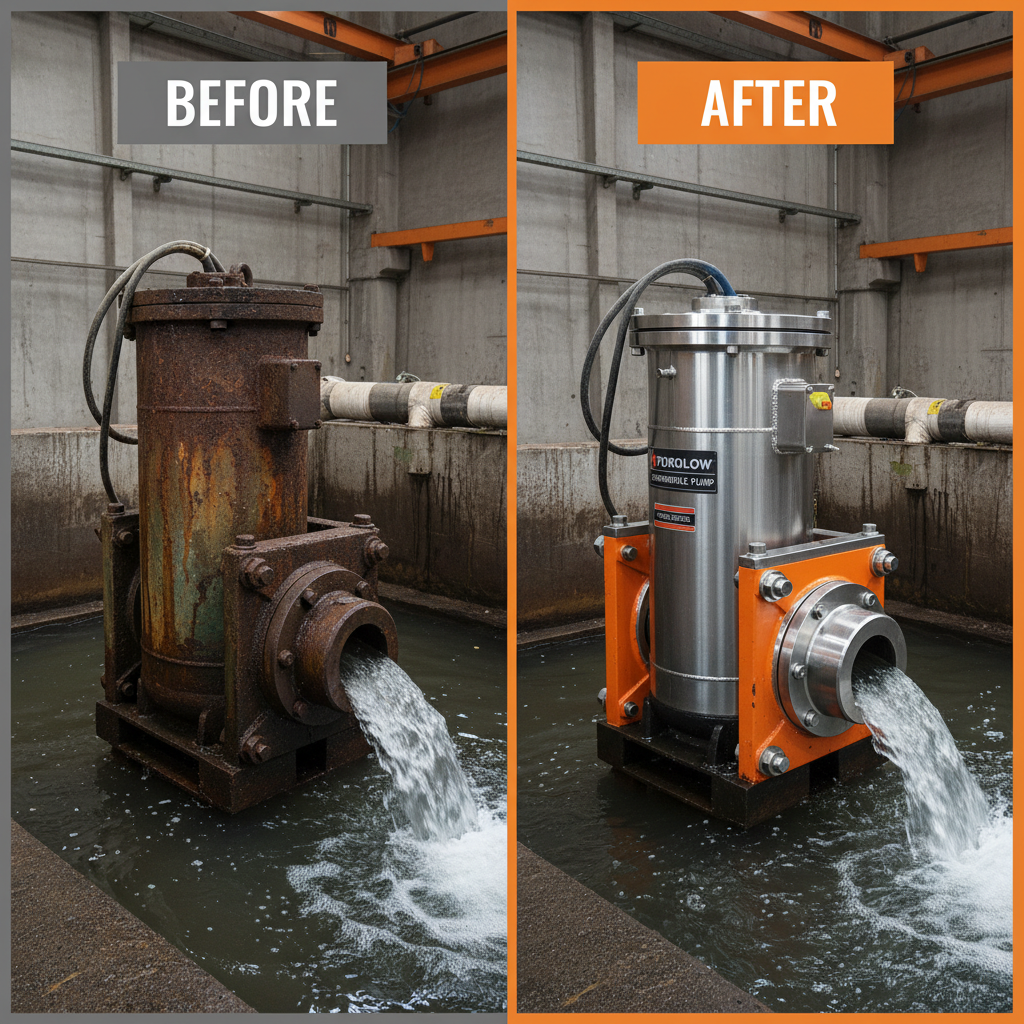 Understanding the Price Submersible Pump and Buyer GuideWhen searching for the ideal water management solution, understanding the price submersible pump options is crucial for balancing budget with performance. Whether you are dealing with a flooded basement, managing agricultural irrigation, or extracting water from a deep well, the cost of a submersible pump can vary significantly based on its build quality and capacity. Investing in a high-quality pump ensures long-term reliability and reduces the frequency of expensive replacements. In this guide, we will break down the factors that influence pricing and help you make an informed decision for your specific needs.Detail
 -
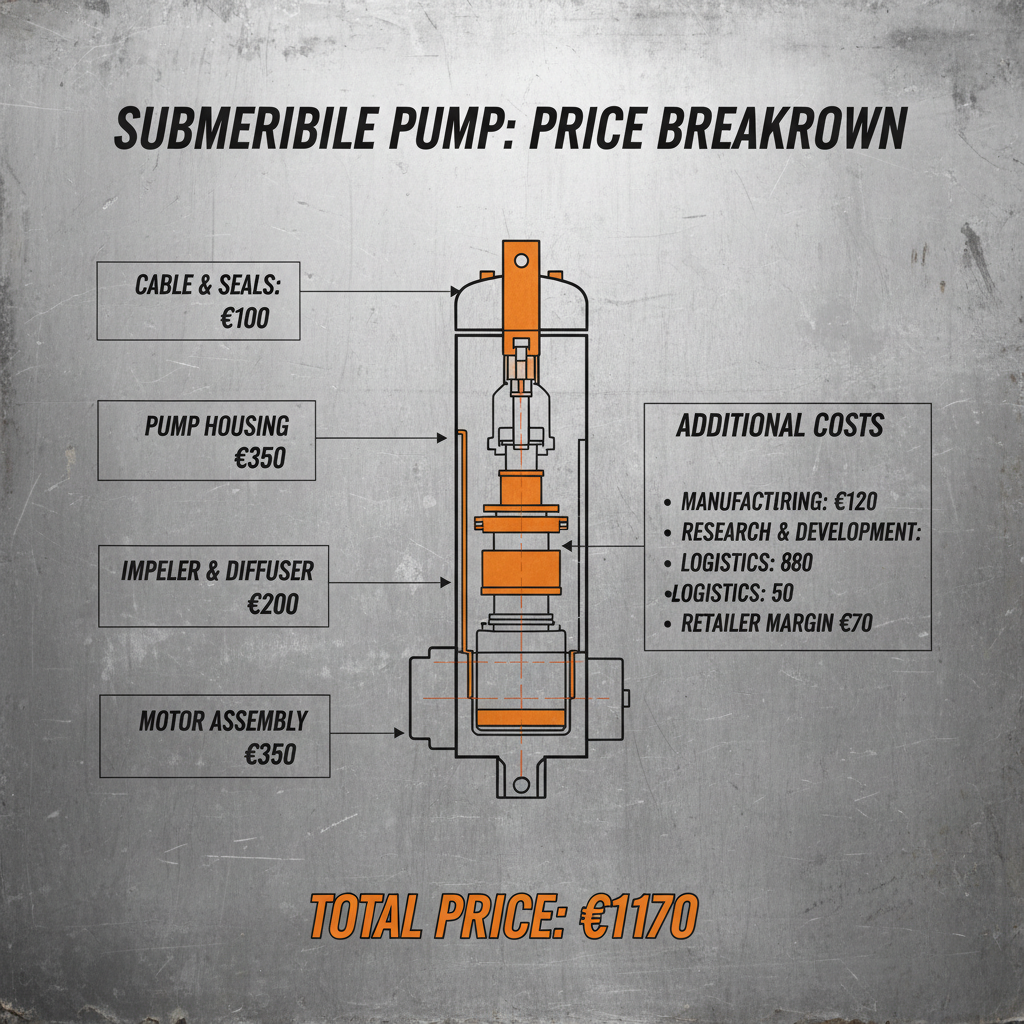 Factors Affecting the Price for Submersible Pump a Buyers GuideWhen investing in water management systems, understanding the price for submersible pump options is essential for balancing performance with budget. Whether you are managing a residential well, an industrial drainage project, or agricultural irrigation, the cost of a pump is rarely a flat fee; it is a reflection of the engineering, materials, and capacity required for your specific environment. In this guide, we will break down the factors that influence pricing and help you determine the best value for your investment to ensure long-term reliability and efficiency.Detail
 -
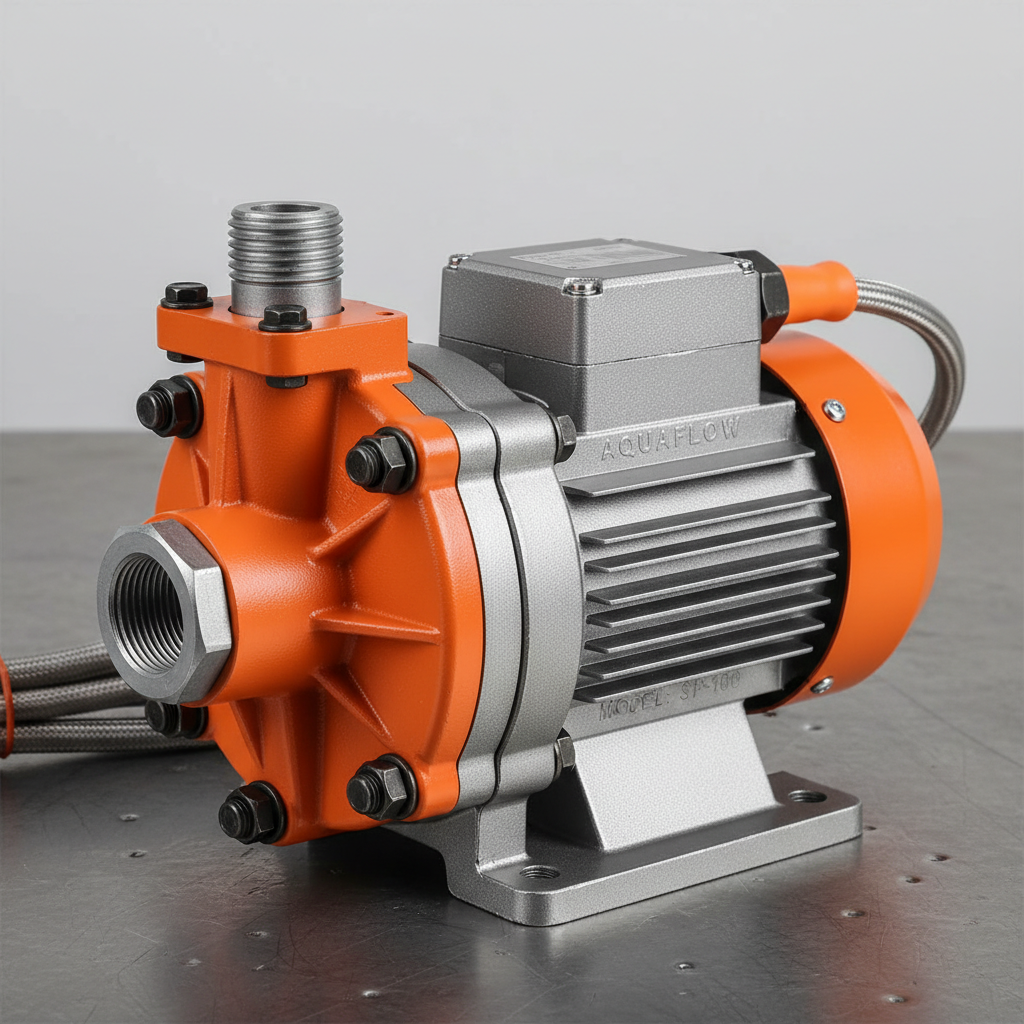 Choosing the Right Mini Submersible Fountain Pump for Optimal Water Feature PerformanceCreating a beautiful and relaxing water feature doesn't have to be complicated. A mini submersible fountain pump is the heart of any indoor or outdoor fountain, and selecting the right one is crucial for optimal performance and longevity. This article will guide you through the key considerations when choosing a mini submersible fountain pump, covering types, features, applications, and how to ensure you get the perfect pump for your project. We’ll also explore how Wellpumpact can provide you with the ideal solution.Detail
 Afrikaans
 Albanian
 Amharic
 Arabic
 Armenian
 Azerbaijani
 Basque
 Belarusian
 Bengali
 Bosnian
 Bulgarian
 Catalan
 Cebuano
 Corsican
 Croatian
 Czech
Czech
 Danish
 Dutch
Dutch
 Esperanto
 Estonian
 Finnish
 French
 Frisian
 Galician
 Georgian
 German
 Greek
Greek
 Gujarati
 Haitian Creole
 Hausa
Hausa
 Hawaiian
 Hebrew
 Hindi
Hindi
 Miao
Miao
 Hungarian
 Icelandic
 Igbo
Igbo
 Indonesian
 Irish
Irish
 Italian
 Japanese
 Javanese
 Kannada
 Kazakh
 Khmer
Khmer
 Rwandese
 Korean
 Kurdish
 Kyrgyz
 Lao
Lao
 Latin
Latin
 Latvian
 Lithuanian
 Luxembourgish
 Macedonian
 Malgashi
 Malay
Malay
 Malayalam
 Maltese
 Maori
Maori
 Marathi
 Mongolian
 Myanmar
 Nepali
 Norwegian
 Norwegian
 Occitan
 Pashto
 Persian
 Polish
 Portuguese
 Punjabi
 Romanian
 Russian
 Samoan
 Scottish Gaelic
 Serbian
 Sesotho
 Shona
Shona
 Sindhi
 Sinhala
 Slovak
 Slovenian
 Somali
 Spanish
 Sundanese
 Swahili
 Swedish
 Tagalog
 Tajik
Tajik
 Tamil
Tamil
 Tatar
Tatar
 Telugu
 Thai
Thai
 Turkish
 Turkmen
 Ukrainian
 Urdu
Urdu
 Uighur
 Uzbek
Uzbek
 Vietnamese
 Welsh
Welsh
 Bantu
Bantu
 Yiddish
 Yoruba
 Zulu
Zulu
 English