
Nov . 26, 2025 23:35 Back to list
Mini Submersible Water Pump – Compact Solutions for Efficient Water Management
The Small Giant: Why the Mini Submersible Water Pump Matters Today
At first glance, a mini submersible water pump might seem like just a tiny gadget meant for niche jobs — but it’s actually become one of the unsung heroes in water management worldwide. From disaster relief zones to high-tech industrial sites, understanding these pumps is key to solving pressing problems like efficient water transfer, small-scale irrigation, and emergency drainage.
Globally, the rising frequency of floods, irrigation needs, and decentralized water systems has made compact, reliable water pumps not just convenient but essential. Small, portable, and energy-efficient, these pumps pack a punch far beyond their size.
Mini Submersible Water Pump: A Global Perspective
Did you know the global water pump market is expected to cross $20 billion by 2026? (Source: MarketWatch) And small-scale, submersible types form a growing slice — especially as regions with erratic rainfall patterns must manage water smartly.
The United Nations Sustainable Development Goal 6 aims to ensure availability and sustainable management of water for all, underscoring the importance of innovative tools like mini submersible water pumps. Their ability to work directly in water bodies, minimize contamination, and efficiently move water makes them critical for industry and communities alike.
That said, challenges like power availability, durability under harsh conditions, and maintenance complexity remain. The mini submersible water pump often answers these problems by being compact enough for remote deployment, yet tough and reliable.
Defining Mini Submersible Water Pumps: A Simple Explanation
Imagine a pump designed to sit completely underwater—small enough to hold, but powerful enough to push water through hoses or pipes. That’s essentially a mini submersible water pump. Unlike surface pumps, these work beneath the waterline, reducing noise and priming issues.
In practical terms, they’re vital for applications like aquarium water circulation, small fountain systems, or, more importantly, emergency flood drainage and precision irrigation in agriculture.
Core Components and Key Factors to Consider
1. Durability
Mini submersible water pumps often face tough environments — from muddy floodwater to industrial waste. The casing usually uses corrosion-resistant materials such as stainless steel or reinforced plastics, helping them survive long-term.
2. Power Efficiency
Many models rely on low-voltage DC motors, which means they can run on solar power or batteries. This is a big deal in places without stable electricity.
3. Size and Scalability
The “mini” size is less about limitations and more about flexibility. They’re easy to carry, install, and scale up with multiple units if needed.
4. Flow Rate and Head Height
Flow rate (often in liters per minute) indicates how much water the pump can move, while the head height shows the maximum vertical distance the water can be pushed. Balancing these helps in selecting the right pump for your case.
5. Noise and Vibration
Because these pumps submerge in water, they tend to be quieter than surface pumps—a subtle advantage in residential or sensitive environments.
6. Maintainability
Easy disassembly and cleaning capabilities ensure the pump keeps running despite debris or algae build-up.
| Feature | Typical Range | Notes |
|---|---|---|
| Power Source | 12–24 V DC / 110–220 V AC | Solar or mains compatible |
| Flow Rate | 5–100 L/min | Dependent on model |
| Max Head Height | 3–15 meters | Vertical pumping height limit |
| Weight | 0.5–3 kg | Easy transport |
| Material | Stainless steel, ABS plastic | Corrosion-resistant |
Real-World Applications: Mini Pumps Making a Big Splash
Now, where do these tiny workhorses really shine? Well, quite literally everywhere:
- Disaster Relief Operations: When floods strike, quick removal of water is top priority. Mini submersible pumps can reach flooded basements or tents where larger pumps can’t.
- Agriculture & Irrigation: Small farms and greenhouses often depend on precise, gentle water delivery, which these pumps provide with minimal power.
- Industrial Cooling & Processing: In manufacturing plants, maintaining water flow in tight spaces is crucial — mini pumps fit the bill.
- Domestic Use: Fountains, aquariums, and small water features often leverage the quiet operation and reliability of these pumps.
For instance, in Southeast Asia, small submersible units have been deployed to support local farmers during drought seasons, showing a practical solution to bad weather and unreliable infrastructure.
The Long-Term Benefits of Choosing Mini Submersible Pumps
On paper, the advantages are relatively straightforward — compact size, reduced energy consumption, ease of use. But the emotional side is perhaps more touching: they give communities safety during floods, dignity when water scarcity strikes, and confidence to farmers who depend on water flow every season.
Reliability lowers maintenance overheads — no surprise many engineers say these often outlast expected lifespans. Their sustainability aspect appeals too, especially when paired with solar power.
The Future: Where Are Mini Submersible Water Pumps Headed?
Technology never stops. Future models are promising even smarter controls — imagine pumps connected to IoT sensors that auto-adjust flow based on real-time data, or fully solar-powered units with battery backups lasting days.
Material science also plays a role: next-gen composites could make pumps lighter, stronger, and even more corrosion-proof. This means reduced lifecycle costs and better adaptation to harsher environments.
On the policy front, governments and NGOs are pushing for sustainable water tech with incentives that make mini pumps more accessible in developing regions.
Challenges & How They're Tackled
No tech is perfect. Mini submersible pumps sometimes struggle with debris clogging impellers or require proper sealing to avoid water damage to electrical components. Variability in power supply can inhibit performance in remote areas.
Luckily, manufacturers are innovating with modular designs for easier cleaning, and integrated filters to handle particulates. Solar hybrid models with energy-efficient controllers also help overcome unstable grid power.
| Brand | Price Range | Power Options | Warranty | Unique Selling Point |
|---|---|---|---|---|
| PumpTech Pro | $80 - $150 | 12V DC / Solar compatible | 2 years | Lightweight, ultra-quiet motor |
| FlowMaster Mini | $100 - $180 | 110V AC / 24V DC | 3 years | Self-cleaning impeller |
| EcoPump Solutions | $90 - $160 | Solar only | 1.5 years | Optimized for solar efficiency |
FAQ: Your Top Questions About Mini Submersible Water Pumps
Q1: How do I choose the right mini submersible water pump for my needs?
Start by identifying the flow rate and head height required based on your application. Then, consider power availability—solar, mains, or battery. Durability and material resistance are important if you’ll use the pump in harsh water conditions. Finally, check for ease of maintenance to minimize downtime.
Q2: Can a mini submersible water pump handle dirty or muddy water?
Many models can handle small particles but aren’t designed for heavy solids. Look for pumps with integrated filters or self-cleaning impellers if you expect murky water. For larger debris, specialized pumps might be necessary.
Q3: How long do these pumps typically last?
With proper maintenance, most mini submersible pumps last around 3–5 years, sometimes longer. Key is regular cleaning, avoiding dry running, and using the pump within its rated specs.
Q4: Are solar-powered mini submersible pumps reliable in cloudy regions?
Solar options work best with adequate sunlight, but models with battery backups or hybrid connections improve reliability. It’s wise to size your system with some energy margin for cloudy periods.
Q5: Can I use a mini submersible water pump for aquarium water circulation?
Absolutely! Many hobbyists prefer these pumps due to their quiet operation and compact size. Just make sure the flow rate matches the tank size to keep fish happy.
In Conclusion: Small Device, Big Impact
The mini submersible water pump is a shining example of thoughtful engineering answering real-world water challenges. From urban homes to remote villages, the ability to move water efficiently, quietly, and dependably is transformative.
Want to explore more about how these pumps can suit your needs? Visit our website: https://www.wellpumpact.com for in-depth guides, product details, and expert support.
Mini Takeaway: Never underestimate what small tech can do. The mini submersible water pump quietly powers vital water systems and might just be the tool you need next.
References:
-
Understanding the Price Submersible Pump and Buyer Guide
NewsApr.16,2026
-
Factors Affecting the Price for Submersible Pump a Buyers Guide
NewsApr.09,2026
-
Choosing the Right Mini Submersible Fountain Pump for Optimal Water Feature Performance
NewsApr.07,2026
-
A Detailed Guide to Installing a Submersible Pump for Optimal Performance
NewsApr.04,2026
-
Comprehensive Guide on How to Test a Submersible Water Well Pump Effectively
NewsMar.31,2026
-
Learn How to Replace a Submersible Well Pump Safely and Effectively
NewsMar.28,2026
-
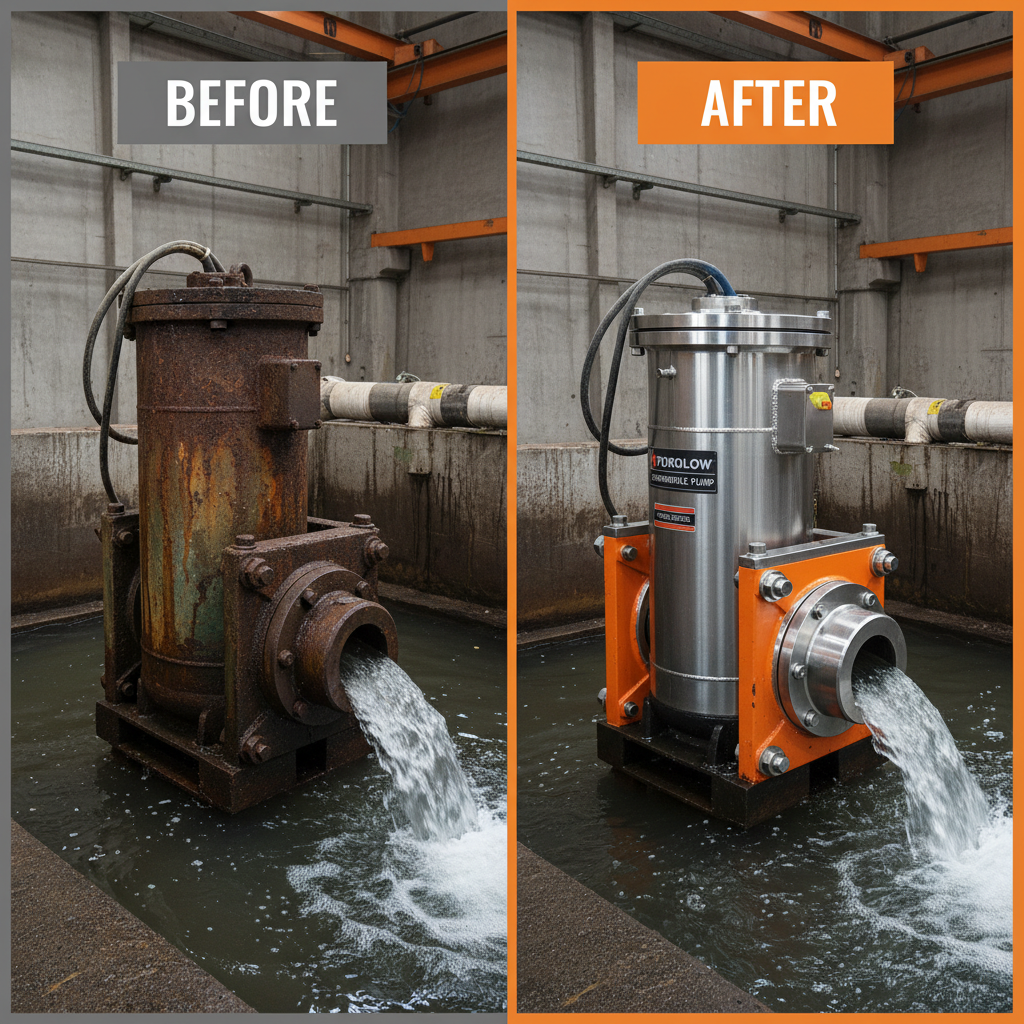 Understanding the Price Submersible Pump and Buyer GuideWhen searching for the ideal water management solution, understanding the price submersible pump options is crucial for balancing budget with performance. Whether you are dealing with a flooded basement, managing agricultural irrigation, or extracting water from a deep well, the cost of a submersible pump can vary significantly based on its build quality and capacity. Investing in a high-quality pump ensures long-term reliability and reduces the frequency of expensive replacements. In this guide, we will break down the factors that influence pricing and help you make an informed decision for your specific needs.Detail
 -
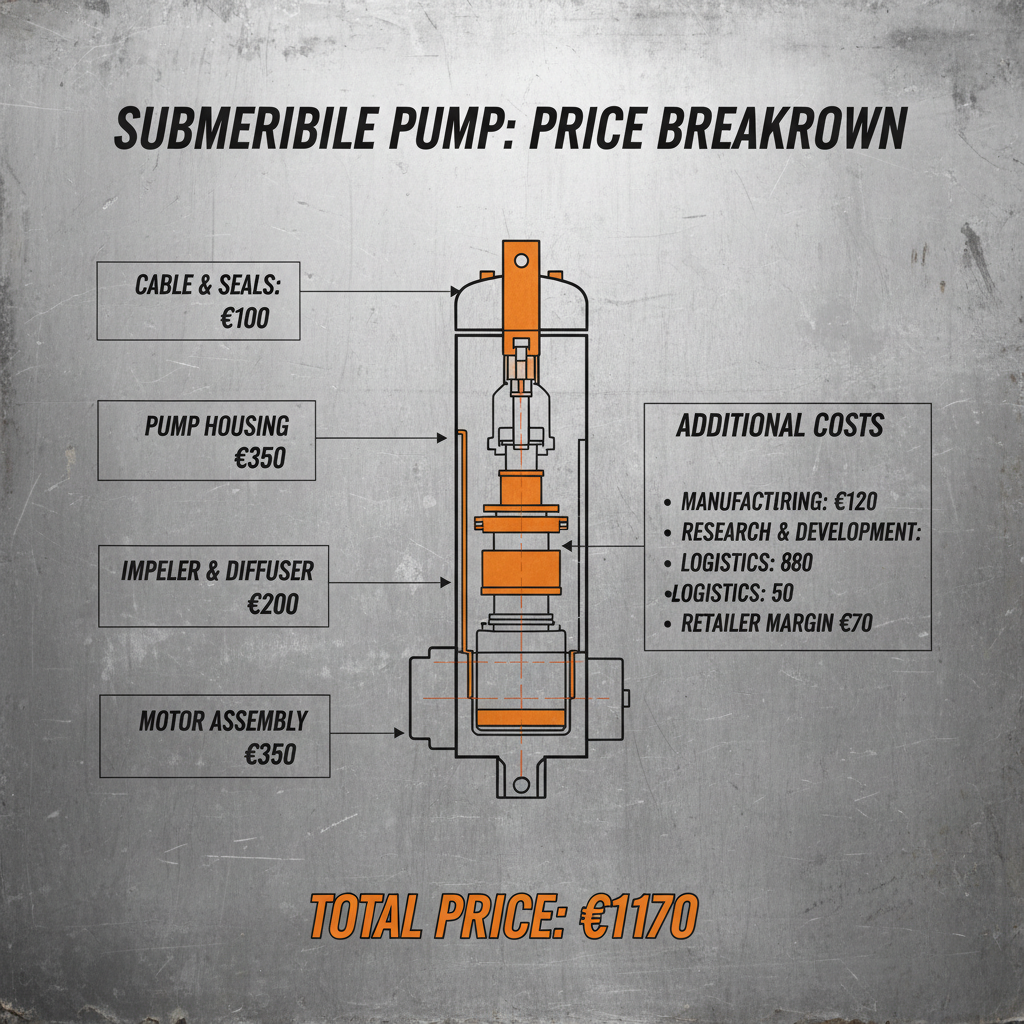 Factors Affecting the Price for Submersible Pump a Buyers GuideWhen investing in water management systems, understanding the price for submersible pump options is essential for balancing performance with budget. Whether you are managing a residential well, an industrial drainage project, or agricultural irrigation, the cost of a pump is rarely a flat fee; it is a reflection of the engineering, materials, and capacity required for your specific environment. In this guide, we will break down the factors that influence pricing and help you determine the best value for your investment to ensure long-term reliability and efficiency.Detail
 -
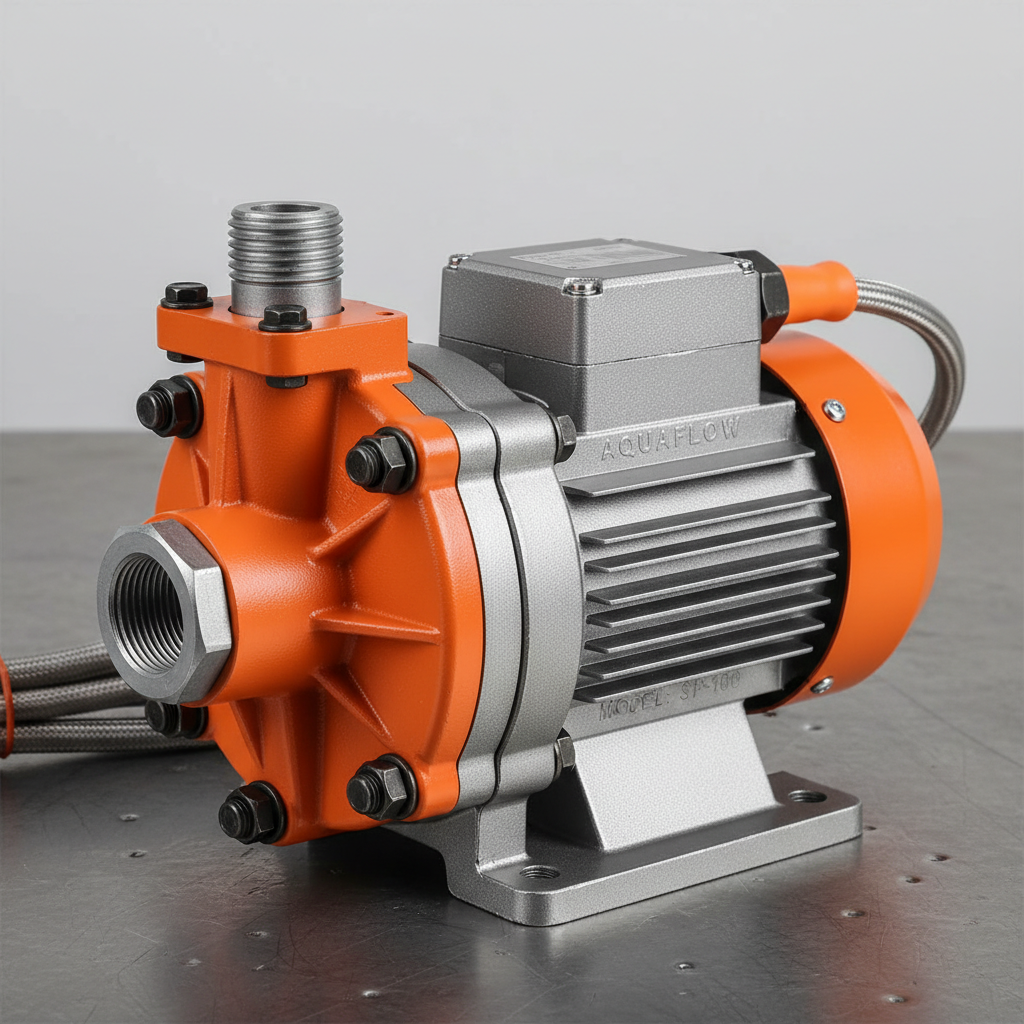 Choosing the Right Mini Submersible Fountain Pump for Optimal Water Feature PerformanceCreating a beautiful and relaxing water feature doesn't have to be complicated. A mini submersible fountain pump is the heart of any indoor or outdoor fountain, and selecting the right one is crucial for optimal performance and longevity. This article will guide you through the key considerations when choosing a mini submersible fountain pump, covering types, features, applications, and how to ensure you get the perfect pump for your project. We’ll also explore how Wellpumpact can provide you with the ideal solution.Detail
 Afrikaans
 Albanian
 Amharic
 Arabic
 Armenian
 Azerbaijani
 Basque
 Belarusian
 Bengali
 Bosnian
 Bulgarian
 Catalan
 Cebuano
 Corsican
 Croatian
 Czech
Czech
 Danish
 Dutch
Dutch
 Esperanto
 Estonian
 Finnish
 French
 Frisian
 Galician
 Georgian
 German
 Greek
Greek
 Gujarati
 Haitian Creole
 Hausa
Hausa
 Hawaiian
 Hebrew
 Hindi
Hindi
 Miao
Miao
 Hungarian
 Icelandic
 Igbo
Igbo
 Indonesian
 Irish
Irish
 Italian
 Japanese
 Javanese
 Kannada
 Kazakh
 Khmer
Khmer
 Rwandese
 Korean
 Kurdish
 Kyrgyz
 Lao
Lao
 Latin
Latin
 Latvian
 Lithuanian
 Luxembourgish
 Macedonian
 Malgashi
 Malay
Malay
 Malayalam
 Maltese
 Maori
Maori
 Marathi
 Mongolian
 Myanmar
 Nepali
 Norwegian
 Norwegian
 Occitan
 Pashto
 Persian
 Polish
 Portuguese
 Punjabi
 Romanian
 Russian
 Samoan
 Scottish Gaelic
 Serbian
 Sesotho
 Shona
Shona
 Sindhi
 Sinhala
 Slovak
 Slovenian
 Somali
 Spanish
 Sundanese
 Swahili
 Swedish
 Tagalog
 Tajik
Tajik
 Tamil
Tamil
 Tatar
Tatar
 Telugu
 Thai
Thai
 Turkish
 Turkmen
 Ukrainian
 Urdu
Urdu
 Uighur
 Uzbek
Uzbek
 Vietnamese
 Welsh
Welsh
 Bantu
Bantu
 Yiddish
 Yoruba
 Zulu
Zulu
 English