
Dec . 01, 2025 02:20 Back to list
Small Dirty Water Pump: Durable, Portable Solutions for Challenging Water Management
Small Dirty Water Pumps: Why They Matter in a Thirsty, Messy World
In a world that often overlooks the nitty-gritty of water management, small dirty water pumps quietly play a massive role—whether in saving lives during disasters or keeping industrial sites safe and efficient. These specialized pumps handle “dirty” water — loaded with debris, sediment, and sometimes oily residues — moving it quickly and reliably. This little bit of engineering wizardry makes the difference between flooding and flow, between costly downtime and operational uptime.
Globally, millions face challenges related to water contamination, flooding, or infrastructure breakdown. According to the UN World Water Development Report, water-related disasters affect hundreds of millions annually. And behind many emergency interventions or industrial fixes, you’ll find small dirty water pumps humming away. Understanding their design, function, and applications helps industries and communities optimize water management for safety, sustainability, and cost-efficiency.
So, if you’ve ever wondered why a small device can make such a big splash... well, you’re in for a treat.
Framing the Problem: Water's Dirty Business on a Global Scale
It might seem like the very word “dirty water” should be off-putting, but handling sullied water streams is a core industrial and humanitarian challenge. Millions of factories, farms, and cities grapple with wastewater, storm runoff, or hazardous spills that can clog or destroy equipment and ecosystems.
World Bank data notes that damaged water infrastructure costs billions annually in losses, and access to clean water remains elusive for many. Water contamination often hinders development, worsens health problems, and complicates disaster recovery.
Right in this intersection, the small dirty water pump emerges: a piece of machinery designed to move water that you wouldn’t want to drink straight from the hose, but absolutely need out of your ditch or tank — fast.
What Exactly Is a Small Dirty Water Pump?
In the simplest terms, a small dirty water pump is a portable or compact pumping device made to transfer water containing suspended solids like sand, gravel, leaves, or sludge. Unlike clean water pumps, these are built tougher—both in materials and design—to handle abrasion, clogging, and corrosive elements.
Think of them as the workhorses of the pumping world, meant for drainage, dewatering, flood control, sewage transport, or industrial waste systems. Industries from construction to agriculture and disaster relief teams trust them to keep things flowing smoothly when conditions get rough.
Even humanitarian agencies use these pumps for rapid deployment in flood-hit or emergency zones, showing just how cross-cutting their utility truly is.
What Makes Them Tick? Core Components of Small Dirty Water Pumps
- Robust Impeller Design: Usually semi-open or vortex style to prevent clogging and handle solid particles without damage.
- Durable Materials: Cast iron, stainless steel, or even polymer composites to resist corrosion and abrasion.
- Compact and Portable Build: Sized so operators can move them easily to tight or remote spots.
- Power Source Variety: From gasoline engines to electric motors, depending on the application and site conditions.
- Sealing and Shaft Protection: Mechanical seals and shaft sleeves protect the motor from water infiltration and debris.
- Ease of Maintenance: Designed for quick cleaning or part replacement given the harsh substances they handle daily.
In real terms, each technical detail contributes to reliability — because when water's dirty, you can’t afford downtime.
Mini Takeaway:
Small dirty water pumps blend strong engineering with smart design choices to keep challenging water flowing — crucial both for industry and emergency use.
Where Are These Pumps Being Used? Global Applications That Speak Volumes
In practical terms, you’ll find these pumps across a few dominant arenas:
- Construction and Excavation Sites: Dewatering trenches and foundations to keep projects on track.
- Municipal Wastewater Treatment: Moving sewage or sludge during treatment or line blockages.
- Agriculture and Irrigation: Handling irrigation runoff mixed with sediments or fertilizers.
- Disaster Relief and Flood Control: Emergency water removal after storms, tsunamis, or hurricanes.
- Mining and Industrial Plants: Transporting contaminated or slurry wastewater safely.
For example, during the 2019 floods in Kerala, India, rescue teams relied heavily on portable dirty water pumps to clear flooded homes and prevent waterborne disease outbreaks. Meanwhile, mining operations in Chile depend on robust pumps to move slurry laden with rock fragments, keeping production stable amid complex geology.
Different regions see different needs, but the tool remains critical everywhere dirty water threatens infrastructure or health.
Mini Takeaway:
The widespread and varied use cases illustrate just how indispensable small dirty water pumps are—from flood-hit villages to high-tech mines.
The Value Proposition: Advantages and Long-Term Impact of Small Dirty Water Pumps
Why invest in a good small dirty water pump, really? Here’s the gist:
- Cost-Effective Protection: They dramatically reduce damage and downtime caused by flooding or wastewater backups.
- Eco-Friendly Operations: By enabling faster sewage processing and flood control, they help protect waterways.
- Improved Safety and Hygiene: Preventing stagnant water accumulation reduces disease risks and unpleasant conditions.
- Portability and Flexibility: Easy transport allows rapid response in emergencies and site changes.
- Trustworthy Durability: Robustness means fewer replacements and lower maintenance costs over time.
There’s also an emotional comfort factor, frankly — knowing you’ve got something reliable to lean on when water gets messy.
Small Dirty Water Pump: Product Specifications at a Glance
| Specification | Typical Range | Notes |
|---|---|---|
| Flow rate | 50 to 300 gallons per minute (GPM) | Suitable for both light and moderate tasks |
| Maximum particle size | Up to 1.25 inches (32 mm) | Ensures large solids pass without clogging |
| Power source | Gasoline, Diesel, Electric | Flexible options depending on site |
| Pump weight | 30 to 120 lbs (14 to 54 kg) | Manually portable by one or two people |
| Max head (vertical lift) | 80 to 130 feet (24 to 40 meters) | Useful for pumping water uphill or out of basements |
Comparing Popular Small Dirty Water Pump Vendors
| Brand | Flow Rate (GPM) | Power Options | Durability Rating | Typical Price Range |
|---|---|---|---|---|
| PumpMaster Pro | 80–250 | Gasoline, Electric | High (cast iron impeller) | $800–$1200 |
| ClearFlow Compact | 50–150 | Electric only | Medium (polymer casing) | $550–$850 |
| Durapump XT | 100–300 | Gasoline, Diesel | Very High (stainless steel) | $1000–$1500 |
The Future: Innovations Driving Small Dirty Water Pumps Ahead
Here’s where it gets exciting. Engineers are exploring green energy integration — solar-powered dirty water pumps, for instance — to cut fuel dependency in remote locales. Plus, IoT-enabled sensors now offer real-time monitoring of pump health and performance, reducing surprises on site. Materials innovations like ceramics and composite coatings could push durability even further.
We’re also seeing tighter regulations that encourage eco-friendly wastewater management, nudging manufacturers toward low-emission engines and biodegradable lubricants.
So yes, your next small dirty water pump might just be smarter, cleaner, and more sustainable.
Navigating Common Challenges and Their Solutions
Like any machine, small dirty water pumps face wear-and-tear, clogging, and sometimes tricky fuel logistics in the field. The principal challenge tends to be ensuring long-term seal integrity and avoiding impeller damage from abrasive solids.
That said, many users have found success rotating pumps frequently to avoid sediment buildup, investing in modular impellers for quick swaps, and carefully choosing power configurations that match job site realities.
Serviceability remains key. Pumps that allow quick maintenance cuts downtime and makes them far more valuable in emergencies.
FAQ: Your Questions About Small Dirty Water Pumps Answered
Q1: How do I choose the right size small dirty water pump for my job?
A: Consider the flow rate needed (GPM), maximum particle size the pump can handle, and the total vertical lift (head). Always factor in some safety margin, and if unsure, consult with a vendor specialist.
Q2: Can small dirty water pumps run on batteries or solar?
A: While traditional models use gasoline, diesel, or electric mains, emerging models incorporate battery packs or solar panels, especially for remote or eco-conscious applications.
Q3: How often should maintenance be performed?
A: Regular checks depend on usage intensity but generally include post-operation cleaning, seal inspections every 50 hours, and impeller condition checks monthly to minimize failures.
Q4: Are these pumps noisy or hazardous to operate?
A: Gasoline and diesel models can be noisy but usually come with basic noise dampening. Safety guidelines, including wearing PPE and proper handling, reduce hazards on site.
Q5: What’s the best way to transport and store these pumps?
A: Use carrying cases or pallets for transport, store in dry, ventilated areas away from corrosive chemicals, and dry pumps thoroughly before long-term storage to avoid rust.
Wrapping Up: Why Small Dirty Water Pumps Deserve Your Attention
Frankly, no sector wants to grapple with flooding, clogs, or messy water buildups—but when they happen, having access to a reliable small dirty water pump can mean the difference between chaos and control. They offer cost-effective, portable, and durable solutions that can be deployed almost anywhere.
If your operation is facing any kind of wastewater challenge or emergency response need, it’s worth learning more about the latest in pump technology. Curious? Jump over to small dirty water pump for cutting-edge options and expert advice.
References
-
Understanding the Price Submersible Pump and Buyer Guide
NewsApr.16,2026
-
Factors Affecting the Price for Submersible Pump a Buyers Guide
NewsApr.09,2026
-
Choosing the Right Mini Submersible Fountain Pump for Optimal Water Feature Performance
NewsApr.07,2026
-
A Detailed Guide to Installing a Submersible Pump for Optimal Performance
NewsApr.04,2026
-
Comprehensive Guide on How to Test a Submersible Water Well Pump Effectively
NewsMar.31,2026
-
Learn How to Replace a Submersible Well Pump Safely and Effectively
NewsMar.28,2026
-
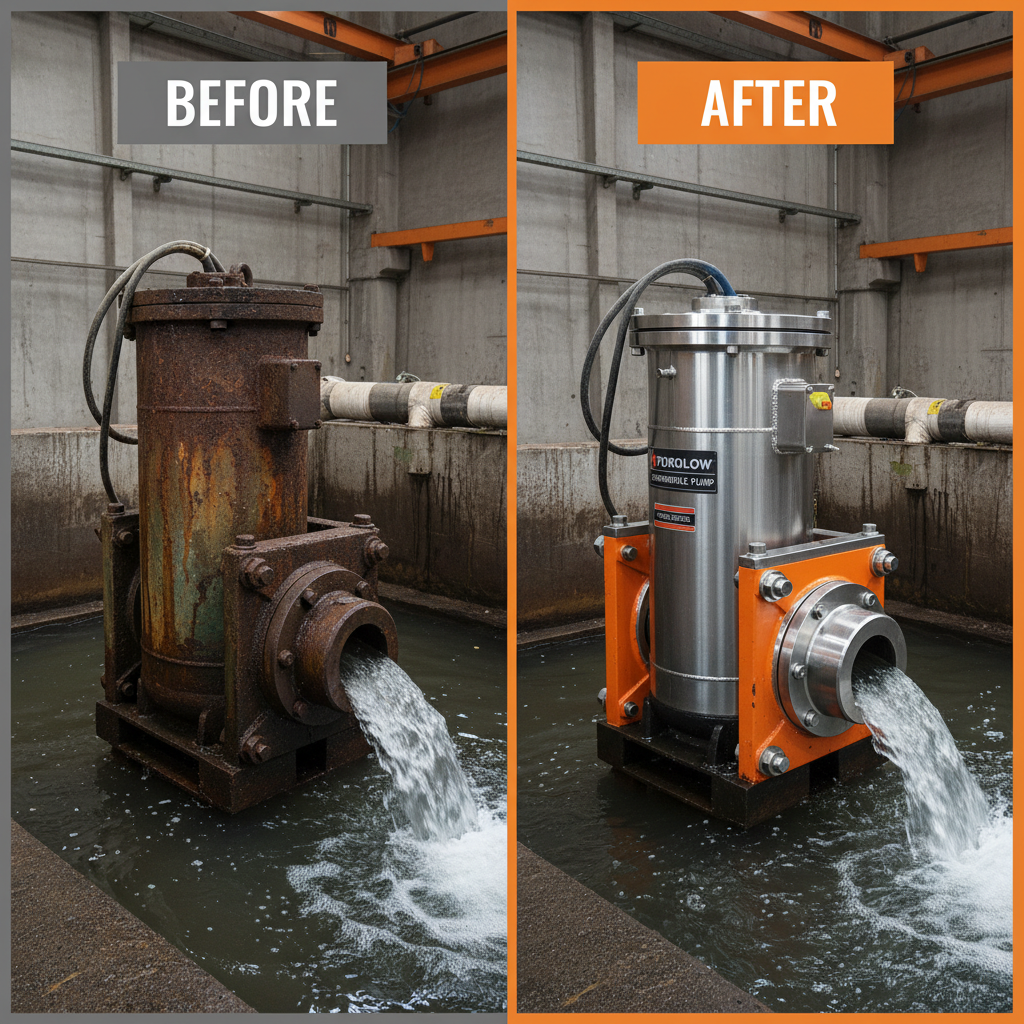 Understanding the Price Submersible Pump and Buyer GuideWhen searching for the ideal water management solution, understanding the price submersible pump options is crucial for balancing budget with performance. Whether you are dealing with a flooded basement, managing agricultural irrigation, or extracting water from a deep well, the cost of a submersible pump can vary significantly based on its build quality and capacity. Investing in a high-quality pump ensures long-term reliability and reduces the frequency of expensive replacements. In this guide, we will break down the factors that influence pricing and help you make an informed decision for your specific needs.Detail
 -
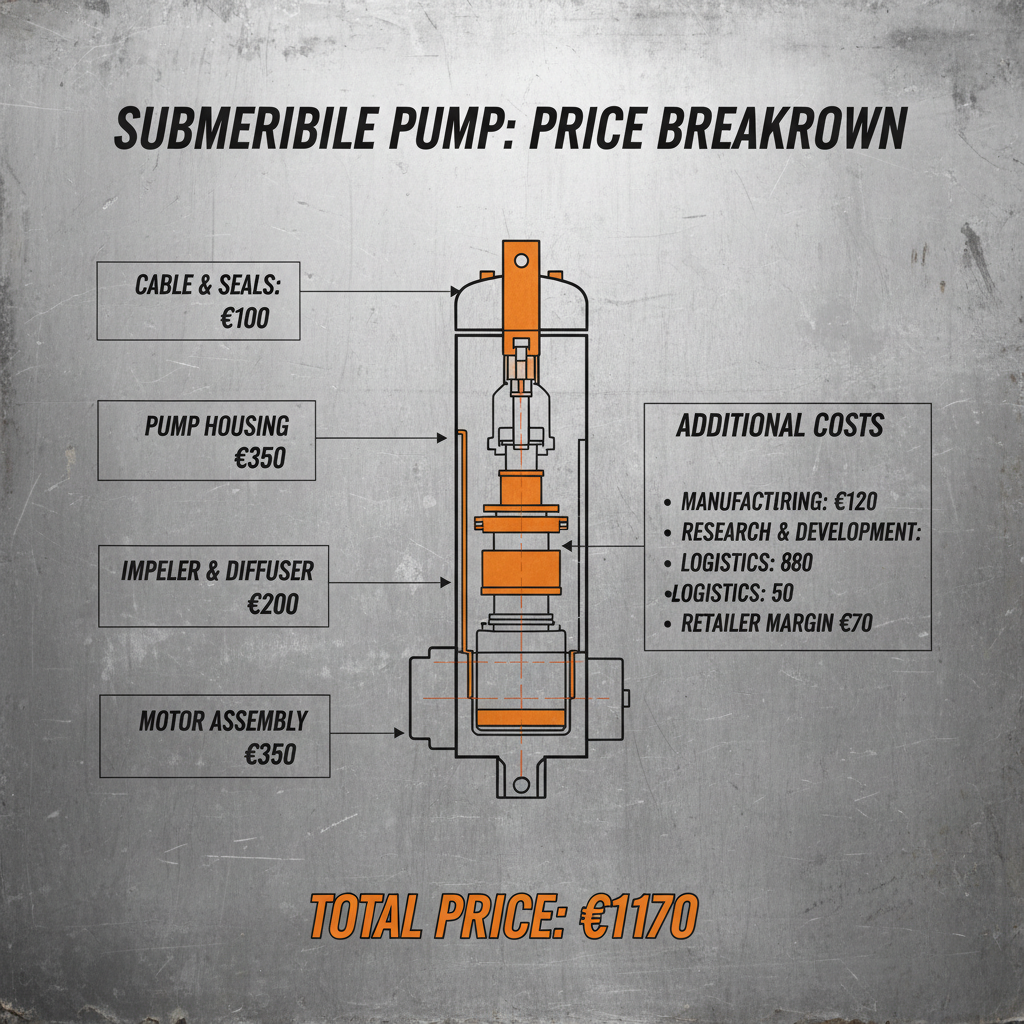 Factors Affecting the Price for Submersible Pump a Buyers GuideWhen investing in water management systems, understanding the price for submersible pump options is essential for balancing performance with budget. Whether you are managing a residential well, an industrial drainage project, or agricultural irrigation, the cost of a pump is rarely a flat fee; it is a reflection of the engineering, materials, and capacity required for your specific environment. In this guide, we will break down the factors that influence pricing and help you determine the best value for your investment to ensure long-term reliability and efficiency.Detail
 -
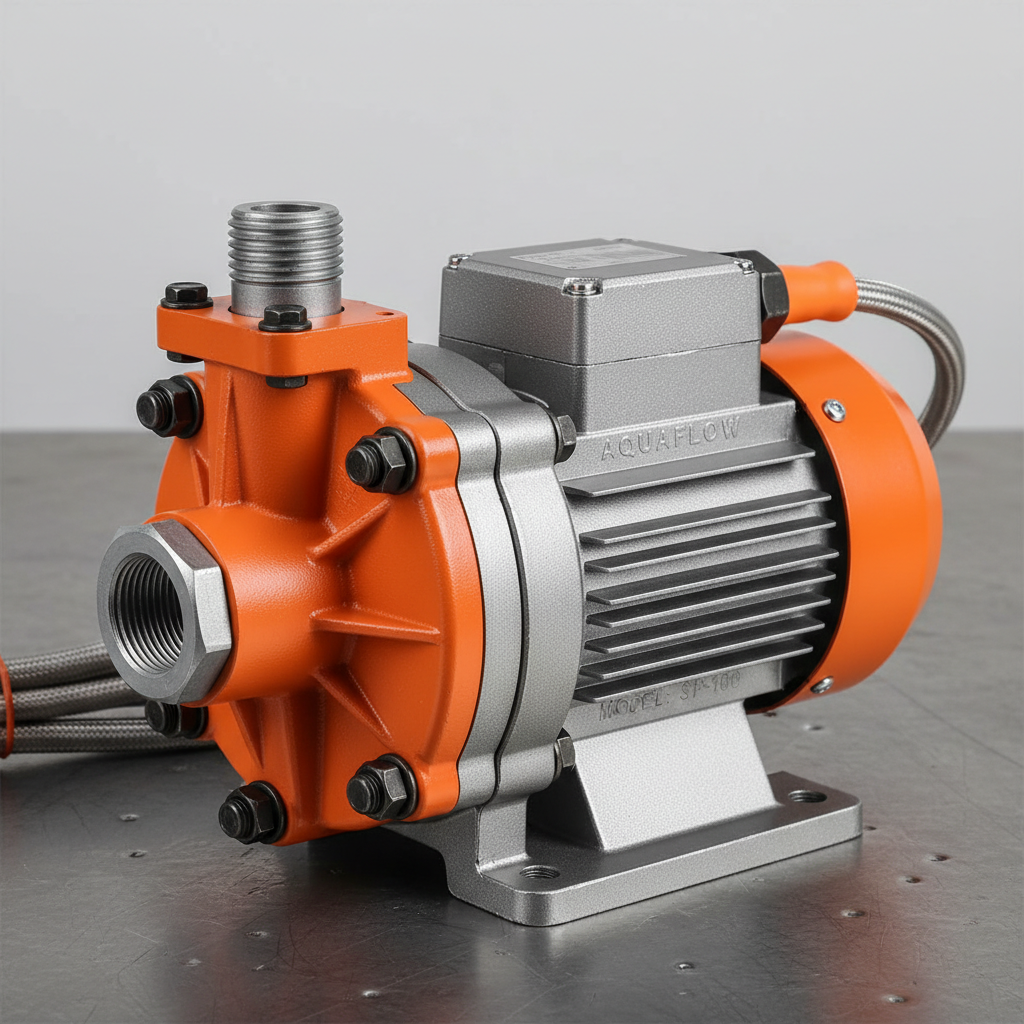 Choosing the Right Mini Submersible Fountain Pump for Optimal Water Feature PerformanceCreating a beautiful and relaxing water feature doesn't have to be complicated. A mini submersible fountain pump is the heart of any indoor or outdoor fountain, and selecting the right one is crucial for optimal performance and longevity. This article will guide you through the key considerations when choosing a mini submersible fountain pump, covering types, features, applications, and how to ensure you get the perfect pump for your project. We’ll also explore how Wellpumpact can provide you with the ideal solution.Detail
 Afrikaans
 Albanian
 Amharic
 Arabic
 Armenian
 Azerbaijani
 Basque
 Belarusian
 Bengali
 Bosnian
 Bulgarian
 Catalan
 Cebuano
 Corsican
 Croatian
 Czech
Czech
 Danish
 Dutch
Dutch
 Esperanto
 Estonian
 Finnish
 French
 Frisian
 Galician
 Georgian
 German
 Greek
Greek
 Gujarati
 Haitian Creole
 Hausa
Hausa
 Hawaiian
 Hebrew
 Hindi
Hindi
 Miao
Miao
 Hungarian
 Icelandic
 Igbo
Igbo
 Indonesian
 Irish
Irish
 Italian
 Japanese
 Javanese
 Kannada
 Kazakh
 Khmer
Khmer
 Rwandese
 Korean
 Kurdish
 Kyrgyz
 Lao
Lao
 Latin
Latin
 Latvian
 Lithuanian
 Luxembourgish
 Macedonian
 Malgashi
 Malay
Malay
 Malayalam
 Maltese
 Maori
Maori
 Marathi
 Mongolian
 Myanmar
 Nepali
 Norwegian
 Norwegian
 Occitan
 Pashto
 Persian
 Polish
 Portuguese
 Punjabi
 Romanian
 Russian
 Samoan
 Scottish Gaelic
 Serbian
 Sesotho
 Shona
Shona
 Sindhi
 Sinhala
 Slovak
 Slovenian
 Somali
 Spanish
 Sundanese
 Swahili
 Swedish
 Tagalog
 Tajik
Tajik
 Tamil
Tamil
 Tatar
Tatar
 Telugu
 Thai
Thai
 Turkish
 Turkmen
 Ukrainian
 Urdu
Urdu
 Uighur
 Uzbek
Uzbek
 Vietnamese
 Welsh
Welsh
 Bantu
Bantu
 Yiddish
 Yoruba
 Zulu
Zulu
 English