
Sep . 22, 2025 13:35 Back to list
Water Filled Submersible Pump: Eco-Friendly & Efficient Solutions
The Advanced Engineering of Water Filled Submersible Pump Systems
In industrial and municipal fluid management, the reliability and efficiency of pumping solutions are paramount. The water filled submersible pump represents a critical advancement in this domain, offering a robust and environmentally conscious alternative to traditional designs. These sophisticated pumps are engineered for demanding applications, delivering superior performance in scenarios ranging from deep well water supply to industrial dewatering and wastewater management. Their unique design, which utilizes water for motor cooling and lubrication, mitigates common operational challenges, enhancing longevity and reducing environmental impact. This article delves into the intricate details of their construction, operational benefits, and diverse applications, providing a comprehensive overview for technical decision-makers and engineers.
Industry Trends and Market Dynamics in Submersible Pumping
The global market for submersible pumps is experiencing significant growth, driven by increasing urbanization, agricultural demand, and industrial development. Key trends include a heightened focus on energy efficiency, the integration of smart control systems, and the adoption of sustainable technologies. Environmental regulations are increasingly pushing manufacturers towards greener solutions, where the elimination of oil in motor cavities, as seen in the water filled submersible pump, offers a distinct advantage. Furthermore, advancements in material science are leading to pumps with enhanced corrosion resistance and extended service life, critical for applications involving aggressive media or prolonged operation in harsh environments. Data from a recent market analysis indicates the global submersible pump market is projected to reach USD 22.8 billion by 2027, growing at a CAGR of 6.2%, largely fueled by innovations in efficiency and environmental compatibility.
Manufacturing Process of a High-Performance Water-Filled Submersible Pump
The production of a water filled submersible pump involves a meticulously controlled, multi-stage process to ensure optimal performance, durability, and compliance with international standards. Each step is critical, from material selection to final testing.
- Material Selection and Preparation: High-grade materials are paramount. For critical components like pump casings, impellers, and motor housings, stainless steel (e.g., AISI 304, 316, or duplex stainless steel for highly corrosive applications) is selected for its superior corrosion resistance and mechanical strength. Cast iron with anti-corrosion coatings may be used for less demanding parts. Shafts are typically made from precision-machined stainless steel.
- Casting and Forging: Impellers, diffusers, and certain motor components are often produced via precision casting or forging processes. This ensures optimal metallurgical structure and dimensional accuracy, minimizing internal stresses and maximizing component integrity. Advanced casting techniques reduce porosity and enhance surface finish.
- CNC Machining: Critical components undergo high-precision CNC machining to achieve exact tolerances. This includes machining impeller vanes for optimal hydraulic efficiency, preparing motor stator and rotor components, and ensuring precise fits for bearings and seals. The accuracy of these processes directly impacts the pump's overall efficiency and operational lifespan.
- Motor Winding and Insulation: The motor stator windings are meticulously prepared using high-grade copper wire and Class F or H insulation materials to withstand elevated temperatures and continuous submersion. Vacuum pressure impregnation (VPI) is often employed to ensure thorough resin penetration, enhancing electrical insulation and mechanical rigidity.
- Assembly and Sealing: This stage involves assembling the pump hydraulic end (impellers, diffusers, casing) with the water-filled motor. Double mechanical seals, often silicon carbide-on-silicon carbide, are installed to prevent water ingress into the motor cavity from the pumped fluid and to retain the clean fill water. High-quality O-rings and gaskets are crucial for a watertight assembly.
- Water Filling and Pressurization: After assembly, the motor cavity is filled with clean, demineralized water, which serves as both coolant and lubricant for the internal bearings. The system is then sealed and often pressurized to detect any potential leaks.
- Testing and Quality Assurance: Every QS water filled submersible pump undergoes rigorous testing according to international standards such as ISO 9906 (for hydraulic performance) and ANSI/HI 11.6. This includes hydraulic performance testing (flow, head, efficiency), motor electrical tests (insulation resistance, winding continuity), vibration analysis, and submerged leakage tests. CE and UL certifications are sought to ensure compliance with global safety and performance requirements.
The service life of these pumps is typically extensive, often exceeding 10-15 years with proper maintenance, due to the inherent cooling efficiency of the water-filled motor and the robust material selection. Target industries include petrochemical (for non-explosive liquid transfer), metallurgy (cooling water, process water), municipal water supply and drainage, agricultural irrigation, and mining dewatering. Advantages demonstrated in typical application scenarios include significant energy saving due to optimized hydraulic designs and efficient motor cooling, and superior corrosion resistance when appropriate materials are chosen.
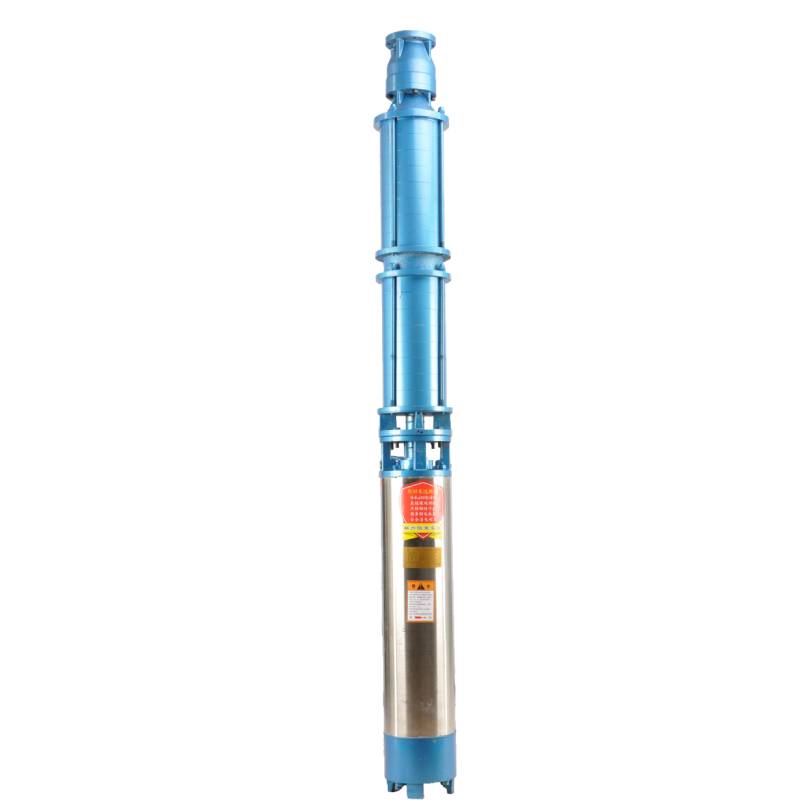
Figure 1: Internal components of a water-filled submersible pump motor.
Technical Specifications and Performance Parameters
Understanding the technical specifications of a water filled submersible pump is crucial for proper selection and optimal system integration. These pumps are characterized by their robust construction and sophisticated hydraulic designs, ensuring high efficiency across various operating points.
Key Structural Components:
- Impeller and Diffuser: Designed for specific hydraulic conditions, often multi-stage, fabricated from stainless steel for wear and corrosion resistance.
- Motor Casing: Stainless steel construction, hermetically sealed, filled with clean water.
- Shaft: Precision-ground stainless steel, coupled to the motor for direct power transmission.
- Mechanical Seals: Dual mechanical seals (e.g., carbon/ceramic or silicon carbide/silicon carbide) to prevent ingress of pumped fluid and retain internal motor fluid.
- Bearings: Water-lubricated thrust and journal bearings, designed for long life under submersible conditions.
Performance Parameters:
- Flow Rate (Q): Typically ranging from 1 m³/h to over 1000 m³/h, depending on model and application.
- Head (H): From a few meters up to several hundred meters, suitable for deep wells and high-pressure systems.
- Power (P): Motors available from fractional horsepower to hundreds of kilowatts (e.g., 0.37 kW to 250 kW or more).
- Efficiency (η): High hydraulic and motor efficiency, often exceeding 75-80% for larger models, leading to significant energy savings.
- Voltage & Frequency: Available in various configurations (e.g., 380V/50Hz, 460V/60Hz, custom voltages).
- Submergence Depth: Designed for specific maximum operating depths, typically up to 300 meters, some specialized models deeper.
Table 1: Typical QS Water-Filled Submersible Pump Specifications (Example Data)
| Parameter | Range / Value | Notes |
|---|---|---|
| Flow Rate (Q) | 1 - 1200 m³/h | Model-dependent, optimal performance curve. |
| Head (H) | 5 - 800 m | Max head varies with stage count and impeller design. |
| Motor Power | 0.55 kW - 400 kW | Available in single-phase and three-phase. |
| Voltage / Frequency | 380V/50Hz, 460V/60Hz (others customizable) | Ensure compatibility with local electrical grids. |
| Max. Liquid Temperature | Up to 60°C (140°F) | Special materials for higher temperatures. |
| Materials of Construction | AISI 304, 316, Duplex SS, Cast Iron | Selected based on fluid corrosivity and abrasion. |
| Efficiency Rating | IE3/NEMA Premium Equivalent | High efficiency for reduced operational costs. |
Understanding Net Positive Suction Head (NPSH) is crucial for preventing cavitation, though for submersible pumps, this is usually less of a concern as the pump operates submerged, ensuring positive suction pressure. Specific speed (Ns) is another vital parameter used in pump design, indicating the shape of the impeller and its optimal operating conditions relative to flow and head. A low specific speed indicates a high-head, low-flow impeller, while a high specific speed indicates a low-head, high-flow impeller.
Application Scenarios and Case Studies
The versatility of the water filled submersible pump allows for its deployment across a broad spectrum of demanding applications. Its inherent design advantages make it ideal for scenarios where reliability, efficiency, and environmental compatibility are paramount.
Key Application Areas:
- Municipal Water Supply: Drawing potable water from deep wells for urban and rural communities.
- Agricultural Irrigation: Supplying water from boreholes and reservoirs to irrigate vast farmlands efficiently.
- Industrial Water Management: Process water circulation, cooling water supply, dewatering in mines and construction sites, and effluent transfer in various manufacturing processes.
- Fire Protection Systems: Providing reliable water pressure for fire suppression in commercial and industrial buildings.
- Geothermal Systems: Circulation of water in geothermal heating and cooling applications.
Application Case Studies:
Case Study 1: Large-Scale Agricultural Irrigation Project in Arid Region
A large agricultural cooperative in a semi-arid region faced challenges with water scarcity and high energy costs for irrigation. They previously used surface-mounted pumps requiring significant priming and maintenance. Transitioning to water filled submersible pump units allowed them to draw water efficiently from deep aquifers (150-meter depth). The project involved 20 QS series pumps, each rated at 75 kW, delivering a combined flow rate of 1800 m³/h. The primary benefits observed were a 25% reduction in energy consumption due to higher pump efficiency and lower maintenance requirements, coupled with improved water distribution consistency across 5000 hectares. Customer feedback highlighted the pumps' quiet operation and robust performance in continuous duty cycles.
Case Study 2: Industrial Cooling Water Circulation for a Steel Mill
A major steel manufacturing plant required a reliable solution for circulating cooling water from a retention pond to its processing units. The existing oil-filled pumps were prone to leakage, posing environmental risks and requiring frequent oil changes. The plant deployed several high-capacity water filled submersible pump systems (150 kW each) designed for continuous operation. The pumps, constructed with AISI 316 stainless steel to withstand slight abrasives in the pond water, effectively circulated 3000 m³/h of cooling water. This transition resulted in zero oil leakage incidents, a 15% improvement in overall system efficiency due to the superior cooling of the pump motor, and a significant reduction in environmental compliance concerns. The seamless integration and reduced operational overhead validated the decision.
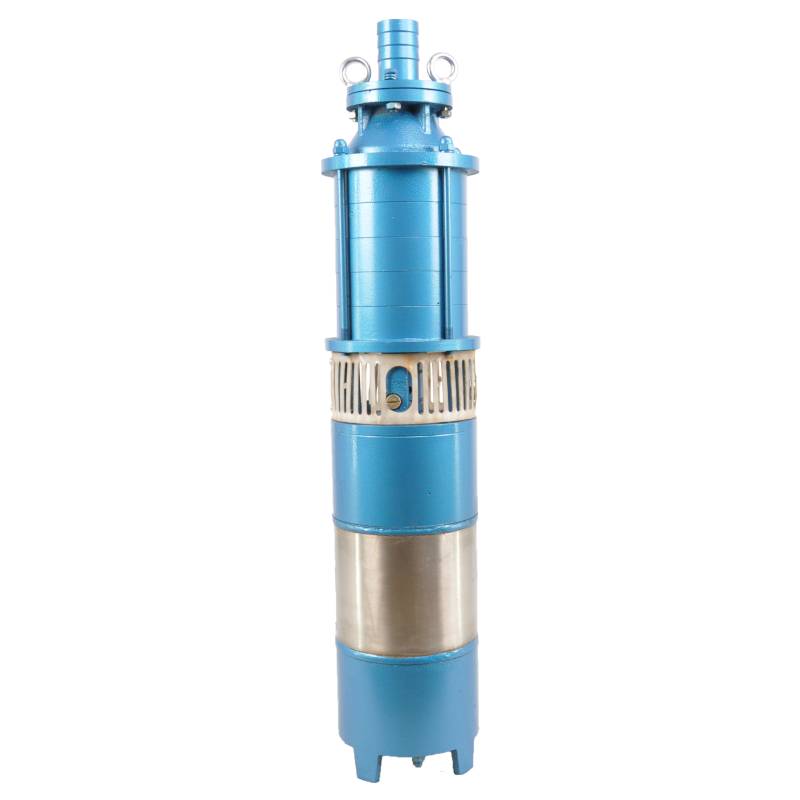
Figure 2: A water-filled submersible pump in an industrial dewatering application.
Technical Advantages of Water-Filled Submersible Pumps
The engineering design of submersible pump water filled motors offers several distinct advantages over traditional oil-filled or dry-motor designs, particularly in demanding industrial and environmental contexts.
- Superior Cooling Efficiency: Water, being a more effective heat conductor than oil, provides exceptional cooling for the motor windings and components. This prevents overheating, significantly extending the motor's lifespan and maintaining consistent performance even under continuous, heavy-duty operation.
- Environmental Safety and Compliance: The absence of oil eliminates the risk of ground contamination from leaks or spills, making these pumps ideal for potable water applications, environmentally sensitive areas, and industries with strict environmental regulations. This also reduces disposal costs associated with contaminated oil.
- Enhanced Bearing Lubrication: The clean water inside the motor provides continuous lubrication for the internal bearings, reducing friction and wear. This contributes to quieter operation and a longer service interval.
- Simplified Maintenance and Reduced Operational Costs: Without the need for oil changes or checks, maintenance procedures are simpler and less frequent. This contributes to a lower total cost of ownership, making the water filled submersible pump price more attractive over its lifecycle, despite a potentially higher initial investment for premium models.
- Corrosion Resistance: When coupled with appropriate material choices (e.g., stainless steel for critical components), the design inherently protects internal motor parts from external corrosive media, ensuring long-term reliability in challenging environments.
- Operational Versatility: These pumps can be installed vertically or horizontally and are less susceptible to operational issues caused by changes in ambient temperature compared to oil-filled counterparts, where viscosity can vary.
Water-Filled vs. Oil-Filled Submersible Pumps
The choice between submersible pump water filled vs oil filled designs is a critical decision influenced by application requirements, environmental considerations, and long-term operational costs. Understanding the fundamental differences is essential.
What is an Oil-Filled Submersible Pump?
An oil filled submersible pump utilizes a non-conductive, food-grade mineral oil or similar dielectric fluid within its motor cavity. This oil serves two primary purposes: to dissipate heat generated by the motor windings and to lubricate the internal bearings and mechanical seals. The oil also prevents water from entering the motor, providing dielectric strength. While effective, oil-filled pumps carry the inherent risk of environmental contamination if a seal fails, and they require periodic oil checks and changes, adding to maintenance complexity and cost.
Table 2: Water-Filled vs. Oil-Filled Submersible Pump Comparison
| Feature | Water-Filled Submersible Pump | Oil-Filled Submersible Pump |
|---|---|---|
| Motor Coolant/Lubricant | Clean Demineralized Water | Dielectric Mineral Oil |
| Environmental Impact | Zero risk of oil contamination, eco-friendly | Potential for environmental pollution if seals fail |
| Cooling Efficiency | Excellent heat dissipation due to water's higher thermal conductivity | Good heat dissipation, but less efficient than water |
| Maintenance | Reduced maintenance, no oil changes required | Requires periodic oil checks and changes |
| Bearing Lubrication | Water lubricated, effective and quiet | Oil lubricated |
| Initial Cost (generally) | Potentially higher for premium models | Often lower |
| Long-Term Cost (TCO) | Lower due to reduced maintenance and longer lifespan | Higher due to maintenance and potential environmental costs |
For applications demanding uncompromising environmental integrity and minimal long-term maintenance, the water filled submersible pump presents a compelling and increasingly preferred solution. The trend towards sustainability further solidifies its position as the future standard.
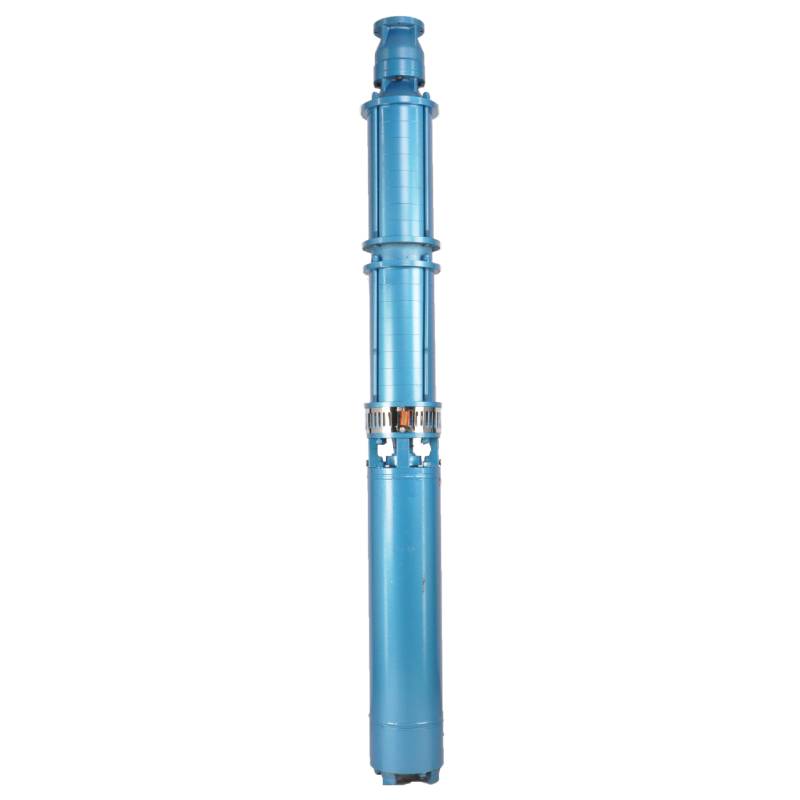
Figure 3: High-efficiency impeller design, a key component of submersible pumps.
Vendor Comparison and Selection Criteria
Selecting the right vendor for a water filled submersible pump is as critical as choosing the pump itself. A reputable manufacturer offers not only high-quality products but also comprehensive support and reliable service. Key criteria for vendor evaluation include:
- Quality Certifications: Look for manufacturers holding ISO 9001 (Quality Management), CE (European conformity), UL (Underwriters Laboratories), or similar industry-specific certifications. These demonstrate adherence to rigorous quality control and safety standards.
- Manufacturing Capabilities and R&D: Evaluate the vendor's production facilities, technological advancements, and investment in research and development. A strong R&D department indicates a commitment to innovation and continuous product improvement.
- Years of Industry Experience: Experience often translates to deeper product knowledge, better understanding of application challenges, and proven reliability.
- After-Sales Support: Critical factors include the availability of technical support, spare parts, field service, and maintenance contracts.
- Customization Options: The ability to provide tailored solutions for specific project requirements (materials, motor specs, controls) is a significant advantage.
- Customer Testimonials and References: Genuine feedback from existing clients and successful case studies provide valuable insights into a vendor's reliability and product performance.
- Warranty and Guarantees: Comprehensive warranty terms and robust product guarantees reflect a manufacturer's confidence in their product's durability and quality.
Customized Solutions for Optimal Performance
While standard water filled submersible pump models offer broad utility, many industrial and specialized applications demand bespoke solutions. Leading manufacturers provide extensive customization options to precisely match pump characteristics with unique operational parameters and environmental conditions.
- Material Adaptation: For highly corrosive or abrasive fluids, pump components can be fabricated from specialized alloys such as Duplex Stainless Steel (2205, 2507), Hastelloy, or super duplex materials, extending service life significantly.
- Motor Specification Adjustment: Customization includes specific voltage and frequency requirements, specialized insulation classes for high-temperature applications, and integration with Variable Frequency Drives (VFDs) for optimized energy consumption and precise flow control.
- Hydraulic Design Modification: Impeller and diffuser designs can be optimized for unique flow-head requirements, ensuring peak efficiency for non-standard operating points. This may involve custom trimming or design of hydraulic passages.
- Protective Coatings: Application of ceramic, epoxy, or other specialized coatings can enhance resistance to wear, corrosion, and fouling, particularly beneficial in aggressive fluid handling.
- Monitoring and Control Systems: Integration of advanced sensor technologies for real-time monitoring of temperature, vibration, leakage, and power consumption, enabling predictive maintenance and remote management.
- Cable and Sealing Systems: Selection of specific cable types (e.g., armored, chemical-resistant) and advanced mechanical seal configurations to withstand extreme pressures, temperatures, or chemical exposures.
Collaborating with a manufacturer capable of delivering these customized solutions ensures that the pump system is not just a component, but an optimized asset engineered for maximum efficiency, reliability, and longevity in its specific operational context.
Ensuring Reliability and Trustworthiness ()
Establishing trust and authority is paramount in B2B transactions. Our commitment to expertise, experience, authoritativeness, and trustworthiness () is reflected in every aspect of our operations and product offerings.
- Certifications and Standards: All our water filled submersible pump products conform to stringent international standards, including ISO 9001 for quality management, CE for European market compliance, and often meet or exceed NEMA/IEC efficiency ratings. Our manufacturing processes are audited regularly to ensure consistent adherence to these benchmarks.
- Quality Assurance Protocols: Each pump undergoes a multi-point quality inspection and performance test before dispatch. This includes hydraulic performance curves, motor insulation resistance tests, and dynamic balancing of rotating parts. Test data and certificates are available upon request.
- Warranty Commitments: We provide a comprehensive warranty for our QS Water-Filled Submersible Pumps, typically covering 12 to 24 months from installation or 18 months from shipment, whichever comes first. Extended warranty options are also available. This commitment underscores our confidence in product durability.
- Lead Time and Fulfillment: Standard pump models typically have a lead time of 4-6 weeks, while customized solutions may require 8-12 weeks, depending on complexity and material availability. Our global logistics network ensures efficient and reliable delivery to your project site.
- Customer Support and After-Sales Service: Our dedicated technical support team comprises experienced engineers available for consultation, troubleshooting, and guidance on installation and operation. We maintain a robust inventory of genuine spare parts and offer field service support through certified partners worldwide, ensuring minimal downtime and optimal pump performance throughout its lifespan.

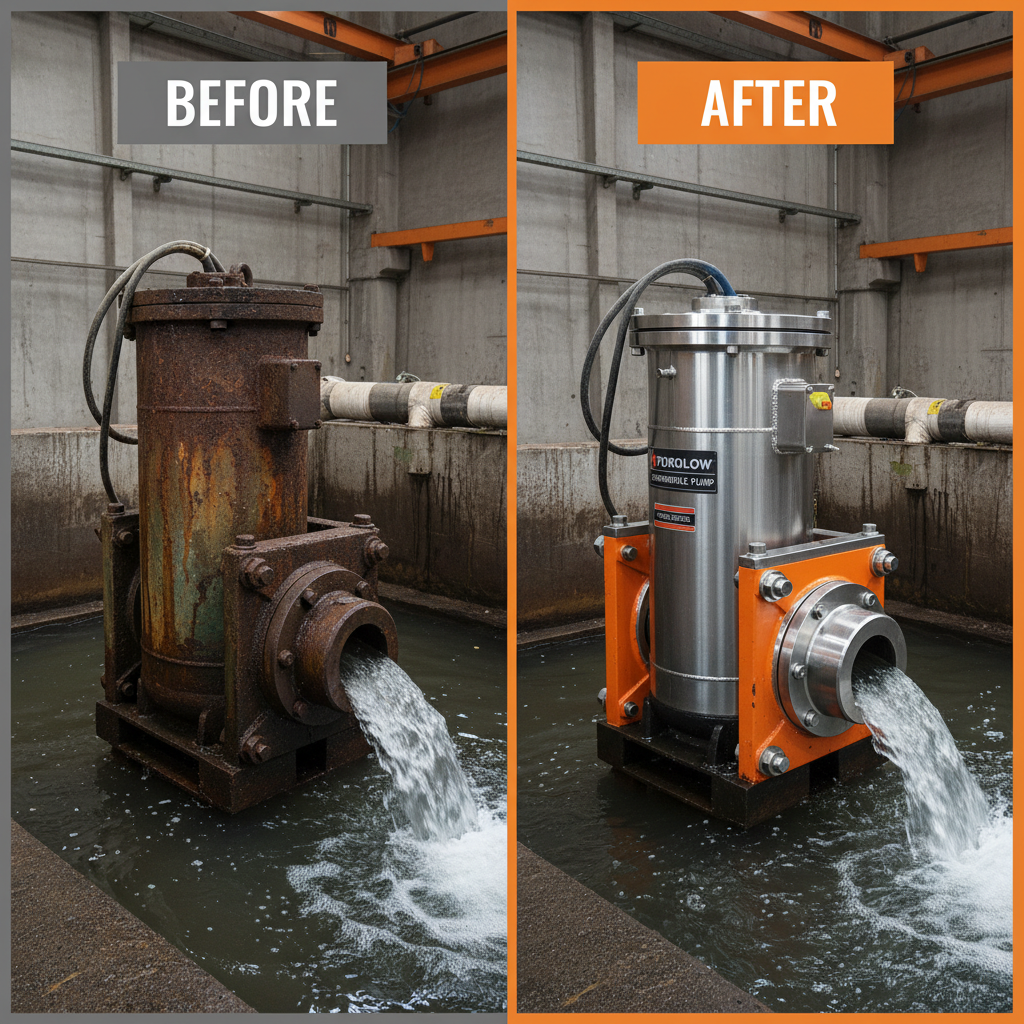
Figure 4: A pump undergoing final quality control and performance testing.
Frequently Asked Questions (FAQ)
- Q1: What are the primary advantages of a water filled submersible pump compared to other types?
- A1: The main advantages include superior motor cooling (extending lifespan), zero environmental contamination risk from oil leakage, simpler maintenance, and quiet operation. These pumps are highly efficient and reliable for continuous duty in demanding applications.
- Q2: How does the cooling system work in a water-filled submersible motor?
- A2: The motor cavity is filled with clean, demineralized water. This water acts as a highly efficient heat transfer medium, absorbing heat generated by the motor windings and dissipating it into the surrounding pumped fluid. It also lubricates the internal bearings, further reducing heat from friction.
- Q3: What is the typical service life of a QS Water-Filled Submersible Pump?
- A3: With proper installation, operation, and scheduled maintenance, QS Water-Filled Submersible Pumps are designed for a long service life, often exceeding 10-15 years. The precise lifespan depends on the specific application, fluid characteristics, and operating conditions.
- Q4: Can these pumps handle abrasive or corrosive fluids?
- A4: Yes, but it requires appropriate material selection. For abrasive fluids, impellers and casings can be made from hardened alloys. For corrosive fluids, stainless steel (AISI 316, Duplex SS) or other chemically resistant materials are specified. Customization is key for such applications.
- Q5: What kind of maintenance is required for a submersible pump water filled?
- A5: Maintenance is minimal compared to oil-filled pumps, as there's no oil to change. Regular checks include monitoring pump performance (flow, pressure, power consumption), inspecting the cable for damage, and checking for excessive vibration. Periodic inspection of mechanical seals and bearings is recommended as part of a preventative maintenance schedule, typically during planned system shutdowns.
Conclusion
The water filled submersible pump stands as a testament to advanced engineering in fluid handling. Its commitment to efficiency, environmental stewardship, and long-term reliability positions it as a preferred choice for B2B decision-makers across diverse industries. By understanding its sophisticated manufacturing process, technical advantages, and broad application potential, industries can leverage these pumps to achieve sustainable and cost-effective fluid management solutions. As global demands for water resources and industrial efficiency continue to grow, the innovation embodied by the water-filled submersible pump will remain a cornerstone of reliable and responsible pumping technology.
Citations
- International Organization for Standardization (ISO). ISO 9906: Rotodynamic pumps - Hydraulic performance acceptance tests - Grades 1, 2 and 3.
- Hydraulic Institute (HI). ANSI/HI 11.6: Rotodynamic Submersible Pumps for Hydraulic Performance, Hydrostatic Pressure, Mechanical, and Electrical Acceptance Tests.
- U.S. Department of Energy. Motor efficiency standards and test procedures.
- Grand View Research. Submersible Pump Market Size, Share & Trends Analysis Report.
- European Committee for Standardization (CEN). EN 60034-30: Rotating electrical machines - Part 30: Efficiency classes of single-speed, three-phase, cage-induction motors.
-
Understanding the Price Submersible Pump and Buyer Guide
NewsApr.16,2026
-
Factors Affecting the Price for Submersible Pump a Buyers Guide
NewsApr.09,2026
-
Choosing the Right Mini Submersible Fountain Pump for Optimal Water Feature Performance
NewsApr.07,2026
-
A Detailed Guide to Installing a Submersible Pump for Optimal Performance
NewsApr.04,2026
-
Comprehensive Guide on How to Test a Submersible Water Well Pump Effectively
NewsMar.31,2026
-
Learn How to Replace a Submersible Well Pump Safely and Effectively
NewsMar.28,2026
-
 Understanding the Price Submersible Pump and Buyer GuideWhen searching for the ideal water management solution, understanding the price submersible pump options is crucial for balancing budget with performance. Whether you are dealing with a flooded basement, managing agricultural irrigation, or extracting water from a deep well, the cost of a submersible pump can vary significantly based on its build quality and capacity. Investing in a high-quality pump ensures long-term reliability and reduces the frequency of expensive replacements. In this guide, we will break down the factors that influence pricing and help you make an informed decision for your specific needs.Detail
 -
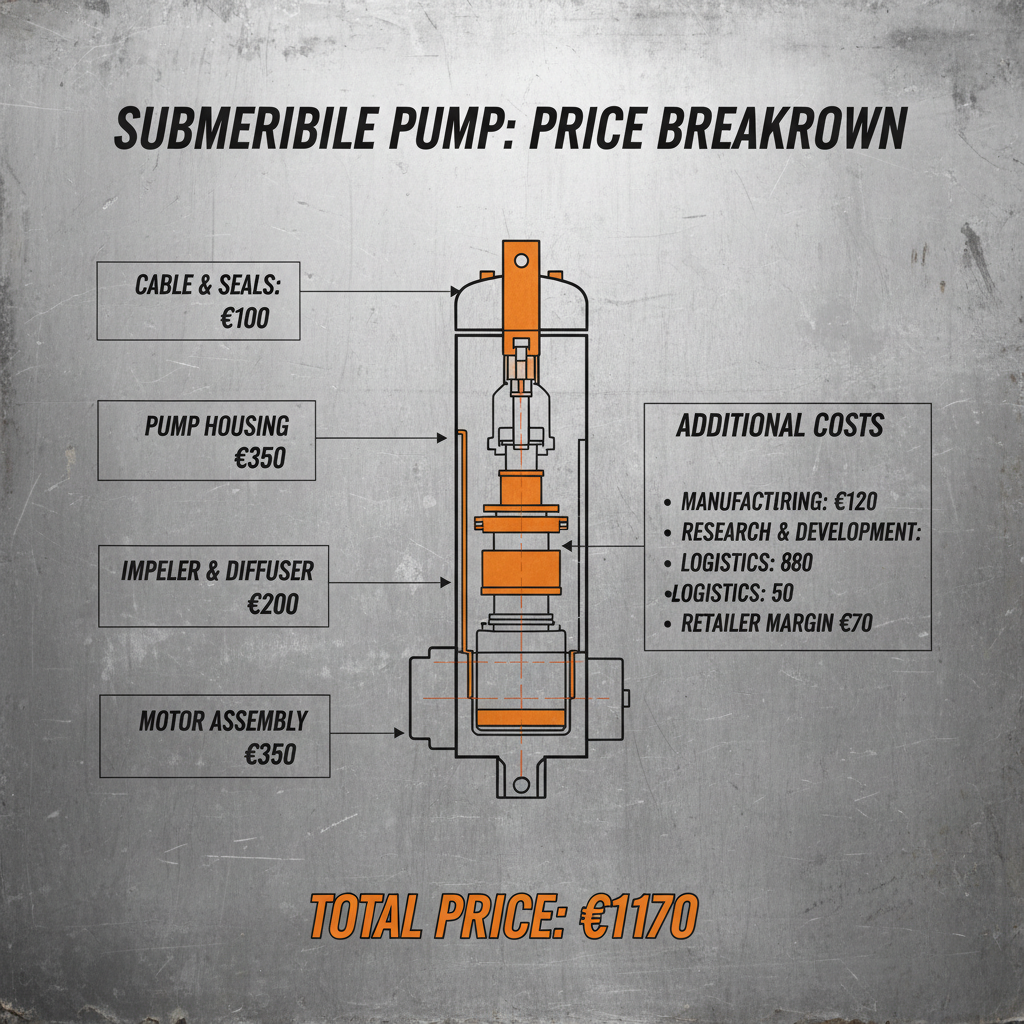 Factors Affecting the Price for Submersible Pump a Buyers GuideWhen investing in water management systems, understanding the price for submersible pump options is essential for balancing performance with budget. Whether you are managing a residential well, an industrial drainage project, or agricultural irrigation, the cost of a pump is rarely a flat fee; it is a reflection of the engineering, materials, and capacity required for your specific environment. In this guide, we will break down the factors that influence pricing and help you determine the best value for your investment to ensure long-term reliability and efficiency.Detail
 -
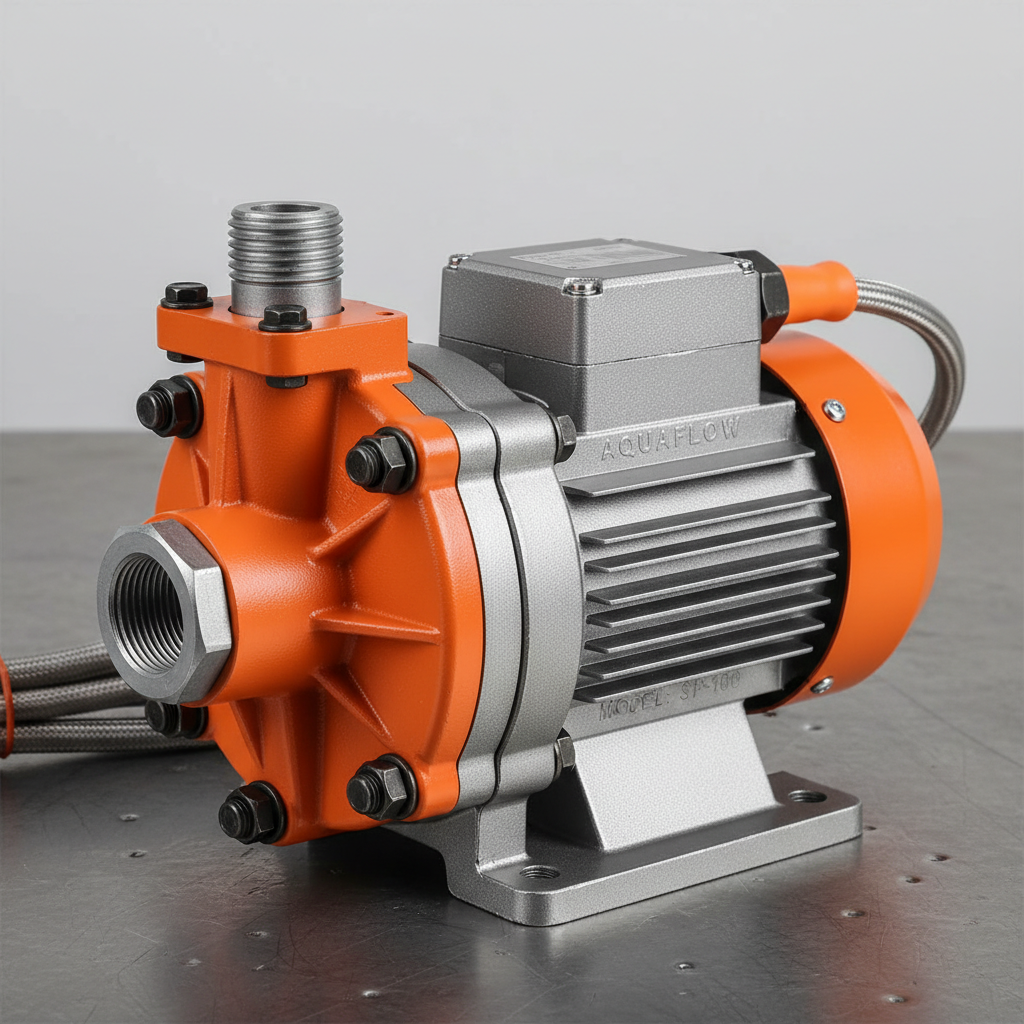 Choosing the Right Mini Submersible Fountain Pump for Optimal Water Feature PerformanceCreating a beautiful and relaxing water feature doesn't have to be complicated. A mini submersible fountain pump is the heart of any indoor or outdoor fountain, and selecting the right one is crucial for optimal performance and longevity. This article will guide you through the key considerations when choosing a mini submersible fountain pump, covering types, features, applications, and how to ensure you get the perfect pump for your project. We’ll also explore how Wellpumpact can provide you with the ideal solution.Detail
 Afrikaans
 Albanian
 Amharic
 Arabic
 Armenian
 Azerbaijani
 Basque
 Belarusian
 Bengali
 Bosnian
 Bulgarian
 Catalan
 Cebuano
 Corsican
 Croatian
 Czech
Czech
 Danish
 Dutch
Dutch
 Esperanto
 Estonian
 Finnish
 French
 Frisian
 Galician
 Georgian
 German
 Greek
Greek
 Gujarati
 Haitian Creole
 Hausa
Hausa
 Hawaiian
 Hebrew
 Hindi
Hindi
 Miao
Miao
 Hungarian
 Icelandic
 Igbo
Igbo
 Indonesian
 Irish
Irish
 Italian
 Japanese
 Javanese
 Kannada
 Kazakh
 Khmer
Khmer
 Rwandese
 Korean
 Kurdish
 Kyrgyz
 Lao
Lao
 Latin
Latin
 Latvian
 Lithuanian
 Luxembourgish
 Macedonian
 Malgashi
 Malay
Malay
 Malayalam
 Maltese
 Maori
Maori
 Marathi
 Mongolian
 Myanmar
 Nepali
 Norwegian
 Norwegian
 Occitan
 Pashto
 Persian
 Polish
 Portuguese
 Punjabi
 Romanian
 Russian
 Samoan
 Scottish Gaelic
 Serbian
 Sesotho
 Shona
Shona
 Sindhi
 Sinhala
 Slovak
 Slovenian
 Somali
 Spanish
 Sundanese
 Swahili
 Swedish
 Tagalog
 Tajik
Tajik
 Tamil
Tamil
 Tatar
Tatar
 Telugu
 Thai
Thai
 Turkish
 Turkmen
 Ukrainian
 Urdu
Urdu
 Uighur
 Uzbek
Uzbek
 Vietnamese
 Welsh
Welsh
 Bantu
Bantu
 Yiddish
 Yoruba
 Zulu
Zulu
 English