
Mar . 19, 2026 02:15 Back to list
A Comprehensive Guide on How to Install a Submersible Sump Pump for Basement Protection
How to Install a Submersible Sump Pump
A submersible sump pump is an essential component for protecting your basement from flooding. Properly installing one can save you significant expense and hassle. This guide will walk you through the process of installing a submersible sump pump, ensuring it operates effectively and reliably. We'll cover everything from choosing the right pump to final testing, providing a comprehensive solution for a dry basement. Protecting your home from water damage is a key investment, and a well-installed sump pump is a significant part of that.

Choosing the Right Sump Pump
Before you begin, selecting the appropriate sump pump is critical. Consider the horsepower (HP) needed, which depends on the depth of your basement and the potential water volume. A ½ HP pump is typically sufficient for most residential applications, but higher HP models are available for challenging situations. Also, look at the pump's gallons per hour (GPH) rating – a higher GPH means it can remove water more quickly. Finally, consider features like a built-in float switch and thermal overload protection. For specialized needs, explore pumps designed for sewage or those with battery backup. WellPumpAct.com offers a wide range of sump pumps to suit various needs.
Key Considerations: Horsepower (HP), Gallons Per Hour (GPH), Float Switch, Thermal Overload Protection, and specialized needs.
Preparing the Sump Pit
The sump pit is the foundation of your system. It’s typically a hole dug in your basement floor. Ensure the pit is large enough to accommodate the pump without it constantly cycling on and off. The pit should also be relatively clean, free of debris that could clog the pump. If you’re creating a new pit, use a durable plastic liner to prevent soil erosion. Consider adding a layer of gravel at the bottom of the pit for added stability and to help filter out sediment. Proper pit preparation is vital for long-term pump performance.
Sump Pit Preparation Tips:
• Ensure adequate size for pump operation.
• Keep the pit clean and free of debris.
• Use a durable plastic liner if creating a new pit.
• Add a layer of gravel for stability and filtration.
How to Install a Submersible Sump Pump: Step-by-Step
Here’s a breakdown of the installation process:
- Connect the Discharge Pipe: Attach a PVC or flexible discharge pipe to the pump outlet. Secure with clamps. Ensure the pipe slopes downward away from the house.
- Position the Pump: Carefully lower the pump into the sump pit. Avoid dropping it, as this could damage the impeller.
- Attach the Float Switch: Most submersible pumps come with a float switch. Ensure it moves freely without obstruction.
- Connect the Electrical Supply: Important: This step should be performed by a qualified electrician. Connect the pump to a dedicated circuit with a Ground Fault Circuit Interrupter (GFCI) outlet.
- Test the Pump: Pour water into the pit to activate the float switch and verify the pump operates correctly.
Double-check all connections and ensure the pump is stable before leaving it unattended. Regularly inspect the pump and discharge pipe for any issues.
Submersible vs. Pedestal Sump Pumps: A Quick Comparison
Understanding the differences between submersible and pedestal sump pumps can help you choose the right system. Submersible pumps, as we’ve discussed, are submerged in the pit, offering quieter operation and a more compact footprint. Pedestal pumps, on the other hand, have the motor mounted above the pit, resulting in a louder operation but easier access for maintenance. Here’s a quick comparison:
Maintaining Your Sump Pump
Regular maintenance is crucial for ensuring the longevity and effectiveness of your sump pump. At least twice a year, clean the pit and check the pump's intake for debris. Test the pump by pouring water into the pit. Also, ensure the discharge pipe is free of obstructions. Consider a battery backup system in case of power outages. Proper maintenance can prevent costly repairs and ensure your basement remains dry. For any complex issues, consult a professional. WellPumpAct.com also offers maintenance and repair services.
Conclusion: Protecting Your Home from Flooding
Installing and maintaining a submersible sump pump is a smart investment in protecting your home from water damage. By following these steps and choosing a reliable pump from a trusted source like WellPumpAct.com, you can ensure your basement stays dry and your property remains safe.
Frequently Asked Questions (FAQs)
How often should I replace my sump pump?
While a well-maintained sump pump can last for several years, it's generally recommended to replace it every 5-7 years. Factors such as frequency of use, water quality, and the pump's initial quality influence its lifespan. Even if the pump appears to be functioning correctly, internal components can degrade over time, reducing its efficiency and reliability. Regular inspections can help identify potential issues, but proactive replacement is a wise investment to prevent unexpected flooding. Consider setting a reminder to evaluate your pump's condition every few years.
What size discharge pipe should I use?
The ideal size of your discharge pipe depends on the pump's capacity and the distance the water needs to travel. Generally, a 1.5-inch diameter pipe is sufficient for most residential applications. However, if you have a high-capacity pump or a long discharge run, a 2-inch pipe may be necessary to prevent restrictions and ensure efficient water removal. Consult a plumbing professional to determine the appropriate size for your specific setup. It's important to avoid using pipes that are too small, as this can overload the pump and reduce its lifespan.
Can I discharge sump pump water next to my foundation?
Discharging sump pump water directly next to your foundation is generally not recommended. This can saturate the soil around your foundation, potentially leading to hydrostatic pressure and ultimately, foundation damage. Ideally, the discharge pipe should extend at least 10 feet away from the foundation and slope downward to ensure proper drainage. Consider directing the water to a drainage ditch, a dry well, or a storm sewer. Local building codes may have specific requirements for sump pump discharge, so it's essential to check with your municipality.
-
Understanding the Price Submersible Pump and Buyer Guide
NewsApr.16,2026
-
Factors Affecting the Price for Submersible Pump a Buyers Guide
NewsApr.09,2026
-
Choosing the Right Mini Submersible Fountain Pump for Optimal Water Feature Performance
NewsApr.07,2026
-
A Detailed Guide to Installing a Submersible Pump for Optimal Performance
NewsApr.04,2026
-
Comprehensive Guide on How to Test a Submersible Water Well Pump Effectively
NewsMar.31,2026
-
Learn How to Replace a Submersible Well Pump Safely and Effectively
NewsMar.28,2026
-
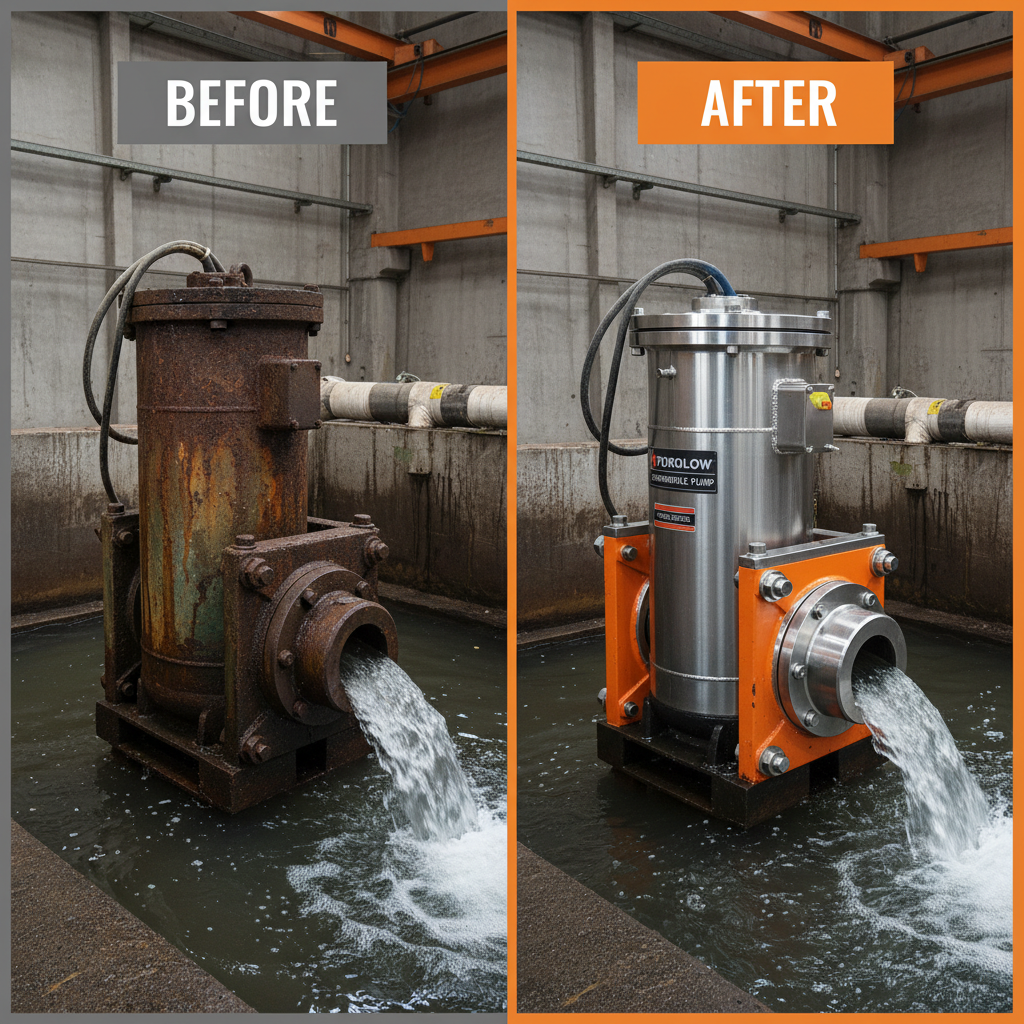 Understanding the Price Submersible Pump and Buyer GuideWhen searching for the ideal water management solution, understanding the price submersible pump options is crucial for balancing budget with performance. Whether you are dealing with a flooded basement, managing agricultural irrigation, or extracting water from a deep well, the cost of a submersible pump can vary significantly based on its build quality and capacity. Investing in a high-quality pump ensures long-term reliability and reduces the frequency of expensive replacements. In this guide, we will break down the factors that influence pricing and help you make an informed decision for your specific needs.Detail
 -
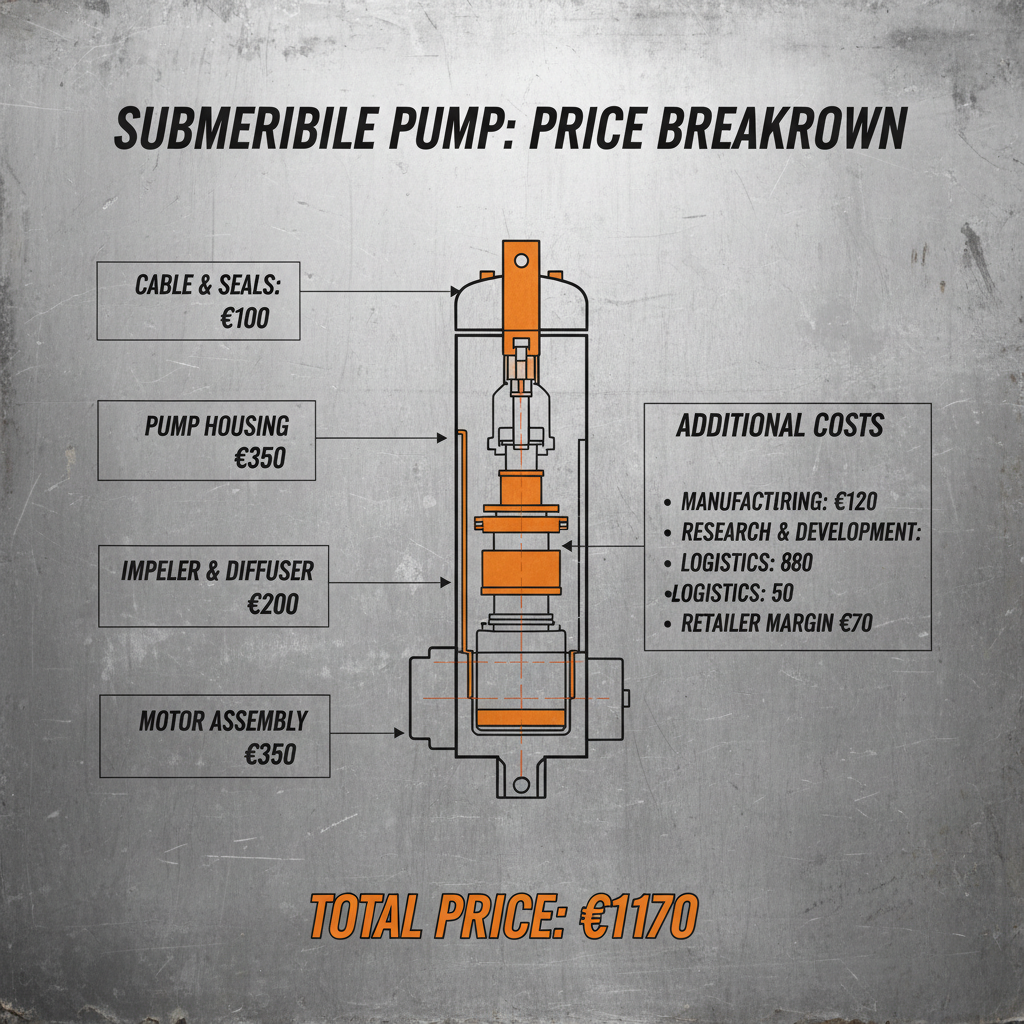 Factors Affecting the Price for Submersible Pump a Buyers GuideWhen investing in water management systems, understanding the price for submersible pump options is essential for balancing performance with budget. Whether you are managing a residential well, an industrial drainage project, or agricultural irrigation, the cost of a pump is rarely a flat fee; it is a reflection of the engineering, materials, and capacity required for your specific environment. In this guide, we will break down the factors that influence pricing and help you determine the best value for your investment to ensure long-term reliability and efficiency.Detail
 -
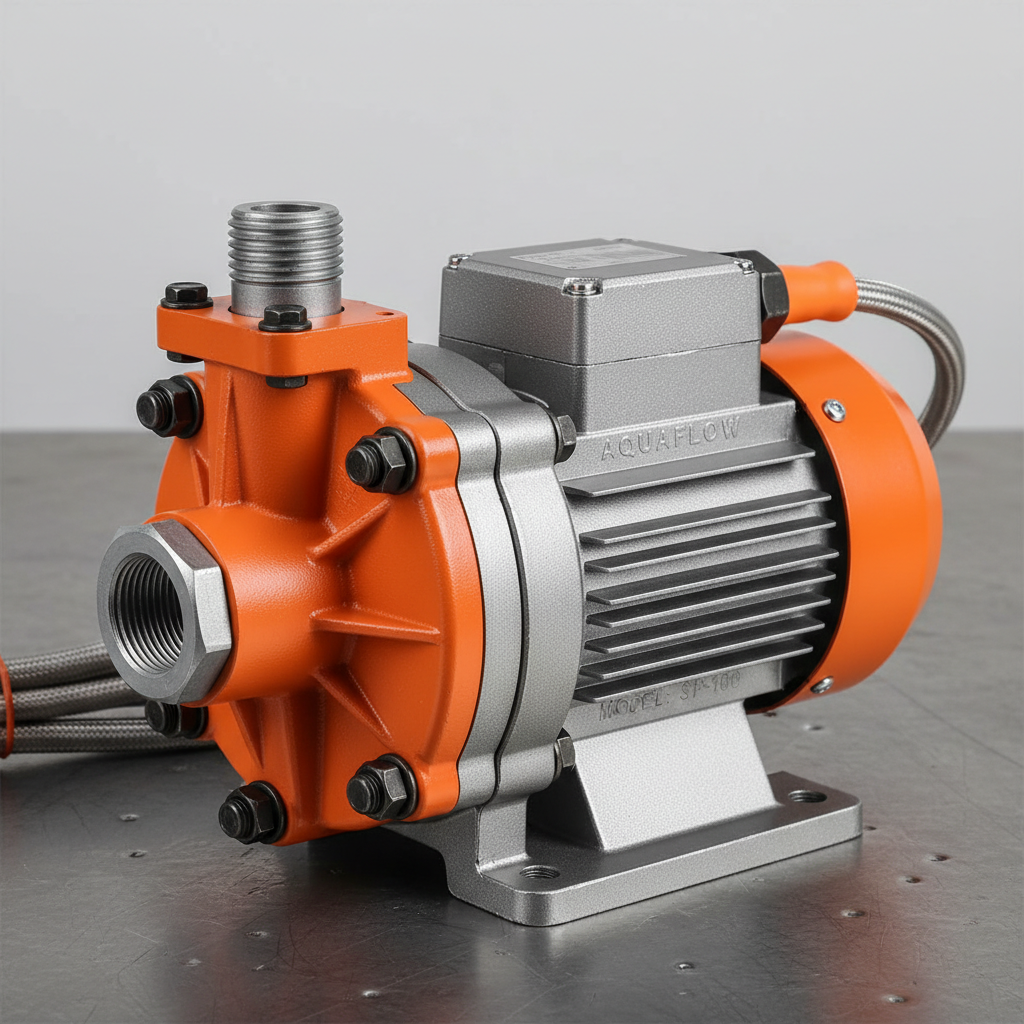 Choosing the Right Mini Submersible Fountain Pump for Optimal Water Feature PerformanceCreating a beautiful and relaxing water feature doesn't have to be complicated. A mini submersible fountain pump is the heart of any indoor or outdoor fountain, and selecting the right one is crucial for optimal performance and longevity. This article will guide you through the key considerations when choosing a mini submersible fountain pump, covering types, features, applications, and how to ensure you get the perfect pump for your project. We’ll also explore how Wellpumpact can provide you with the ideal solution.Detail
 Afrikaans
 Albanian
 Amharic
 Arabic
 Armenian
 Azerbaijani
 Basque
 Belarusian
 Bengali
 Bosnian
 Bulgarian
 Catalan
 Cebuano
 Corsican
 Croatian
 Czech
Czech
 Danish
 Dutch
Dutch
 Esperanto
 Estonian
 Finnish
 French
 Frisian
 Galician
 Georgian
 German
 Greek
Greek
 Gujarati
 Haitian Creole
 Hausa
Hausa
 Hawaiian
 Hebrew
 Hindi
Hindi
 Miao
Miao
 Hungarian
 Icelandic
 Igbo
Igbo
 Indonesian
 Irish
Irish
 Italian
 Japanese
 Javanese
 Kannada
 Kazakh
 Khmer
Khmer
 Rwandese
 Korean
 Kurdish
 Kyrgyz
 Lao
Lao
 Latin
Latin
 Latvian
 Lithuanian
 Luxembourgish
 Macedonian
 Malgashi
 Malay
Malay
 Malayalam
 Maltese
 Maori
Maori
 Marathi
 Mongolian
 Myanmar
 Nepali
 Norwegian
 Norwegian
 Occitan
 Pashto
 Persian
 Polish
 Portuguese
 Punjabi
 Romanian
 Russian
 Samoan
 Scottish Gaelic
 Serbian
 Sesotho
 Shona
Shona
 Sindhi
 Sinhala
 Slovak
 Slovenian
 Somali
 Spanish
 Sundanese
 Swahili
 Swedish
 Tagalog
 Tajik
Tajik
 Tamil
Tamil
 Tatar
Tatar
 Telugu
 Thai
Thai
 Turkish
 Turkmen
 Ukrainian
 Urdu
Urdu
 Uighur
 Uzbek
Uzbek
 Vietnamese
 Welsh
Welsh
 Bantu
Bantu
 Yiddish
 Yoruba
 Zulu
Zulu
 English