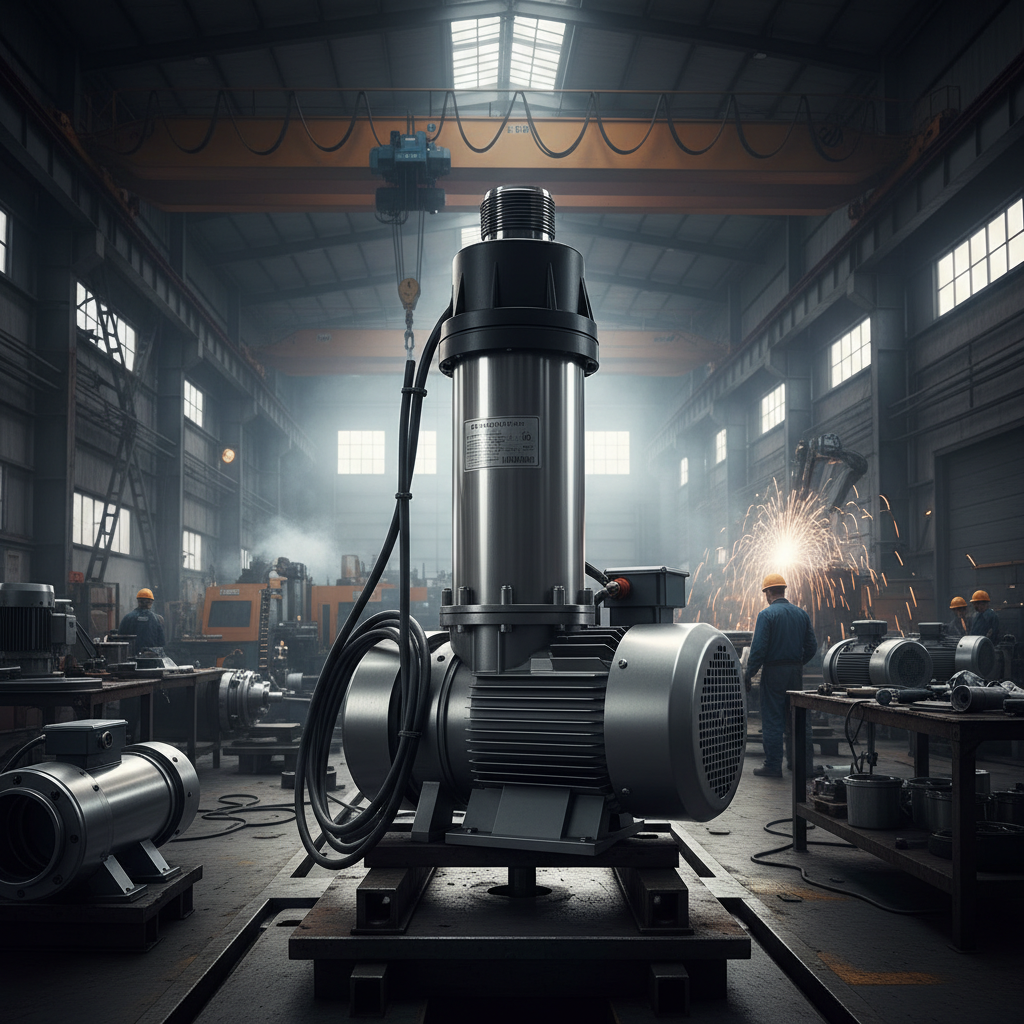
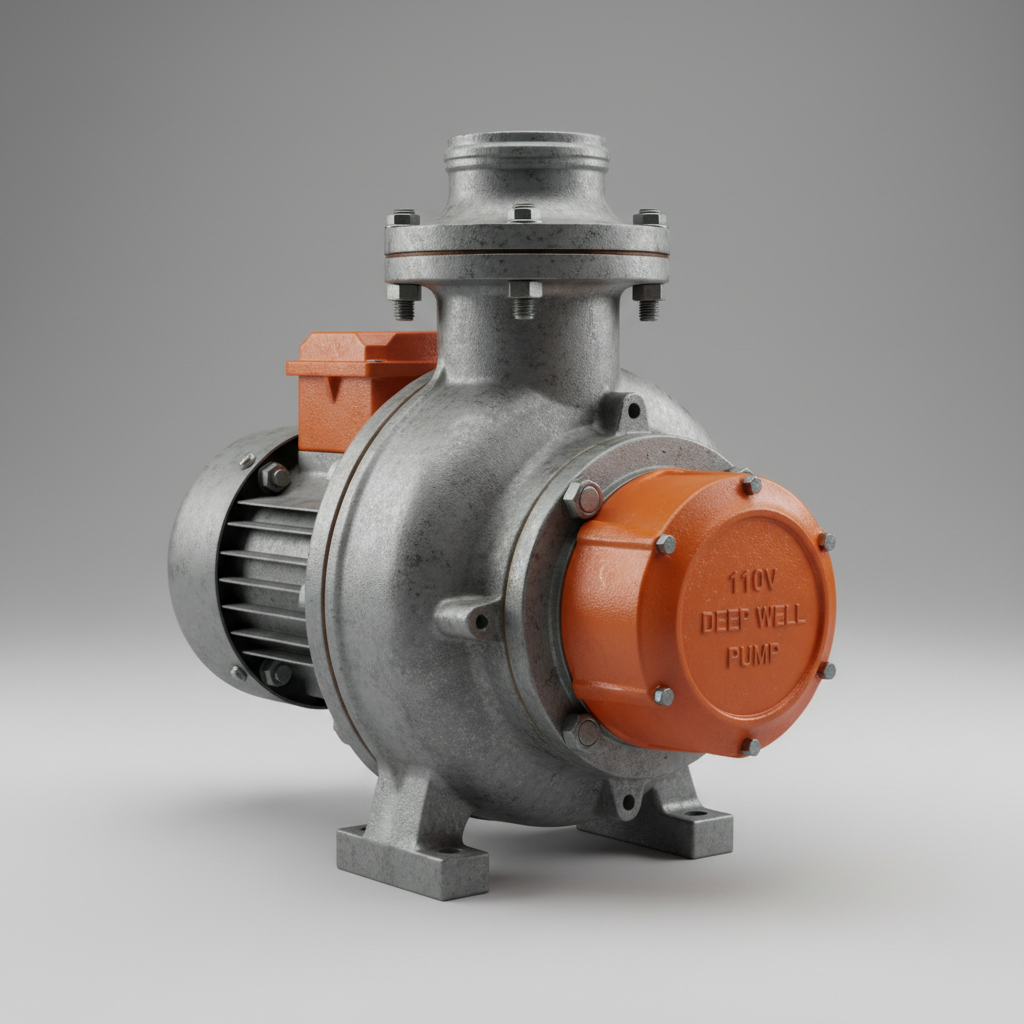
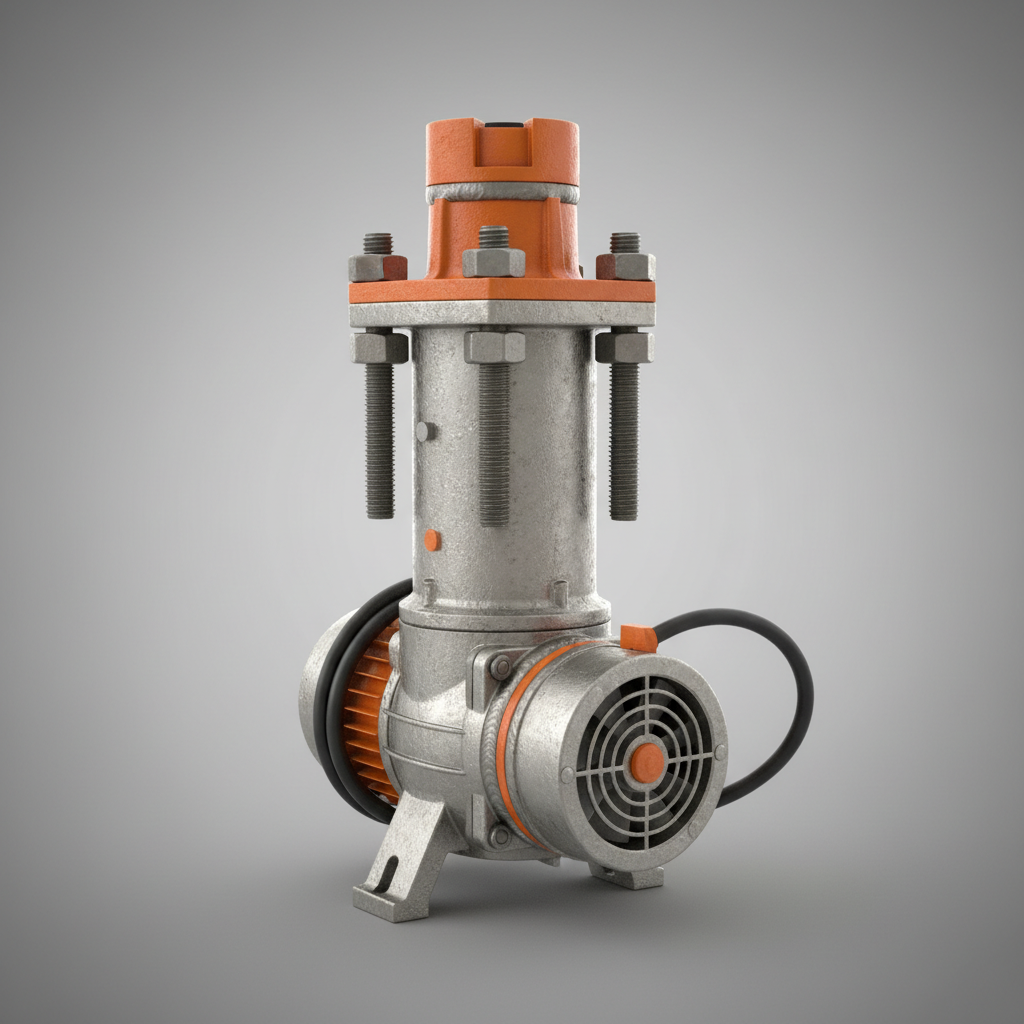
The demand for reliable water access is a global necessity, and above ground deep well pump systems play a crucial role in meeting this need, particularly in areas where traditional municipal water supplies are limited or unavailable. These pumps offer a sustainable and efficient solution for extracting groundwater, supporting everything from residential use to agricultural irrigation and industrial processes. Understanding the principles, applications, and advancements in above ground deep well pump technology is vital for ensuring water security and promoting economic development worldwide.
The increasing strain on freshwater resources globally underscores the importance of optimized water extraction methods. Above ground deep well pump solutions offer a practical alternative to expensive and time-consuming infrastructure projects like pipelines, especially in rural or remote locations. According to the World Bank, billions lack access to safe water, and efficient, localized solutions like these are increasingly critical for bridging this gap. The affordability and relatively quick deployment of these systems make them invaluable in addressing immediate water needs.
Furthermore, advancements in pump technology are enhancing efficiency, reducing energy consumption, and minimizing environmental impact. The focus on sustainable water management practices is driving innovation in the above ground deep well pump sector, making it a key component of a more resilient and equitable future for water access.
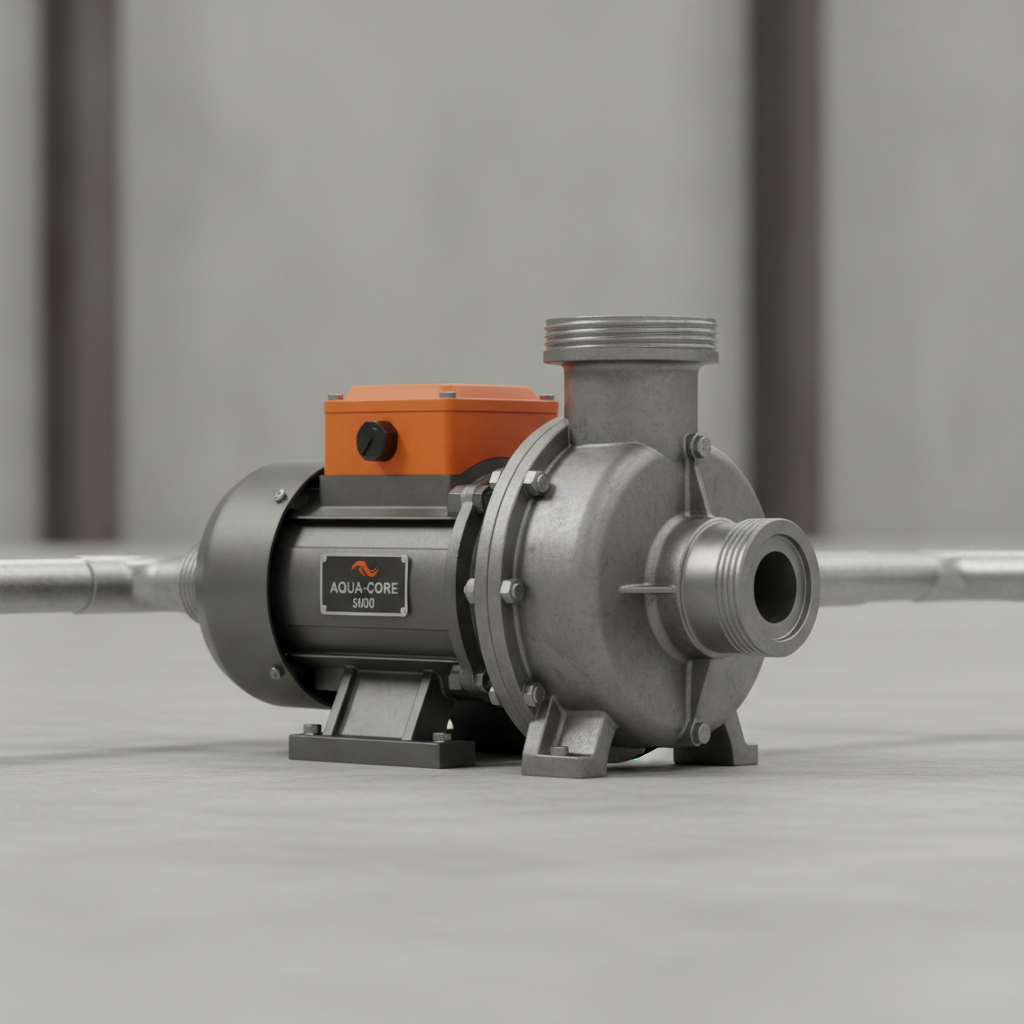
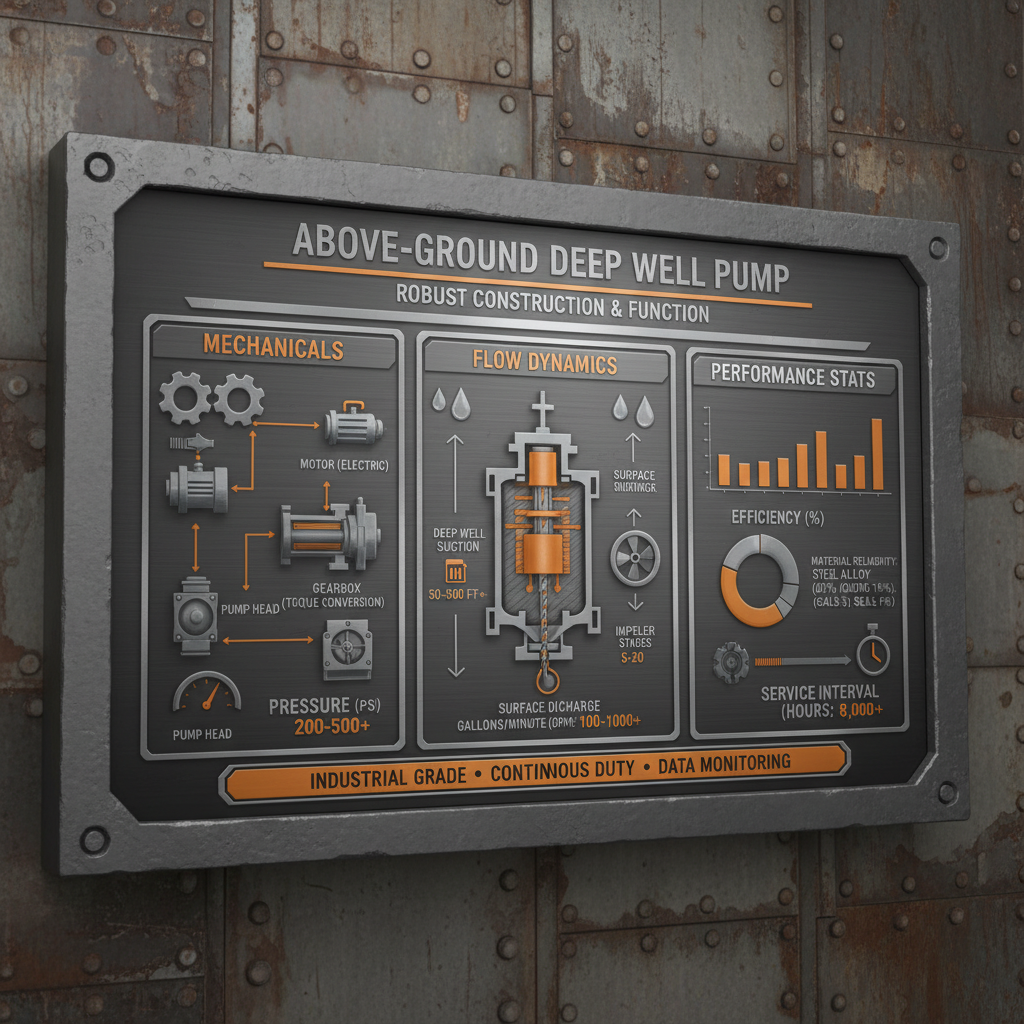
Above ground deep well pump systems represent a significant advancement in water extraction technology, offering a cost-effective and accessible solution for a wide range of applications. These systems are particularly valuable in areas where drilling deep wells is impractical or financially prohibitive, providing a reliable source of groundwater for communities, farms, and industries.
The versatility of these pumps allows for adaptation to diverse geological conditions and water table depths. Modern systems are designed for ease of installation and maintenance, further reducing operational costs and ensuring long-term reliability. The focus on robust construction and efficient operation makes them a sustainable choice for water management.
Above ground deep well pumps offer simpler maintenance and repair, as all components are readily accessible without requiring well pulling. They are often more cost-effective for shallower wells and can be easier to install. While submersible pumps excel in deep well applications, above ground systems provide a practical solution for situations where accessibility and cost are key considerations. They are particularly useful where frequent inspections or adjustments are anticipated, simplifying overall maintenance and reducing potential downtime for essential water access.
The lifespan of an above ground deep well pump typically ranges from 10 to 20 years, though this can vary significantly based on several factors. Water quality, frequency of use, and adherence to a preventative maintenance schedule are all crucial. Corrosion, mineral buildup, and the overall quality of the pump's components contribute to longevity. Regular inspections, cleaning, and timely replacement of worn parts can greatly extend the pump’s operational life.
Determining the correct pump size involves considering the well’s yield (gallons per minute), the total dynamic head (vertical distance from the water level to the delivery point, plus friction losses), and the water demand. A professional well assessment is recommended to accurately measure these parameters. Over-sizing a pump can lead to inefficient operation and increased energy consumption, while under-sizing results in inadequate water supply. Consulting with a qualified well pump technician is crucial for optimal selection.
Regular maintenance is vital for ensuring optimal performance. This includes periodic inspections for leaks, corrosion, and unusual noises. Cleaning the pump intake screen, checking pressure tank settings, and lubricating moving parts are also essential. It is recommended to have a professional technician conduct a comprehensive inspection and service annually. Following the manufacturer’s guidelines and keeping detailed maintenance records will maximize the pump’s lifespan.
Yes, above ground deep well pump systems can be adapted for various water sources, including springs, cisterns, and even surface water sources like ponds or lakes, provided the water is adequately filtered. However, it’s crucial to consider the water quality and potential for debris to damage the pump. Appropriate pre-filtration is essential to protect the pump and ensure consistent operation. The pump selection must be compatible with the specific water source and its characteristics.
While generally environmentally friendly, it’s crucial to practice responsible groundwater management. Over-pumping can deplete aquifers and cause land subsidence. Regularly monitoring water levels and adhering to local regulations are essential. Choosing energy-efficient pumps and integrating renewable energy sources, like solar power, can further reduce the environmental impact. Proper disposal of old pump components is also important to minimize pollution.
Above ground deep well pump systems represent a versatile and valuable solution for securing reliable water access in a variety of settings. Their cost-effectiveness, ease of maintenance, and adaptability make them an ideal choice for residential, agricultural, and industrial applications, particularly in regions with limited infrastructure. Continued innovation in pump technology and sustainable water management practices will further enhance their benefits.
Looking ahead, embracing smart technologies, renewable energy integration, and proactive maintenance programs will be critical for maximizing the long-term value and sustainability of these systems. By prioritizing responsible groundwater management and investing in advanced pump technologies, we can ensure that above ground deep well pump solutions continue to play a vital role in addressing global water challenges. Visit our website at www.wellpumpact.com to learn more.

 Afrikaans
 Albanian
 Amharic
 Arabic
 Armenian
 Azerbaijani
 Basque
 Belarusian
 Bengali
 Bosnian
 Bulgarian
 Catalan
 Cebuano
 Corsican
 Croatian
 Czech
Czech
 Danish
 Dutch
Dutch
 Esperanto
 Estonian
 Finnish
 French
 Frisian
 Galician
 Georgian
 German
 Greek
Greek
 Gujarati
 Haitian Creole
 Hausa
Hausa
 Hawaiian
 Hebrew
 Hindi
Hindi
 Miao
Miao
 Hungarian
 Icelandic
 Igbo
Igbo
 Indonesian
 Irish
Irish
 Italian
 Japanese
 Javanese
 Kannada
 Kazakh
 Khmer
Khmer
 Rwandese
 Korean
 Kurdish
 Kyrgyz
 Lao
Lao
 Latin
Latin
 Latvian
 Lithuanian
 Luxembourgish
 Macedonian
 Malgashi
 Malay
Malay
 Malayalam
 Maltese
 Maori
Maori
 Marathi
 Mongolian
 Myanmar
 Nepali
 Norwegian
 Norwegian
 Occitan
 Pashto
 Persian
 Polish
 Portuguese
 Punjabi
 Romanian
 Russian
 Samoan
 Scottish Gaelic
 Serbian
 Sesotho
 Shona
Shona
 Sindhi
 Sinhala
 Slovak
 Slovenian
 Somali
 Spanish
 Sundanese
 Swahili
 Swedish
 Tagalog
 Tajik
Tajik
 Tamil
Tamil
 Tatar
Tatar
 Telugu
 Thai
Thai
 Turkish
 Turkmen
 Ukrainian
 Urdu
Urdu
 Uighur
 Uzbek
Uzbek
 Vietnamese
 Welsh
Welsh
 Bantu
Bantu
 Yiddish
 Yoruba
 Zulu
Zulu
 English