Accessing clean water from deep underground requires a delicate balance of power and efficiency, which is where the 120v deep well pump becomes an essential tool for residential and light commercial properties. These systems are designed to operate on standard single-phase electrical currents, making them highly accessible for homeowners who do not have access to industrial 240v power grids, yet still need reliable water extraction from significant depths.
Understanding the nuances of a 120v deep well pump is crucial because choosing the wrong voltage or horsepower can lead to premature motor burnout or insufficient water pressure. In an era where water scarcity is becoming a global concern, optimizing the way we extract groundwater through energy-efficient, low-voltage submersible technology ensures sustainability and reduces the operational cost of maintaining a private well.
Whether you are installing a new system for a garden, a small livestock operation, or a remote cabin, the versatility of the 120v deep well pump offers a streamlined installation process and a lower barrier to entry for effective water management. By focusing on high-quality materials and precise engineering, these pumps provide a consistent flow of water, ensuring that basic human needs and agricultural requirements are met without the need for complex electrical overhauls.
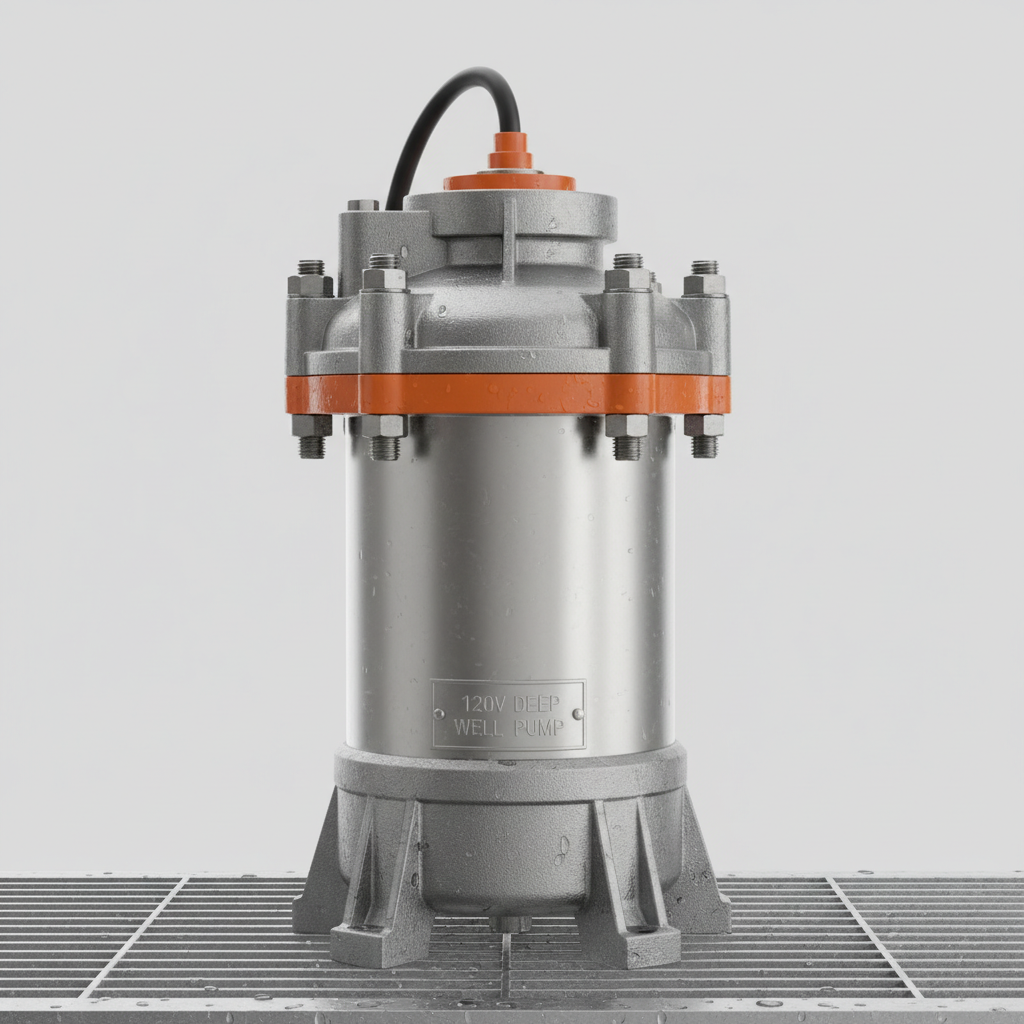
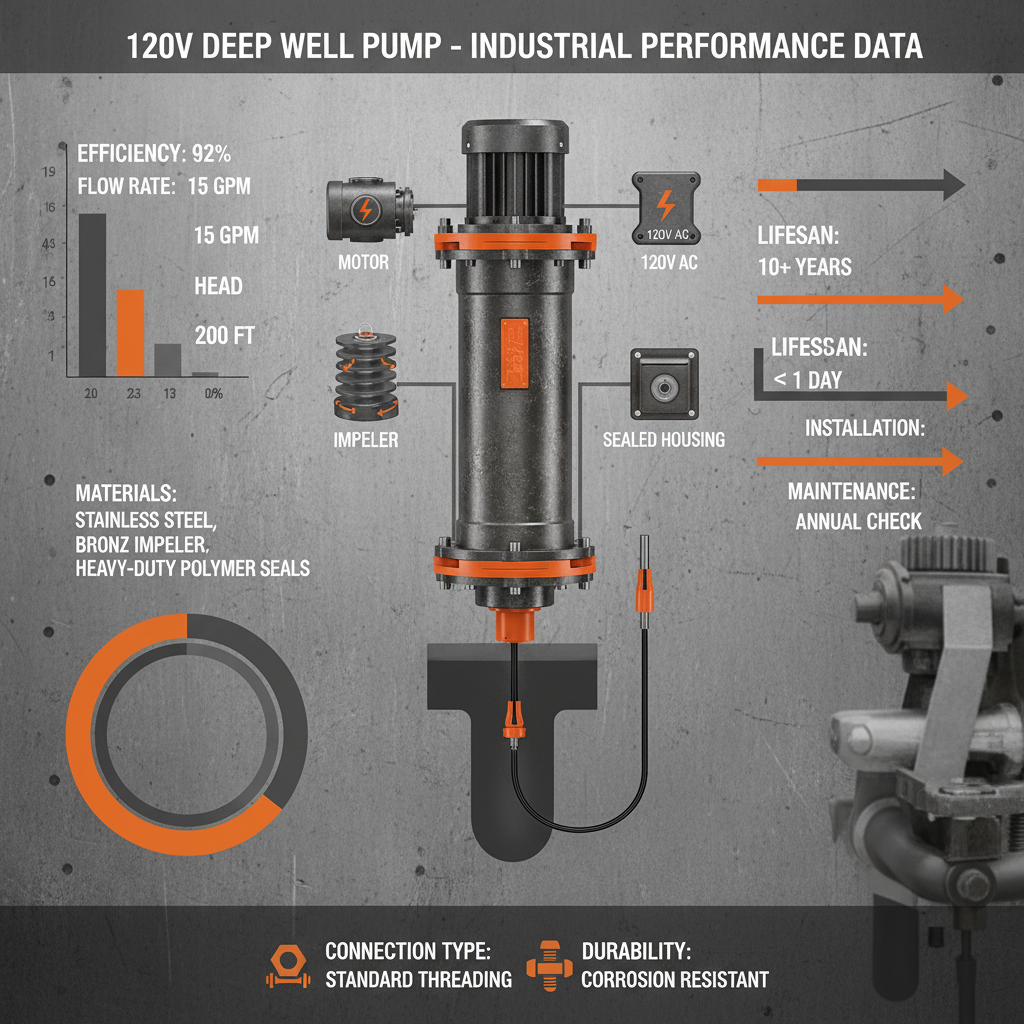
Across the globe, the demand for localized water solutions is rising as urbanization puts pressure on municipal water systems. The 120v deep well pump plays a pivotal role in decentralizing water access, allowing smaller communities and rural households to maintain autonomy over their water supply. Data from global infrastructure reports suggest that low-voltage solutions are preferred in regions where electrical grids are inconsistent or limited to standard residential voltages.
The challenge often lies in the depth of the aquifer; as water tables drop due to climate change, the need for a pump that can operate efficiently at 120v without sacrificing lift capacity becomes critical. This shift toward specialized low-voltage machinery allows for safer installations and reduces the risk of electrical hazards in damp, subterranean environments, making it a cornerstone of modern rural development and sustainable living.
Yes, provided the pump is correctly sized for the total dynamic head (TDH) and the house's water demand. While 240v pumps are typically more powerful, a high-quality 120v pump paired with a pressure tank can maintain consistent residential pressure (typically 40-60 psi) for average household use.
This is highly discouraged. Standard extension cords often cause a significant voltage drop, which can lead to motor overheating and permanent failure. You should use a properly gauged, direct-buried rated cable designed for submersible applications to ensure the pump receives the full 120v.
Depending on the model and the number of stages (impellers), many 120v pumps can lift water from 100 to 400 feet. However, efficiency decreases as depth increases. For extremely deep wells over 500 feet, a 240v system is generally recommended for better performance.
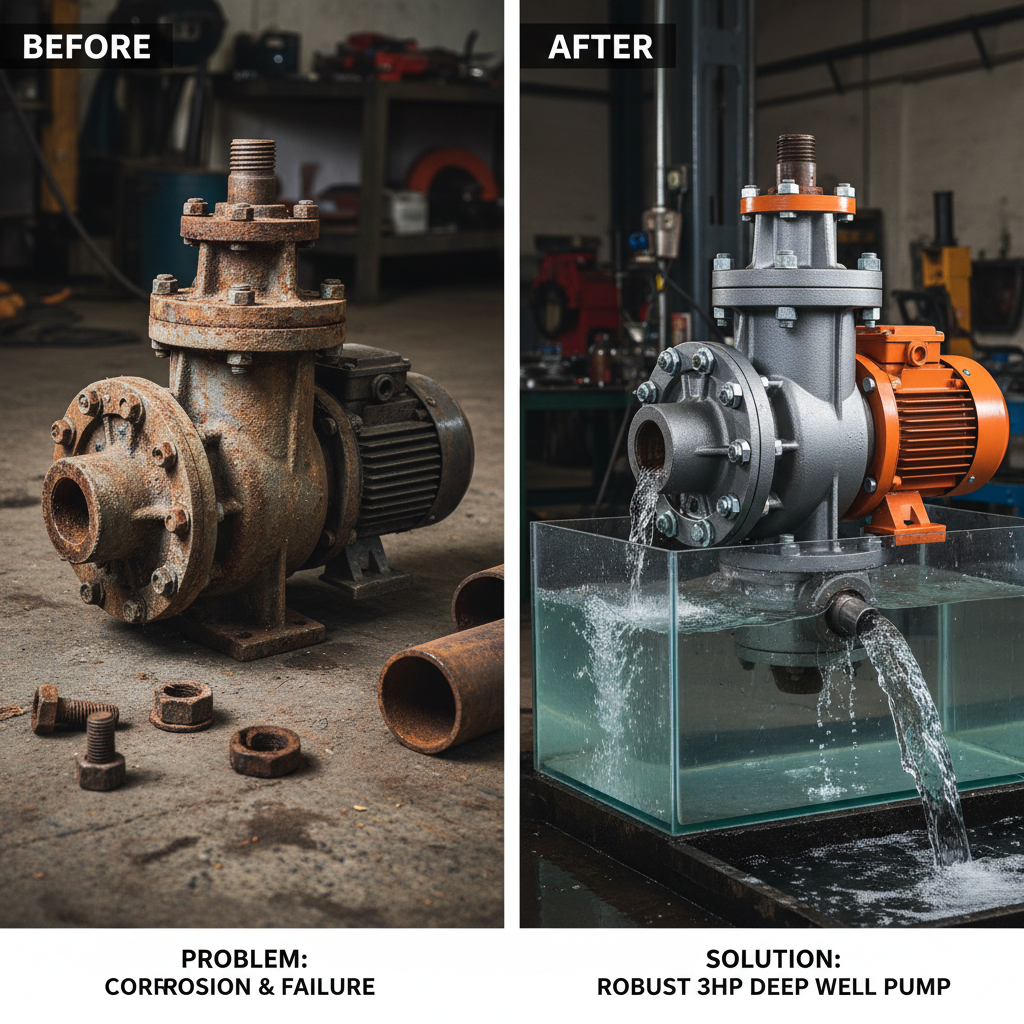
Absolutely. Stainless steel resists corrosion and mineral buildup far better than cast iron. In wells with acidic water or high mineral content, a stainless steel pump will last years longer and maintain a higher flow rate, reducing the long-term cost of pump replacement.
Yes, by using a solar array connected to a battery bank and a pure sine wave inverter that outputs 120v AC. This is an excellent solution for off-grid properties, though you must ensure the inverter can handle the high "startup current" required by the pump motor.
The best method is to install a "dry-run protection" sensor or a float switch. These devices detect when the water level drops below the pump intake and automatically cut power, preventing the motor from running dry and overheating.
The 120v deep well pump represents a vital intersection of accessibility and engineering, offering a practical solution for water extraction in residential and remote settings. By focusing on key factors such as material durability, voltage stability, and energy efficiency, users can secure a reliable water source that minimizes installation costs while maximizing long-term utility. From the sand-tolerant QS series to the high-efficiency frequency conversion models, the diversity of these pumps ensures a perfect fit for any geological or electrical constraint.
Looking forward, the transition toward smart monitoring and solar integration will only make these systems more sustainable and easier to manage. For anyone seeking to establish an independent and reliable water supply, investing in a high-quality 120v submersible system is a decision that enhances both property value and quality of life. We invite you to explore our full range of professional pumping solutions to find the perfect match for your well's unique requirements. Visit our website: www.wellpumpact.com

 Afrikaans
 Albanian
 Amharic
 Arabic
 Armenian
 Azerbaijani
 Basque
 Belarusian
 Bengali
 Bosnian
 Bulgarian
 Catalan
 Cebuano
 Corsican
 Croatian
 Czech
Czech
 Danish
 Dutch
Dutch
 Esperanto
 Estonian
 Finnish
 French
 Frisian
 Galician
 Georgian
 German
 Greek
Greek
 Gujarati
 Haitian Creole
 Hausa
Hausa
 Hawaiian
 Hebrew
 Hindi
Hindi
 Miao
Miao
 Hungarian
 Icelandic
 Igbo
Igbo
 Indonesian
 Irish
Irish
 Italian
 Japanese
 Javanese
 Kannada
 Kazakh
 Khmer
Khmer
 Rwandese
 Korean
 Kurdish
 Kyrgyz
 Lao
Lao
 Latin
Latin
 Latvian
 Lithuanian
 Luxembourgish
 Macedonian
 Malgashi
 Malay
Malay
 Malayalam
 Maltese
 Maori
Maori
 Marathi
 Mongolian
 Myanmar
 Nepali
 Norwegian
 Norwegian
 Occitan
 Pashto
 Persian
 Polish
 Portuguese
 Punjabi
 Romanian
 Russian
 Samoan
 Scottish Gaelic
 Serbian
 Sesotho
 Shona
Shona
 Sindhi
 Sinhala
 Slovak
 Slovenian
 Somali
 Spanish
 Sundanese
 Swahili
 Swedish
 Tagalog
 Tajik
Tajik
 Tamil
Tamil
 Tatar
Tatar
 Telugu
 Thai
Thai
 Turkish
 Turkmen
 Ukrainian
 Urdu
Urdu
 Uighur
 Uzbek
Uzbek
 Vietnamese
 Welsh
Welsh
 Bantu
Bantu
 Yiddish
 Yoruba
 Zulu
Zulu
 English