
Nov . 18, 2025 01:30 Back to list
Essential Guide to Submersible Sump Pumps: Uses, Benefits & Buying Tips
Understanding the Submersible Sump Pump: What It Is and Why It Matters
Water management is a global challenge, one that affects everything from agriculture to urban infrastructure. At the heart of many practical solutions lies the submersible sump pump, a humble yet vital device designed to efficiently move water from flooded areas, basements, or industrial pits. Understanding this pump means understanding a chunk of how communities protect themselves from water damage, how industries keep their operations smooth, and how aid workers stabilize environments after storms or floods. It’s not just about pushing water around—it’s about safeguarding livelihoods, infrastructure, and sometimes, life itself.
Whether you’re a building manager, an engineer, or just passionate about resilience and sustainability, knowing how submersible sump pumps work and why they’re important can help you make smarter decisions when protecting spaces from water damage or improving sanitation access worldwide.
Global Context: The Growing Need for Reliable Water Removal Solutions
Water-related emergencies are on the rise. According to the United Nations, floods affect over 100 million people annually worldwide, causing billions of dollars in damages and setbacks to development goals.1 At the same time, rising urbanization means more infrastructure below ground, leading to increased risks of water accumulation.
With the growing threat of climate change making extreme weather more frequent, the submersible sump pump isn’t just a convenience — it’s essential equipment that helps prevent structural damage, contamination, and downtime. Industries from mining to municipal utilities depend heavily on these pumps to maintain dry conditions and carry out environmental control.
Why Specifically Submersible?
Unlike traditional pumps, submersible models operate while completely underwater. This means they’re ideal for handling deep, flooded pits or basements where water needs to be removed quickly and reliably without manual intervention or risks of overheating.
Defining the Submersible Sump Pump
A submersible sump pump is a self-contained pumping device designed to sit inside a sump pit or flooded area and push water out to a drainage system or safe discharge location. The motor and pump are housed together in a waterproof casing, allowing the unit to be submerged directly in the fluid.
In practical terms, think of it as an automatic water guard that activates when water levels rise, efficiently clearing it to avoid overflow, water damage, or contamination risks.
This technology ties closely to modern industrial, municipal, and humanitarian uses — addressing everything from urban flooding to sanitation in remote locations where manual water removal could be impractical or dangerous.
Key Components that Define Performance and Longevity
- Durability: A good submersible sump pump must resist corrosion and damage from sediments and chemicals in water. Stainless steel casings and sealed motors are common features to extend lifespan.
- Power & Flow Rate: How quickly the pump moves water (measured in gallons per minute) affects whether a flood can be handled rapidly or if backups might happen.
- Automatic Operation: Most pumps include automatic float switches or sensor systems that detect rising water and start pumping without human input, critical during power outages or off-hours.
- Ease of Maintenance: Since these pumps are often submerged in murky water, being able to service impellers, check seals, or replace cords easily can save headaches.
- Energy Efficiency: With many pumps running for long durations, energy-efficient designs reduce operating costs and environmental impact.
Each of these aspects contributes to the pump’s role not just as a tool but as a critical safeguard in water management.
Mini takeaway:
The submersible sump pump is a specialized device offering a waterproof, automatic solution that balances power and durability. This balance is crucial for real-world reliability.
Worldwide Applications: Who Benefits and How?
These pumps find uses in a vast array of industries and regions:
- Residential & Commercial Buildings: In flood-prone regions like Southeast Asia or coastal US cities, submersible sump pumps help keep basements and foundations dry.
- Mining & Industrial Sites: Mines often have to remove groundwater continuously — a job perfectly suited to reliable submersible pumps.
- Disaster Relief Efforts: NGOs deploy these pumps in post-hurricane and flood zones to restore sanitation quickly and prevent disease outbreaks.
- Agricultural Drainage: Fields in low-lying regions are drained with these pumps, ensuring productivity and preventing waterlogged soil.
For instance, after hurricanes in Puerto Rico, local municipal teams used submersible sump pumps to clear major pumped-out water in tunnels and basements, speeding up recovery efforts and restoring safety.
Advantages and Long-Term Value: Why Investing Pays Off
Investing in a high-quality submersible sump pump isn’t just buying a machine — it’s securing peace of mind and long-term savings:
- Cost-Effective Protection: Preventing water damage can save thousands in repairs.
- Sustainability: Energy-efficient models reduce environmental impact and operating expenses.
- Reliability: Automatic activation works even when no one is around, reducing risks.
- Social Impact: Particularly in vulnerable communities, reliable water removal supports health and dignity.
Plus, it’s oddly reassuring, knowing that if the basement starts filling, a trusty pump is already at work quietly fixing the problem.
Product Specification Table
| Specification | Typical Value / Feature |
|---|---|
| Pump Type | Submersible, centrifugal |
| Power Supply | 120V/240V AC or 12V DC (solar options) |
| Max Flow Rate | up to 4500 GPH (gallons per hour) |
| Material | Cast iron / stainless steel housing |
| Float Switch | Automatic ON/OFF sensor |
| Warranty | 1-3 years depending on model |
Vendor Comparison: Choosing the Right Submersible Pump Supplier
| Vendor | Price Range | Product Warranty | Special Features | Global Shipping |
|---|---|---|---|---|
| PumpCo | $150–$600 | 3 years | Ultra-durable cast iron casing | Yes |
| WaterPro | $200–$700 | 2 years | Energy-efficient motor | Limited |
| EcoPump | $180–$650 | 1 year | Solar compatible, low noise | Yes |
Looking Ahead: Innovations in Submersible Sump Pumps
The good ol’ submersible sump pump has evolved quite a bit—and it’s not stopping anytime soon. New developments focus on integrating smart sensors, IoT connectivity, and cleaner energy sources.
Imagine pumps that send you realtime alerts on your phone if water levels spike or if they need maintenance. Or units powered entirely by solar panels, ideal for off-grid situations or environmentally conscious businesses. Materials technology is leaning toward lighter, corrosion-resistant composites to extend life while cutting costs.
Plus, regulatory bodies are increasingly pushing for eco-friendly standards on pumps to reduce their ecological footprint. These trends align with global goals such as those from the International Organization for Standardization (ISO) on energy efficiency and environmental responsibility.2
Common Challenges and How to Overcome Them
Of course, every technology has its quirks:
- Clogging: Pumps can get jammed by debris. Regular cleaning and using screens or filters can mitigate this.
- Power Dependence: Without power, pumps don’t run. Backup generators or solar-powered options serve as critical fail-safes.
- Wear and Tear: Submersion in abrasive or chemically active water wears out parts faster — design choices and maintenance schedules matter.
Experts suggest preventive maintenance, monitoring technology, and choosing pumps tailored to specific site conditions as solutions. It feels like the difference between a pump just “getting by” and one reliably protecting your investment for years.
FAQ: What You’ve Been Wondering About Submersible Sump Pumps
Q1: How often should I service my submersible sump pump?
A: Generally, pump inspection and cleaning should occur at least once a year, preferably before the wet season or flooding periods. Regular maintenance helps prevent clogs and mechanical failures.
Q2: Can submersible sump pumps work in saltwater or highly corrosive environments?
A: Yes, but it depends on the pump’s materials. Models with stainless steel or cast iron housing perform better in harsher conditions. Some manufacturers offer specially coated or lined pumps for corrosive fluids.
Q3: What happens if the power goes out during a flood?
A: Most standard submersible pumps require electricity to operate. However, backup battery systems, generators, or solar-powered pumps help maintain functionality during outages.
Q4: How do I choose the right size pump?
A: Consider the volume of water you expect to handle and the distance/height it needs to be discharged. Manufacturers provide flow rates and head height specs for this purpose.
Wrapping Up: A Worthwhile Investment in Safety and Sustainability
In sum, the submersible sump pump is a quietly heroic device that blends engineering and practical need. It protects homes, helps industries run smoothly, and provides critical aid in times of disaster or stress. As demands and conditions change worldwide, these pumps continue to adapt and improve, proving their place as an indispensable part of modern water management.
Looking to equip your project or property with reliable water removal? Visit our site at https://www.wellpumpact.com for trusted options and expert advice.
Final thought:
It’s fascinating—this little pump beneath the waterline, working silently out of sight, but saving the day more often than we realize.
References
-
Understanding the Price Submersible Pump and Buyer Guide
NewsApr.16,2026
-
Factors Affecting the Price for Submersible Pump a Buyers Guide
NewsApr.09,2026
-
Choosing the Right Mini Submersible Fountain Pump for Optimal Water Feature Performance
NewsApr.07,2026
-
A Detailed Guide to Installing a Submersible Pump for Optimal Performance
NewsApr.04,2026
-
Comprehensive Guide on How to Test a Submersible Water Well Pump Effectively
NewsMar.31,2026
-
Learn How to Replace a Submersible Well Pump Safely and Effectively
NewsMar.28,2026
-
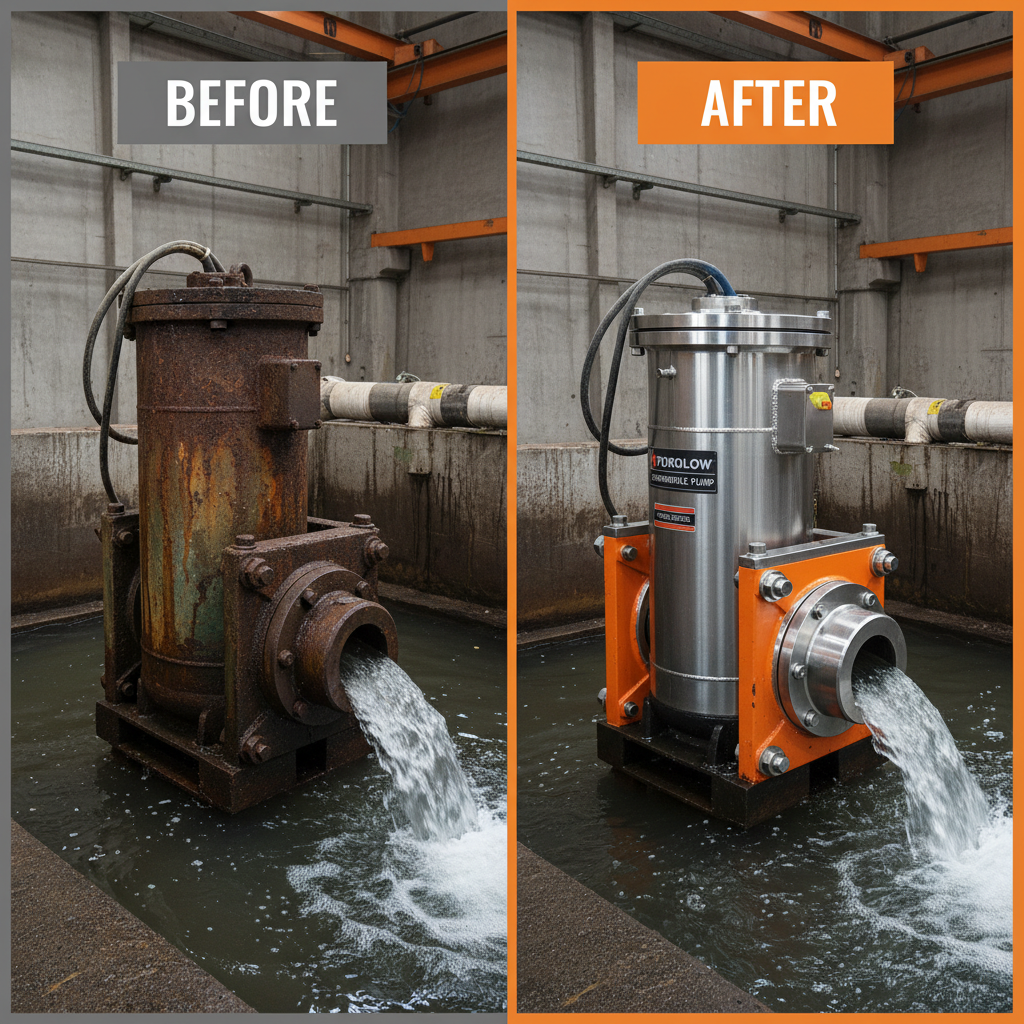 Understanding the Price Submersible Pump and Buyer GuideWhen searching for the ideal water management solution, understanding the price submersible pump options is crucial for balancing budget with performance. Whether you are dealing with a flooded basement, managing agricultural irrigation, or extracting water from a deep well, the cost of a submersible pump can vary significantly based on its build quality and capacity. Investing in a high-quality pump ensures long-term reliability and reduces the frequency of expensive replacements. In this guide, we will break down the factors that influence pricing and help you make an informed decision for your specific needs.Detail
 -
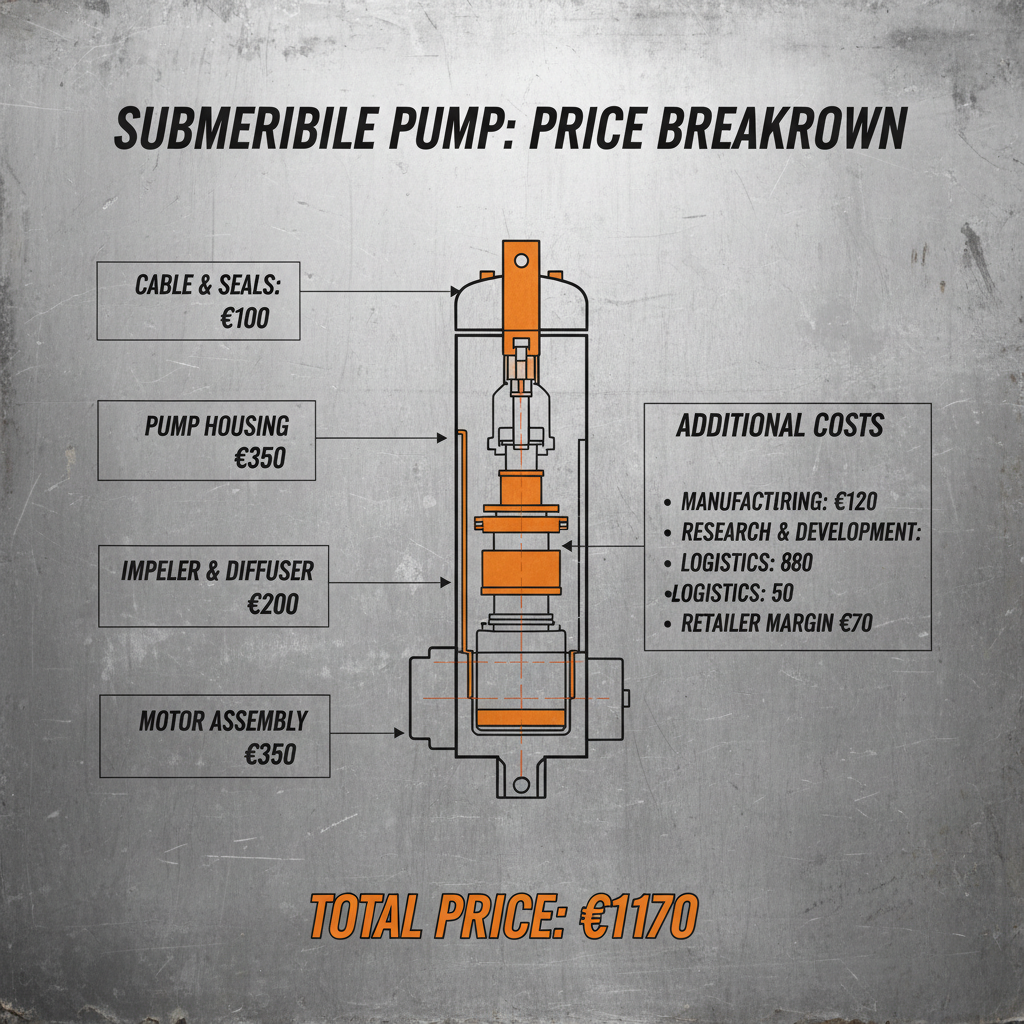 Factors Affecting the Price for Submersible Pump a Buyers GuideWhen investing in water management systems, understanding the price for submersible pump options is essential for balancing performance with budget. Whether you are managing a residential well, an industrial drainage project, or agricultural irrigation, the cost of a pump is rarely a flat fee; it is a reflection of the engineering, materials, and capacity required for your specific environment. In this guide, we will break down the factors that influence pricing and help you determine the best value for your investment to ensure long-term reliability and efficiency.Detail
 -
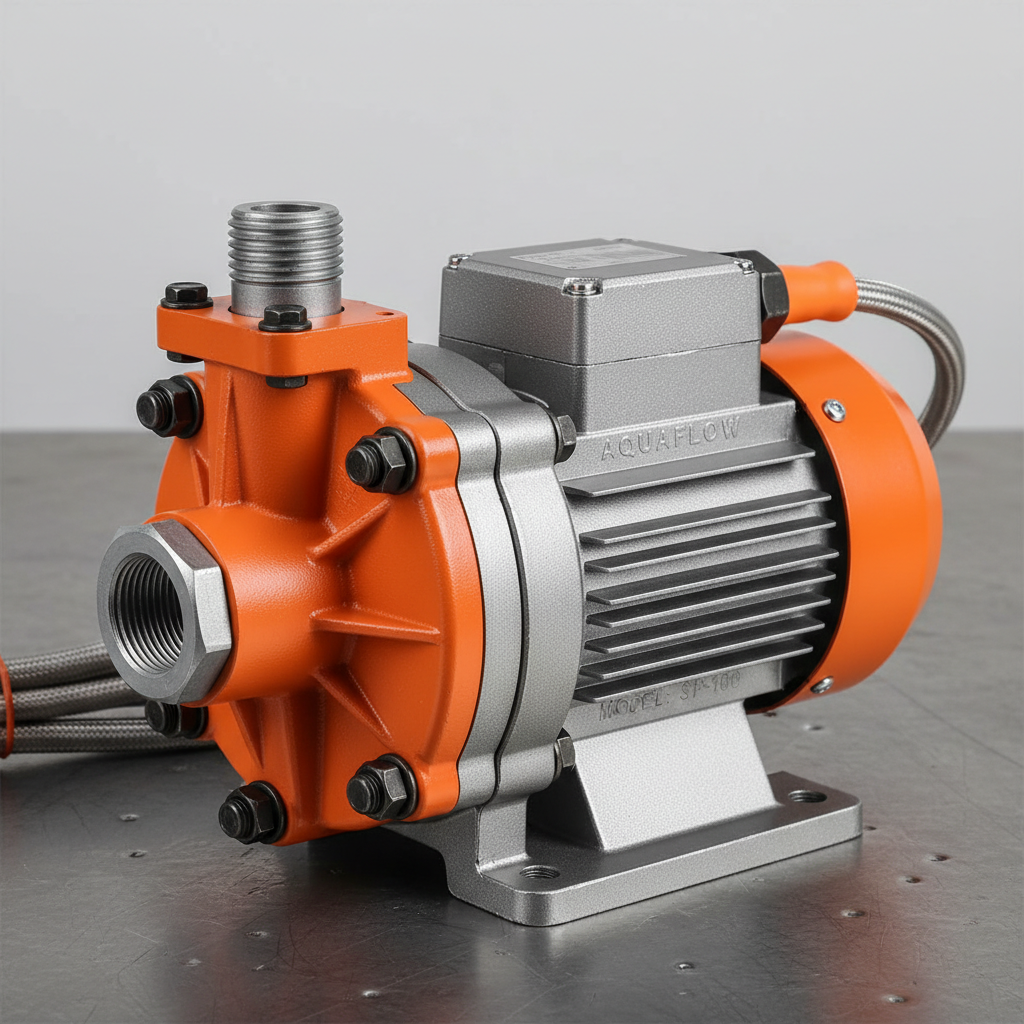 Choosing the Right Mini Submersible Fountain Pump for Optimal Water Feature PerformanceCreating a beautiful and relaxing water feature doesn't have to be complicated. A mini submersible fountain pump is the heart of any indoor or outdoor fountain, and selecting the right one is crucial for optimal performance and longevity. This article will guide you through the key considerations when choosing a mini submersible fountain pump, covering types, features, applications, and how to ensure you get the perfect pump for your project. We’ll also explore how Wellpumpact can provide you with the ideal solution.Detail
 Afrikaans
 Albanian
 Amharic
 Arabic
 Armenian
 Azerbaijani
 Basque
 Belarusian
 Bengali
 Bosnian
 Bulgarian
 Catalan
 Cebuano
 Corsican
 Croatian
 Czech
Czech
 Danish
 Dutch
Dutch
 Esperanto
 Estonian
 Finnish
 French
 Frisian
 Galician
 Georgian
 German
 Greek
Greek
 Gujarati
 Haitian Creole
 Hausa
Hausa
 Hawaiian
 Hebrew
 Hindi
Hindi
 Miao
Miao
 Hungarian
 Icelandic
 Igbo
Igbo
 Indonesian
 Irish
Irish
 Italian
 Japanese
 Javanese
 Kannada
 Kazakh
 Khmer
Khmer
 Rwandese
 Korean
 Kurdish
 Kyrgyz
 Lao
Lao
 Latin
Latin
 Latvian
 Lithuanian
 Luxembourgish
 Macedonian
 Malgashi
 Malay
Malay
 Malayalam
 Maltese
 Maori
Maori
 Marathi
 Mongolian
 Myanmar
 Nepali
 Norwegian
 Norwegian
 Occitan
 Pashto
 Persian
 Polish
 Portuguese
 Punjabi
 Romanian
 Russian
 Samoan
 Scottish Gaelic
 Serbian
 Sesotho
 Shona
Shona
 Sindhi
 Sinhala
 Slovak
 Slovenian
 Somali
 Spanish
 Sundanese
 Swahili
 Swedish
 Tagalog
 Tajik
Tajik
 Tamil
Tamil
 Tatar
Tatar
 Telugu
 Thai
Thai
 Turkish
 Turkmen
 Ukrainian
 Urdu
Urdu
 Uighur
 Uzbek
Uzbek
 Vietnamese
 Welsh
Welsh
 Bantu
Bantu
 Yiddish
 Yoruba
 Zulu
Zulu
 English