
Dec . 02, 2025 00:30 Back to list
Reliable Submersible Pump Supplier: Quality, Innovation & Global Impact
Understanding the Role of a Submersible Pump Supplier in Modern Industry
Submersible pumps are quietly transformative devices driving water movement across countless sectors worldwide. A reliable submersible pump supplier is, frankly, the linchpin behind these operations. From agriculture irrigation to disaster relief, and industrial water management to drinking water supply in remote areas, understanding the significance of these suppliers matters globally. After all, water is life and the technology sourcing it must be rock-solid.
Introduction: Why the Submersible Pump Supplier Matters Globally
According to the United Nations, more than 2 billion people currently lack access to safely managed drinking water services. Submersible pumps play a pivotal role in addressing this glaring gap by enabling efficient groundwater extraction and distribution. The global submersible pump market is projected to exceed $15 billion by 2027 (Statista data), underscoring its growth in sectors like agriculture, mining, and municipal services.
But this growth also surfaces challenges—finding specialized, responsive, and quality-driven submersible pump suppliers becomes critical. Faulty equipment in water-dependent operations can mean downtime, losses, even human suffering in vulnerable regions.
What Exactly Is a Submersible Pump Supplier?
A submersible pump supplier is a company or distributor specializing in sourcing, manufacturing, or selling pumps designed to operate underwater. These pumps are hermetically sealed, so water doesn’t damage the motor. Practical, efficient, and powerful, they’re essential in moving water from wells, lakes, or flooded zones up to the surface for use or treatment.
From humanitarian NGOs delivering emergency clean water, to industries running thousands of cubic meters daily—these suppliers bridge technology and on-the-ground needs.
Core Components of a Good Submersible Pump Supplier
1. Durability and Quality Assurance
A trustworthy supplier guarantees components that withstand harsh environments, corrosive liquids, and continuous operation. Mechanical seals, stainless steel casings, and motor insulation quality must be top-notch.
2. Scalability & Range
Whether it's a small borehole pump for a rural village or massive pumps for mining extraction, suppliers with diverse product lines can serve varied needs—making them invaluable.
3. Technical Support & Customization
The ability to provide expert consultation, pump sizing, and custom solutions separates great suppliers from average ones. Many engineers say this is often the dealbreaker for successful installations.
4. Cost Efficiency
Pricing matters—but the real focus is on total cost of ownership. Energy-efficient pumps and minimal maintenance requirements mean lower lifetime costs.
5. Compliance & Certification
Certified pumps meeting ISO standards or regional safety norms build trust. This also supports import-export processes for international projects.
Typical Specifications of a Common Submersible Pump
| Specification | Typical Value |
|---|---|
| Power | 1 - 60 kW |
| Flow Rate | 10 - 500 m³/hr |
| Head (Pump Lift) | 20 - 150 meters |
| Material | Stainless steel (AISI 304/316), Cast Iron |
| Voltage | 220V - 690V, 50/60 Hz |
| Motor Protection | IP68 waterproof rating |
Global Applications and Use Cases of Submersible Pump Suppliers
- Agriculture: Irrigation pumps in India’s dry belt deliver groundwater essential for crop survival.
- Mining: Dewatering operations in South Africa depend heavily on rugged, high-capacity submersible pumps.
- Disaster Relief: In the aftermath of hurricanes or floods, NGOs source submersible pumps for swiftly draining waterlogged areas.
- Municipal Water Supply: Cities across Europe utilize these pumps for groundwater extraction to supplement aging infrastructure.
- Oil & Gas: Specialized pumps aid in removing water from extraction sites, ensuring smooth operations.
In real terms, suppliers with global footprints and strong local partnerships can adapt to diverse environments—from remote African villages to industrial complexes in North America.
Advantages and Long-Term Value of Reliable Suppliers
When I worked with water projects, it became clear how vital a dependable pump supplier is. The benefits go beyond cost and specs:
- Reliability: Pumps that function continuously without failure restore confidence in water access.
- Sustainability: Energy-efficient models reduce environmental impact and utility bills alike.
- Social Impact: Safe water supply protects health, dignity, and livelihoods.
- Innovation: Suppliers pushing new materials or smart pump controls offer a glimpse into the future of water tech.
In short, these suppliers don’t just sell equipment—they enable progress, safety, and resilience.
Vendor Comparison: Top Submersible Pump Suppliers
| Feature | Supplier A | Supplier B | Supplier C |
|---|---|---|---|
| Product Range | Wide (1-60 kW) | Moderate (5-40 kW) | Specialized (10-100 kW) |
| Technical Support | 24/7 consulting | Weekdays only | On-site engineers |
| Pricing | Mid-range | Budget | Premium |
| ISO Certification | Yes | No | Yes |
| Delivery Speed | 2-3 weeks | 4-6 weeks | 1-2 weeks |
Looking Ahead: Trends & Innovations in the Submersible Pump Industry
What’s on the horizon? Green energy integration is one buzzword you keep hearing. Solar-powered submersible pumps are becoming common, especially in off-grid farming communities. Additionally, IoT-enabled smart pumps that provide real-time diagnostics and preventive maintenance alerts are starting to reshape service models.
Material innovations too—using corrosion-resistant composites and advanced sealants—mean longer pump service life. Policy-wise, growing environmental regulations push suppliers toward less energy-intensive, more recyclable designs.
Challenges and How Expert Suppliers Overcome Them
Even with great strides, challenges persist. Supply chain disruptions can delay critical projects. Technical mismatches, such as over- or under-sizing pumps, waste time and money. Harsh water chemistry sometimes shortens equipment life unexpectedly.
Expert suppliers tackle these with tailored recommendations, flexible inventory, certified spare parts, and ongoing training. Many now offer remote support, so solutions reach users faster.
FAQ: What Customers Ask About Submersible Pump Suppliers
- Q: How do I choose the right submersible pump for my well depth?
A: Depth dictates pump head and motor power requirements. Consulting with your supplier about well conditions ensures choosing a pump matching your well’s specific depth and flow needs. - Q: Are solar-powered submersible pumps reliable in cloudy regions?
A: While solar pumps excel in sunny environments, hybrid systems (solar plus grid backup) improve reliability in less sunny areas, which reputable suppliers can provide. - Q: What maintenance is required for submersible pumps?
A: Routine checks include inspecting seals, electrical connections, and impeller wear. A trusted supplier usually offers maintenance schedules and training. - Q: How quickly can I get pumps delivered internationally?
A: Delivery times vary, but many top suppliers offer expedited shipping options and handle customs paperwork to ensure smooth import.
Conclusion: Why Partnering with a Dependable Submersible Pump Supplier Is a Game-Changer
Ultimately, a submersible pump supplier isn't just a vendor—they’re your technological partner in water management. Ensuring durability, efficient operation, and responsive support transforms projects and improves lives. If you’re looking to source reliable submersible pumps or want expert advice tailored to your needs, I encourage you to visit our website: https://www.wellpumpact.com.
Mini Takeaway:
Choosing the right submersible pump supplier combines technical know-how, quality assurance, and forward-thinking—all critical to today’s water challenges.
Reference Snapshot:
-
Understanding the Price Submersible Pump and Buyer Guide
NewsApr.16,2026
-
Factors Affecting the Price for Submersible Pump a Buyers Guide
NewsApr.09,2026
-
Choosing the Right Mini Submersible Fountain Pump for Optimal Water Feature Performance
NewsApr.07,2026
-
A Detailed Guide to Installing a Submersible Pump for Optimal Performance
NewsApr.04,2026
-
Comprehensive Guide on How to Test a Submersible Water Well Pump Effectively
NewsMar.31,2026
-
Learn How to Replace a Submersible Well Pump Safely and Effectively
NewsMar.28,2026
-
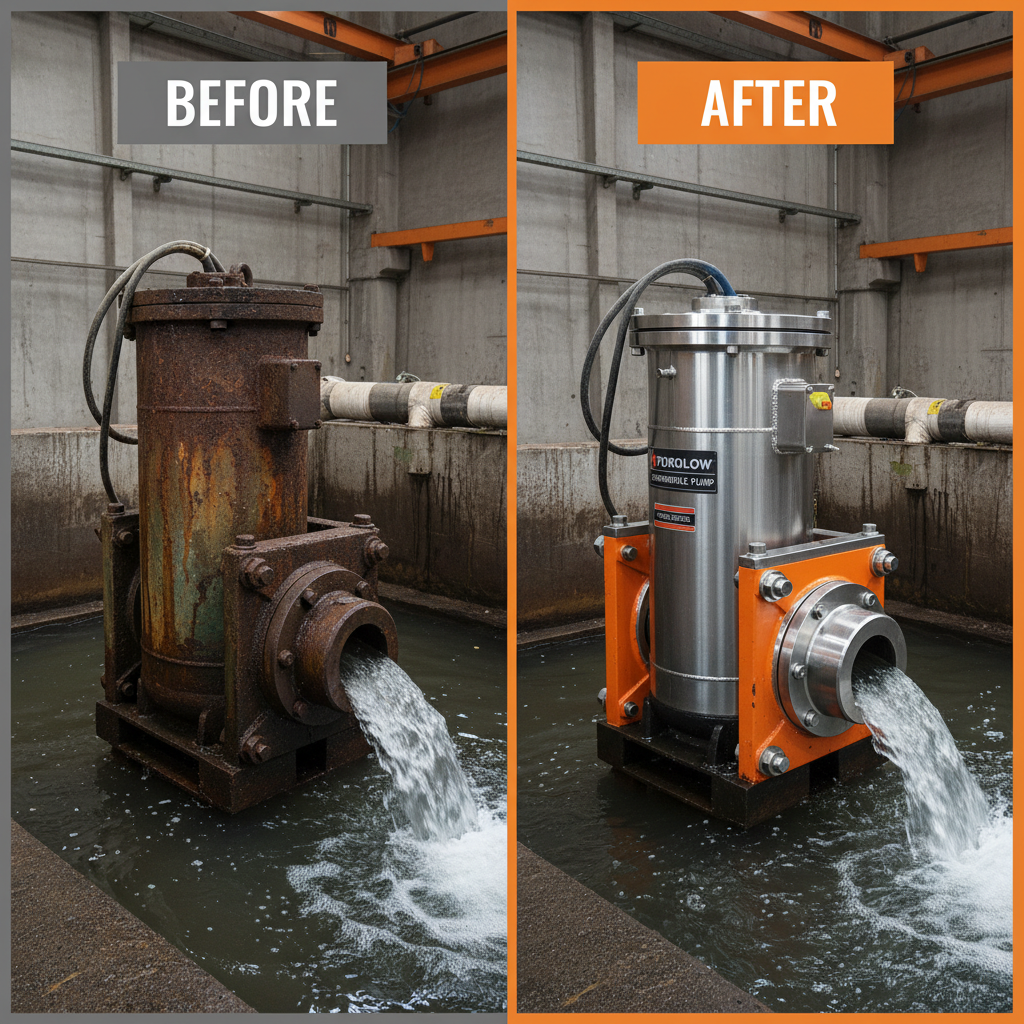 Understanding the Price Submersible Pump and Buyer GuideWhen searching for the ideal water management solution, understanding the price submersible pump options is crucial for balancing budget with performance. Whether you are dealing with a flooded basement, managing agricultural irrigation, or extracting water from a deep well, the cost of a submersible pump can vary significantly based on its build quality and capacity. Investing in a high-quality pump ensures long-term reliability and reduces the frequency of expensive replacements. In this guide, we will break down the factors that influence pricing and help you make an informed decision for your specific needs.Detail
 -
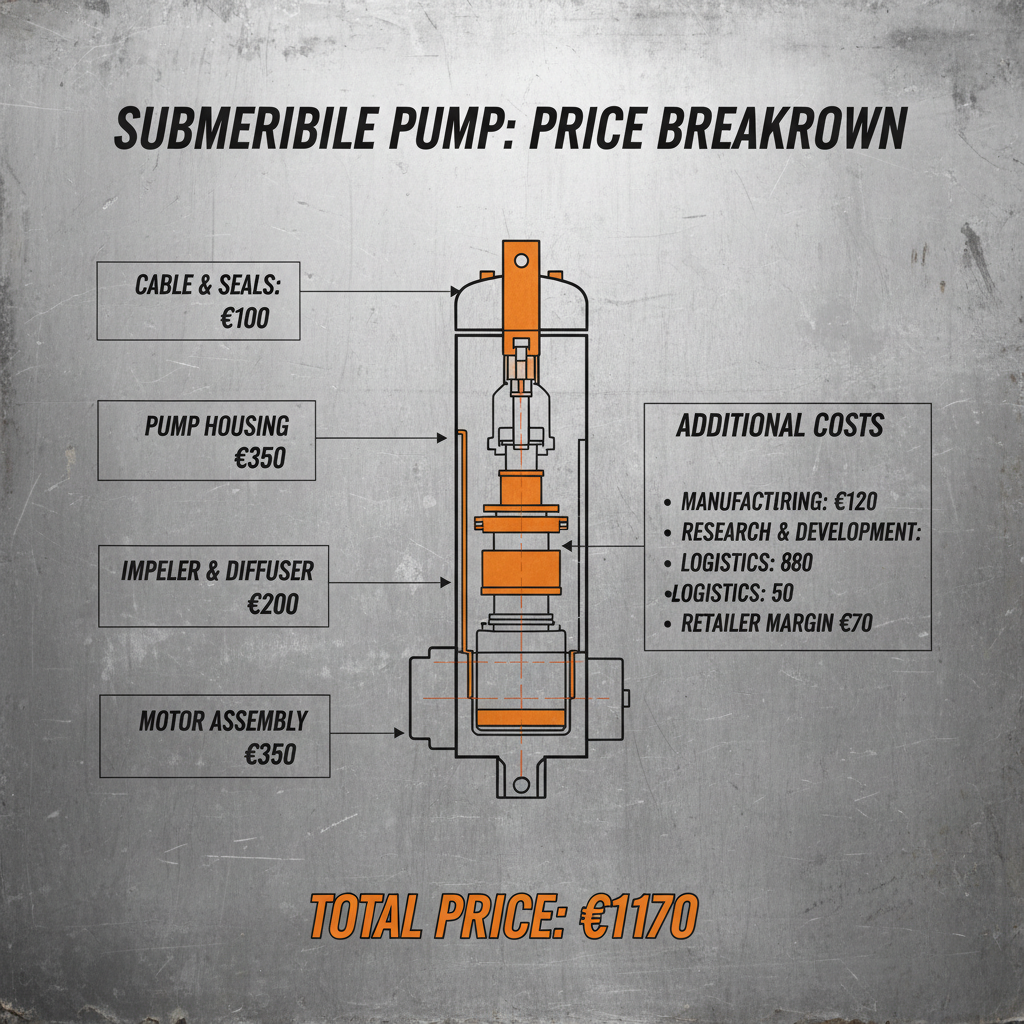 Factors Affecting the Price for Submersible Pump a Buyers GuideWhen investing in water management systems, understanding the price for submersible pump options is essential for balancing performance with budget. Whether you are managing a residential well, an industrial drainage project, or agricultural irrigation, the cost of a pump is rarely a flat fee; it is a reflection of the engineering, materials, and capacity required for your specific environment. In this guide, we will break down the factors that influence pricing and help you determine the best value for your investment to ensure long-term reliability and efficiency.Detail
 -
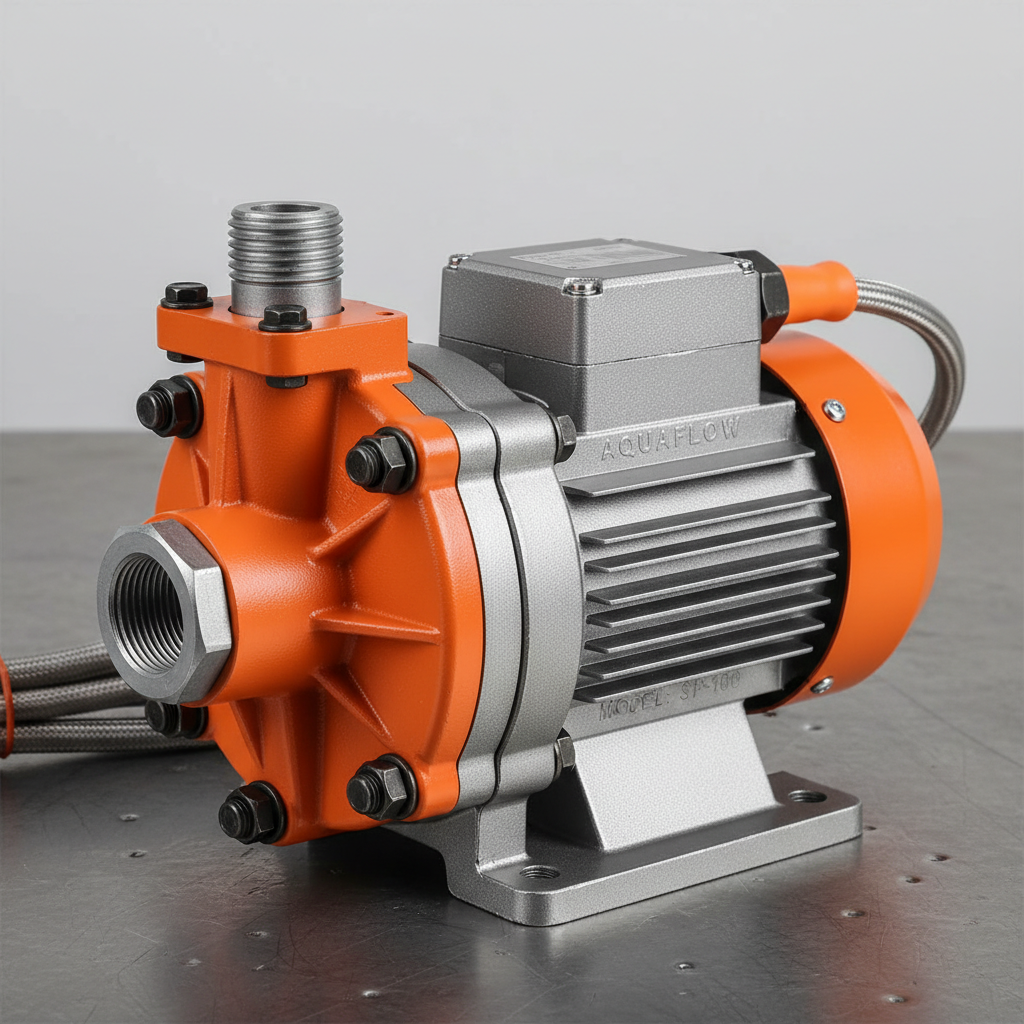 Choosing the Right Mini Submersible Fountain Pump for Optimal Water Feature PerformanceCreating a beautiful and relaxing water feature doesn't have to be complicated. A mini submersible fountain pump is the heart of any indoor or outdoor fountain, and selecting the right one is crucial for optimal performance and longevity. This article will guide you through the key considerations when choosing a mini submersible fountain pump, covering types, features, applications, and how to ensure you get the perfect pump for your project. We’ll also explore how Wellpumpact can provide you with the ideal solution.Detail
 Afrikaans
 Albanian
 Amharic
 Arabic
 Armenian
 Azerbaijani
 Basque
 Belarusian
 Bengali
 Bosnian
 Bulgarian
 Catalan
 Cebuano
 Corsican
 Croatian
 Czech
Czech
 Danish
 Dutch
Dutch
 Esperanto
 Estonian
 Finnish
 French
 Frisian
 Galician
 Georgian
 German
 Greek
Greek
 Gujarati
 Haitian Creole
 Hausa
Hausa
 Hawaiian
 Hebrew
 Hindi
Hindi
 Miao
Miao
 Hungarian
 Icelandic
 Igbo
Igbo
 Indonesian
 Irish
Irish
 Italian
 Japanese
 Javanese
 Kannada
 Kazakh
 Khmer
Khmer
 Rwandese
 Korean
 Kurdish
 Kyrgyz
 Lao
Lao
 Latin
Latin
 Latvian
 Lithuanian
 Luxembourgish
 Macedonian
 Malgashi
 Malay
Malay
 Malayalam
 Maltese
 Maori
Maori
 Marathi
 Mongolian
 Myanmar
 Nepali
 Norwegian
 Norwegian
 Occitan
 Pashto
 Persian
 Polish
 Portuguese
 Punjabi
 Romanian
 Russian
 Samoan
 Scottish Gaelic
 Serbian
 Sesotho
 Shona
Shona
 Sindhi
 Sinhala
 Slovak
 Slovenian
 Somali
 Spanish
 Sundanese
 Swahili
 Swedish
 Tagalog
 Tajik
Tajik
 Tamil
Tamil
 Tatar
Tatar
 Telugu
 Thai
Thai
 Turkish
 Turkmen
 Ukrainian
 Urdu
Urdu
 Uighur
 Uzbek
Uzbek
 Vietnamese
 Welsh
Welsh
 Bantu
Bantu
 Yiddish
 Yoruba
 Zulu
Zulu
 English