
Dec . 07, 2025 15:41 Back to list
What Is a 4 Inch Submersible Pump? Benefits, Uses & Global Impact Explained
Understanding the 4 Inch Submersible Pump: A Global Essential for Reliable Water Management
If you’ve ever considered how water is drawn from deep wells or reservoirs for farms, industries, or even emergency relief, then you’re inadvertently connected to the world of submersible pumps. Among these, the 4 inch submersible pump stands out as a classic, versatile workhorse. Why does this slightly technical topic matter on a global scale? Well, billions of people depend on technologies like these for clean water access, agriculture, sanitation, and even urban infrastructure. Understanding this pump’s design and application isn’t just about components or specs — it’s about grasping a technological backbone that supports health, sustainability, and livelihoods worldwide.
Global Context: Why the 4 Inch Submersible Pump Matters
With over 2 billion people reliant on groundwater for drinking water (UN-Water data, 2021), the ability to efficiently pump water from deep underground is more than a convenience — it’s a necessity. The 4 inch submersible pump is widely utilized because it strikes a balance of size, power, and affordability. In agricultural regions, particularly in Asia and Sub-Saharan Africa, these pumps support small-to-medium scale irrigation. Meanwhile, in remote industrial zones or disaster-stricken areas, their compact design allows for quick deployment where larger pumps would be cumbersome or impossible to use. However, ongoing challenges like fluctuating power availability and pump maintenance needs highlight why innovation remains vital.
Mini takeaway:
- The 4 inch submersible pump is foundational to water access worldwide.
- It addresses key needs in agriculture, industry, and humanitarian sectors.
- Global water reliance underlines its importance and challenges.
What Is a 4 Inch Submersible Pump?
Simply put, a 4 inch submersible pump is a water pump designed to be fully submerged in the water it pumps, generally inserted into a borehole or well of around 4 inches in diameter. The pump’s motor and impeller are sealed to prevent water ingress, allowing the device to operate efficiently downhole. This specific pump size is prized for its ability to fit in relatively narrow wells while still providing decent flow rates — typically between 5 to 20 gallons per minute, depending on horsepower.
In terms of industry, these pumps tie directly into irrigation, municipal water supply, and flood control. On the humanitarian front, they are often the first choice for NGOs and relief organizations when drilling potable water wells in underserved areas. The core concept is elegant: take the power source and pumping mechanism to the water rather than forcing water up from the surface.
Mini takeaway:
- 4 inch submersible pumps operate submerged in narrow wells or boreholes.
- Their sealed design prevents water damage and ensures longevity.
- A key tool for industries where well size and durability matter.
Key Factors of 4 Inch Submersible Pumps
Durability and Material Quality
The harsh environment of submersed pumping demands corrosion-resistant materials like stainless steel or high-strength thermoplastics. Many engineers note that a robust pump housing and quality shaft seals can mean the difference between frequent repairs and decades of service. Durability isn’t just a marketing point — it’s often a necessity for users in remote or resource-scarce regions.
Power Efficiency
4 inch pumps commonly run on 1 to 5 horsepower motors. Efficient use of energy means lower operational costs and a reduced carbon footprint — something increasingly crucial in regions reliant on limited power grids or renewable energy sources like solar panels.
Flow Rate and Head Capability
Choosing the right pump means matching its flow rate (volume pumped) to the height it must push water (known as “head”). The 4 inch design excels at moderate depths (up to 300 feet or so). Beyond that, larger pumps or multiple stages might be necessary.
Ease of Installation and Maintenance
Smaller pump sizes lend themselves to easier transport and installation — an important factor in disaster relief or rapidly deployed farming projects. Serviceability also varies by design, with some brands offering modular parts for quick replacement.
Example Product Specifications
| Specification | Details |
|---|---|
| Pump Diameter | 4 inches |
| Motor Power | 1 HP to 5 HP |
| Maximum Flow Rate | Up to 20 GPM (gallons per minute) |
| Max Head (Water Lift) | Up to 300 feet |
| Materials | Stainless steel, corrosion-resistant plastics |
| Power Source | Electric (AC, solar-compatible options) |
Global Applications & Use Cases
Across the globe, 4 inch submersible pumps work quietly beneath the surface in a range of settings:
- Agriculture: Smallholder farmers in India and Africa use them to irrigate crops during dry seasons, boosting food security.
- Municipal Water Supply: Cities with aging infrastructure often retrofit wells with these pumps for consistent urban water needs.
- Disaster Relief: NGOs employ these pumps to quickly restore clean water access after floods or earthquakes, where surface pumps aren’t feasible.
- Mining and Industry: Remote sites use compact submersible pumps for dewatering or water transfer operations.
Mini takeaway:
- Versatile enough for agriculture, municipal, industrial, and humanitarian use.
- Supports water access in both developed and developing contexts.
Comparing Leading Vendors
| Feature | Vendor A | Vendor B | Vendor C |
|---|---|---|---|
| Material Quality | 316 Stainless Steel | Cast Iron & Plastic | Carbon Steel w/ Coating |
| Warranty | 3 Years | 2 Years | 1 Year |
| Energy Efficiency | High (IE3 Motors) | Standard | Moderate |
| Installation Support | Available | Limited | None |
| Price Range | $$$ | $$ | $ |
Advantages & Long-Term Value
Speaking frankly, investing in a quality 4 inch submersible pump means lower overall operating costs. The energy savings and durability often offset higher upfront prices, making them cost effective in the long haul. Emotionally, dependable access to water fosters community resilience and safety — aspects that cheap alternatives simply can’t provide.
It’s also worth noting sustainability: many pumps now seamlessly integrate solar power, which aligns with global efforts to reduce emissions and manage scarce resources conscientiously.
Future Trends and Innovations
Digital control and IoT integration are creeping into pump technology, enabling remote monitoring of performance and predictive maintenance to limit downtime. Green energy compatibility, such as optimized solar-powered submersible pumps, is another hot trend — particularly in off-grid or developing regions. Some manufacturers experiment with new composites to make pumps lighter but tougher, which could transform installation logistics.
Challenges & Solutions
Challenges include primer failure, scaling/clogging if water quality is poor, and limited access to repair parts in remote areas. Experts suggest regular maintenance protocols and modular designs to overcome these obstacles. Also, combining solar panels and energy-efficient motors can offset unreliable electricity supply.
FAQ: Common Questions About 4 Inch Submersible Pumps
- Q: How deep can a 4 inch submersible pump operate effectively?
A: Typically up to about 300 feet, depending on the model and motor power. For greater depths, larger diameter pumps or multistage setups may be needed. - Q: Can these pumps run on solar power?
A: Yes, many models support solar-compatible motors, making them perfect for off-grid applications. - Q: How often should maintenance occur?
A: Routine maintenance every 6-12 months is recommended to inspect seals, wiring, and impellers, depending on water quality. - Q: Are 4 inch pumps suitable for industrial dewatering?
A: For small-scale dewatering, yes. For heavy-duty or large volumes, larger pumps are preferable.
Conclusion
In sum, the 4 inch submersible pump remains a cornerstone of efficient, reliable water management globally. Its balance of size, power, and adaptability makes it indispensable from rural farms to urban centers and emergency sites. As trends move toward smarter, greener technologies, these pumps are evolving but still rooted in solid engineering and practical needs.
For anyone in need of dependable pumping solutions, exploring current options and innovations is worth your time. Visit our website: wellpumpact.com to learn more.
Final reflection:
It feels like pumps such as these encapsulate a quietly heroic role in human progress — quietly pushing the water we sometimes take for granted.
References
-
Understanding the Price Submersible Pump and Buyer Guide
NewsApr.16,2026
-
Factors Affecting the Price for Submersible Pump a Buyers Guide
NewsApr.09,2026
-
Choosing the Right Mini Submersible Fountain Pump for Optimal Water Feature Performance
NewsApr.07,2026
-
A Detailed Guide to Installing a Submersible Pump for Optimal Performance
NewsApr.04,2026
-
Comprehensive Guide on How to Test a Submersible Water Well Pump Effectively
NewsMar.31,2026
-
Learn How to Replace a Submersible Well Pump Safely and Effectively
NewsMar.28,2026
-
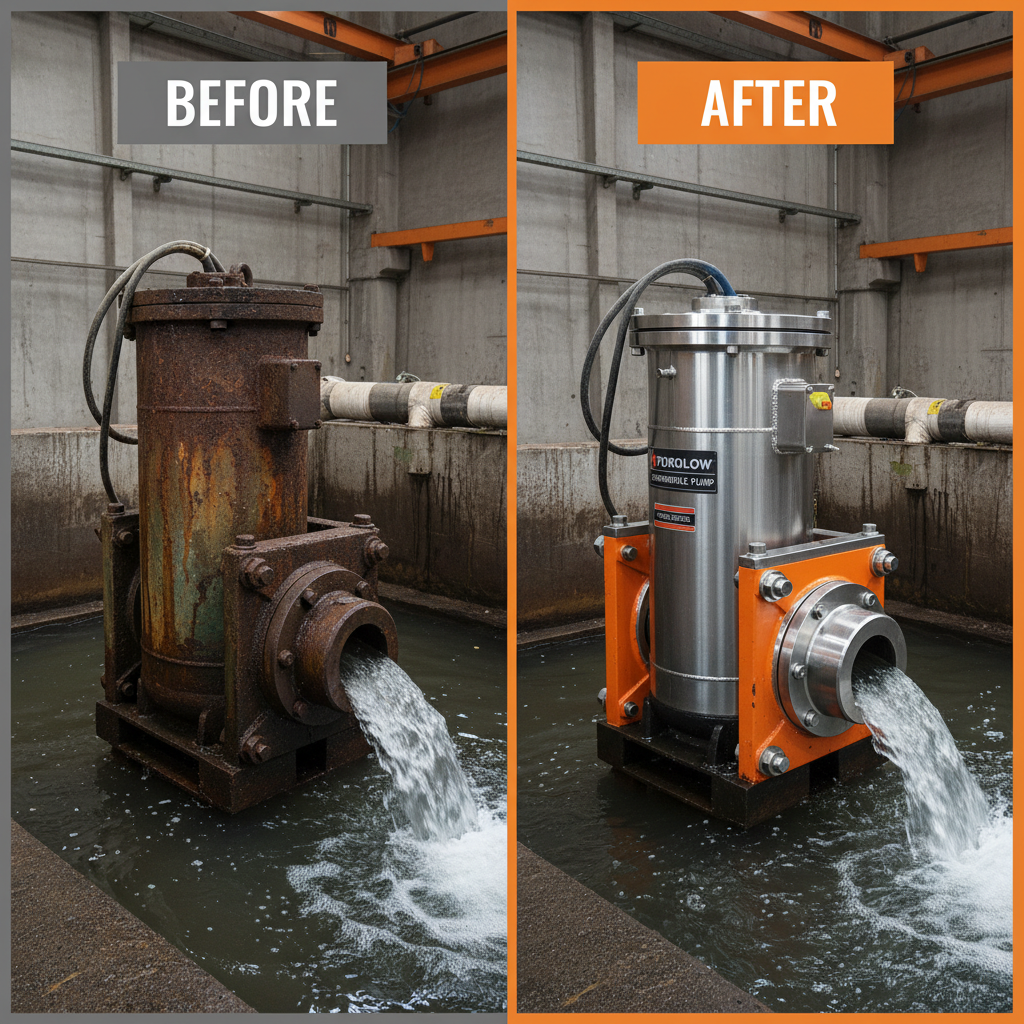 Understanding the Price Submersible Pump and Buyer GuideWhen searching for the ideal water management solution, understanding the price submersible pump options is crucial for balancing budget with performance. Whether you are dealing with a flooded basement, managing agricultural irrigation, or extracting water from a deep well, the cost of a submersible pump can vary significantly based on its build quality and capacity. Investing in a high-quality pump ensures long-term reliability and reduces the frequency of expensive replacements. In this guide, we will break down the factors that influence pricing and help you make an informed decision for your specific needs.Detail
 -
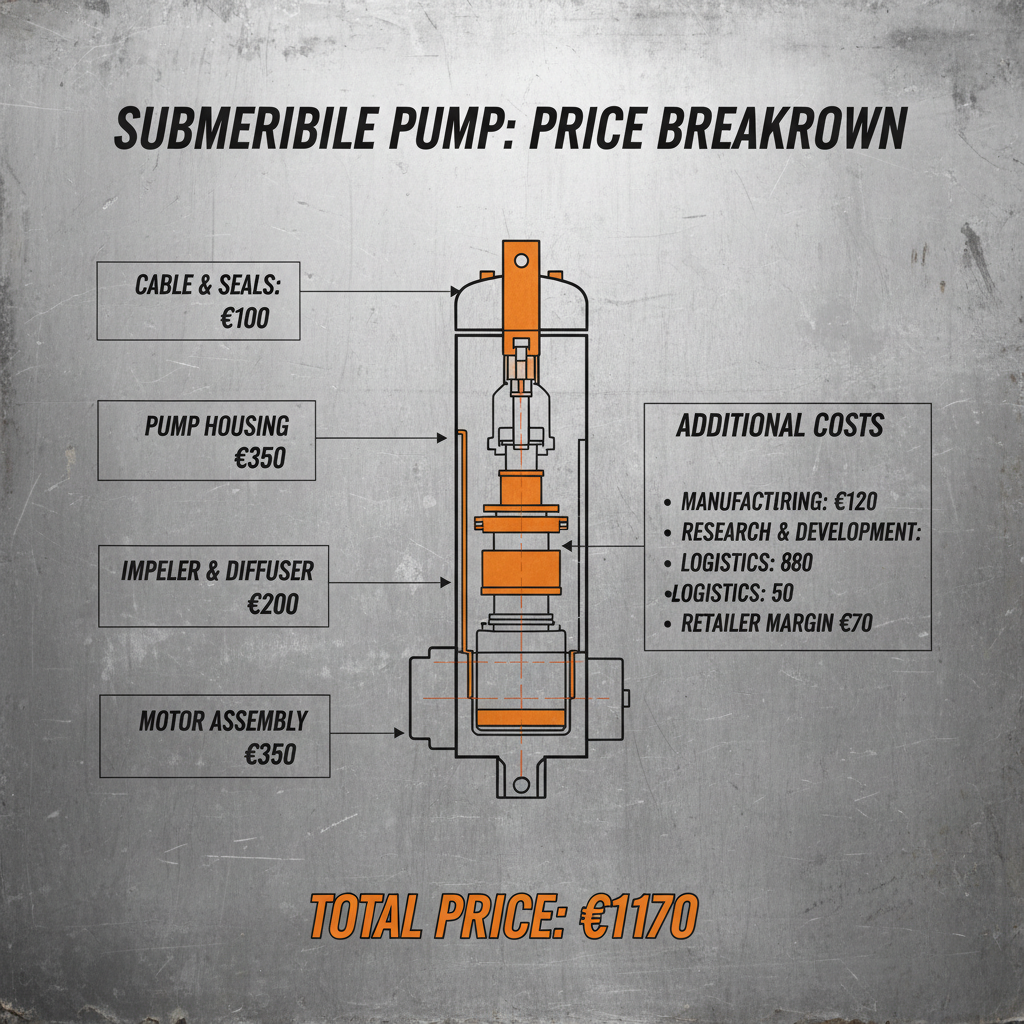 Factors Affecting the Price for Submersible Pump a Buyers GuideWhen investing in water management systems, understanding the price for submersible pump options is essential for balancing performance with budget. Whether you are managing a residential well, an industrial drainage project, or agricultural irrigation, the cost of a pump is rarely a flat fee; it is a reflection of the engineering, materials, and capacity required for your specific environment. In this guide, we will break down the factors that influence pricing and help you determine the best value for your investment to ensure long-term reliability and efficiency.Detail
 -
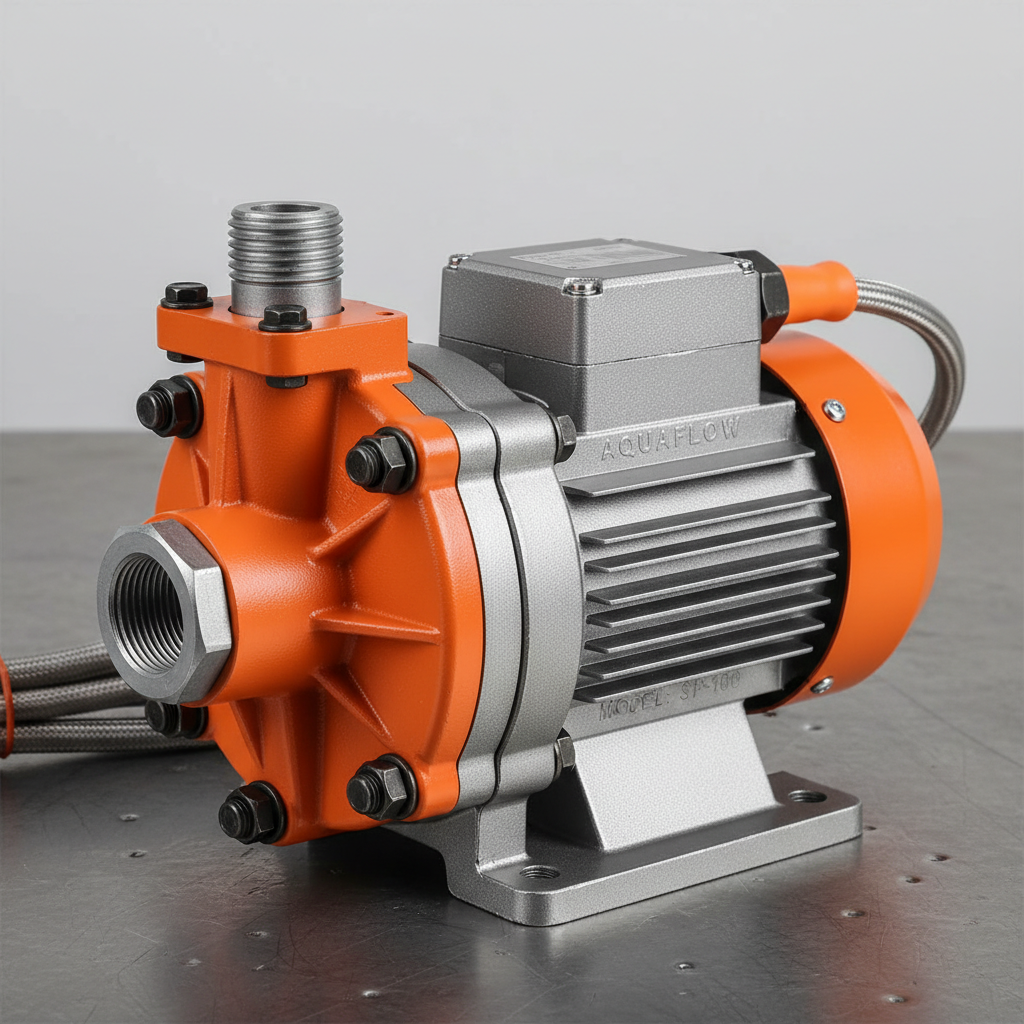 Choosing the Right Mini Submersible Fountain Pump for Optimal Water Feature PerformanceCreating a beautiful and relaxing water feature doesn't have to be complicated. A mini submersible fountain pump is the heart of any indoor or outdoor fountain, and selecting the right one is crucial for optimal performance and longevity. This article will guide you through the key considerations when choosing a mini submersible fountain pump, covering types, features, applications, and how to ensure you get the perfect pump for your project. We’ll also explore how Wellpumpact can provide you with the ideal solution.Detail
 Afrikaans
 Albanian
 Amharic
 Arabic
 Armenian
 Azerbaijani
 Basque
 Belarusian
 Bengali
 Bosnian
 Bulgarian
 Catalan
 Cebuano
 Corsican
 Croatian
 Czech
Czech
 Danish
 Dutch
Dutch
 Esperanto
 Estonian
 Finnish
 French
 Frisian
 Galician
 Georgian
 German
 Greek
Greek
 Gujarati
 Haitian Creole
 Hausa
Hausa
 Hawaiian
 Hebrew
 Hindi
Hindi
 Miao
Miao
 Hungarian
 Icelandic
 Igbo
Igbo
 Indonesian
 Irish
Irish
 Italian
 Japanese
 Javanese
 Kannada
 Kazakh
 Khmer
Khmer
 Rwandese
 Korean
 Kurdish
 Kyrgyz
 Lao
Lao
 Latin
Latin
 Latvian
 Lithuanian
 Luxembourgish
 Macedonian
 Malgashi
 Malay
Malay
 Malayalam
 Maltese
 Maori
Maori
 Marathi
 Mongolian
 Myanmar
 Nepali
 Norwegian
 Norwegian
 Occitan
 Pashto
 Persian
 Polish
 Portuguese
 Punjabi
 Romanian
 Russian
 Samoan
 Scottish Gaelic
 Serbian
 Sesotho
 Shona
Shona
 Sindhi
 Sinhala
 Slovak
 Slovenian
 Somali
 Spanish
 Sundanese
 Swahili
 Swedish
 Tagalog
 Tajik
Tajik
 Tamil
Tamil
 Tatar
Tatar
 Telugu
 Thai
Thai
 Turkish
 Turkmen
 Ukrainian
 Urdu
Urdu
 Uighur
 Uzbek
Uzbek
 Vietnamese
 Welsh
Welsh
 Bantu
Bantu
 Yiddish
 Yoruba
 Zulu
Zulu
 English