
Nov . 27, 2025 01:25 Back to list
What Is a Submersible Motor? Benefits, Applications & Future Trends
Submersible Motor: An Unsung Hero Beneath the Surface
At first glance, a submersible motor might seem like just another technical gadget buried underwater, doing its job quietly. But when you zoom out, these motors are quietly powering critical infrastructure worldwide—from clean water access in remote villages to massive industrial operations underwater. Understanding these motors may not be headline news, but trust me, they have a profound impact on sustainability, global development, and even humanitarian crises.
Why Should We Care About Submersible Motors?
Globally, over two billion people lack access to safely managed drinking water (according to the WHO/UNICEF Joint Monitoring Programme). Submersible motors are central to many water extraction systems, making them vital to health and economic development, especially in arid or isolated regions. On an industrial scale, these motors help power irrigation, mining, and offshore platforms, showing their flexibility and importance.
Setting the Global Stage: The Industry Context
It’s fascinating how a humble machine can intertwine with global challenges. With the world’s growing population and climate change affecting water resources, efficient pumping solutions have never been more essential. According to the International Organization for Standardization (ISO), over 70% of freshwater withdrawals globally are used in agriculture; pumping systems powered by reliable submersible motors can significantly reduce energy consumption and improve sustainability.
But here’s the thing—many water extraction systems globally still rely on outdated or inefficient motor designs, leading to waste and frequent failures. Improving submersible motor technology could mean fewer power outages, better water reliability, and reduced carbon footprints in countless communities.
What Exactly is a Submersible Motor?
Imagine a motor designed to operate fully submerged in water or other liquids without losing efficiency or durability. That’s a submersible motor in a nutshell. These motors are enclosed in waterproof casings, allowing them to drive pumps underwater—think wells, boreholes, or even underwater industrial setups. They combine electric motor technology with waterproof design principles.
They’re not just pumps. They’re the workhorses ensuring water delivery in harsh environments where other solutions might fail.
Core Components & What Makes Them Tick
1. Durability & Waterproofing
Obviously, the motor needs to resist corrosion and pressure. Most submersible motors feature stainless steel or specially coated housing, along with tightly sealed cables and glands. I’ve seen engineers swear by epoxy resins or even nitrile seals to prevent leakage — the tiniest breach underwater can be catastrophic.
2. Efficiency & Power Output
Modern submersible motors operate at high efficiency levels—often upwards of 85-90%—which can save a great deal of energy over time, crucial where electricity is costly. Variable frequency drives (VFDs) are becoming more common, allowing motors to adjust speed based on demand.
3. Thermal Management
Heat is the enemy underwater. Submersible motors have specialized cooling systems, often using the surrounding water to dissipate heat. A clever bit of engineering.
4. Scalability & Size Variants
From small motors for garden wells to huge units used in offshore oil rigs, the range is vast. Choosing the right size affects installation costs and efficiency.
5. Installation & Maintenance Features
Easy installation and long maintenance intervals make for a good submersible motor. Quick disconnects, modular stator and rotor designs, and diagnostic sensors are all practical features engineers love.
| Specification | Details |
|---|---|
| Power Range | 0.75 kW to 55 kW |
| Voltage | 380 V / 415 V AC, 50/60 Hz |
| Speed(RPM) | 1450 or 2900 RPM |
| Insulation Class | Class F / H |
| Protection Rating | IP68 (Fully Submersible) |
| Material | Stainless steel housing with epoxy coating |
Real-World Applications Across the Globe
- Agriculture: In areas like sub-Saharan Africa, farmers rely on submersible motors to pump groundwater for irrigation, combating drought impact.
- Municipal Water Supply: Cities in India and Southeast Asia utilize these motors extensively for clean, reliable drinking water and wastewater management.
- Mining Industry: In places like Chile and Australia, submersible motors handle pumping slurry or dewatering mines safely.
- Offshore Oil and Gas: Complex offshore platforms use specialized submersible motors to drive subsea pumps essential for production processes.
- Disaster Relief: NGOs deploy mobile water pumping units using submersible motors to quickly restore access to clean water after floods or earthquakes.
The adaptability is rather impressive. For example, I read once about a drought-stricken village in Kenya where a solar-powered submersible motor system transformed their lives by providing reliable irrigation and potable water — quite a marvel.
Key Advantages and Why They Matter Long Term
On a practical level, submersible motors bring:
- Energy Efficiency: Less energy consumption means lower operational costs, a real win for industries and utilities on tight budgets.
- Reliability: Their sealed design reduces breakdowns, meaning less downtime and maintenance costs.
- Environmental Safety: By minimizing leakage and run-off compared to surface motors, they ensure a safer interaction with groundwater.
- Social Impact: Access to water is fundamental to human dignity, and these motors often make the difference between scarcity and security.
Frankly, the social and environmental dimensions sometimes get overlooked amid technical specs, but they are the heart of it.
Future Trends: What’s Next for Submersible Motor Technology?
We’re seeing several exciting developments on the horizon:
- Green Energy Integration: More motors are being designed for compatibility with solar or wind supply, crucial for remote areas without grid access.
- Smart Diagnostics: Embedded IoT sensors give operators real-time insight into motor health, preventing failures before they happen.
- Advanced Materials: New polymers and composites promise even better corrosion resistance and weight reduction.
- 3D-Printed Components: This could revolutionize customized motor parts production, leading to faster turnaround and repair.
Challenges & How Industry Is Tackling Them
Despite the advantages, issues remain:
- Installation Complexity: Deploying submersible motors requires skilled labor and precision. Automated or plug-and-play designs are emerging as a fix.
- Initial Costs: They can be pricier upfront compared to surface pumps. But when you tally the total cost of ownership over years, they often come out ahead.
- Environmental Concerns: Disposal and recycling of specialized materials pose challenges—industry leaders aim to improve this through circular economy principles.
| Vendor | Efficiency Rating | Warranty | Price Range | Installation Support |
|---|---|---|---|---|
| HydroTech Co. | 88%+ | 3 years | $$ | On-site & Remote |
| AquaMotors Ltd. | 85% approx. | 2 years | $ | Remote |
| MarinePump Solutions | 90%+ | 5 years | $$$ | Extensive On-site |
FAQ about Submersible Motors
- How deep can submersible motors be used underwater?
- Most industrial submersible motors operate safely up to depths of 100 meters or more, thanks to robust waterproof housings and pressure-resistant designs. Specialty applications at greater depths are possible but require custom engineering.
- Are submersible motors energy efficient compared to surface motors?
- Yes. Because submersible motors are directly submerged, they generally have better efficiency, reduced transmission losses, and benefit from natural water cooling, which helps maintain performance.
- What maintenance do submersible motors require?
- These motors are designed for long intervals between maintenance due to sealed construction, but regular electrical tests and inspections of cable integrity are recommended to avoid unexpected failures.
- Can submersible motors run on solar power?
- Absolutely. Many modern submersible motor systems are paired with solar PV arrays, ideal for off-grid locations where utility power is unavailable or unreliable.
- What factors should I consider when choosing a submersible motor?
- Consider power needs, depth of installation, water quality (to account for corrosion), energy efficiency, warranty, and after-sales support when selecting a motor.
Final Thoughts: Why Submersible Motors Matter Now and Ahead
If there’s one thing I’ve noticed over years of writing about industrial tech, it’s that the quiet, "under the radar" solutions like submersible motors often harbor some of the biggest impacts. They’re not flashy, but they’re absolutely foundational to water security, industrial progress, and sustainability worldwide.
So if you’re involved in sectors from agriculture to offshore energy, or simply curious about the gears turning beneath global infrastructure, diving deeper (pun intended) into submersible motor tech is worth your time.
For more tech insights and detailed product options, check out our in-depth resources at WellPumpAct. Stay curious, and keep exploring!
References:
-
Understanding the Price Submersible Pump and Buyer Guide
NewsApr.16,2026
-
Factors Affecting the Price for Submersible Pump a Buyers Guide
NewsApr.09,2026
-
Choosing the Right Mini Submersible Fountain Pump for Optimal Water Feature Performance
NewsApr.07,2026
-
A Detailed Guide to Installing a Submersible Pump for Optimal Performance
NewsApr.04,2026
-
Comprehensive Guide on How to Test a Submersible Water Well Pump Effectively
NewsMar.31,2026
-
Learn How to Replace a Submersible Well Pump Safely and Effectively
NewsMar.28,2026
-
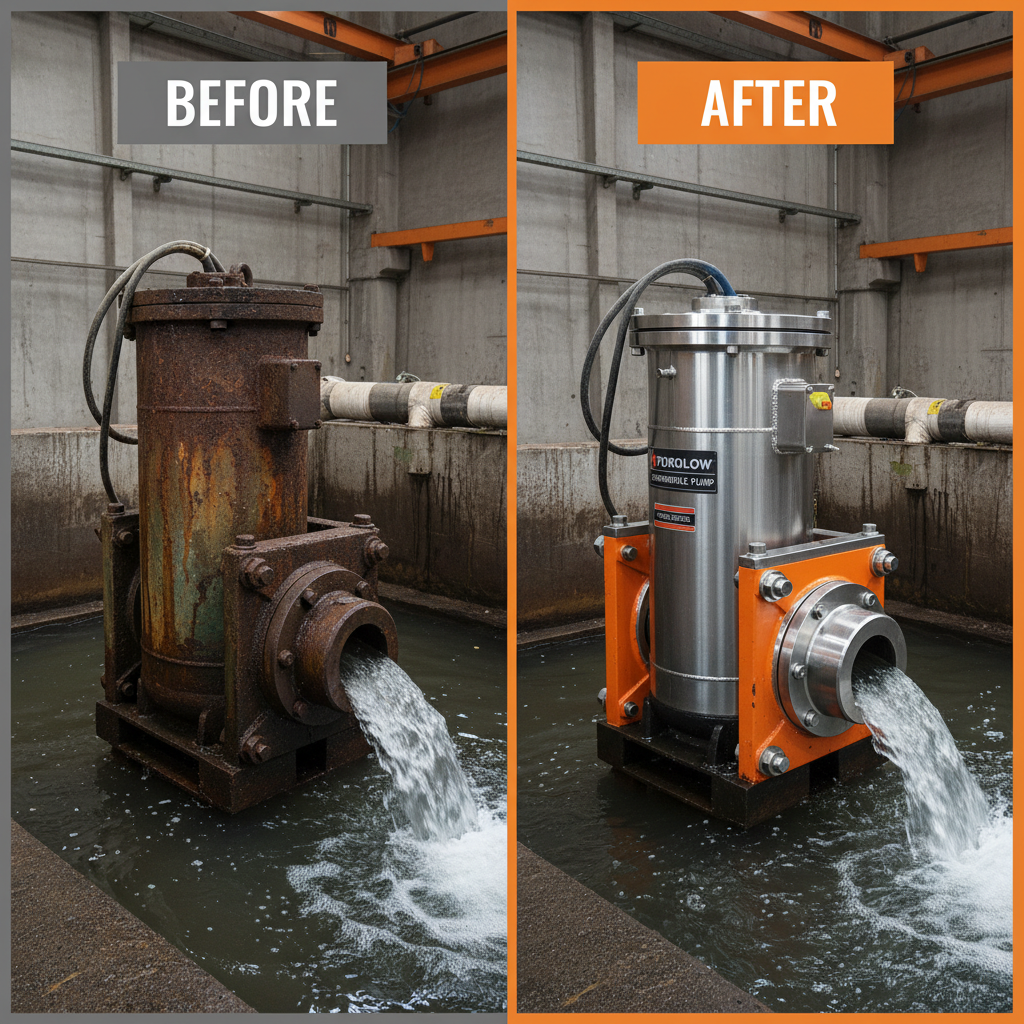 Understanding the Price Submersible Pump and Buyer GuideWhen searching for the ideal water management solution, understanding the price submersible pump options is crucial for balancing budget with performance. Whether you are dealing with a flooded basement, managing agricultural irrigation, or extracting water from a deep well, the cost of a submersible pump can vary significantly based on its build quality and capacity. Investing in a high-quality pump ensures long-term reliability and reduces the frequency of expensive replacements. In this guide, we will break down the factors that influence pricing and help you make an informed decision for your specific needs.Detail
 -
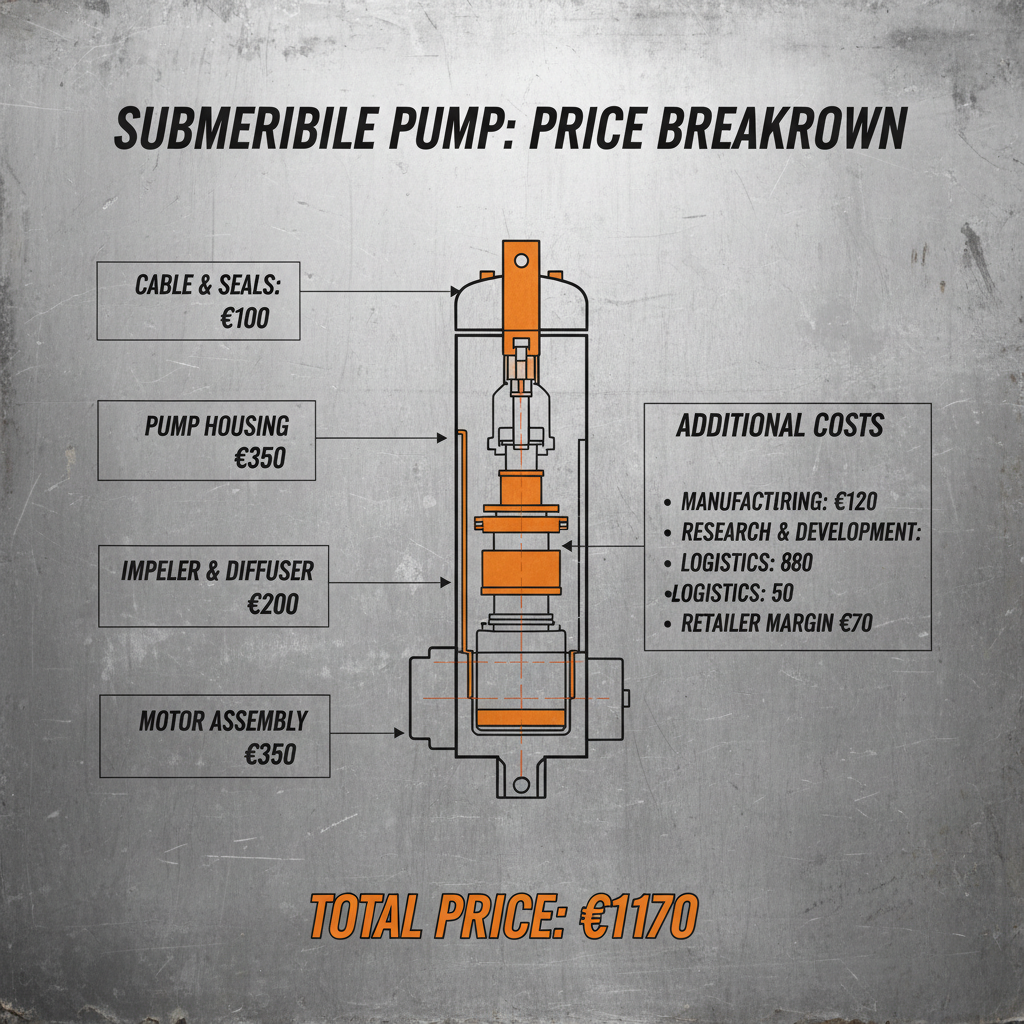 Factors Affecting the Price for Submersible Pump a Buyers GuideWhen investing in water management systems, understanding the price for submersible pump options is essential for balancing performance with budget. Whether you are managing a residential well, an industrial drainage project, or agricultural irrigation, the cost of a pump is rarely a flat fee; it is a reflection of the engineering, materials, and capacity required for your specific environment. In this guide, we will break down the factors that influence pricing and help you determine the best value for your investment to ensure long-term reliability and efficiency.Detail
 -
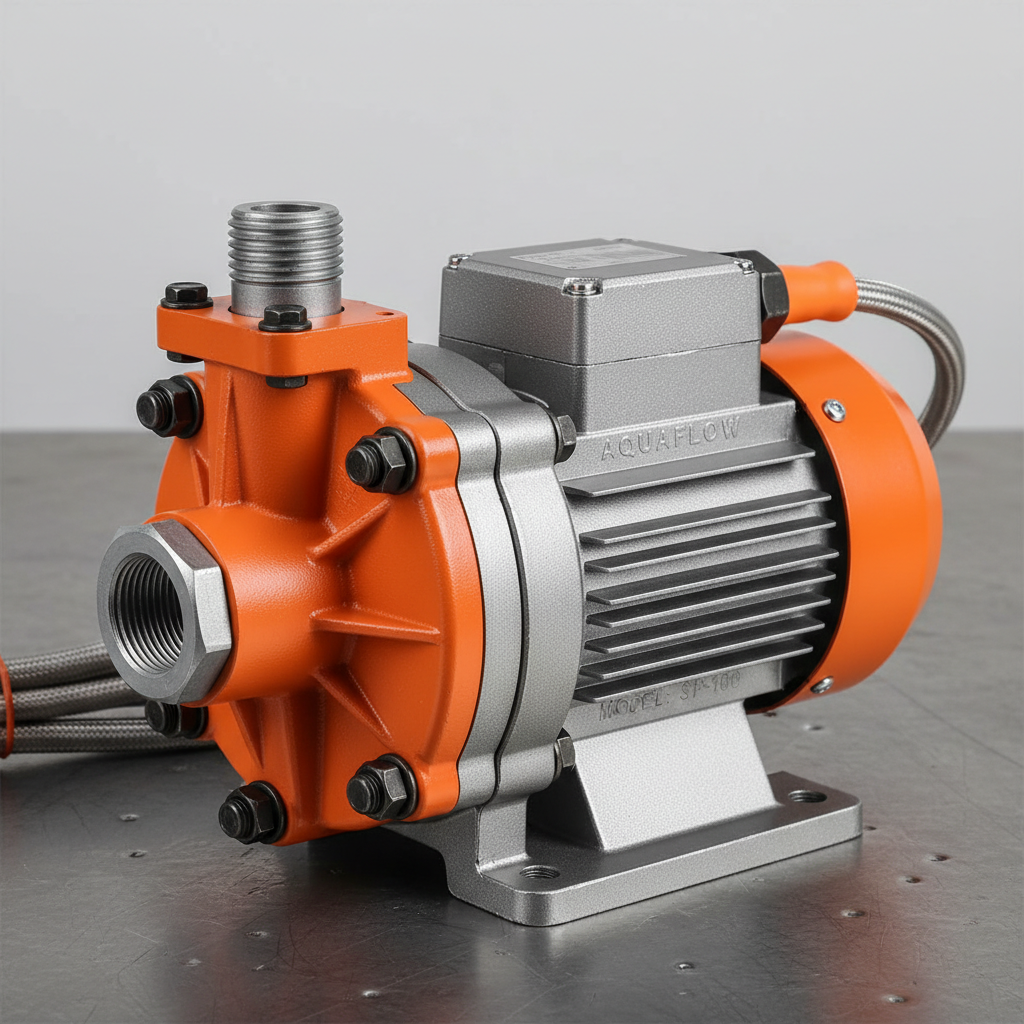 Choosing the Right Mini Submersible Fountain Pump for Optimal Water Feature PerformanceCreating a beautiful and relaxing water feature doesn't have to be complicated. A mini submersible fountain pump is the heart of any indoor or outdoor fountain, and selecting the right one is crucial for optimal performance and longevity. This article will guide you through the key considerations when choosing a mini submersible fountain pump, covering types, features, applications, and how to ensure you get the perfect pump for your project. We’ll also explore how Wellpumpact can provide you with the ideal solution.Detail
 Afrikaans
 Albanian
 Amharic
 Arabic
 Armenian
 Azerbaijani
 Basque
 Belarusian
 Bengali
 Bosnian
 Bulgarian
 Catalan
 Cebuano
 Corsican
 Croatian
 Czech
Czech
 Danish
 Dutch
Dutch
 Esperanto
 Estonian
 Finnish
 French
 Frisian
 Galician
 Georgian
 German
 Greek
Greek
 Gujarati
 Haitian Creole
 Hausa
Hausa
 Hawaiian
 Hebrew
 Hindi
Hindi
 Miao
Miao
 Hungarian
 Icelandic
 Igbo
Igbo
 Indonesian
 Irish
Irish
 Italian
 Japanese
 Javanese
 Kannada
 Kazakh
 Khmer
Khmer
 Rwandese
 Korean
 Kurdish
 Kyrgyz
 Lao
Lao
 Latin
Latin
 Latvian
 Lithuanian
 Luxembourgish
 Macedonian
 Malgashi
 Malay
Malay
 Malayalam
 Maltese
 Maori
Maori
 Marathi
 Mongolian
 Myanmar
 Nepali
 Norwegian
 Norwegian
 Occitan
 Pashto
 Persian
 Polish
 Portuguese
 Punjabi
 Romanian
 Russian
 Samoan
 Scottish Gaelic
 Serbian
 Sesotho
 Shona
Shona
 Sindhi
 Sinhala
 Slovak
 Slovenian
 Somali
 Spanish
 Sundanese
 Swahili
 Swedish
 Tagalog
 Tajik
Tajik
 Tamil
Tamil
 Tatar
Tatar
 Telugu
 Thai
Thai
 Turkish
 Turkmen
 Ukrainian
 Urdu
Urdu
 Uighur
 Uzbek
Uzbek
 Vietnamese
 Welsh
Welsh
 Bantu
Bantu
 Yiddish
 Yoruba
 Zulu
Zulu
 English