
Dec . 03, 2025 18:32 Back to list
Comprehensive Guide to the 1 2 HP Submersible Sump Pump: Features, Uses & Buying Tips
Understanding the 1 2 HP Submersible Sump Pump: A Vital Tool for Water Management
Water management might sound a bit dull at first—think of pipes, pumps, and mud—but it’s actually a quietly vital part of how communities, industries, and emergency services keep going worldwide. Among these unsung heroes is the 1 2 hp submersible sump pump, a device designed to move water efficiently and safely, often when the stakes are highest. Whether it’s battling basement flooding or moving groundwater at a construction site, this pump’s role can’t be overstated. So why does it matter globally? Well, water intrusion and flooding cause billions in damages each year, disrupt lives, and slow down industries. Grasping how such pumps work—and why this particular model is popular—helps engineers, builders, and homeowners make smarter choices that protect property and preserve safety.
Global Context: Why the 1 2 HP Submersible Sump Pump Matters
Worldwide, floods and water accumulation challenge infrastructure relentlessly. According to the World Health Organization, millions suffer annually from flood-related disruptions. Heavy rainfall, changing climate patterns, and urban growth intensify water management needs everywhere, from New York’s basements to Mumbai’s monsoon-hit neighborhoods. The 1 2 hp submersible sump pump fits this picture neatly. It offers a moderate but robust power level suited for a range of small to medium-scale pumping tasks, making it a versatile choice for emergency preparedness and routine water clearing alike.
Industries like agriculture, mining, and construction rely on such pumps to keep sites operational and safe. Even humanitarian agencies have started using portable sump pumps to quickly mitigate water damage after disasters. So, although it’s not headline news, this pump quietly responds to a critical, pervasive challenge.
What Exactly is a 1 2 HP Submersible Sump Pump?
In simple terms, it’s an electrical pump that sits fully submerged inside the water it’s meant to move. The “1 2 hp” (horsepower) rating tells us about the power output—enough to pump a decent volume of water without guzzling too much electricity or requiring heavy infrastructure. “Submersible” means it stays underwater rather than next to a sump pit, making it less noisy, more efficient, and less prone to overheating.
This type of pump is designed to automatically switch on when water rises to a certain level and pump it out, preventing flooding or waterlogging. It’s an essential component in modern buildings’ drainage and water control systems, and it also finds use in remote or temporary setups where fast deployment matters.
Core Features of the 1 2 HP Submersible Sump Pump
1. Durability
Good pumps are built to last in wet, grimy environments. Materials like corrosion-resistant stainless steel and waterproof seals ensure the pump can handle harsh conditions without failing unexpectedly.
2. Power and Efficiency
The 1 2 hp motor strikes a balance—powerful enough to move gallons quickly but energy-conscious enough for extended use. This saves on electricity bills and reduces heat buildup.
3. Automatic Operation
Most models come with a float switch or sensor that detects rising water levels and activates the pump automatically. For those of us who’ve ever run up to catch a sudden basement flood, this is a game-changer.
4. Portability
Though they’re sturdy, these pumps tend to be compact enough for transport and setup wherever needed, ideal for construction sites or emergency use.
5. Easy Maintenance
Removable parts and simple wiring make upkeep less intimidating for technicians and even determined DIYers.
Comparing Popular 1 2 HP Submersible Sump Pumps
| Specification | Typical Value |
|---|---|
| Power Output | 1.5 HP (approx. 1120 W) |
| Max Flow Rate | 40-60 GPM (gallons per minute) |
| Max Head (vertical lift) | 25-30 feet |
| Pump Material | Cast iron or stainless steel |
| Weight | 20-35 lbs (varies by model) |
| Voltage | 115V or 230V |
Global Applications & Practical Use Cases
- Residential basements: Preventing water damage in flood-prone parts of North America and Europe.
- Construction and mining: Managing groundwater or rainwater accumulation in Africa’s developing infrastructure sites.
- Disaster relief: NGOs deploying these pumps during floods in Southeast Asia to restore dry conditions swiftly.
- Agricultural irrigation: Helping farmers regulate water levels in fields, especially where traditional drainage systems are costly.
For example, after the 2019 floods in Bangladesh, local agencies used thousands of portable sump pumps, many rated around 1 to 2 hp, to prevent further damage to homes and transit routes. It’s a powerful example where a relatively small machine offers big relief.
Advantages and Long-Term Value
On the surface, these pumps offer clear-cut benefits:
- Cost efficiency: Smaller motors mean less energy consumption and lower running costs.
- Reliability: Submersible designs minimize burnout risk while maximizing performance.
- Safety & dignity: Preventing water intrusion keeps families safe and properties intact, which, frankly, means a lot after a bad storm or leak.
- Versatility: From emergency scenarios to everyday use, their role adapts easily.
Long-term, investing in a solid 1 2 hp submersible sump pump often translates into fewer issues, faster recovery after incidents, and peace of mind.
Emerging Trends and Innovations
The future is looking bright—or maybe “tech-powered” is a better phrase. Pumps increasingly incorporate smart sensors connected via IoT, allowing remote monitoring to predict failures before they happen. Material advances mean more corrosion-resistant and lightweight builds. Some models run on solar power or integrate with energy-efficient systems, emphasizing sustainability. Automation in pumps means less manual intervention and more precise water management in real-time.
Challenges & Practical Solutions
Of course, no technology is perfect. For sump pumps, clogging due to debris is a common annoyance, sometimes rendering them ineffective. Plus, in areas with frequent power outages, even automatic pumps can fail unless paired with backup power options such as generators or battery systems.
But solutions are out there: better filtration systems, dual-pump setups, and hybrid power integration are becoming more widely adopted. Frankly, these pumps are evolving to meet the challenges they face.
FAQ: Frequently Asked Questions About 1 2 HP Submersible Sump Pumps
- Q: What size area can a 1 2 hp submersible sump pump handle effectively?
A: Typically, it’s suitable for residential basements, small construction pits, or agricultural fields up to a few hundred square feet, depending on water volume and discharge height. - Q: How energy efficient are these pumps compared to larger units?
A: They consume less power overall, making them ideal for continuous operation without excessive electricity costs, but it depends on pump design and usage patterns. - Q: Can the pump handle dirty or debris-laden water?
A: Many 1 2 hp models include impellers designed to manage small solids, but large debris can clog them; pre-filters or screens are recommended. - Q: Are these pumps easy to install for non-professionals?
A: Generally, yes—many come with straightforward instructions, automatic switches, and plug-and-play cabling; however, professional installation may be needed for complex setups. - Q: How long does a typical 1 2 hp submersible sump pump last?
A: With proper maintenance, 5 to 10 years is common, though usage intensity and water conditions affect longevity.
Vendor Comparison Overview
| Brand | Material | Power Efficiency | Warranty | Price Range ($) |
|---|---|---|---|---|
| AquaFlow | Stainless Steel | High (5-year avg.) | 3 years | 250-350 |
| HydroMax | Cast Iron | Moderate | 2 years | 180-280 |
| PumpStrong | Plastic Composite + Stainless Steel | High | 4 years | 220-320 |
Wrap-Up: Why the 1 2 HP Submersible Sump Pump Deserves Your Consideration
Choosing the right sump pump isn’t just about buying another tool; it’s about investing in protection, peace of mind, and efficient water management. The 1 2 hp submersible sump pump hits a sweet spot for many users—powerful yet versatile, capable but cost-effective. Whether for residential basements, commercial sites, or humanitarian relief, these pumps quietly work to keep water at bay and operations flowing.
Interested? You can learn more and even find the right model for your needs at 1 2 hp submersible sump pump devices and sales. Don’t wait until the next flood; suit up with reliable equipment now.
Mini Takeaway: In real terms, the 1 2 hp submersible sump pump blends power, durability, and automation into a well-rounded solution to everyday water challenges.
References:
1. World Health Organization: Floods and Health
2. ISO 9906: Pump performance testing
3. Wikipedia: Sump Pump
-
Understanding the Price Submersible Pump and Buyer Guide
NewsApr.16,2026
-
Factors Affecting the Price for Submersible Pump a Buyers Guide
NewsApr.09,2026
-
Choosing the Right Mini Submersible Fountain Pump for Optimal Water Feature Performance
NewsApr.07,2026
-
A Detailed Guide to Installing a Submersible Pump for Optimal Performance
NewsApr.04,2026
-
Comprehensive Guide on How to Test a Submersible Water Well Pump Effectively
NewsMar.31,2026
-
Learn How to Replace a Submersible Well Pump Safely and Effectively
NewsMar.28,2026
-
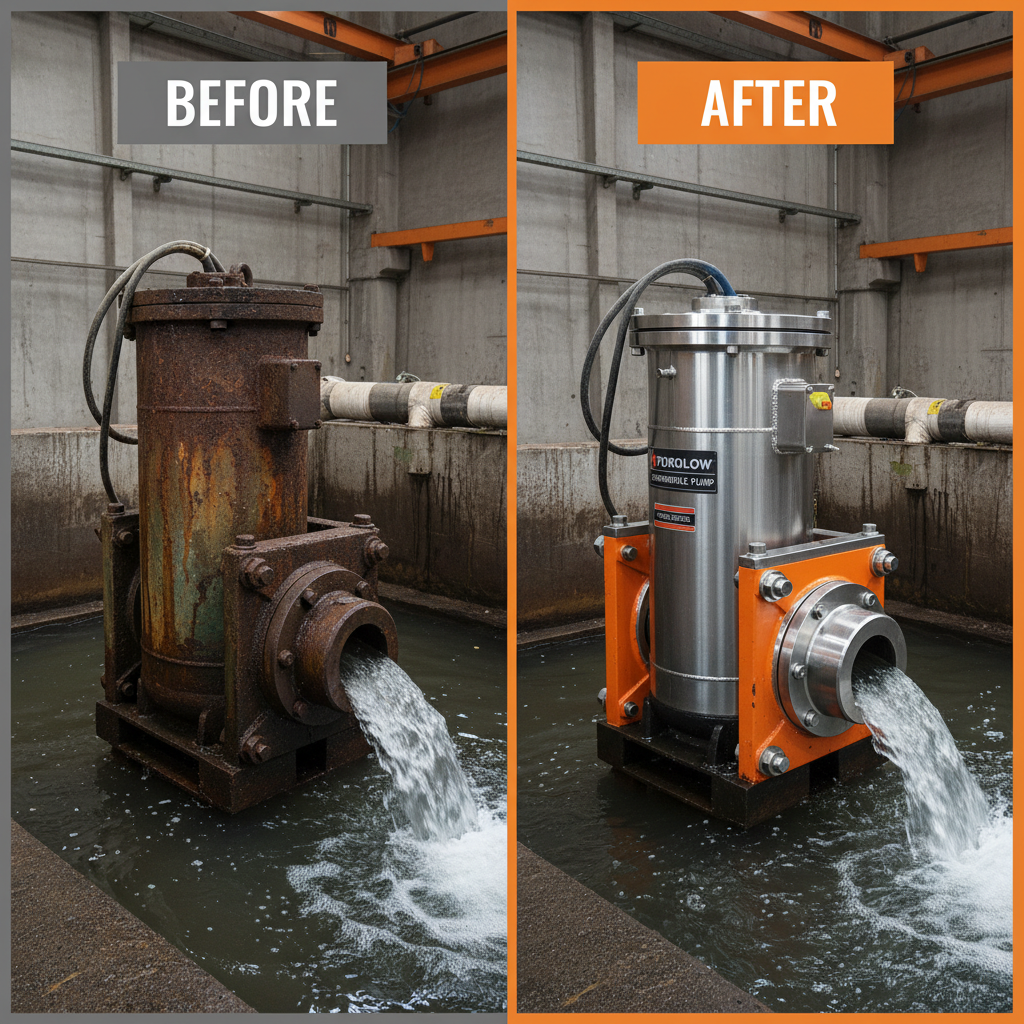 Understanding the Price Submersible Pump and Buyer GuideWhen searching for the ideal water management solution, understanding the price submersible pump options is crucial for balancing budget with performance. Whether you are dealing with a flooded basement, managing agricultural irrigation, or extracting water from a deep well, the cost of a submersible pump can vary significantly based on its build quality and capacity. Investing in a high-quality pump ensures long-term reliability and reduces the frequency of expensive replacements. In this guide, we will break down the factors that influence pricing and help you make an informed decision for your specific needs.Detail
 -
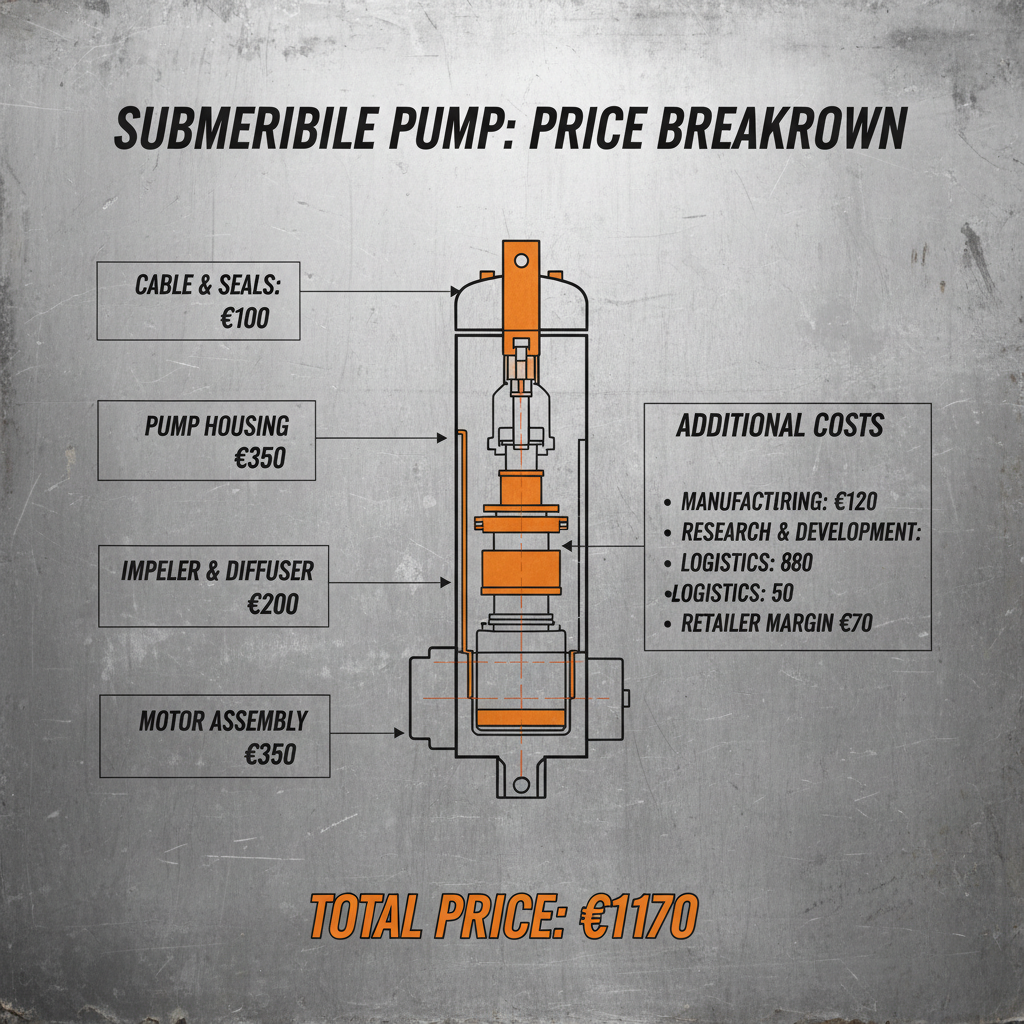 Factors Affecting the Price for Submersible Pump a Buyers GuideWhen investing in water management systems, understanding the price for submersible pump options is essential for balancing performance with budget. Whether you are managing a residential well, an industrial drainage project, or agricultural irrigation, the cost of a pump is rarely a flat fee; it is a reflection of the engineering, materials, and capacity required for your specific environment. In this guide, we will break down the factors that influence pricing and help you determine the best value for your investment to ensure long-term reliability and efficiency.Detail
 -
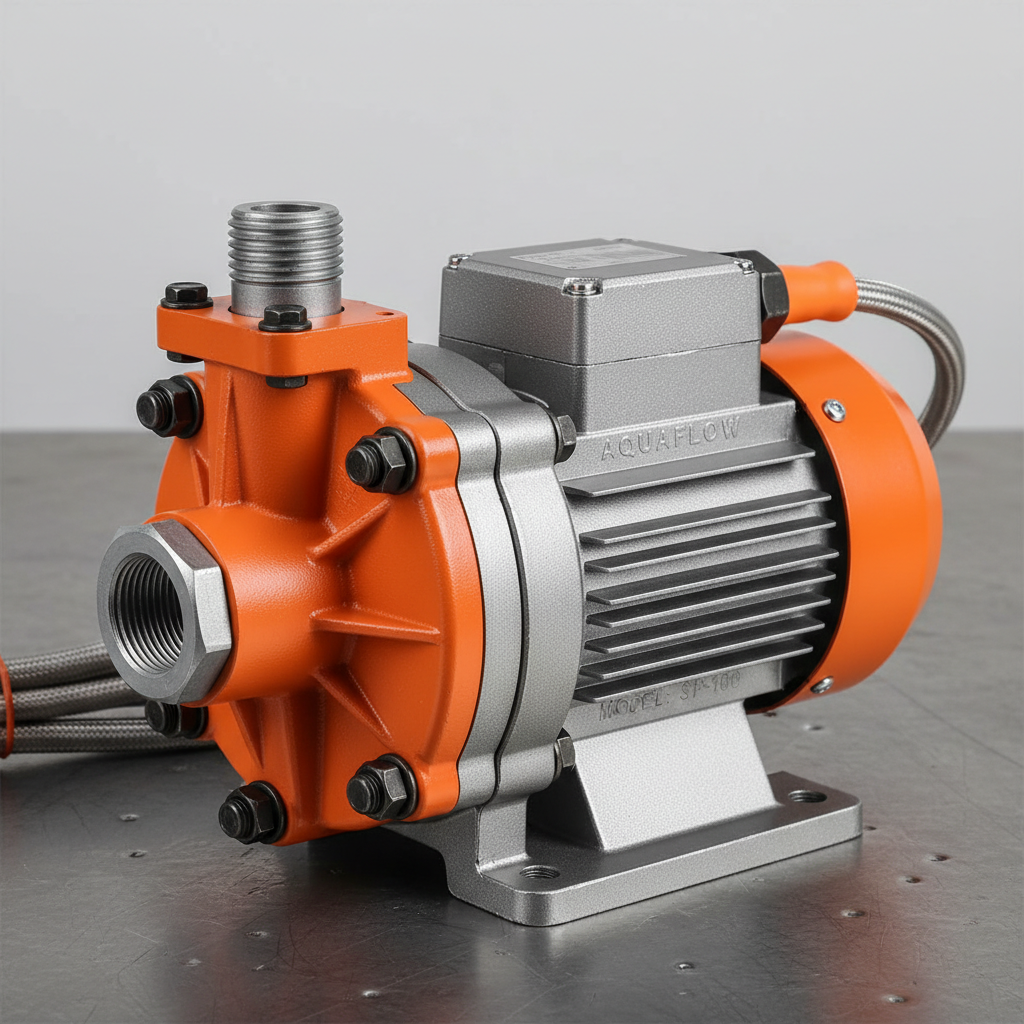 Choosing the Right Mini Submersible Fountain Pump for Optimal Water Feature PerformanceCreating a beautiful and relaxing water feature doesn't have to be complicated. A mini submersible fountain pump is the heart of any indoor or outdoor fountain, and selecting the right one is crucial for optimal performance and longevity. This article will guide you through the key considerations when choosing a mini submersible fountain pump, covering types, features, applications, and how to ensure you get the perfect pump for your project. We’ll also explore how Wellpumpact can provide you with the ideal solution.Detail
 Afrikaans
 Albanian
 Amharic
 Arabic
 Armenian
 Azerbaijani
 Basque
 Belarusian
 Bengali
 Bosnian
 Bulgarian
 Catalan
 Cebuano
 Corsican
 Croatian
 Czech
Czech
 Danish
 Dutch
Dutch
 Esperanto
 Estonian
 Finnish
 French
 Frisian
 Galician
 Georgian
 German
 Greek
Greek
 Gujarati
 Haitian Creole
 Hausa
Hausa
 Hawaiian
 Hebrew
 Hindi
Hindi
 Miao
Miao
 Hungarian
 Icelandic
 Igbo
Igbo
 Indonesian
 Irish
Irish
 Italian
 Japanese
 Javanese
 Kannada
 Kazakh
 Khmer
Khmer
 Rwandese
 Korean
 Kurdish
 Kyrgyz
 Lao
Lao
 Latin
Latin
 Latvian
 Lithuanian
 Luxembourgish
 Macedonian
 Malgashi
 Malay
Malay
 Malayalam
 Maltese
 Maori
Maori
 Marathi
 Mongolian
 Myanmar
 Nepali
 Norwegian
 Norwegian
 Occitan
 Pashto
 Persian
 Polish
 Portuguese
 Punjabi
 Romanian
 Russian
 Samoan
 Scottish Gaelic
 Serbian
 Sesotho
 Shona
Shona
 Sindhi
 Sinhala
 Slovak
 Slovenian
 Somali
 Spanish
 Sundanese
 Swahili
 Swedish
 Tagalog
 Tajik
Tajik
 Tamil
Tamil
 Tatar
Tatar
 Telugu
 Thai
Thai
 Turkish
 Turkmen
 Ukrainian
 Urdu
Urdu
 Uighur
 Uzbek
Uzbek
 Vietnamese
 Welsh
Welsh
 Bantu
Bantu
 Yiddish
 Yoruba
 Zulu
Zulu
 English