
Nov . 22, 2025 13:30 Back to list
Submersible Utility Pump – Reliable Water Management Solutions Worldwide
Understanding the Submersible Utility Pump: Why It Matters Globally
When it comes to moving water — whether for irrigation, flood drainage, or emergency use — the submersible utility pump is an unsung hero. These compact, fully submerged pumps quietly power homes, farms, and industries worldwide. Their global importance grows every year as climate change intensifies flooding risks, water scarcity demands smarter solutions, and industries lean more heavily on reliable water management. Knowing the basics of these pumps gives you a glimpse into a quietly sophisticated technology that touches millions of lives daily — and frankly, it’s one of those things you only truly appreciate when the power goes out, or the wells run dry.
Mini takeaway: The submersible utility pump keeps water flowing in situations where it counts — emergency relief, agriculture, and industrial processes around the world.
Global Context: The Rise of the Submersible Utility Pump
Floods, droughts, and urban expansion pressure water infrastructure globally. According to the United Nations, over 2 billion people live in water-stressed areas (UN Water), and every year billions of dollars are lost due to poor water management. Submersible utility pumps step into this challenge by providing a versatile, easy-to-deploy solution for water removal and transfer — in urban basements after storms, in agricultural fields for irrigation, or in industrial sites controlling wastewater.
The International Organization for Standardization (ISO) and other technical bodies stress durability and safety in pump design, reflecting the global demand for dependable devices that can operate submerged for long periods without failure. As urban infrastructure ages and climate unpredictability grows, these pumps will only become more critical.
Mini takeaway: The global need for efficient water management has placed submersible utility pumps as essential tools across continents and industries.
Defining the Submersible Utility Pump
Simply put, a submersible utility pump is an electrically powered, sealed motor attached to an impeller designed to operate completely underwater. Unlike surface pumps, they’t sit inside the water source — whether that's a flooded basement, a shallow well, or a puddle on a construction site. Because they operate submerged, there’s less chance for cavitation (that nasty air bubble effect), and they’re generally more efficient at moving liquids containing solids or debris.
Industrially and humanitarily, these pumps are critical. Ever seen disaster relief pictures of flooded neighborhoods? These pumps often form the first line of defense to dewater homes. They’re also widely used in agriculture for irrigation, especially in remote places without complex infrastructure.
submersible utility pump models range from small, portable units for homeowners to heavy-duty industrial pumps capable of moving thousands of gallons per minute.
Core Components and Key Features of Submersible Pumps
1. Durability and Waterproof Design
Because these pumps stay underwater, their motors and seals must be watertight and corrosion-resistant. Materials like stainless steel or thermoplastics with rubberized gaskets dominate designs. I’ve noticed manufacturers spend a lot of R&D time perfecting these seals since failure usually happens here first.
2. Power and Capacity
Pumps vary from small 1/4 horsepower units useful in gardens to large industrial setups around 5 horsepower or more that can pump hundreds of gallons per minute. You pick based on your water volume and height you need to pump it (head).
3. Portability and Ease of Use
Many utility pumps are lightweight and come with handles, so you can quickly deploy them onsite. This mobility truly shines in emergency and construction scenarios, where setup speed is crucial.
4. Energy Efficiency
Efficient motors save costs and reduce environmental impact. Modern designs often meet or exceed IEC or NEMA specs, ensuring they’re not just powerful but sensible with energy use.
5. Multi-application Compatibility
Good pumps can handle clear water, dirty water, or even slurry with some debris. Having multipurpose capability makes the pump valuable for contractors, farmers, and municipalities alike.
| Feature | Range/Value |
|---|---|
| Power | 0.25 HP – 5 HP |
| Max Flow Rate | 50 – 350 gallons per minute (GPM) |
| Material | Stainless steel, thermoplastic, rubber seals |
| Weight | 5 – 25 kg (depending on model) |
| Max Head | 20 – 70 feet |
| Applications | Flood drainage, irrigation, dewatering sites |
Real-World Applications of Submersible Utility Pumps
- Disaster relief: NGOs and governments deploy submersible pumps to swiftly remove floodwaters, preventing disease outbreaks and restoring normalcy.
- Agriculture: Especially in regions like India, sub-Saharan Africa, and parts of South America, these pumps irrigate small farms, improving crop yields.
- Construction and Mining: Dewatering pit sites to enable safe and dry workspaces.
- Municipal water management: Handling wastewater overflow, stormwater control in urban systems.
A friend once shared how, after a hurricane in Florida, their community relief group rented several submersible utility pumps to clear flooded basements in less than a day. It literally saved family valuables — a real emotional plus.
Why Investing in a Submersible Utility Pump is a Smart Choice
In real terms, these pumps save money long-term. Their ability to operate without overheating, resist corrosion, and efficiently move water reduces maintenance cycles and downtime. Plus, their compact size and ease of installation save labor costs.
On an emotional level, owning or having access to a reliable submersible pump provides peace of mind — during storms or irrigation seasons, you’re not scrambling for solutions. Many users stress the social value too: clean water management can improve health outcomes and protect community dignity.
Looking Ahead: Innovations Shaping the Submersible Utility Pump Market
These pumps are entering a cool phase of modernization. For starters, many manufacturers now integrate brushless DC motors for longer life and better efficiency. Solar-powered or battery-backed models are emerging for off-grid areas, a boon for rural farming.
Digital integration is another trend — smart sensors can monitor pump health and fluid flow remotely, anticipating failures. This kind of digital transformation meshes well with global sustainability goals, reducing waste and energy use.
Challenges Facing the Industry—and How to Overcome Them
One nagging limitation is seal failure — even a tiny leak can damage motors, forcing costly repairs. Engineers are now experimenting with triple-seal systems and new composite materials to extend lifespan. The other challenge is accessibility in remote areas: designers are creating more modular, easy-to-ship models to meet those needs.
Additionally, users sometimes buy pumps unsuited for their specific water conditions, which reduces efficiency. Expert consultation and online guides help buyers make better-informed choices, reducing misapplication.
| Brand | Price Range | Power Options | Warranty | Special Features |
|---|---|---|---|---|
| PumpTech | $150 - $900 | 0.5 – 3 HP | 3 years | Corrosion-resistant coatings, overload protection |
| HydroFlow | $220 - $1200 | 0.25 – 5 HP | 2 years | Smart sensor tech, modular parts |
| ClearWater Co. | $180 - $850 | 0.75 – 4 HP | 4 years | Energy-efficient motors, easy carry handles |
FAQs About Submersible Utility Pumps
Q1: Can I use a submersible utility pump for both clean and dirty water?
Most submersible utility pumps are designed to handle a range of water types, including water with small solids or debris. However, for heavily contaminated or slurry-type water, special models with robust impellers and seals are recommended to prevent damage.
Q2: How often should I maintain or service my submersible pump?
Generally, it’s wise to inspect seals, cables, and impellers every 6-12 months, especially if the pump operates frequently. Regular cleaning and ensuring the unit is stored dry when not in use extends its life remarkably.
Q3: What power source options are available for these pumps?
Most submersible utility pumps run on standard AC electricity (110V or 220V depending on region). Increasingly, solar and battery-powered models exist, particularly useful in remote or off-grid settings.
Q4: How do I choose the right pump size for my needs?
Calculate your required flow rate and the vertical distance the water needs to be lifted (head). It's best to consult the pump’s performance chart or a professional to match requirements with pump specs, avoiding under- or over-sizing.
Q5: Are submersible pumps safe to use in flood-prone residential areas?
Yes. They are designed with safety features like thermal overload protection and sealed electrical components to operate safely when submerged. However, always follow manufacturer installation guidelines and local electrical codes.
Wrapping It Up
The submersible utility pump is a surprisingly versatile, cost-effective piece of technology that quietly supports millions of people and industries globally. From disaster relief efforts to everyday irrigation, its ability to efficiently and reliably move water beneath the surface makes it indispensable. If you want to keep water problems at bay, investing in a quality submersible pump is a no-brainer.
Ready to see which pump fits your specific needs? Visit our website for expert advice, detailed product options, and unbeatable support.
References:
-
Understanding the Price Submersible Pump and Buyer Guide
NewsApr.16,2026
-
Factors Affecting the Price for Submersible Pump a Buyers Guide
NewsApr.09,2026
-
Choosing the Right Mini Submersible Fountain Pump for Optimal Water Feature Performance
NewsApr.07,2026
-
A Detailed Guide to Installing a Submersible Pump for Optimal Performance
NewsApr.04,2026
-
Comprehensive Guide on How to Test a Submersible Water Well Pump Effectively
NewsMar.31,2026
-
Learn How to Replace a Submersible Well Pump Safely and Effectively
NewsMar.28,2026
-
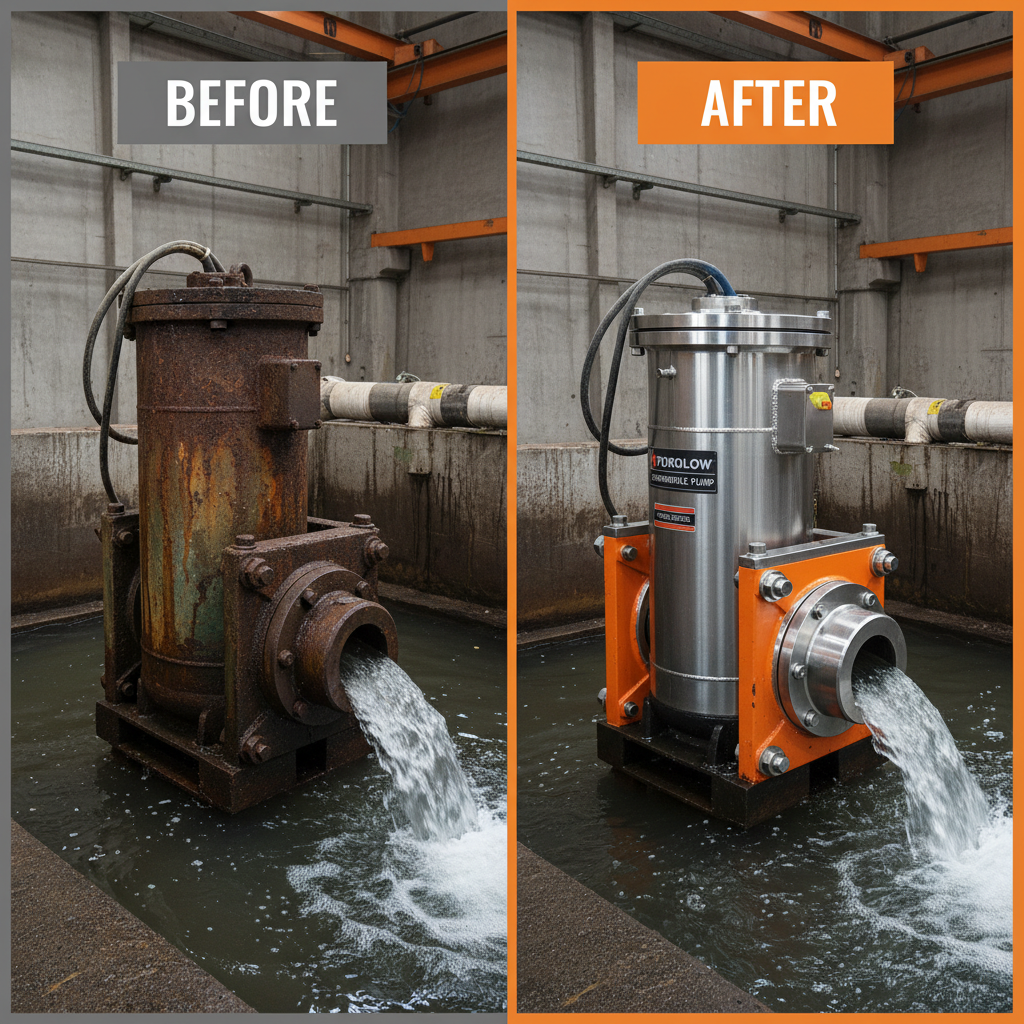 Understanding the Price Submersible Pump and Buyer GuideWhen searching for the ideal water management solution, understanding the price submersible pump options is crucial for balancing budget with performance. Whether you are dealing with a flooded basement, managing agricultural irrigation, or extracting water from a deep well, the cost of a submersible pump can vary significantly based on its build quality and capacity. Investing in a high-quality pump ensures long-term reliability and reduces the frequency of expensive replacements. In this guide, we will break down the factors that influence pricing and help you make an informed decision for your specific needs.Detail
 -
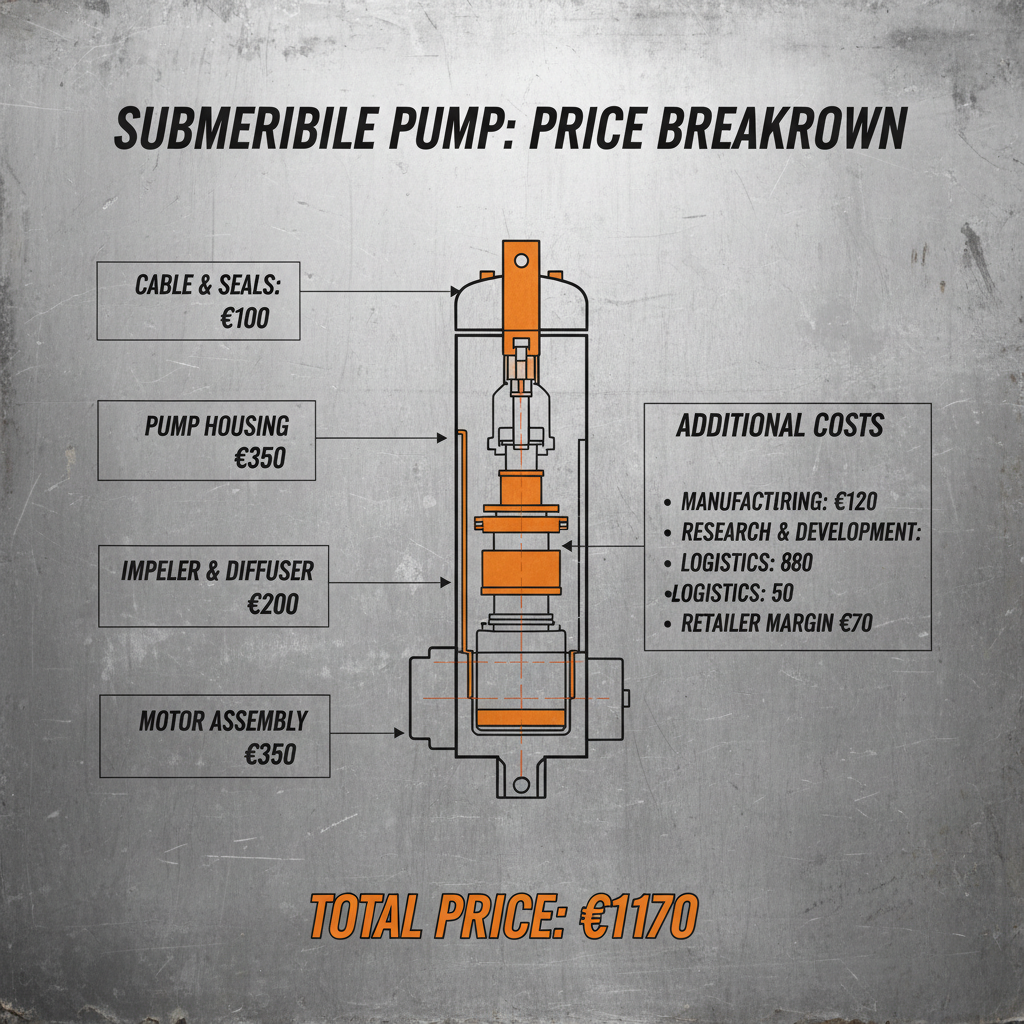 Factors Affecting the Price for Submersible Pump a Buyers GuideWhen investing in water management systems, understanding the price for submersible pump options is essential for balancing performance with budget. Whether you are managing a residential well, an industrial drainage project, or agricultural irrigation, the cost of a pump is rarely a flat fee; it is a reflection of the engineering, materials, and capacity required for your specific environment. In this guide, we will break down the factors that influence pricing and help you determine the best value for your investment to ensure long-term reliability and efficiency.Detail
 -
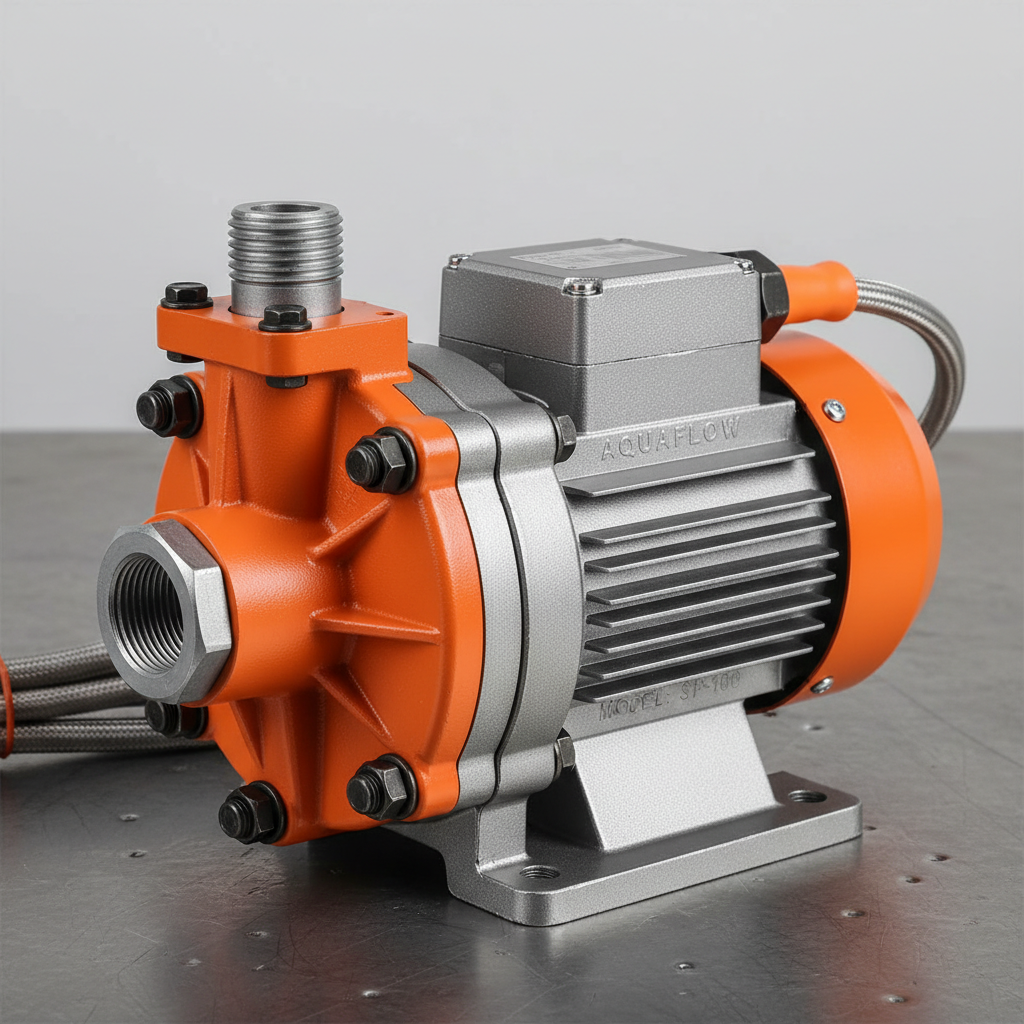 Choosing the Right Mini Submersible Fountain Pump for Optimal Water Feature PerformanceCreating a beautiful and relaxing water feature doesn't have to be complicated. A mini submersible fountain pump is the heart of any indoor or outdoor fountain, and selecting the right one is crucial for optimal performance and longevity. This article will guide you through the key considerations when choosing a mini submersible fountain pump, covering types, features, applications, and how to ensure you get the perfect pump for your project. We’ll also explore how Wellpumpact can provide you with the ideal solution.Detail
 Afrikaans
 Albanian
 Amharic
 Arabic
 Armenian
 Azerbaijani
 Basque
 Belarusian
 Bengali
 Bosnian
 Bulgarian
 Catalan
 Cebuano
 Corsican
 Croatian
 Czech
Czech
 Danish
 Dutch
Dutch
 Esperanto
 Estonian
 Finnish
 French
 Frisian
 Galician
 Georgian
 German
 Greek
Greek
 Gujarati
 Haitian Creole
 Hausa
Hausa
 Hawaiian
 Hebrew
 Hindi
Hindi
 Miao
Miao
 Hungarian
 Icelandic
 Igbo
Igbo
 Indonesian
 Irish
Irish
 Italian
 Japanese
 Javanese
 Kannada
 Kazakh
 Khmer
Khmer
 Rwandese
 Korean
 Kurdish
 Kyrgyz
 Lao
Lao
 Latin
Latin
 Latvian
 Lithuanian
 Luxembourgish
 Macedonian
 Malgashi
 Malay
Malay
 Malayalam
 Maltese
 Maori
Maori
 Marathi
 Mongolian
 Myanmar
 Nepali
 Norwegian
 Norwegian
 Occitan
 Pashto
 Persian
 Polish
 Portuguese
 Punjabi
 Romanian
 Russian
 Samoan
 Scottish Gaelic
 Serbian
 Sesotho
 Shona
Shona
 Sindhi
 Sinhala
 Slovak
 Slovenian
 Somali
 Spanish
 Sundanese
 Swahili
 Swedish
 Tagalog
 Tajik
Tajik
 Tamil
Tamil
 Tatar
Tatar
 Telugu
 Thai
Thai
 Turkish
 Turkmen
 Ukrainian
 Urdu
Urdu
 Uighur
 Uzbek
Uzbek
 Vietnamese
 Welsh
Welsh
 Bantu
Bantu
 Yiddish
 Yoruba
 Zulu
Zulu
 English