
Nov . 13, 2025 10:00 Back to list
Reliable Submersible Deep Well Water Pumps for Industrial Use
Why Submersible Deep Well Water Pumps Still Lead the Field
Having worked around all sorts of industrial pumps over the past two decades, I can say there’s something almost satisfying about submersible deep well water pumps. They’re deceptively simple in concept — a pump you drop into a well, submerged under water — but the engineering behind them feels like an underappreciated art. This type of pump quietly powers farms, factories, and entire towns. Oddly enough, while the tech has evolved in leaps, the basic principle remains the same.
One thing I’ve noticed is that the durability and reliability of these pumps often set them apart. When you're dealing with wells that can get fairly deep — say 50 meters or more — you want something robust enough to keep running without frequent service interruptions. Submersible deep well water pumps are often your best bet for dependable water supply.
Design Features That Matter in Deep Well Pumps
The modern deep well submersible pump typically features stainless steel components and carefully balanced impellers designed to minimize vibration and noise. Many engineers swear by semi-open impellers when pumping water with sediment, despite them being a tad more maintenance-heavy. It’s always a trade-off.
Motor insulation and waterproofing levels have improved substantially too. For example, Class F insulation ratings and IP68 protection are common specs that stand up well under constant water immersion. I recall a colleague once telling me that the first time he tested a submersible pump with IP68 rating, it was like a “seal of trust” from the manufacturer.
Practical Specifications for Industrial Selection
| Specification | Typical Range | Remarks |
|---|---|---|
| Depth capacity | Up to 300 meters | Varies by model and power rating |
| Flow rate | 10 - 250 cubic meters/hour | Depends on pump diameter and impeller design |
| Power consumption | 1.5 kW to 30 kW | Higher capacity pumps require industrial power supply |
| Materials | Stainless steel, Noryl, brass, and rubber seals | Corrosion and wear resistant |
| Protection rating | IP68 or higher | Ensures water tightness over long-term immersion |
Comparing Popular Vendors: Who Does It Best?
Looking around the market, you tend to see a handful of heavy hitters who dominate the submersible deep well pump scene. With so many brands, it’s easy to get lost in the jargon and glossy brochures. From practical experience, here’s a quick comparison outlining what I've seen—both in specs and in the real world.
| Vendor | Price Range | Key Strength | Typical Applications |
|---|---|---|---|
| AquaPro Pumps | $$ | Energy efficiency and quiet operation | Agriculture, municipal supply |
| DeepFlow Corp | $$$ | Heavy-duty, corrosion resistant | Industrial, mining |
| WellMaster Systems | $ - $$ | Customization options, good warranty | Residential, small farms |
Interestingly, the choice often boils down to the balance between upfront costs and long-term endurance. One client I recall preferred WellMaster for their ability to tweak pump dimensions exactly to the well diameter and depth, which saved time and reduced installation headaches. Another shift noted was the increasing demand for smart monitoring features, something that wasn’t even on the radar ten years ago.
Final Thoughts on Choosing submersible deep well water pumps
If you’re after a reliable, rugged pump for deep well water extraction, a submersible model is often your go-to. Frankly, their longevity and efficiency make them a field favorite, especially when you factor in space savings and quieter operation underground. Just remember: materials and motor protection matter just as much as flow specs. And don’t underestimate the value of vendor support and customization — it’s saved me more than one emergency call.
Anyway, it’s always a blend of specs and hands-on experience when sizing these pumps. The tech behind them is robust but nuanced, and the market only gets more competitive. So take your time, ask around, and test if you can.
References & musings:
1. Insights from 15+ years in pump installations and servicing.
2. Manufacturer datasheets and real-world testing notes.
3. Conversations with engineers focusing on water management systems.
-
Understanding the Price Submersible Pump and Buyer Guide
NewsApr.16,2026
-
Factors Affecting the Price for Submersible Pump a Buyers Guide
NewsApr.09,2026
-
Choosing the Right Mini Submersible Fountain Pump for Optimal Water Feature Performance
NewsApr.07,2026
-
A Detailed Guide to Installing a Submersible Pump for Optimal Performance
NewsApr.04,2026
-
Comprehensive Guide on How to Test a Submersible Water Well Pump Effectively
NewsMar.31,2026
-
Learn How to Replace a Submersible Well Pump Safely and Effectively
NewsMar.28,2026
-
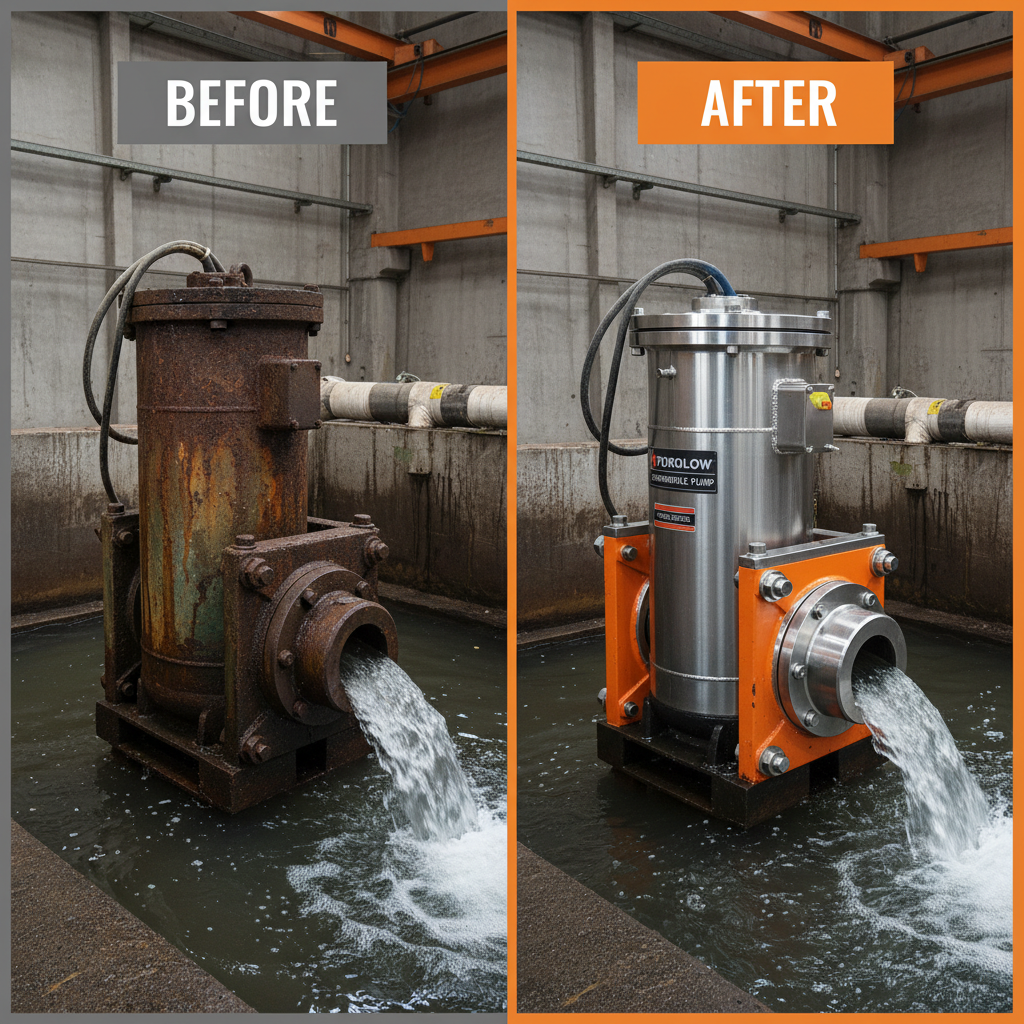 Understanding the Price Submersible Pump and Buyer GuideWhen searching for the ideal water management solution, understanding the price submersible pump options is crucial for balancing budget with performance. Whether you are dealing with a flooded basement, managing agricultural irrigation, or extracting water from a deep well, the cost of a submersible pump can vary significantly based on its build quality and capacity. Investing in a high-quality pump ensures long-term reliability and reduces the frequency of expensive replacements. In this guide, we will break down the factors that influence pricing and help you make an informed decision for your specific needs.Detail
 -
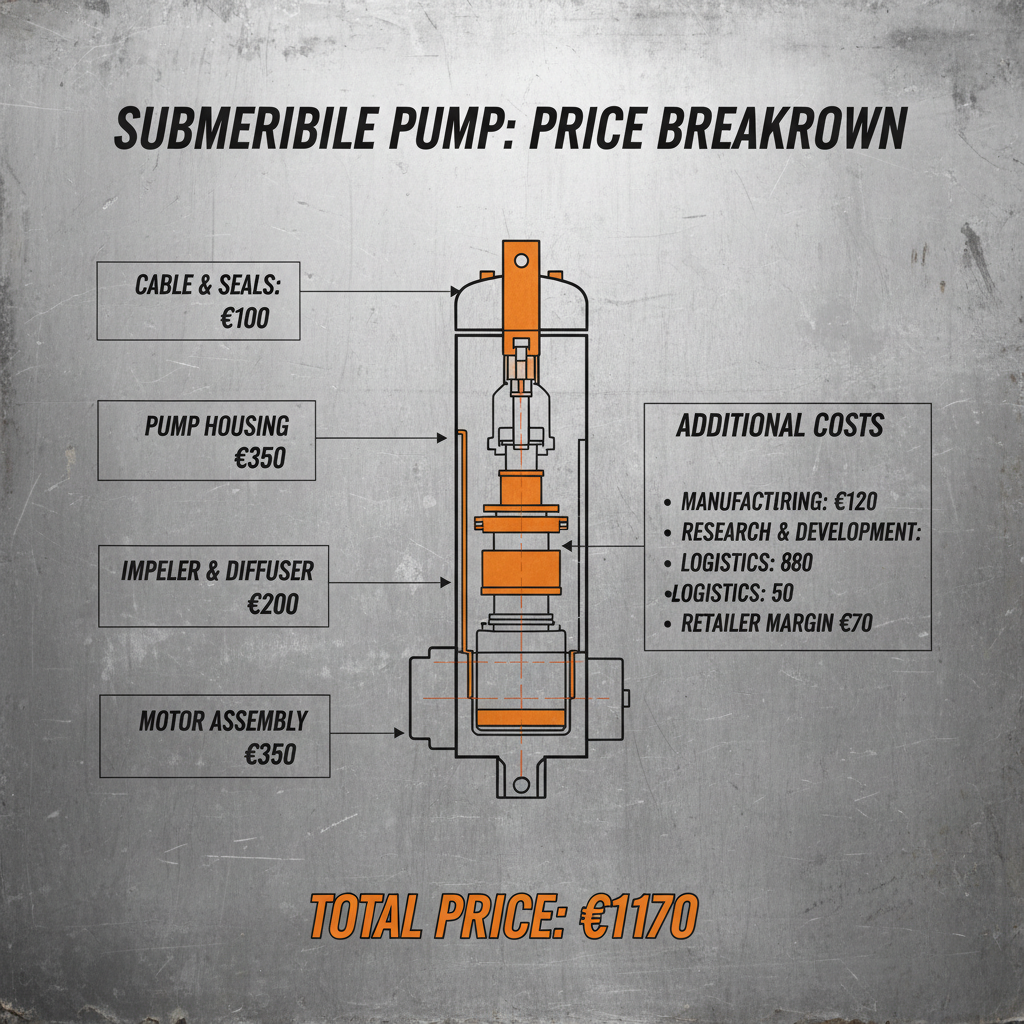 Factors Affecting the Price for Submersible Pump a Buyers GuideWhen investing in water management systems, understanding the price for submersible pump options is essential for balancing performance with budget. Whether you are managing a residential well, an industrial drainage project, or agricultural irrigation, the cost of a pump is rarely a flat fee; it is a reflection of the engineering, materials, and capacity required for your specific environment. In this guide, we will break down the factors that influence pricing and help you determine the best value for your investment to ensure long-term reliability and efficiency.Detail
 -
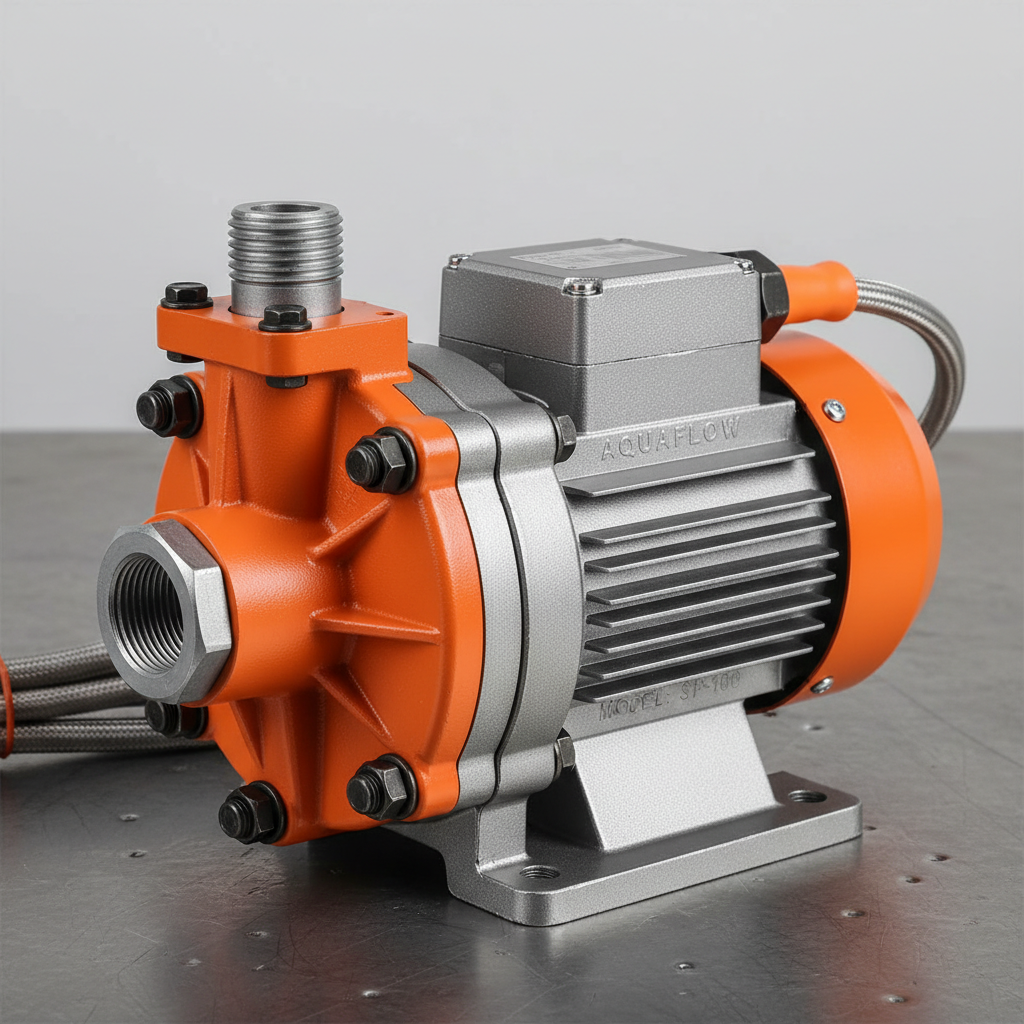 Choosing the Right Mini Submersible Fountain Pump for Optimal Water Feature PerformanceCreating a beautiful and relaxing water feature doesn't have to be complicated. A mini submersible fountain pump is the heart of any indoor or outdoor fountain, and selecting the right one is crucial for optimal performance and longevity. This article will guide you through the key considerations when choosing a mini submersible fountain pump, covering types, features, applications, and how to ensure you get the perfect pump for your project. We’ll also explore how Wellpumpact can provide you with the ideal solution.Detail
 Afrikaans
 Albanian
 Amharic
 Arabic
 Armenian
 Azerbaijani
 Basque
 Belarusian
 Bengali
 Bosnian
 Bulgarian
 Catalan
 Cebuano
 Corsican
 Croatian
 Czech
Czech
 Danish
 Dutch
Dutch
 Esperanto
 Estonian
 Finnish
 French
 Frisian
 Galician
 Georgian
 German
 Greek
Greek
 Gujarati
 Haitian Creole
 Hausa
Hausa
 Hawaiian
 Hebrew
 Hindi
Hindi
 Miao
Miao
 Hungarian
 Icelandic
 Igbo
Igbo
 Indonesian
 Irish
Irish
 Italian
 Japanese
 Javanese
 Kannada
 Kazakh
 Khmer
Khmer
 Rwandese
 Korean
 Kurdish
 Kyrgyz
 Lao
Lao
 Latin
Latin
 Latvian
 Lithuanian
 Luxembourgish
 Macedonian
 Malgashi
 Malay
Malay
 Malayalam
 Maltese
 Maori
Maori
 Marathi
 Mongolian
 Myanmar
 Nepali
 Norwegian
 Norwegian
 Occitan
 Pashto
 Persian
 Polish
 Portuguese
 Punjabi
 Romanian
 Russian
 Samoan
 Scottish Gaelic
 Serbian
 Sesotho
 Shona
Shona
 Sindhi
 Sinhala
 Slovak
 Slovenian
 Somali
 Spanish
 Sundanese
 Swahili
 Swedish
 Tagalog
 Tajik
Tajik
 Tamil
Tamil
 Tatar
Tatar
 Telugu
 Thai
Thai
 Turkish
 Turkmen
 Ukrainian
 Urdu
Urdu
 Uighur
 Uzbek
Uzbek
 Vietnamese
 Welsh
Welsh
 Bantu
Bantu
 Yiddish
 Yoruba
 Zulu
Zulu
 English