
Dec . 02, 2025 10:55 Back to list
115 Volt Submersible Well Pump – Reliable, Efficient Water Extraction Solutions
Understanding the 115 Volt Submersible Well Pump: A Quiet Workhorse Beneath the Surface
If you’ve ever thought about where the water running in your home or farm comes from, you’ve probably unwittingly encountered the wonders of submersible well pumps – and chances are good it was a 115 volt submersible well pump doing the job. These devices quietly, reliably, and efficiently extract groundwater by sitting serenely below the surface, out of sight but crucial to everyday life worldwide.
Why does this matter globally? Because access to clean water is one of the most pressing humanitarian and industrial needs everywhere. These pumps not only provide critical water resources in rural and remote areas but also support agriculture, emergency relief, and sustainable water management. Understanding their design, applications, and benefits means grasping a small but significant piece of how water security and economic progress interlock—sort of the hidden engine behind many communities.
Global Context: Why 115 Volt Submersible Well Pumps Matter More Than Ever
Globally, over 2 billion people rely on groundwater as their primary water source (UN-Water, 2021). Accessing that resource demands pumps that are affordable, reliable, and scalable. The 115 volt submersible well pump is significant because it plugs into standard residential or commercial electrical lines, common in many parts of the world without requiring high-voltage infrastructure.
Even industries depend on these pumps for irrigation, mining, and industrial processing facilities. For instance, rural areas lacking three-phase power can still operate these pumps efficiently. However, challenges persist—unreliable power supply, maintenance difficulties, and energy consumption patterns highlight why greater awareness and innovation around these pumps are essential.
What Exactly Is a 115 Volt Submersible Well Pump?
Simply put, a 115 volt submersible well pump is an electrically powered pump designed to be placed fully underwater inside a well to lift water to the surface. Operating on 115 volts—what you’d typically find in household wiring in North America and various other regions—means it’s convenient and compatible with many power systems. This contrasts with industrial-grade pumps that need higher voltages like 230V or three-phase power.
These pumps connect the dots between everyday consumer power setups and the deeper challenge of accessing clean water. Humanitarian organizations and small-scale farmers often choose 115V submersibles because they are affordable, readily maintainable, and fit many well sizes.
Core Components & Key Factors of 115 Volt Submersible Well Pumps
Durability
These pumps must withstand continuous submersion, variable water chemistry, and debris. High-grade stainless steel or thermoplastic impellers help resist corrosion and abrasion, increasing lifespan.
Power Consumption & Efficiency
Running on 115 volts often means the motor is optimized for lower power output and efficiency, suitable for shallow to medium-depth wells (typically under 150 feet). This keeps energy costs manageable without sacrificing performance.
Ease of Installation
Because they match household voltage, many users find these pumps easier to install themselves or with minimal professional help, especially in rural or undeveloped areas.
Flow Rate & Pump Size
Flow rates vary based on motor size and well conditions but usually range from 5 to 20 gallons per minute, adequate for residential and light agricultural needs.
Cost Efficiency
Generally, 115 volt models are more budget-friendly upfront and offer affordable parts and repairs, providing a good entry point versus 230 volt or solar alternatives.
Typical Product Specifications
| Specification | Typical Range/Value |
|---|---|
| Voltage | 115 V AC |
| Horsepower | 0.5 to 1.5 HP |
| Max Depth | Up to 150 feet |
| Flow Rate | 5–20 gallons/min |
| Material | Stainless steel / Thermoplastic impellers |
| Phase | Single-phase |
Mini takeaway: These specifications highlight how 115 volt submersible pumps fit medium-demand water extraction scenarios, focusing on affordability and accessibility.
Global Applications & Use Cases
- Rural Water Supply: Many small farms and remote homes use these pumps to draw water without expensive electrical upgrades.
- Emergency Relief: In post-disaster situations, NGOs deploy portable 115 volt submersibles to restore access to groundwater quickly.
- Irrigation: Smallholder farms use them to power drip irrigation and sustainable watering systems.
- Mining & Industry: Lightweight submersibles serve in small-scale mining operations where power infrastructure is limited.
For example, a relief organization in Southeast Asia recently installed multiple 115 volt submersible well pumps within days to restore water after flood damage—bypassing long power renovation waits. Oddly enough, the use of standard voltage made all the difference.
Vendor Comparison: Popular 115 Volt Submersible Well Pumps
| Brand | Max Flow (GPM) | Warranty | Price Range | Special Features |
|---|---|---|---|---|
| Flotec 115V Submersible | 12 | 2 years | $120 - $180 | Thermoplastic impellers, corrosion-resistant |
| Wayne 115V 1 HP | 20 | 1 year | $150 - $200 | Steel motor housing, easy installation kit |
| Grundfos 115V Submersible | 15 | 3 years | $220 - $300 | High efficiency motor, thermal protection |
Mini takeaway: These brands vary in price, warranty, and features—important considerations depending on usage context.
Advantages & Long-Term Value of 115 Volt Submersible Well Pumps
First off, cost-effectiveness is huge. These pumps generally cost less upfront and consume less power, which is vital where budgets and energy access are limited. Plus, their design enables straightforward maintenance, reducing downtime and repairs. They often feel like a reliable friend for rural homeowners or small businesses who can’t afford complex, industrial-grade setups.
There’s also a social dimension: ensuring steady water supply improves health, increases dignity, and empowers communities—an emotional payoff that’s harder to quantify but unmistakable. I recall visiting a farm where a new 115 volt submersible well pump restored irrigation after a drought; the owner's relief was palpable, a quiet victory for innovation and good design.
Future Trends & Innovations
The industry isn’t standing still. Green energy integration, like solar-compatible 115 volt submersibles, is on the rise, expanding accessibility in off-grid areas. Manufacturers are also working on improved motor designs for better efficiency and reduced noise. Digital monitoring systems that alert users to maintenance needs are becoming more common, which helps prevent failures before they happen.
Policies promoting sustainable groundwater use and pump durability standards (aligned with ISO 9906 testing protocols) are increasing globally, which may eventually set a baseline for quality and performance in many markets.
Challenges & Possible Solutions
One recurring challenge: electrical supply instability in remote regions can damage pumps or reduce lifespan. Experts recommend using surge protectors or installing backup power systems to guard against that. Also, sediment and water contaminants can clog or erode parts; careful well maintenance and filters are helpful.
Training local technicians to properly install and service these pumps ensures reliability—something NGOs have emphasized through field workshops. Frankly, technology can only go so far without the support ecosystem.
FAQ: Your Practical Questions on 115 Volt Submersible Well Pumps
-
Q: Can a 115 volt submersible pump handle deep wells over 150 feet?
A: Generally, 115V pumps are optimized for shallower wells (under 150 ft). For deeper wells, higher voltage or multi-stage pumps are recommended. Using a 115V pump deeper than its rating may cause overheating and reduced performance. -
Q: How energy efficient are these pumps compared to 230 volt models?
A: 115V pumps usually have lower horsepower and flow rates, making them suitable for small-scale use. While less powerful, they often cost less to operate in environments where high voltage isn’t available, balancing energy usage effectively. -
Q: Are 115 volt submersible pumps easy for homeowners to install?
A: Yes, their compatibility with standard household wiring allows for relatively simple DIY installation for those with basic electrical knowledge, but professional advice is advised to ensure safety and compliance. -
Q: What maintenance does a 115 volt submersible pump require?
A: Routine checks on electrical components, cleaning or replacing filters, monitoring for corrosion, and inspecting wiring are essential. Regular servicing can extend pump life considerably.
Conclusion & Next Steps
In real terms, the humble 115 volt submersible well pump quietly serves as a vital cornerstone for water access in countless homes and industries worldwide. Its blend of accessibility, efficiency, and cost-effectiveness makes it indispensable—an unsung hero beneath the waves.
If you’re exploring well water solutions or need reliable equipment, I encourage you to check out 115 volt submersible well pump options tailored to your needs. Getting the right pump means securing water supply for years to come, which frankly is priceless.
Sometimes it’s the quietest tools that have the biggest impact—worth a little extra attention and respect.
References
-
Understanding the Price Submersible Pump and Buyer Guide
NewsApr.16,2026
-
Factors Affecting the Price for Submersible Pump a Buyers Guide
NewsApr.09,2026
-
Choosing the Right Mini Submersible Fountain Pump for Optimal Water Feature Performance
NewsApr.07,2026
-
A Detailed Guide to Installing a Submersible Pump for Optimal Performance
NewsApr.04,2026
-
Comprehensive Guide on How to Test a Submersible Water Well Pump Effectively
NewsMar.31,2026
-
Learn How to Replace a Submersible Well Pump Safely and Effectively
NewsMar.28,2026
-
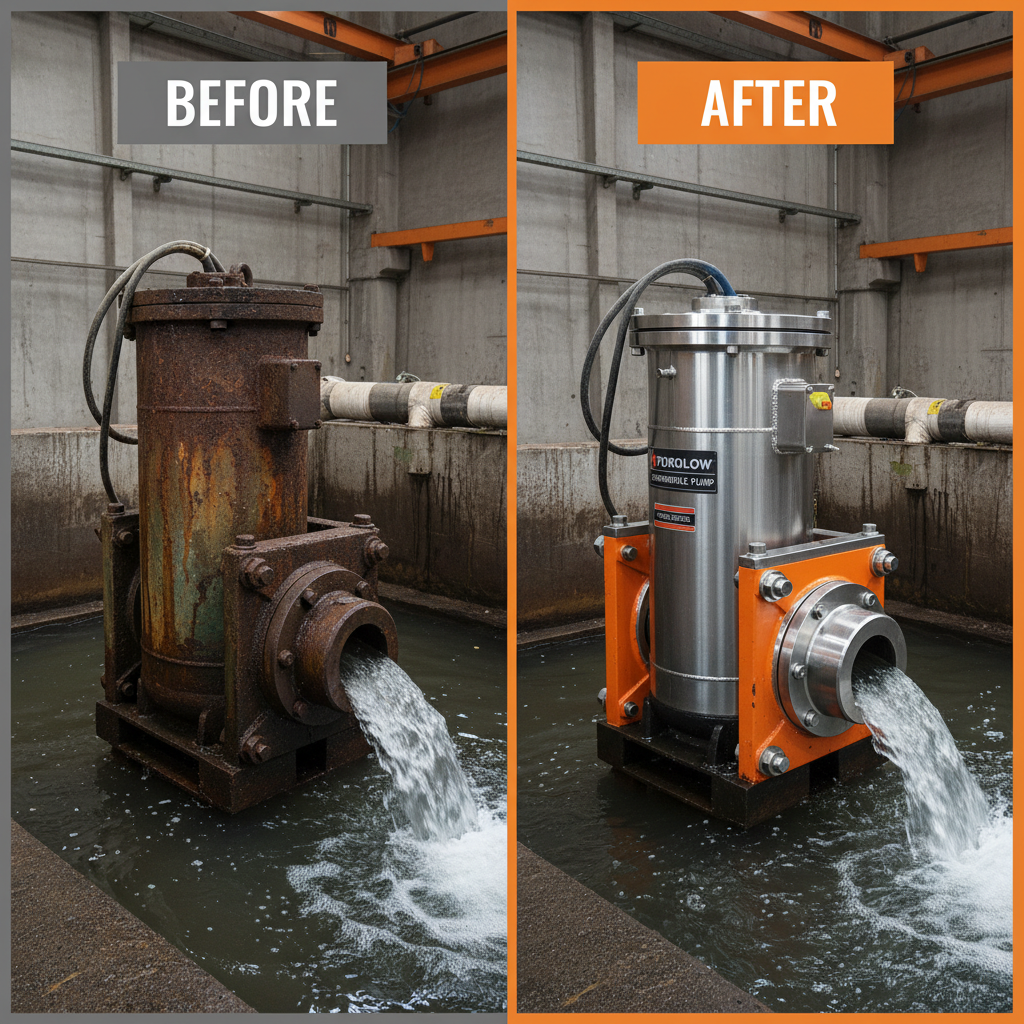 Understanding the Price Submersible Pump and Buyer GuideWhen searching for the ideal water management solution, understanding the price submersible pump options is crucial for balancing budget with performance. Whether you are dealing with a flooded basement, managing agricultural irrigation, or extracting water from a deep well, the cost of a submersible pump can vary significantly based on its build quality and capacity. Investing in a high-quality pump ensures long-term reliability and reduces the frequency of expensive replacements. In this guide, we will break down the factors that influence pricing and help you make an informed decision for your specific needs.Detail
 -
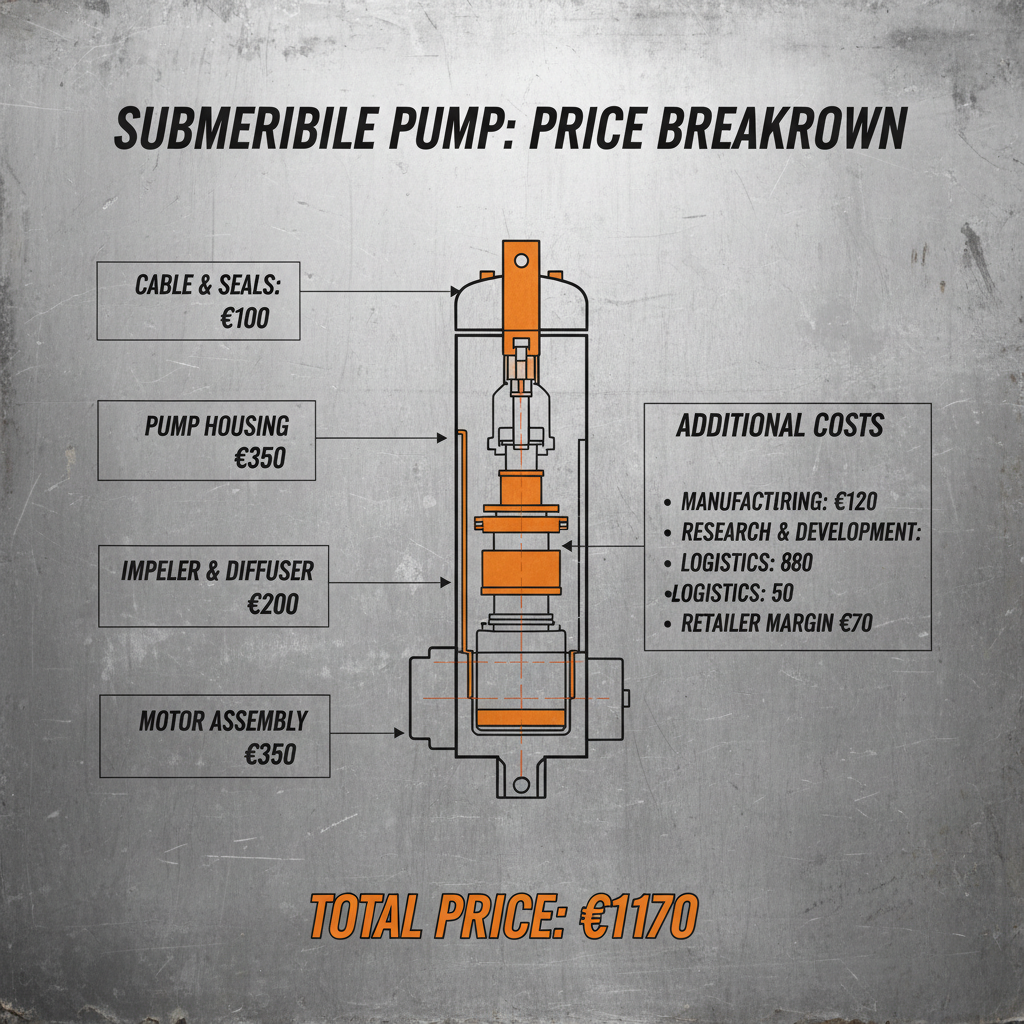 Factors Affecting the Price for Submersible Pump a Buyers GuideWhen investing in water management systems, understanding the price for submersible pump options is essential for balancing performance with budget. Whether you are managing a residential well, an industrial drainage project, or agricultural irrigation, the cost of a pump is rarely a flat fee; it is a reflection of the engineering, materials, and capacity required for your specific environment. In this guide, we will break down the factors that influence pricing and help you determine the best value for your investment to ensure long-term reliability and efficiency.Detail
 -
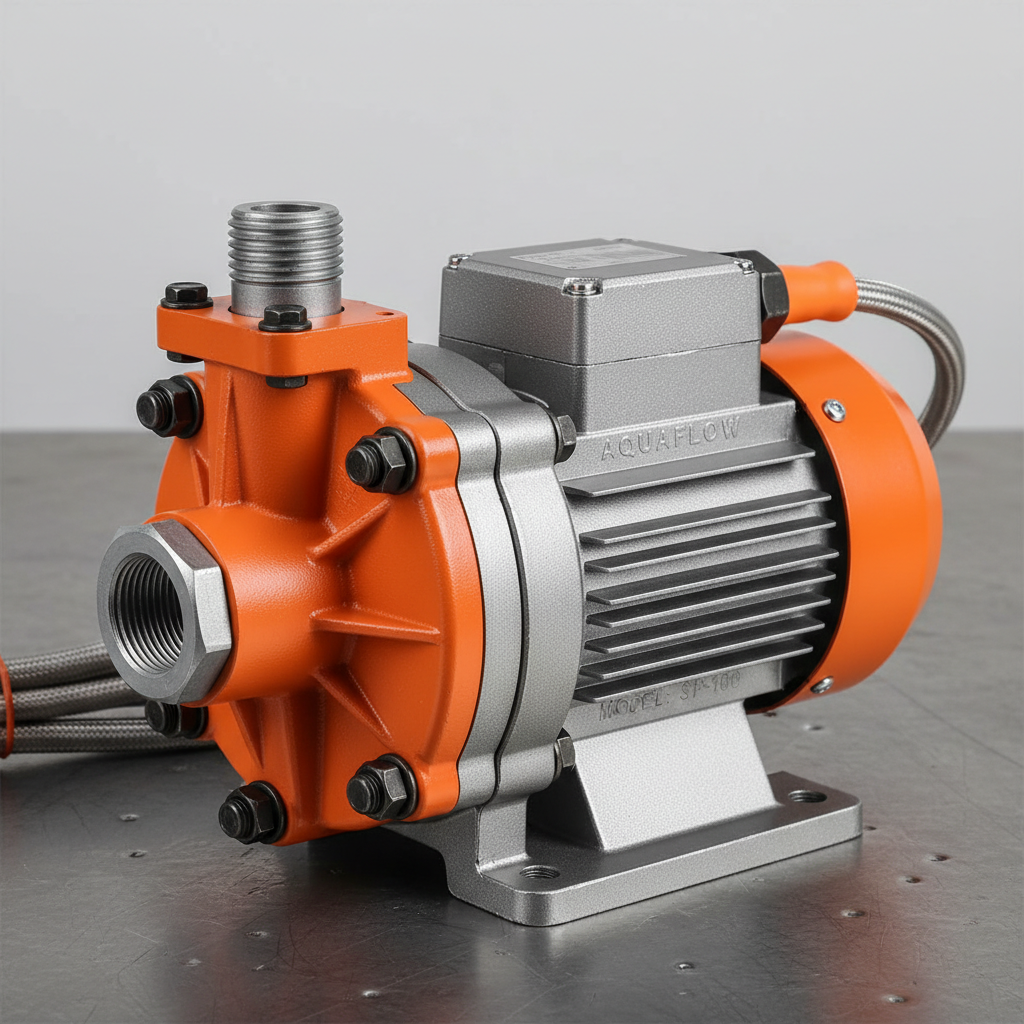 Choosing the Right Mini Submersible Fountain Pump for Optimal Water Feature PerformanceCreating a beautiful and relaxing water feature doesn't have to be complicated. A mini submersible fountain pump is the heart of any indoor or outdoor fountain, and selecting the right one is crucial for optimal performance and longevity. This article will guide you through the key considerations when choosing a mini submersible fountain pump, covering types, features, applications, and how to ensure you get the perfect pump for your project. We’ll also explore how Wellpumpact can provide you with the ideal solution.Detail
 Afrikaans
 Albanian
 Amharic
 Arabic
 Armenian
 Azerbaijani
 Basque
 Belarusian
 Bengali
 Bosnian
 Bulgarian
 Catalan
 Cebuano
 Corsican
 Croatian
 Czech
Czech
 Danish
 Dutch
Dutch
 Esperanto
 Estonian
 Finnish
 French
 Frisian
 Galician
 Georgian
 German
 Greek
Greek
 Gujarati
 Haitian Creole
 Hausa
Hausa
 Hawaiian
 Hebrew
 Hindi
Hindi
 Miao
Miao
 Hungarian
 Icelandic
 Igbo
Igbo
 Indonesian
 Irish
Irish
 Italian
 Japanese
 Javanese
 Kannada
 Kazakh
 Khmer
Khmer
 Rwandese
 Korean
 Kurdish
 Kyrgyz
 Lao
Lao
 Latin
Latin
 Latvian
 Lithuanian
 Luxembourgish
 Macedonian
 Malgashi
 Malay
Malay
 Malayalam
 Maltese
 Maori
Maori
 Marathi
 Mongolian
 Myanmar
 Nepali
 Norwegian
 Norwegian
 Occitan
 Pashto
 Persian
 Polish
 Portuguese
 Punjabi
 Romanian
 Russian
 Samoan
 Scottish Gaelic
 Serbian
 Sesotho
 Shona
Shona
 Sindhi
 Sinhala
 Slovak
 Slovenian
 Somali
 Spanish
 Sundanese
 Swahili
 Swedish
 Tagalog
 Tajik
Tajik
 Tamil
Tamil
 Tatar
Tatar
 Telugu
 Thai
Thai
 Turkish
 Turkmen
 Ukrainian
 Urdu
Urdu
 Uighur
 Uzbek
Uzbek
 Vietnamese
 Welsh
Welsh
 Bantu
Bantu
 Yiddish
 Yoruba
 Zulu
Zulu
 English