
Nov . 29, 2025 08:10 Back to list
Portable Submersible Pump: Essential Tools for Water Management & Emergency Response
Why Portable Submersible Pumps Matter Around the World
If you think about water management and fluid handling, few tools are as versatile, essential, and downright clever as the portable submersible pump. From emergency flood relief in Southeast Asia to irrigation systems in rural Africa, these compact devices quietly shoulder massive workloads. This little piece of tech solves a global puzzle: moving water or fluids in places where traditional pumps just can’t go. It’s no exaggeration to say that understanding portable submersible pumps is key to tackling some pressing challenges—water scarcity, disaster response, industrial downtime, even sustainable energy.
Mini takeaway:
- Portable submersible pumps are crucial for global water management and emergency solutions.
- They offer portability without sacrificing power, ideal for tough and unpredictable conditions.
The Global Context for Portable Submersible Pumps
The global demand for reliable portable water-pumping solutions is rising rapidly, driven by climate change-induced extreme weather, growing urbanization, and the push for sustainable agriculture. According to the United Nations, over two billion people still lack safe drinking water access, many in remote or disaster-stricken areas requiring swift, adaptable pumping technology (UN Water Facts).
Portable submersible pumps fit this niche perfectly. Their ability to be deployed quickly and handle everything from clean water to slurries means they respond effectively to immediate needs—think hurricane floodwaters—or routine tasks in off-grid industrial sites. A key challenge remains: delivering performance with portability and low energy consumption, a balance manufacturers strive for daily.
Mini takeaway:
- Rapid urbanization and climate issues spike the need for portable, reliable pumping mechanisms.
- Portable submersible pumps help mitigate water crises and sustain industries in remote areas.
What Exactly Is a Portable Submersible Pump?
Let’s break it down simply: a portable submersible pump is a device designed to operate underwater and move liquids efficiently without needing complex setups. Unlike surface pumps, these are submerged in the fluid they’re pumping — cool, right? This design improves efficiency and reduces noise and vibration.
In practical terms, “portable” means the pump is light and compact enough for easy transport and quick deployment. You don’t need a truckload of gear—just a few hands and perhaps a small generator.
Such pumps serve industries as diverse as mining, agriculture, municipal water services, and disaster relief operations. For humanitarian organizations, a portable submersible pump is often the difference between clean water access and a crisis escalating out of control.
Mini takeaway:
- Compact, efficient, and fully submersible—portable submersible pumps have unique mobility advantages.
- They’re essential for quick-response scenarios and everyday fluid handling alike.
Key Factors That Define Portable Submersible Pumps
1. Durability and Build Quality
Submersible pumps face harsh underwater conditions—think abrasives, chemicals, and constant moisture. Metal alloys like stainless steel and corrosion-resistant coatings are standard. Many engineers say the difference between a decent pump and a reliable one boils down to the materials chosen and assembly precision.
2. Power and Flow Rate
Depending on the task, you might need anything from a few hundred to several thousand gallons per minute. The motor’s power rating and impeller design influence this, but portability often caps raw power. Still, clever design tweaks can yield surprisingly high output in a small package.
3. Portability and Ease of Use
Weight, size, and operational simplicity matter. If it takes an armory to get your pump running, that sort of defeats the “portable” purpose. Many models now come with handles, quick-connect fittings, and intuitive controls.
4. Energy Efficiency
This matters for environmental impact and operational cost. Pumps that drain a battery or require massive generators aren’t truly portable in the long run. Innovations in brushless motors and improved hydraulics push boundaries here.
5. Versatility and Fluid Handling Capability
Some pumps only move clean water; others handle sludges, sewage, or even slurry. Knowing your pump’s limits for fluid type and temperature is crucial to prevent clogging or damage.
Product Specification Table
| Specification | Model A100 | Model B200 | Model C300 |
|---|---|---|---|
| Motor Power | 1.5 kW | 3.0 kW | 5.5 kW |
| Max Flow Rate | 500 GPM | 1200 GPM | 2000 GPM |
| Weight | 18 kg | 32 kg | 48 kg |
| Max Submersion | 10 m | 15 m | 20 m |
| Material | Stainless Steel | Aluminum + SS Coating | Stainless Steel + Polyurethane |
| Price Range | $800-$1,000 | $1,500-$1,800 | $2,500-$3,000 |
Mini takeaway:
- Materials, motor power, and portability shape pump performance.
- Choosing the right model depends on your specific flow and environment needs.
Global Applications and Real-World Use Cases
Portable submersible pumps journey far beyond theory or factory floors. Consider post-disaster relief: after Hurricane Maria in Puerto Rico, aid workers deployed these pumps en masse to clear flooded areas and restore water access. The munition-like size allows rough terrain transport—a godsend when infrastructure is obliterated.
Industries like mining or construction frequently rely on them to evacuate water from pits. In agriculture, they irrigate fields far from power grids, often powered by portable solar units or generators. Even city maintenance crews use them to empty underground vaults or sewage systems quickly.
The regions benefiting range widely: remote Australian outback stations, flood-prone Bangladesh villages, industrial complexes in Canada, and anywhere in-between.
Mini takeaway:
- Portable submersible pumps save lives and livelihoods across varied environments.
- They are the unsung workhorses behind many critical water and fluid-handling tasks worldwide.
Advantages and Long-Term Value
When you look beyond specs, the benefits of portable submersible pumps multiply fast:
- Cost Efficiency: Reduces downtime and labor costs.
- Energy Savings: Many models run with minimal power compared to surface alternatives.
- Sustainability: Less environmental damage with quiet, underwater operation and durability.
- Social Impact: Clean water access enhances health and dignity, especially in remote or crisis conditions.
On a human level, it’s reassuring that during emergencies, pumps that arrive fast and function dependably can genuinely change outcomes. They also encourage innovation by integrating digitized monitors and IoT features, pushing trust in the technology even higher.
Mini takeaway:
- Portable submersible pumps combine practical savings with broad social benefits.
- They offer an intersection of technology and humanity that feels quite special.
Looking Ahead: Trends and Innovations in Portable Submersible Pumps
Out of curiosity, I followed some recent conferences—there’s a clear trend toward green energy integration, with more solar-powered pump units, and improved battery tech enabling longer runtimes. Additionally, AI-powered sensors allow predictive maintenance, reducing unexpected failures.
Materials research is leaning toward ultra-light composites that offer corrosion resistance while dropping weight further. The automation angle is intriguing, too: pumps that start or stop based on water levels without human intervention.
Globally, regulatory initiatives like ISO environmental standards challenge manufacturers to reduce emissions and waste across a product’s lifecycle.
Mini takeaway:
- The future points toward greener, smarter, and even more autonomous pumping solutions.
- Manufacturers are embracing sustainability while upping reliability for users.
Common Challenges and How Experts Suggest Overcoming Them
I won’t sugarcoat it—portable submersible pumps face a few hurdles:
- Clogging: Handling debris or viscous fluids can stall pumps.
- Battery Life: For models running off-grid, power limits uptime.
- Weight Limits: Going lighter sometimes means compromising durability.
Experts recommend robust screenings—wear-resistant materials, improved impeller designs with self-cleaning features, and modular construction for easy repairs. Plus, pairing pumps with smart monitoring systems helps catch issues before they become show-stoppers. Some NGOs even keep “pump kits” ready with spare parts to speed repairs in the field.
Mini takeaway:
- Challenges remain but innovation and solid maintenance culture soften their impact.
- Proper product selection and smart use are crucial for maximized uptime.
FAQ: Common Questions About Portable Submersible Pumps
- What fluids can a portable submersible pump handle?
- Most portable submersible pumps handle clean water, but many models are designed for sewage, slurry, or wastewater. Always check fluid compatibility and avoid corrosive or highly abrasive liquids unless the pump is specialized for that purpose.
- How portable are these pumps in practice?
- Portability usually means pumps weigh between 15-50 kg with built-in handles or frames for easy carrying. Some come with detachable components to simplify transport. Still, depending on size and power, you might need two people or lifting equipment.
- Can these pumps run off solar power?
- Yes, solar-compatible portable submersible pumps are increasingly common, especially in agriculture and remote water supply. They typically link to battery storage for nighttime operation or cloudy days.
- How long do portable submersible pumps typically last?
- With proper maintenance, these pumps can last 5 to 10 years. Material quality, frequency of use, and operating environment all influence longevity. Regular servicing and avoiding overloading extend the lifespan significantly.
- Are portable submersible pumps easy to repair in remote areas?
- Most designs prioritize modular parts and straightforward repairs. Keeping spare seals, impellers, and electrical components handy is recommended. Some vendors also offer training for maintenance in the field.
In Conclusion: Why a Portable Submersible Pump Is a Smart Investment
From what I’ve seen and experienced, portable submersible pumps are quietly revolutionizing how industries and communities move water in challenging environments. Their combination of portability, efficiency, and adaptability spells long-term value — economically and socially.
Whether you’re an engineer specifying equipment for a mining site or an NGO coordinating disaster relief, this technology deserves a place in your toolkit.
For more insights, and to explore reliable product options, feel free to visit our website: portable submersible pump.
Vendor Comparison Table
| Vendor | Product Range | Average Price | Unique Selling Point | After-Sales Service |
|---|---|---|---|---|
| HydroFlow Systems | 1.0 - 6.0 kW Pumps | $900 - $3,200 | Focused on corrosion-resistant materials | Global warranty + field tech support |
| AquaTech Solutions | 0.5 - 4.0 kW Pumps | $700 - $2,000 | Lightweight models with solar integration | Online diagnostics + spare parts kits |
| Global Pump Co. | 0.8 - 5.5 kW Pumps | $850 - $2,800 | Rugged design for mining and industrial use | 24/7 hotline + extensive maintenance guides |
Final thoughts:
Portable submersible pumps are a fusion of engineering savvy and practical need—reliable partners in some of the harshest and most urgent environments. Everyone should know about them, have access to them, or at least have one on standby...
References:
-
Understanding the Price Submersible Pump and Buyer Guide
NewsApr.16,2026
-
Factors Affecting the Price for Submersible Pump a Buyers Guide
NewsApr.09,2026
-
Choosing the Right Mini Submersible Fountain Pump for Optimal Water Feature Performance
NewsApr.07,2026
-
A Detailed Guide to Installing a Submersible Pump for Optimal Performance
NewsApr.04,2026
-
Comprehensive Guide on How to Test a Submersible Water Well Pump Effectively
NewsMar.31,2026
-
Learn How to Replace a Submersible Well Pump Safely and Effectively
NewsMar.28,2026
-
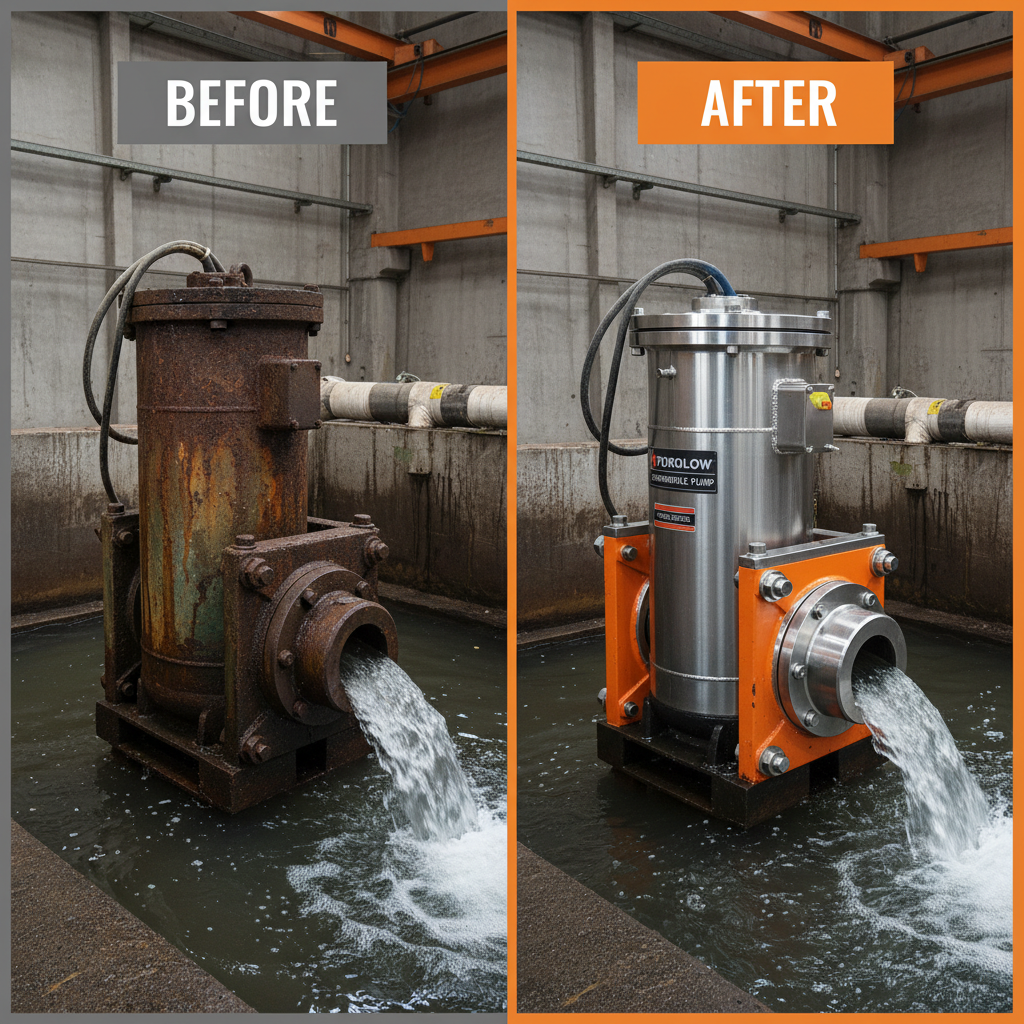 Understanding the Price Submersible Pump and Buyer GuideWhen searching for the ideal water management solution, understanding the price submersible pump options is crucial for balancing budget with performance. Whether you are dealing with a flooded basement, managing agricultural irrigation, or extracting water from a deep well, the cost of a submersible pump can vary significantly based on its build quality and capacity. Investing in a high-quality pump ensures long-term reliability and reduces the frequency of expensive replacements. In this guide, we will break down the factors that influence pricing and help you make an informed decision for your specific needs.Detail
 -
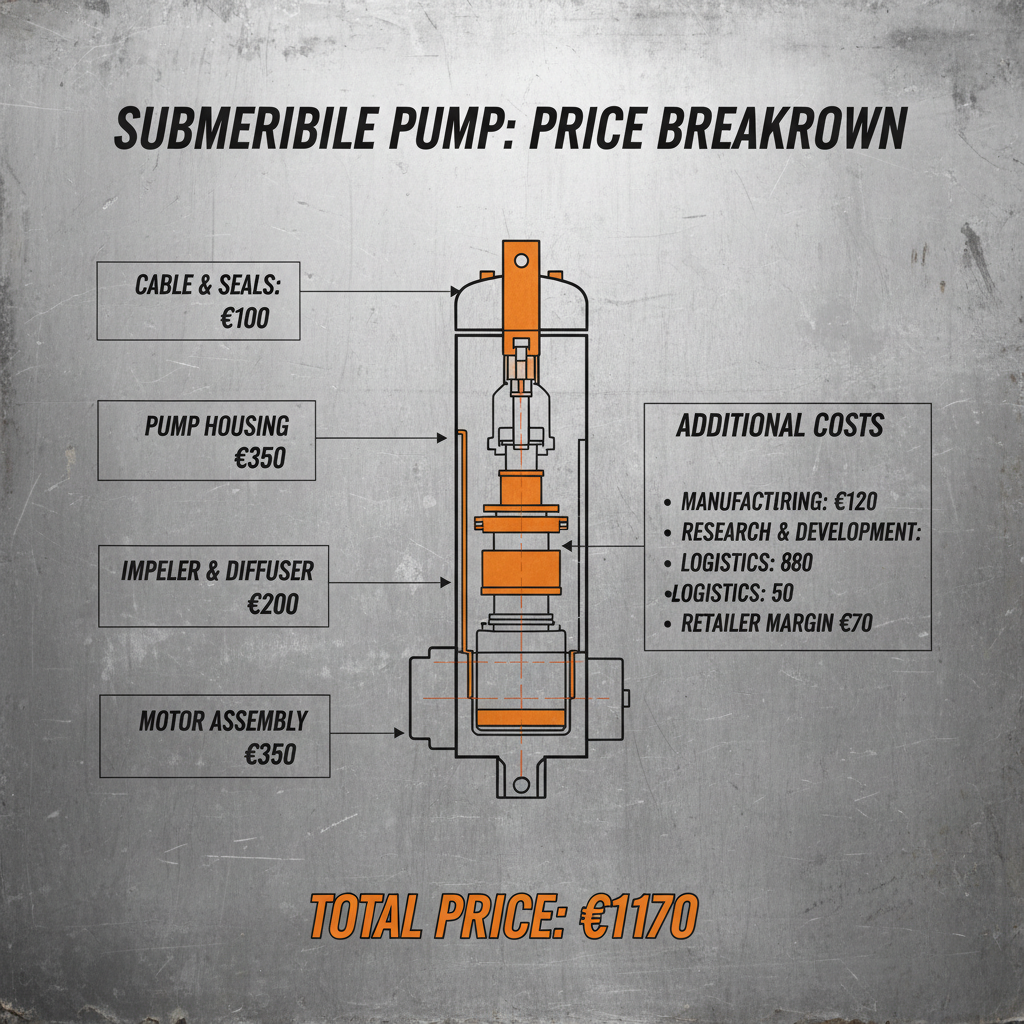 Factors Affecting the Price for Submersible Pump a Buyers GuideWhen investing in water management systems, understanding the price for submersible pump options is essential for balancing performance with budget. Whether you are managing a residential well, an industrial drainage project, or agricultural irrigation, the cost of a pump is rarely a flat fee; it is a reflection of the engineering, materials, and capacity required for your specific environment. In this guide, we will break down the factors that influence pricing and help you determine the best value for your investment to ensure long-term reliability and efficiency.Detail
 -
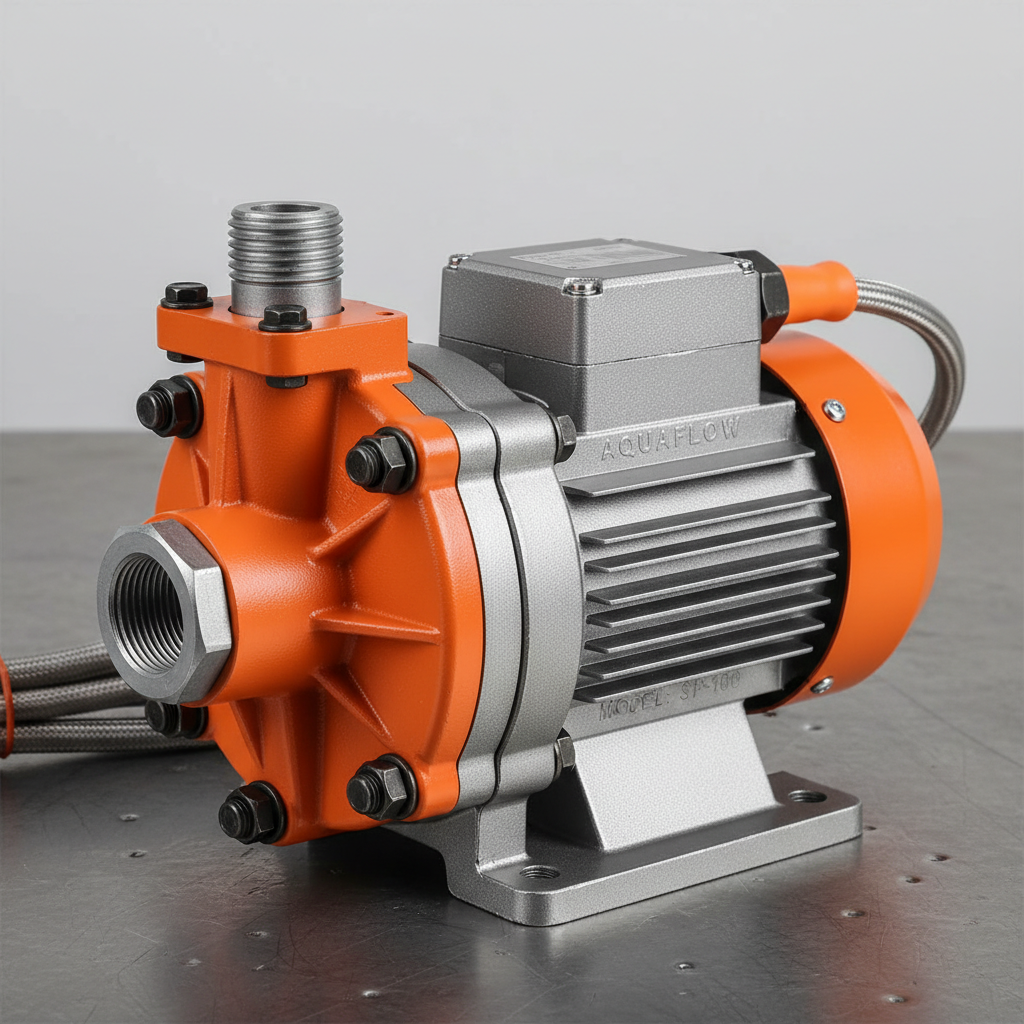 Choosing the Right Mini Submersible Fountain Pump for Optimal Water Feature PerformanceCreating a beautiful and relaxing water feature doesn't have to be complicated. A mini submersible fountain pump is the heart of any indoor or outdoor fountain, and selecting the right one is crucial for optimal performance and longevity. This article will guide you through the key considerations when choosing a mini submersible fountain pump, covering types, features, applications, and how to ensure you get the perfect pump for your project. We’ll also explore how Wellpumpact can provide you with the ideal solution.Detail
 Afrikaans
 Albanian
 Amharic
 Arabic
 Armenian
 Azerbaijani
 Basque
 Belarusian
 Bengali
 Bosnian
 Bulgarian
 Catalan
 Cebuano
 Corsican
 Croatian
 Czech
Czech
 Danish
 Dutch
Dutch
 Esperanto
 Estonian
 Finnish
 French
 Frisian
 Galician
 Georgian
 German
 Greek
Greek
 Gujarati
 Haitian Creole
 Hausa
Hausa
 Hawaiian
 Hebrew
 Hindi
Hindi
 Miao
Miao
 Hungarian
 Icelandic
 Igbo
Igbo
 Indonesian
 Irish
Irish
 Italian
 Japanese
 Javanese
 Kannada
 Kazakh
 Khmer
Khmer
 Rwandese
 Korean
 Kurdish
 Kyrgyz
 Lao
Lao
 Latin
Latin
 Latvian
 Lithuanian
 Luxembourgish
 Macedonian
 Malgashi
 Malay
Malay
 Malayalam
 Maltese
 Maori
Maori
 Marathi
 Mongolian
 Myanmar
 Nepali
 Norwegian
 Norwegian
 Occitan
 Pashto
 Persian
 Polish
 Portuguese
 Punjabi
 Romanian
 Russian
 Samoan
 Scottish Gaelic
 Serbian
 Sesotho
 Shona
Shona
 Sindhi
 Sinhala
 Slovak
 Slovenian
 Somali
 Spanish
 Sundanese
 Swahili
 Swedish
 Tagalog
 Tajik
Tajik
 Tamil
Tamil
 Tatar
Tatar
 Telugu
 Thai
Thai
 Turkish
 Turkmen
 Ukrainian
 Urdu
Urdu
 Uighur
 Uzbek
Uzbek
 Vietnamese
 Welsh
Welsh
 Bantu
Bantu
 Yiddish
 Yoruba
 Zulu
Zulu
 English