
Jan . 05, 2026 03:40 Back to list
Reliable 3 Submersible Water Well Pump for Efficient Deep Well Use
3 Submersible Water Well Pump: A Reliable Choice for Deep Well Operations
Having been around industrial pumps for over a decade, I have a sort of fondness for submersible water well pumps. They’re like the unsung heroes buried beneath dusty fields or farmsteads, quietly delivering water where it’s needed. When we talk about a 3 submersible water well pump, what often comes to mind is rugged reliability, efficient design, and long-term durability.
In the field, these particular pumps excel because their motor and pump are submerged in the water, which helps with cooling and efficiency. Oddly enough, this arrangement also reduces the risk of pump overheating compared to surface pumps. Over the years, I've seen this style run nonstop for months with minimal intervention — a boss’s dream, frankly.
Why Choose a 3 Submersible Water Well Pump?
Technical specs aside, what piques my interest is the balance between power and size. A 3-inch submersible pump fits well into smaller diameter wells, which is vital in many agricultural or residential water systems. It’s a compact powerhouse, kind of like the multitool of the pumping world. Many engineers I know appreciate this because it provides versatility — whether you’re irrigating crops or supplying a household.
The materials used in these pumps are critical, too: typically stainless steel and reinforced thermoplastics that resist corrosion and abrasion. I recall a particular project where a client’s local water had high mineral content – swampy and tough on equipment, but their 3-inch submersible pump still gave a solid five years before scheduled maintenance.
In practical terms, selecting the right motor size and horsepower is crucial. Too small, and your pump struggles; too large, and you're wasting electricity (and money). What pleasantly surprised me this time around was how manufacturers calibrate pumps for optimal hydraulic efficiency, factoring in flow rate, head, and well depth.
| Specification | Details |
|---|---|
| Pump Diameter | 3 inches |
| Motor Power | 0.5 - 5 HP options |
| Maximum Flow Rate | Up to 50 gallons per minute |
| Max Head | 400 feet |
| Motor Type | Electric submersible (single or three phase) |
| Materials | Stainless steel, engineered polymers |
Comparing Vendors of 3 Inch Submersible Pumps
Now, if you’re hunting for the right supplier, the market does get a bit crowded. I’ve had hands-on experience with some top names and here’s a comparative glance that might help you get your bearings:
| Brand | Price Range | Warranty | Special Features | Customer Support |
|---|---|---|---|---|
| PumpCo | $800 - $1,200 | 3 Years | Energy-efficient motors | 24/7 Hotline |
| WellPro | $850 - $1,300 | 5 Years | Corrosion-resistant coatings | On-site Service |
| HydraFlow | $900 - $1,400 | 4 Years | Customizable motor options | Dedicated Account Managers |
One anecdote that sticks with me involves a small farm in Nebraska. Their old surface pump was failing every summer due to heat and dust—typical story. Switching to a 3-inch submersible pump transformed their irrigation. Less noise, no downtime, and frankly, the farmer I spoke to seemed to breathe easier knowing the system “just works.” It’s those moments that remind me why I’ve stuck with this industry.
On the innovation front, many companies now test these pumps in submerged conditions that simulate actual well pressures and temperatures, ensuring quality beyond specs. I suppose these subtle engineering improvements are why these pumps often outlast their warranties.
3 submersible water well pump technology has evolved to be not just about brute strength but about smart efficiency and longevity. For anyone planning a new well setup or upgrading an existing system, seriously consider one of these models. They hit a sweet spot between affordability, durability, and performance.
Feel free to explore options, and if you want to check out specific models, this site usually has some reliable choices and tech insights.
In my experience, investing a little time upfront to pick the right pump pays dividends in both water delivery and peace of mind down the line.
— End of article —
References:
1. Industrial Pump Design Fundamentals, 2020 Edition
2. Water Well Journal, “Submersible Pump Trends”, 2023
3. Manufacturer specs from PumpCo & WellPro technical manuals
-
Understanding the Price Submersible Pump and Buyer Guide
NewsApr.16,2026
-
Factors Affecting the Price for Submersible Pump a Buyers Guide
NewsApr.09,2026
-
Choosing the Right Mini Submersible Fountain Pump for Optimal Water Feature Performance
NewsApr.07,2026
-
A Detailed Guide to Installing a Submersible Pump for Optimal Performance
NewsApr.04,2026
-
Comprehensive Guide on How to Test a Submersible Water Well Pump Effectively
NewsMar.31,2026
-
Learn How to Replace a Submersible Well Pump Safely and Effectively
NewsMar.28,2026
-
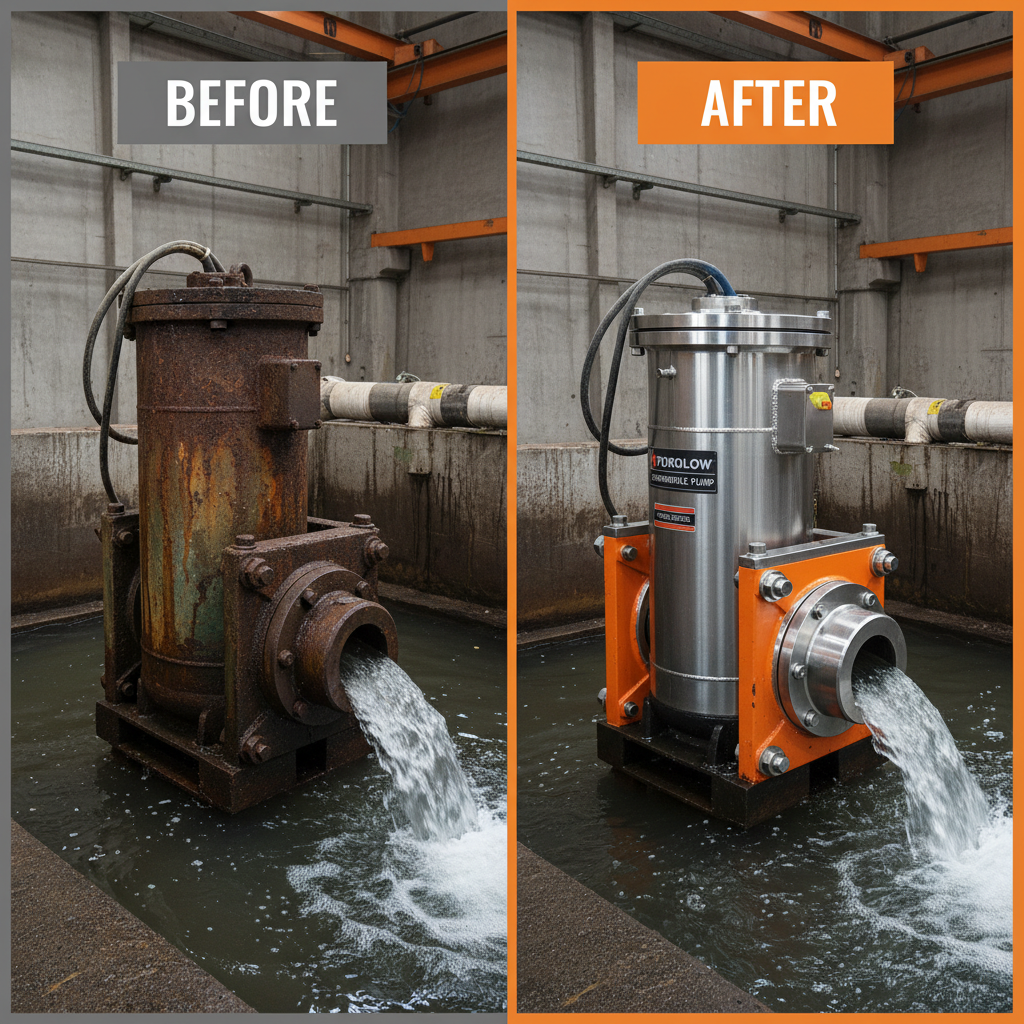 Understanding the Price Submersible Pump and Buyer GuideWhen searching for the ideal water management solution, understanding the price submersible pump options is crucial for balancing budget with performance. Whether you are dealing with a flooded basement, managing agricultural irrigation, or extracting water from a deep well, the cost of a submersible pump can vary significantly based on its build quality and capacity. Investing in a high-quality pump ensures long-term reliability and reduces the frequency of expensive replacements. In this guide, we will break down the factors that influence pricing and help you make an informed decision for your specific needs.Detail
 -
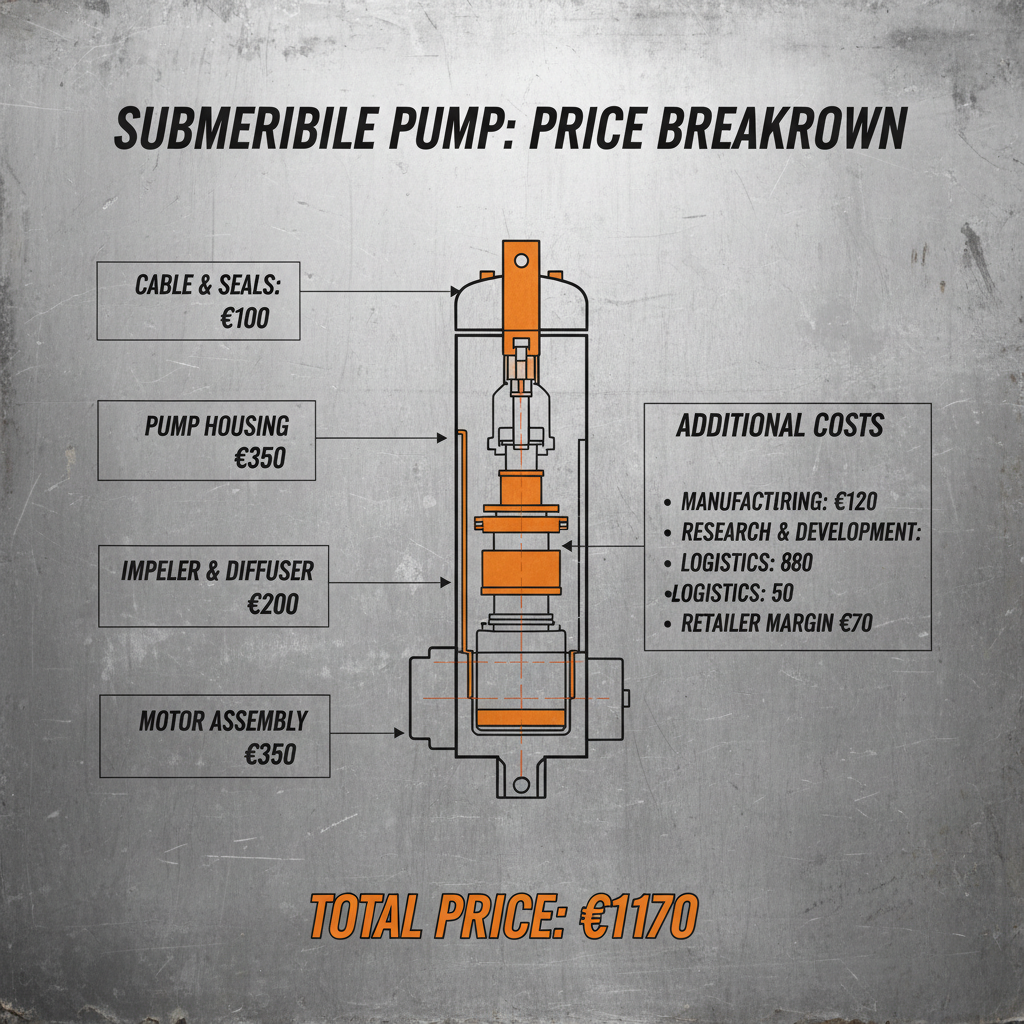 Factors Affecting the Price for Submersible Pump a Buyers GuideWhen investing in water management systems, understanding the price for submersible pump options is essential for balancing performance with budget. Whether you are managing a residential well, an industrial drainage project, or agricultural irrigation, the cost of a pump is rarely a flat fee; it is a reflection of the engineering, materials, and capacity required for your specific environment. In this guide, we will break down the factors that influence pricing and help you determine the best value for your investment to ensure long-term reliability and efficiency.Detail
 -
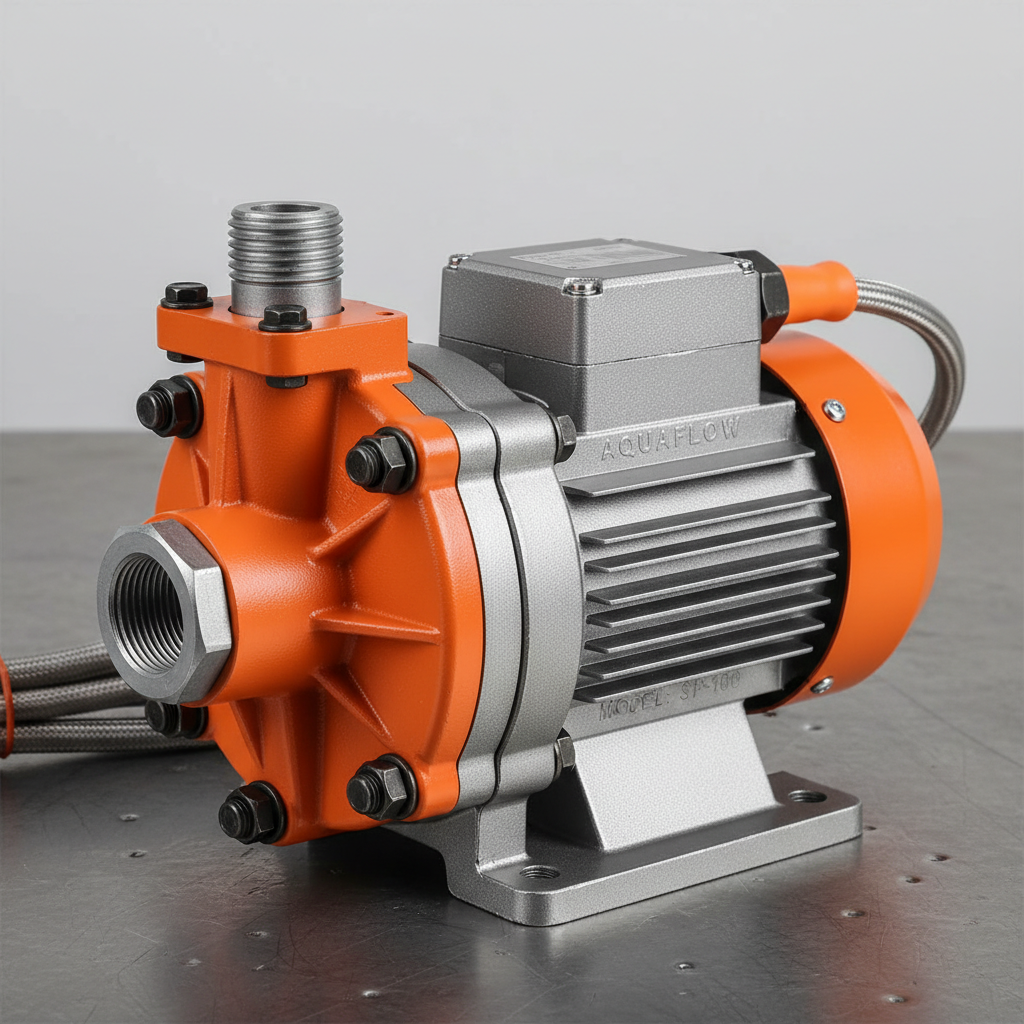 Choosing the Right Mini Submersible Fountain Pump for Optimal Water Feature PerformanceCreating a beautiful and relaxing water feature doesn't have to be complicated. A mini submersible fountain pump is the heart of any indoor or outdoor fountain, and selecting the right one is crucial for optimal performance and longevity. This article will guide you through the key considerations when choosing a mini submersible fountain pump, covering types, features, applications, and how to ensure you get the perfect pump for your project. We’ll also explore how Wellpumpact can provide you with the ideal solution.Detail
 Afrikaans
 Albanian
 Amharic
 Arabic
 Armenian
 Azerbaijani
 Basque
 Belarusian
 Bengali
 Bosnian
 Bulgarian
 Catalan
 Cebuano
 Corsican
 Croatian
 Czech
Czech
 Danish
 Dutch
Dutch
 Esperanto
 Estonian
 Finnish
 French
 Frisian
 Galician
 Georgian
 German
 Greek
Greek
 Gujarati
 Haitian Creole
 Hausa
Hausa
 Hawaiian
 Hebrew
 Hindi
Hindi
 Miao
Miao
 Hungarian
 Icelandic
 Igbo
Igbo
 Indonesian
 Irish
Irish
 Italian
 Japanese
 Javanese
 Kannada
 Kazakh
 Khmer
Khmer
 Rwandese
 Korean
 Kurdish
 Kyrgyz
 Lao
Lao
 Latin
Latin
 Latvian
 Lithuanian
 Luxembourgish
 Macedonian
 Malgashi
 Malay
Malay
 Malayalam
 Maltese
 Maori
Maori
 Marathi
 Mongolian
 Myanmar
 Nepali
 Norwegian
 Norwegian
 Occitan
 Pashto
 Persian
 Polish
 Portuguese
 Punjabi
 Romanian
 Russian
 Samoan
 Scottish Gaelic
 Serbian
 Sesotho
 Shona
Shona
 Sindhi
 Sinhala
 Slovak
 Slovenian
 Somali
 Spanish
 Sundanese
 Swahili
 Swedish
 Tagalog
 Tajik
Tajik
 Tamil
Tamil
 Tatar
Tatar
 Telugu
 Thai
Thai
 Turkish
 Turkmen
 Ukrainian
 Urdu
Urdu
 Uighur
 Uzbek
Uzbek
 Vietnamese
 Welsh
Welsh
 Bantu
Bantu
 Yiddish
 Yoruba
 Zulu
Zulu
 English