
Nov . 23, 2025 11:00 Back to list
Submersible Dirty Water Pumps - Durable Solutions for Flood & Wastewater Management
Why Submersible Dirty Water Pumps Matter More Than Ever
If you’ve ever watched heavy rains flood streets or witnessed a construction site drenched in mud and runoff, you’ve seen the need for robust submersible dirty water pumps in action. These pumps aren't just industrial gadgets; they’re lifesavers in many parts of the world. Globally, managing wastewater and floodwater is a pressing challenge. With climate change fuelling extreme weather and urbanization pushing infrastructure limits, understanding how these pumps work—their strengths, applications, and innovations—means more than just technical know-how. It’s about safety, sustainability, and even dignity.
In a nutshell, submersible dirty water pumps are designed to handle fluids with solids—think mud, sludge, and debris-filled water—without clogging or breaking down. Their ability to operate underwater and clear contaminated water unlocks solutions for flood control, industrial dewatering, municipal sanitation, and emergency relief worldwide.
Submersible Dirty Water Pumps: The Global Context
According to the United Nations, over 2 billion people worldwide lack safely managed sanitation services, and floods have displaced millions in recent years (UN Water, 2023). Industrial growth in Asia and Africa also means wastewater quantities are surging faster than cleanup infrastructure can keep up. That’s where these pumps come into play. They are frontline tools helping cities, NGOs, and industries protect communities and ecosystems.
Yet challenges lurk — many traditional pumping systems choke on solids, require constant maintenance, or consume excessive energy. Submersible dirty water pumps address these pain points by being reliable, durable, and relatively energy efficient. But it’s not only that.
With climate forecasts predicting worsening flood risks, having resilient pumping solutions is becoming less of a choice and more of a necessity.
What Exactly Is a Submersible Dirty Water Pump?
Simply put, it’s an electrically powered pump designed to operate while submerged in dirty or contaminated water. Unlike standard pumps, it can handle solids suspended in the fluid — gravel, silt, fibers, even bits of plastic—without clogging or damaging the mechanism. Typically, the motor is sealed and cooled by the surrounding water, making them compact and efficient.
Industrially, they’re critical for construction sites clearing excess groundwater, wastewater treatment plants managing influent streams, and mines removing slurry. In humanitarian work, they rapidly drain floodwaters, prevent waterborne diseases, and restore sanitation infrastructure.
Core Attributes That Make These Pumps Tick
Durability Under Harsh Conditions
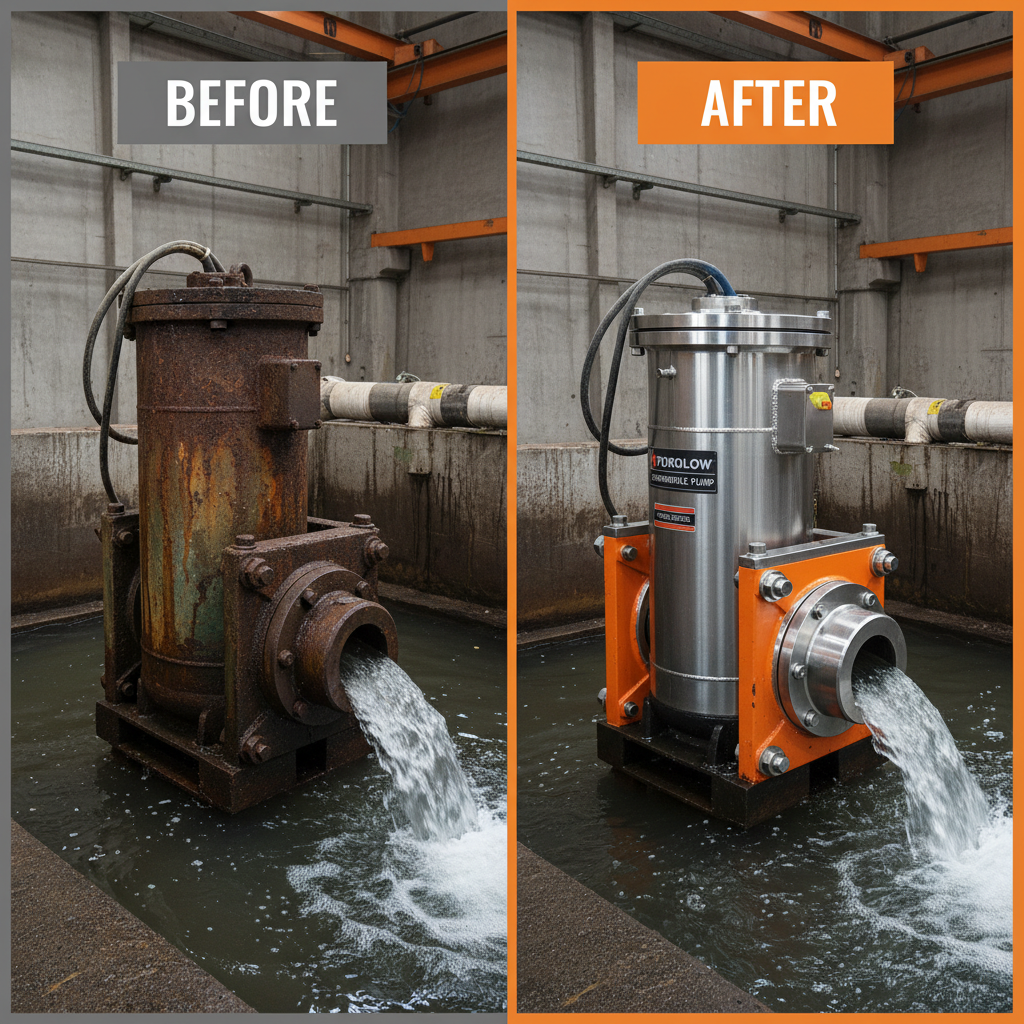
Many engineers say the real challenge in a submersible dirty water pump is withstanding abrasion and corrosion. Materials like stainless steel, thermoplastics, or special rubber coatings guard against wear from particles and chemicals. Sealing systems keep the motor dry despite hours or even days underwater.
Handling Solids Without Clogging
Impeller design is crucial. Vortex or open-impeller types allow larger solids (up to 50mm or more) to pass through without obstruction. This means fewer breakdowns, less downtime, and more trust in the machine when it’s needed most.
Energy Efficiency and Power
Frankly, power ratings matter, but efficiency matters more for long-term operating costs. Today’s pumps often balance strong motors with optimized hydraulic designs, so they draw less electricity while moving heavy, contaminated water continuously.
Portability & Scalability
Some models weigh 30kg or less—easy for a small team to carry to remote locations or confined spaces. Others are big workhorses suited for industrial-scale dewatering. This range means solutions can fit diverse needs, from a single home to an entire municipality.
Ease of Maintenance
Cleaning and servicing pumps in muddy or toxic water isn’t user-friendly. Designs that allow quick access to wear parts or feature reverse flow unclogging mechanisms save time and money in the field.
Safety Features
Water-resistant power cables and automatic shutoff if overheating occurs prevent mishaps. This isn’t just about machines, it’s about protecting operators.
Real-World Applications: From New York to Nairobi
Ask an urban planner in Jakarta, and they’ll tell you that submersible dirty water pumps are a daily battle against floods rising from creaky drains. They help rapidly remove water clogging streets during monsoons, keeping millions mobile and businesses open.
In places like sub-Saharan Africa, NGOs use these pumps when bringing clean water relief after floods displace villages or contaminate wells. In mining operations up north, they’re essential for pumping out slurry that otherwise would cause shutdowns or environmental damage.
Even in the US—and more relevant than many expect—construction projects rely heavily on these pumps to clear out groundwater to keep building sites dry, maintaining both schedule and safety.
| Specification | Typical Value | Notes |
|---|---|---|
| Power Rating | 1 - 10 kW | Varies by model size |
| Max Solid Diameter | 50 - 75 mm | Depends on impeller design |
| Max Flow Rate | 50 - 300 L/s | For industrial sizes |
| Maximum Submersion Depth | 10 - 20 meters | Higher for specialized models |
| Material | Stainless Steel, Cast Iron, Thermoplastics | Corrosion and abrasion resistant |
The Advantages That Keep Users Coming Back
- Cost-Effective: Reduces manual drain clearing and downtime.
- Reliability: Less clogging means less surprise failures.
- Sustainability: By ensuring polluted water is managed promptly, it helps protect local environments and public health.
- Safety: Keeps floodwaters out and toxic water moving away from populations.
- Innovation: Some newer pumps are solar-compatible or IoT-enabled for remote monitoring.
Honestly, when you think about it, a submersible dirty water pump is not just a machine — it’s a symbol of resilience, innovation, and care for communities.
Comparing Top Vendors of Submersible Dirty Water Pumps
| Vendor | Key Features | Price Range | Warranty |
|---|---|---|---|
| PumpTech Pro | Stainless steel body, vortex impeller, solar ready | $800 - $2500 | 2 Years |
| FlowMax Solutions | High flow rate, remote monitoring, IP68 certified | $1200 - $4000 | 3 Years |
| EcoPump Corp. | Eco-friendly materials, solar compatible, low maintenance | $700 - $2200 | 2.5 Years |
Emerging Trends Shaping The Future of Submersible Dirty Water Pumps
In an age where green energy and smart systems dominate industrial headlines, these pumps are evolving too. Solar-powered models are expanding access in off-grid rural areas, eliminating reliance on fuel generators. IoT integration means pumps send real-time alerts about performance or blockages, cutting response times drastically. Composite materials reduce weight while maintaining toughness, easing deployment for relief agencies. Even noise reduction technology is improving for urban use, where construction noise complaints are on the rise.
These tech advances point to a future where water management is more sustainable, automated, and responsive — a kind of quiet revolution slowly turning the tide on old infrastructure woes.
Challenges and How Experts Are Tackling Them
Despite their strengths, these pumps aren’t perfect. Pumps sometimes still clog with fibrous solids or plastics, and seals can degrade in highly chemical-contaminated waters. Access to spare parts in remote regions can cripple timely repairs. Plus, upfront costs deter smaller operators.
Innovative companies are responding: designing modular impellers for easy replacement, improving seal materials borrowed from the aerospace sector, and crafting leasing models for NGOs to spread costs. It’s a game of small improvements making a huge overall impact.
Quick Takeaway:
Submersible dirty water pumps blend toughness with tech to meet global sanitation and flood risks head-on. While issues remain, ongoing innovation is steadily enhancing their reach and effectiveness.
FAQ: Your Curiosities About Submersible Dirty Water Pumps Answered
- How do submersible dirty water pumps differ from sewage pumps?
- Submersible dirty water pumps handle solids and debris mixed with water but not typically raw sewage containing heavy biological waste. Sewage pumps are usually engineered for higher solids and more corrosive content.
- Can these pumps run continuously for days during flood emergencies?
- Many are designed for long runtime, but cooling and regular inspection are critical. Models with water-cooled motors excel during continuous deployment in flood response.
- What maintenance is typically required to keep the pump operational?
- Regular cleaning of impellers, checks on seals and cables, and lubrication of motor bearings. Many users will run clean water through pumps after use to reduce sediment buildup.
- Are these pumps suitable for pumping chemical wastewater?
- Some models are built with corrosion-resistant materials capable of handling certain chemical-laden water, but always verify chemical compatibility with vendors before deployment.
- Where can I find trusted suppliers for submersible dirty water pumps?
- Look for industry-certified brands with strong warranties and after-sales support. Our submersible dirty water pump page offers vetted vendor recommendations.
Wrapping It Up: Why Investing In These Pumps Is Forward Thinking
Long-term, the value of submersible dirty water pumps is clear: they protect infrastructure, safeguard health, and enable communities to bounce back faster after disasters. With rapid innovation and expanding global markets, their importance only grows.
Curious to learn more or pick the right model? Visit us at https://www.wellpumpact.com to browse expert insights, detailed product specs, and supplier connections to get your projects flowing.
References
- United Nations Water (2023). Sanitation and Water Access.
- Wikipedia – Submersible Pump.
- ISO Standards on Pump Efficiency.
-
Understanding the Price Submersible Pump and Buyer Guide
NewsApr.16,2026
-
Factors Affecting the Price for Submersible Pump a Buyers Guide
NewsApr.09,2026
-
Choosing the Right Mini Submersible Fountain Pump for Optimal Water Feature Performance
NewsApr.07,2026
-
A Detailed Guide to Installing a Submersible Pump for Optimal Performance
NewsApr.04,2026
-
Comprehensive Guide on How to Test a Submersible Water Well Pump Effectively
NewsMar.31,2026
-
Learn How to Replace a Submersible Well Pump Safely and Effectively
NewsMar.28,2026
-
 Understanding the Price Submersible Pump and Buyer GuideWhen searching for the ideal water management solution, understanding the price submersible pump options is crucial for balancing budget with performance. Whether you are dealing with a flooded basement, managing agricultural irrigation, or extracting water from a deep well, the cost of a submersible pump can vary significantly based on its build quality and capacity. Investing in a high-quality pump ensures long-term reliability and reduces the frequency of expensive replacements. In this guide, we will break down the factors that influence pricing and help you make an informed decision for your specific needs.Detail
 -
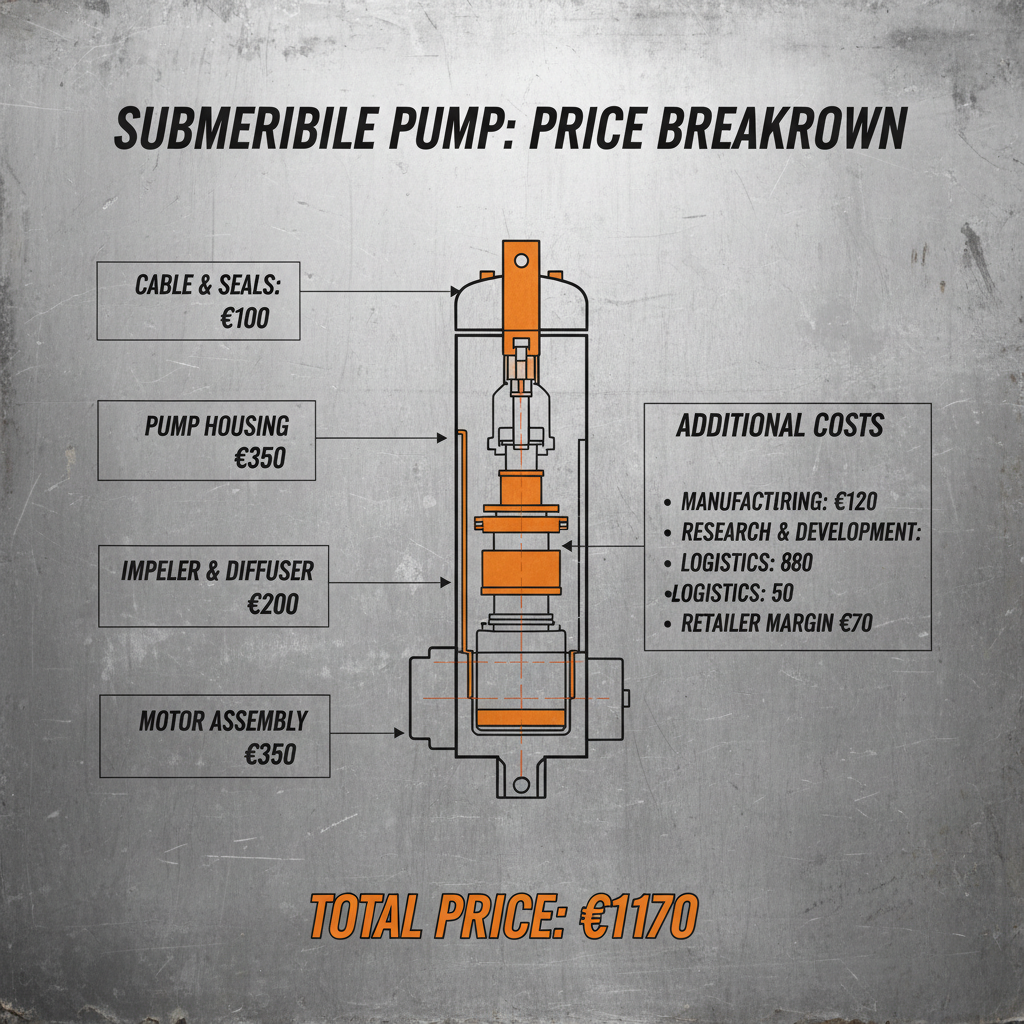 Factors Affecting the Price for Submersible Pump a Buyers GuideWhen investing in water management systems, understanding the price for submersible pump options is essential for balancing performance with budget. Whether you are managing a residential well, an industrial drainage project, or agricultural irrigation, the cost of a pump is rarely a flat fee; it is a reflection of the engineering, materials, and capacity required for your specific environment. In this guide, we will break down the factors that influence pricing and help you determine the best value for your investment to ensure long-term reliability and efficiency.Detail
 -
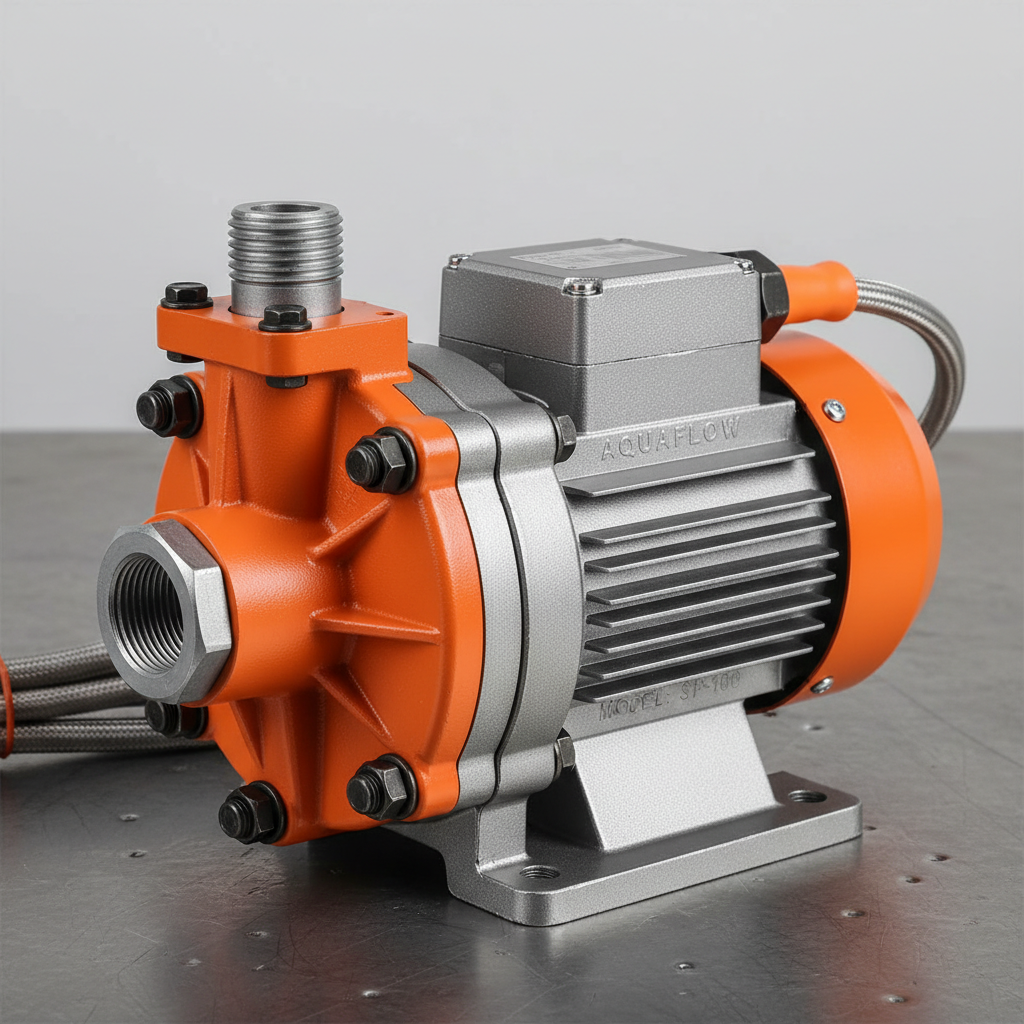 Choosing the Right Mini Submersible Fountain Pump for Optimal Water Feature PerformanceCreating a beautiful and relaxing water feature doesn't have to be complicated. A mini submersible fountain pump is the heart of any indoor or outdoor fountain, and selecting the right one is crucial for optimal performance and longevity. This article will guide you through the key considerations when choosing a mini submersible fountain pump, covering types, features, applications, and how to ensure you get the perfect pump for your project. We’ll also explore how Wellpumpact can provide you with the ideal solution.Detail
 Afrikaans
 Albanian
 Amharic
 Arabic
 Armenian
 Azerbaijani
 Basque
 Belarusian
 Bengali
 Bosnian
 Bulgarian
 Catalan
 Cebuano
 Corsican
 Croatian
 Czech
Czech
 Danish
 Dutch
Dutch
 Esperanto
 Estonian
 Finnish
 French
 Frisian
 Galician
 Georgian
 German
 Greek
Greek
 Gujarati
 Haitian Creole
 Hausa
Hausa
 Hawaiian
 Hebrew
 Hindi
Hindi
 Miao
Miao
 Hungarian
 Icelandic
 Igbo
Igbo
 Indonesian
 Irish
Irish
 Italian
 Japanese
 Javanese
 Kannada
 Kazakh
 Khmer
Khmer
 Rwandese
 Korean
 Kurdish
 Kyrgyz
 Lao
Lao
 Latin
Latin
 Latvian
 Lithuanian
 Luxembourgish
 Macedonian
 Malgashi
 Malay
Malay
 Malayalam
 Maltese
 Maori
Maori
 Marathi
 Mongolian
 Myanmar
 Nepali
 Norwegian
 Norwegian
 Occitan
 Pashto
 Persian
 Polish
 Portuguese
 Punjabi
 Romanian
 Russian
 Samoan
 Scottish Gaelic
 Serbian
 Sesotho
 Shona
Shona
 Sindhi
 Sinhala
 Slovak
 Slovenian
 Somali
 Spanish
 Sundanese
 Swahili
 Swedish
 Tagalog
 Tajik
Tajik
 Tamil
Tamil
 Tatar
Tatar
 Telugu
 Thai
Thai
 Turkish
 Turkmen
 Ukrainian
 Urdu
Urdu
 Uighur
 Uzbek
Uzbek
 Vietnamese
 Welsh
Welsh
 Bantu
Bantu
 Yiddish
 Yoruba
 Zulu
Zulu
 English