
Dec . 02, 2025 16:44 Back to list
Submarine Water Pump: Essential Technology for Global Water Access and Industry
Understanding the Submarine Water Pump and Its Global Significance
Water — essential, yet oddly unevenly distributed across the planet. As demands evolve, the technology delivering water where it’s needed must keep pace. The submarine water pump quietly plays a behind-the-scenes role in this global water logistics puzzle. From tapping underground aquifers on remote islands to supporting industrial zones miles offshore, these pumps bridge the distance between water sources and end-users in ways you might not have considered. This article peels back that layer, showing why this technology is pivotal worldwide and the benefits it offers when understood well.
Global Context: Why Submarine Water Pumps Matter Internationally
Globally, water scarcity affects over 2 billion people, according to the United Nations (UN). Simultaneously, industrial and agricultural sectors demand reliable water supplies, often in challenging environments. That’s where submarine water pumps come in — enabling efficient water extraction or transfer beneath water bodies, be it seas, lakes, or deep wells. These systems support everything from rural water supply initiatives to offshore energy platforms.
World Bank reports highlight that infrastructural challenges in fragile environments often stymie water access. Submarine water pumps address some of these hurdles by allowing versatile, scalable solutions. They provide crucial access in regions where conventional pumping isn’t feasible, such as submerged intakes or where water tables are uneven or deep underwater.
Oddly enough, despite their vital role, they remain less talked about outside engineering circles — yet the ripple effects of their reliability touch millions.
What Exactly Is a Submarine Water Pump?
In simple terms, a submarine water pump is a specialized pump designed to work underwater, often submerged entirely, to move or lift water or other fluids. Unlike regular pumps, these are engineered to withstand pressures, corrosion, and environmental challenges that come with prolonged underwater deployment.
They’re connected intimately with industries such as marine construction, offshore drilling, irrigation in coastal agriculture, and emergency water provision in flood-prone zones. Humanitarian organizations also increasingly rely on portable submarine pumps for disaster relief operations involving submerged water sources.
Core Components & Essential Features of Submarine Water Pumps
Durability
These pumps must resist saltwater corrosion (usually 316 stainless steel or special alloys) and mechanical wear. A durable seal system is vital to prevent water ingress that could fry the motor.
Power and Efficiency
Efficiency is crucial since many operate on limited power sources like solar panels or battery banks. Submarine pumps often come with energy-optimized motors ensuring prolonged operation without overheating.
Depth Capability
A core spec—some pumps work at depths as shallow as 5 meters; others, astonishingly, can function several hundred meters below the surface, depending on application.
Scalability and Customization
Manufacturers usually build modular designs allowing customization to flow rates or pressures required for different industries.
Maintenance & Accessibility
Since retrieval can be complicated, many pumps are designed for minimal servicing intervals and simple remote diagnostics.
| Feature | Specification | Notes |
|---|---|---|
| Max Depth | Up to 300 meters | Varies by model and motor type |
| Max Flow Rate | 500 liters/minute | Adjustable via impeller size |
| Material | 316 Stainless Steel / Composite | For corrosion resistance |
| Power Supply | Electric (AC/DC Solar Options) | Adapted for remote/offgrid use |
| Control Systems | Remote monitoring & automation | Reduces manual intervention |
Global Applications & Real-World Use Cases
The reach of submarine water pumps spans continents and industries. For instance, coastal agricultural regions from Southeast Asia to the Mediterranean use these pumps to draw irrigation water from beneath the sea—minimizing freshwater extraction from overburdened inland sources.
In post-disaster relief operations, NGOs deploy portable submarine pumps to restore water supplies quickly when conventional infrastructure is underwater or destroyed. Maritime industries use them extensively for ballast water transfer and underwater cooling systems. Industrial zones in remote oil or gas extraction sites rely on these pumps to manage reservoir water efficiently.
Vendor Comparison: Submarine Water Pumps
| Feature | AquaPump Co. | MarineFlow Ltd. | SubSea Dynamics |
|---|---|---|---|
| Max Depth | 250 m | 280 m | 300 m |
| Flow Rate | 450 L/min | 500 L/min | 480 L/min |
| Power Options | Solar, AC | DC, AC | Solar, DC, AC |
| Warranty | 3 Years | 2 Years | 5 Years |
| Remote Control | Yes | Limited | Yes |
Advantages & Long-Term Value of Submarine Water Pumps
First, there’s obvious cost efficiency—extracting water from submerged sources often removes the need for extensive piping or surface infrastructure. Submarine pumps reduce site disturbance, which boosts operational sustainability and community acceptance.
Safety is another big plus. By automating underwater pumping, fewer workers face risky manual water extraction. Emotionally, think about the dignity restored when communities gain dependable water access after a flood or drought. Innovation builds trust — it’s not just about pumping water; it’s connecting lives to solutions.
Emerging Trends & Innovations in Submarine Water Pumps
Green technology is a big driver these days. New pumps integrate solar-powered motors and smart sensors that cut unnecessary running time and detect anomalies before failure. Materials science brings better composites resistant to biofouling – that slimy stuff that can clog pumps.
Automation is another frontier. IoT-enabled pumps allow remote startups, shutoffs, and data tracking for predictive maintenance. Policymakers are encouraging these innovations as part of sustainable water management frameworks, notably under ISO environmental standards.
Challenges and Expert Solutions
Of course, no technology is perfect. Common issues include mechanical seal failures, power source dependency, and difficulties in installation or retrieval. Experts recommend redundant systems and modular parts that can be replaced quickly on site.
Some engineers advise hybrid pump systems pairing underwater and surface units for versatility. Remote diagnostics reduce downtime dramatically. Also, expanding training for local technicians builds resilience in communities relying on these pumps.
FAQ: Your Practical Questions About Submarine Water Pumps
- Q: How deep can submarine water pumps safely operate?
A: Depth capabilities vary, but many standard pumps can operate safely up to 300 meters. Specialized models handle deeper deployments with reinforced components to withstand high pressures. - Q: Are submarine pumps energy-efficient for off-grid use?
A: Yes, many are designed for low power consumption and often integrate solar or battery options to operate reliably off-grid, which is ideal for remote or disaster-stricken areas. - Q: What maintenance does a submarine water pump require?
A: While built for durability, routine checks of seals, impellers, and motor performance are recommended, usually every 6-12 months, depending on use. Remote monitoring helps catch issues early. - Q: Can these pumps handle salty seawater?
A: Absolutely. Materials like 316 stainless steel or special composites protect against corrosion, enabling long-term operation in marine environments.
Conclusion: Why Investing in Submarine Water Pumps Makes Sense
To wrap up, submarine water pumps represent a cornerstone technology in ensuring resilient and sustainable water access globally. They support industries, communities, and emergency missions alike — balancing durability, efficiency, and innovation in one package. If you’re looking for reliable solutions that can adapt to challenging underwater environments, it’s worth exploring the options and expert advice on our website.
Mini takeaway: The submarine water pump is more than a machine — it's a quiet guardian of water security beneath the waves.
References
-
Understanding the Price Submersible Pump and Buyer Guide
NewsApr.16,2026
-
Factors Affecting the Price for Submersible Pump a Buyers Guide
NewsApr.09,2026
-
Choosing the Right Mini Submersible Fountain Pump for Optimal Water Feature Performance
NewsApr.07,2026
-
A Detailed Guide to Installing a Submersible Pump for Optimal Performance
NewsApr.04,2026
-
Comprehensive Guide on How to Test a Submersible Water Well Pump Effectively
NewsMar.31,2026
-
Learn How to Replace a Submersible Well Pump Safely and Effectively
NewsMar.28,2026
-
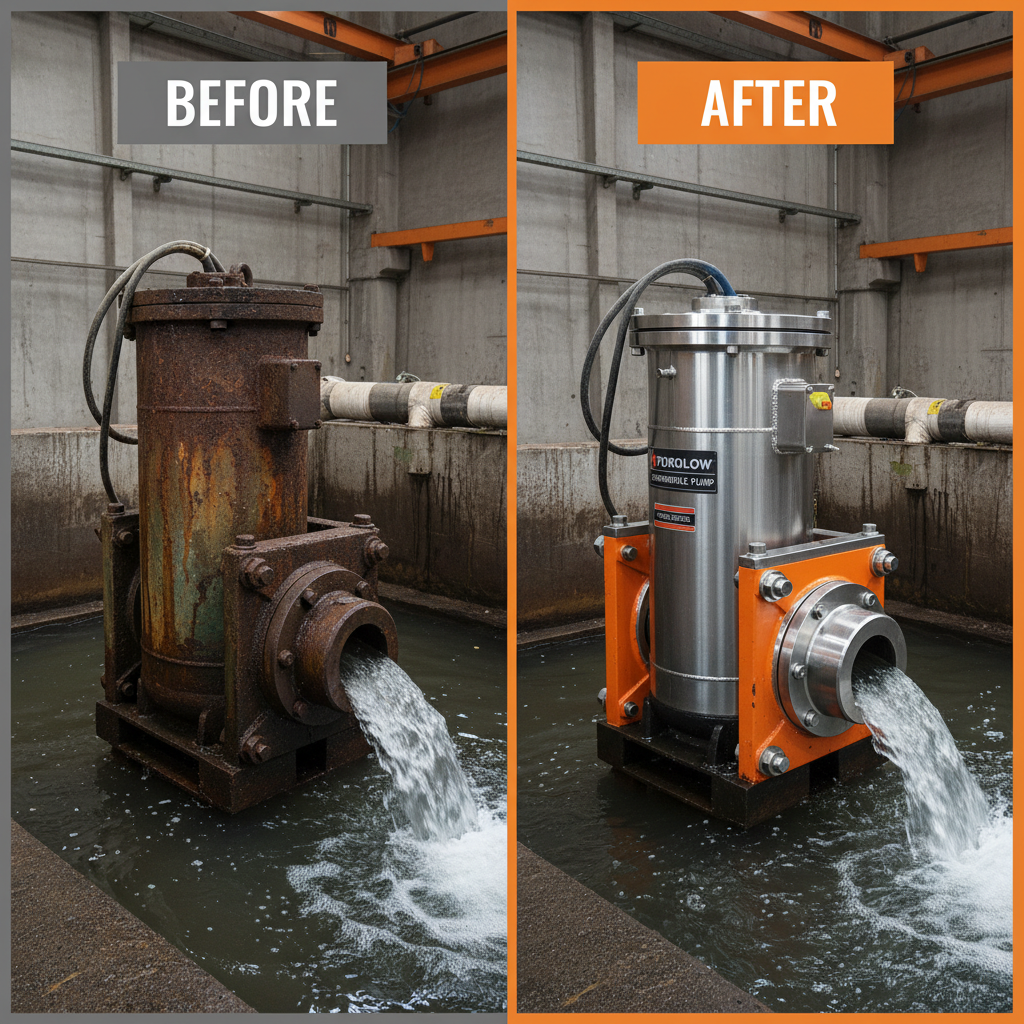 Understanding the Price Submersible Pump and Buyer GuideWhen searching for the ideal water management solution, understanding the price submersible pump options is crucial for balancing budget with performance. Whether you are dealing with a flooded basement, managing agricultural irrigation, or extracting water from a deep well, the cost of a submersible pump can vary significantly based on its build quality and capacity. Investing in a high-quality pump ensures long-term reliability and reduces the frequency of expensive replacements. In this guide, we will break down the factors that influence pricing and help you make an informed decision for your specific needs.Detail
 -
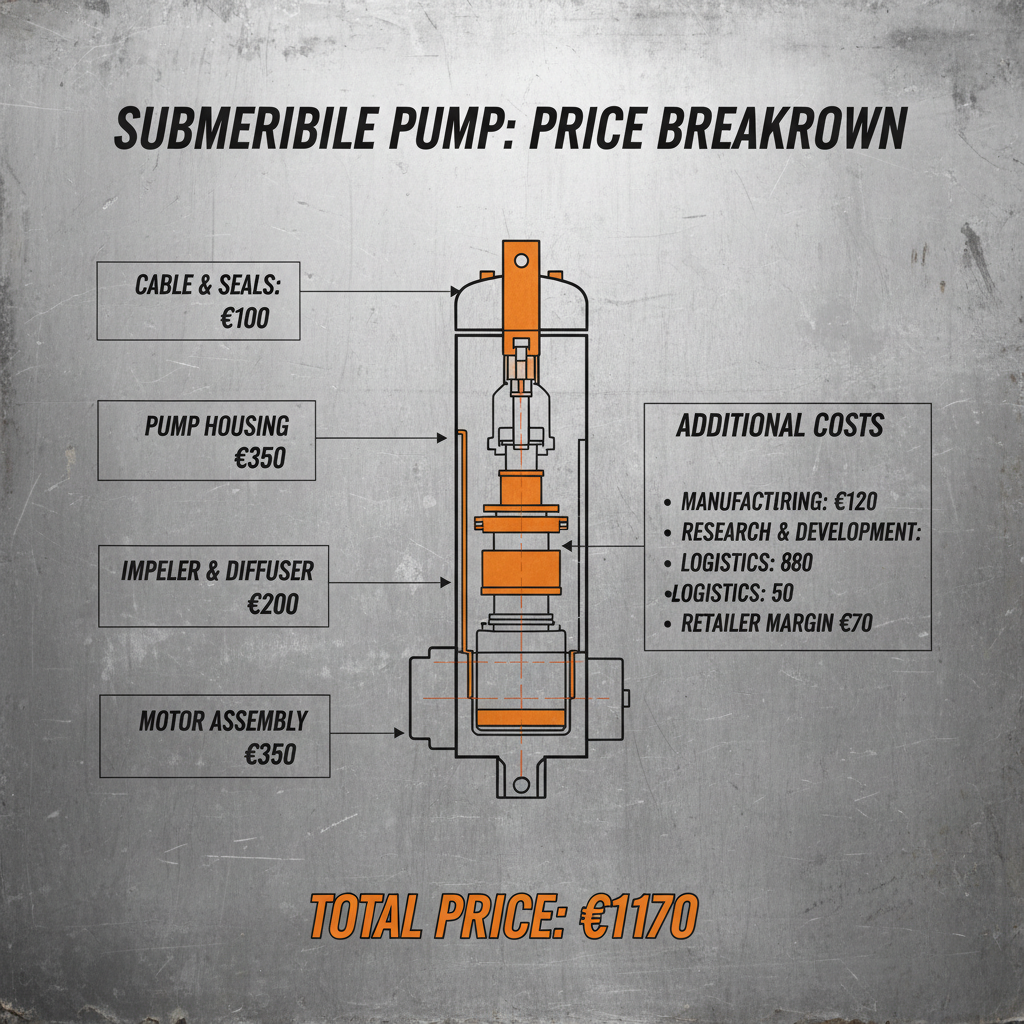 Factors Affecting the Price for Submersible Pump a Buyers GuideWhen investing in water management systems, understanding the price for submersible pump options is essential for balancing performance with budget. Whether you are managing a residential well, an industrial drainage project, or agricultural irrigation, the cost of a pump is rarely a flat fee; it is a reflection of the engineering, materials, and capacity required for your specific environment. In this guide, we will break down the factors that influence pricing and help you determine the best value for your investment to ensure long-term reliability and efficiency.Detail
 -
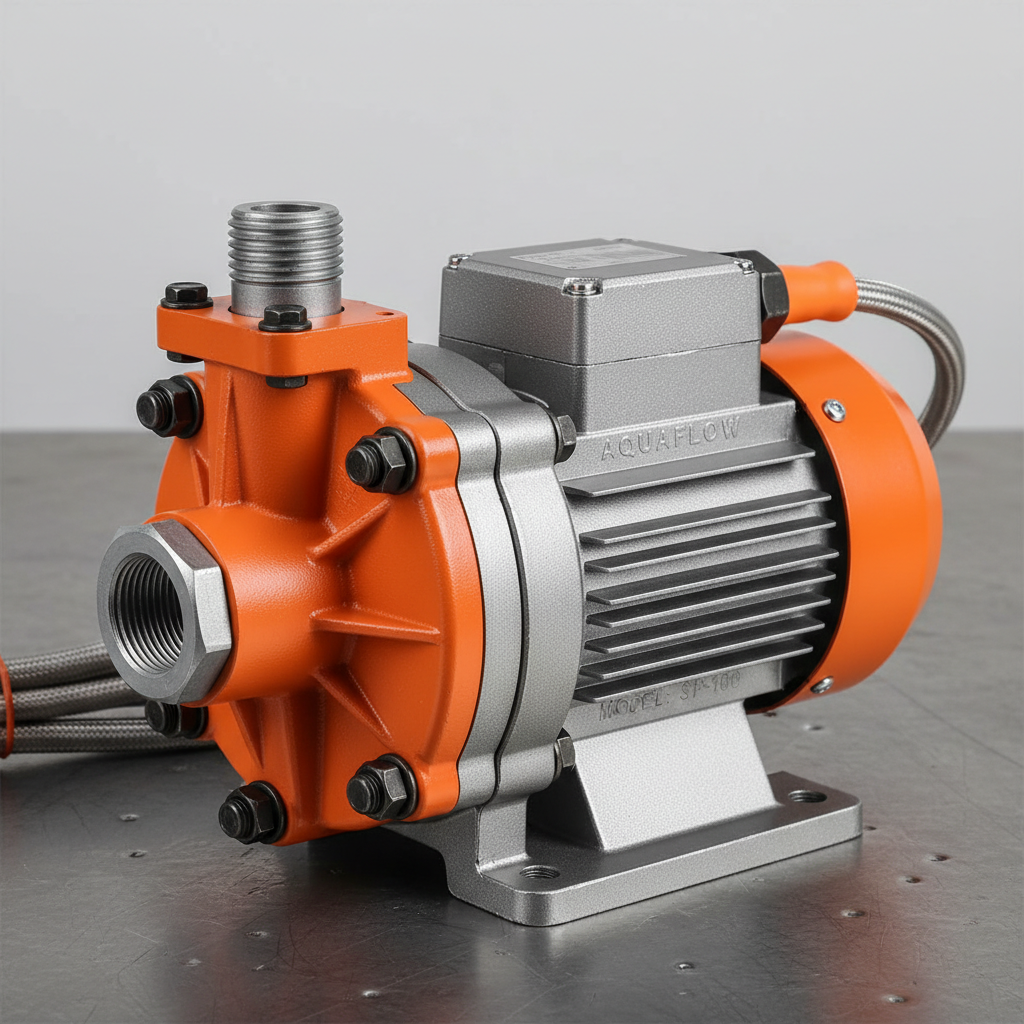 Choosing the Right Mini Submersible Fountain Pump for Optimal Water Feature PerformanceCreating a beautiful and relaxing water feature doesn't have to be complicated. A mini submersible fountain pump is the heart of any indoor or outdoor fountain, and selecting the right one is crucial for optimal performance and longevity. This article will guide you through the key considerations when choosing a mini submersible fountain pump, covering types, features, applications, and how to ensure you get the perfect pump for your project. We’ll also explore how Wellpumpact can provide you with the ideal solution.Detail
 Afrikaans
 Albanian
 Amharic
 Arabic
 Armenian
 Azerbaijani
 Basque
 Belarusian
 Bengali
 Bosnian
 Bulgarian
 Catalan
 Cebuano
 Corsican
 Croatian
 Czech
Czech
 Danish
 Dutch
Dutch
 Esperanto
 Estonian
 Finnish
 French
 Frisian
 Galician
 Georgian
 German
 Greek
Greek
 Gujarati
 Haitian Creole
 Hausa
Hausa
 Hawaiian
 Hebrew
 Hindi
Hindi
 Miao
Miao
 Hungarian
 Icelandic
 Igbo
Igbo
 Indonesian
 Irish
Irish
 Italian
 Japanese
 Javanese
 Kannada
 Kazakh
 Khmer
Khmer
 Rwandese
 Korean
 Kurdish
 Kyrgyz
 Lao
Lao
 Latin
Latin
 Latvian
 Lithuanian
 Luxembourgish
 Macedonian
 Malgashi
 Malay
Malay
 Malayalam
 Maltese
 Maori
Maori
 Marathi
 Mongolian
 Myanmar
 Nepali
 Norwegian
 Norwegian
 Occitan
 Pashto
 Persian
 Polish
 Portuguese
 Punjabi
 Romanian
 Russian
 Samoan
 Scottish Gaelic
 Serbian
 Sesotho
 Shona
Shona
 Sindhi
 Sinhala
 Slovak
 Slovenian
 Somali
 Spanish
 Sundanese
 Swahili
 Swedish
 Tagalog
 Tajik
Tajik
 Tamil
Tamil
 Tatar
Tatar
 Telugu
 Thai
Thai
 Turkish
 Turkmen
 Ukrainian
 Urdu
Urdu
 Uighur
 Uzbek
Uzbek
 Vietnamese
 Welsh
Welsh
 Bantu
Bantu
 Yiddish
 Yoruba
 Zulu
Zulu
 English