
Aug . 31, 2024 08:30 Back to list
dirty water pump
The Importance of Dirty Water Pumps in Environmental Management
In today's rapidly industrializing world, access to clean water is becoming a crucial issue for communities, especially in developing countries. While water is vital for human survival and environmental sustainability, not all water sources are pristine. This is where dirty water pumps come into play, serving as essential tools for managing wastewater, floodwater, and other contaminated resources.
Dirty water pumps are specifically designed for handling liquids that contain solids or impurities. Unlike standard water pumps, which are generally used for clean water applications, dirty water pumps can efficiently manage fluids that may include mud, debris, and other particulates. This versatility makes them indispensable in various sectors such as agriculture, construction, and municipal services.
One of the primary applications of dirty water pumps is in the construction industry
. During excavation or site preparation, natural rainfall or ground seepage can lead to the accumulation of muddy water in pits and trenches. Using a dirty water pump allows construction teams to efficiently remove this water, which prevents delays in the project timeline and ensures the safety of workers.In agricultural settings, farmers often face the challenge of managing excess water after heavy rains or irrigation periods. Dirty water pumps can help remove standing water from fields, preventing crop damage and promoting healthier soil conditions. Additionally, they can be used to drain water from livestock areas, ensuring sanitary conditions for animals and reducing the risk of disease outbreaks.
dirty water pump

Municipalities, too, rely on dirty water pumps for effective wastewater management. Treatment plants often use these pumps to transport contaminated water to treatment facilities, where it can be purified and safely returned to the environment. In the case of flooding, dirty water pumps are critical in alleviating water accumulation in urban areas, protecting homes, and preventing waterborne diseases.
Moreover, the advent of technology has led to significant advancements in dirty water pump design. Modern pumps are increasingly efficient, durable, and capable of handling larger volumes of waste. Features such as automatic shut-off systems and clog resistance are becoming standard, making these tools not only more effective but also easier to operate.
However, despite their usefulness, it is essential to recognize that the ultimate goal should be the reduction of dirty water sources. Preventive measures, including better waste management practices, rainwater harvesting, and pollution control, are necessary to minimize the generation of dirty water. Investing in infrastructure that promotes clean water access and sustainable practices can significantly reduce the demand for dirty water pumps in the long term.
In conclusion, dirty water pumps play a vital role in managing contaminated water across multiple sectors. Their ability to quickly remove excess water and debris facilitates essential operations in construction, agriculture, and municipal services. While these pumps provide immediate solutions, fostering sustainable water management practices remains crucial for ensuring a clean water future. As we harness technology and innovation, we can optimize the use of dirty water pumps while striving for a healthier planet.
-
Understanding the Price Submersible Pump and Buyer Guide
NewsApr.16,2026
-
Factors Affecting the Price for Submersible Pump a Buyers Guide
NewsApr.09,2026
-
Choosing the Right Mini Submersible Fountain Pump for Optimal Water Feature Performance
NewsApr.07,2026
-
A Detailed Guide to Installing a Submersible Pump for Optimal Performance
NewsApr.04,2026
-
Comprehensive Guide on How to Test a Submersible Water Well Pump Effectively
NewsMar.31,2026
-
Learn How to Replace a Submersible Well Pump Safely and Effectively
NewsMar.28,2026
-
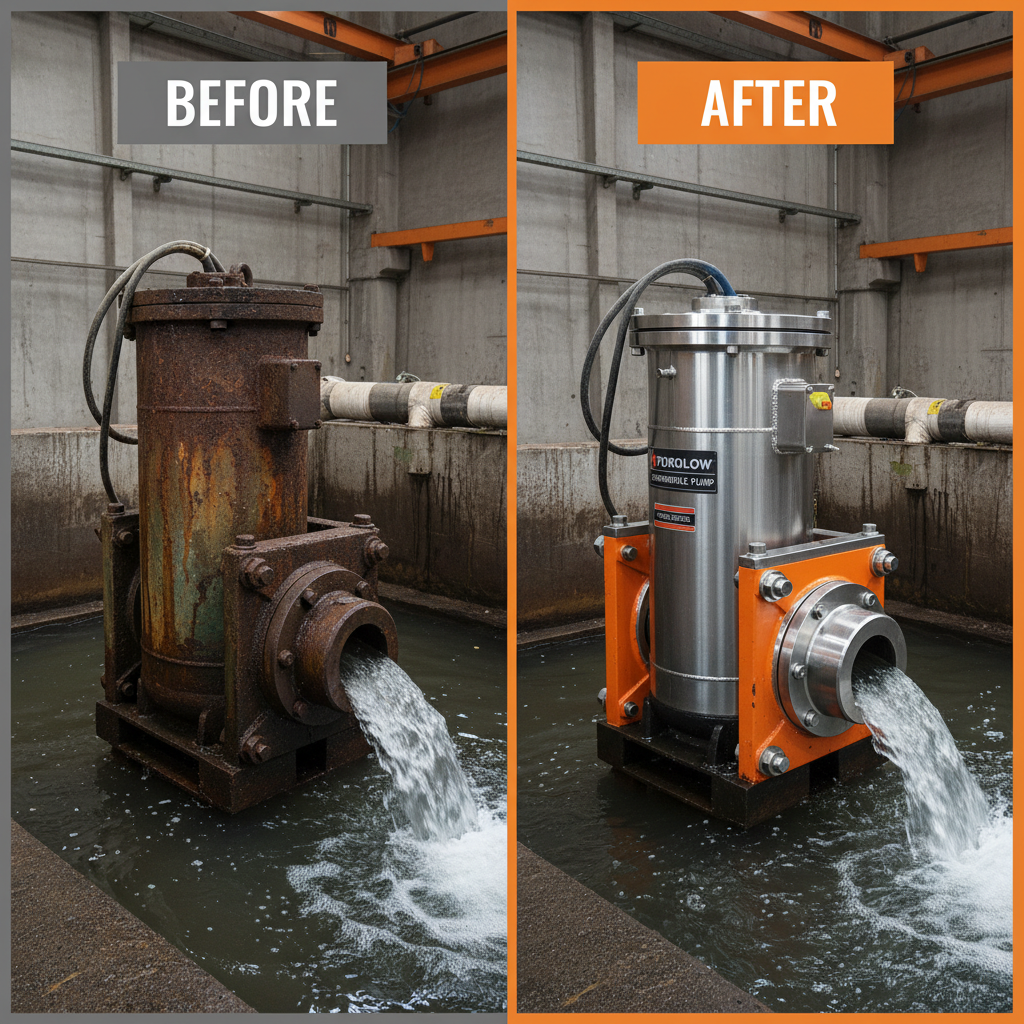 Understanding the Price Submersible Pump and Buyer GuideWhen searching for the ideal water management solution, understanding the price submersible pump options is crucial for balancing budget with performance. Whether you are dealing with a flooded basement, managing agricultural irrigation, or extracting water from a deep well, the cost of a submersible pump can vary significantly based on its build quality and capacity. Investing in a high-quality pump ensures long-term reliability and reduces the frequency of expensive replacements. In this guide, we will break down the factors that influence pricing and help you make an informed decision for your specific needs.Detail
 -
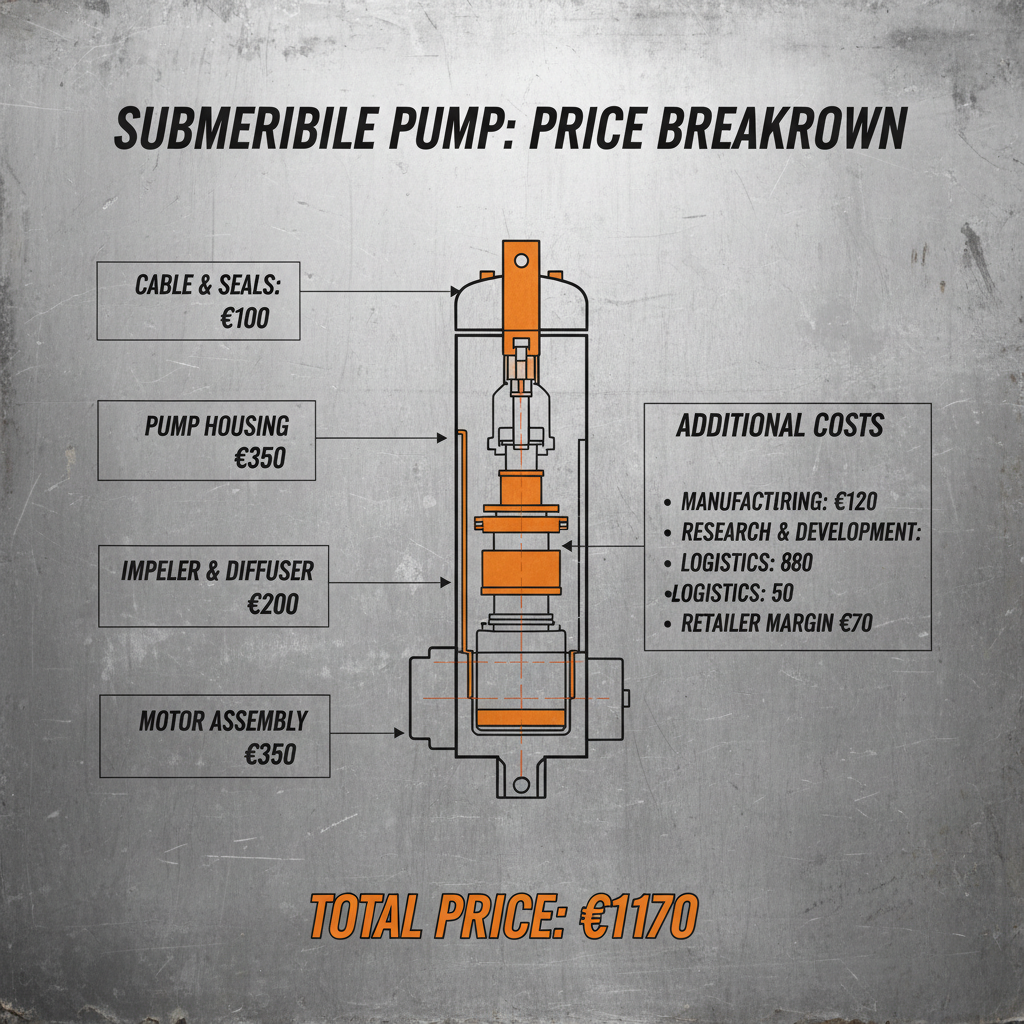 Factors Affecting the Price for Submersible Pump a Buyers GuideWhen investing in water management systems, understanding the price for submersible pump options is essential for balancing performance with budget. Whether you are managing a residential well, an industrial drainage project, or agricultural irrigation, the cost of a pump is rarely a flat fee; it is a reflection of the engineering, materials, and capacity required for your specific environment. In this guide, we will break down the factors that influence pricing and help you determine the best value for your investment to ensure long-term reliability and efficiency.Detail
 -
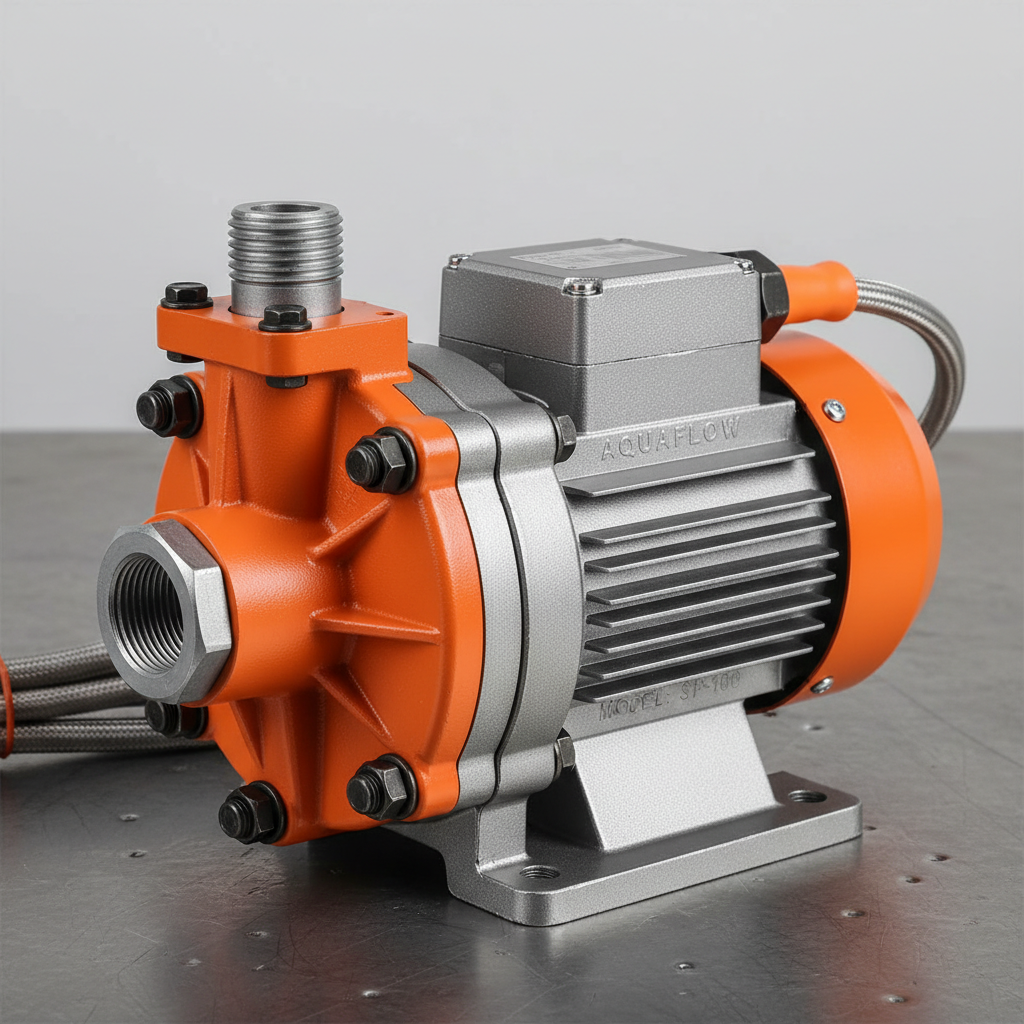 Choosing the Right Mini Submersible Fountain Pump for Optimal Water Feature PerformanceCreating a beautiful and relaxing water feature doesn't have to be complicated. A mini submersible fountain pump is the heart of any indoor or outdoor fountain, and selecting the right one is crucial for optimal performance and longevity. This article will guide you through the key considerations when choosing a mini submersible fountain pump, covering types, features, applications, and how to ensure you get the perfect pump for your project. We’ll also explore how Wellpumpact can provide you with the ideal solution.Detail
 Afrikaans
 Albanian
 Amharic
 Arabic
 Armenian
 Azerbaijani
 Basque
 Belarusian
 Bengali
 Bosnian
 Bulgarian
 Catalan
 Cebuano
 Corsican
 Croatian
 Czech
Czech
 Danish
 Dutch
Dutch
 Esperanto
 Estonian
 Finnish
 French
 Frisian
 Galician
 Georgian
 German
 Greek
Greek
 Gujarati
 Haitian Creole
 Hausa
Hausa
 Hawaiian
 Hebrew
 Hindi
Hindi
 Miao
Miao
 Hungarian
 Icelandic
 Igbo
Igbo
 Indonesian
 Irish
Irish
 Italian
 Japanese
 Javanese
 Kannada
 Kazakh
 Khmer
Khmer
 Rwandese
 Korean
 Kurdish
 Kyrgyz
 Lao
Lao
 Latin
Latin
 Latvian
 Lithuanian
 Luxembourgish
 Macedonian
 Malgashi
 Malay
Malay
 Malayalam
 Maltese
 Maori
Maori
 Marathi
 Mongolian
 Myanmar
 Nepali
 Norwegian
 Norwegian
 Occitan
 Pashto
 Persian
 Polish
 Portuguese
 Punjabi
 Romanian
 Russian
 Samoan
 Scottish Gaelic
 Serbian
 Sesotho
 Shona
Shona
 Sindhi
 Sinhala
 Slovak
 Slovenian
 Somali
 Spanish
 Sundanese
 Swahili
 Swedish
 Tagalog
 Tajik
Tajik
 Tamil
Tamil
 Tatar
Tatar
 Telugu
 Thai
Thai
 Turkish
 Turkmen
 Ukrainian
 Urdu
Urdu
 Uighur
 Uzbek
Uzbek
 Vietnamese
 Welsh
Welsh
 Bantu
Bantu
 Yiddish
 Yoruba
 Zulu
Zulu
 English