
Dec . 03, 2025 11:56 Back to list
How to Remove a Submersible Well Pump - Expert Guide
How to Remove a Submersible Well Pump: A Field-Proven Guide
Having spent over a decade in the industrial equipment sector—mostly dealing with water systems and well pumps—I’ve come to appreciate how crucial the removal process of a submersible well pump is for any maintenance or replacement job. It’s not just about yanking a pump out of the hole; frankly, it’s more like a delicate dance between knowing your equipment, respecting the well, and planning ahead.
Submersible well pumps are marvels of engineering, designed to provide reliable, long-term water extraction from deep wells. But, as with anything mechanical, sometimes you have to take them out to check for wear, replace parts, or upgrade the system. That’s where the question of how to remove a submersible well pump becomes essential—done wrong, and you risk damaging the pump or the well itself.
First off, the variety of pumps on the market can make the removal process feel overwhelming, but if you understand the basics, it gets easier. Most submersible pumps consist of a pump bowl assembly at the bottom, a motor section above it, and a column pipe or cable running to the surface control box. Key to success is always knowing your pump model specs—different models require slightly different approaches.
| Specification | Typical Range / Detail |
|---|---|
| Pump Type | Multi-stage centrifugal |
| Motor Power | 0.75 - 15 HP |
| Cable Length | Varies by well depth (up to 500 ft common) |
| Material | Stainless steel and corrosion resistant polymers |
| Typical Lifespan | 10-15 years (with proper care) |
Removing a submersible pump usually starts with disconnecting power—obviously, safety first. Then, you’ll want to detach the discharge pipe and any electrical cables carefully. I remember a job where the cables were so corroded that we had to replace the entire wiring harness. Always inspect those components; skipping it can lead to headaches later on.
Once disconnected, you’ll need a sturdy, purpose-built pump extractor or a strong safety rope attached to the pump’s lifting bail. I suppose many folks underestimate the importance of solid rigging gear here—oddly enough, it’s one of the biggest causes of dropped pumps or damage to the well casing. In real terms, pulling too hard or at the wrong angle can twist the pump’s impellers or shear the cable.
Here's a simple vendor comparison I've often referenced when deciding on extraction tools or pumps. Each vendor has its pros and cons, and I've included my own notes based on field experience:
| Vendor | Pump Quality | Extraction Tools | Customer Support | Notes |
|---|---|---|---|---|
| WellPumpCo | High reliability | Robust extractors | Responsive | Great warranty coverage |
| PumpMasters | Good, mid-range | Adequate tools | Average | Affordable pricing |
| AquaTech | Premium design | Specialized extractors | Excellent | Best for deep wells |
Something I’ve learned over the years is to always prepare for surprises. For example, some wells accumulate mineral deposits or sediment that can grit the seals, making extraction tougher than a straightforward pull. There was a time when a well’s cable had fused slightly to the pump housing—unscrewing and gentle tapping saved the day, but that sort of thing isn’t always obvious when you start.
Remember, the goal is to preserve your pump and well components while getting the pump out safely. Once removed, check all parts methodically: the impellers (they often wear fastest), motor condition, and cable integrity. If there are signs of wear or corrosion, now is your chance to get replacements or schedule professional refurbishment.
Even after many removals, I still find the process rewarding—there’s a satisfying blend of physical work and technical know-how, and each job has its unique quirks. If you want to dive deeper, I recommend resources like Well Pump ACT, which is a great place for updated info and advice on pumps, including detailed removal techniques.
So, the next time you face that well pump removal project, take it slow, use the right gear, and don’t be afraid to reach out to experts. It feels like with water systems, patience always pays off.
In a nutshell: a careful, well-informed approach to removing a submersible well pump keeps your system running longer and saves you from downtime headaches.
References
- "Water Well Pumps: Selection and Maintenance," Industrial Pumps Journal, 2021.
- Internal Field Guides and OEM manuals from major pump manufacturers.
- "Best Practices for Submersible Motor and Pump Removal," PumpTech Workshop Series, 2019.
-
Understanding the Price Submersible Pump and Buyer Guide
NewsApr.16,2026
-
Factors Affecting the Price for Submersible Pump a Buyers Guide
NewsApr.09,2026
-
Choosing the Right Mini Submersible Fountain Pump for Optimal Water Feature Performance
NewsApr.07,2026
-
A Detailed Guide to Installing a Submersible Pump for Optimal Performance
NewsApr.04,2026
-
Comprehensive Guide on How to Test a Submersible Water Well Pump Effectively
NewsMar.31,2026
-
Learn How to Replace a Submersible Well Pump Safely and Effectively
NewsMar.28,2026
-
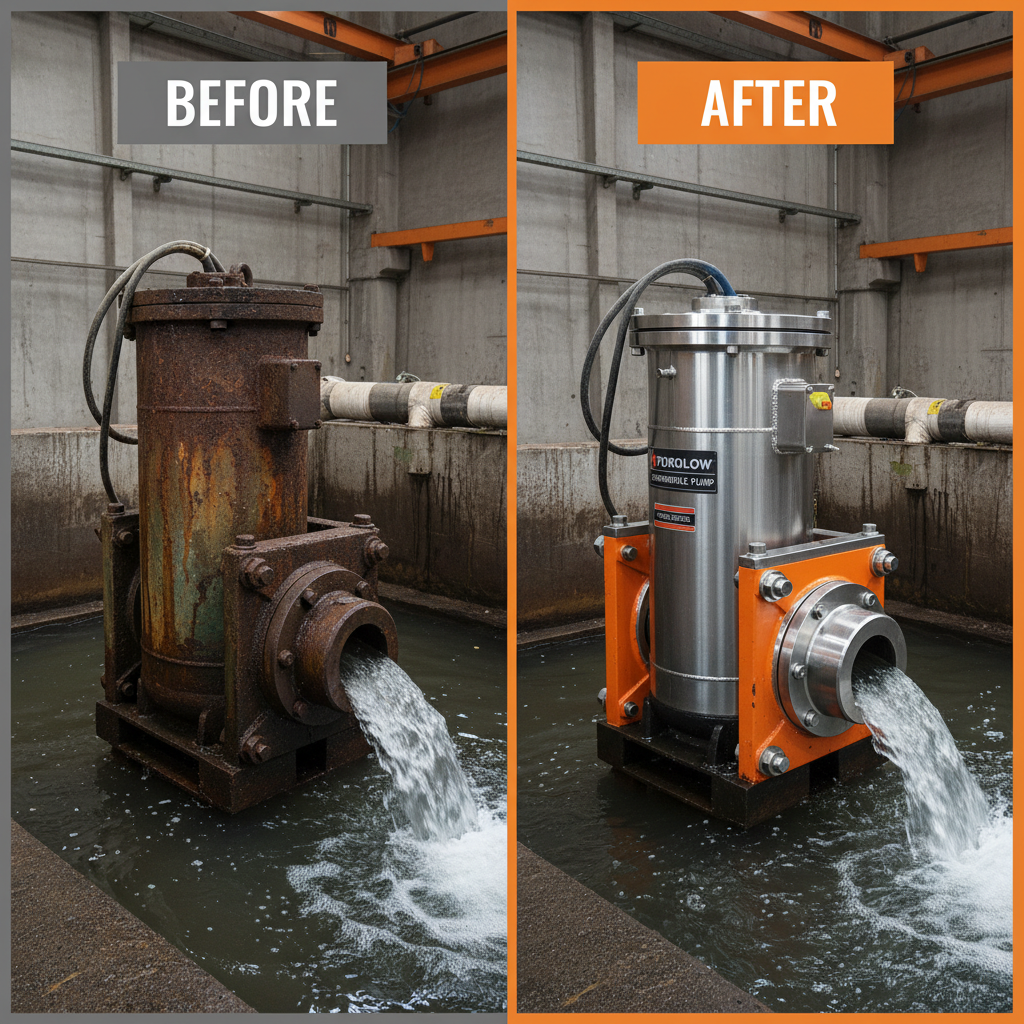 Understanding the Price Submersible Pump and Buyer GuideWhen searching for the ideal water management solution, understanding the price submersible pump options is crucial for balancing budget with performance. Whether you are dealing with a flooded basement, managing agricultural irrigation, or extracting water from a deep well, the cost of a submersible pump can vary significantly based on its build quality and capacity. Investing in a high-quality pump ensures long-term reliability and reduces the frequency of expensive replacements. In this guide, we will break down the factors that influence pricing and help you make an informed decision for your specific needs.Detail
 -
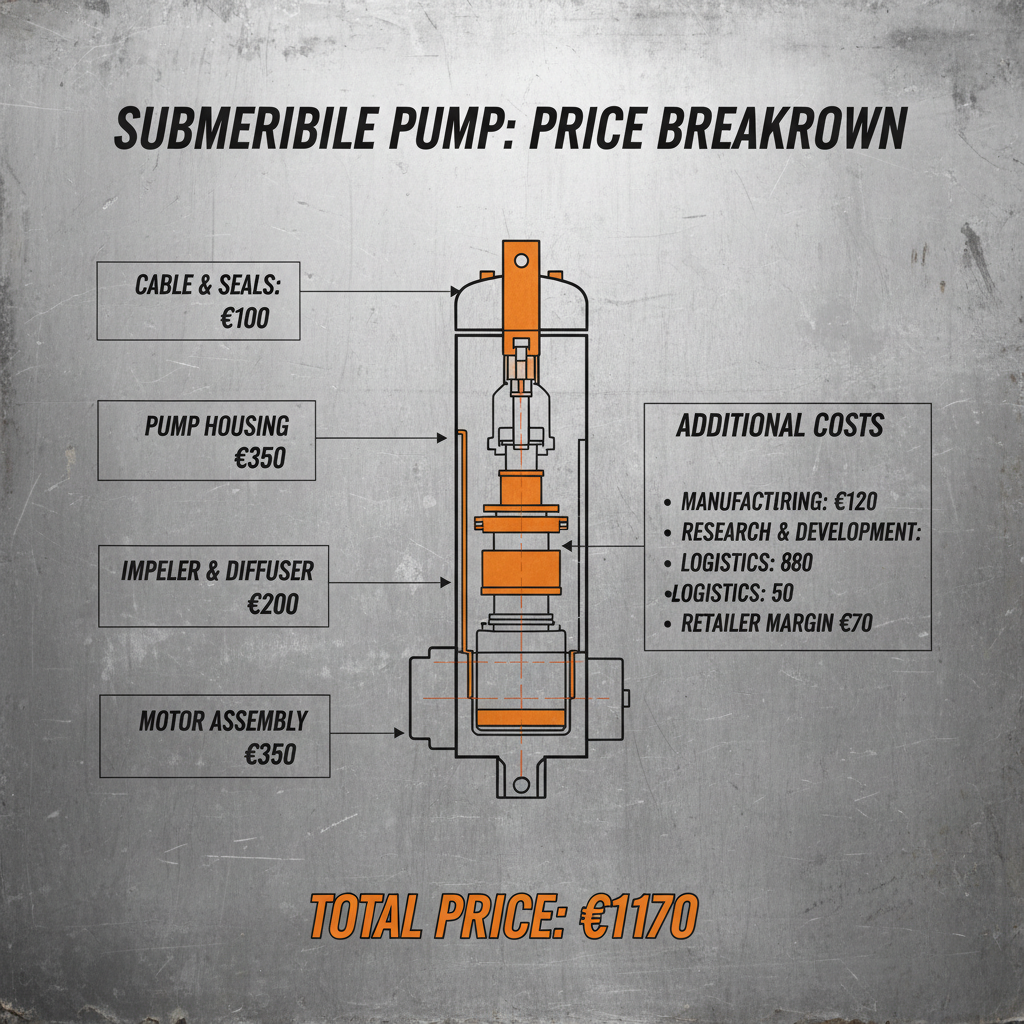 Factors Affecting the Price for Submersible Pump a Buyers GuideWhen investing in water management systems, understanding the price for submersible pump options is essential for balancing performance with budget. Whether you are managing a residential well, an industrial drainage project, or agricultural irrigation, the cost of a pump is rarely a flat fee; it is a reflection of the engineering, materials, and capacity required for your specific environment. In this guide, we will break down the factors that influence pricing and help you determine the best value for your investment to ensure long-term reliability and efficiency.Detail
 -
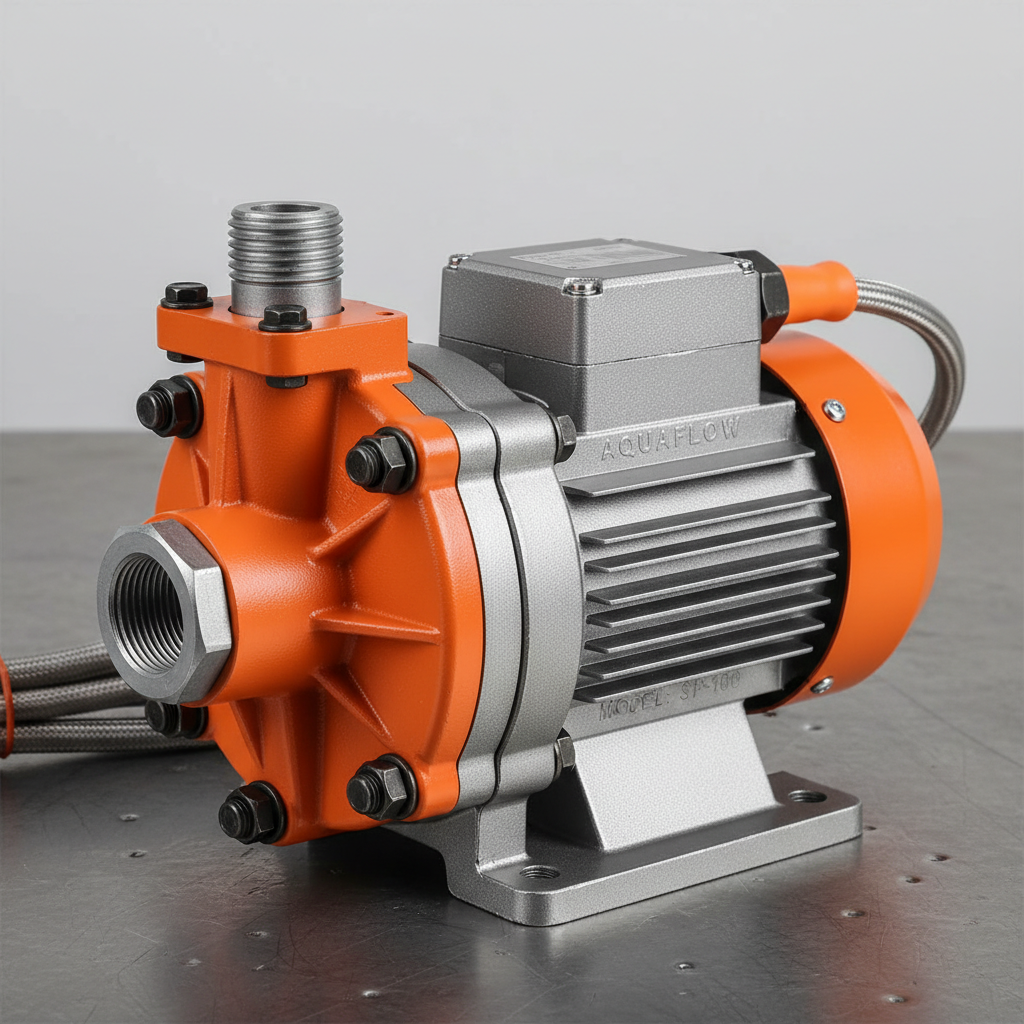 Choosing the Right Mini Submersible Fountain Pump for Optimal Water Feature PerformanceCreating a beautiful and relaxing water feature doesn't have to be complicated. A mini submersible fountain pump is the heart of any indoor or outdoor fountain, and selecting the right one is crucial for optimal performance and longevity. This article will guide you through the key considerations when choosing a mini submersible fountain pump, covering types, features, applications, and how to ensure you get the perfect pump for your project. We’ll also explore how Wellpumpact can provide you with the ideal solution.Detail
 Afrikaans
 Albanian
 Amharic
 Arabic
 Armenian
 Azerbaijani
 Basque
 Belarusian
 Bengali
 Bosnian
 Bulgarian
 Catalan
 Cebuano
 Corsican
 Croatian
 Czech
Czech
 Danish
 Dutch
Dutch
 Esperanto
 Estonian
 Finnish
 French
 Frisian
 Galician
 Georgian
 German
 Greek
Greek
 Gujarati
 Haitian Creole
 Hausa
Hausa
 Hawaiian
 Hebrew
 Hindi
Hindi
 Miao
Miao
 Hungarian
 Icelandic
 Igbo
Igbo
 Indonesian
 Irish
Irish
 Italian
 Japanese
 Javanese
 Kannada
 Kazakh
 Khmer
Khmer
 Rwandese
 Korean
 Kurdish
 Kyrgyz
 Lao
Lao
 Latin
Latin
 Latvian
 Lithuanian
 Luxembourgish
 Macedonian
 Malgashi
 Malay
Malay
 Malayalam
 Maltese
 Maori
Maori
 Marathi
 Mongolian
 Myanmar
 Nepali
 Norwegian
 Norwegian
 Occitan
 Pashto
 Persian
 Polish
 Portuguese
 Punjabi
 Romanian
 Russian
 Samoan
 Scottish Gaelic
 Serbian
 Sesotho
 Shona
Shona
 Sindhi
 Sinhala
 Slovak
 Slovenian
 Somali
 Spanish
 Sundanese
 Swahili
 Swedish
 Tagalog
 Tajik
Tajik
 Tamil
Tamil
 Tatar
Tatar
 Telugu
 Thai
Thai
 Turkish
 Turkmen
 Ukrainian
 Urdu
Urdu
 Uighur
 Uzbek
Uzbek
 Vietnamese
 Welsh
Welsh
 Bantu
Bantu
 Yiddish
 Yoruba
 Zulu
Zulu
 English