
Nov . 17, 2025 14:30 Back to list
Reliable Dirty Water Pumps for Industrial & Humanitarian Needs | WellPumpAct
What Exactly Is a Dirty Water Pump and Why You Should Care
Dirty water pumps might not grab headlines like cutting-edge tech or flashy gadgets, but their role in the world is quietly crucial—and frankly, sometimes lifesaving. Across industries and humanitarian efforts, these pumps handle water that's... well, less than pristine. Whether it’s water mixed with sediment, sludge, or debris, dirty water pumps tackle the tough stuff, keeping operations running smoothly and communities safe.
Understanding how dirty water pumps work, where they’re used, and why they matter globally offers insight not only into engineering feats but also the practical solutions to real-world challenges: flood control, wastewater management, disaster recovery—the list goes on. Stick around; it’s worth the dive.
The Global Importance of Dirty Water Pumps
Globally, access to clean water remains a vast challenge. According to the United Nations, around 2.2 billion people lack access to safely managed drinking water services. But before starting that somewhat utopian dream of crystal-clear taps everywhere, dirty water pumps come into play to move contaminated or sediment-heavy water away from living and working areas.
Industrial sectors from mining to construction also depend on reliable pumps that can handle sludge, mud, or mixed water with debris. The World Bank reports that urban flooding already affects hundreds of millions worldwide annually, and amid climate change, the frequency of such events is rising. Dirty water pumps are a frontline tool mitigating these challenges, preventing damage and providing critical cleanup capabilities.
Simply put: whether in disaster zones, industrial sites, or municipal infrastructure, dirty water pump technology helps people manage tough, messy water safely and efficiently.
Defining Dirty Water Pumps in Plain Terms
So, what is a dirty water pump precisely? At its core, it’s a pump engineered to move water containing solids—whether that’s mud, sand, small rocks, plant material, or sewage matter. Unlike standard clean water pumps that risk clogging or damage when exposed to debris, dirty water pumps are designed with larger passages and tougher components to handle this gritty traffic.
In both humanitarian contexts, like post-flood recovery, and in heavy-duty industry sites, these pumps keep things flowing when clean water pumps would simply choke. Think of them as the specialized off-road vehicles of the pumping world, built to perform where the terrain gets messy.
Key Features of Dirty Water Pumps That Matter
Durability
Dirty water pumps face some of the harshest environments imaginable. Robust construction materials—often high-grade stainless steel or reinforced composites—protect against corrosion and abrasion. I’ve seen some pumps running year-round in mining pits, and they still don’t blink an eye at gravel-heavy water.
Size & Scalability
From small portable units for emergency relief teams to massive industrial giants pumping thousands of gallons per minute, dirty water pumps come in all sizes. Scalability matters because solutions need to fit contexts: a flooded basement or an entire municipal sewage plant.
Cost Efficiency
It’s tempting to think “you get what you pay for,” but manufacturers today focus heavily on value. Pumps that minimize maintenance downtime and maximize energy efficiency deliver the best bang for the buck—especially in places where power is scarce or expensive.
Maintenance & Ease of Use
Often deployed under pressure, easy-to-service dirty water pumps reduce operational headaches. Quick access to wear parts and simple clog clearance designs are appreciated by both field engineers and relief workers.
Adaptability
Some models have adjustable impellers or variable speed drives, allowing operators to tune performance to the exact requirements of the dirty water being pumped. It’s a small detail but a real game-changer out in the field.
Typical Applications and Real-World Use Cases
Across continents and industries, dirty water pumps work tirelessly. Here are a few highlights:
- Post-Disaster Relief: After floods or hurricanes, these pumps help evacuate floodwaters mixed with debris, preventing disease and infrastructure damage.
- Mining and Construction: Moving slurry, mud, and other byproducts that would clog standard pumps.
- Municipal Sewage and Wastewater: Integral to treatment plants, moving solids-laden water safely.
- Agriculture and Irrigation: Managing irrigation runoff that often contains soil and organic matter.
Regions like Southeast Asia, Africa, and parts of South America—which experience frequent flooding or lack advanced infrastructure—rely heavily on rugged, affordable pumps that can be deployed quickly and sustained easily.
Dirty Water Pump Specifications: A Snapshot
| Specification | Typical Range | Notes |
|---|---|---|
| Flow Rate | 50 - 5000 GPM (gallons per minute) | Varies by model size |
| Max Particle Size | 1-3 inches | Critical for avoiding clogging |
| Power Source | Electric, Diesel, Hydraulic | Depends on deployment environment |
| Material | Stainless steel, Cast iron, Polyurethane | Corrosion and abrasion resistance |
| Weight | 50 - 2000 kg | Portable to stationary units |
Comparing Top Dirty Water Pump Vendors
| Vendor | Specialty | Typical Use | Price Range (USD) |
|---|---|---|---|
| AquaFlow Tech | Heavy-duty mining pumps | Industrial and mining sites | $3,000 - $25,000 |
| PurePump Systems | Portable emergency units | Disaster relief, municipalities | $500 - $6,000 |
| EnviroPump Inc. | Sustainable, electric-powered | Green energy facilities | $4,000 - $18,000 |
Why Dirty Water Pumps Deliver Long-Term Value
From a business perspective, investing in dirty water pumps means reducing downtime and costly repairs. Their durable build and adaptability often translate to years of reliable service. For communities hit by climate disasters, these pumps provide more than function—they restore safety, protect dignity, and create trust in recovery efforts.
Environmental sustainability is also a growing concern. Efficient pumps reduce energy consumption and limit the need for chemical interventions. Many manufacturers are responding with greener designs—something we’ll explore shortly.
Innovation in Dirty Water Pumps: The Road Ahead
Looking forward, digitalization is creeping into pump tech with sensors monitoring wear and performance, reducing surprises in the field. Materials science is pushing boundaries too—ultra-wear-resistant coatings and composites extend lifespan. Additionally, integration with renewable power sources like solar or micro-hydro setups is making off-grid deployment feasible.
Regulations and environmental policies are tightening worldwide, encouraging safer wastewater management and pushing vendors toward cleaner, low-emission designs. The dirty water pump hasn’t become glamorous, but it’s getting smarter and greener.
Common Challenges and How the Industry Is Tackling Them
Of course, no technology is without its hurdles. Dirty water pumps can suffer from clogging if particles exceed design limits, and harsh chemicals in waste can accelerate wear. Transporting heavy pumps to remote sites can also slow emergency responses.
Solutions include modular, lightweight pump designs, better filtration pre-stages, and predictive maintenance via IoT technologies. Some companies have developed self-cleaning impellers or reversible flow systems to combat clogging. It’s a lot, but it’s all progress.
FAQs About Dirty Water Pumps
Q: How do dirty water pumps differ from sewage pumps?
A: While both handle contaminated fluids, dirty water pumps primarily deal with water mixed with solids like sand and gravel, often in outdoor or industrial settings. Sewage pumps specifically handle wastewater containing human waste and require additional sanitation features.
Q: What types of power sources are best for dirty water pumps in remote areas?
A: Diesel and hydraulic pumps are common due to their portability and power. Increasingly, solar-electric pumps are gaining traction where sunlight is abundant and reliability is key.
Q: Can I use a dirty water pump for clean water applications?
A: Yes, but typically dirty water pumps are heavier-duty and less energy-efficient than clean water pumps when used for purely clean water. It's usually better to select the pump type according to the water's condition.
Q: Is maintenance complicated for these pumps?
A: Most modern pumps are designed with maintenance in mind — quick access to parts and simple procedures are priorities, especially for disaster relief or industrial sites where downtime is costly.
Wrapping It Up: Why Dirty Water Pumps Matter Today and Tomorrow
Dirty water pumps might sound specialized, but when you connect the dots, they underpin some of the most essential human needs—from public health to industry continuity and environmental protection. As climate events intensify and industries grow, these pumps will become even more vital.
If you’re involved in municipal planning, disaster management, or industrial operations, understanding and investing in the right dirty water pump technology is a smart, forward-thinking move.
For more detailed insights and product choices, take a look at the selections available on dirty water pump solutions. You’ll find tech data, user stories, and equipment to match almost any challenge.
Mini takeaway: The dirty water pump is the unsung hero in water management—durable, versatile, and quietly indispensable.
References
-
Understanding the Price Submersible Pump and Buyer Guide
NewsApr.16,2026
-
Factors Affecting the Price for Submersible Pump a Buyers Guide
NewsApr.09,2026
-
Choosing the Right Mini Submersible Fountain Pump for Optimal Water Feature Performance
NewsApr.07,2026
-
A Detailed Guide to Installing a Submersible Pump for Optimal Performance
NewsApr.04,2026
-
Comprehensive Guide on How to Test a Submersible Water Well Pump Effectively
NewsMar.31,2026
-
Learn How to Replace a Submersible Well Pump Safely and Effectively
NewsMar.28,2026
-
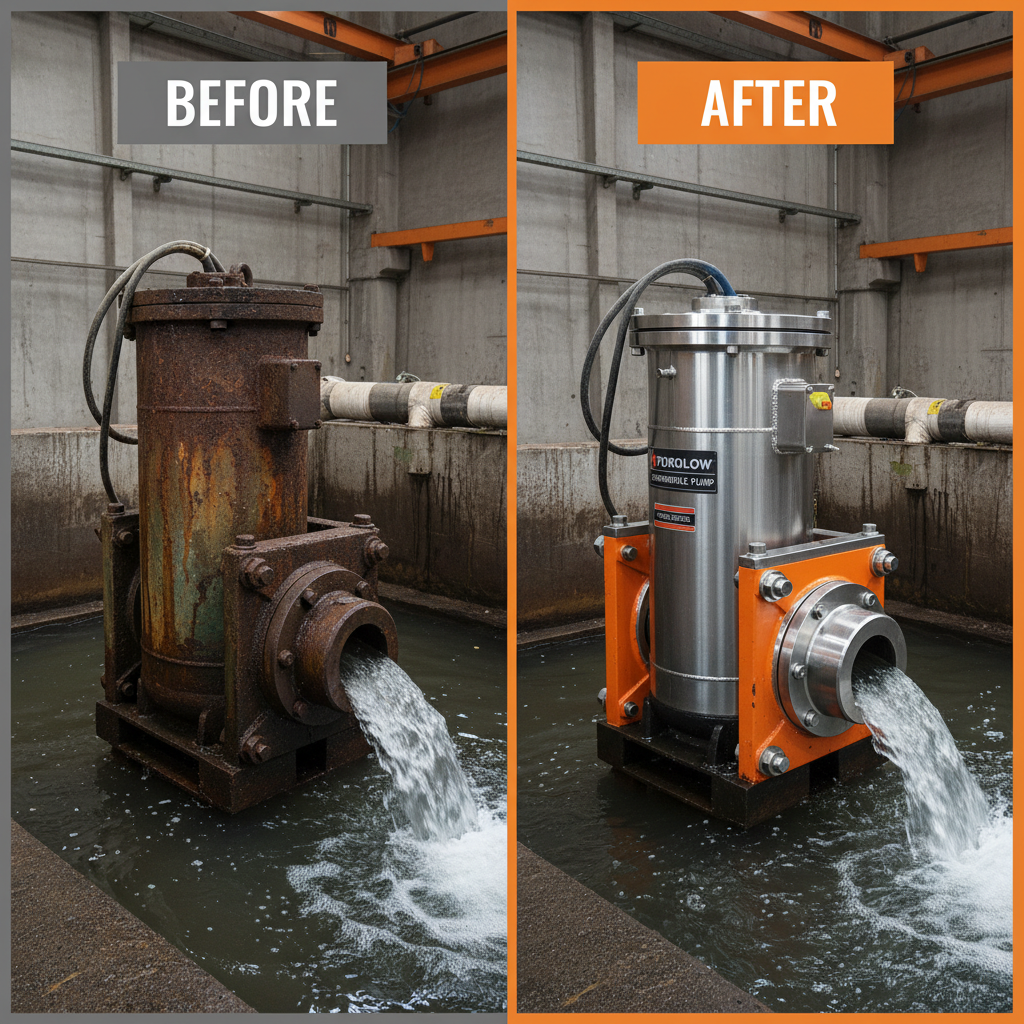 Understanding the Price Submersible Pump and Buyer GuideWhen searching for the ideal water management solution, understanding the price submersible pump options is crucial for balancing budget with performance. Whether you are dealing with a flooded basement, managing agricultural irrigation, or extracting water from a deep well, the cost of a submersible pump can vary significantly based on its build quality and capacity. Investing in a high-quality pump ensures long-term reliability and reduces the frequency of expensive replacements. In this guide, we will break down the factors that influence pricing and help you make an informed decision for your specific needs.Detail
 -
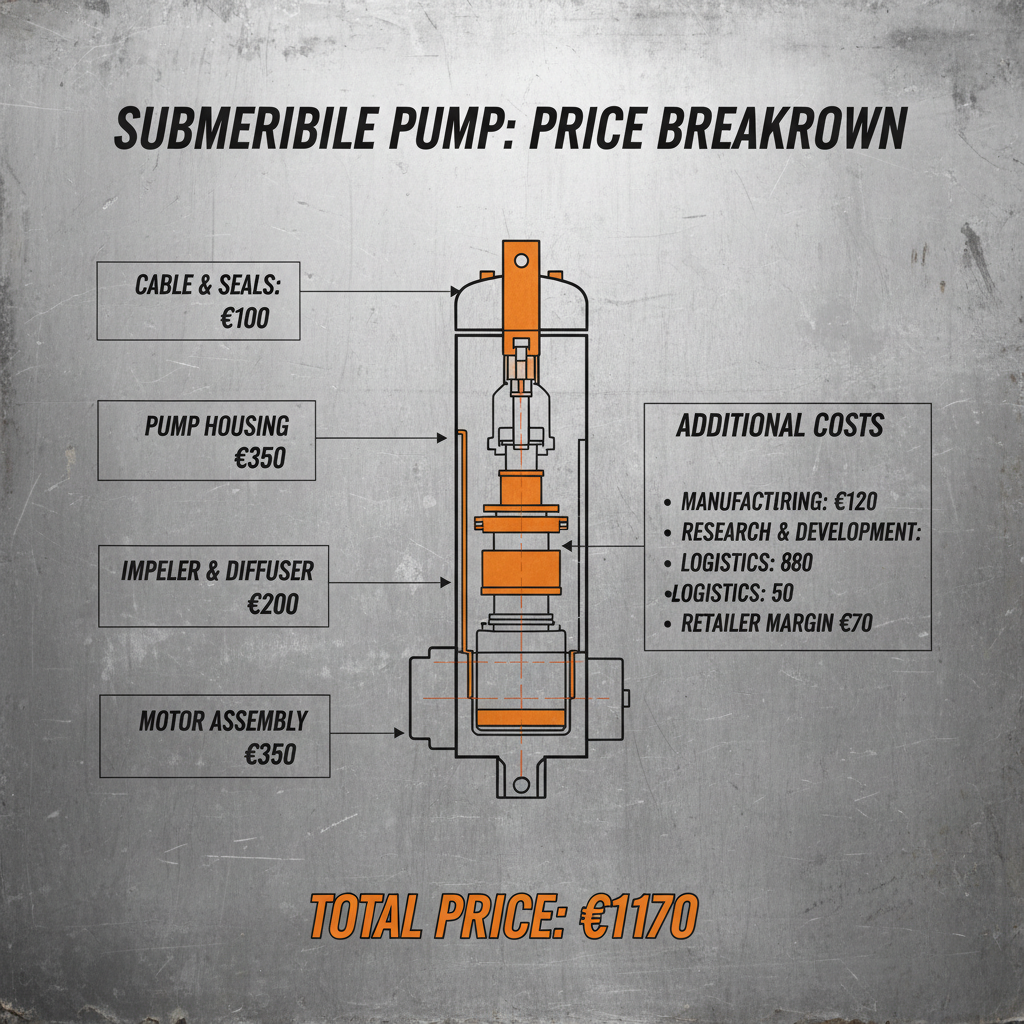 Factors Affecting the Price for Submersible Pump a Buyers GuideWhen investing in water management systems, understanding the price for submersible pump options is essential for balancing performance with budget. Whether you are managing a residential well, an industrial drainage project, or agricultural irrigation, the cost of a pump is rarely a flat fee; it is a reflection of the engineering, materials, and capacity required for your specific environment. In this guide, we will break down the factors that influence pricing and help you determine the best value for your investment to ensure long-term reliability and efficiency.Detail
 -
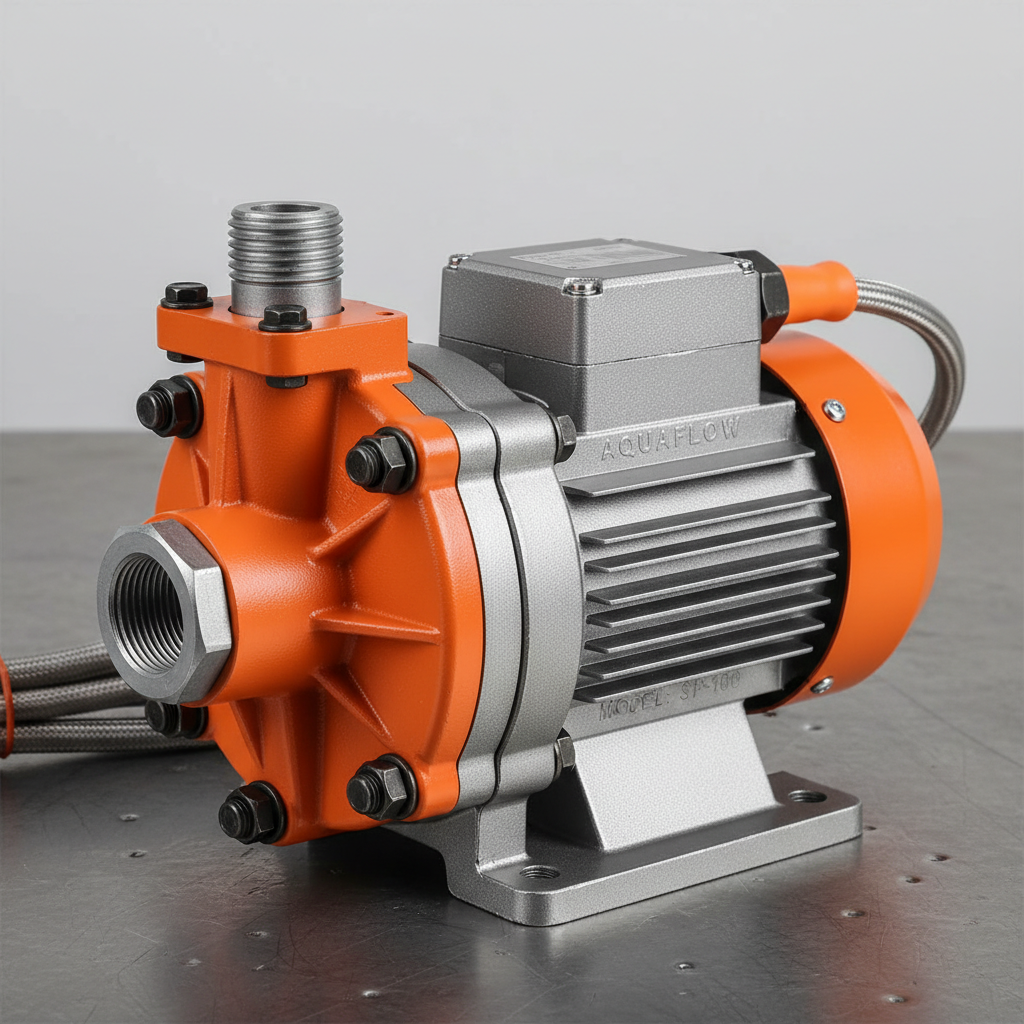 Choosing the Right Mini Submersible Fountain Pump for Optimal Water Feature PerformanceCreating a beautiful and relaxing water feature doesn't have to be complicated. A mini submersible fountain pump is the heart of any indoor or outdoor fountain, and selecting the right one is crucial for optimal performance and longevity. This article will guide you through the key considerations when choosing a mini submersible fountain pump, covering types, features, applications, and how to ensure you get the perfect pump for your project. We’ll also explore how Wellpumpact can provide you with the ideal solution.Detail
 Afrikaans
 Albanian
 Amharic
 Arabic
 Armenian
 Azerbaijani
 Basque
 Belarusian
 Bengali
 Bosnian
 Bulgarian
 Catalan
 Cebuano
 Corsican
 Croatian
 Czech
Czech
 Danish
 Dutch
Dutch
 Esperanto
 Estonian
 Finnish
 French
 Frisian
 Galician
 Georgian
 German
 Greek
Greek
 Gujarati
 Haitian Creole
 Hausa
Hausa
 Hawaiian
 Hebrew
 Hindi
Hindi
 Miao
Miao
 Hungarian
 Icelandic
 Igbo
Igbo
 Indonesian
 Irish
Irish
 Italian
 Japanese
 Javanese
 Kannada
 Kazakh
 Khmer
Khmer
 Rwandese
 Korean
 Kurdish
 Kyrgyz
 Lao
Lao
 Latin
Latin
 Latvian
 Lithuanian
 Luxembourgish
 Macedonian
 Malgashi
 Malay
Malay
 Malayalam
 Maltese
 Maori
Maori
 Marathi
 Mongolian
 Myanmar
 Nepali
 Norwegian
 Norwegian
 Occitan
 Pashto
 Persian
 Polish
 Portuguese
 Punjabi
 Romanian
 Russian
 Samoan
 Scottish Gaelic
 Serbian
 Sesotho
 Shona
Shona
 Sindhi
 Sinhala
 Slovak
 Slovenian
 Somali
 Spanish
 Sundanese
 Swahili
 Swedish
 Tagalog
 Tajik
Tajik
 Tamil
Tamil
 Tatar
Tatar
 Telugu
 Thai
Thai
 Turkish
 Turkmen
 Ukrainian
 Urdu
Urdu
 Uighur
 Uzbek
Uzbek
 Vietnamese
 Welsh
Welsh
 Bantu
Bantu
 Yiddish
 Yoruba
 Zulu
Zulu
 English