
Nov . 27, 2025 05:50 Back to list
Comprehensive Guide to Electric Submersible Pumps: Applications, Benefits & Innovations
Understanding the Role of Electric Submersible Pumps in a Water-Thirsty World
Electric submersible pumps (ESPs) quietly power some of the world’s most critical water and fluid management systems. Whether in agriculture, municipal water supply, or oil extraction, these durable machines keep things flowing. Globally, ensuring reliable water and fluid transport isn’t just an engineering puzzle—it’s a lifeline. From arid regions struggling with groundwater access to industrial sites needing steady fluid flow, ESPs play a vital role. Grasping how they work and why they matter gives you a leg up, whether you’re managing infrastructure, planning a project, or simply curious about the tech behind the scenes.
Global Context: Why Electric Submersible Pumps Matter Today More Than Ever
Water scarcity affects roughly 2 billion people worldwide according to the UN (source: UN Water), placing huge demands on efficient pumping technology. Electric submersible pumps are a workhorse in this context—they offer scalable, energy-efficient solutions for drawing groundwater, draining flooded areas, and even powering industrial extraction like in oil and gas. The World Bank estimates over 70% of the world’s freshwater use is for agriculture, where electric pumps have made irrigation feasible in otherwise tough terrain.
However, challenges such as inconsistent power supply and pump maintenance keep many regions from fully benefiting. This is where deeper understanding intersects with innovation and policy. System designers, operators, even humanitarian agencies increasingly rely on ESP technology to solve complex water access problems.
What Exactly Is an Electric Submersible Pump?
Simply put, an electric submersible pump is a multi-stage centrifugal pump combined with an electric motor, all submerged underwater to push liquids to the surface or other destinations. Unlike surface pumps, ESPs are installed directly within the fluid—a design that improves efficiency and reduces cavitation risks. They are widely used in applications ranging from groundwater extraction to oil wells.
In humanitarian terms, ESPs help provide clean water in disaster-stricken areas or remote communities. Industrially, they’re pivotal in managing liquids within mines, water treatment plants, and offshore rigs.
Core Components that Make ESPs Tick
Electrical Motor
This sealed motor powers the pump impellers. Designed to operate underwater, it must withstand harsh environments and fluctuating voltages. Many engineers swear by high-quality insulation and corrosion-resistant materials here.
Pump Stages
Most ESPs contain several impellers stacked in series, increasing pressure every stage. Depending on depth and flow needs, you might see pumps with anywhere from 3 to 20 stages.
Seal Assembly
This crucial bit prevents fluid from entering the motor, ensuring electrical components stay dry. It’s one of those less-touted parts that can define reliability.
Intake Screen
Prevents debris and sediment from entering, protecting the pump internals from damage.
Power Cable
Transmits electricity down to the motor; its integrity is especially critical in deep or remote installs.
Durability & Materials
Stainless steel, corrosion-resistant alloys, and abrasion-resistant coatings make for long lifespan — especially when pumping corrosive or sandy fluids.
Mini takeaway: the ESP is a collaboration of electric and hydraulic engineering, optimized for tough underwater conditions.
Where Are Electric Submersible Pumps Used Worldwide?
- Agriculture: In regions like India, China, and California, ESPs enable deep-well irrigation, boosting crop yields where surface water is scarce.
- Oil & Gas Industry: Offshore platforms and oil wells worldwide rely on ESPs to raise petroleum fluids efficiently, reducing operational downtime.
- Municipal Water Supply: Cities use submersible pumps for groundwater extraction and drainage, especially in flood-prone areas.
- Mining Operations: Dewatering mines or moving process water is another common use case, often in harsh environments demanding rugged equipment.
- Disaster Relief: When floods or droughts strike, portable ESP units help restore water access quickly.
For example, after hurricanes in the Gulf Coast, relief teams deploy electric submersible pumps to clear floodwaters from critical infrastructure, underscoring their value beyond industrial uses.
Advantages and Long-Term Value of Electric Submersible Pumps
There’s a lot more to ESPs than just moving water—though that alone is critical. Reliability and energy efficiency reduce operational costs, while their quiet underwater operation minimizes noise pollution. I’ve noticed operators often highlight how critical uptime is; a broken pump in a rural village contaminates lives, literally.
Moreover, ESPs integrate well with renewable energy sources like solar panels, aligning with global sustainability goals. On a social level, they help provide basic human rights—clean water, sanitation, safety—which are worth so much more than dollars.
Electric Submersible Pump Specifications Snapshot
| Specification | Typical Range | Units |
|---|---|---|
| Flow Rate | 20 - 500 | m³/hr |
| Heads (Pressure) | 50 - 1500 | meters |
| Power Consumption | 5 - 1000 | kW |
| Max Operating Depth | 3000 | meters |
| Operating Temperature | -20 to 150 | °C |
How Different Vendors Stack Up in Electric Submersible Pumps
| Feature | PumpCo | AquaPro | HydroTech |
|---|---|---|---|
| Energy Efficiency | High | Medium | High |
| Warranty | 2 Years | 3 Years | 1 Year |
| After-Sales Support | Global Network | Regional | Limited |
| Price Range | $$ | $ - $$ | $$$ |
| Customization Options | Extensive | Moderate | Limited |
What's Ahead? Innovations Driving Electric Submersible Pumps Into the Future
Thanks to advances in IoT and smart sensors, ESPs are becoming smarter—self-monitoring vibration, temperature, and power usage to predict and prevent failures. In real terms, operators can avoid costly downtime. Material science breakthroughs mean coatings that resist corrosion and reduce biofouling are now common, extending lifespan dramatically.
Another fascinating angle is sustainability: pairing ESPs with solar-powered controllers reduces diesel-generator reliance deep in the field. Policies encouraging renewable tech adoption play a significant role in this shift
On a side note, some companies are exploring fiber optic cables for deep-well units, enabling real-time data uplink in previously unreachable spots. It feels like we’re just scratching the surface here.
Challenges and How to Circumvent Them
Despite their robustness, electric submersible pumps aren’t magic bullets. They need reliable power, which can be a thorn in remote or developing areas. Also, sand and silt can wreak havoc if screens fail or maintenance is lacking. Switching to abrasion-resistant components or adding filtration helps, but operational discipline is key.
Then there’s the cost barrier. ESPs can seem pricey upfront compared to manual or surface pumps. However, many experts agree that long-term efficiency, fewer repairs, and reduced labor costs more than justify the investment.
Electric Submersible Pump FAQ
- How deep can electric submersible pumps operate effectively?
- Typically, ESPs function well at depths up to 3,000 meters. Depth capability depends on motor power and cable length. Choosing the right pump for depth prevents overloads and failures.
- Are electric submersible pumps suitable for dirty or sandy water?
- They are, but with caveats. Using specialized intake screens and abrasion-resistant materials improves handling sandy or contaminated fluids. Regular maintenance is crucial to avoid clogging and wear.
- How energy efficient are electric submersible pumps?
- Modern ESPs boast efficiencies between 60-80%, depending on model and application. Integrating variable frequency drives (VFDs) optimizes power use by matching pump speed to demand.
- Can electric submersible pumps run on renewable energy?
- Absolutely. Many installations now pair ESPs with solar or wind power systems, particularly in off-grid settings. This setup promotes sustainability and reduces operational costs.
In Closing: A Pumping Future We Can Count On
Electric submersible pumps may not be flashy, but they quietly support water security, industry, and disaster relief worldwide. The blend of mechanical ingenuity and evolving tech keeps them vital in a water-stressed planet. If you’re looking to explore or upgrade your pumping solutions, it’s worth diving deeper into the details and trusted providers.
For more detailed info and cutting-edge products, visit our website: electric submersible pump.
References:
1. UN Water Scarcity
2. Wikipedia: Electric Submersible Pump
3. World Bank: Water Resource Management
-
Understanding the Price Submersible Pump and Buyer Guide
NewsApr.16,2026
-
Factors Affecting the Price for Submersible Pump a Buyers Guide
NewsApr.09,2026
-
Choosing the Right Mini Submersible Fountain Pump for Optimal Water Feature Performance
NewsApr.07,2026
-
A Detailed Guide to Installing a Submersible Pump for Optimal Performance
NewsApr.04,2026
-
Comprehensive Guide on How to Test a Submersible Water Well Pump Effectively
NewsMar.31,2026
-
Learn How to Replace a Submersible Well Pump Safely and Effectively
NewsMar.28,2026
-
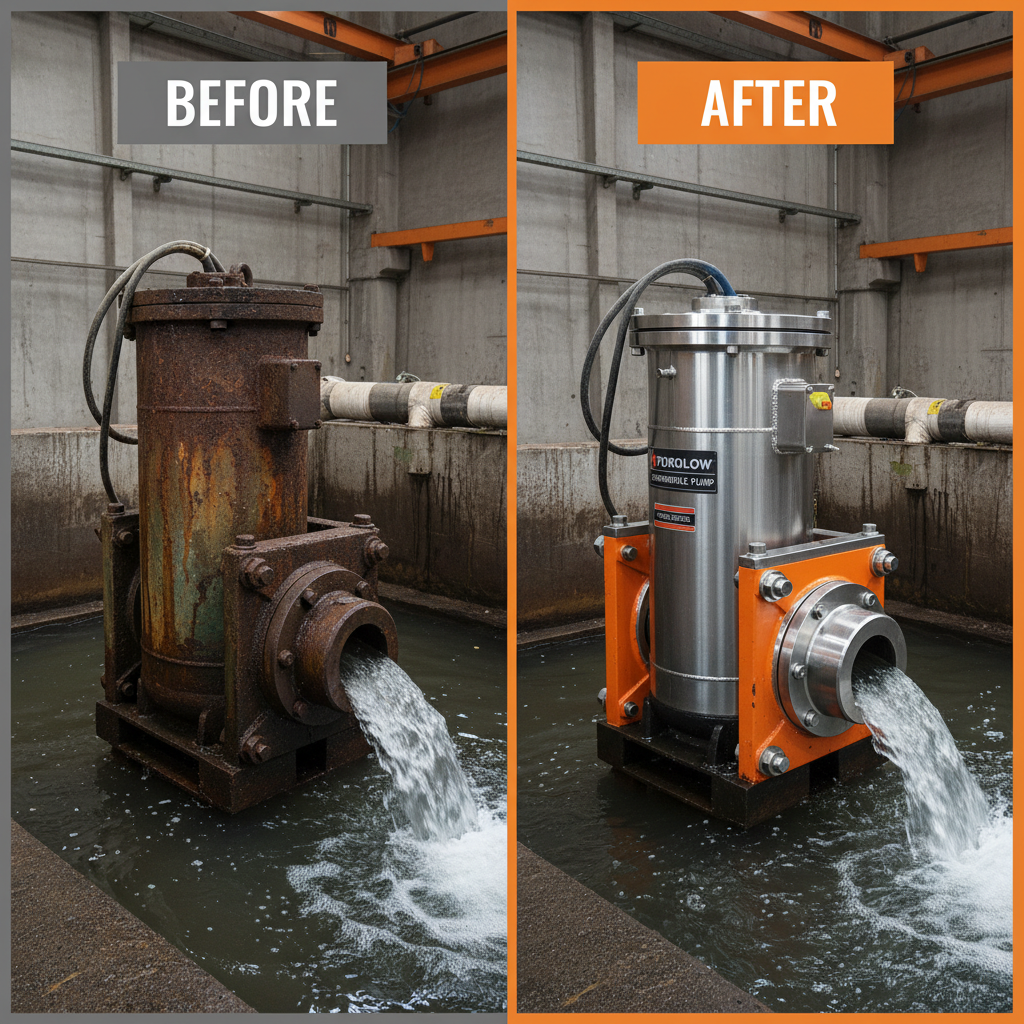 Understanding the Price Submersible Pump and Buyer GuideWhen searching for the ideal water management solution, understanding the price submersible pump options is crucial for balancing budget with performance. Whether you are dealing with a flooded basement, managing agricultural irrigation, or extracting water from a deep well, the cost of a submersible pump can vary significantly based on its build quality and capacity. Investing in a high-quality pump ensures long-term reliability and reduces the frequency of expensive replacements. In this guide, we will break down the factors that influence pricing and help you make an informed decision for your specific needs.Detail
 -
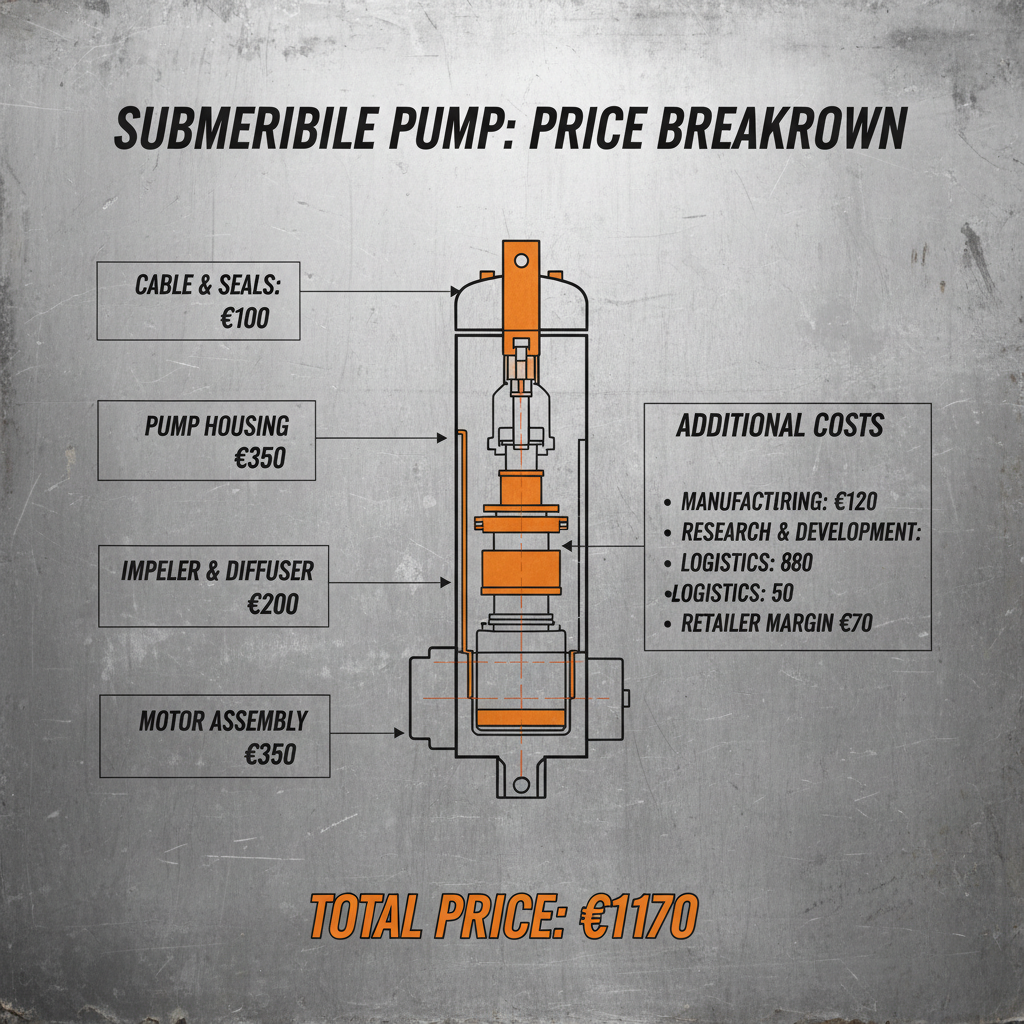 Factors Affecting the Price for Submersible Pump a Buyers GuideWhen investing in water management systems, understanding the price for submersible pump options is essential for balancing performance with budget. Whether you are managing a residential well, an industrial drainage project, or agricultural irrigation, the cost of a pump is rarely a flat fee; it is a reflection of the engineering, materials, and capacity required for your specific environment. In this guide, we will break down the factors that influence pricing and help you determine the best value for your investment to ensure long-term reliability and efficiency.Detail
 -
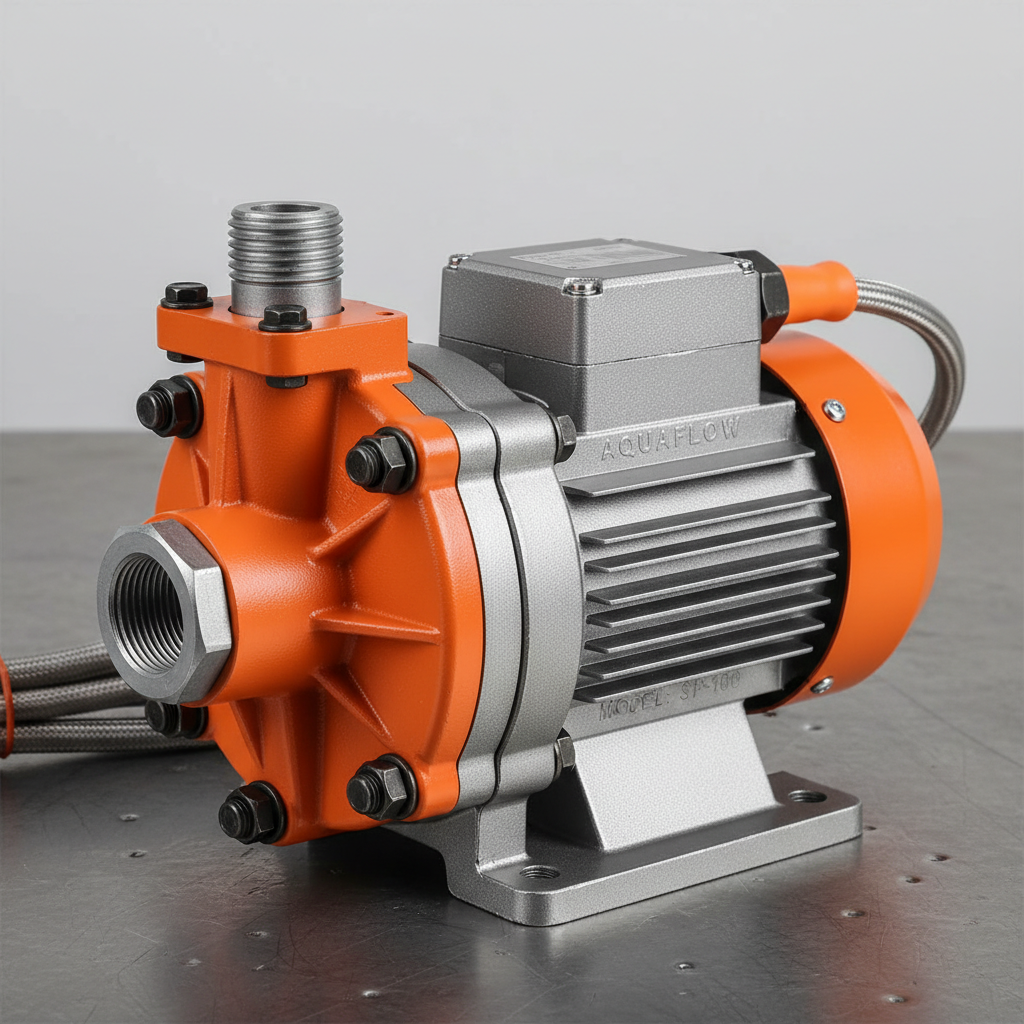 Choosing the Right Mini Submersible Fountain Pump for Optimal Water Feature PerformanceCreating a beautiful and relaxing water feature doesn't have to be complicated. A mini submersible fountain pump is the heart of any indoor or outdoor fountain, and selecting the right one is crucial for optimal performance and longevity. This article will guide you through the key considerations when choosing a mini submersible fountain pump, covering types, features, applications, and how to ensure you get the perfect pump for your project. We’ll also explore how Wellpumpact can provide you with the ideal solution.Detail
 Afrikaans
 Albanian
 Amharic
 Arabic
 Armenian
 Azerbaijani
 Basque
 Belarusian
 Bengali
 Bosnian
 Bulgarian
 Catalan
 Cebuano
 Corsican
 Croatian
 Czech
Czech
 Danish
 Dutch
Dutch
 Esperanto
 Estonian
 Finnish
 French
 Frisian
 Galician
 Georgian
 German
 Greek
Greek
 Gujarati
 Haitian Creole
 Hausa
Hausa
 Hawaiian
 Hebrew
 Hindi
Hindi
 Miao
Miao
 Hungarian
 Icelandic
 Igbo
Igbo
 Indonesian
 Irish
Irish
 Italian
 Japanese
 Javanese
 Kannada
 Kazakh
 Khmer
Khmer
 Rwandese
 Korean
 Kurdish
 Kyrgyz
 Lao
Lao
 Latin
Latin
 Latvian
 Lithuanian
 Luxembourgish
 Macedonian
 Malgashi
 Malay
Malay
 Malayalam
 Maltese
 Maori
Maori
 Marathi
 Mongolian
 Myanmar
 Nepali
 Norwegian
 Norwegian
 Occitan
 Pashto
 Persian
 Polish
 Portuguese
 Punjabi
 Romanian
 Russian
 Samoan
 Scottish Gaelic
 Serbian
 Sesotho
 Shona
Shona
 Sindhi
 Sinhala
 Slovak
 Slovenian
 Somali
 Spanish
 Sundanese
 Swahili
 Swedish
 Tagalog
 Tajik
Tajik
 Tamil
Tamil
 Tatar
Tatar
 Telugu
 Thai
Thai
 Turkish
 Turkmen
 Ukrainian
 Urdu
Urdu
 Uighur
 Uzbek
Uzbek
 Vietnamese
 Welsh
Welsh
 Bantu
Bantu
 Yiddish
 Yoruba
 Zulu
Zulu
 English