
Dec . 01, 2025 00:30 Back to list
Immersion Pump Guide: Definition, Applications & Future Trends | WellPumpAct
Immersion Pumps: What They Are and Why They Matter Globally
If you haven’t come across immersion pumps before, don’t worry — they’re a bit of an unsung hero in the world of fluid handling. These are pumps designed to be submerged directly into the liquid they’re moving, which might sound straightforward, but their role can’t be overstated in everything from industrial processes to disaster relief. Globally, access to reliable pumping technology underpins infrastructure, agriculture, and emergency water supplies. Understanding immersion pumps is key because they embody efficiency, durability, and innovation in how we manage fluids—a task more vital than many realize.
In short: by grasping what immersion pumps do, we appreciate how industries keep flowing, how communities get clean water, and how technology quietly supports livelihoods across the world.
The Global Landscape: Why Immersion Pumps Are In Demand
Consider this: according to the United Nations Water Report, over two billion people currently lack access to safely managed drinking water. At the same time, industrial production in emerging economies demands robust fluid transfer solutions capable of handling challenging environments.
Immersion pumps tackle these challenges head-on. For instance, in mining regions of Australia and South Africa, immersion pumps keep wastewater under control; in South Asia’s rural pockets, these pumps draw groundwater for irrigation reliably and round the clock.
Yet, it’s not just about volume. The need to reduce manual labor risks, cut energy consumption, and enable environmentally sound practices makes immersion pumps a major player in global efforts towards sustainability and resilience.
Mini takeaway: The worldwide push for water security, industrial efficiency, and environmental care is driving the rising adoption of immersion pumps.
What Exactly Is an Immersion Pump?
Put simply, an immersion pump is a pump designed to operate completely submerged in the liquid it pumps. Unlike surface pumps, which suck from a pipe or tank, immersion pumps are placed directly inside the fluid—often water, chemicals, or sludge.
Their design ensures minimal risk of cavitation (a common headache in pump engineering) and maximizes efficiency by eliminating the need for priming. This makes them favorites in industries where pumping conditions can be unpredictable or harsh.
These pumps connect to motors sealed tightly against moisture. They are used in applications where the fluid might be corrosive, laden with solids, or simply difficult to reach with traditional pumps.
It’s no wonder humanitarian agencies and industrial operators alike lean on immersion pumps to ensure steady, reliable fluid movement.
Core Components & Vital Factors in Immersion Pump Design
1. Pump Durability
Materials matter here more than you’d initially assume. Many immersion pumps feature stainless steel or specialized polymers resistant to corrosion and abrasion — critical when handling wastewater or harsh chemicals. Engineers also focus on sealing technologies that prevent motor damage over long periods underwater.
2. Efficiency & Power Consumption
Since immersion pumps often run continuously, energy efficiency is crucial. Modern models incorporate advanced impeller designs and motor technologies that cut electrical consumption without compromising flow rates.
3. Scalability & Flow Rate
From tiny submersible units for home wells to large industrial units capable of moving hundreds of gallons per minute, immersion pumps come in sizes and capacities suited for diverse needs. Choosing the right flow rate means tailoring the pump specifically to application requirements.
4. Ease of Installation & Maintenance
Because these pumps live inside fluid reservoirs, accessibility is sometimes tricky. Manufacturers increasingly prioritize modular designs that simplify removal and servicing—because downtime is expensive whether it’s in an urban treatment plant or a remote farm.
5. Environmental Safety
Sealing and leak prevention prevent contamination spills. Additionally, certifications aligned with ISO standards ensure pumps meet environmental and safety regulations worldwide.
Mini takeaway: Durability, energy efficiency, scalable flow, maintenance ease, and safety form the backbone of any effective immersion pump design.
Real-World Applications: Where Immersion Pumps Keep Things Moving
- Agriculture: In irrigation systems, immersion pumps draw groundwater efficiently, especially important during droughts.
- Wastewater Treatment: Municipal plants rely on these pumps to move sludge and processed water safely and steadily.
- Mining Industry: Handling slurry and drainage is possible thanks to heavy-duty immersion pumps built to resist clogging and corrosion.
- Disaster Relief: After floods or earthquakes, these pumps help remove stagnant water, preventing disease spread and facilitating recovery.
- Industrial Manufacturing: Chemical plants harness immersion pumps to circulate, cool, or transfer various fluids with precision.
For example, during the 2015 Nepal earthquake relief, NGOs deployed immersion pumps to access underground wells quickly, supporting clean water delivery in the mountainous terrain.
Mini takeaway: Immersion pumps shine in diverse environments — from dusty mines to devastated villages — wherever robust fluid movement is needed.
The Tangible Benefits: Why Immersion Pumps Win Long-Term
Pragmatically, immersion pumps tend to save money over time. Their direct contact with liquids reduces energy waste and minimizes mechanical stress, extending operational life. They also help reduce human labor and risk by automating difficult or dangerous fluid handling tasks.
On a deeper level, reliance on trustworthy immersion pumps improves community safety and dignity by guaranteeing access to essential water and sanitation services.
Plus, sustainable designs cutting emissions and limiting spills align with growing environmental responsibility goals. When you choose immersion pumps, it feels like investing in not just technology, but trust.
What’s Coming Next? Trends and Innovations in Immersion Pumps
The future looks interesting. With growing focus on smart technologies, immersion pumps now integrate IoT sensors that monitor wear, flow rates, and even predict failures before downtime occurs.
Manufacturers are experimenting with greener materials and designs that use renewable energy sources such as solar to power submersible units in remote areas.
There’s also a push towards modular, customizable pumps that adapt quickly to different fluids or deployment sites without extensive reengineering—a huge plus for emergency response teams.
Challenges and How the Industry Tackles Them
Nothing is perfect, right? Immersion pumps can face clogging from solids, seal failures, and electrical hazards if improperly installed. Supply chain issues also occasionally limit access in developing regions.
To counter this, engineers have developed self-cleaning impellers, improved sealing with triple mechanical seals, and use remote monitoring tech to flag issues early. Organizations are also partnering globally to enhance training and spare parts availability.
Product Specification Table for a Typical Industrial Immersion Pump
| Specification | Details |
|---|---|
| Flow Rate | Up to 150 m³/h |
| Max Head | 50 meters |
| Material | Stainless Steel AISI 304 / High-Density Polyethylene (HDPE) |
| Motor Power | 5 - 15 kW |
| Sealing Type | Double Mechanical Seal / Oil Bath |
| Protection Class | IP68 (submersible) |
Comparing Leading Vendors of Immersion Pumps
| Feature | PumpCo | FluidTech | EcoPump |
|---|---|---|---|
| Max Flow Rate (m³/h) | 140 | 150 | 120 |
| Energy Efficiency | High | Medium | Very High |
| Smart Monitoring | Available | No | Available |
| Price Range | $$ | $ | $$$ |
| Best For | Industrial Heavy Duty | General Purpose | Sustainability Focused Projects |
FAQ: Common Questions About Immersion Pumps
Q1: How does an immersion pump differ from a surface pump?
A1: The key difference is that immersion pumps are submerged directly in the fluid, eliminating the need for priming and reducing the risk of cavitation. Surface pumps remain outside the fluid and must pull fluid through suction piping, which can introduce inefficiencies and limitations in certain environments.
Q2: Can immersion pumps handle abrasive or dirty fluids?
A2: Yes, many immersion pumps are designed with abrasion-resistant materials and special impeller designs to handle fluids with solids or slurry. However, selecting the correct model and maintenance routines is crucial for longevity and optimal performance.
Q3: Are immersion pumps energy-efficient?
A3: Generally, yes. Because they push fluid rather than suction it, immersion pumps often require less energy compared to alternatives, especially when operating continuously. Recent models enhance this with improved motors and impellers.
Q4: How difficult is it to maintain an immersion pump?
A4: Maintenance can be straightforward, especially with modular designs allowing quick disassembly. However, because these pumps are installed underwater or inside tanks, planning for routine checks and access is essential to prevent long downtimes.
Q5: Where can I find reliable immersion pump suppliers?
A5: Numerous specialized manufacturers exist globally. Choosing depends on required specs and budget. Vendor comparison tables, like the one above, help identify leading options. Additionally, visiting sites such as immersion pump suppliers centralize reliable choices.
Wrapping It Up: The Long-Term Value of Immersion Pumps
Immersion pumps are quietly powering a better tomorrow, whether in sprawling industrial installations, water-stressed agricultural zones, or fast-moving disaster response efforts. Their unique design, efficiency, and adaptability make them indispensable across sectors and continents.
If you are looking into improving fluid management workflows, or you're responsible for infrastructure resilience, immersion pumps are certainly worth deeper consideration. Want to explore cutting-edge designs and sourcing options? Visit our site anytime: https://www.wellpumpact.com and get started!
References
-
Understanding the Price Submersible Pump and Buyer Guide
NewsApr.16,2026
-
Factors Affecting the Price for Submersible Pump a Buyers Guide
NewsApr.09,2026
-
Choosing the Right Mini Submersible Fountain Pump for Optimal Water Feature Performance
NewsApr.07,2026
-
A Detailed Guide to Installing a Submersible Pump for Optimal Performance
NewsApr.04,2026
-
Comprehensive Guide on How to Test a Submersible Water Well Pump Effectively
NewsMar.31,2026
-
Learn How to Replace a Submersible Well Pump Safely and Effectively
NewsMar.28,2026
-
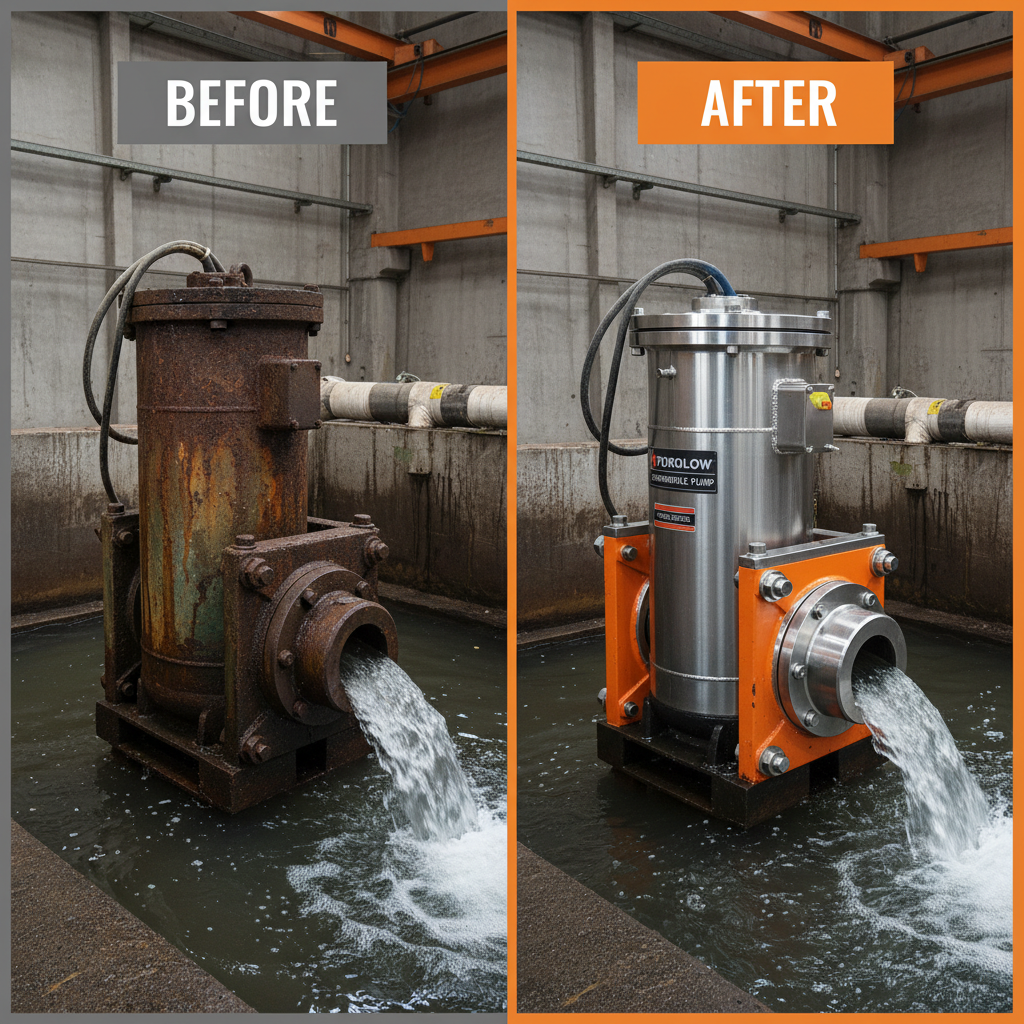 Understanding the Price Submersible Pump and Buyer GuideWhen searching for the ideal water management solution, understanding the price submersible pump options is crucial for balancing budget with performance. Whether you are dealing with a flooded basement, managing agricultural irrigation, or extracting water from a deep well, the cost of a submersible pump can vary significantly based on its build quality and capacity. Investing in a high-quality pump ensures long-term reliability and reduces the frequency of expensive replacements. In this guide, we will break down the factors that influence pricing and help you make an informed decision for your specific needs.Detail
 -
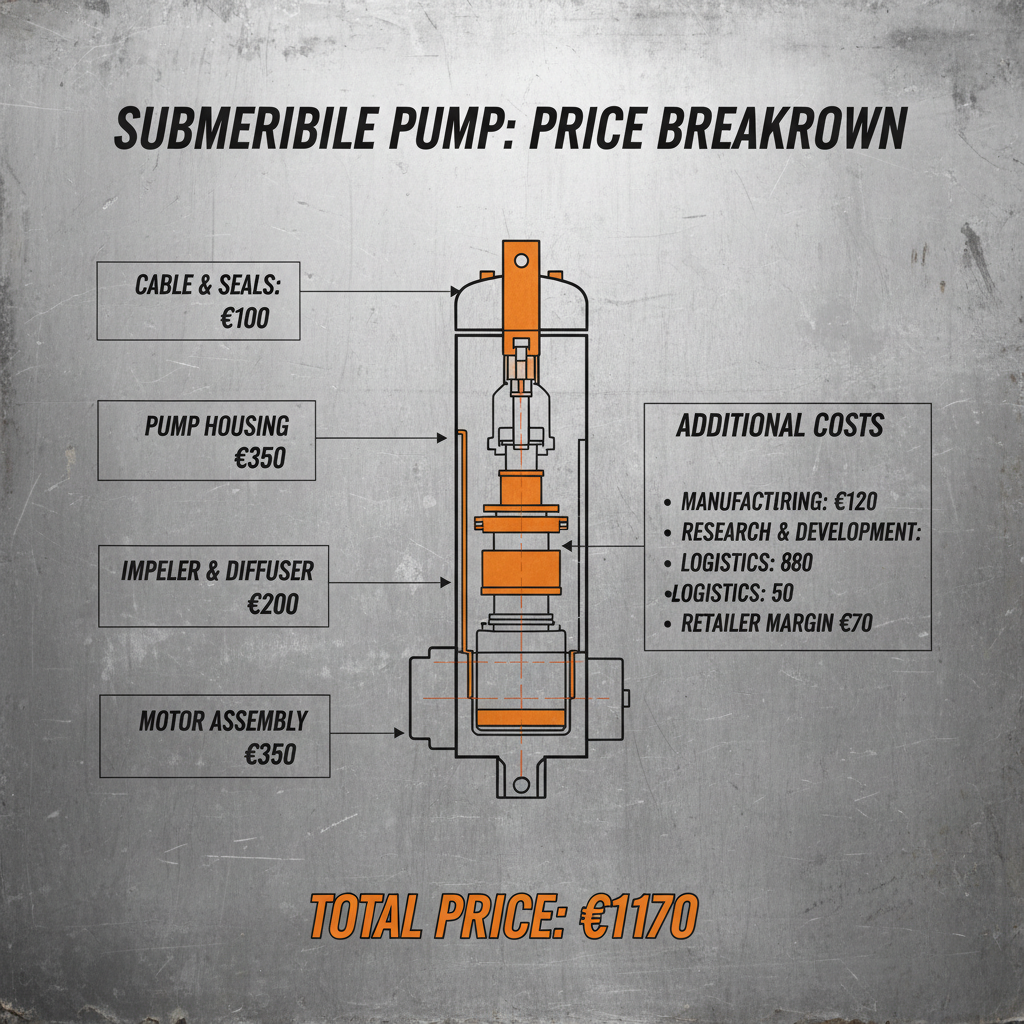 Factors Affecting the Price for Submersible Pump a Buyers GuideWhen investing in water management systems, understanding the price for submersible pump options is essential for balancing performance with budget. Whether you are managing a residential well, an industrial drainage project, or agricultural irrigation, the cost of a pump is rarely a flat fee; it is a reflection of the engineering, materials, and capacity required for your specific environment. In this guide, we will break down the factors that influence pricing and help you determine the best value for your investment to ensure long-term reliability and efficiency.Detail
 -
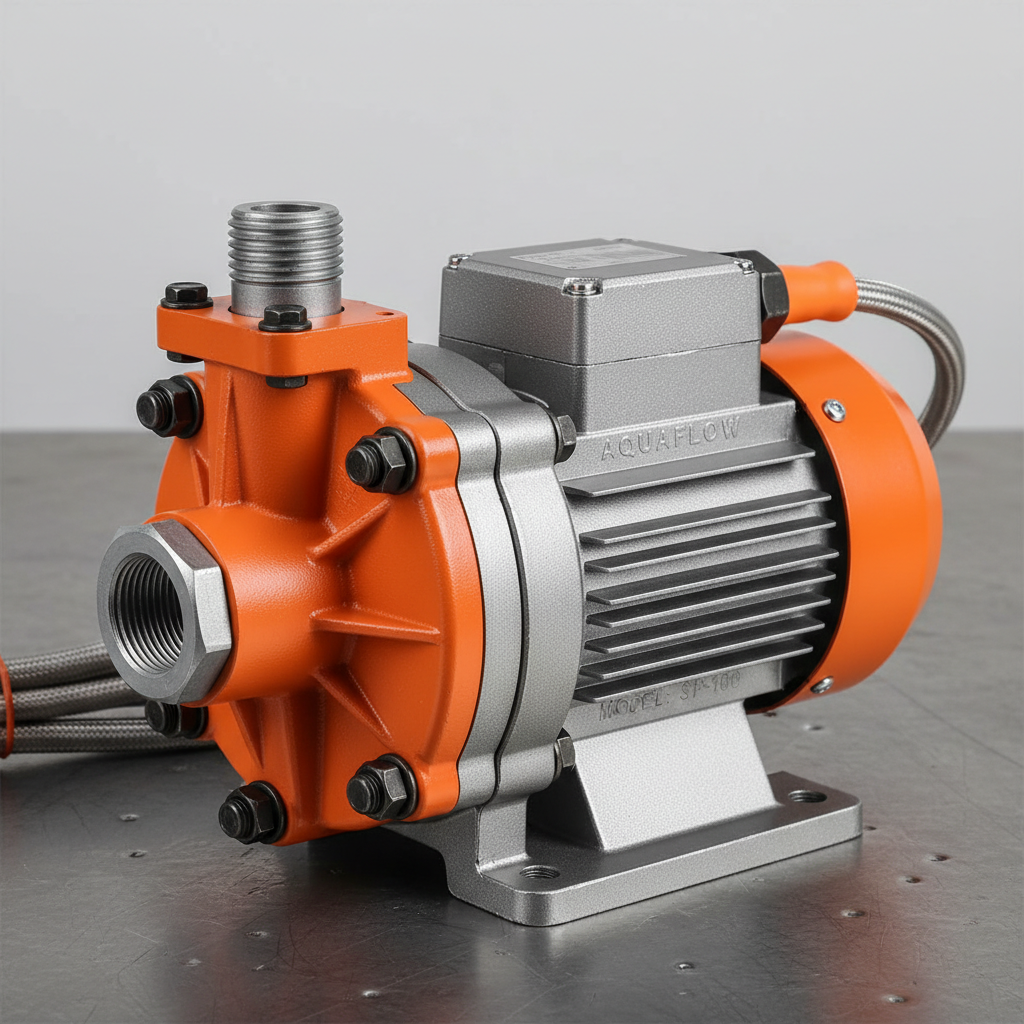 Choosing the Right Mini Submersible Fountain Pump for Optimal Water Feature PerformanceCreating a beautiful and relaxing water feature doesn't have to be complicated. A mini submersible fountain pump is the heart of any indoor or outdoor fountain, and selecting the right one is crucial for optimal performance and longevity. This article will guide you through the key considerations when choosing a mini submersible fountain pump, covering types, features, applications, and how to ensure you get the perfect pump for your project. We’ll also explore how Wellpumpact can provide you with the ideal solution.Detail
 Afrikaans
 Albanian
 Amharic
 Arabic
 Armenian
 Azerbaijani
 Basque
 Belarusian
 Bengali
 Bosnian
 Bulgarian
 Catalan
 Cebuano
 Corsican
 Croatian
 Czech
Czech
 Danish
 Dutch
Dutch
 Esperanto
 Estonian
 Finnish
 French
 Frisian
 Galician
 Georgian
 German
 Greek
Greek
 Gujarati
 Haitian Creole
 Hausa
Hausa
 Hawaiian
 Hebrew
 Hindi
Hindi
 Miao
Miao
 Hungarian
 Icelandic
 Igbo
Igbo
 Indonesian
 Irish
Irish
 Italian
 Japanese
 Javanese
 Kannada
 Kazakh
 Khmer
Khmer
 Rwandese
 Korean
 Kurdish
 Kyrgyz
 Lao
Lao
 Latin
Latin
 Latvian
 Lithuanian
 Luxembourgish
 Macedonian
 Malgashi
 Malay
Malay
 Malayalam
 Maltese
 Maori
Maori
 Marathi
 Mongolian
 Myanmar
 Nepali
 Norwegian
 Norwegian
 Occitan
 Pashto
 Persian
 Polish
 Portuguese
 Punjabi
 Romanian
 Russian
 Samoan
 Scottish Gaelic
 Serbian
 Sesotho
 Shona
Shona
 Sindhi
 Sinhala
 Slovak
 Slovenian
 Somali
 Spanish
 Sundanese
 Swahili
 Swedish
 Tagalog
 Tajik
Tajik
 Tamil
Tamil
 Tatar
Tatar
 Telugu
 Thai
Thai
 Turkish
 Turkmen
 Ukrainian
 Urdu
Urdu
 Uighur
 Uzbek
Uzbek
 Vietnamese
 Welsh
Welsh
 Bantu
Bantu
 Yiddish
 Yoruba
 Zulu
Zulu
 English