
Nov . 30, 2025 09:55 Back to list
Understanding High Volume Submersible Water Pumps: Applications, Benefits & Future Trends
What Are High Volume Submersible Water Pumps and Why Do They Matter?
In today's world, water isn't just a necessity for drinking or irrigation—it's a lifeline. And when you need to move large amounts of water quickly and reliably, high volume submersible water pumps step in. These humble yet mighty machines quietly keep the wheels turning across agriculture, industry, disaster relief, and urban water management. Understanding them means appreciating how modern infrastructure meets increasing water demands in a sustainable, efficient way.
Global Context: The Growing Need for Efficient Water Management
According to the United Nations, approximately 2.3 billion people worldwide live without access to safely managed drinking water services (UN Water, 2023). Meanwhile, industries, agriculture, and urban centers grapple with escalating water needs. As climate change stresses water resources further, infrastructure must evolve smartly. This is where high volume submersible water pumps become essential. They address one key challenge: moving large water volumes from deep underground or reservoirs without sacrificing efficiency or durability.
For example, in agriculture—which accounts for about 70% of global freshwater usage—the ability to pump vast quantities of water quickly can mean better crop yields and reduced downtime, especially during peak irrigation seasons. Industrial sectors use these pumps to maintain cooling systems or remove excess water, often under harsh conditions. The technology also plays a vital role post-disasters, supplying water to areas where surface infrastructure is damaged.
Mini takeaway: Efficient water pumping is no longer just nice to have—it’s critical to sustainability, food security, and disaster resilience worldwide.
What Is a High Volume Submersible Water Pump?
Simply put, a high volume submersible water pump is a device completely submerged in water, designed to move large flows of liquid from deep underground or beneath the surface. Unlike surface pumps, submersibles sit underwater, pushing or lifting water upward through a pipe system.
They typically feature an electric motor sealed to prevent water ingress, connected directly to an impeller. The motor spins the impeller, generating centrifugal force, which moves water. These pumps stand out for their ability to handle significant flow rates—anywhere from thousands to tens of thousands of gallons per hour—making them indispensable for industrial scale jobs or emergency water supply.
In humanitarian efforts, their portability and efficiency allow quick deployment in disaster zones or drought-affected regions, offering water access where it's otherwise nearly impossible to get.
Core Features You Need to Know
Durability & Material Quality
High volume submersible pumps are often made with corrosion-resistant materials like stainless steel or thermoplastics, since they're permanently underwater and subjected to harsh environments. This boosts longevity and reduces maintenance hassle.
Power & Efficiency
These pumps balance energy consumption and flow capacity carefully. Many engineers say efficiency is king here, since running a powerful pump 24/7 can otherwise skyrocket costs and environmental footprints.
Scalability & Modularity
Depending on the job, pumps come in various sizes and power ratings. Some are modular, allowing multiple units to work in parallel or series to adapt to changing water demand — a major asset for growing industries.
Ease of Installation & Maintenance
Because submersibles operate underwater, everything from initial lowering to later servicing has to be straightforward. Quick release mechanisms, built-in sensors for pump health, and easy access to parts save operators headaches.
Safety Features
Seismic resistance, thermal overload protection, and waterproof electrical insulation are critical, especially in remote or disaster-prone zones.
Mini takeaway: The combination of durability, efficiency, and flexibility makes these pumps fit for diverse, often demanding, environments.
Global Applications: Who Uses These Pumps and How?
- Agriculture: Irrigation of large fields in North America, Asia, and Africa relies heavily on these pumps to meet peak water needs.
- Industrial Cooling & Processing: Factories in Europe and the Americas deploy them to circulate cooling water or manage wastewater.
- Urban Water Supply: Municipal systems in growing cities often pump from deep wells to meet expanding populations.
- Post-disaster Relief: NGOs and governments use portable submersibles to reestablish water access quickly after floods or earthquakes.
- Mining & Construction: Dewatering massive pits or tunnels to keep work areas safe and dry.
Take the example of a recent flood recovery in Southeast Asia where emergency teams deployed high volume submersible pumps to restore clean water access within days, sparing many from disease outbreaks.
Why Invest in High Volume Submersible Water Pumps? The Advantages
On the surface, costs can seem high, but the long-term savings are substantial:
- Cost Efficiency: Lower energy bills via optimized pump designs coupled with durable materials mean fewer replacements and downtime.
- Sustainability: Many modern pumps are compatible with solar or renewable power sources, reducing carbon footprints.
- Reliability: Proven track records in tough conditions deliver peace of mind to users.
- Social Impact: Ensuring water accessibility uplifts communities by improving health and sanitation.
- Innovation: Smart controls and IoT features allow remote monitoring and predictive maintenance, cutting unexpected failures.
Frankly, a reliable pump isn’t just a machine—it’s an enabler of safety, dignity, and progress.
Specifications at a Glance
| Specification | Typical Range | Notes |
|---|---|---|
| Flow Rate | 5,000 - 50,000 GPH | Varies by model and motor power |
| Motor Power | 3 - 50 HP | Electric, often 3-phase |
| Maximum Depth | Up to 300 meters | Dependent on cable length and design |
| Material | Stainless steel / Thermoplastic | Corrosion and abrasion resistant |
| Control | Manual / Smart IoT options | Remote monitoring possible |
Comparing Top Vendors: What to Watch For
| Vendor | Primary Strengths | Price Range (USD) | Service & Support |
|---|---|---|---|
| Aquaforce Pumps | Heavy-duty, customizable options | 5,000 - 30,000 | Global network, 24/7 support |
| SubseaFlow Inc. | Energy-efficient motors, IoT integration | 7,000 - 40,000 | Remote diagnostics, annual maintenance |
| WellTech Systems | Affordable, entry-level pumps for agriculture | 3,000 - 15,000 | Regional support, limited IoT features |
Looking Ahead: Future Trends in Submersible Pump Technology
Innovation in high volume submersible water pumps isn’t standing still. We’re seeing a few notable trends:
- Green Power Integration: Solar-powered submersible pumps are gaining traction, especially in off-grid rural areas.
- Smart Pumps: Embedded sensors and digital controls allow operators to monitor flow, power, and temperature in real time—cutting downtime.
- Advanced Materials: New composites and coatings improve corrosion resistance and reduce weight.
- Modular Systems: Plug-and-play scalability to handle variable water demands without major overhauls.
These advancements promise more reliability and eco-friendliness — critical as demand and environmental regulations tighten worldwide.
Common Challenges and How Industry Experts Are Solving Them
Operating a high volume submersible water pump isn't always carefree. Some hurdles include:
- Wear & Tear: Abrasive particles in water cause impeller damage over time.
- Energy Consumption: Large pumps can be power-hungry without smart controls.
- Installation Complexity: Deep-water deployment is tricky and poses safety risks.
- Maintenance Accessibility: Underwater repairs are expensive and laborious.
Solutions? Many firms now incorporate abrasion-resistant liners, variable frequency drives (VFDs) for power optimization, remote diagnostics to preempt failures, and modular designs that reduce downtime.
Frequently Asked Questions About High Volume Submersible Water Pumps
-
Q: How deep can these submersible pumps operate safely?
A: Most high volume submersible pumps can be deployed up to 300 meters deep, depending on cable length and sealing technology. Always confirm the model specs with vendors to match your well or reservoir depth. -
Q: Can I run these pumps on solar power?
A: Yes, many modern submersibles are compatible with solar-powered setups, particularly in remote locations where grid power isn’t reliable. Pairing pumps with Variable Frequency Drives (VFDs) helps optimize energy use. -
Q: What maintenance is required for long-term reliability?
A: Regular inspection of seals, impellers, and motors is key. Cleaning sediment buildup and monitoring electrical insulation are critical. Many newer models feature IoT sensors to alert you before a failure occurs. -
Q: How quickly can these pumps be deployed in emergency situations?
A: Depending on accessibility and pump size, deployment can happen within hours to a day. Portable designs and pre-assembled kits help streamline rapid response in post-disaster contexts.
Wrapping Up: Why High Volume Submersible Water Pumps Will Keep Flowing Into Our Future
Whether in remote farms, sprawling cities, or disaster zones, high volume submersible water pumps quietly bridge the gap between water scarcity and abundance. Their blend of efficiency, durability, and innovation makes them a backbone of modern water infrastructure.
If you’re curious or ready to explore options for your own project, don’t hesitate to visit our website for detailed guides, expert advice, and the latest product offerings that fit your unique needs.
Here’s to clean, reliable water—always within reach.
References
-
Understanding the Price Submersible Pump and Buyer Guide
NewsApr.16,2026
-
Factors Affecting the Price for Submersible Pump a Buyers Guide
NewsApr.09,2026
-
Choosing the Right Mini Submersible Fountain Pump for Optimal Water Feature Performance
NewsApr.07,2026
-
A Detailed Guide to Installing a Submersible Pump for Optimal Performance
NewsApr.04,2026
-
Comprehensive Guide on How to Test a Submersible Water Well Pump Effectively
NewsMar.31,2026
-
Learn How to Replace a Submersible Well Pump Safely and Effectively
NewsMar.28,2026
-
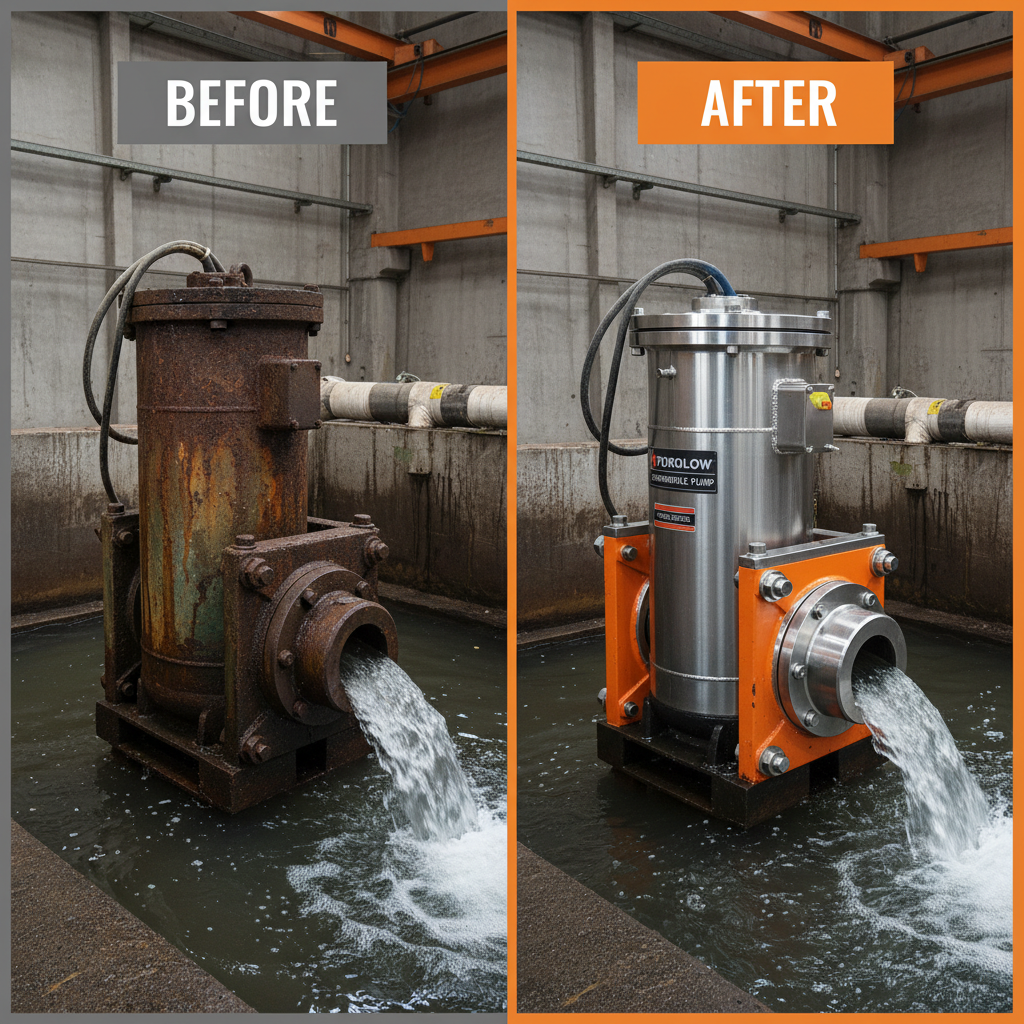 Understanding the Price Submersible Pump and Buyer GuideWhen searching for the ideal water management solution, understanding the price submersible pump options is crucial for balancing budget with performance. Whether you are dealing with a flooded basement, managing agricultural irrigation, or extracting water from a deep well, the cost of a submersible pump can vary significantly based on its build quality and capacity. Investing in a high-quality pump ensures long-term reliability and reduces the frequency of expensive replacements. In this guide, we will break down the factors that influence pricing and help you make an informed decision for your specific needs.Detail
 -
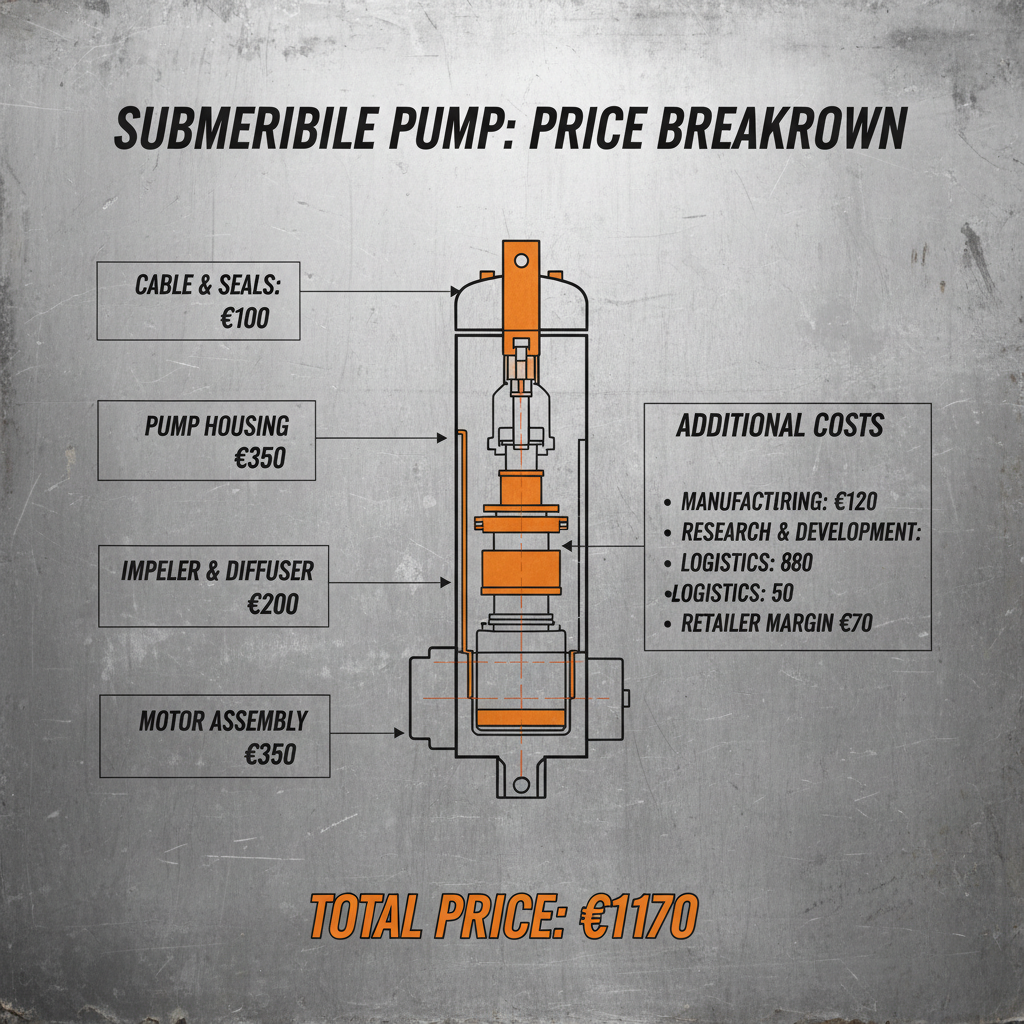 Factors Affecting the Price for Submersible Pump a Buyers GuideWhen investing in water management systems, understanding the price for submersible pump options is essential for balancing performance with budget. Whether you are managing a residential well, an industrial drainage project, or agricultural irrigation, the cost of a pump is rarely a flat fee; it is a reflection of the engineering, materials, and capacity required for your specific environment. In this guide, we will break down the factors that influence pricing and help you determine the best value for your investment to ensure long-term reliability and efficiency.Detail
 -
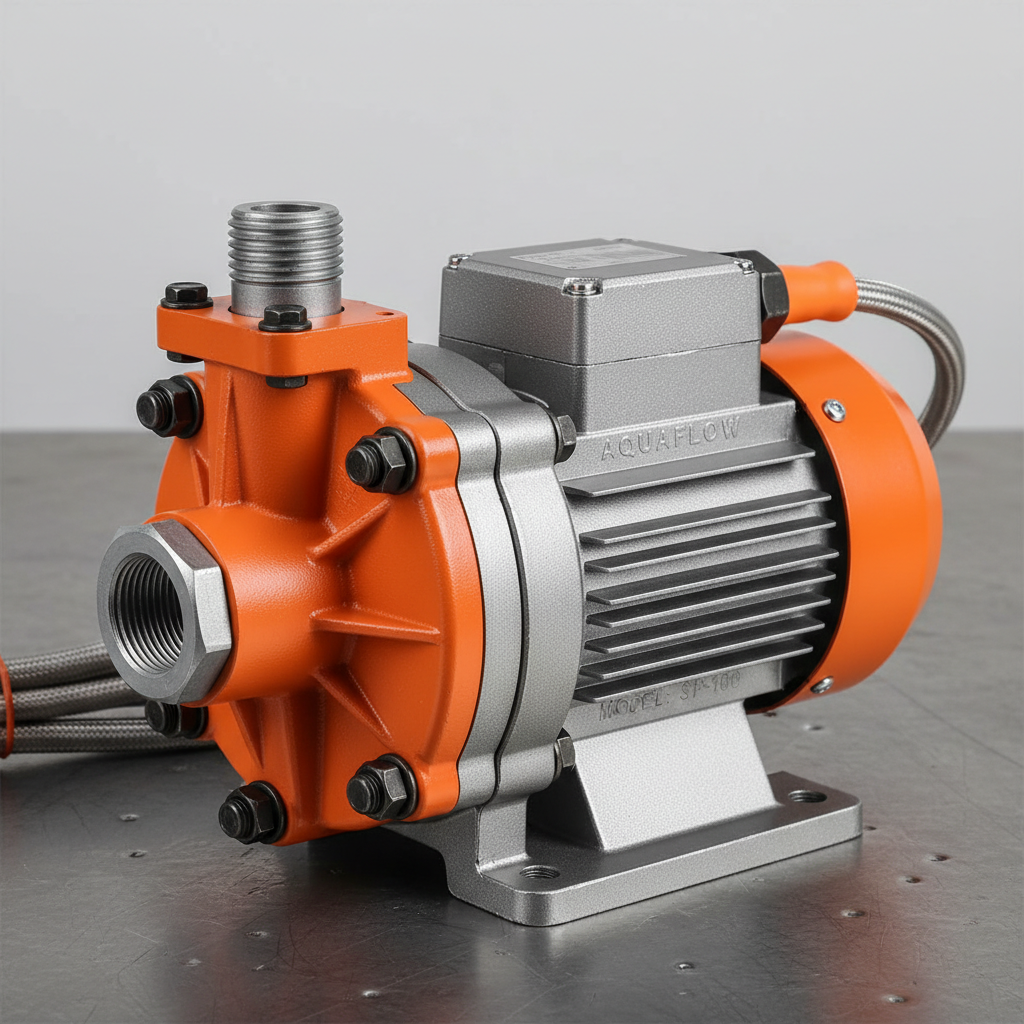 Choosing the Right Mini Submersible Fountain Pump for Optimal Water Feature PerformanceCreating a beautiful and relaxing water feature doesn't have to be complicated. A mini submersible fountain pump is the heart of any indoor or outdoor fountain, and selecting the right one is crucial for optimal performance and longevity. This article will guide you through the key considerations when choosing a mini submersible fountain pump, covering types, features, applications, and how to ensure you get the perfect pump for your project. We’ll also explore how Wellpumpact can provide you with the ideal solution.Detail
 Afrikaans
 Albanian
 Amharic
 Arabic
 Armenian
 Azerbaijani
 Basque
 Belarusian
 Bengali
 Bosnian
 Bulgarian
 Catalan
 Cebuano
 Corsican
 Croatian
 Czech
Czech
 Danish
 Dutch
Dutch
 Esperanto
 Estonian
 Finnish
 French
 Frisian
 Galician
 Georgian
 German
 Greek
Greek
 Gujarati
 Haitian Creole
 Hausa
Hausa
 Hawaiian
 Hebrew
 Hindi
Hindi
 Miao
Miao
 Hungarian
 Icelandic
 Igbo
Igbo
 Indonesian
 Irish
Irish
 Italian
 Japanese
 Javanese
 Kannada
 Kazakh
 Khmer
Khmer
 Rwandese
 Korean
 Kurdish
 Kyrgyz
 Lao
Lao
 Latin
Latin
 Latvian
 Lithuanian
 Luxembourgish
 Macedonian
 Malgashi
 Malay
Malay
 Malayalam
 Maltese
 Maori
Maori
 Marathi
 Mongolian
 Myanmar
 Nepali
 Norwegian
 Norwegian
 Occitan
 Pashto
 Persian
 Polish
 Portuguese
 Punjabi
 Romanian
 Russian
 Samoan
 Scottish Gaelic
 Serbian
 Sesotho
 Shona
Shona
 Sindhi
 Sinhala
 Slovak
 Slovenian
 Somali
 Spanish
 Sundanese
 Swahili
 Swedish
 Tagalog
 Tajik
Tajik
 Tamil
Tamil
 Tatar
Tatar
 Telugu
 Thai
Thai
 Turkish
 Turkmen
 Ukrainian
 Urdu
Urdu
 Uighur
 Uzbek
Uzbek
 Vietnamese
 Welsh
Welsh
 Bantu
Bantu
 Yiddish
 Yoruba
 Zulu
Zulu
 English